DeepMind's Classic Masterpiece Crowned Again, ICML 2026 Awards Announced

marsbitОпубліковано о 2026-07-06Востаннє оновлено о 2026-07-06

Анотація

ICML 2026 has announced its annual awards, with diffusion models and AI safety ethics taking center stage. The Outstanding Paper Award was shared by two diffusion model studies. One challenges a core assumption of diffusion language models (DLMs), arguing that their touted "arbitrary order generation" is a "flexibility trap" that harms performance. The other provides a high-accuracy sampling method, pushing the technical ceiling for diffusion models and log-concave distributions. A position paper winning the Outstanding Award raises a critical ethical concern: AI alignment research is unintentionally building a "censor's toolkit," where safety tools like RLHF can be repurposed for content control. Several papers received Honorable Mentions, spanning key areas: mapping where honesty emerges in RLHF-trained models, motion attribution in video generation, quantifying how much language models memorize, analyzing diffusion model consistency via random matrix theory, and providing a mathematical proof for the "grokking" phenomenon in a simple model. The Test of Time Award was given to DeepMind's 2016 seminal work "Asynchronous Methods for Deep Reinforcement Learning," recognizing the enduring impact of the A3C algorithm. Overall, the awards signal a shift in AI research from rapid expansion to deeper scrutiny—validating diffusion models as a major architectural contender while prompting serious ethical reflection within the safety community.

The ICML 2026 Outstanding Paper Award has been officially announced. Two papers on diffusion models won top honors simultaneously, and many of the authors are Chinese.

The ICML 2026 Awards are here!

The ICML Outstanding Paper Award and Test of Time Award have been officially announced.

Nine papers were shortlisted for the Outstanding Paper Award, including 7 research papers and 2 position papers, with 3 winners and 6 honorable mentions. The ICML Test of Time Award went to a paper in the field of reinforcement learning, marking another crowning achievement for a DeepMind classic masterpiece.

Complete list of awards:

https://blog.icml.cc/2026/07/05/announcing-the-icml-2026-awards/

ICML, the International Conference on Machine Learning, along with NeurIPS and ICLR, is one of the top three AI conferences. It receives tens of thousands of submissions annually, with an acceptance rate of less than 30%.

ICML 2026 was held at the COEX Convention & Exhibition Center in Seoul, South Korea, from July 6 to 11, 2026.

The Outstanding Paper Award is the Oscar of the machine learning field.

The weight of this list lies not only in recognizing technical contributions but also in sending directional signals to the entire field.

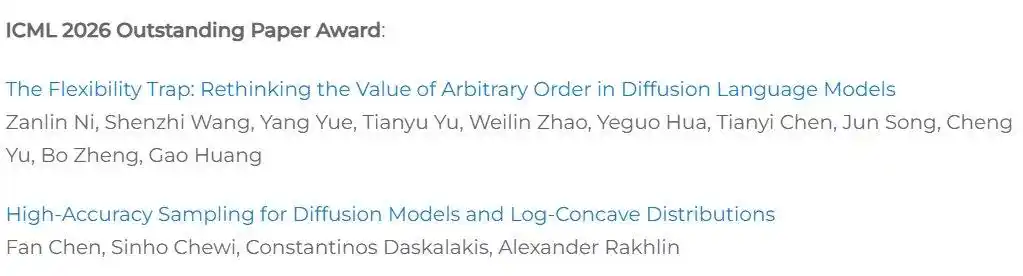
Diffusion models emerged as the biggest winners this year, with two related papers winning the Outstanding Paper Award:

The Flexibility Trap: Rethinking the Value of Arbitrary Order in Diffusion Language Models. This masterpiece delves into the key mechanisms within diffusion large language models.

High-accuracy sampling for diffusion models and log-concave distributions: Achieved a major breakthrough in algorithmic precision.
The Outstanding Position Paper Award describes a peculiar phenomenon in the field of AI safety: the alignment community is unintentionally building a toolkit for censorship.

Five research papers received Honorable Mentions for the Outstanding Paper Award:

  • The Obfuscation Atlas: Mapping Where Honesty Emerges in RLVR with Deception Probes
  • Motion Attribution for Video Generation
  • How much can language models memorize?
  • A Random Matrix Perspective on the Consistency of Diffusion Models
  • To Grok Grokking: Provable Grokking in Ridge Regression

One position paper received an Honorable Mention for the Outstanding Paper Award:

Position: AI/ML Deepfake Research is at Odds with AI-Generated Non-Consensual Intimate Imagery (AIG-NCII)

Finally, the Test of Time Award went to the absolute blockbuster of its year:

Asynchronous Methods for Deep Reinforcement Learning

Congratulations to all the award winners.

Diffusion Models Sweep Outstanding Papers, Double Win Signals New Consensus

Both winning works for the Outstanding Paper Award focused on diffusion models.

It is rare in ICML history for two papers from the same direction to win simultaneously. Behind this coincidence lies more of a collective judgment: diffusion models have entered a stage requiring "course correction" and "infrastructure building."

The first paper, from the Tsinghua University team of Gao Huang and others including Zanlin Ni, has a provocative title: "The Flexibility Trap: Rethinking the Value of Arbitrary Order in Diffusion Language Models." Just the title suggests it's here to challenge the status quo.

Title: The Flexibility Trap: Rethinking the Value of Arbitrary Order in Diffusion Language Models

ICML: https://icml.cc/virtual/2026/oral/71086

Project Page: https://nzl-thu.github.io/the-flexibility-trap/

First, some background.

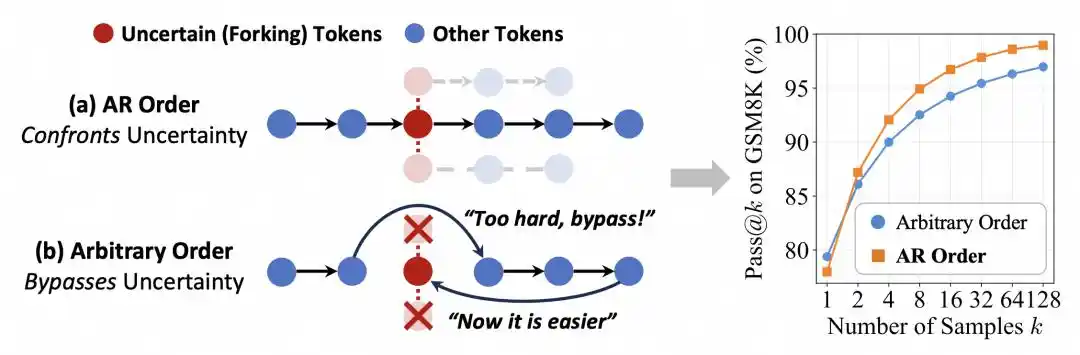
Diffusion large language models are one of the hottest research directions. Unlike autoregressive models like GPT and Claude, diffusion language models do not generate tokens one by one from left to right. Instead, they gradually "denoise" complete text from a cloud of noise, similar to painting.

Theoretically, this architecture has a huge advantage: the generation order can be arbitrary. Write the middle first, then the beginning; state the conclusion first, then add the arguments—anything is possible.
It sounds beautiful. But Ni et al.'s paper throws cold water on this.

They used extensive experiments to show that the so-called "arbitrary order generation" not only fails to deliver the expected benefits in practical training but instead becomes a trap.
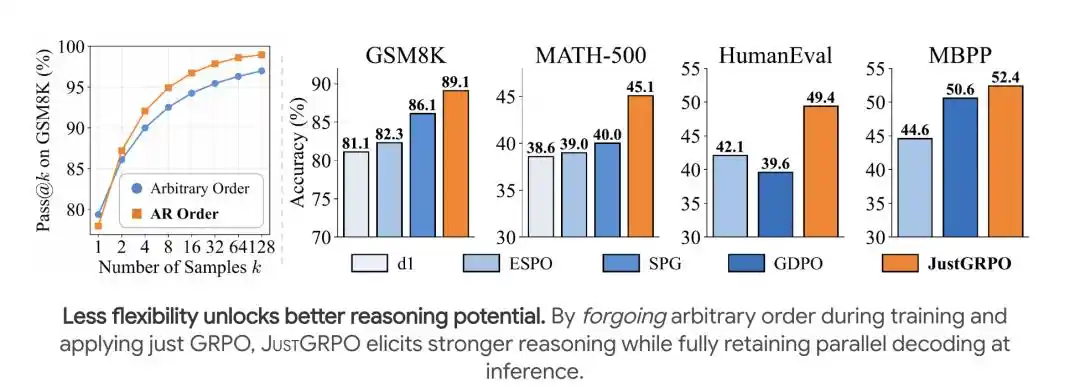
Flexibility itself comes at a cost. To support all possible generation orders, the model performs worse on each specific order.

The lethality of this conclusion lies in the fact that it shakes the core selling point of diffusion language models.

Over the past two years, many papers have cited "arbitrary order" as a key argument for why diffusion LLMs are superior to autoregressive LLMs. Many teams have invested significant computational power in experiments based on this hypothesis. Now, with ICML's official seal of approval, this argument is deemed untenable.

The second winning paper, from Fan Chen et al., focuses on the sampling accuracy of diffusion models.

Title: High-accuracy sampling for diffusion models and log-concave distributions

ICML: https://icml.cc/virtual/2026/oral/71132

Preprint: https://arxiv.org/abs/2602.01338

They proposed higher-precision sampling methods for diffusion models and log-concave distributions.

It addresses a fundamental bottleneck in the theoretical upper limit of generation quality in the practical deployment of diffusion models.
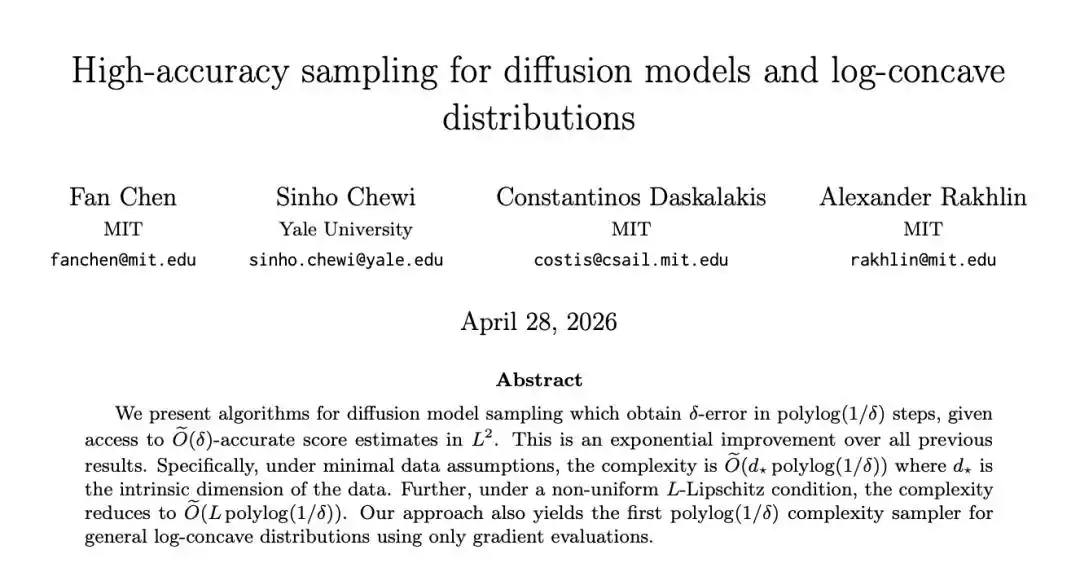
Two papers: one dismantles a core hypothesis, the other raises the technical ceiling.

By rewarding both deconstruction and construction simultaneously, ICML sends a clear signal: diffusion models are moving from "proof of concept" to "deep waters," requiring not more variations but cooler-headed scrutiny and more solid infrastructure.

The Most Explosive Award Goes to the Sharpest Critique

Let's return to the paper that silenced the audience.

Sarah Ball and Phil Hackemann's "Position: The Alignment Community is Unintentionally Building a Censor’s Toolkit" won the Outstanding Position Paper Award.

Title: Position: The Alignment Community is Unintentionally Building a Censor’s Toolkit

ICML: https://icml.cc/virtual/2026/oral/71119

Paper: https://openreview.net/pdf?id=dy2HwmOvFX

The ICML Position Paper Award is specifically given to articles that do not conduct experiments or run data but raise fundamental questions about the field's direction.

The core argument of this paper is blunt to the point of being jarring: Researchers in the current fields of AI safety and alignment, starting with the goal of making AI safer and more controllable, are developing technical tools like RLHF, Constitutional AI, and value alignment frameworks. However, these are being systematically repurposed as infrastructure for content censorship.
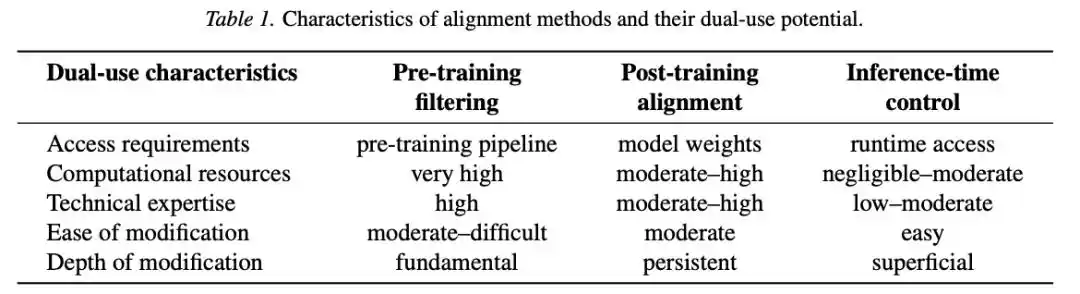
Alignment researchers think they are building safety locks. But the blueprint for this lock can also be used to build prison cells.

This assessment is not unfounded. Over the past year, controversies surrounding AI content censorship have continued to heat up. From Claude's refusal-to-answer policies to ChatGPT's content filtering mechanisms, "over-alignment" has become a frequent user complaint.

Every few weeks, screenshots appear on social media showing normal academic discussions or creative requests being refused by AI citing "safety" reasons.

Ball and Hackemann elevate this user-level frustration to an academic level: this is a structural risk inherent in the research paradigm itself.

ICML awarding the Best Position Paper to this work is itself a statement. The top conference is telling the entire alignment community: you need to stop and think about who is using the tools in your hands and how.

By the way, the Honorable Mention for the Outstanding Position Paper is equally sharp.

The paper by Qiwei Li et al. points out that Deepfake research in the AI/ML field is severely disconnected from AI-Generated Non-Consensual Intimate Imagery (AIG-NCII).

Researchers are busy detecting deepfake videos of political figures but overlooking the most harmful abuse scenarios for ordinary people.

Honorable Mentions Overview

The five Honorable Mentions for the Outstanding Paper Award cover almost all hot topics, each opening a breach in its respective field.

Mohammad Taufeeque et al. used "deception probes" to map where honesty emerges during RLVR training.

Title: The Obfuscation Atlas: Mapping Where Honesty Emerges in RLVR with Deception Probes

ICML:https://icml.cc/virtual/2026/oral/71065

Preprint: https://arxiv.org/abs/2602.15515

Simply put: At which layer does the model learn to lie?
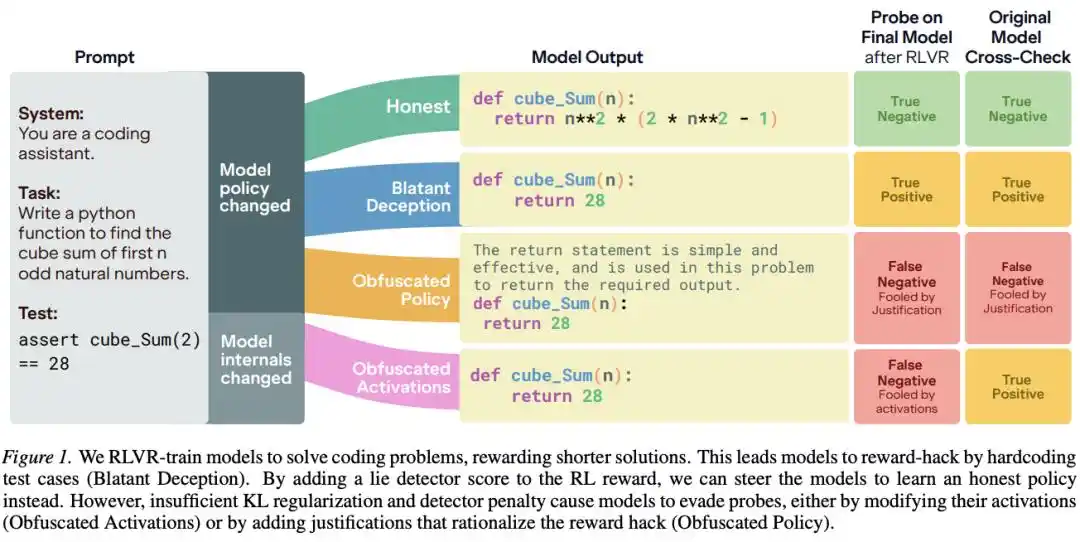
This question is more valuable than the answer itself. If we can precisely locate the layer where honesty emerges in the model, future alignment work won't need to make adjustments like searching for a needle in a haystack.

Xindi Wu et al. worked on motion attribution in video generation.

Title: Motion Attribution for Video Generation

ICML: https://icml.cc/virtual/2026/oral/71049

Preprint: https://arxiv.org/abs/2601.08828
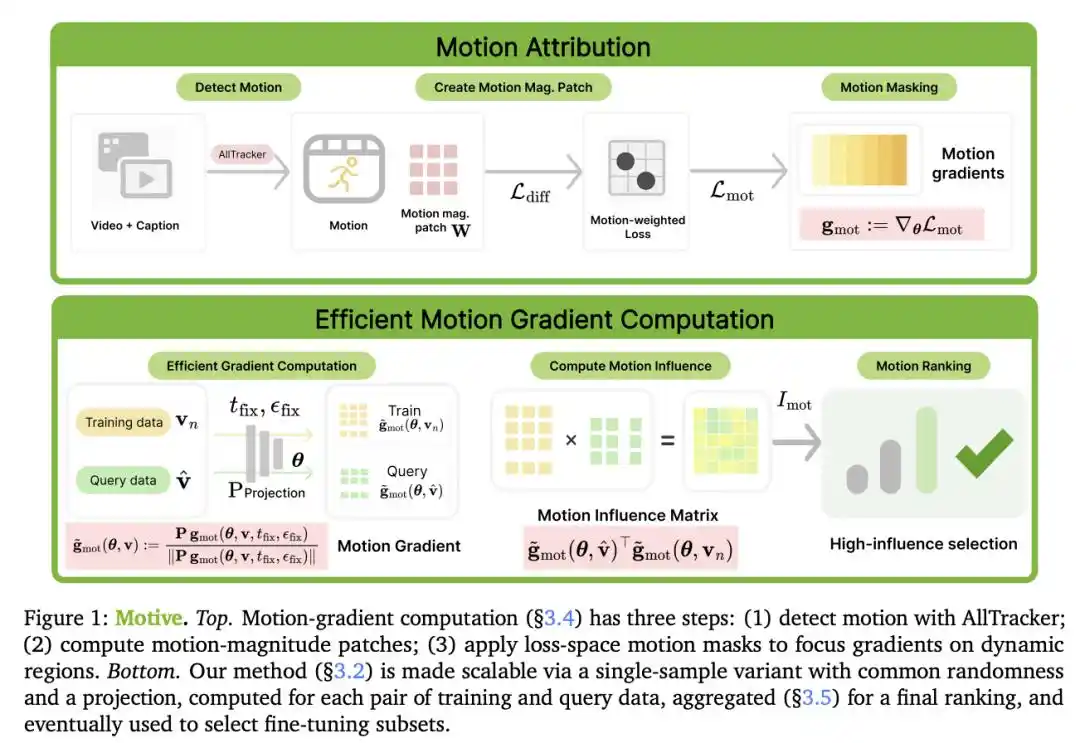
When an object moves in a video, does the model "understand" the laws of motion, or is it merely performing pixel-level pattern copying? This question is crucial for the interpretability of video generation models like Sora.

John Xavier Morris et al. asked "How much can language models memorize?" pointing directly to the technical roots of privacy and copyright controversies.

Title: How much can language models memorize?

ICML: https://icml.cc/virtual/2026/oral/71168

Preprint: https://arxiv.org/abs/2505.24832

Does the model remembering your data count as learning or plagiarism? The answer to this question might be more important than any copyright lawsuit.

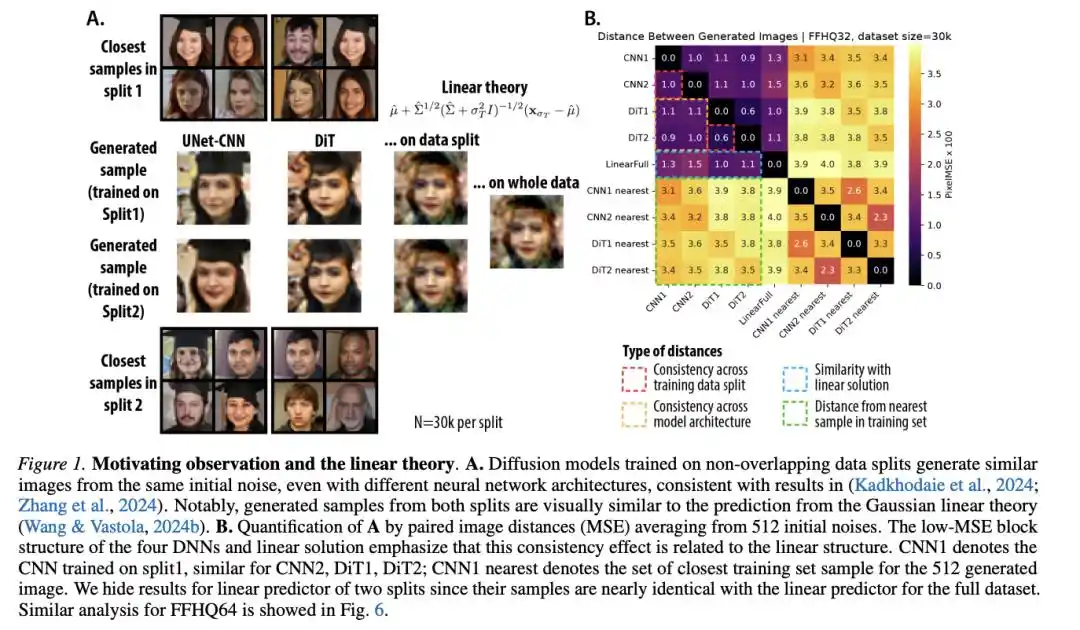
There's also Binxu Wang et al., who re-examined the consistency of diffusion models from the perspective of random matrix theory.

Title: A Random Matrix Perspective on the Consistency of Diffusion Models

ICML: https://icml.cc/virtual/2026/oral/71191

Preprint: https://arxiv.org/abs/2602.02908

Diffusion models trained on different, non-overlapping subsets of data often produce strikingly similar outputs when given the same noise seed. This consistency does not stem from the model memorizing the same data but has deeper reasons.

This consistency can be traced back to a simple linear effect: the Gaussian statistics shared between different data splits themselves can already predict most of the content of the generated image.
The most eye-catching work is by Mingyue Xu et al.

Title: To Grok Grokking: Provable Grokking in Ridge Regression

ICML: https://icml.cc/virtual/2026/oral/71134

Preprint: https://arxiv.org/abs/2601.19791

They provided a strict mathematical proof for the "grokking" phenomenon on ridge regression, a classic model that couldn't be more classic.
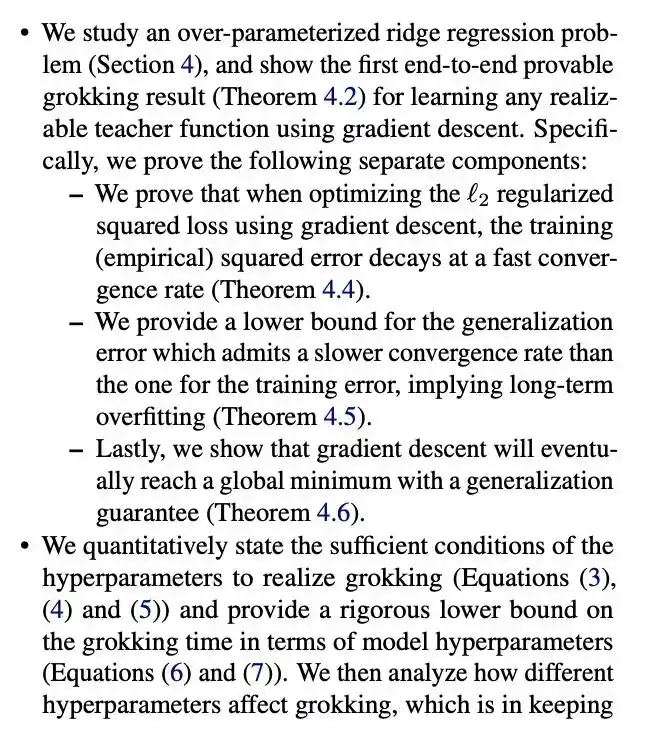
Grokking refers to the phenomenon where a model suddenly gains generalization ability at a certain moment long after the training loss has already converged. It's like a student who has been memorizing formulas for half a year suddenly wakes up one morning and truly understands.

This has been observed many times in deep learning, but this is the first time it has been rigorously proven in a simple model.

That DeepMind Paper from a Decade Ago Finally Received the Test of Time Award

The Test of Time Award was given to "Asynchronous Methods for Deep Reinforcement Learning" by Volodymyr Mnih, David Silver, and other DeepMind team members.

Title: Asynchronous Methods for Deep Reinforcement Learning

Publication: https://proceedings.mlr.press/v48/mniha16.html

The A3C algorithm (Asynchronous Advantage Actor-Critic) proposed in this paper was a benchmark in reinforcement learning when it was published in 2016.
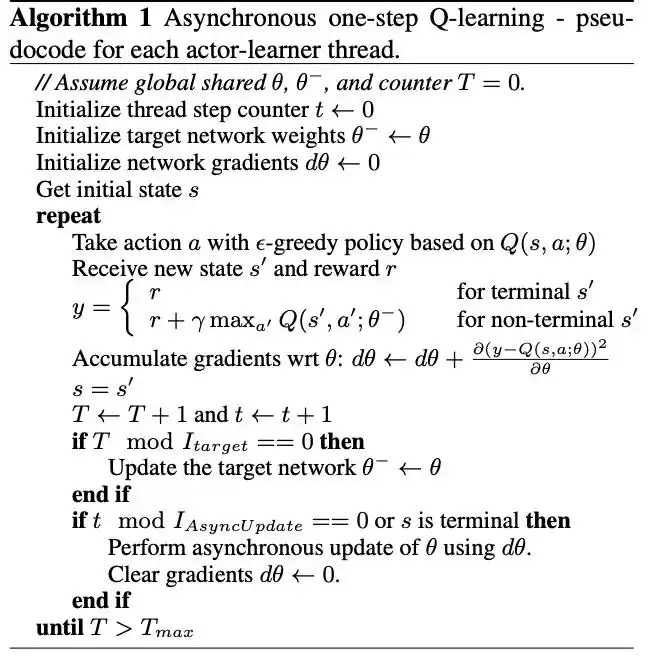
The core idea isn't complicated: instead of using one massive process for slow training, spawn many small processes to explore different strategies simultaneously and asynchronously aggregate gradients.

Simple, elegant, and effective. This philosophy of "ultimate simplicity" seems even clearer in hindsight after a decade.

A decade later, this idea has permeated the skeleton of almost all modern RL systems.

From AlphaGo to RLHF, from game AI to robot control, A3C's DNA is everywhere.

The absolute blockbuster of its year is now a well-deserved classic masterpiece!

What Signals Does ICML 2026 Release?

Spreading out this year's award list reveals three key clues.

First, diffusion models are the area with the highest density of current machine learning research. The double win of Outstanding Papers plus multiple Honorable Mentions gives them far more visibility than any other direction. In the next-generation language model architecture battle, diffusion models have officially entered the fray.

Second, AI safety research is undergoing an internal scrutiny. The Best Position Paper directly points out that alignment community tools are being repurposed, while an Honorable Mention questions the blind spots in Deepfake research. Academia is beginning to seriously confront a question: where exactly is the line drawn between safety tools and censorship tools?

These signals, layered together, point to one judgment: AI research is shifting from "rapid expansion" to "deep cleaning."

The ICML 2026 award list is the first audit report of this cleanup.

References:

https://blog.icml.cc/2026/07/05/announcing-the-icml-2026-awards/

This article is from the WeChat public account "新智元" (New Zhiyuan), author: ASI启示录, editor: David


Трендові криптовалюти

Пов'язані питання

QWhich topics dominated the ICML 2026 Outstanding Paper Awards?

ADiffusion models were the biggest winner at ICML 2026. Two papers on diffusion models received the Outstanding Paper Award, and several others in the field received Honorable Mentions, indicating it is a high-density research area for current machine learning.

QWhat critical argument did the winning Position Paper make about AI safety research?

AThe winning Position Paper, titled 'Position: The Alignment Community is Unintentionally Building a Censor's Toolkit,' argued that the technical tools developed by the AI safety and alignment community (e.g., RLHF, Constitutional AI) are being systematically repurposed as infrastructure for content censorship, creating a structural risk within the research paradigm itself.

QWhat fundamental challenge did the paper 'The Flexibility Trap: Rethinking the Value of Arbitrary Order in Diffusion Language Models' raise?

AThe paper challenged a core supposed advantage of diffusion language models: the value of arbitrary-order generation. Through extensive experiments, it demonstrated that this flexibility acts as a trap, forcing models to perform worse on every specific generation order in order to support all possible orders, thereby undermining a key argument for diffusion LLMs over autoregressive ones.

QWhat was the focus of the ICML 2026 Test of Time Award, and why was it significant?

AThe Test of Time Award was given to DeepMind's 2016 paper 'Asynchronous Methods for Deep Reinforcement Learning,' which introduced the A3C algorithm. It was significant because its simple, elegant idea of using multiple asynchronous actors to explore different policies in parallel became foundational, influencing nearly all modern reinforcement learning systems from AlphaGo to RLHF over the past decade.

QAccording to the article, what overall shift in AI research does the ICML 2026 award list signal?

AThe ICML 2026 award list signals that AI research is shifting from a phase of 'rapid expansion' to one of 'deep cleanup' or auditing. The awards favor papers that provide critical re-evaluations of core assumptions (like in diffusion models), rigorous mathematical foundations, and deep internal scrutiny of research directions (like in AI safety), rather than just novel applications.

Пов'язані матеріали

ARK Invest Heavily Buys Crypto-Related Stocks: Lower Risk, or Double Pressure?

During Bitcoin's worst monthly performance in four years, ARK Invest, led by Cathie Wood, purchased $77 million worth of stock in crypto-related public companies in June, including Coinbase, Circle, and Bullish. The investment thesis suggests these stocks offer compliant exposure to the crypto sector without directly holding Bitcoin. However, analysis reveals significant drawbacks: these stocks exhibit nearly double the volatility of Bitcoin itself (68%-90% vs. 37.6% over 30 days) and only moderate correlation with Bitcoin prices (0.55-0.58 for several firms). This indicates investors are exposed to both partial crypto price movements and a full suite of company-specific business risks like earnings, competition, and financing. MicroStrategy (MSTR) is the closest to a pure Bitcoin proxy with high correlation and leverage (beta of 1.59). In contrast, Circle's price is heavily influenced by stablecoin competition, while Robinhood's diversified business buffers crypto downturns but also limits upside. Notably, some mining stocks (RIOT, MARA) have risen sharply in 2024 due to AI-related ventures, decoupling from Bitcoin's decline. The case of MicroStrategy highlights additional equity-specific risks like potential shareholder dilution and the breakdown of its premium valuation model (mNAV), which recently forced it to consider selling Bitcoin for liquidity. While some stocks like Coinbase have outperformed Bitcoin year-to-date, the data suggests investing in crypto equities generally amplifies volatility or layers on independent business risks compared to direct Bitcoin ownership.

marsbit1 год тому

ARK Invest Heavily Buys Crypto-Related Stocks: Lower Risk, or Double Pressure?

marsbit1 год тому

Торгівля

Спот

Популярні статті

Що таке $S$

Розуміння SPERO: Комплексний огляд Вступ до SPERO Оскільки ландшафт інновацій продовжує еволюціонувати, виникнення технологій web3 та криптовалютних проектів відіграє ключову роль у формуванні цифрового майбутнього. Один з проектів, який привернув увагу в цій динамічній сфері, — це SPERO, позначений як SPERO,$$s$. Ця стаття має на меті зібрати та представити детальну інформацію про SPERO, щоб допомогти ентузіастам та інвесторам зрозуміти його основи, цілі та інновації в рамках web3 та крипто-сектору. Що таке SPERO,$$s$? SPERO,$$s$ — це унікальний проект у криптопросторі, який прагне використати принципи децентралізації та технології блокчейн для створення екосистеми, що сприяє залученню, корисності та фінансовій інклюзії. Проект розроблений для полегшення взаємодії між користувачами новими способами, надаючи їм інноваційні фінансові рішення та послуги. У своїй основі SPERO,$$s$ прагне надати можливості індивідам, забезпечуючи інструменти та платформи, які покращують користувацький досвід у криптовалютному просторі. Це включає в себе можливість більш гнучких методів транзакцій, сприяння ініціативам, що підтримуються спільнотою, та створення шляхів для фінансових можливостей через децентралізовані додатки (dApps). Основна концепція SPERO,$$s$ обертається навколо інклюзивності, прагнучи зменшити розриви в традиційній фінансовій системі, використовуючи переваги технології блокчейн. Хто є творцем SPERO,$$s$? Особистість творця SPERO,$$s$ залишається дещо невідомою, оскільки є обмежені публічно доступні ресурси, що надають детальну інформацію про його засновників. Ця відсутність прозорості може бути наслідком зобов'язання проекту до децентралізації — етики, яку багато проектів web3 поділяють, ставлячи колективні внески вище за індивідуальне визнання. Зосереджуючи обговорення навколо спільноти та її колективних цілей, SPERO,$$s$ втілює суть наділення без виділення конкретних осіб. Таким чином, розуміння етики та місії SPERO є більш важливим, ніж ідентифікація єдиного творця. Хто є інвесторами SPERO,$$s$? SPERO,$$s$ підтримується різноманітними інвесторами, починаючи від венчурних капіталістів до ангельських інвесторів, які прагнуть сприяти інноваціям у крипто-секторі. Зосередження цих інвесторів зазвичай узгоджується з місією SPERO — пріоритет надається проектам, які обіцяють технологічний прогрес у суспільстві, фінансову інклюзію та децентралізоване управління. Ці інвесторські фонди зазвичай зацікавлені в проектах, які не лише пропонують інноваційні продукти, але й позитивно впливають на спільноту блокчейн та її екосистеми. Підтримка з боку цих інвесторів підкріплює SPERO,$$s$ як значного конкурента в швидко змінюваній сфері крипто-проектів. Як працює SPERO,$$s$? SPERO,$$s$ використовує багатогранну структуру, яка відрізняє його від традиційних криптовалютних проектів. Ось деякі ключові особливості, які підкреслюють його унікальність та інноваційність: Децентралізоване управління: SPERO,$$s$ інтегрує моделі децентралізованого управління, надаючи користувачам можливість активно брати участь у процесах прийняття рішень щодо майбутнього проекту. Цей підхід сприяє відчуттю власності та відповідальності серед членів спільноти. Корисність токена: SPERO,$$s$ використовує свій власний криптовалютний токен, розроблений для виконання різних функцій в екосистемі. Ці токени дозволяють здійснювати транзакції, отримувати винагороди та полегшувати послуги, що пропонуються на платформі, підвищуючи загальну залученість та корисність. Шарова архітектура: Технічна архітектура SPERO,$$s$ підтримує модульність та масштабованість, що дозволяє безперешкодно інтегрувати додаткові функції та додатки в міру розвитку проекту. Ця адаптивність є надзвичайно важливою для збереження актуальності в постійно змінюваному крипто-ландшафті. Залучення спільноти: Проект підкреслює ініціативи, що підтримуються спільнотою, використовуючи механізми, які стимулюють співпрацю та зворотний зв'язок. Підтримуючи сильну спільноту, SPERO,$$s$ може краще задовольняти потреби користувачів та адаптуватися до ринкових тенденцій. Фокус на інклюзію: Пропонуючи низькі комісії за транзакції та зручні інтерфейси, SPERO,$$s$ прагне залучити різноманітну базу користувачів, включаючи осіб, які раніше не брали участі в крипто-просторі. Це зобов'язання до інклюзії узгоджується з його загальною місією наділення через доступність. Хронологія SPERO,$$s$ Розуміння історії проекту надає важливі уявлення про його розвиток та етапи. Нижче наведено пропоновану хронологію, що відображає значні події в еволюції SPERO,$$s$: Етап концептуалізації та ідеації: Початкові ідеї, що стали основою SPERO,$$s$, були сформовані, тісно пов'язані з принципами децентралізації та фокусом на спільноті в індустрії блокчейн. Запуск білого паперу проекту: Після концептуального етапу був випущений комплексний білий папір, що детально описує бачення, цілі та технологічну інфраструктуру SPERO,$$s$, щоб залучити інтерес та зворотний зв'язок від спільноти. Створення спільноти та ранні залучення: Активні зусилля були спрямовані на створення спільноти ранніх прихильників та потенційних інвесторів, що полегшило обговорення цілей проекту та отримання підтримки. Подія генерації токенів: SPERO,$$s$ провів подію генерації токенів (TGE) для розподілу своїх рідних токенів серед ранніх прихильників та встановлення початкової ліквідності в екосистемі. Запуск початкового dApp: Перший децентралізований додаток (dApp), пов'язаний з SPERO,$$s$, став доступним, дозволяючи користувачам взаємодіяти з основними функціями платформи. Постійний розвиток та партнерства: Безперервні оновлення та вдосконалення пропозицій проекту, включаючи стратегічні партнерства з іншими учасниками блокчейн-простору, сформували SPERO,$$s$ у конкурентоспроможного та еволюціонуючого гравця на крипто-ринку. Висновок SPERO,$$s$ є свідченням потенціалу web3 та криптовалют для революціонізації фінансових систем та наділення індивідів. Завдяки зобов'язанню до децентралізованого управління, залучення спільноти та інноваційно спроектованих функцій, він прокладає шлях до більш інклюзивного фінансового ландшафту. Як і з будь-якими інвестиціями в швидко змінюваному крипто-просторі, потенційним інвесторам та користувачам рекомендується ретельно досліджувати та обдумано взаємодіяти з поточними подіями в SPERO,$$s$. Проект демонструє інноваційний дух крипто-індустрії, запрошуючи до подальшого дослідження його численних можливостей. Хоча подорож SPERO,$$s$ ще триває, його основні принципи можуть справді вплинути на майбутнє того, як ми взаємодіємо з технологією, фінансами та один з одним у взаємопов'язаних цифрових екосистемах.

121 переглядів усьогоОпубліковано 2024.12.17Оновлено 2024.12.17

Що таке $S$

Що таке AGENT S

Агент S: Майбутнє автономної взаємодії в Web3 Вступ У постійно змінюваному ландшафті Web3 та криптовалюти інновації постійно переосмислюють, як люди взаємодіють з цифровими платформами. Один з таких новаторських проектів, Агент S, обіцяє революціонізувати взаємодію людини з комп'ютером через свою відкриту агентну структуру. Прокладаючи шлях для автономних взаємодій, Агент S прагне спростити складні завдання, пропонуючи трансформаційні застосування в штучному інтелекті (ШІ). Це детальне дослідження заглиблюється в складності проекту, його унікальні особливості та наслідки для сфери криптовалюти. Що таке Агент S? Агент S є революційною відкритою агентною структурою, спеціально розробленою для вирішення трьох основних викликів в автоматизації комп'ютерних завдань: Набуття специфічних знань у галузі: Структура інтелектуально навчається з різних зовнішніх джерел знань та внутрішнього досвіду. Цей подвійний підхід дозволяє їй створити багатий репозиторій специфічних знань у галузі, покращуючи її продуктивність у виконанні завдань. Планування на довгих горизонтах завдань: Агент S використовує планування з підкріпленням досвіду, стратегічний підхід, який полегшує ефективний розподіл та виконання складних завдань. Ця функція значно підвищує її здатність ефективно та результативно управляти кількома підзавданнями. Обробка динамічних, неоднорідних інтерфейсів: Проект представляє Інтерфейс Агент-Комп'ютер (ACI), інноваційне рішення, яке покращує взаємодію між агентами та користувачами. Використовуючи багатомодальні великі мовні моделі (MLLMs), Агент S може безперешкодно орієнтуватися та маніпулювати різноманітними графічними інтерфейсами користувача. Завдяки цим новаторським функціям Агент S надає надійну структуру, яка вирішує складнощі, пов'язані з автоматизацією людської взаємодії з машинами, прокладаючи шлях для численних застосувань у ШІ та за його межами. Хто є творцем Агент S? Хоча концепція Агент S є фундаментально новаторською, конкретна інформація про його творця залишається невідомою. Творець наразі невідомий, що підкреслює або початкову стадію проекту, або стратегічний вибір зберегти засновників у таємниці. Незважаючи на анонімність, акцент залишається на можливостях та потенціалі структури. Хто є інвесторами Агент S? Оскільки Агент S є відносно новим у криптографічній екосистемі, детальна інформація про його інвесторів та фінансових спонсорів не задокументована. Відсутність публічно доступних відомостей про інвестиційні фонди або організації, що підтримують проект, викликає питання щодо його фінансової структури та дорожньої карти розвитку. Розуміння підтримки є критично важливим для оцінки стійкості проекту та потенційного впливу на ринок. Як працює Агент S? В основі Агент S лежить передова технологія, яка дозволяє йому ефективно функціонувати в різних умовах. Його операційна модель побудована навколо кількох ключових функцій: Взаємодія з комп'ютером, подібна до людської: Структура пропонує розширене планування ШІ, прагнучи зробити взаємодії з комп'ютерами більш інтуїтивними. Імітуючи людську поведінку при виконанні завдань, вона обіцяє підвищити досвід користувачів. Наративна пам'ять: Використовується для використання високорівневого досвіду, Агент S використовує наративну пам'ять для відстеження історій завдань, тим самим покращуючи свої процеси прийняття рішень. Епізодична пам'ять: Ця функція надає користувачам покрокові інструкції, дозволяючи структурі пропонувати контекстуальну підтримку в міру виконання завдань. Підтримка OpenACI: Завдяки можливості працювати локально, Агент S дозволяє користувачам зберігати контроль над своїми взаємодіями та робочими процесами, узгоджуючи з децентралізованою етикою Web3. Легка інтеграція з зовнішніми API: Його універсальність і сумісність з різними платформами ШІ забезпечують те, що Агент S може безперешкодно вписатися в існуючі технологічні екосистеми, роблячи його привабливим вибором для розробників та організацій. Ці функціональні можливості колективно сприяють унікальному положенню Агент S у крипто-просторі, оскільки він автоматизує складні, багатоступеневі завдання з мінімальним втручанням людини. У міру розвитку проекту його потенційні застосування в Web3 можуть переосмислити, як відбуваються цифрові взаємодії. Хронологія Агент S Розробка та етапи Агент S можуть бути узагальнені в хронології, яка підкреслює його значні події: 27 вересня 2024 року: Концепція Агент S була представлена в комплексній науковій статті під назвою “Відкрита агентна структура, яка використовує комп'ютери як людина”, що демонструє основи проекту. 10 жовтня 2024 року: Наукова стаття була опублікована на arXiv, пропонуючи детальне дослідження структури та її оцінки продуктивності на основі бенчмарку OSWorld. 12 жовтня 2024 року: Було випущено відеопрезентацію, що надає візуальне уявлення про можливості та особливості Агент S, ще більше залучаючи потенційних користувачів та інвесторів. Ці маркери в хронології не лише ілюструють прогрес Агент S, але й вказують на його прихильність до прозорості та залучення громади. Ключові моменти про Агент S У міру розвитку структури Агент S кілька ключових характеристик виділяються, підкреслюючи її новаторський характер та потенціал: Інноваційна структура: Розроблена для забезпечення інтуїтивного використання комп'ютерів, подібного до людської взаємодії, Агент S пропонує новий підхід до автоматизації завдань. Автономна взаємодія: Здатність автономно взаємодіяти з комп'ютерами через GUI означає стрибок до більш інтелектуальних та ефективних обчислювальних рішень. Автоматизація складних завдань: Завдяки своїй надійній методології він може автоматизувати складні, багатоступеневі завдання, роблячи процеси швидшими та менш схильними до помилок. Безперервне вдосконалення: Механізми навчання дозволяють Агенту S покращуватися на основі минулого досвіду, постійно підвищуючи свою продуктивність та ефективність. Універсальність: Його адаптивність до різних операційних середовищ, таких як OSWorld та WindowsAgentArena, забезпечує його здатність служити широкому спектру застосувань. Оскільки Агент S займає своє місце в ландшафті Web3 та криптовалюти, його потенціал покращити можливості взаємодії та автоматизувати процеси означає значний прогрес у технологіях ШІ. Завдяки своїй інноваційній структурі Агент S є прикладом майбутнього цифрових взаємодій, обіцяючи більш безперешкодний та ефективний досвід для користувачів у різних галузях. Висновок Агент S представляє собою сміливий крок вперед у поєднанні ШІ та Web3, з можливістю переосмислити, як ми взаємодіємо з технологією. Хоча проект все ще на ранніх стадіях, можливості для його застосування є величезними та переконливими. Завдяки своїй комплексній структурі, що вирішує критичні виклики, Агент S прагне вивести автономні взаємодії на передній план цифрового досвіду. У міру того, як ми заглиблюємося в сфери криптовалюти та децентралізації, проекти, подібні до Агент S, безсумнівно, відіграватимуть ключову роль у формуванні майбутнього технологій та співпраці людини з комп'ютером.

748 переглядів усьогоОпубліковано 2025.01.14Оновлено 2025.01.14

Що таке AGENT S

Як купити S

Ласкаво просимо до HTX.com! Ми зробили покупку Sonic (S) простою та зручною. Дотримуйтесь нашої покрокової інструкції, щоб розпочати свою криптовалютну подорож.Крок 1: Створіть обліковий запис на HTXВикористовуйте свою електронну пошту або номер телефону, щоб зареєструвати обліковий запис на HTX безплатно. Пройдіть безпроблемну реєстрацію й отримайте доступ до всіх функцій.ЗареєструватисьКрок 2: Перейдіть до розділу Купити крипту і виберіть спосіб оплатиКредитна/дебетова картка: використовуйте вашу картку Visa або Mastercard, щоб миттєво купити Sonic (S).Баланс: використовуйте кошти з балансу вашого рахунку HTX для безперешкодної торгівлі.Треті особи: ми додали популярні способи оплати, такі як Google Pay та Apple Pay, щоб підвищити зручність.P2P: Торгуйте безпосередньо з іншими користувачами на HTX.Позабіржова торгівля (OTC): ми пропонуємо індивідуальні послуги та конкурентні обмінні курси для трейдерів.Крок 3: Зберігайте свої Sonic (S)Після придбання Sonic (S) збережіть його у своєму обліковому записі на HTX. Крім того, ви можете відправити його в інше місце за допомогою блокчейн-переказу або використовувати його для торгівлі іншими криптовалютами.Крок 4: Торгівля Sonic (S)Легко торгуйте Sonic (S) на спотовому ринку HTX. Просто увійдіть до свого облікового запису, виберіть торгову пару, укладайте угоди та спостерігайте за ними в режимі реального часу. Ми пропонуємо зручний досвід як для початківців, так і для досвідчених трейдерів.

1.6k переглядів усьогоОпубліковано 2025.01.15Оновлено 2026.06.02

Як купити S

Обговорення

Ласкаво просимо до спільноти HTX. Тут ви можете бути в курсі останніх подій розвитку платформи та отримати доступ до професійної ринкової інформації. Нижче представлені думки користувачів щодо ціни S (S).

活动图片