Trade groups representing traditional banks challenged the Office of the Comptroller of the Currency’s (OCC) decision to approve national trust charters for crypto firms.
At the center of the dispute are conditional approvals granted to a handful of digital asset players. This is a move the OCC insists followed the same review process applied to any bank charter.
Banking groups disagreed.
They argued the move created a gray zone. These firms resembled banks, gained federal status, yet lacked deposit insurance and full bank-level oversight.
On behalf of the American Banking Association, Rob Nichols, President and CEO, said,
“We are concerned that expanding the trust charter in this way… could blur the lines of what it means to be a bank and create opportunities for regulatory arbitrage.”
The ICBA went further. In their statement, President and CEO Rebeca Romero Rainey noted,
“The OCC’s dramatic policy change… allows for an inconsistent regulatory framework that threatens financial instability.”
And while this chatter goes back and forth, crypto is gaining steam on higher levels.
Regulation takes over on the other side
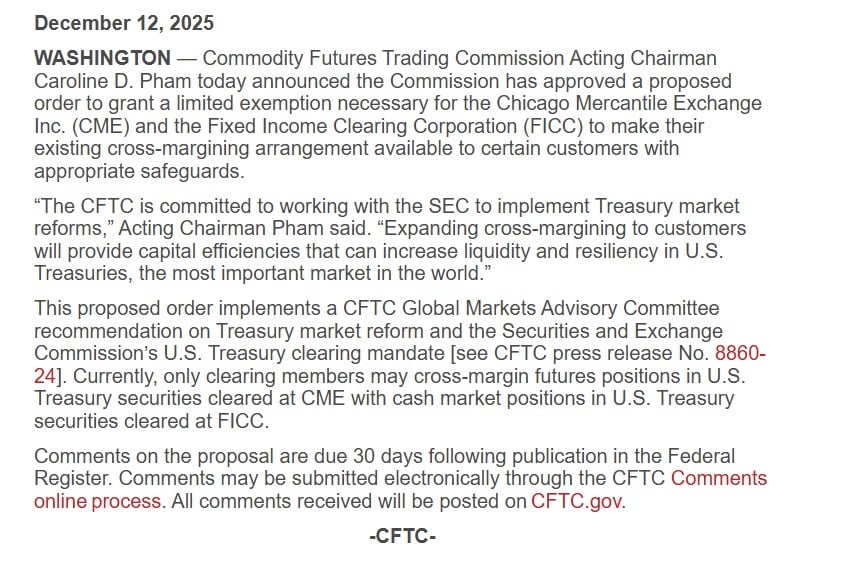
The CFTC’s recent move to expand cross-margining for U.S. Treasuries may sound technical, but the intent is pretty straightforward.
By letting Treasuries be netted alongside futures, regulators are testing systems that could eventually hold crypto and tokenized assets in the same portfolio. The idea is to increase efficiency and risk control.
In the press release, CFTC Acting Chairman Caroline Pham said,
“Expanding cross-margining to customers will provide capital efficiencies that can increase liquidity and resiliency in U.S. Treasuries, the most important market in the world.”
And whatever the industry debate looks like on the surface, the groundwork for integration is already being laid.
Brazil isn’t going to wait!
The country’s largest private bank is already treating Bitcoin like a portfolio tool.
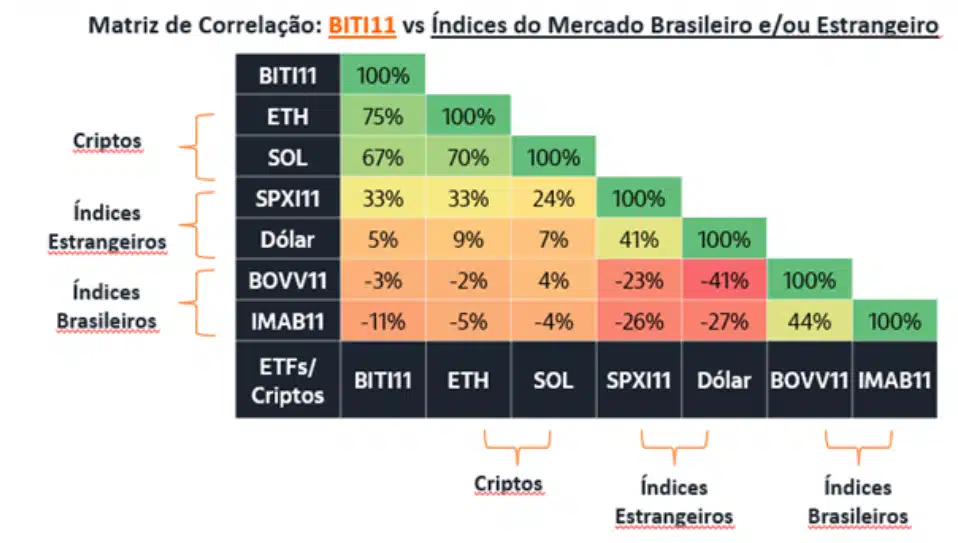
Itaú Unibanco has recently advised clients to allocate a small slice (up to 3%) to Bitcoin. Not as a trade, but as protection!
The logic is simple. Bitcoin doesn’t move like local stocks or bonds, and it offers some shelter when the real weakens. Itaú is clear this isn’t about chasing price swings or making crypto a core holding.
It’s meant to be limited, long-term, and disciplined.
For Venezuelans, crypto is non-negotiable
In Venezuela, stablecoins replaced traditional banking functions for many households and businesses.
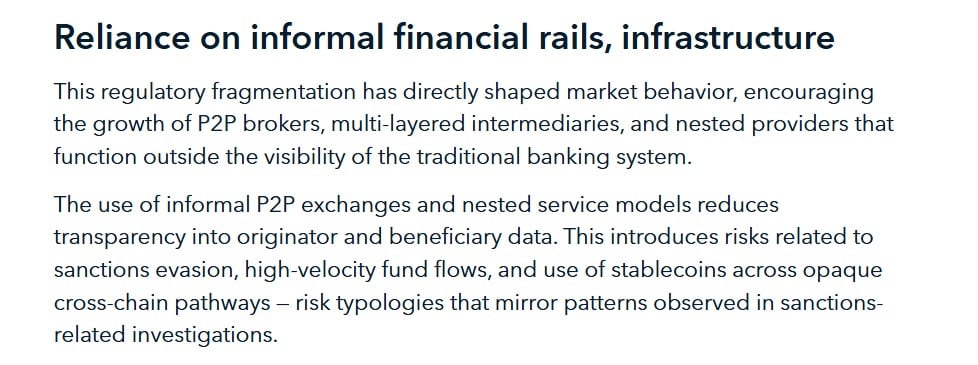
USDT supported payroll, remittances, vendor payments, and cross-border purchases. Peer-to-peer platforms played a central role.
More than 38% of local crypto traffic flowed through a single P2P service enabling crypto-to-fiat conversions.
A report from TRM Labs noted that, absent major economic or regulatory changes, demand for stablecoins will likely keep growing.
For Venezuelans, crypto means survival. It is a reliable medium of exchange where the bolívar continues to lose value and traditional banking remains unreliable.
A gap that keeps growing
The clash between banks and crypto-forward regulators brings to mind a fundamental gap in priorities. Traditional banks worry about rules, parity, and systemic risk.
Regulators, global institutions, and forward-looking banks are focused on efficiency, resilience, and meeting real market demand.
What happens next could will define crypto’s global role.
National charters, market-structure reforms, institutional allocations, and widespread adoption internationally all point to the same trend: digital assets are becoming part of the financial system, whether legacy banks like it or not.
Resistance from traditional players may slow the pace, but it can’t stop the integration.
Final thoughts
- While US banks resist crypto charters, regulators and global institutions are already moving ahead.
- Crypto adoption is advancing beyond regulatory debate.