Crypto Money Printer Wants to Buy Juventus: The Battle Between Europe's Old and New Money

marsbitОпубліковано о 2025-12-15Востаннє оновлено о 2025-12-15

Анотація

Tether, the world's largest stablecoin issuer, has launched a bold bid to acquire Italian football giant Juventus, offering a 20.74% premium for the 65.4% stake held by Exor, the holding company of the Agnelli family. The all-cash offer includes an additional €1 billion investment pledge. However, Exor swiftly rejected the proposal, stating there are "no negotiations" for a sale. The move is led by Tether’s CEO Paolo Ardoino, an Italian native and lifelong Juventus fan. His attempt to buy his childhood club follows months of tension. After becoming the club’s second-largest shareholder earlier in 2025, Ardoino was excluded from a capital increase and faced resistance when seeking board representation. Exor instead backed club legend Giorgio Chiellini in a symbolic move to defend tradition. The Agnellis, who have controlled Juventus for over a century, view the club as a family legacy and symbol of Italian industrial heritage. Despite the club’s financial struggles—including massive losses, accounting scandals, and exclusion from Champions League revenue—Exor has repeatedly injected funds to maintain control. The family perceives crypto-based wealth as speculative and unstable, in contrast to their industrial-rooted fortune. The clash represents a broader cultural conflict between “old money” and “new money.” While European football clubs increasingly partner with crypto firms, traditional dynasties like the Agnellis remain resistant. Ardoino’s determination, however, signa...

Tether, the world's largest stablecoin giant, is preparing to buy Italy's most iconic football powerhouse, Juventus.

On December 12, Tether submitted a takeover offer to the Italian stock exchange, proposing to acquire the 65.4% stake in Juventus held by the Exor Group at a price of €2.66 per share, a 20.74% premium over the market price. If the deal is successful, Tether will also inject an additional €1 billion into the club.

This is an all-cash offer. No bets, no conditions, just a simple exchange of 'cash for goods'. In the world of capital, this is the most brutal form of sincerity, and Tether has given the Exor Group only a mere 10 days to consider it.

However, the Exor Group, controlled by the Agnelli family, quickly issued a statement: 'There are currently no negotiations regarding the sale of Juventus shares.'

The implication is clear: Not for sale.

In less than 24 hours, renowned Italian journalist Eleonora Trotta reported that Tether was preparing to double its offer, directly valuing Juventus at €2 billion.

At the center of the storm is a man named Paolo Ardoino.

In 1984, Paolo was born in an ordinary small town in Italy. His parents were civil servants, and his grandparents tended a traditional olive grove. It was a typical Italian childhood; the black and white striped jersey, the cheers at the Allianz Stadium in Turin, and the glory of the Agnelli family together formed the spiritual totem of his growing memories.
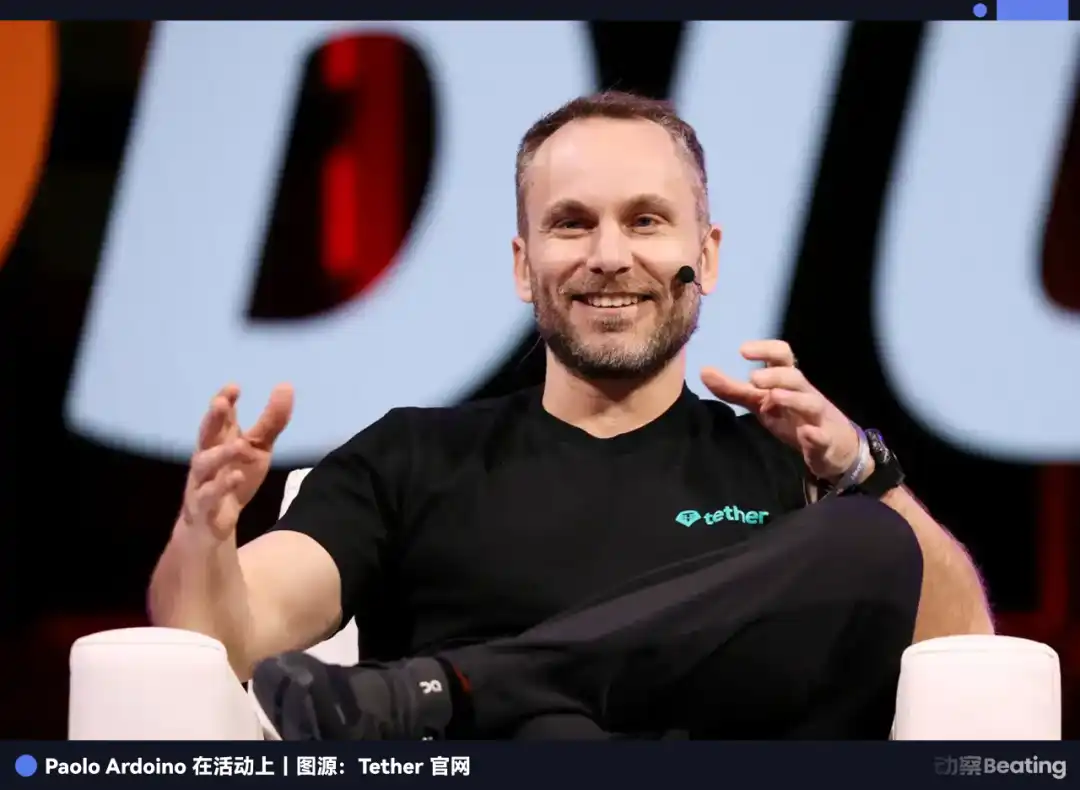
Thirty-two years later, the boy under the olive trees grew into the Caesar of the cryptocurrency world, presiding over Tether, a super money printer with annual profits of $13 billion. Now, returning home in glory, he attempts to buy the dream of his childhood, to give back to that black and white faith flowing in his blood.

But reality taught sentimentality a lesson.

When Paolo enthusiastically knocked on the door of Juventus, he was met not with flowers or applause. What awaited him was a nine-month-long ordeal of exclusion and humiliation from the old world.

The 9 Months of Exclusion

The honeymoon period began in a way that was almost unrequited.

In February 2025, Tether announced it had acquired an 8.2% stake in Juventus, becoming the second-largest shareholder after the Exor Group. In the official statement, Paolo shed his businessman's shrewdness and rarely showed his soft side: 'For me, Juventus has always been a part of my life.'

Paolo thought it was a business deal where everyone got what they needed: I have money, you need money, it's a perfect match. However, in Italy, some doors aren't opened just with money.

Two months later, Juventus announced a capital increase plan of up to €110 million. At this critical moment needing a cash infusion, Paolo, as the second-largest shareholder, was deliberately 'forgotten'. No phone call, no email, not a single explanation. The Exor Group couldn't even be bothered to send him a polite rejection.

Paolo typed out a message full of grievance on social media: 'We hoped to increase our stake in Juventus through a possible capital increase by the club, but this wish was ignored.'

Paolo had probably never been so humiliated in his life. A financial titan managing $13 billion in annual profits could only use social media to 'remind' Juventus: I want to participate in the capital increase, I want to invest more, but I'm being ignored.

Some sympathized with Paolo, seeing him as a genuine Juventus fan; others questioned his motives, believing he just wanted to use Juventus to whitewash Tether's image.

Whether外界 was sympathy or doubt, in the eyes of the Agnelli family, Paolo was still an 'outsider'. The relationship from the start was not cooperation but 'defense'.

Since sentiment couldn't buy respect, he would use money.

From April to October, Tether increased its shareholding from 8.2% to 10.7% through the open market. According to Italian law, a stake exceeding 10% grants the right to nominate a board member.

November 7, Turin, Juventus Annual General Meeting. The atmosphere became tense and unpredictable due to Tether's disruption.
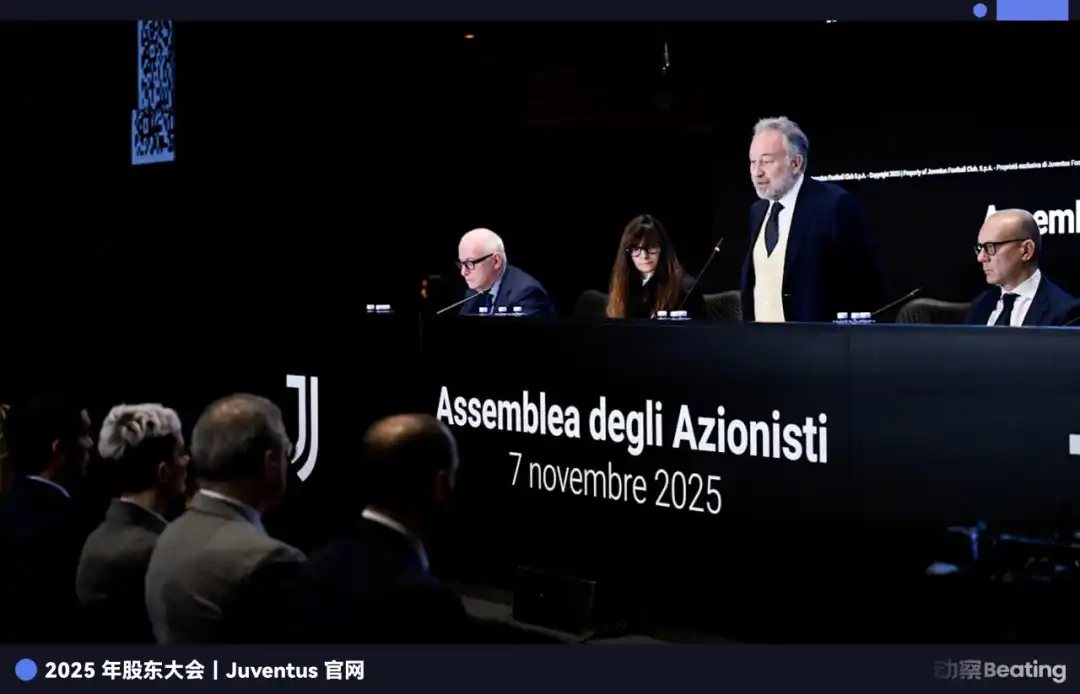
Tether nominated Francesco Garino as a board candidate, a renowned local Turin doctor and lifelong Juventus fan. Paolo tried to tell everyone: We are not barbarians, we are sons of Turin, bound by blood.

The shrewd Exor Group countered with a trump card: Giorgio Chiellini. This legendary captain, who served Juventus for 17 years and lifted 9 Serie A trophies, was pushed to the forefront.

This was Exor's strategy: use a club legend against capital, use sentiment against money.

In the end, Tether barely won a seat on the board. But in a boardroom where the Agnelli family holds absolute control, one seat means you can listen, you can suggest, but you cannot touch the steering wheel.

The concluding remarks from John Elkann, the fifth-generation leader of the Agnelli family: 'We are proud to have been shareholders of Juventus for over a century. We have no intention of selling our shares, but we are open to constructive ideas from all stakeholders.'

To translate this more bluntly: This is not just business; this is our family's territory. You can come in for tea, but don't expect to be the master here.

The Arrogance and Prejudice of Old Money

John's words carry the weight of 102 years of a family's glory and pride.

On July 24, 1923, 31-year-old Edoardo Agnelli took up the mantle of President of Juventus. From that day on, the fate of the Agnelli family and Juventus were tightly bound. The family's Fiat auto empire was, for most of the 20th century, Italy's largest private enterprise, employing countless workers and supporting millions of families.

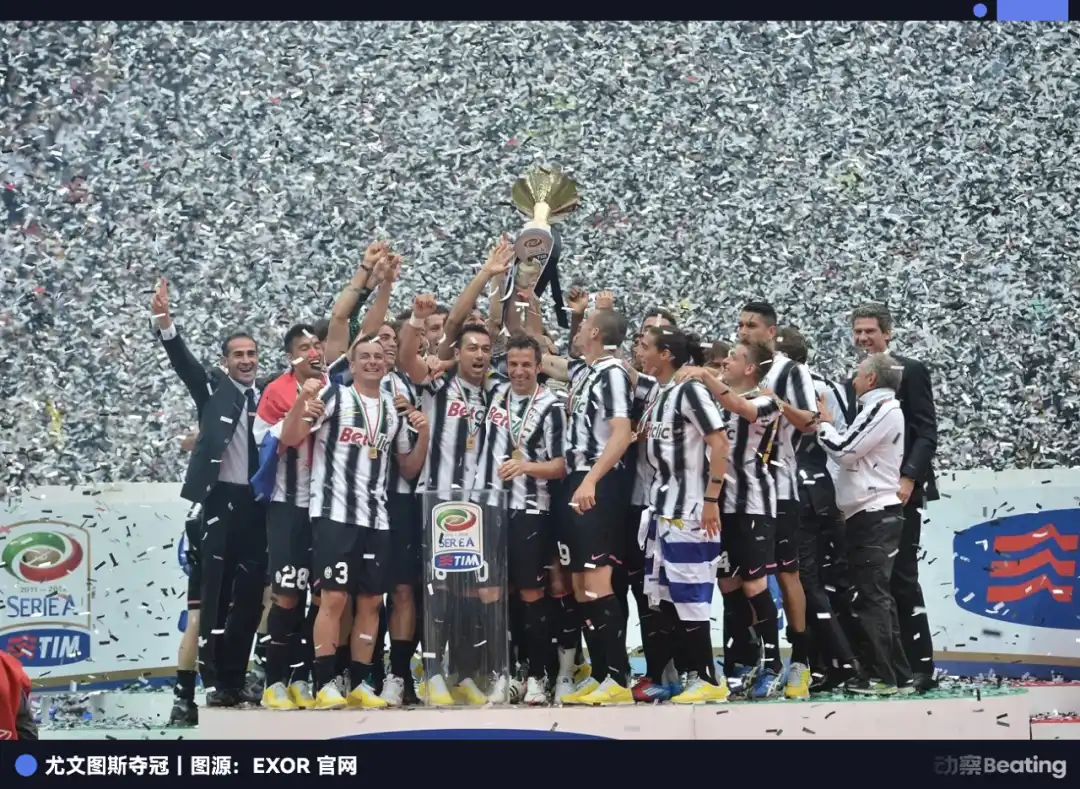
And Juventus is another symbol of this family's power. 36 Serie A titles, 2 Champions League titles, 14 Coppa Italia trophies. Juventus is the most successful club in Italian football history and a source of national pride for Italians.
However, the Agnelli family's history of succession is written with blood and fractures.

In 2000, the Agnelli family heir, Edoardo Agnelli, jumped from a viaduct, ending his battle with depression. Three years later, the family patriarch, Gianni Agnelli, passed away. The baton of power had to be passed to his grandson, John Elkann.

John was born in New York and grew up in Paris. He speaks English, French, and Italian, but his Italian carries a noticeable foreign accent. In the eyes of many old-school Italians, he is merely a proxy who gained power through bloodline.

It took John a full 20 years to prove himself worthy of the Agnelli name.

He restructured Fiat, swallowed up Chrysler, and created Stellantis, the world's fourth-largest automotive group; he took Ferrari to the capital markets, doubling its市值; he bought The Economist, extending the Agnelli family's influence from Italy to the globe.

Unfortunately, the cracks within the family are becoming public. In September 2025, John Elkann's mother, Margherita, submitted a 'will' from 1998 to a Turin court, claiming that the inheritance left to her by her father Gianni had been misappropriated by John. Mother and son facing off in court is a huge scandal in Italy, where family honor is paramount.
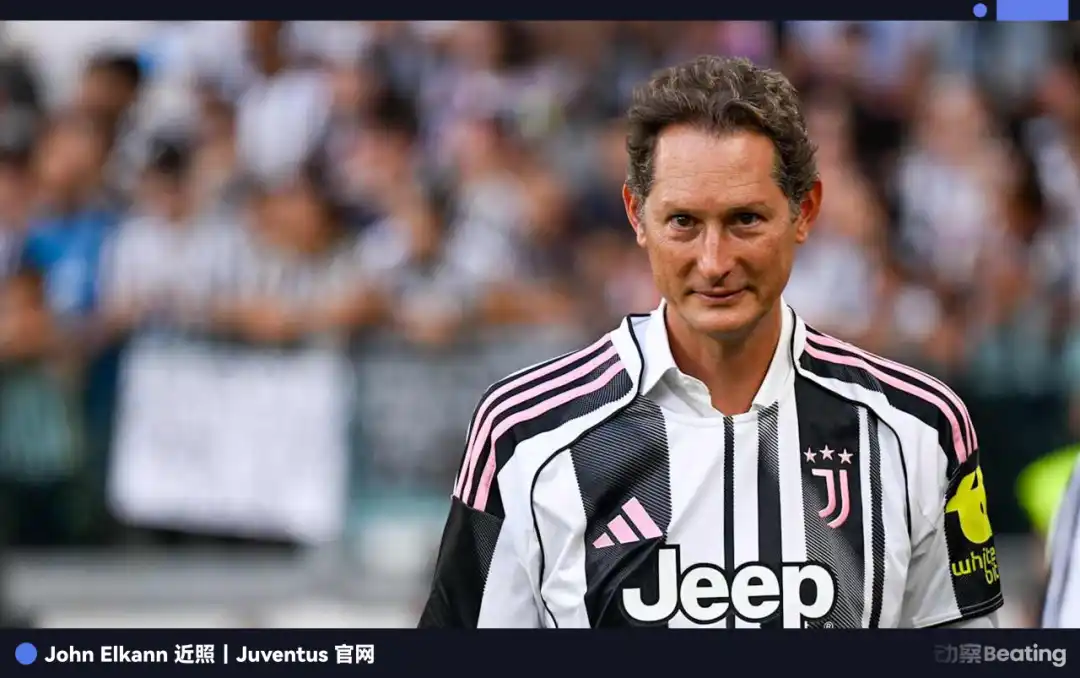
In this context, selling Juventus would be equivalent to admitting the end of the family's glory, admitting inferiority to their ancestors.

To hold onto Juventus, John is frantically selling off other family assets.

Just days before Tether made its offer, the Exor Group was busy selling its GEDI media group to the Greek media group Antenna Group for €140 million. GEDI owns the influential newspapers La Repubblica and La Stampa. The status of these two papers in Italy is no less than that of Juventus in Italian football.

The news caused an uproar in Italy. The Italian government even invoked the 'Golden Power' law, requiring Exor to protect jobs and editorial independence during the sale.

Newspapers losing money? They are a liability, cut them. Juventus losing money? It is a totem, keep it.

This choice exposes the窘迫 of the old aristocracy. They can no longer maintain their former empire and can only strive to retain the one that best represents the family's glory.

Therefore, even though Paolo's offer came with a hefty 20% market premium, John Elkann still sees it as a threat.

In the value system of European old money, the quality of wealth has a hierarchy.

Every penny of the Agnelli family's fortune is steeped in the smell of engine oil. It is an industrial monument forged from steel, rubber, the roar of engines, and the sweat of millions of workers. This kind of wealth is tangible, it represents order, control, and a social contract spanning a century.

Paolo's money, however, comes from cryptocurrency, from an industry that has grown wildly and controversially over the past decade.

Precedents are still fresh.

Just a few years ago, the blockchain company DigitalBits signed €85 million sponsorship deals with Inter Milan and AS Roma, two Serie A giants. But DigitalBits failed to pay the sponsorship fees due to a broken capital chain, forcing both clubs to terminate the contracts, leaving a mess behind.

Not to mention the chain of collapses in the cryptocurrency industry in 2022. Back then, Luna's logo was plastered on the Washington Nationals' stadium, and FTX's name adorned the Miami Heat's arena. In the eyes of the Agnelli family, the cryptocurrency industry is full of speculation and bubbles.

In the Agnelli family's eyes, Paolo will always be an 'outsider'. Not because of his origin, but because of his money.

A Totem in Need of Saving

But the problem is, Juventus really needs money.

Today's Juventus is deeply mired in trouble, all stemming from that day, July 10, 2018, when Juventus announced the signing of 33-year-old Cristiano Ronaldo. €100 million transfer fee, €30 million net annual salary, for 4 years.
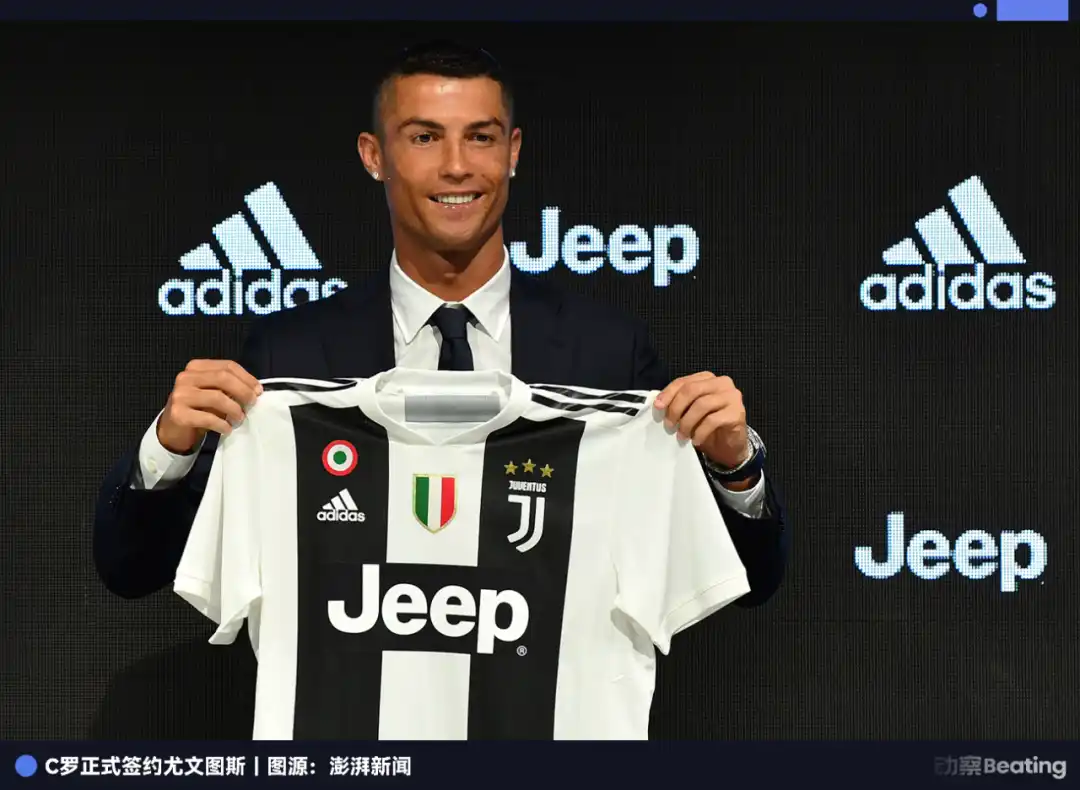
This was the biggest transfer in Serie A history and the highest wage in Serie A history. The then Juventus president, Andrea Agnelli, the fourth-generation leader of the Agnelli family, said excitedly at the shareholders' meeting: 'This is the most important signing in Juventus history. We will win the Champions League with Ronaldo.'

The city of Turin沸腾了. Fans flocked to the Juventus store, snapping up jerseys with Ronaldo's name. In just the first 24 hours after the announcement, the club sold over 520,000 jerseys, setting a record in football history. Everyone believed Ronaldo would lead Juventus to the top of Europe.

But Juventus did not win the Champions League. In 2019, knocked out by Ajax; in 2020, eliminated by Lyon; in 2021, defeated by Porto. In August 2021, Ronaldo suddenly left the team, moving to Manchester United. Juventus not only failed to recoup its investment but sank into deeper financial trouble.

Accountants later calculated the total cost: including the transfer fee, salary, and taxes, the total cost of signing Ronaldo reached a staggering €340 million. In his three years at Juve, he scored 101 goals, averaging €2.8 million per goal.

For a club the size of Juventus, the Champions League is less about honor and more about a cash flow switch: broadcast shares, matchday revenue, bonus clauses in sponsorships—many are tied to the Champions League. Once you lose the Champions League, the books immediately thin, and the team is forced to use accounting手段 to plug the hole.

Juventus sold Miralem Pjanić to Spanish giants Barcelona for €60 million, while simultaneously buying Arthur from Barcelona for €72 million. Both transactions were officially claimed to be unrelated, but everyone knew it was a carefully designed swap. Juventus实际上 only needed to pay a €12 million cash difference but could record tens of millions of euros in 'capital gains' on its books.

This kind of accounting is not uncommon in football circles, but Juventus overdid it.

Prosecutors found that over three years, the club had inflated profits by €282 million through 42 similar suspicious transactions. After the scandal was exposed, the entire board, including President Andrea Agnelli, resigned en masse.

Punishment for the team followed: deducted league points, exclusion from the Champions League, long-term bans for executives. This led to an even more terrible vicious cycle: poor team performance led to sharp revenue decline, revenue decline led to inability to sign players, inability to sign players led to worse performance.

Starting from a loss of €39.6 million in the 2018-19 season, Juventus's financial situation deteriorated. By the 2022-23 season, the loss had reached €123.7 million. From the peak of nine consecutive Serie A titles to years of huge losses, in November 2025, the Exor Group had to inject nearly €100 million into Juventus again.

This was already the third time the Exor Group had to bail out Juventus in two years. The Exor Group also owns assets like Ferrari, Stellantis automotive group, and The Economist magazine. Juventus's continuous losses are eroding the group's overall profits. In the 2024 financial report, Exor Group's net profit fell by 12%. Analysts pointed out that Juventus has become a drag on the group's performance.

John Elkann is in a dilemma, unsure how to decide.

And Paolo, holding $13 billion in annual profits, is knocking on the door. He has plenty of money, he has patience, he has love for Juventus.

This should have been a perfect deal, if not for that mountain called 'class' standing in between.

The Dream Under the Olive Trees

Paolo's knocks received no response, so he made his choice.

On December 12, Paolo bypassed all private roundtable meetings and made the offer public directly through the Italian stock exchange. Paolo backed John Elkann into a corner, forcing him to answer this question in front of all of Italy: Do you want money, or do you want the family's face?

The news sent Juventus's stock price soaring, as the market expressed its desire for 'new money'. Both Gazzetta dello Sport and Tuttosport reported it on their front pages. The entire Apennine Peninsula awaited the Agnelli family's decision.

The Agnelli family's refusal was expected, yet unreasonable.

Expected, because the family's pride does not allow them to bow to new money. Unreasonable, because given their current financial situation, rejecting such a huge sum requires an almost tragic stubbornness.

For Paolo, he wants to use the money he earned to save the idol of his childhood. Companies ultimately have a nationality. Although Tether is a digitally nomadic business with a global reach, its CEO is Italian, its heart is in Italy.

From the Agnelli family's perspective, they are guarding not just a club, but 102 years of family glory and a symbol of Italy's industrial age.

This is no longer a博弈 of business logic; it is a collision of two faiths.

In John Elkann's eyes, that bronze gate must remain shut because outside stands a speculator trying to whitewash his identity. But in Paolo's eyes, that gate should open because outside stands a child of Italian blood who can save this team.

However, the times are not on the side of the old aristocracy.
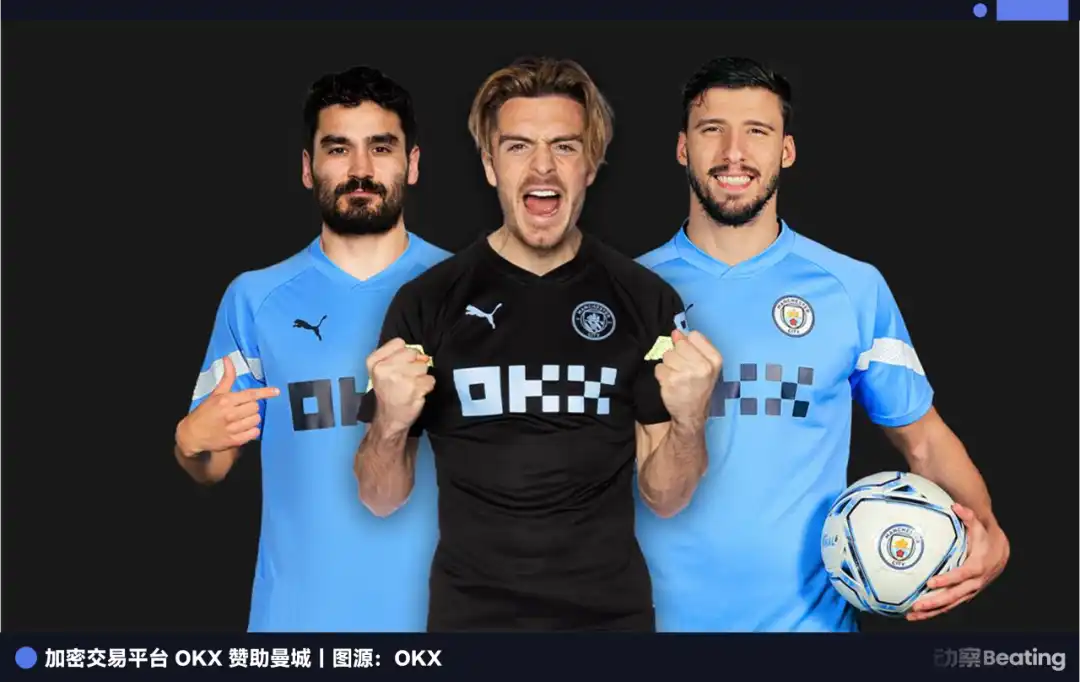
In the same week that Exor rejected Tether, Premier League champions Manchester City announced a renewal of their partnership with the crypto exchange OKX, with the chest sponsorship worth over €100 million. European giants like Paris Saint-Germain, Barcelona, and AC Milan have already established deep cooperation with crypto companies. In Asia, South Korea's K League and Japan's J League have also begun accepting cryptocurrency sponsorships.

New money entering traditional industries controlled by old money is no longer a question of 'if' but 'how'. Football is just one battlefield. In the art auction field, Sotheby's and Christie's have begun accepting cryptocurrency payments; in real estate, luxury home transactions in cities like Dubai and Miami can already be completed with Bitcoin. The same conflicts are playing out globally.

Paolo's charge, whether successful or not, is testing the boundaries of this era: When a generation creates enormous wealth in new ways, do they deserve a seat at the old world's table controlled by old money?

At the end of the story, the画面定格在那片郊外的橄榄园.

Thirty-two years ago, a dark-haired boy sat there, accompanied by the sounds of his grandparents working, cheering at the black and white figures on the TV. He would never have imagined that one day he would stand outside that gate, waiting for an answer.

That tightly shut bronze gate remains cold and威严. Behind it lies a century of Agnelli family glory, the last afterglow of the old industrial era.

It did not open for new money this time, but the person knocking will not retreat. Because he knows that pushing this door open is only a matter of time.


Пов'язані питання

QWhat is the main reason Tether's attempt to acquire Juventus is being resisted by the Exor Group?

AThe Exor Group, controlled by the Agnelli family, views Tether's cryptocurrency-based wealth as 'new money' with a controversial and speculative background, contrasting with their century-old industrial legacy. Selling Juventus stake would symbolize a loss of family honor and control over a cultural icon.

QHow did the Agnelli family's internal conflicts impact their stance on the Juventus sale?

AInternal family strife, including a public legal battle between John Elkann and his mother over inheritance, heightened the need to preserve Juventus as a symbol of family unity and legacy, making them more resistant to selling.

QWhat financial missteps led to Juventus's current crisis, making external investment necessary?

AJuventus's financial decline began with the costly signing of Cristiano Ronaldo (total cost €340 million), followed by accounting scandals involving €282 million in inflated profits from player swaps, resulting in point deductions, Champions League exclusion, and annual losses exceeding €120 million.

QHow did Tether initially try to increase its influence in Juventus before the public takeover bid?

ATether first acquired an 8.2% stake in February 2025, later raising it to 10.7% through open market purchases to gain board nomination rights. They nominated a local Turin doctor as director but were countered by Exor's appointment of club legend Giorgio Chiellini, limiting Tether's influence.

QWhat broader trend does Tether's bid for Juventus represent in global sports and high-value assets?

AIt reflects a global trend of 'new money' from crypto and tech industries challenging old-guard elites in traditional sectors like sports (e.g., crypto sponsorships in Premier League), art (crypto payments at auctions), and real estate (Bitcoin transactions for luxury properties), testing the boundaries of wealth legitimacy and access.

Пов'язані матеріали

South Korean Exchanges 'Battle' Regulators, Challenging the Boundaries of Enforcement and Legislation

South Korea's cryptocurrency industry is engaged in a rare, direct confrontation with regulators. The Financial Intelligence Unit (FIU), the primary anti-money laundering (AML) watchdog, has recently imposed heavy penalties on major exchanges like Upbit and Bithumb for alleged violations involving unregistered overseas VASPs and AML procedures. However, exchanges are now actively challenging these actions in court and through industry associations. In a significant shift, the Seoul Administrative Court ruled in favor of Upbit's operator, Dunamu, overturning part of an FIU-ordered business suspension. The court found the FIU's penalty criteria and justification insufficiently clear. Similarly, the court suspended the enforcement of a six-month business suspension against Bithumb pending a final ruling, citing potential irreversible harm to the exchange. Beyond legal battles, the industry is contesting proposed legislative amendments. The Digital Asset eXchange Alliance (DAXA) strongly opposes a draft rule that would mandate Suspicious Transaction Reports (STRs) for all crypto transfers over 10 million KRW (~$6,800). DAXA argues this "poison pill" clause violates legal principles and would overwhelm the STR system, increasing reports from 63,000 to an estimated 5.45 million annually for major exchanges, thereby crippling effective AML monitoring. This conflict highlights a structural tension in South Korea's crypto governance: comprehensive digital asset laws are still developing, while regulators rely heavily on AML enforcement. The industry's move from passive compliance to active legal and legislative challenges signifies a new phase, pressing for clearer rules and more proportionate enforcement. While short-term disputes may intensify, this clash could ultimately lead to a more mature and sustainable regulatory framework for South Korea's vibrant crypto market.

marsbit9 хв тому

South Korean Exchanges 'Battle' Regulators, Challenging the Boundaries of Enforcement and Legislation

marsbit9 хв тому

After 50x Storage Surge, Justin Sun Always Looks to the Next Decade

Sun Yuchen, known for his controversial stunts like a $30 million lunch with Warren Buffett (canceled due to a kidney stone) and eating a $6.2 million duct-taped banana, is often overshadowed by a significant fact: his decade-long track record of spotting major investment trends. In 2016, he famously advised young people to invest in Bitcoin, Nvidia, Tesla, and Tencent instead of buying property. A hypothetical $20,000 investment in Nvidia and Tesla from that list would now be worth over 50 million RMB. His latest major call was on November 6, 2025, predicting a "50x storage opportunity" tied to the AI boom, which materialized with Sandisk's stock surging nearly 50-fold by 2026. Looking ahead, Sun now focuses on the next frontier: Physical AI. He identifies four key areas: 1. **Embodied AI/Robotics**: He sees this reaching its "iPhone moment," with companies like UBTech and Galaxy General leading in commercialization. 2. **Drones**: Viewed as the first commercially viable form of Physical AI, revolutionizing sectors from warfare (e.g., AeroVironment's Switchblade) to logistics. 3. **Spatial Computing**: Beyond VR, it's about AI understanding physical space, a foundational technology for robotics and autonomous systems, exemplified by Apple's Vision Pro. 4. **Space Exploration**: After a 2025 suborbital flight with Blue Origin, Sun advocates for space as the ultimate frontier, discussing blockchain's potential role in space asset management and data transactions. His investment philosophy involves betting on entire, inevitable trends rather than single companies. For robotics, he sees Tesla (the body/manufacturer) and Nvidia (the brain/AI platform) as complementary plays. In defense drones, he highlights companies making tanks obsolete (AeroVironment) and those augmenting fighter jets (Kratos). For space, he participated in Blue Origin's flight and anticipates SpaceX's potential IPO to redefine the sector's valuation. Sun Yuchen's vision frames the next two decades not as a revolution in information flow (like the internet), but in the fundamental operation of the physical world through AI-powered robots, autonomous systems, and spatial intelligence, ultimately extending human and AI activity into space. While many still focus on conventional assets, he continues to look toward the next technological horizon.

marsbit1 год тому

After 50x Storage Surge, Justin Sun Always Looks to the Next Decade

marsbit1 год тому

The Billionaires Behind the Most Expensive Midterm Election in History

"The Most Expensive Midterm Elections and Their Billionaire Backers" This analysis details the unprecedented scale of spending in the 2026 midterm elections, highlighting the key billionaire donors shaping the political landscape. Jeff Yass, founder of Susquehanna International Group, has contributed over $81 million, ranking third among individual donors behind George Soros ($102.6M) and Elon Musk ($84.8M). Yass is a major donor to Trump's MAGA Inc. and supports school choice and various candidates. Overall, federal committees have raised over $4.7 billion this cycle, with political ad spending projected to reach $10.8 billion. Republican-aligned groups are significantly out-raising their Democratic counterparts. "Dark money" from undisclosed sources continues to grow. The core stakes involve control of Congress and policy direction for Trump's final term. Donors are also motivated by specific issues: Sergey Brin and Chris Larsen are funding opposition to a proposed California wealth tax and supporting crypto-friendly policies. Other top donors include OpenAI's Greg Brockman and his wife Anna ($50M total to MAGA Inc. and an AI-focused PAC), Richard Uihlein ($45.3M to conservative causes), venture capitalists Marc Andreessen and Ben Horowitz (each over $44M to crypto/AI PACs and MAGA Inc.), Miriam Adelson ($42.6M to GOP leadership PACs), Paul Singer ($33.9M), and Diane Hendricks ($25.8M to MAGA Inc.). The article notes that the peak fundraising period is still ahead, with major primaries approaching.

marsbit1 год тому

The Billionaires Behind the Most Expensive Midterm Election in History

marsbit1 год тому

The Largest IPO in History Is Approaching, Surpassing SpaceX, 28 Years of AI Self-Iteration, Countdown to Intelligence Explosion

"Anthropic Nears Trillion-Dollar IPO, Fueled by Explosive Growth and 2028 'Intelligence Explosion' Warning Anthropic is considering a deal valuing the AI company near $1 trillion, potentially leading to one of the largest IPOs ever and surpassing SpaceX. Its revenue has skyrocketed, with Annual Recurring Revenue (ARR) reaching $45 billion in May 2026—a 500% increase in just five months. This vertical growth curve is attributed to its key products, Claude Code and Cowork, dominating AI coding and enterprise collaboration. Beyond commercial success, co-founder Jack Clark issued a pivotal warning in an interview: there is a greater than 50% chance that by the end of 2028, AI systems will achieve recursive self-improvement—the ability to autonomously build a 'better version' of themselves, initiating an 'intelligence explosion.' This prophecy underpins the company's astronomical valuation, as the market prices in the potential for transformative and disruptive AI. Further signaling its ambition, Anthropic formed a $1.5 billion joint venture with Goldman Sachs and Blackstone, aiming to disrupt traditional consulting firms like McKinsey by deploying Claude AI for complex strategic work. This move tests AI's capacity to replace high-level cognitive labor, a precursor to its predicted autonomous evolution. The narrative presents a dual future: unprecedented economic opportunity alongside significant risks like economic restructuring and security threats. Anthropic's meteoric rise and Clark's 2028 prediction frame the coming years as a countdown to a potential technological singularity."

marsbit1 год тому

The Largest IPO in History Is Approaching, Surpassing SpaceX, 28 Years of AI Self-Iteration, Countdown to Intelligence Explosion

marsbit1 год тому

Торгівля

Спот
Ф'ючерси

Популярні статті

Що таке $S$

Розуміння SPERO: Комплексний огляд Вступ до SPERO Оскільки ландшафт інновацій продовжує еволюціонувати, виникнення технологій web3 та криптовалютних проектів відіграє ключову роль у формуванні цифрового майбутнього. Один з проектів, який привернув увагу в цій динамічній сфері, — це SPERO, позначений як SPERO,$$s$. Ця стаття має на меті зібрати та представити детальну інформацію про SPERO, щоб допомогти ентузіастам та інвесторам зрозуміти його основи, цілі та інновації в рамках web3 та крипто-сектору. Що таке SPERO,$$s$? SPERO,$$s$ — це унікальний проект у криптопросторі, який прагне використати принципи децентралізації та технології блокчейн для створення екосистеми, що сприяє залученню, корисності та фінансовій інклюзії. Проект розроблений для полегшення взаємодії між користувачами новими способами, надаючи їм інноваційні фінансові рішення та послуги. У своїй основі SPERO,$$s$ прагне надати можливості індивідам, забезпечуючи інструменти та платформи, які покращують користувацький досвід у криптовалютному просторі. Це включає в себе можливість більш гнучких методів транзакцій, сприяння ініціативам, що підтримуються спільнотою, та створення шляхів для фінансових можливостей через децентралізовані додатки (dApps). Основна концепція SPERO,$$s$ обертається навколо інклюзивності, прагнучи зменшити розриви в традиційній фінансовій системі, використовуючи переваги технології блокчейн. Хто є творцем SPERO,$$s$? Особистість творця SPERO,$$s$ залишається дещо невідомою, оскільки є обмежені публічно доступні ресурси, що надають детальну інформацію про його засновників. Ця відсутність прозорості може бути наслідком зобов'язання проекту до децентралізації — етики, яку багато проектів web3 поділяють, ставлячи колективні внески вище за індивідуальне визнання. Зосереджуючи обговорення навколо спільноти та її колективних цілей, SPERO,$$s$ втілює суть наділення без виділення конкретних осіб. Таким чином, розуміння етики та місії SPERO є більш важливим, ніж ідентифікація єдиного творця. Хто є інвесторами SPERO,$$s$? SPERO,$$s$ підтримується різноманітними інвесторами, починаючи від венчурних капіталістів до ангельських інвесторів, які прагнуть сприяти інноваціям у крипто-секторі. Зосередження цих інвесторів зазвичай узгоджується з місією SPERO — пріоритет надається проектам, які обіцяють технологічний прогрес у суспільстві, фінансову інклюзію та децентралізоване управління. Ці інвесторські фонди зазвичай зацікавлені в проектах, які не лише пропонують інноваційні продукти, але й позитивно впливають на спільноту блокчейн та її екосистеми. Підтримка з боку цих інвесторів підкріплює SPERO,$$s$ як значного конкурента в швидко змінюваній сфері крипто-проектів. Як працює SPERO,$$s$? SPERO,$$s$ використовує багатогранну структуру, яка відрізняє його від традиційних криптовалютних проектів. Ось деякі ключові особливості, які підкреслюють його унікальність та інноваційність: Децентралізоване управління: SPERO,$$s$ інтегрує моделі децентралізованого управління, надаючи користувачам можливість активно брати участь у процесах прийняття рішень щодо майбутнього проекту. Цей підхід сприяє відчуттю власності та відповідальності серед членів спільноти. Корисність токена: SPERO,$$s$ використовує свій власний криптовалютний токен, розроблений для виконання різних функцій в екосистемі. Ці токени дозволяють здійснювати транзакції, отримувати винагороди та полегшувати послуги, що пропонуються на платформі, підвищуючи загальну залученість та корисність. Шарова архітектура: Технічна архітектура SPERO,$$s$ підтримує модульність та масштабованість, що дозволяє безперешкодно інтегрувати додаткові функції та додатки в міру розвитку проекту. Ця адаптивність є надзвичайно важливою для збереження актуальності в постійно змінюваному крипто-ландшафті. Залучення спільноти: Проект підкреслює ініціативи, що підтримуються спільнотою, використовуючи механізми, які стимулюють співпрацю та зворотний зв'язок. Підтримуючи сильну спільноту, SPERO,$$s$ може краще задовольняти потреби користувачів та адаптуватися до ринкових тенденцій. Фокус на інклюзію: Пропонуючи низькі комісії за транзакції та зручні інтерфейси, SPERO,$$s$ прагне залучити різноманітну базу користувачів, включаючи осіб, які раніше не брали участі в крипто-просторі. Це зобов'язання до інклюзії узгоджується з його загальною місією наділення через доступність. Хронологія SPERO,$$s$ Розуміння історії проекту надає важливі уявлення про його розвиток та етапи. Нижче наведено пропоновану хронологію, що відображає значні події в еволюції SPERO,$$s$: Етап концептуалізації та ідеації: Початкові ідеї, що стали основою SPERO,$$s$, були сформовані, тісно пов'язані з принципами децентралізації та фокусом на спільноті в індустрії блокчейн. Запуск білого паперу проекту: Після концептуального етапу був випущений комплексний білий папір, що детально описує бачення, цілі та технологічну інфраструктуру SPERO,$$s$, щоб залучити інтерес та зворотний зв'язок від спільноти. Створення спільноти та ранні залучення: Активні зусилля були спрямовані на створення спільноти ранніх прихильників та потенційних інвесторів, що полегшило обговорення цілей проекту та отримання підтримки. Подія генерації токенів: SPERO,$$s$ провів подію генерації токенів (TGE) для розподілу своїх рідних токенів серед ранніх прихильників та встановлення початкової ліквідності в екосистемі. Запуск початкового dApp: Перший децентралізований додаток (dApp), пов'язаний з SPERO,$$s$, став доступним, дозволяючи користувачам взаємодіяти з основними функціями платформи. Постійний розвиток та партнерства: Безперервні оновлення та вдосконалення пропозицій проекту, включаючи стратегічні партнерства з іншими учасниками блокчейн-простору, сформували SPERO,$$s$ у конкурентоспроможного та еволюціонуючого гравця на крипто-ринку. Висновок SPERO,$$s$ є свідченням потенціалу web3 та криптовалют для революціонізації фінансових систем та наділення індивідів. Завдяки зобов'язанню до децентралізованого управління, залучення спільноти та інноваційно спроектованих функцій, він прокладає шлях до більш інклюзивного фінансового ландшафту. Як і з будь-якими інвестиціями в швидко змінюваному крипто-просторі, потенційним інвесторам та користувачам рекомендується ретельно досліджувати та обдумано взаємодіяти з поточними подіями в SPERO,$$s$. Проект демонструє інноваційний дух крипто-індустрії, запрошуючи до подальшого дослідження його численних можливостей. Хоча подорож SPERO,$$s$ ще триває, його основні принципи можуть справді вплинути на майбутнє того, як ми взаємодіємо з технологією, фінансами та один з одним у взаємопов'язаних цифрових екосистемах.

73 переглядів усьогоОпубліковано 2024.12.17Оновлено 2024.12.17

Що таке $S$

Що таке AGENT S

Агент S: Майбутнє автономної взаємодії в Web3 Вступ У постійно змінюваному ландшафті Web3 та криптовалюти інновації постійно переосмислюють, як люди взаємодіють з цифровими платформами. Один з таких новаторських проектів, Агент S, обіцяє революціонізувати взаємодію людини з комп'ютером через свою відкриту агентну структуру. Прокладаючи шлях для автономних взаємодій, Агент S прагне спростити складні завдання, пропонуючи трансформаційні застосування в штучному інтелекті (ШІ). Це детальне дослідження заглиблюється в складності проекту, його унікальні особливості та наслідки для сфери криптовалюти. Що таке Агент S? Агент S є революційною відкритою агентною структурою, спеціально розробленою для вирішення трьох основних викликів в автоматизації комп'ютерних завдань: Набуття специфічних знань у галузі: Структура інтелектуально навчається з різних зовнішніх джерел знань та внутрішнього досвіду. Цей подвійний підхід дозволяє їй створити багатий репозиторій специфічних знань у галузі, покращуючи її продуктивність у виконанні завдань. Планування на довгих горизонтах завдань: Агент S використовує планування з підкріпленням досвіду, стратегічний підхід, який полегшує ефективний розподіл та виконання складних завдань. Ця функція значно підвищує її здатність ефективно та результативно управляти кількома підзавданнями. Обробка динамічних, неоднорідних інтерфейсів: Проект представляє Інтерфейс Агент-Комп'ютер (ACI), інноваційне рішення, яке покращує взаємодію між агентами та користувачами. Використовуючи багатомодальні великі мовні моделі (MLLMs), Агент S може безперешкодно орієнтуватися та маніпулювати різноманітними графічними інтерфейсами користувача. Завдяки цим новаторським функціям Агент S надає надійну структуру, яка вирішує складнощі, пов'язані з автоматизацією людської взаємодії з машинами, прокладаючи шлях для численних застосувань у ШІ та за його межами. Хто є творцем Агент S? Хоча концепція Агент S є фундаментально новаторською, конкретна інформація про його творця залишається невідомою. Творець наразі невідомий, що підкреслює або початкову стадію проекту, або стратегічний вибір зберегти засновників у таємниці. Незважаючи на анонімність, акцент залишається на можливостях та потенціалі структури. Хто є інвесторами Агент S? Оскільки Агент S є відносно новим у криптографічній екосистемі, детальна інформація про його інвесторів та фінансових спонсорів не задокументована. Відсутність публічно доступних відомостей про інвестиційні фонди або організації, що підтримують проект, викликає питання щодо його фінансової структури та дорожньої карти розвитку. Розуміння підтримки є критично важливим для оцінки стійкості проекту та потенційного впливу на ринок. Як працює Агент S? В основі Агент S лежить передова технологія, яка дозволяє йому ефективно функціонувати в різних умовах. Його операційна модель побудована навколо кількох ключових функцій: Взаємодія з комп'ютером, подібна до людської: Структура пропонує розширене планування ШІ, прагнучи зробити взаємодії з комп'ютерами більш інтуїтивними. Імітуючи людську поведінку при виконанні завдань, вона обіцяє підвищити досвід користувачів. Наративна пам'ять: Використовується для використання високорівневого досвіду, Агент S використовує наративну пам'ять для відстеження історій завдань, тим самим покращуючи свої процеси прийняття рішень. Епізодична пам'ять: Ця функція надає користувачам покрокові інструкції, дозволяючи структурі пропонувати контекстуальну підтримку в міру виконання завдань. Підтримка OpenACI: Завдяки можливості працювати локально, Агент S дозволяє користувачам зберігати контроль над своїми взаємодіями та робочими процесами, узгоджуючи з децентралізованою етикою Web3. Легка інтеграція з зовнішніми API: Його універсальність і сумісність з різними платформами ШІ забезпечують те, що Агент S може безперешкодно вписатися в існуючі технологічні екосистеми, роблячи його привабливим вибором для розробників та організацій. Ці функціональні можливості колективно сприяють унікальному положенню Агент S у крипто-просторі, оскільки він автоматизує складні, багатоступеневі завдання з мінімальним втручанням людини. У міру розвитку проекту його потенційні застосування в Web3 можуть переосмислити, як відбуваються цифрові взаємодії. Хронологія Агент S Розробка та етапи Агент S можуть бути узагальнені в хронології, яка підкреслює його значні події: 27 вересня 2024 року: Концепція Агент S була представлена в комплексній науковій статті під назвою “Відкрита агентна структура, яка використовує комп'ютери як людина”, що демонструє основи проекту. 10 жовтня 2024 року: Наукова стаття була опублікована на arXiv, пропонуючи детальне дослідження структури та її оцінки продуктивності на основі бенчмарку OSWorld. 12 жовтня 2024 року: Було випущено відеопрезентацію, що надає візуальне уявлення про можливості та особливості Агент S, ще більше залучаючи потенційних користувачів та інвесторів. Ці маркери в хронології не лише ілюструють прогрес Агент S, але й вказують на його прихильність до прозорості та залучення громади. Ключові моменти про Агент S У міру розвитку структури Агент S кілька ключових характеристик виділяються, підкреслюючи її новаторський характер та потенціал: Інноваційна структура: Розроблена для забезпечення інтуїтивного використання комп'ютерів, подібного до людської взаємодії, Агент S пропонує новий підхід до автоматизації завдань. Автономна взаємодія: Здатність автономно взаємодіяти з комп'ютерами через GUI означає стрибок до більш інтелектуальних та ефективних обчислювальних рішень. Автоматизація складних завдань: Завдяки своїй надійній методології він може автоматизувати складні, багатоступеневі завдання, роблячи процеси швидшими та менш схильними до помилок. Безперервне вдосконалення: Механізми навчання дозволяють Агенту S покращуватися на основі минулого досвіду, постійно підвищуючи свою продуктивність та ефективність. Універсальність: Його адаптивність до різних операційних середовищ, таких як OSWorld та WindowsAgentArena, забезпечує його здатність служити широкому спектру застосувань. Оскільки Агент S займає своє місце в ландшафті Web3 та криптовалюти, його потенціал покращити можливості взаємодії та автоматизувати процеси означає значний прогрес у технологіях ШІ. Завдяки своїй інноваційній структурі Агент S є прикладом майбутнього цифрових взаємодій, обіцяючи більш безперешкодний та ефективний досвід для користувачів у різних галузях. Висновок Агент S представляє собою сміливий крок вперед у поєднанні ШІ та Web3, з можливістю переосмислити, як ми взаємодіємо з технологією. Хоча проект все ще на ранніх стадіях, можливості для його застосування є величезними та переконливими. Завдяки своїй комплексній структурі, що вирішує критичні виклики, Агент S прагне вивести автономні взаємодії на передній план цифрового досвіду. У міру того, як ми заглиблюємося в сфери криптовалюти та децентралізації, проекти, подібні до Агент S, безсумнівно, відіграватимуть ключову роль у формуванні майбутнього технологій та співпраці людини з комп'ютером.

618 переглядів усьогоОпубліковано 2025.01.14Оновлено 2025.01.14

Що таке AGENT S

Як купити S

Ласкаво просимо до HTX.com! Ми зробили покупку Sonic (S) простою та зручною. Дотримуйтесь нашої покрокової інструкції, щоб розпочати свою криптовалютну подорож.Крок 1: Створіть обліковий запис на HTXВикористовуйте свою електронну пошту або номер телефону, щоб зареєструвати обліковий запис на HTX безплатно. Пройдіть безпроблемну реєстрацію й отримайте доступ до всіх функцій.ЗареєструватисьКрок 2: Перейдіть до розділу Купити крипту і виберіть спосіб оплатиКредитна/дебетова картка: використовуйте вашу картку Visa або Mastercard, щоб миттєво купити Sonic (S).Баланс: використовуйте кошти з балансу вашого рахунку HTX для безперешкодної торгівлі.Треті особи: ми додали популярні способи оплати, такі як Google Pay та Apple Pay, щоб підвищити зручність.P2P: Торгуйте безпосередньо з іншими користувачами на HTX.Позабіржова торгівля (OTC): ми пропонуємо індивідуальні послуги та конкурентні обмінні курси для трейдерів.Крок 3: Зберігайте свої Sonic (S)Після придбання Sonic (S) збережіть його у своєму обліковому записі на HTX. Крім того, ви можете відправити його в інше місце за допомогою блокчейн-переказу або використовувати його для торгівлі іншими криптовалютами.Крок 4: Торгівля Sonic (S)Легко торгуйте Sonic (S) на спотовому ринку HTX. Просто увійдіть до свого облікового запису, виберіть торгову пару, укладайте угоди та спостерігайте за ними в режимі реального часу. Ми пропонуємо зручний досвід як для початківців, так і для досвідчених трейдерів.

1.4k переглядів усьогоОпубліковано 2025.01.15Оновлено 2025.03.21

Як купити S

Обговорення

Ласкаво просимо до спільноти HTX. Тут ви можете бути в курсі останніх подій розвитку платформи та отримати доступ до професійної ринкової інформації. Нижче представлені думки користувачів щодо ціни S (S).

活动图片