Circle to acquire Interop Labs team and IP as Axelar remains independent

cointelegraphОпубліковано о 2025-12-15Востаннє оновлено о 2025-12-15

Анотація

Circle has signed an agreement to acquire the Interop Labs team and its proprietary technology, a core contributor to the Axelar Network. The deal, expected to close in early 2026, will integrate Interop’s technology into Circle’s Arc blockchain and Cross-Chain Transfer Protocol (CCTP) to enhance interoperability and developer tools. The Axelar Network, its foundation, and the AXL token will remain independent and community-governed. Another contributor, Common Prefix, will take over Interop’s development duties. Circle, the issuer of the USDC stablecoin, has been expanding through acquisitions, including Hashnote earlier in 2025. The terms of the deal were not disclosed.

Stablecoin issuer Circle has signed an agreement to acquire the Interop Labs team and its proprietary technology, bringing a core contributor to the Axelar Network into its infrastructure business.

The deal, expected to close in early 2026, covers Interop Labs’ personnel and proprietary intellectual property, while the Axelar Network, its foundation and the AXL token will remain independent and governed by the community.

Interop Labs is the initial developer of the Axelar Network, a decentralized interoperability network that supports crosschain messaging and asset transfers between blockchains. Circle said the team’s technology will be integrated into Circle’s Arc blockchain and Cross-Chain Transfer Protocol (CCTP).

Another Axelar contributor, Common Prefix, will take over Interop Labs’ previous development responsibilities to maintain continuity on the open-source network.

According to Circle, the acquisition is expected to speed up interoperability for assets issued on Arc, enhance developer tools for multichain applications, and support the development of Circle-built products. The terms of the deal were not disclosed.

Circle issues USDC (USDC), the second-largest stablecoin by market capitalization, accounting for roughly 25% of the $310 billion global stablecoin market, according to DefiLlama data.
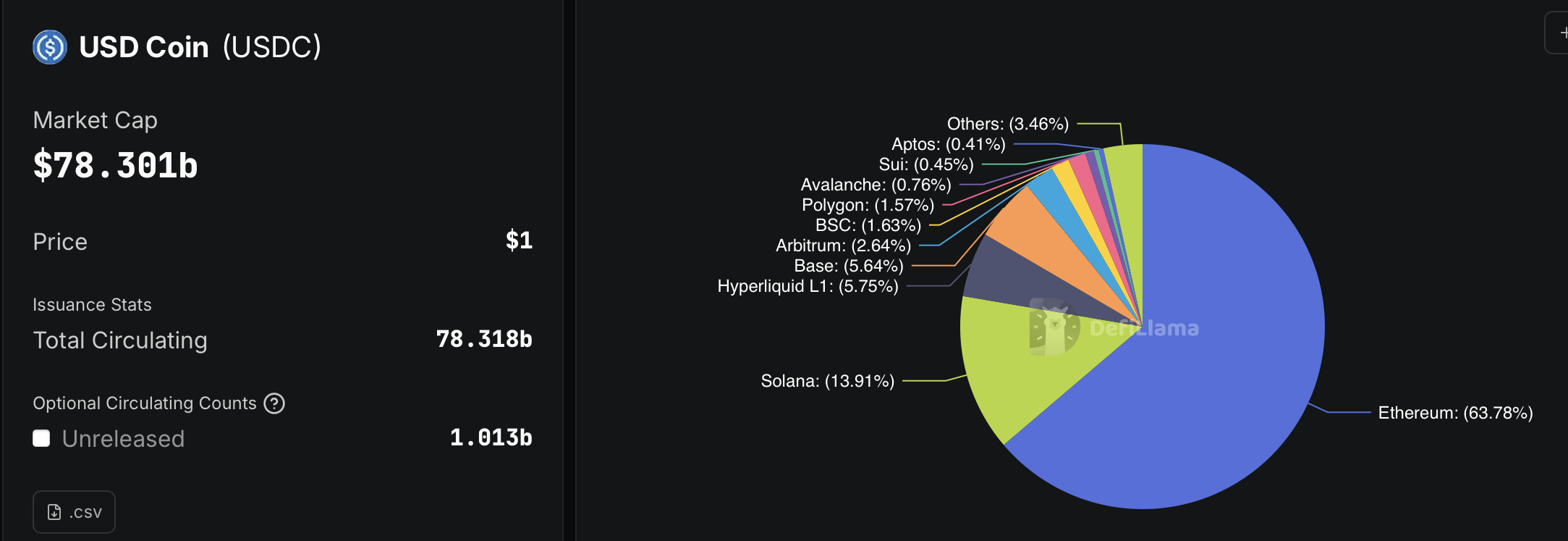
USDC market capitalization and blockchains. Source: DefiLlama

In January, Circle acquired Hashnote, the issuer of the tokenized money market fund US Yield Coin, bringing one of the largest yield-bearing real-world asset products into its stablecoin and infrastructure business.

Related: Paxos, Ripple, Circle and others secure US trust bank approvals

Stablecoin issuers make acquisitions in 2025

Stablecoin issuers have increasingly used acquisitions in 2025 to expand their businesses.

In November, Paxos acquired institutional crypto wallet provider Fordefi in a deal valued at more than $100 million, according to Fortune. Paxos, the issuer of Pax Dollar (USDP) and PayPal’s USD (PYUSD) stablecoin, said the acquisition strengthens its custody and transaction infrastructure for stablecoin issuance, asset tokenization and onchain payments.
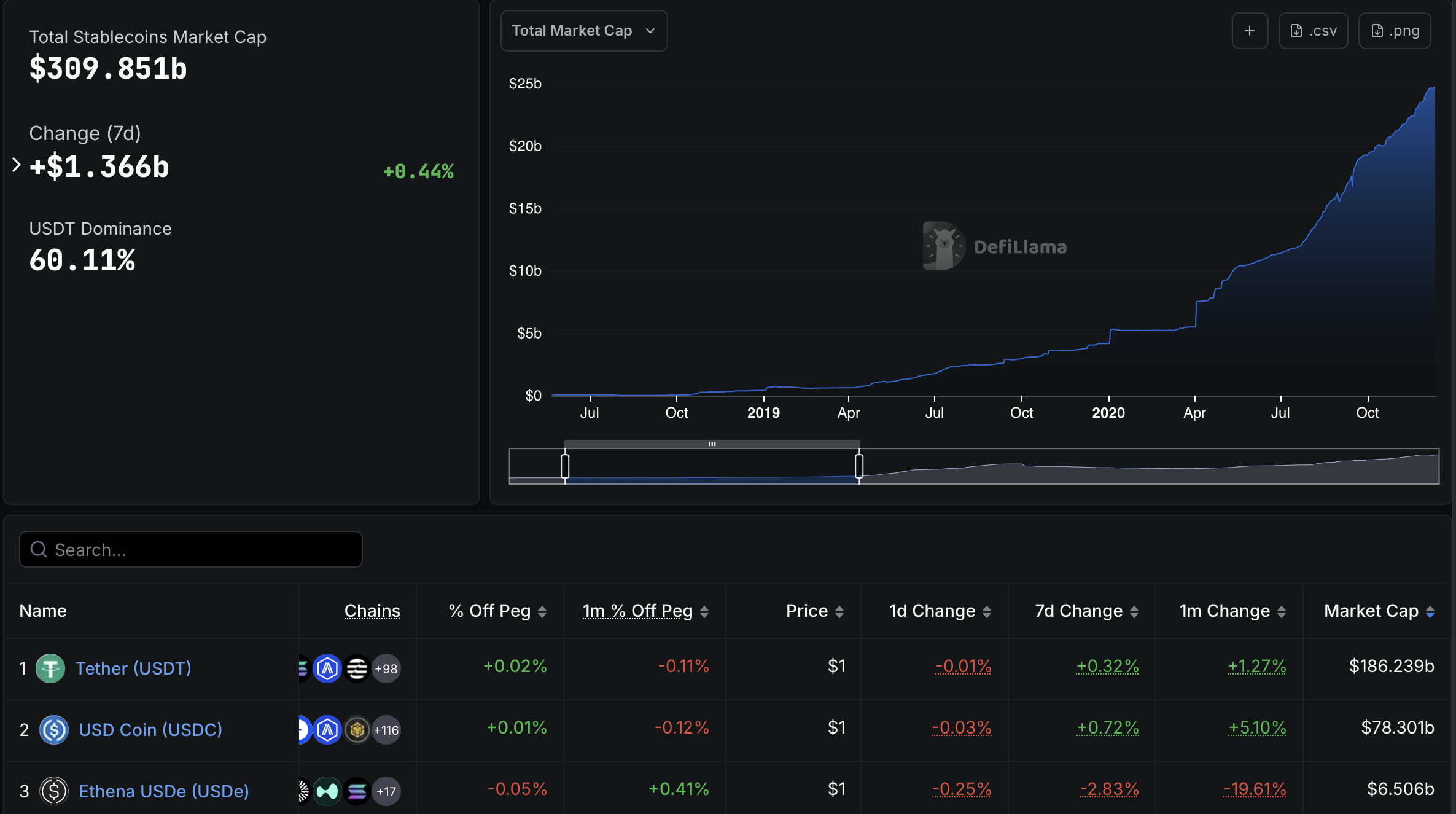
Stablecoin market cap. Source: DefiLlama

Tether, the dominant stablecoin issuer behind the USDt (USDT) token, has used its balance sheet to acquire minority stakes and strategic positions across traditional asset businesses.

In June, it acquired a roughly 32% stake in Canada-listed gold royalty company Elemental Altus Royalties for about $89 million. In November, Tether Investments acquired a minority stake in precious metals company Versamet Royalties, purchasing about 11.8 million common shares through a private agreement with an existing shareholder.

Tether has tried to push beyond finance into sports, submitting a binding all-cash offer on Dec. 12 to acquire Exor’s 65.4% controlling stake in Italy’s Juventus Football Club, a bid that the Agnelli family’s holding company later said its board unanimously rejected.

Magazine: Meet the onchain crypto detectives fighting crime better than the cops

Пов'язані матеріали

KOL's Perspective: Why Is SOL Set to Rise from This Point?

**Summary: Why SOL is Positioned for Growth at This Level** The article argues that SOL is poised for an upward move from its current price point, citing several key factors. Primarily, SOL has just broken out of a 4-month consolidation phase. This breakout signals a return of risk appetite to the broader crypto market, as SOL is seen as a key indicator of overall crypto health. The token's ownership has reportedly shifted from short-term traders and tourists to long-term accumulators, leading to low volume. Any meaningful increase in trading activity could thus trigger significant upward momentum. Fundamental strengths include strong institutional adoption, integration with DeFi and RWAs (Real-World Assets), and the potential benefits from the Clarity Act. Despite its high volatility—having dropped 70% from its all-time high but still up 12x from its bear market low—SOL is highlighted as one of the few tokens from the last cycle to reach new highs. It boasts a robust ecosystem of applications, users, and protocols. Future catalysts include the expected influx of AI developers following the Miami Accelerate conference, which focused on AI on Solana. Furthermore, Solana is positioned as the premier chain for memecoin activity, a trend expected to continue and drive network usage and fees. The article concludes that recent price action reflects a healthy transfer to long-term holders, setting the stage for growth.

marsbit17 хв тому

KOL's Perspective: Why Is SOL Set to Rise from This Point?

marsbit17 хв тому

Those Pre-Bitcoin PoW Protocols Have Recently Been Reimplemented

This article details a recent surge in replicating pre-Bitcoin Proof-of-Work (PoW) protocols, specifically focusing on Hal Finney's 2004 RPOW (Reusable Proofs of Work). Within five days in May 2026, multiple independent builders in the Bitcoin/cypherpunk community launched projects inspired by this early electronic cash proposal. The initiative began with Fred Krueger's `rpow2.com`, a centralized but auditable system that replaced RPOW's original IBM 4758 hardware with Ed25519 signatures. Initially a faithful replica, it later adopted Bitcoin-like features (21M supply cap, difficulty adjustment) and a controversial 5.24% founder allocation. This sparked rapid forks, including `rpow4.com` which incorporated full Bitcoin parameters, a prediction market (`rpowmarket.com`), and a DEX (`rpow2swap.com`). Concurrently, Mike In Space created a prototype of Wei Dai's 1998 b-money proposal (`b-money.replit.app`), pushing the historical exploration even further back. The article contrasts these centralized, server-dependent experiments with Bitcoin's core innovation of decentralized, trustless consensus. It also highlights a parallel development: the `HASH` project on Ethereum, which uses smart contract hooks to enable a purely fair-launch, browser-mineable PoW token with 0% allocations to team or VCs. The collective activity is framed as a meme-driven, educational exploration of cypherpunk history rather than a serious financial movement, with all projects heavily disclaiming any investment value.

marsbit22 хв тому

Those Pre-Bitcoin PoW Protocols Have Recently Been Reimplemented

marsbit22 хв тому

South Korean Exchanges 'Battle' Regulators, Challenging the Boundaries of Enforcement and Legislation

South Korea's cryptocurrency industry is engaged in a rare, direct confrontation with regulators. The Financial Intelligence Unit (FIU), the primary anti-money laundering (AML) watchdog, has recently imposed heavy penalties on major exchanges like Upbit and Bithumb for alleged violations involving unregistered overseas VASPs and AML procedures. However, exchanges are now actively challenging these actions in court and through industry associations. In a significant shift, the Seoul Administrative Court ruled in favor of Upbit's operator, Dunamu, overturning part of an FIU-ordered business suspension. The court found the FIU's penalty criteria and justification insufficiently clear. Similarly, the court suspended the enforcement of a six-month business suspension against Bithumb pending a final ruling, citing potential irreversible harm to the exchange. Beyond legal battles, the industry is contesting proposed legislative amendments. The Digital Asset eXchange Alliance (DAXA) strongly opposes a draft rule that would mandate Suspicious Transaction Reports (STRs) for all crypto transfers over 10 million KRW (~$6,800). DAXA argues this "poison pill" clause violates legal principles and would overwhelm the STR system, increasing reports from 63,000 to an estimated 5.45 million annually for major exchanges, thereby crippling effective AML monitoring. This conflict highlights a structural tension in South Korea's crypto governance: comprehensive digital asset laws are still developing, while regulators rely heavily on AML enforcement. The industry's move from passive compliance to active legal and legislative challenges signifies a new phase, pressing for clearer rules and more proportionate enforcement. While short-term disputes may intensify, this clash could ultimately lead to a more mature and sustainable regulatory framework for South Korea's vibrant crypto market.

marsbit1 год тому

South Korean Exchanges 'Battle' Regulators, Challenging the Boundaries of Enforcement and Legislation

marsbit1 год тому

After 50x Storage Surge, Justin Sun Always Looks to the Next Decade

Sun Yuchen, known for his controversial stunts like a $30 million lunch with Warren Buffett (canceled due to a kidney stone) and eating a $6.2 million duct-taped banana, is often overshadowed by a significant fact: his decade-long track record of spotting major investment trends. In 2016, he famously advised young people to invest in Bitcoin, Nvidia, Tesla, and Tencent instead of buying property. A hypothetical $20,000 investment in Nvidia and Tesla from that list would now be worth over 50 million RMB. His latest major call was on November 6, 2025, predicting a "50x storage opportunity" tied to the AI boom, which materialized with Sandisk's stock surging nearly 50-fold by 2026. Looking ahead, Sun now focuses on the next frontier: Physical AI. He identifies four key areas: 1. **Embodied AI/Robotics**: He sees this reaching its "iPhone moment," with companies like UBTech and Galaxy General leading in commercialization. 2. **Drones**: Viewed as the first commercially viable form of Physical AI, revolutionizing sectors from warfare (e.g., AeroVironment's Switchblade) to logistics. 3. **Spatial Computing**: Beyond VR, it's about AI understanding physical space, a foundational technology for robotics and autonomous systems, exemplified by Apple's Vision Pro. 4. **Space Exploration**: After a 2025 suborbital flight with Blue Origin, Sun advocates for space as the ultimate frontier, discussing blockchain's potential role in space asset management and data transactions. His investment philosophy involves betting on entire, inevitable trends rather than single companies. For robotics, he sees Tesla (the body/manufacturer) and Nvidia (the brain/AI platform) as complementary plays. In defense drones, he highlights companies making tanks obsolete (AeroVironment) and those augmenting fighter jets (Kratos). For space, he participated in Blue Origin's flight and anticipates SpaceX's potential IPO to redefine the sector's valuation. Sun Yuchen's vision frames the next two decades not as a revolution in information flow (like the internet), but in the fundamental operation of the physical world through AI-powered robots, autonomous systems, and spatial intelligence, ultimately extending human and AI activity into space. While many still focus on conventional assets, he continues to look toward the next technological horizon.

marsbit2 год тому

After 50x Storage Surge, Justin Sun Always Looks to the Next Decade

marsbit2 год тому

Торгівля

Спот
Ф'ючерси

Популярні статті

Що таке STORY

Розуміння Story Protocol: Піонування нової ери в управлінні інтелектуальною власністю Вступ до Story Protocol У світі, який швидко розвивається, де технології блокчейн стали основою, Story Protocol виступає як інноваційне рішення, спрямоване на трансформацію управління інтелектуальною власністю (IP). Розроблений для надання можливостей творцям, Story Protocol прокладає шлях для цифрової екосистеми, яка сприяє прозорості, творчості та юридичному захисту. Протокол працює на основі принципів web3, вводячи децентралізовану структуру, яка дозволяє творцям не лише захищати, але й ефективно монетизувати свої твори. У епоху, коли контент може бути легко відтворений і поділений, Story Protocol має на меті встановити механізм, який поважає права творців і сприяє культурі співпраці. Що таке Story Protocol? По суті, Story Protocol є розвинутим інструментом управління IP на основі блокчейн, який намагається революціонізувати спосіб створення, управління та ліцензування інтелектуальної власності. Мета проекту полягає в тому, щоб порушити традиційні методи, використовуючи децентралізовану природу технології блокчейн. Це пропонує глобальну та масштабовану бібліотеку активів інтелектуальної власності, дозволяючи творцям взаємодіяти зі своєю аудиторією більш безпосередньо. Творці можуть легко реєструвати свої роботи, використовуючи платформу, встановлюючи настроювальні рекомендації для того, як їхній контент може бути використаний. Цей процес не лише захищає їхні юридичні права, але і сприяє монетизації їхніх творінь у прозорий та ефективний спосіб. Як наслідок, Story Protocol обслуговує різноманітний спектр творців — від письменників та художників до музикантів і програмістів — створюючи інклюзивне та доступне середовище. Хто є творцем Story Protocol? Візія Story Protocol втілюється в життя Сеунг Юном Лі, відомим як SY Lee, та Джейсоном Чжао. SY Lee є генеральним директором і співзасновником, приносячи із собою великий досвід з журналістики та підприємництва. Його попередні проекти, зокрема Byline та Radish Fiction — які пізніше були продані Kakao — позиціонували його як піонера на платформах цифрового контенту. Співзасновник Джейсон Чжао доповнює візію SY Lee своїм потужним технічним досвідом. Як випускник комп'ютерних наук Стенфордського університету та колишній співробітник DeepMind, досвід Джейсона в галузі передових технологій розширює можливості Story Protocol в цифровій екосистемі. Хто є інвесторами Story Protocol? Story Protocol отримав значну фінансову підтримку від ряду авторитетних інвесторів, відомих своєю уважністю до технологій, що трансформують ринок. Ця важлива підтримка відображає впевненість у потенціалі проекту перевизначити ринок IP. Серед помітних інвесторів є A16z Crypto, яка очолила як початковий раунд, так і фінансування серії B, ще раз продемонструвавши свою прихильність до майбутнього цифрових економік. Інші значні інвестори, які сприяли проекту, включають: Polychain Capital: Визнаний лідер у сфері інвестицій в блокчейн, який взяв участь у раунді серії B. Hashed Endeavor Samsung Next Foresight Ventures Dao5 Insignia Venture Partners Alliance DAO Mirana Ventures Широта цієї інвестиційної мережі не лише надає фінансування, але й додає достовірності та стратегічних уявлень платформи, позиціонуючи Story Protocol як лідера у своїй галузі. Як працює Story Protocol? Story Protocol пропонує комплексну структуру, яка дозволяє творцям безперешкодно управляти своєю інтелектуальною власністю. Платформа спирається на кілька унікальних та інноваційних функцій, які відрізняють її від традиційних систем управління IP. Ключові функції: Програмована IP: Ця функція дозволяє творцям визначати умови використання їх IP, включаючи рекомендації для реміксування та співпраці. Встановлюючи чіткі та програмовані параметри, творці можуть забезпечити використання своїх робіт у спосіб, що відповідає їхньому бачення. Децентралізована екосистема: Протокол дозволяє творцям працювати незалежно, без потреби в посередниках, які часто присутні в традиційних ліцензійних угодах. Цей децентралізований підхід не лише надає можливості творцям, але й зменшує тертя, яке зазвичай пов'язане з управлінням IP. Прозоре ліцензування: Спрощуючи процес ліцензування, Story Protocol полегшує для творців слідкувати за використанням їхніх робіт. Ця ручна прозорість є суттєвою для встановлення довіри та сприяння співпраці в цифровому середовищі, де права IP часто оспорюються. Разом ці функції створюють потужне середовище, яке заохочує інновації, співпрацю та повагу до прав творців, спрощуючи складнощі законодавства про інтелектуальну власність в цифрову епоху. Хронологія Story Protocol Розуміння етапів розвитку Story Protocol може дати уявлення про його стратегічний ріст та бачення на майбутнє. Нижче наведена хронологія, що підкреслює значущі події в історії проекту: 2021: Закладено основи концепції Story Protocol, формулюючи його цілі. 2023: Проект успішно залучив 29,3 мільйона доларів у раунді початкового фінансування, очолюваному A16z Crypto, що ознаменувало його офіційний вихід на конкурентний ринок блокчейн-інновацій. 2024: Після успіху початкового фінансування Story Protocol оголосив про раунд фінансування серії B на 80 мільйонів доларів за солідною оцінкою у 2,25 мільярда доларів, ще більше укріпивши свої позиції на ринку. Ця хронологія ілюструє не лише швидкий розвиток Story Protocol, але й зростаючий інтерес та інвестиції, які він привернув від провідних гравців у галузі. Майбутнє Story Protocol Оскільки світ цифрового контенту продовжує еволюціонувати, Story Protocol стоїть на передовій революції в управлінні IP. Використовуючи технології блокчейн для надання можливостей творцям та прозорості, протокол пропонує переконливе бачення стійкої екосистеми інтелектуальної власності. У світі, який вимагає творчості та інновацій, Story Protocol дозволяє творцям зберігати право власності та контроль над своїми активами, що, в свою чергу, сприяє середовищу, в якому творчість може процвітати. Широка підтримка досвідчених інвесторів підкреслює потенціал цієї платформи змінити спосіб, яким функціонує інтелектуальна власність у швидко змінюваній цифровій економіці. На завершення, Story Protocol — це не просто проект; це рух до більш справедливого та доступного ландшафту IP. Оскільки цифровий світ розширюється, Story Protocol обіцяє вести цей процес, забезпечуючи, щоб творці були визнані та справедливо винагороджені за свої внески в культуру та суспільство. Шлях тільки починається, а наслідки такої ініціативи є глибокими — не лише для творців, але й для майбутнього цифрового контенту в цілому.

230 переглядів усьогоОпубліковано 2024.04.04Оновлено 2024.12.03

Що таке STORY

Як купити IP

Ласкаво просимо до HTX.com! Ми зробили покупку Story (IP) простою та зручною. Дотримуйтесь нашої покрокової інструкції, щоб розпочати свою криптовалютну подорож.Крок 1: Створіть обліковий запис на HTXВикористовуйте свою електронну пошту або номер телефону, щоб зареєструвати обліковий запис на HTX безплатно. Пройдіть безпроблемну реєстрацію й отримайте доступ до всіх функцій.ЗареєструватисьКрок 2: Перейдіть до розділу Купити крипту і виберіть спосіб оплатиКредитна/дебетова картка: використовуйте вашу картку Visa або Mastercard, щоб миттєво купити Story (IP).Баланс: використовуйте кошти з балансу вашого рахунку HTX для безперешкодної торгівлі.Треті особи: ми додали популярні способи оплати, такі як Google Pay та Apple Pay, щоб підвищити зручність.P2P: Торгуйте безпосередньо з іншими користувачами на HTX.Позабіржова торгівля (OTC): ми пропонуємо індивідуальні послуги та конкурентні обмінні курси для трейдерів.Крок 3: Зберігайте свої Story (IP)Після придбання Story (IP) збережіть його у своєму обліковому записі на HTX. Крім того, ви можете відправити його в інше місце за допомогою блокчейн-переказу або використовувати його для торгівлі іншими криптовалютами.Крок 4: Торгівля Story (IP)Легко торгуйте Story (IP) на спотовому ринку HTX. Просто увійдіть до свого облікового запису, виберіть торгову пару, укладайте угоди та спостерігайте за ними в режимі реального часу. Ми пропонуємо зручний досвід як для початківців, так і для досвідчених трейдерів.

294 переглядів усьогоОпубліковано 2025.03.26Оновлено 2025.03.26

Як купити IP

Обговорення

Ласкаво просимо до спільноти HTX. Тут ви можете бути в курсі останніх подій розвитку платформи та отримати доступ до професійної ринкової інформації. Нижче представлені думки користувачів щодо ціни IP (IP).

活动图片




