Belarus Opens Door To Crypto Banks With New Presidential Decree

bitcoinistОпубліковано о 2026-01-17Востаннє оновлено о 2026-01-17

Анотація

Belarus has taken a significant step toward integrating cryptocurrency with traditional finance by issuing Presidential Decree No. 19, which establishes a legal framework for "cryptobanks." These entities, defined as joint-stock companies, will be permitted to conduct token operations alongside conventional banking and payment services. To operate, cryptobanks must be residents of the Belarus High-Tech Park (HTP) and will be registered in a special National Bank list. They will be subject to dual oversight from both the National Bank and HTP authorities, adhering to standards on capital, risk management, and anti-money laundering. Officials anticipate the first cryptobank could launch within six months, offering services such as crypto-backed loans, crypto-linked payment cards, and token salary payments for self-employed individuals. The move reinforces Belarus's strategy to formalize and attract digital asset businesses.

Belarus took a major step on January 16, 2026, when President Aleksandr Lukashenko signed Decree No. 19 to set rules for so-called “cryptobanks.” The move creates a clear legal spot for companies that want to mix token services with classic banking and payment work.

Decree Defines Cryptobanks And Rules

According to the decree, a cryptobank is a joint-stock company that may carry out token operations alongside banking, payment and other financial services.

Reports have disclosed that these firms must be residents of the Belarus High-Tech Park (HTP) and will be listed in a special register kept by the National Bank.

The new document ties cryptobank status to HTP residency, which aims to concentrate activity inside a known tech zone. That requirement also means the HTP’s rules will play a role in daily oversight.

Requirements For Market Entry

Based on reports from regulators, cryptobanks will face dual supervision: oversight from both the National Bank of the Republic of Belarus and the HTP’s governing bodies. This twin structure is meant to let token services grow while keeping closer control of financial risks.

BTCUSD trading at $95,519 on the 24-hour chart: TradingView

Officials say cryptobanks will follow many of the rules that apply to non-bank credit and financial organizations, including standards for capital, risk controls and anti-money-laundering checks.

That suggests applicants will need to show robust compliance systems before being accepted into the register.
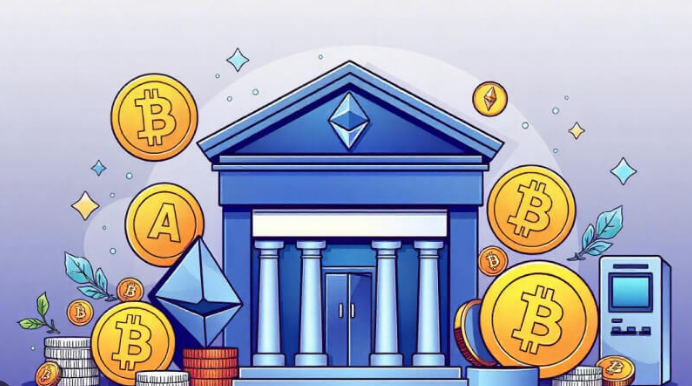
Image: Altorise

Belarus: Short-Term Business Plans

National Bank officials said that the decree could be followed by real market steps fast. Aliaksandr Yahorau, the First Deputy Chairman of the National Bank, said Belarus could see its first operating cryptobank within six months after laws and rules are aligned.

He added that cryptobanks may be able to issue loans secured by cryptocurrency, provide payment cards linked to crypto accounts, and allow self-employed people to receive salaries in tokens.

What Comes Next For Belarus

The decree builds on earlier efforts to attract tech and crypto business to Belarus, and it clearly signals a state interest in bringing token activity under formal control.

The next steps will include drafting implementing rules, creating the special registry at the National Bank, and deciding capital and licensing thresholds for applicants.

Featured image from Unsplash, chart from TradingView

Пов'язані питання

QWhat is the main purpose of Decree No. 19 signed by President Aleksandr Lukashenko on January 16, 2026?

AThe main purpose of Decree No. 19 is to create a clear legal framework for 'cryptobanks,' which are companies that combine token operations with traditional banking and payment services.

QWhat are the two supervisory bodies that will oversee cryptobanks in Belarus?

ACryptobanks will be under the dual supervision of the National Bank of the Republic of Belarus and the governing bodies of the High-Tech Park (HTP).

QWhat is a key requirement for a company to be recognized as a cryptobank in Belarus?

AA key requirement is that the company must be a resident of the Belarus High-Tech Park (HTP) and will be listed in a special register maintained by the National Bank.

QAccording to the First Deputy Chairman of the National Bank, what are some of the services that cryptobanks may be able to provide?

ACryptobanks may be able to issue loans secured by cryptocurrency, provide payment cards linked to crypto accounts, and allow self-employed people to receive salaries in tokens.

QWhat are the next steps following the signing of the presidential decree on cryptobanks?

AThe next steps include drafting implementing rules, creating the special registry at the National Bank, and deciding on the capital and licensing thresholds for applicants.

Пов'язані матеріали

Bitcoin Withdrawals Continue: 8 Years of Storage in a Coldcard Cold Wallet Ended in Zero

Coldcard Hardware Wallet Hacked: Losses Mount Due to Vulnerable Seed Generation A critical vulnerability in Coldcard hardware wallets has led to a continued wave of fund thefts. According to Galaxy Research, the total stolen has reached 1,367.05 BTC (approx. $88.6 million) from 4,585 addresses, a significant increase from the initial 594.5 BTC reported on July 30, 2026. Most of the stolen funds remain on the attackers' addresses. The issue is not with the current firmware, which Coinkite has updated, but with seed phrases generated on vulnerable devices between March 2021 and the release of fixed firmware versions. Due to a programmer error, devices switched from using a hardware random number generator to the software-based Yasmarang generator, which was initialized with publicly accessible data like the chip's serial number. This made the seed phrases predictable through offline brute-force attacks, meaning wallets remain at risk until funds are moved to a new wallet generated with the patched firmware. Affected devices include Mk2/Mk3 with firmware 4.0.1–4.1.9 (and up to 5.0.3), Mk4/Mk5 up to version 5.6.0, and Q models up to 1.5.0Q. The only exceptions are seeds created with a high-entropy method like at least 50 independent dice rolls or a strong unique BIP-39 passphrase. All other owners must generate a new seed on the fixed firmware and transfer their assets. A case highlighting the human impact involves a 39-year-old long-term investor who lost 2 BTC (approx. $130,000) in minutes. He had accumulated the Bitcoin over eight years through physical labor, viewing it as a financial lifeline and a retirement plan in a country suffering from hyperinflation. His story underscores that even conservative "buy and hold in cold storage" strategies can be compromised by such underlying technical flaws. From a technical perspective, this incident echoes historical failures where weak random number generators undermined cryptographic security, challenging the assumption that offline storage is automatically foolproof.

cryptonews.ru38 хв тому

Bitcoin Withdrawals Continue: 8 Years of Storage in a Coldcard Cold Wallet Ended in Zero

cryptonews.ru38 хв тому

Торгівля

Спот
活动图片





