Ready to sign up for your first hackathon? Maybe you're a college student looking to build something cool over the weekend, or an indie developer exploring new tech and meeting like-minded people. Whatever the case, welcome! You're about to experience one of the best ways for developers to learn, create, and grow.
But most beginners don't realize this: the people who get the most out of a hackathon aren't necessarily the ones who win prizes. Prizes are great, but the skills, portfolio projects, and connections you gain have a much longer shelf life.
This guide will help you avoid common beginner pitfalls so you can walk away with a full load of gains, whether you win or not.
1. How to Choose Your First Hackathon and Platform
Not all hackathons are created equal. As a beginner, it's recommended to start with events hosted by large companies, such as Google or AWS's AI-themed hackathons, or events from major crypto tech companies like Circle or Binance. These hackathons have clear rules, responsive organizers, and judges who provide valuable feedback (and yes, the rewards are usually quite generous).
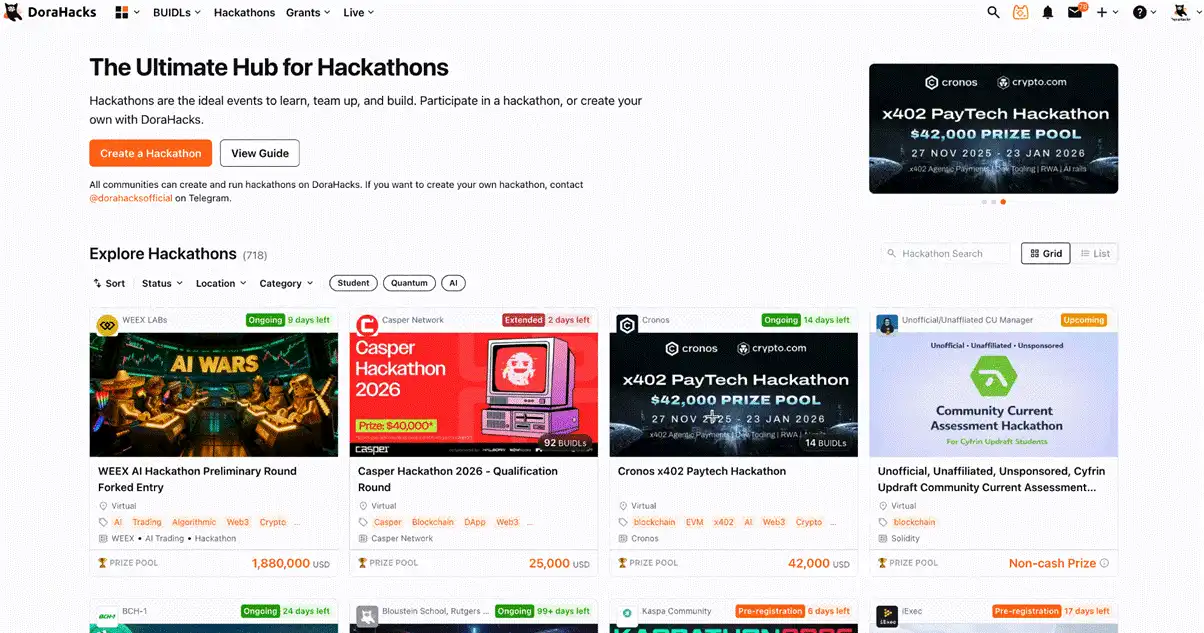
A reliable platform can help filter out the noise. DoraHacks is one of the world's primary hackathon platforms. Thanks to the trust of hackers and the industry, DoraHacks consistently collaborates with leading enterprises and communities to host hackathons in various tech fields like AI and blockchain. The platform's reputation means both organizers and participants have a basic quality guarantee. Furthermore, the platform archives hundreds of thousands of past projects; you can research before competing and learn from previous winners (more on that later).
Be cautious of smaller platforms or hackathons with vague information—your time is precious, so spend it on competitions that respect that.
2. Treat the Rules as Your Lifeline (This is Crucial for Your Submission)
This might sound obvious, but you'd be surprised how many excellent projects get disqualified for not following the rules. Before writing your first line of code or description, thoroughly read the rules. Understand exactly what details to submit and in what format.
Pay attention to eligibility requirements; check submission materials like demo videos, GitHub repositories, or any documentation; note any restrictions; and understand the judging criteria.
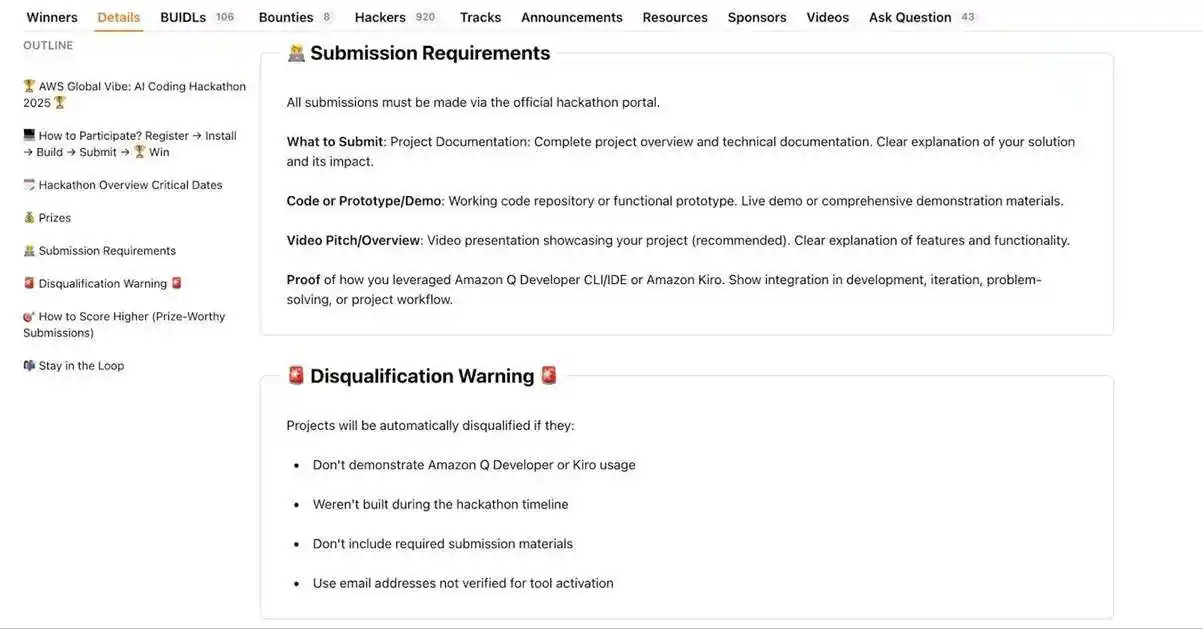
Rules for the 2025 AWS AI Vibe Coding Hackathon
The rules aren't red tape; they're a contract between you and the organizers. Following them not only shows professionalism but also ensures your efforts are judged fairly.
3. Don't Be a "Bounty Hunter"
Tempted to submit the same project to every hackathon hoping to get lucky? Stop. Organizers and judges can easily spot recycled, off-topic projects, and these submissions usually don't fare well.
Most hackathons have themes for a reason. Even if there's an "open track," judges will still evaluate how well your project aligns with the hackathon's goals. Submitting an unrelated dating app at a blockchain hackathon won't be a good fit, no matter how polished it is.
Instead of spreading yourself thin across ten unrelated competitions, focus on a few that genuinely match your interests and skills. You'll produce better work and make a stronger impression on judges and sponsors who actually care about these issues.
4. Communicate Early and Often
Many beginners treat hackathons like an exam—heads down, no talking, figure it all out alone. This is a big mistake. Good hackathons have organizers, mentors, and community channels specifically to help you succeed. Use them!
If the rules are unclear, ask for clarification before going down the wrong path. If you hit a technical snag, reach out to a mentor or post in the community Discord. If you're unsure if your idea fits the theme, check with the organizers early; don't wait until judging to find out. For example, on DoraHacks, you can message the organizers directly.
Don't struggle alone when help is readily available.
5. Learn from Other Hackers
One of the most underrated benefits of hackathons is the opportunity to learn from other participants. You're surrounded by people solving similar problems with different approaches, skill levels, and perspectives.
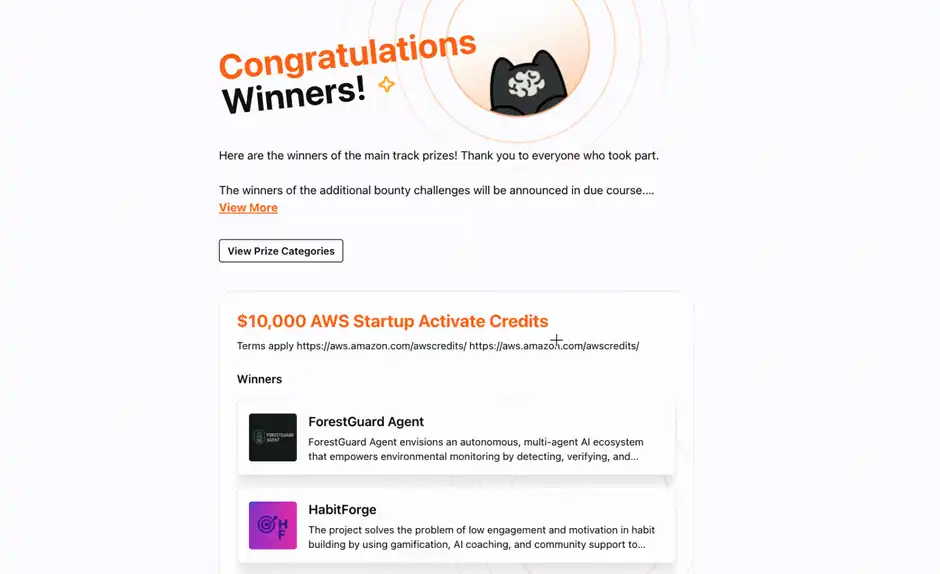
Studying past projects is one of the fastest ways to improve. On DoraHacks, you can browse a vast archive of past projects (like this one), filter by category, and see exactly what winning teams submitted. Watch their demo videos, read their project pages, and observe how they present their ideas. Notice what makes top projects stand out: a clear problem statement, a polished demo, strong alignment with the theme. Equally important: observe what weaker projects lack so you can avoid the same pitfalls.
During the competition, interact with other participants too. Share your progress, ask what others are working on, and don't be afraid to give or receive feedback. The hacker community is generally very supportive; today's competitor could be your collaborator or co-founder tomorrow.
6. Submit a Great Demo
A great project with a poor presentation often loses to a decent project with an amazing demo. Judges have limited time and dozens of submissions to review. Make it easy for them.
Your written description is crucial: use clear language, logical flow, and don't assume judges have background information you haven't provided. Screenshots, diagrams, and links to a working demo all make your submission stronger.
Keep your demo video concise and clear: explain the problem you're solving, show how your solution works, highlight what's unique—aim for 1 to 3 minutes total, unless the rules specify otherwise.
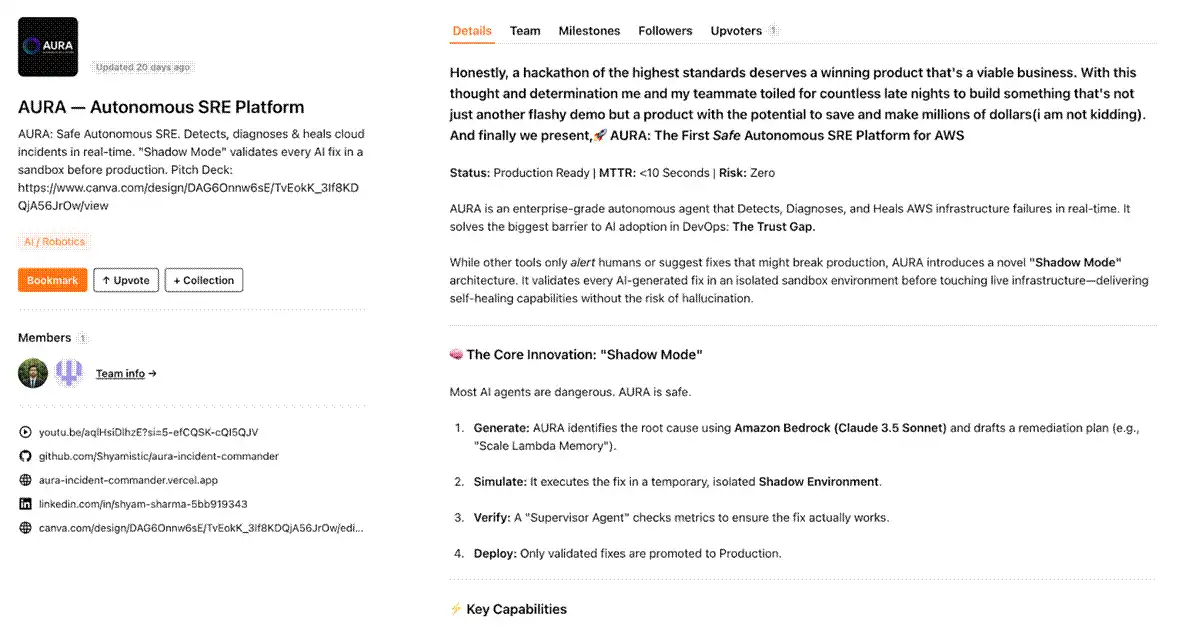
An example of a winning project on DoraHacks
Treat your submission like a pitch. You're not just showing what you built; you're convincing the judges why it matters.
7. Manage Your Time Wisely
Hackathons have deadlines, and they arrive faster than you think. Poor time management is the most common reason potentially great projects end up with incomplete submissions.
Always reserve time for submitting your materials. Recording the demo video, writing documentation, packaging everything up—these take longer than you think. Don't wait until the last minute.
If you're on a team, define roles clearly. Working in parallel is efficient only if everyone knows their responsibilities.
8. Accept the Outcome and Keep Building
Hackathons are competitions, and competitions have winners and losers. You might give it your all and walk away empty-handed. It stings, but it's completely normal.
The difference between a successful hacker and a frustrated one is how they respond. If you don't win, ask yourself what you learned. If the idea is solid and you keep iterating seriously, opportunities will find you. Many successful projects didn't win their first hackathon either but found their moment through continuous improvement.
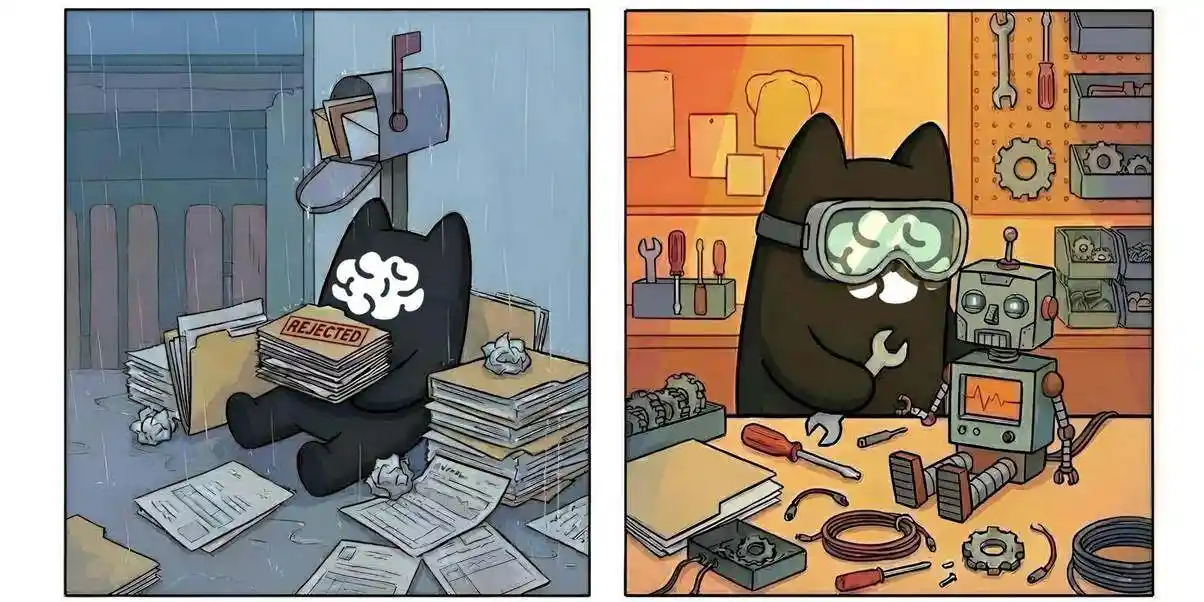
The hackathon ends, but your work doesn't have to. If the project has potential, keep developing it. Hackathon projects are excellent portfolio pieces, and continued progress shows potential employers or investors that you're serious.
Countless amazing projects are born at hackathons and then disappear forever. The excitement fades, life gets busy, and that brilliant idea never gets another commit. Don't let that happen to you.
Celebrate the wins, learn from the losses, and then keep competing. In the long run, persistence matters more than luck.
Conclusion: Play the Long Game
Your first hackathon is just the beginning. You'll make mistakes, learn lessons, and probably wish you'd done some things sooner. That's okay; everyone starts from zero.
The people who get the most out of hackathons treat each one as a step in a longer journey. They accumulate skills, expand their network, and build a track record of consistent participation and delivery. Over time, victories come not from luck but from becoming stronger.
So, find a hackathon on DoraHacks that excites you, read the rules, chat with the organizers, learn from others, and keep creating. Leave the rest to time.
Happy hacking!
About DoraHacks
DoraHacks is a leading global hackathon community and open-source developer incentive platform. DoraHacks provides a toolkit for all parties to empower them to organize hackathons and fund early-stage ecosystem startups.
DoraHacks is committed to driving a global hacker movement in Web3, AI, quantum computing, and space technology. To date, over 30,000 startup teams have received more than $300 million in total funding through the DoraHacks community. Numerous open-source communities, enterprises, and technology ecosystems are actively utilizing DoraHacks and its BUIDL AI capabilities to organize hackathons and provide financial support for open-source initiatives.
Website | Twitter | Discord | Telegram | Binance Live | Youtube