Base Shifts From OP Stack to Unified Stack for Next Phase of Upgrades

TheNewsCryptoОпубліковано о 2026-02-19Востаннє оновлено о 2026-02-19

Анотація

Base, a Coinbase-incubated Ethereum layer-2 blockchain, is transitioning from the OP Stack to its own unified software stack called "base/base" to accelerate upgrades and enhance security. While moving away from the OP Stack, Base will continue to receive support from the Optimism Foundation and remain compatible with OP Stack specifications. The new stack, built on open-source components like Reth, simplifies the architecture, making the network easier to update while maintaining safety and decentralization. Base remains a Stage 1 decentralized rollup and is strengthening security with an independent signer, faster withdrawals, improved governance, and stronger protections. The roadmap includes multiple hard forks: Base V1 will implement Ethereum’s Fusaka upgrades and transition to TEE/ZK proofs, while future forks (V2 and V3) aim to improve user interactions and add Ethereum’s Glamsterdam support. Node operators are advised to switch to the new base client for compatibility with upcoming upgrades.

Base, a Coinbase-incubated Ethereum layer-2 blockchain, was launched as an OP Stack chain, then incorporated a diverse range of software in collaboration with various partners, including Optimism, Flashbots, and Paradigm.

​According to the Base announcement, they introduced a single unified stack called base/base for accelerating upgrades and additional security, and it is made public and opened for contribution. While moving away from the OP Stack, it will still receive mission-critical support from the Optimism Foundation.

Simplifying the Stack to Accelerate Upgrades

According to the Base engineering blog, “Our unified solution, base/base, built on open-sourced components such as Reth, allows us to dramatically simplify the number of components, by optimizing them directly for our use case.” This will make the network easier to update and allow the developers to focus on what Base specifically needs, as it is open and public.

​As Base is upgrading how it works to become more independent and efficient. Importantly, nothing changes in terms of safety. Base remains a Stage 1 decentralized rollup, and the team is also strengthening security by adding an independent signer and speeding up plans for faster withdrawals, improved governance, and stronger protections to keep the network open, neutral, and secure for everyone.

Base’s Long-Term Roadmap

As of now, Base blog noted, “Base will continue operating as it does today, and we will remain compatible with the OP Stack specification.”

​The upcoming hard fork (Base V1) is going to implement Ethereum’s Fusaka upgrades and transition from Optimistic proofs to TEE/ZK proofs for a faster network. Further, two more hard forks are discussed, such as the Base V2 hard fork, which is planned to introduce smoother user interactions. Then, Base V3 hard fork is planned to add Ethereum’s Glamsterdam Support.

​As the shift marks a broader architectural consolidation across Base’s evolution, from its initial OP Stack foundations to a unified stack fully maintained within Base, the Base network asks node operators to use the new base for client updates instead of Optimism’s to remain compatible with upcoming future hard forks.

Highlighted Crypto News:

CoinFello Unveils AI Smart Contract Agent at ETHDenver with BuffiBot Preview

TagsCoinbaseL2 Network

Пов'язані питання

QWhat is the main change Base is making to its technological stack according to the article?

ABase is shifting from the OP Stack to a new, unified stack called base/base to accelerate upgrades and enhance security.

QDespite moving away from the OP Stack, what ongoing support will Base receive?

ABase will still receive mission-critical support from the Optimism Foundation.

QWhat is the primary goal of Base's new unified stack, base/base?

AThe goal is to dramatically simplify the number of components, making the network easier to update and allowing developers to focus on Base's specific needs.

QWhat key security feature is the team adding as part of its upgrades?

AThe team is strengthening security by adding an independent signer.

QWhat is the planned change for the Base V1 hard fork regarding proofs?

AThe Base V1 hard fork will transition from Optimistic proofs to TEE/ZK proofs for a faster network.

Пов'язані матеріали

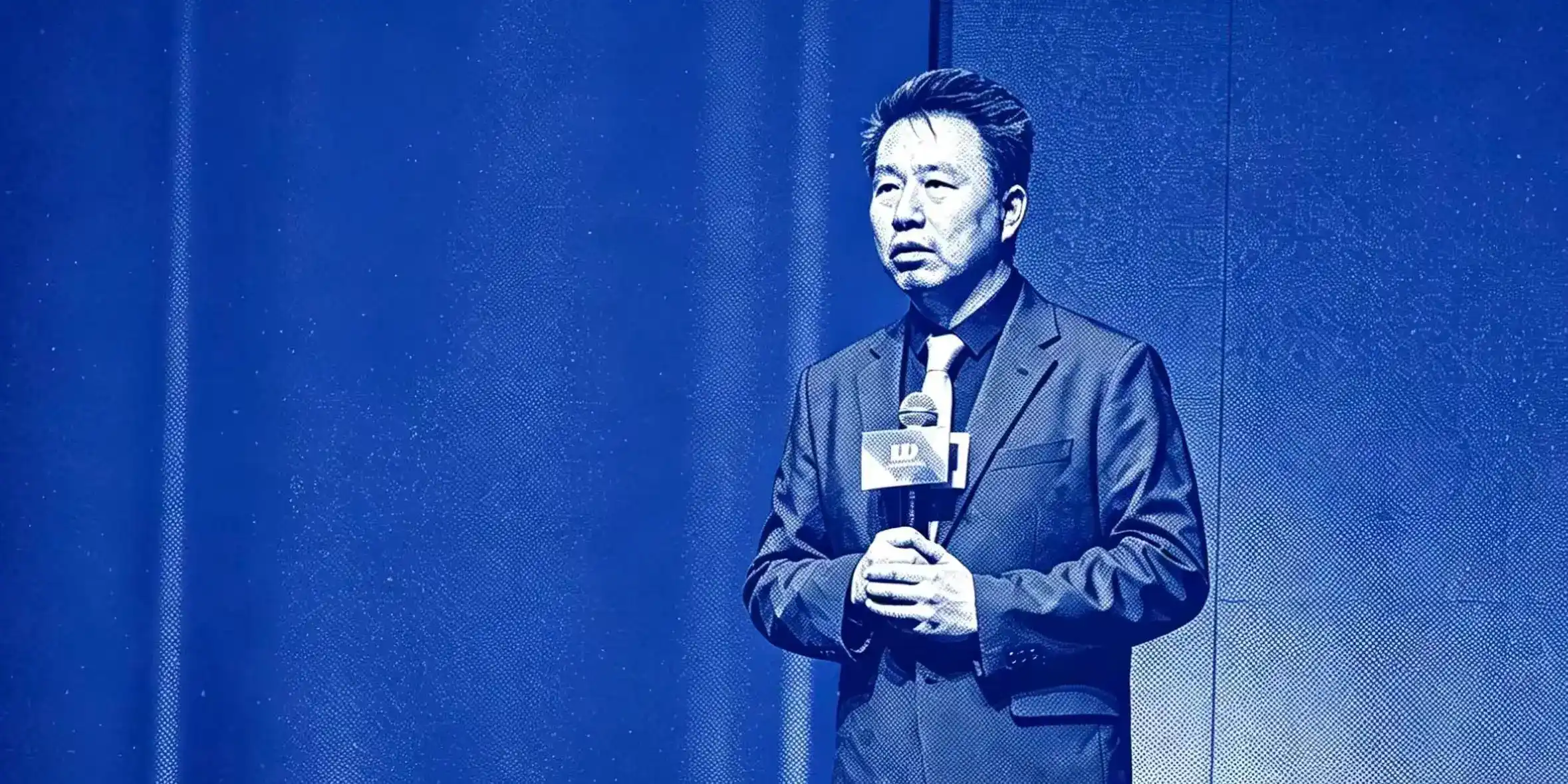
Fu Peng's First Public Speech in 2026: What Exactly Are Crypto Assets? Why Did I Join the Crypto Asset Industry?

Fu Peng, a renowned macroeconomist and now Chief Economist at New火 Group, delivered his first public speech of 2026 at the Hong Kong Web3 Festival. He explained his perspective on crypto assets and why he joined the industry, framing it within the context of macroeconomic trends and financial evolution. Fu emphasized that crypto assets are transitioning from an early, belief-driven phase to a mature, institutionally integrated asset class. He drew parallels to the 1970s-80s, when technological advances (like computing) revolutionized traditional finance, leading to the rise of FICC (Fixed Income, Currencies, and Commodities). Similarly, current advancements in AI, data, and blockchain are reshaping finance, with crypto assets becoming part of a new "FICC + C" (C for Crypto) framework. He noted that institutional capital, including traditional hedge funds, avoided early crypto due to its speculative nature but are now engaging as regulatory clarity emerges (e.g., stablecoin laws, CFTC classifying crypto as a commodity). Fu predicted that 2025-2026 marks a turning point where crypto becomes a standardized, financially viable asset for diversified portfolios, akin to commodities or derivatives in traditional finance. Fu defined Bitcoin not as "digital gold" in a simplistic sense but as a value-preserving, financially tradable asset. He highlighted that crypto's future lies in regulated, institutional adoption, moving away from retail-dominated trading. His entry into crypto signals this maturation, where traditional finance integrates crypto into mainstream asset management.

marsbit33 хв тому

Fu Peng's First Public Speech in 2026: What Exactly Are Crypto Assets? Why Did I Join the Crypto Asset Industry?

marsbit33 хв тому

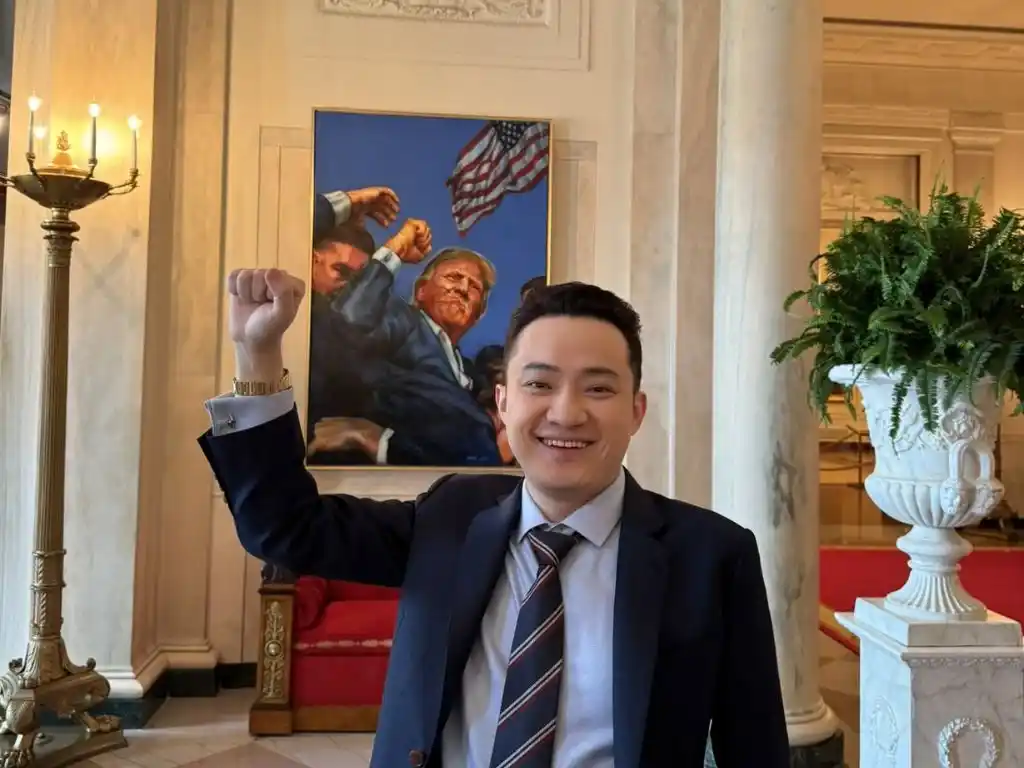
Justin Sun Sues Trump Family: What $75 Million Bought Was Only a Blacklist

Justin Sun, founder of Tron, has filed a lawsuit in federal court against World Liberty Financial (WLF), alleging he was made the "primary target of a fraudulent scheme" after investing $75 million. Sun claims the investment secured him an advisor title and WLFI tokens, which were later frozen by WLF, causing "hundreds of millions in losses." The dispute began in late 2024 when Sun's investment helped revive WLF's struggling token sale, which ultimately raised $550 million. Shortly after, the SEC dropped its lawsuit against Sun following Donald Trump's inauguration. However, relations soured when Sun refused WLF's demands for additional funding. In August 2025, WLF added a "blacklist" function to its smart contract, allowing it to unilaterally freeze tokens. Sun's holdings, worth approximately $107 million, were frozen, and he was threatened with token destruction. The lawsuit highlights WLF's structure, which directs 75% of token sale profits to the Trump family, who had earned $1 billion by December 2025. WLF's CEO is Zach Witkoff, son of U.S. Middle East envoy Steve Witkoff. The project faces scrutiny for opaque operations, including a controversial loan arrangement on the Dolomite platform, co-founded by a WLF advisor. Despite Sun's history with the SEC, the case underscores centralization risks within DeFi, as WLF controls governance and holds powers to freeze assets arbitrarily. Sun's tokens remain frozen as legal proceedings begin.

marsbit41 хв тому

Justin Sun Sues Trump Family: What $75 Million Bought Was Only a Blacklist

marsbit41 хв тому

$500 to Buy OpenAI Stock: Silicon Valley's Most Respectable Liquidity Invitation

Silicon Valley's largest venture capital platform, AngelList, has launched a new fund called USVC, allowing U.S. retail investors to buy into high-profile AI companies like OpenAI, Anthropic, and xAI with a minimum investment of $500—no accredited investor status required. Promoted by AngelList co-founder Naval Ravikant, the fund is framed as an opportunity for ordinary people to access high-growth private tech investments traditionally reserved for VCs. However, critics argue it functions more like an exit vehicle for early insiders. USVC acquires shares not through primary rounds but largely via secondary transactions—purchasing stakes from early investors, VC funds, and employees looking to cash out at peak valuations. With companies like xAI heavily weighted in the portfolio, the fund effectively channels retail money into providing liquidity for insiders who entered at much lower valuations. The fund’s structure raises concerns: shares are illiquid, with no secondary market, and buybacks are limited and discretionary. The actual annual fee reaches 3.61%, far above the advertised 1% management fee. This model parallels the "low float, high fully diluted valuation" strategy seen in crypto, where early investors profit by selling to latecomers at inflated prices. The timing—alongside similar moves by platforms like Robinhood—suggests that Silicon Valley’s sudden interest in retail inclusion may be less about democratizing access and more about securing exits for insiders.

marsbit1 год тому

$500 to Buy OpenAI Stock: Silicon Valley's Most Respectable Liquidity Invitation

marsbit1 год тому

Торгівля

Спот
Ф'ючерси

Популярні статті

Як купити LAYER

Ласкаво просимо до HTX.com! Ми зробили покупку Solayer (LAYER) простою та зручною. Дотримуйтесь нашої покрокової інструкції, щоб розпочати свою криптовалютну подорож.Крок 1: Створіть обліковий запис на HTXВикористовуйте свою електронну пошту або номер телефону, щоб зареєструвати обліковий запис на HTX безплатно. Пройдіть безпроблемну реєстрацію й отримайте доступ до всіх функцій.ЗареєструватисьКрок 2: Перейдіть до розділу Купити крипту і виберіть спосіб оплатиКредитна/дебетова картка: використовуйте вашу картку Visa або Mastercard, щоб миттєво купити Solayer (LAYER).Баланс: використовуйте кошти з балансу вашого рахунку HTX для безперешкодної торгівлі.Треті особи: ми додали популярні способи оплати, такі як Google Pay та Apple Pay, щоб підвищити зручність.P2P: Торгуйте безпосередньо з іншими користувачами на HTX.Позабіржова торгівля (OTC): ми пропонуємо індивідуальні послуги та конкурентні обмінні курси для трейдерів.Крок 3: Зберігайте свої Solayer (LAYER)Після придбання Solayer (LAYER) збережіть його у своєму обліковому записі на HTX. Крім того, ви можете відправити його в інше місце за допомогою блокчейн-переказу або використовувати його для торгівлі іншими криптовалютами.Крок 4: Торгівля Solayer (LAYER)Легко торгуйте Solayer (LAYER) на спотовому ринку HTX. Просто увійдіть до свого облікового запису, виберіть торгову пару, укладайте угоди та спостерігайте за ними в режимі реального часу. Ми пропонуємо зручний досвід як для початківців, так і для досвідчених трейдерів.

273 переглядів усьогоОпубліковано 2025.02.11Оновлено 2025.03.21

Як купити LAYER

Обговорення

Ласкаво просимо до спільноти HTX. Тут ви можете бути в курсі останніх подій розвитку платформи та отримати доступ до професійної ринкової інформації. Нижче представлені думки користувачів щодо ціни LAYER (LAYER).

活动图片