Alibaba 'Stocks Up', ByteDance 'Trains'

marsbitОпубліковано о 2026-06-01Востаннє оновлено о 2026-06-01

Анотація

"In late May, two closely timed events in China's AI industry clearly revealed the divergent strategic approaches of two tech giants: Alibaba and ByteDance. Alibaba is aggressively integrating AI into its existing commercial ecosystem, prioritizing immediate monetization. Its Qwen App now fully integrates with Taobao, leveraging the platform's 4-billion-item database for AI-powered shopping features like virtual try-on and price comparison. Internally, Alibaba has reorganized to incentivize AI-driven business growth, notably through the 'Agentic Commerce Trust Protocol' to enable AI-agent transactions. Financially, it emphasizes ROI, with CEO Daniel Wu stating every AI chip purchased is generating revenue. Alibaba's strategy bets that foundational AI model capabilities won't be leapfrogged in the next five years, allowing its 'AI-as-a-utility' approach to succeed. In stark contrast, ByteDance's Seed division focuses on pushing the frontiers of AGI with a long-term, research-oriented mindset. Its video generation model, Seedance 2.0, topped international benchmarks. The division, led by researchers Wu Yonghui and product head Zhu Wenjia, is tasked with 'exploring the upper limits of intelligence,' even considering open-sourcing its models—a rare move among Chinese firms. ByteDance is investing heavily, with reports of its 2026 capital expenditure plan being nearly triple that of 2024, funded by its substantial private profits. This allows it to pursue projects like an 8-mont...

In the last week of May, two adjacent events in the AI industry laid out the two different postures of Chinese tech giants on the same card table.

On May 11th, Alibaba's Qianwen App and Taobao were fully integrated—users can chat and shop within Qianwen, or directly invoke AI features for virtual try-on, price comparison, and coupon hunting within Taobao. Qianwen gained access to Taobao's 4-billion-item product library and 20 years of e-commerce scenario data.

Nine days later, from May 20th to 21st, Alibaba Cloud held a summit at Hangzhou's Xizi Hotel. Wu Yongming upgraded the entire "chip-cloud-model-inference-application" five-layer stack in one go, launching the self-developed Zhenwu M890 chip, the flagship model Qwen3.7-Max, the new entry point Qianwen Cloud, and the Agentic Cloud. At the end of the conference, he said, "Capital expenditure over the next five years will far exceed the previous plan of 380 billion yuan."

Rewinding to 3 months earlier, ByteDance's Jiemeng AI released Seedance 2.0, which topped the Artificial Analysis Video Arena benchmark with an Elo score of 1269, surpassing Google Veo 3, OpenAI Sora 2, and Runway Gen-4.5. Feng Ji (creator of Black Myth: Wukong) publicly called it the "strongest AI video model." Looking further ahead, on May 27th, foreign media reported that ByteDance's capex ceiling for 2026 is 470 billion RMB (approx. $70 billion USD), potentially reaching $100 billion USD under ideal conditions—nearly 3 times the $25 billion USD in 2024.

Alibaba is building the "water, electricity, and gas" and the "retail checkout counter" of the AI era, while ByteDance is building the "Nobel Prize laboratory" of the AI era.

One aims for immediate deployment, the other is built on a 5+ year horizon.

Both are called AI strategies, but their paths are completely different.

Alibaba Loaded AI, Piece by Piece, into the Checkout Counter

The biggest change at Alibaba this year isn't in chips or models, but in organization.

In March 2024, Ant Group's CFO Han Xinyi became Ant Group's President; on March 1st, 2025, he officially took over the CEO role from Jing Xiandong, who focused on his Chairman duties. After taking over, Han Xinyi launched three strategies: "AI First + Alipay Dual Flywheel + Accelerated Globalization." Half a year later, Ant Group split into four independent entities—Ant International, OceanBase, and Ant Digital Technology—each with its own board and operating independently in the market. A few months later, on February 2nd, 2026, Han Xinyi sent a company-wide email announcing the "AI Credit" special incentive scheme—teams and individuals making groundbreaking contributions in AI would receive an additional bonus on top of their regular performance incentives.

The meaning of this series of moves is very clear: break down the organization until it can run fast, align incentives with AI, and then start stocking the shelves.

What exactly is being stocked?

Ant's AI Payment—by the Spring Festival of February 2026, transaction volume exceeded 120 million, and user numbers surpassed 100 million, making it the world's first AI-native payment product to achieve both milestones. Ant's health assistant "Afu" reached 30 million MAU. Taotian integrated with the Qianwen App, turning AI try-on, price comparison, and coupon hunting into consumer shopping actions. Industry rumors suggest that mid-sized Taobao merchants in internal testing reported that after AI price comparison went live for a week, they proactively lowered prices on three SKUs—AI isn't for merchants; it's for consumers to get the best deals from merchants.

Even more noteworthy is the ACT Protocol.

On January 16th, 2026, six business units—Alipay, Qianwen App, Taobao Flash Sales, Rokid, Damai, and Alibaba Cloud Bailian—jointly released the "Agentic Commerce Trust Protocol," building trust infrastructure for "AI spending money on behalf of users." It's rare in Alibaba's history for six BUs to jointly release a protocol. Two years ago, during Zhang Yong's era, Taotian and Alibaba Cloud fought even over data sharing; now they stand together in the same press release for an AI protocol—this is the organizational surgery Wu Yongming completed in one year.

The return on this organizational surgery is in the financial reports.

Alibaba's Q4 revenue grew +3%, while Cloud external revenue grew +40%. This Cloud external revenue number is key—it represents not Alibaba consuming its own cloud compute, but others paying for Alibaba's compute power. A +40% curve means Alibaba's infrastructure investment has a cash flow channel for payback. Alibaba Cloud SVP Liu Weiguang said at the summit "building China's largest AI factory," whose core customers are Moonshot, MiniMax, Kimi, Zhipu—and also include DeepSeek.

Which cloud do domestic large language models run on in China? A significant portion run on Alibaba Cloud.

MaaS revenue is about to replace ECS as Alibaba Cloud's largest product line—this means Alibaba Cloud's growth engine has already switched from traditional cloud computing to AI services.

Wu Yongming's exact words: "Currently, there is almost not a single empty GPU card in Alibaba's servers."

That statement is fierce. It's fierce because it's not just a CEO's bold claim; it's a public company's promise to the capital markets: every card purchased with capex is generating revenue.

But the cost must also be stated.

The prerequisite for Alibaba's ability to "stock up" like this is that the models just need to be good enough—not necessarily the best globally, just capable of handling business and monetization. Qwen3.7-Max closely follows the capability line of DeepSeek and Kimi but hasn't created a generational gap. In terms of academic influence in international AI foundational model original research, Alibaba is relatively low-key—Qwen's open-source version has high download counts on HuggingFace, but in terms of paper weight on "where the next-generation architecture should go," Alibaba contributes far less than ByteDance. If one day the generational gap in foundational models is widened 5x by ByteDance, OpenAI, or Anthropic, all the AI loaded into today's checkout counters will become outdated hardware needing upgrade and replacement.

Alibaba's bet is: within 5 years, foundational model capabilities won't widen to a 5x generational gap.

ByteDance Locked AI Inside the Seed Department

ByteDance takes another posture.

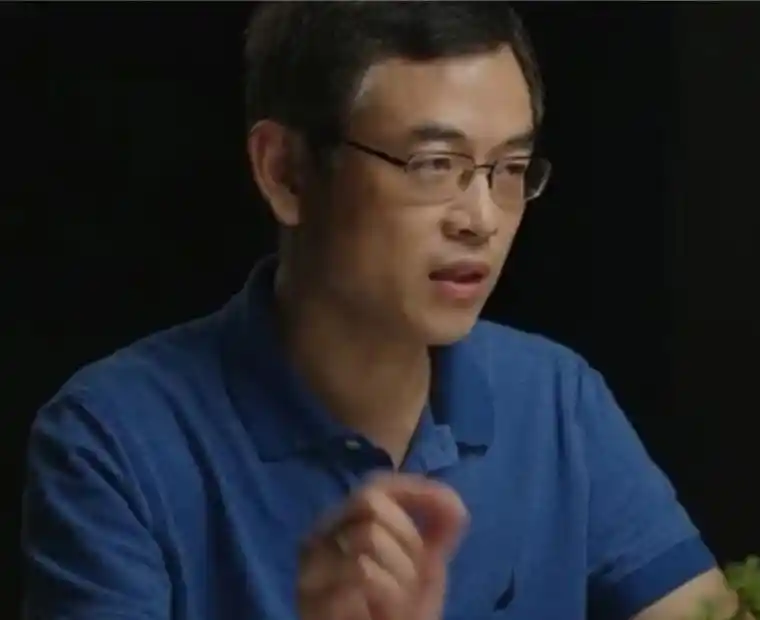
There are two parallel lines within the Seed department. One is Zhu Wenjia, responsible for model applications—products like Doubao, Jiemeng, and Kouzi fall under him. The other is Wu Yonghui, responsible for AI foundational research exploration—the AGI roadmap belongs to him. When they first shared the stage at a company-wide meeting, the goal set was just one sentence: "The Seed department's most important goal is to explore the upper limit of intelligence."

They also projected an even rarer stance: "Considering promoting open source."

Among domestic tech giants, the word "open source" is usually only spoken repeatedly in the Linux era. ByteDance daring to mention open source in the AGI era means it no longer expects to charge for foundational models—it wants to turn foundational models into the global technological foundation itself.

The external evidence is Seedance 2.0.

Released on February 10th, 2026, this video generation model topped the Artificial Analysis Video Arena with an Elo score of 1269, surpassing Google Veo 3, OpenAI Sora 2, and Runway Gen-4.5. It uses a dual-branch diffusion transformer architecture to achieve native multimodal capabilities—processing text, images, audio, and video inputs uniformly, generating 60-second movie-quality multi-shot videos with native audio, with 2K video generation speed 30% faster than peers. Feng Ji's public comment wasn't a PR piece; he posted it on his own Weibo—a judgment from a game creator after using it.

The internal evidence is even harder.

The Top Seed talent program, launched in May 2024, targets fresh PhD graduates; expanded in July of the same year to research interns among current PhD students. A daily salary of 2000 RMB to attract genius youths, openly competing with DeepSeek in Silicon Valley and Tsinghua campuses. Industry rumors say a former ByteDance Seed intern mentioned at a dinner that on his first day, his KPI wasn't about DAU or revenue, but "to rank in the top three on a certain international benchmark by year-end"—this kind of KPI was something he'd never seen in other companies he'd been at.

And then there's the 8-month paper.

The Doubao large model team spent 8 months on a systematic experiment titled "How Far Are Video Generation Models From World Models?". The conclusion was humble: "Video generation models can memorize training cases but cannot yet truly understand physical laws." This paper carries no commercial conversion, purely academically answering a question that might take 5-7 years to materialize.

How much does it cost ByteDance to do these things every year?

In December 2025, the Financial Times reported ByteDance's 2026 capex plan at 160 billion; on May 9th, the South China Morning Post reported 200+ billion (+25%); on May 27th, Bloomberg reported a maximum of 470 billion ($70 billion USD). Three upward revisions within 5 months, each a major jump, the latest number being 2.8x that of 2024. According to Bloomberg, funding comes from ByteDance's estimated 2025 profit of about $50 billion USD—ByteDance internally has reservations about the accuracy of that figure—meaning after spending this year's profit, it would need to borrow another $20 billion USD. Under ideal conditions, it could reach $100 billion USD (approx. 6,781 billion RMB).

Does ByteDance have enough money to burn?

Yes. It can withstand it because it's not publicly listed and doesn't have to justify ROI to the capital markets every quarter.

But does it have enough patience?

Not necessarily. Doubao just started testing paid features; that Titanium Media headline was "ByteDance Puts the Brakes on Doubao's Free Model." Doubao's DAU surpassed 100 million, becoming the product in ByteDance's history to reach that milestone with the least promotion spend, meaning logically it should have the least pressure to monetize—yet internally they've started considering inserting ads. This shows that even for a non-listed company, after burning for three years, the balance sheet starts to exert pressure.

Industry rumors suggest that VCs who invested in Doubao early on later privately commented that ByteDance's biggest change in the past two years isn't that its models got stronger, but that it truly started believing "technological leadership will make money come on its own." This kind of belief wasn't in this company's past dictionary.

But belief is one thing; belief can't be eaten. Seedance 2.0 topping the charts is one thing; turning Seedance 2.0 into the next Douyin is another—the latter is something ByteDance hasn't yet proven.

"Selling Goods" and "Making Products" Are Not Philosophies; They're Origins

Writing this far requires a counter-consensus.

The mainstream narrative is: Alibaba is pragmatic short-term, ByteDance is idealistic long-term; Alibaba is shrewder, ByteDance is more visionary. There's truth to this side—Alibaba's +40% Cloud external revenue is real, and ByteDance's Seedance 2.0 topping the charts is also real. The two are indeed on different paths.

But the real issue isn't strategic philosophy.

Alibaba is a public company. Every quarter's financial reports, stock price, buybacks, dividends must pass scrutiny in front of the capital markets. Wu Yongming says "far exceeding 380 billion over the next five years" but gives no specific number—this is the manifestation of being held hostage by the stock price. It doesn't have the luxury of "burn money for 5 years first, then see the results." If any quarter its Cloud external revenue growth falls to single digits, the next day's stock price will teach it a lesson.

ByteDance is not. It can let the Seed team spend 8 months writing a paper on world models with no commercial conversion, can let capex triple in 5 months, can let Wu Yonghui publish only academic papers and not write product requirement documents—because it doesn't have to explain to anyone the reason for these people's existence.
Therefore: If Alibaba weren't listed, it would most likely also bet on foundational models. Reference its early posture of investing in DAMO Academy, T-Head, Luohan Academy—that was Alibaba before Zhang Yong, when Jack Ma truly believed "tech companies must nurture their own scientists."

If ByteDance were listed, it would most likely also have to stick close to monetization. Reference the reaction curve where every time ByteDance faces IPO rumors, Doubao suddenly ramps up commercialization—market expectations would immediately back-program strategic choices.

What truly determines the path of Chinese AI strategy isn't the CEO's vision, but whether the company is publicly listed.

This means that for the next 5 years, BAT and other publicly listed companies starting at 4 trillion RMB market cap cannot possibly "do AI" like ByteDance does; they can only "sell AI." Conversely, non-listed companies like DeepSeek and Moonshot have the luxury to "do AI."

And conversely—if one day ByteDance truly initiates an IPO, the long-term research budget of its Seed team will be the first to face pressure. This point is more worth watching than any judgment about "Doubao benchmarking GPT."

Within one week, Wu Yongming stood on stage at the Alibaba Cloud summit shouting "5 years far exceeding 380 billion," while Zhu Wenjia and Wu Yonghui stood at the Seed all-hands meeting shouting "explore the upper limit of intelligence." One is explaining the checkout counter to shareholders of a 4 trillion RMB market cap company, the other is explaining the laboratory to their own engineers backed by non-public equity.

Alibaba loaded AI, piece by piece, into the storefront; ByteDance wrote AI, line by line, into papers.

When, one day in 2027, ByteDance truly files its S-1, we will see—for how many pages of the prospectus can the words "training" hold out.

This article is from the WeChat public account "AI Sings the Opposite Tune," author: Joshua

Пов'язані питання

QWhat are the two distinct AI strategies adopted by Alibaba and ByteDance as described in the article?

AAlibaba is focused on integrating AI into its existing commercial ecosystem (like e-commerce and payment platforms) for immediate business applications, acting as the 'infrastructure provider' and 'checkout counter' for the AI era. ByteDance, through its Seed department, is focusing on long-term, fundamental AI research and development, aiming to push the boundaries of AI capabilities, akin to a 'Nobel Prize laboratory'.

QWhat was a key organizational change within Alibaba that facilitated its AI integration strategy?

AA key change was the restructuring under CEO Wu Yongming. Different business units (like Ant Group, Taobao, and Alibaba Cloud), which previously might have competed, are now collaborating on AI initiatives. An example is the joint release of the Agentic Commerce Trust Protocol (ACT) by six different business units, which was rare historically.

QWhat evidence does the article provide for ByteDance's commitment to foundational AI research?

AEvidence includes: 1) The Seedance 2.0 video generation model topping the Artificial Analysis Video Arena benchmark. 2) The 'Top Seed' talent plan to recruit top PhDs. 3) A research paper titled 'How Far Are Video Generation Models from World Models?' that took 8 months to complete, addressing a long-term academic question without immediate commercial goals. 4) Publicly stating a goal of 'exploring the upper limits of intelligence' and considering open-sourcing its models.

QAccording to the article, what is the primary financial factor influencing the different AI strategic paths of Alibaba and ByteDance?

AThe primary factor is whether the company is publicly listed. Alibaba, as a publicly traded company with a large market cap, faces quarterly pressure from the capital market for returns on investment (ROI), forcing it to focus on commercializing AI for revenue. ByteDance, being privately held, has the freedom to invest heavily in long-term, non-commercialized R&D without the same short-term financial accountability to public shareholders.

QWhat is the author's prediction regarding ByteDance's AI strategy if the company were to go public (IPO)?

AThe author predicts that if ByteDance files for an IPO, the long-term research budget for its Seed department would come under significant pressure. The strategic focus would likely shift towards more immediate commercialization and demonstrable revenue to meet the expectations of public market investors, potentially compromising its current 'exploratory' approach.

Пов'язані матеріали

Single-Day Plunge of 30%, Arthur Hayes Suddenly Liquidates: Why Did ZEC Get Exploded by Security Issues?

On June 5th, Zcash founder Zooko Wilcox disclosed a critical soundness vulnerability in the project's latest Orchard privacy pool. This flaw, found in the elliptic curve multiplication constraints, could allow an attacker to create unlimited counterfeit ZEC within the shielded pool, with transactions appearing valid. The vulnerability was discovered in late May by security researcher Taylor Hornby, who utilized Anthropic's new Opus 4.8 AI model for a targeted audit. The Zcash ecosystem had already performed an emergency network upgrade to patch the issue. However, the detailed disclosure triggered severe market panic, causing ZEC's price to plummet over 30% in a single day. Notably, prominent investor Arthur Hayes announced he had sold his entire ZEC position following the news. The incident starkly challenges the "technological trust" narrative central to privacy coins. Despite years of top-tier cryptographic audits, the bug persisted until uncovered with advanced AI-assisted research. This highlights the growing gap between theoretical perfection and practical implementation in privacy technology. The event serves as a industry-wide warning: in an AI-driven security landscape, the assumption that "undiscovered equals safe" is obsolete. It underscores the urgent need for continuous, proactive security practices combining AI audits, formal verification, and rapid response mechanisms.

foresightnews_api54 хв тому

Single-Day Plunge of 30%, Arthur Hayes Suddenly Liquidates: Why Did ZEC Get Exploded by Security Issues?

foresightnews_api54 хв тому

Breaking the Curse of DeFi Cascading Liquidations, Vitalik Proposes a New Solution

**Vitalik Buterin Proposes New DeFi Design to Eliminate Forced Liquidations** Ethereum co-founder Vitalik Buterin has published a proposal for a new decentralized finance (DeFi) architecture aimed at removing the automatic liquidation mechanisms prevalent in current lending protocols. The core idea involves creating synthetic assets using options as building blocks, fundamentally avoiding the抵押借贷结构 that triggers forced sell-offs. The proposal responds to a recurring flaw in DeFi: during sharp market downturns, mass自动清算 of under-collateralized positions can exacerbate price declines, creating systemic selling pressure and market instability, as evidenced by recent crypto market volatility. Buterin's model would split an asset like 1 ETH into two option-like derivatives, P and N, pegged to a price index with a set strike price and expiration. At expiry, an oracle determines the settlement price to allocate the underlying ETH between P and N holders. This design eliminates the "cliff" of instant liquidation. Instead, a position's value would gradually drift from its target peg if not actively rebalanced by the user, transferring the rebalancing decision from the protocol to the user or automated tools. A key advantage is the reduced reliance on high-frequency, real-time oracle price feeds, which are vulnerable to manipulation and errors in current systems. The delayed settlement in the options model allows for more robust, fault-tolerant oracle designs. However, significant challenges remain for practical adoption. High transaction costs (slippage) from frequent rebalancing on automated market makers (AMMs) could erode user funds. The model may not be suitable for stablecoins requiring a strict 1:1 dollar peg, as it inherently allows for value drift. Success would depend on developing new liquidity provisioning models and deep markets for these synthetic assets. The proposal represents a fundamental rethinking of DeFi risk management, challenging the industry to explore alternatives to被动集中平仓 rather than merely optimizing existing liquidation processes. It remains a theoretical framework awaiting implementation and testing by development teams.

foresightnews_api56 хв тому

Breaking the Curse of DeFi Cascading Liquidations, Vitalik Proposes a New Solution

foresightnews_api56 хв тому

Bitcoin's Decline Marks the Transformation of Crypto

Title: The Decline of Bitcoin Marks the Transformation of Crypto While Bitcoin's price recently fell below $70,000, down approximately 45% from its peak, the broader crypto industry is not following it into decline. Instead, crypto is maturing and evolving beyond its dependence on Bitcoin's price movements. Two of Bitcoin's core functions are being usurped. First, AI has captured its role as the primary speculative asset. AI, with its tangible revenue, explosive demand, and massive capital inflows ($700-830 billion in 2024), is siphoning off the speculative "hot money" that once drove Bitcoin. It also contributes to a sustained high-interest-rate environment, further tightening liquidity for assets like Bitcoin. Second, dollar-pegged stablecoins like USDC and USDT have replaced Bitcoin as the crypto market's foundational currency and primary on/off-ramp. Most trading pairs and on-chain transactions are now settled in stablecoins, severing the historical link where all capital inflows had to pass through Bitcoin first. This decoupling allows projects to thrive based on their own fundamentals rather than Bitcoin's price. Examples include Hyperliquid, an on-chain derivatives exchange with annual revenues of $8-13 billion, and prediction market platform Polymarket, valued at $200 billion with $3.65 billion in annual fees. These projects are evaluated on traditional metrics like revenue and user growth. New opportunities are emerging, particularly around privacy. Privacy coins like Zcash (ZEC) are seeing surging demand, while infrastructure like NEAR enables private, cross-chain asset transfers without requiring users to hold a specific token—privacy becomes a universal service layer. In this new paradigm, stablecoins are the universal cash, various project tokens represent equity, and privacy-enabled cross-chain coordination layers (like NEAR) act as the critical infrastructure connecting a fragmented, multi-chain ecosystem. Bitcoin is now just one asset among many. The era where the entire crypto market moved in lockstep with Bitcoin is over. The industry's health should now be judged by project fundamentals—real revenue, active users, and tokenomics that capture value—and the development of the underlying infrastructure enabling a mature, dollar-denominated crypto economy.

foresightnews_api59 хв тому

Bitcoin's Decline Marks the Transformation of Crypto

foresightnews_api59 хв тому

Lightspark CEO: In Ten Years, Bitcoin Will Be as Invisible as TCP/IP, Yet Power Trillions in Daily Transactions

A decade from now, Bitcoin will function like TCP/IP — invisible yet foundational, supporting trillions in daily transactions globally, according to Lightspark CEO David Marcus. In this future, a coffee shop in Lagos receives instant payment, a manufacturer in São Paulo settles an invoice with a supplier in Ho Chi Minh City, and a freelancer in Bangalore gets paid weekly from an Austin startup — all via Bitcoin's settlement layer, with none of the parties consciously interacting with it. This vision parallels the adoption of open protocols: first driven by necessity where existing systems fail, then scaling rapidly as tools mature and economic benefits become clear. The structural shift begins with wallets. Modern non-custodial wallets, like Spark, allow users to hold dollars, local currency, and Bitcoin in a single address, seamlessly switching between them. This eliminates friction and revolutionizes global custody, moving significant deposits to user-controlled keys not by ideology, but by superior utility. As a result, Bitcoin becomes the default savings layer for billions, as its fixed supply and appreciating value make it a rational choice for savers holding it alongside stablecoins in their everyday wallets. Businesses follow a similar path, from small companies in emerging markets to multinational corporations, holding Bitcoin alongside operational stablecoins. The latest trend is direct Bitcoin transactions for commerce. When both parties hold Bitcoin, transacting in it becomes the simplest option — no conversions, no intermediary currency. This starts in niche areas like high-value B2B settlements but grows as infrastructure makes sending Bitcoin as easy as stablecoins. An accelerating force is AI agents. By 2036, AI agents conducting commerce on behalf of individuals and firms will increasingly choose Bitcoin for settlement. Optimizing for speed, finality, and minimal counterparty risk across jurisdictions, they find Bitcoin's global, neutral, and programmable network ideal for netting and settling obligations. Thus, Bitcoin is becoming the native currency for machine commerce, just as it has become a native savings asset for humans. The global monetary system is being rebuilt from the protocol layer: open infrastructure, default self-custody, Bitcoin settling everything underneath, with stablecoins as the interface. Most users won't think about Bitcoin when they transact — and they won't need to.

foresightnews_api1 год тому

Lightspark CEO: In Ten Years, Bitcoin Will Be as Invisible as TCP/IP, Yet Power Trillions in Daily Transactions

foresightnews_api1 год тому

Торгівля

Спот
Ф'ючерси

Популярні статті

Що таке GROK AI

Grok AI: Революція в розмовних технологіях ери Web3 Вступ У швидко змінюваному ландшафті штучного інтелекту Grok AI вирізняється як помітний проєкт, що поєднує сфери передових технологій та взаємодії з користувачами. Розроблений компанією xAI, яку очолює відомий підприємець Ілон Маск, Grok AI прагне переосмислити, як ми взаємодіємо зі штучним інтелектом. Оскільки рух Web3 продовжує процвітати, Grok AI має на меті використати потужність розмовного ШІ для відповіді на складні запитання, надаючи користувачам досвід, який є не лише інформативним, але й розважальним. Що таке Grok AI? Grok AI — це складний розмовний чат-бот, розроблений для динамічної взаємодії з користувачами. На відміну від багатьох традиційних систем ШІ, Grok AI охоплює ширший спектр запитів, включаючи ті, які зазвичай вважаються недоречними або виходять за межі стандартних відповідей. Основні цілі проєкту включають: Надійне міркування: Grok AI акцентує увагу на здоровому глузді, щоб надавати логічні відповіді на основі контекстуального розуміння. Масштабоване управління: Інтеграція допоміжних інструментів забезпечує моніторинг та оптимізацію взаємодій користувачів для покращення якості. Формальна верифікація: Безпека є пріоритетом; Grok AI впроваджує методи формальної верифікації для підвищення надійності своїх результатів. Розуміння довгого контексту: Модель ШІ відзначається здатністю зберігати та згадувати обширну історію розмов, що сприяє змістовним та контекстуально обізнаним дискусіям. Стійкість до атак: Зосереджуючись на покращенні своїх захистів від маніпульованих або зловмисних вхідних даних, Grok AI прагне зберегти цілісність взаємодій з користувачами. По суті, Grok AI — це не просто пристрій для отримання інформації; це занурюючий розмовний партнер, який заохочує динамічний діалог. Творець Grok AI Геній, що стоїть за Grok AI, — це ніхто інший, як Ілон Маск, особа, яка стала синонімом інновацій у різних сферах, включаючи автомобільну промисловість, космічні подорожі та технології. Під егідою xAI, компанії, що зосереджена на розвитку технологій ШІ на користь суспільства, бачення Маска прагне переосмислити розуміння взаємодій з ШІ. Лідерство та основоположна етика глибоко впливають на прагнення Маска розширити технологічні межі. Інвестори Grok AI Хоча конкретні деталі щодо інвесторів, які підтримують Grok AI, залишаються обмеженими, загальновідомо, що xAI, інкубатор проєкту, заснований і підтримується переважно самим Ілоном Маском. Попередні підприємства та активи Маска забезпечують надійну підтримку, що додатково зміцнює довіру до Grok AI та потенціал для зростання. Однак наразі інформація про додаткові інвестиційні фонди або організації, що підтримують Grok AI, не є доступною, що позначає область для потенційного майбутнього дослідження. Як працює Grok AI? Операційна механіка Grok AI є такою ж інноваційною, як і його концептуальна структура. Проєкт інтегрує кілька передових технологій, які сприяють його унікальним функціональним можливостям: Надійна інфраструктура: Grok AI побудований з використанням Kubernetes для оркестрації контейнерів, Rust для продуктивності та безпеки, і JAX для високопродуктивних числових обчислень. Ця трійка забезпечує ефективну роботу чат-бота, його масштабованість та швидке обслуговування користувачів. Доступ до знань у реальному часі: Однією з відмінних рис Grok AI є його здатність отримувати дані в реальному часі через платформу X — раніше відому як Twitter. Ця можливість надає ШІ доступ до останньої інформації, що дозволяє надавати своєчасні відповіді та рекомендації, які можуть бути пропущені іншими моделями ШІ. Два режими взаємодії: Grok AI пропонує користувачам вибір між “Розважальним режимом” та “Звичайним режимом”. Розважальний режим дозволяє більш ігровий та гумористичний стиль взаємодії, тоді як Звичайний режим зосереджується на наданні точних і правильних відповідей. Ця універсальність забезпечує індивідуальний досвід, що відповідає різним уподобанням користувачів. По суті, Grok AI поєднує продуктивність із залученням, створюючи досвід, який є одночасно збагачуючим і розважальним. Хронологія Grok AI Шлях Grok AI відзначений важливими етапами, які відображають його розвиток та етапи впровадження: Початковий розвиток: Фундаментальна фаза Grok AI тривала приблизно два місяці, протягом яких проводилося початкове навчання та налаштування моделі. Випуск бета-версії Grok-2: У значному досягненні була оголошена бета-версія Grok-2. Цей випуск представив дві версії чат-бота — Grok-2 та Grok-2 mini — кожна з яких оснащена можливостями для спілкування, кодування та міркування. Публічний доступ: Після бета-розробки Grok AI став доступним для користувачів платформи X. Ті, хто має акаунти, підтверджені номером телефону та активні принаймні сім днів, можуть отримати доступ до обмеженої версії, що робить технологію доступною для ширшої аудиторії. Ця хронологія відображає систематичний розвиток Grok AI від початку до публічної взаємодії, підкреслюючи його прагнення до постійного вдосконалення та взаємодії з користувачами. Ключові особливості Grok AI Grok AI охоплює кілька ключових особливостей, які сприяють його інноваційній ідентичності: Інтеграція знань у реальному часі: Доступ до актуальної та релевантної інформації відрізняє Grok AI від багатьох статичних моделей, забезпечуючи захоплюючий та точний досвід для користувачів. Універсальні стилі взаємодії: Пропонуючи різні режими взаємодії, Grok AI задовольняє різноманітні уподобання користувачів, запрошуючи до творчості та персоналізації у спілкуванні з ШІ. Передова технологічна основа: Використання Kubernetes, Rust та JAX надає проєкту надійну основу для забезпечення надійності та оптимальної продуктивності. Етичні міркування в дискурсі: Включення функції генерації зображень демонструє інноваційний дух проєкту. Однак це також піднімає етичні питання, пов'язані з авторським правом та поважним зображенням впізнаваних фігур — триваюча дискусія в спільноті ШІ. Висновок Як піонер у сфері розмовного ШІ, Grok AI втілює потенціал трансформаційних користувацьких досвідів в цифрову епоху. Розроблений компанією xAI та керований візією Ілона Маска, Grok AI інтегрує знання в реальному часі з передовими можливостями взаємодії. Він прагне розширити межі того, що може досягти штучний інтелект, зберігаючи при цьому акцент на етичних міркуваннях та безпеці користувачів. Grok AI не лише втілює технологічний прогрес, але й представляє нову парадигму спілкування в ландшафті Web3, обіцяючи залучити користувачів як глибокими знаннями, так і ігровою взаємодією. Оскільки проєкт продовжує розвиватися, він слугує свідченням того, що може досягти перетин технологій, творчості та людської взаємодії.

446 переглядів усьогоОпубліковано 2024.12.26Оновлено 2024.12.26

Що таке GROK AI

Що таке ERC AI

Euruka Tech: Огляд $erc ai та його амбіцій у Web3 Вступ У швидко змінюваному ландшафті технології блокчейн та децентралізованих додатків нові проекти з'являються часто, кожен з унікальними цілями та методологіями. Одним з таких проектів є Euruka Tech, який працює у широкій сфері криптовалют та Web3. Основна увага Euruka Tech, зокрема його токена $erc ai, зосереджена на представленні інноваційних рішень, розроблених для використання зростаючих можливостей децентралізованих технологій. Ця стаття має на меті надати всебічний огляд Euruka Tech, дослідження його цілей, функціональності, ідентичності його творця, потенційних інвесторів та його значення в ширшому контексті Web3. Що таке Euruka Tech, $erc ai? Euruka Tech характеризується як проект, який використовує інструменти та функціональність, що пропонуються середовищем Web3, зосереджуючи увагу на інтеграції штучного інтелекту у своїй діяльності. Хоча конкретні деталі про структуру проекту дещо неясні, він розроблений для покращення залучення користувачів та автоматизації процесів у крипто-просторі. Проект має на меті створити децентралізовану екосистему, яка не лише полегшує транзакції, але й включає прогностичні функції через штучний інтелект, звідси і назва його токена, $erc ai. Мета полягає в тому, щоб надати інтуїтивно зрозумілу платформу, яка сприяє розумнішим взаємодіям та ефективній обробці транзакцій у зростаючій сфері Web3. Хто є творцем Euruka Tech, $erc ai? На даний момент інформація про творця або засновницьку команду Euruka Tech залишається невизначеною та дещо непрозорою. Ця відсутність даних викликає занепокоєння, оскільки знання про бекграунд команди часто є важливим для встановлення довіри в секторі блокчейн. Тому ми класифікували цю інформацію як невідому, поки конкретні деталі не стануть доступними в публічному домені. Хто є інвесторами Euruka Tech, $erc ai? Аналогічно, ідентифікація інвесторів або організацій, які підтримують проект Euruka Tech, не надається через доступні дослідження. Аспект, який є критично важливим для потенційних зацікавлених сторін або користувачів, які розглядають можливість співпраці з Euruka Tech, - це впевненість, що походить від встановлених фінансових партнерств або підтримки від авторитетних інвестиційних компаній. Без розкриття інформації про інвестиційні зв'язки важко зробити всебічні висновки про фінансову безпеку або довговічність проекту. Відповідно до знайденої інформації, цей розділ також має статус невідомий. Як працює Euruka Tech, $erc ai? Незважаючи на відсутність детальних технічних специфікацій для Euruka Tech, важливо враховувати його інноваційні амбіції. Проект прагне використовувати обчислювальну потужність штучного інтелекту для автоматизації та покращення досвіду користувачів у середовищі криптовалют. Інтегруючи ШІ з технологією блокчейн, Euruka Tech має на меті надати такі функції, як автоматизовані угоди, оцінка ризиків та персоналізовані інтерфейси користувачів. Інноваційна суть Euruka Tech полягає в його меті створити безшовний зв'язок між користувачами та величезними можливостями, які пропонують децентралізовані мережі. Завдяки використанню алгоритмів машинного навчання та ШІ, він має на меті мінімізувати труднощі для нових користувачів і спростити транзакційні досвіди в рамках Web3. Ця симбіоз між ШІ та блокчейном підкреслює значення токена $erc ai, який виступає як міст між традиційними інтерфейсами користувачів та розвиненими можливостями децентралізованих технологій. Хронологія Euruka Tech, $erc ai На жаль, через обмежену інформацію про Euruka Tech ми не можемо представити детальну хронологію основних подій або досягнень у подорожі проекту. Ця хронологія, яка зазвичай є безцінною для відстеження еволюції проекту та розуміння його траєкторії зростання, наразі недоступна. Як тільки інформація про значні події, партнерства або функціональні доповнення стане очевидною, оновлення, безумовно, підвищать видимість Euruka Tech у крипто-сфері. Роз'яснення щодо інших проектів “Eureka” Варто зазначити, що кілька проектів та компаній мають схожу назву з “Eureka”. Дослідження виявило ініціативи, такі як AI-агент від NVIDIA Research, який зосереджується на навчанні роботів складним завданням за допомогою генеративних методів, а також Eureka Labs та Eureka AI, які покращують користувацький досвід в освіті та аналітиці обслуговування клієнтів відповідно. Однак ці проекти відрізняються від Euruka Tech і не повинні бути змішані з його цілями чи функціональністю. Висновок Euruka Tech, разом із його токеном $erc ai, представляє обіцяючого, але наразі невідомого гравця в ландшафті Web3. Хоча деталі про його творця та інвесторів залишаються невідомими, основна амбіція поєднання штучного інтелекту з технологією блокчейн є центром інтересу. Унікальні підходи проекту до сприяння залученню користувачів через передову автоматизацію можуть виділити його на фоні прогресу екосистеми Web3. Оскільки крипто-ринок продовжує еволюціонувати, зацікавлені сторони повинні уважно стежити за новинами, пов'язаними з Euruka Tech, оскільки розвиток задокументованих інновацій, партнерств або визначеного дорожньої карти може представити значні можливості в найближчому майбутньому. На даний момент ми чекаємо на більш суттєві інсайти, які можуть розкрити потенціал Euruka Tech та його позицію в конкурентному крипто-ландшафті.

426 переглядів усьогоОпубліковано 2025.01.02Оновлено 2025.01.02

Що таке ERC AI

Що таке DUOLINGO AI

DUOLINGO AI: Інтеграція вивчення мов з Web3 та інноваціями штучного інтелекту В епоху, коли технології змінюють освіту, інтеграція штучного інтелекту (ШІ) та блокчейн-мереж відкриває нові горизонти для вивчення мов. З'являється DUOLINGO AI та його асоційована криптовалюта, $DUOLINGO AI. Цей проект прагне об'єднати освітні можливості провідних платформ для вивчення мов з перевагами децентралізованих технологій Web3. У цій статті розглядаються ключові аспекти DUOLINGO AI, його цілі, технологічна структура, історичний розвиток та майбутній потенціал, зберігаючи чіткість між оригінальним освітнім ресурсом та цією незалежною криптовалютною ініціативою. Огляд DUOLINGO AI В основі DUOLINGO AI лежить прагнення створити децентралізоване середовище, де учні можуть отримувати криптографічні винагороди за досягнення освітніх етапів у мовній компетенції. Застосовуючи смарт-контракти, проект має на меті автоматизувати процеси перевірки навичок та розподілу токенів, дотримуючись принципів Web3, які підкреслюють прозорість та власність користувачів. Модель відрізняється від традиційних підходів до вивчення мов, акцентуючи увагу на структурі управління, що базується на спільноті, що дозволяє власникам токенів пропонувати поліпшення змісту курсів та розподілу винагород. Деякі з помітних цілей DUOLINGO AI включають: Гейміфіковане навчання: Проект інтегрує досягнення на блокчейні та невзаємозамінні токени (NFT), щоб представляти рівні мовної компетенції, сприяючи мотивації через захоплюючі цифрові винагороди. Децентралізоване створення контенту: Це відкриває можливості для викладачів та мовних ентузіастів вносити свої курси, сприяючи моделі розподілу доходів, яка вигідна всім учасникам. Персоналізація на основі ШІ: Використовуючи сучасні моделі машинного навчання, DUOLINGO AI персоналізує уроки, щоб адаптуватися до індивідуального прогресу навчання, подібно до адаптивних функцій, що є в усталених платформах. Творці проекту та управління Станом на квітень 2025 року команда, що стоїть за $DUOLINGO AI, залишається псевдонімною, що є поширеною практикою в децентралізованому криптовалютному середовищі. Ця анонімність має на меті сприяти колективному розвитку та залученню зацікавлених сторін, а не зосереджуватися на окремих розробниках. Смарт-контракт, розгорнутий на блокчейні Solana, зазначає адресу гаманця розробника, що свідчить про зобов'язання до прозорості щодо транзакцій, незважаючи на те, що особи творців залишаються невідомими. Згідно з його дорожньою картою, DUOLINGO AI прагне перетворитися на Децентралізовану Автономну Організацію (DAO). Ця структура управління дозволяє власникам токенів голосувати з важливих питань, таких як реалізація функцій та розподіл скарбниці. Ця модель узгоджується з етикою розширення прав і можливостей спільноти, що спостерігається в різних децентралізованих додатках, підкреслюючи важливість колективного прийняття рішень. Інвестори та стратегічні партнерства На даний момент немає публічно відомих інституційних інвесторів або венчурних капіталістів, пов'язаних з $DUOLINGO AI. Натомість ліквідність проекту в основному походить з децентралізованих бірж (DEX), що є різким контрастом до стратегій фінансування традиційних компаній у сфері освітніх технологій. Ця модель знизу вгору вказує на підхід, орієнтований на спільноту, що відображає зобов'язання проекту до децентралізації. У своєму білому документі DUOLINGO AI згадує про формування співпраці з неуточненими “блокчейн-освітніми платформами”, спрямованими на збагачення своїх курсів. Хоча конкретні партнерства ще не були розкриті, ці спільні зусилля натякають на стратегію поєднання інновацій блокчейну з освітніми ініціативами, розширюючи доступ та залучення користувачів у різноманітні навчальні напрямки. Технологічна архітектура Інтеграція ШІ DUOLINGO AI включає два основні компоненти на основі ШІ для покращення своїх освітніх пропозицій: Адаптивний навчальний двигун: Цей складний двигун навчається на основі взаємодій користувачів, подібно до власних моделей великих освітніх платформ. Він динамічно регулює складність уроків, щоб вирішувати конкретні проблеми учнів, зміцнюючи слабкі місця через цілеспрямовані вправи. Розмовні агенти: Використовуючи чат-боти на базі GPT-4, DUOLINGO AI надає платформу для користувачів, щоб брати участь у симульованих розмовах, сприяючи більш інтерактивному та практичному досвіду вивчення мови. Інфраструктура блокчейну Побудований на блокчейні Solana, $DUOLINGO AI використовує комплексну технологічну структуру, яка включає: Смарт-контракти для перевірки навичок: Ця функція автоматично нагороджує токенами користувачів, які успішно проходять тести на компетентність, підкріплюючи структуру стимулів для справжніх навчальних результатів. NFT значки: Ці цифрові токени позначають різні етапи, яких досягають учні, такі як завершення розділу курсу або оволодіння конкретними навичками, що дозволяє їм обмінюватися або демонструвати свої досягнення в цифровому форматі. Управління DAO: Члени спільноти, наділені токенами, можуть брати участь в управлінні, голосуючи за ключові пропозиції, що сприяє культурі участі, яка заохочує інновації в курсах та функціях платформи. Історичний хронологічний графік 2022–2023: Концептуалізація Основи DUOLINGO AI закладаються з створення білого документа, що підкреслює синергію між досягненнями ШІ у вивченні мов та децентралізованим потенціалом блокчейн-технологій. 2024: Бета-реліз Обмежений бета-реліз представляє пропозиції з популярних мов, винагороджуючи ранніх користувачів токенами в рамках стратегії залучення спільноти проекту. 2025: Перехід до DAO У квітні відбувається повний запуск основної мережі з обігом токенів, що спонукає обговорення в спільноті щодо можливих розширень на азійські мови та інші розробки курсів. Виклики та майбутні напрямки Технічні труднощі Незважаючи на свої амбітні цілі, DUOLINGO AI стикається з суттєвими викликами. Масштабованість залишається постійною проблемою, особливо в балансуванні витрат, пов'язаних із обробкою ШІ, та підтриманням чутливої, децентралізованої мережі. Крім того, забезпечення якості створення контенту та модерації в умовах децентралізованої пропозиції створює складнощі у підтримці освітніх стандартів. Стратегічні можливості Дивлячись у майбутнє, DUOLINGO AI має потенціал використовувати партнерства з мікрокреденційними академічними установами, надаючи блокчейн-верифіковані підтвердження мовних навичок. Крім того, розширення через різні блокчейни може дозволити проекту залучити ширші бази користувачів та додаткові екосистеми блокчейну, покращуючи його взаємодію та охоплення. Висновок DUOLINGO AI представляє інноваційне злиття штучного інтелекту та блокчейн-технологій, пропонуючи альтернативу, орієнтовану на спільноту, традиційним системам вивчення мов. Хоча його псевдонімна розробка та нова економічна модель несуть певні ризики, зобов'язання проекту до гейміфікованого навчання, персоналізованої освіти та децентралізованого управління освітлює шлях вперед для освітніх технологій у сфері Web3. Оскільки ШІ продовжує розвиватися, а екосистема блокчейну еволюціонує, ініціативи на кшталт DUOLINGO AI можуть переосмислити, як користувачі взаємодіють з мовною освітою, наділяючи спільноти та винагороджуючи залучення через інноваційні механізми навчання.

456 переглядів усьогоОпубліковано 2025.04.11Оновлено 2025.04.11

Що таке DUOLINGO AI

Обговорення

Ласкаво просимо до спільноти HTX. Тут ви можете бути в курсі останніх подій розвитку платформи та отримати доступ до професійної ринкової інформації. Нижче представлені думки користувачів щодо ціни AI (AI).

活动图片