AI Relay Stations: The Hidden Pitfalls Behind Low Costs, How to Screen and Avoid Them?

marsbitОпубліковано о 2026-05-09Востаннє оновлено о 2026-05-09

Анотація

AI Relay Stations: The Hidden Risks Behind Low Costs and How to Avoid Pitfalls AI relay stations are becoming a popular gateway to various models, offering lower prices, a wider selection, and a unified interface for tools like Claude Code and Cursor. However, their appeal masks significant risks. Users may unknowingly surrender prompts, code, business documents, customer data, and even full project contexts. The demand is driven by genuine needs: cost savings compared to expensive official APIs (e.g., GPT, Claude), easier access amid regional restrictions, and the push from AI-powered development tools. But not everyone needs a relay station. Light users should exhaust free official quotas first. Heavy users, like developers, can adopt a layered approach, using top models for critical tasks and cheaper local models for routine work. If a relay station is necessary, follow a careful selection and usage protocol: 1. **Verify First:** Test model authenticity, latency, and stability before purchasing credits. Check the quality of provided documentation. 2. **Isolate Configuration:** Use unique API keys for each service, manage them via environment variables, and set usage limits to control costs and potential damage from leaks. 3. **Classify Your Data:** Develop a habit of data grading before sending requests. Only send non-sensitive, public information directly. Desensitize semi-sensitive data (e.g., internal documents) by removing names and specifics. Never send highly s...

Author: Omnitools

AI relay stations are evolving from niche tools into broader gateways to models. For many users, their appeal is straightforward: lower prices, more models, a unified interface, and the ability to connect to development tools like Claude Code, Codex, and Cursor.

But the problem with relay stations lies precisely here. Users think they're just switching to a cheaper API endpoint; in reality, they might be handing over their prompts, code, business documents, client information, call logs, or even the entire development context of a project.

Omnitools believes the discussion about AI relay stations shouldn't stop at "can it be used?" or "which one is cheapest?". More important questions are: Where does the demand behind relay stations come from? Do users truly need them? And if they must be used, how can risks be controlled?

1. The Market Demand Behind Relay Stations

One obvious conclusion is that relay stations are popular because the demand is real.

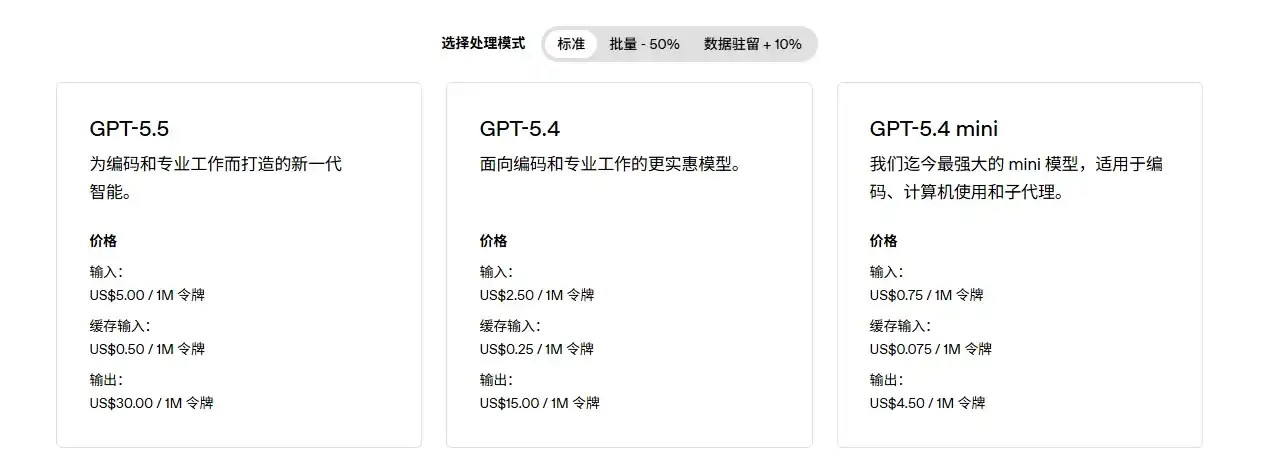
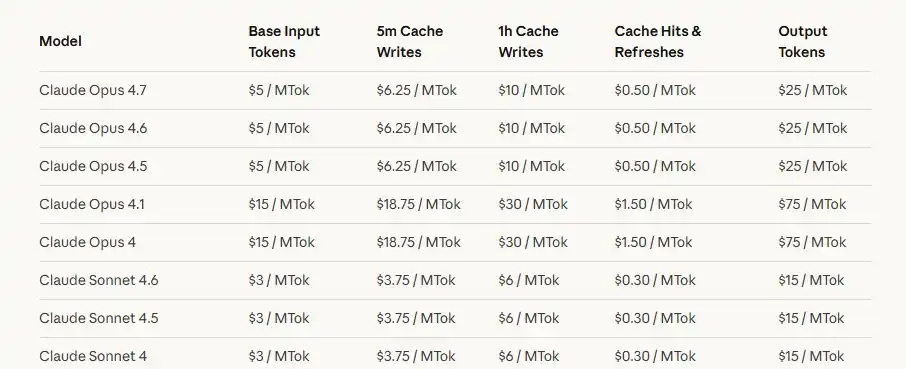
First, there's the price advantage. Official APIs from leading overseas large language models are not cheap. The OpenAI pricing page shows GPT-5.5 input at $5 per million tokens, output at $30 per million tokens; the Anthropic pricing page shows Claude Sonnet 4.7 input at $5 per million tokens, output at $25 per million tokens. For casual chat, these costs aren't obvious, but for long-text processing, code generation, multi-turn agent tasks, and automated workflows, the cost of calls can quickly become noticeable.

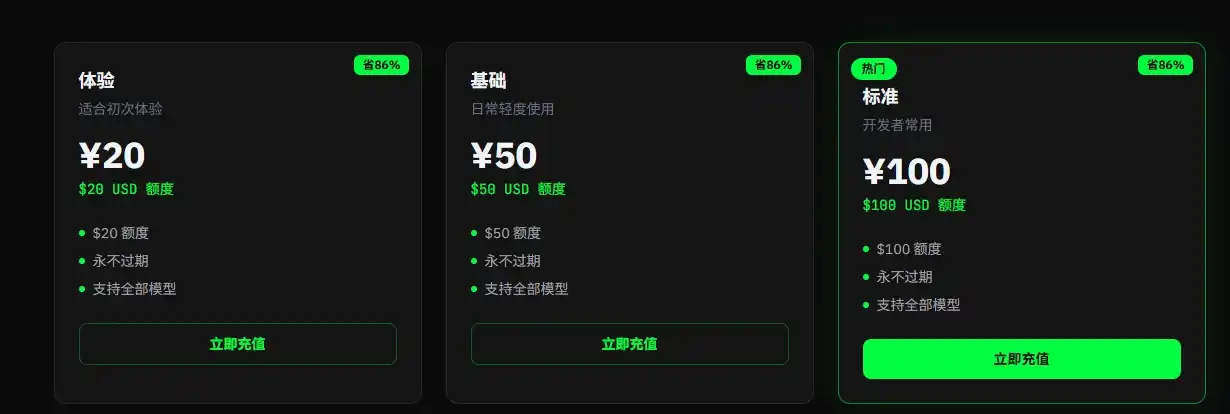
The main selling point of relay stations is offering access to APIs at prices far below official rates, for example, purchasing $1 worth of tokens for 1 RMB, with discounted prices being only about 15% of the official rate. For users with substantial demand, this is tangible cost savings.
Second is access barriers. As access restrictions from US models on users in mainland China become increasingly strict, even ignoring price advantages, using official APIs or plans at full price poses a high verification barrier for many users. Additionally, in usage scenarios, if users want to use Claude, GPT, Gemini, and domestic models simultaneously, they must switch between multiple platforms. Relay stations compress this complexity into a single entry point, acting like an "aggregated socket" in the AI model world—users no longer care which line is behind it, only if it delivers stable power.

Third is the push from development tools. In the past, models were mainly used for Q&A and writing; now, tools like Claude Code, Codex, and Cursor are integrating models into local development workflows. Model calls are no longer just a single chat but could be a code review, a project refactor, or an automatic fix. Furthermore, with the emergence of the "crawfish farming" trend, the demand for tokens has also grown. The heavier the demand, the more likely users are to seek cheaper, higher-capacity, more unified access methods.

Therefore, the booming business of relay stations is driven by real demand, not just another hype cycle.

2. Do You Really Need a Relay Station?

However, not everyone needs to use a relay station.

If you only occasionally ask questions, translate text, summarize public information, or write general copy, you often don't need a relay station. Models and tools like ChatGPT, Gemini, Antigravity, etc., have free tiers. If dealing with verification and accounts is an issue, many large model aggregators are available, some also offering free tiers sufficient for daily use.

For light users, rather than handing data over to an unknown relay station for "cheapness," it's better to first exhaust the free tiers of official and legitimate tools. Free tiers may change, and specific limits should be checked on each platform's official page, but the principle remains: low-frequency demand doesn't require rushing to use a relay.

For heavy programming users, it's also not always necessary to delegate all tasks to expensive models or relay stations. A safer approach is to use models in layers: use stronger large models for requirement breakdown, technical direction, architecture design, and code review; then use cheaper domestic models for more concrete function development, daily operations, etc. Moreover, with domestic models continuously catching up, many are already comparable in capability to top US models for daily development tasks, often at prices cheaper than many relay stations. Take Kimi K2.6 as an example, its output price per million tokens is $4, only 13% of ChatGPT 5.5, a price lower than many relay stations.
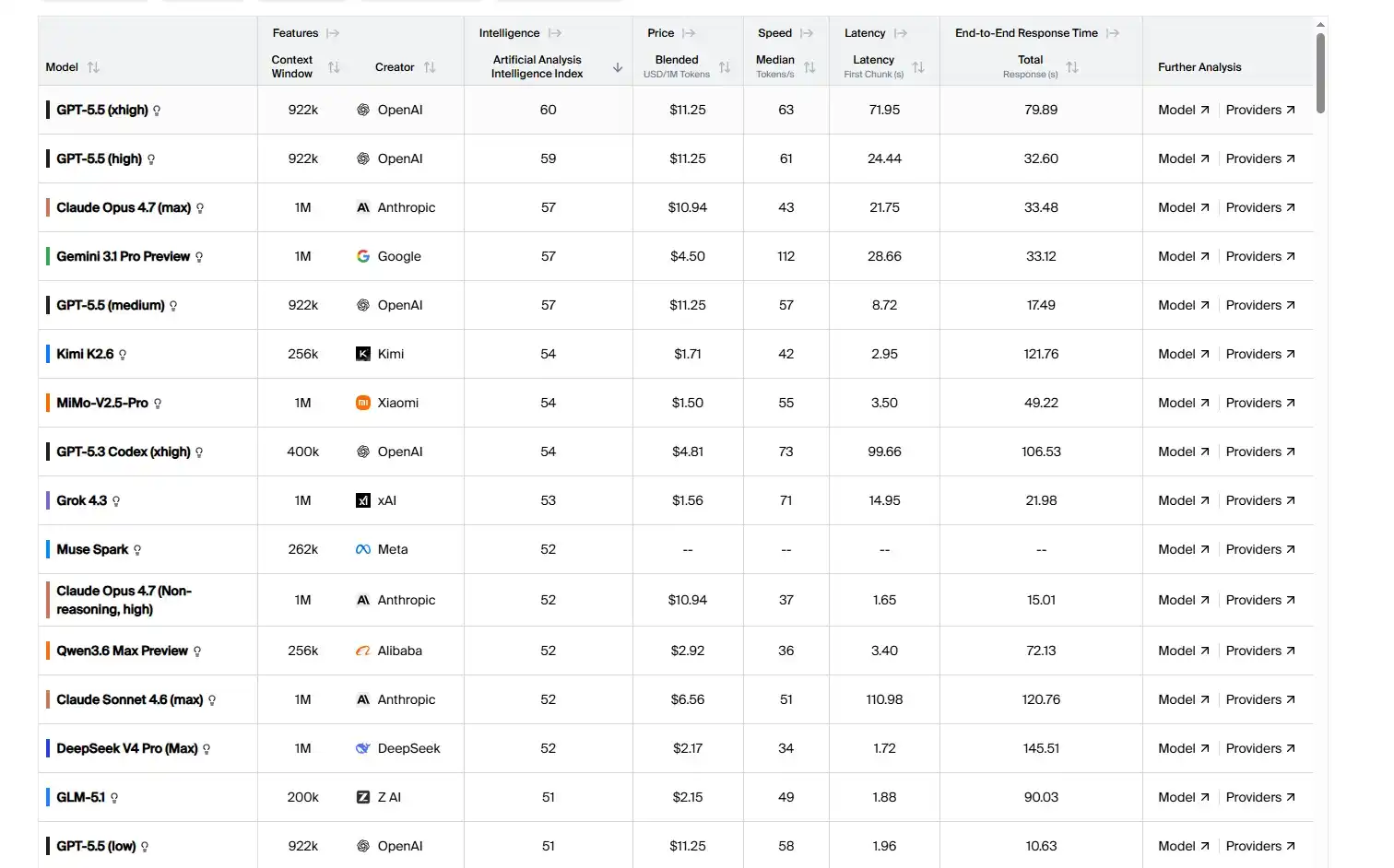
Of course, this method isn't perfect, but it better matches cost structures. Complex tasks most need directional judgment and framework ability; concrete implementation can be broken down into multiple low-risk, low-cost subtasks. For individual developers and small teams, breaking tasks down first, then deciding which stages require high-end models, is usually more rational than directly purchasing large relay station quotas.

Only when users already have continuous, high-frequency, multi-model calling needs—such as long-term use of AI programming tools, processing large volumes of public information, conducting model comparisons, building internal automation workflows—and official quotas are clearly insufficient, do relay stations become a potential option. Even then, they should be a "tool after screening," not the default entry point.

3. How to Choose and Use Relay Stations?

If evaluation confirms the need for a relay station, the next question is no longer "to use or not," but "how to use it without incident." The following is a complete operational process from evaluation to daily use.

Step 1: Verify First, Then Top Up

After getting a relay station address, don't rush to top up. First, do three things:

Verify model authenticity. Call the relay station and the official API with the same prompt, compare output quality, response format, and token usage. Some relay stations might impersonate higher-version models with lower ones, or inject extra system prompts in outputs. A simple test is to ask the model to report its version info, then cross-check with official behavior. While not foolproof, this can filter out obviously problematic platforms.

Test latency and stability. Make 20-50 consecutive calls, observe for frequent timeouts, random errors, or fluctuations in response quality. The relay station path has an extra layer compared to direct connection; if basic stability isn't up to par, issues will only multiply later.

Check documentation quality. A seriously operated relay station usually provides complete API documentation, OpenAI-compatible access instructions, clear model lists, and pricing tables. If a platform's documentation is patchy, or its model list vague, be more cautious.

Step 2: Isolate Configuration, Don't Mix

After confirming basic platform usability, next comes technical isolation. Many users skip this step, but it determines the scope of loss if problems arise.

Use independent API Keys. Don't directly enter the Key you applied for on the official platform into the relay station, nor share the same Key across multiple relay stations. Generate a separate Key for each relay station. If one platform has issues, you can immediately invalidate it without affecting other services.

Manage keys via environment variables. In local development environments, store API Keys in .env files or system environment variables; don't hardcode them into the code. For example, in Cursor, when filling in the API Base URL and Key in settings, ensure these configurations won't be committed to the Git repository. If using command-line tools like Claude Code or Codex, check your shell configuration files to ensure Keys don't appear in version control history.

Set usage limits. Most legitimate relay stations support setting monthly token quotas or spending caps. The first thing after topping up is to set these limits. This isn't just cost control; it's also a safety net. If your Key is accidentally leaked, usage limits can contain the damage.

Step 3: Establish Data Classification Habits

After technical configuration, the most crucial part of daily use is making quick data classification judgments for each call. You don't need to write a security report each time, but develop a reflex-like checking habit.

Before sending, ask yourself one question: If this content appears on a public forum tomorrow, can I accept it?

If the answer is "yes"—like summarizing public materials, general translation, technical discussions on open-source projects, analyzing public documents—then you can directly use the relay station.

If the answer is "not really, but the loss is controllable"—like internal meeting minutes, business document drafts, customer communication templates, code snippets—then anonymize before sending. Specific practices: replace names with role codes ("Client A", "Colleague B"), replace specific amounts with proportions or ranges, replace internal IDs with placeholders, delete database connection strings, internal API endpoints, and descriptions of unpublished business logic. This process doesn't take long, usually a minute or two, but it reduces risk from "might cause trouble" to "basically manageable."

If the answer is "absolutely not"—like private keys, mnemonics, production environment keys, database passwords, unpublished financial data, customer privacy information, complete private codebases—then don't hand it to any relay station, no matter how secure it claims to be.

Step 4: Treat AI Programming Tools Separately

This point deserves special emphasis because AI programming tools have a much larger data exposure surface than ordinary chat.

When you connect a relay station in tools like Cursor, Claude Code, Cline, the model receives not just your actively entered prompt, but may also include: currently open file content, project directory structure, terminal output history, dependency config files (like package.json, requirements.txt), Git commit history, and file paths and environment variable names in error messages.

This means a seemingly ordinary "help me fix this bug" might send far more data to the relay station than you expect.

Operational advice: When using relay stations in AI programming tools, prioritize independent, non-core business-related coding tasks. If you must handle code involving private repositories or production environments, two relatively safe practices exist: one is to only paste anonymized code snippets, not let the tool directly read the entire project; the other is to switch development of sensitive projects back to official APIs or local models, using relay stations only for non-sensitive projects. Neither is perfect, but both are better than handing the entire development context indiscriminately to a third-party proxy.

Step 5: Continuous Monitoring, Be Ready to Exit

Using a relay station is not a one-time decision but an ongoing evaluation process.

Regularly check billing records. Confirm token consumption matches your actual usage. If usage doesn't increase noticeably during a period but charges accelerate, the platform might have adjusted billing rules, or your Key might have abnormal calls.

Monitor platform announcements and community feedback. The operational status of relay stations can change at any time—upstream channel adjustments, quota policy changes, service sudden shutdowns are all possible. If you rely on a relay station as your main access method, at least have a backup plan. It's recommended to register for 2-3 platforms simultaneously, maintain minimum top-ups, and avoid concentrating all calls on a single channel.

Ensure migration readiness. When configuring the relay station, use standard interfaces in OpenAI-compatible format, so switching platforms usually only requires changing the Base URL and API Key, without modifying code logic. If your project is deeply tied to a relay station's private interface or special features, migration costs will rise significantly—another risk to consider in advance.

Ultimately, relay stations are tools, not beliefs. Their value lies in solving real access needs with controllable costs, but this "controllability" needs to be defined and maintained by you. Through verification, isolation, classification, specialized handling, and continuous monitoring, keep the initiative in your own hands.


Пов'язані питання

QWhat are the primary market demands driving the popularity of AI relay stations?

AThe primary market demands are: 1. Cost advantage: Relay stations offer significantly lower prices compared to official APIs. 2. Access barrier: They circumvent access restrictions for users in regions like mainland China. 3. Unified access: They aggregate multiple AI models into a single entry point, simplifying usage. 4. Demand from development tools: Tools like Claude Code and Cursor integrate models into local workflows, increasing token consumption.

QWhat is the first step recommended for evaluating an AI relay station before using it?

AThe first recommended step is verification before topping up funds. This involves three actions: 1. Verifying model authenticity by comparing outputs with the official API. 2. Testing latency and stability through multiple consecutive calls. 3. Checking the quality of the platform's documentation, API specs, and model list.

QHow should users manage data security when using AI relay stations, especially with coding tools?

AUsers should establish a data classification habit. Before sending any data, ask: 'If this content appeared on a public forum tomorrow, could I accept it?' Based on the answer: send public data directly, desensitize semi-sensitive data (replace names, amounts, IDs), and never send highly sensitive data (keys, passwords, private code, financial data). For AI coding tools, be aware they may send extensive context (file contents, project structure). Handle sensitive projects via official APIs or local models, or only paste sanitized code snippets to relay stations.

QWhat technical isolation measures should be taken when configuring an AI relay station?

AKey technical isolation measures include: 1. Using independent API keys for each relay station, not reusing official keys. 2. Managing keys via environment variables (e.g., .env files) to avoid hardcoding in source code. 3. Setting usage limits (e.g., monthly token caps) immediately after topping up to control costs and limit damage from key leaks.

QAccording to the article, who might not necessarily need to use an AI relay station?

ALight users (e.g., those occasionally asking questions, translating text, summarizing public materials) likely don't need a relay station, as free tiers from official or legitimate aggregator tools may suffice. Heavy programming users may not need it for all tasks either; a safer approach is tiered model usage: using powerful models for planning/architecture and cheaper domestic models for routine implementation, which can be more cost-effective than some relay stations.

Пов'язані матеріали

Why Did Zhipu Surge Nearly 30% in a Single Day?

"Global AI Model Unicorn" Zhipu's stock surged nearly 30% in a single day, reaching a new market cap high. The catalyst was the launch of its GLM-5.1-highspeed API, boasting a generation speed of **400 tokens per second**, setting a new global benchmark. This speed, roughly 3-5 times faster than industry leaders like OpenAI's GPT-4o and Anthropic's Claude, is achieved **without compromising the full-scale model's capabilities**. In the era of AI Agents requiring dozens of self-calls, such latency reduction is critical, transforming speed from a system metric into a determinant of intelligence limits. The breakthrough stems from a three-layer technical overhaul: 1. **TileRT Inference Engine**: Compiles the entire model into a continuous, always-on computation pipeline using "Warp Specialization," minimizing GPU idle time by having different processor groups handle data loading, computation, and communication in parallel. 2. **Heterogeneous Parallelism for MLA**: To efficiently run the GLM-5.1 model using the MLA attention mechanism, TileRT employs a heterogeneous strategy. One GPU handles sparse indexing/routing, while the others perform dense computation, optimizing for MLA's unique workflow. 3. **ZCube Network Architecture**: Replaces the standard Spine-Leaf (ROFT) network topology with a flat, dual-group interconnect. This design creates a single optimal path between any two GPUs, eliminating network congestion at scale and reducing latency. The business impact is significant: a 15% increase in cluster throughput (free extra capacity), a 40.6% reduction in tail latency (improved stability), and a one-third cut in networking hardware costs. Long-term, this innovation challenges the dominance of NVIDIA's integrated hardware-software stack (GPU+NVLink+InfiniBand), potentially benefiting manufacturers of high-density Leaf switches and optical modules while lowering the software barrier for domestic AI chips like Huawei's Ascend. The innovation proves that more can be achieved with the same compute, reshaping the infrastructure beyond just GPUs.

marsbit1 год тому

Why Did Zhipu Surge Nearly 30% in a Single Day?

marsbit1 год тому

Bidding Farewell to the 'Gray Gambling Game'! Polymarket Charges into the Compliance Track—How Will This Impact the Entire Crypto Industry?

From Gray to Regulated: How Polymarket’s Compliance Journey Reshapes Crypto The evolution of Polymarket, a decentralized prediction market platform, illustrates a critical trend in crypto: innovative, high-value sectors ultimately integrate into regulatory frameworks. Founded in 2020, Polymarket quickly gained traction by leveraging low-cost Layer 2 blockchain technology for event-based trading, notably during the 2024 US presidential election where its markets outperformed traditional polls. However, its "build first, comply later" approach led to a 2022 CFTC enforcement action, resulting in a $1.4 million fine and a ban from the US market. A pivotal shift occurred in 2025 under a new US administration. Polymarket strategically acquired CFTC-licensed derivatives exchange QCX for $112 million, securing a regulated pathway back into the US. This move coincided with a regulatory reversal, as the CFTC withdrew a prior proposal to ban political event contracts. The platform’s successful "regulatory acquisition" strategy, avoiding a lengthy independent licensing process, highlights a viable compliance path for crypto-native projects. Its journey from regulatory target to a CFTC-recognized entity—bolstered by a major data partnership and investment from Intercontinental Exchange (ICE)—signals the maturation of prediction markets from a "crypto novelty" into acknowledged financial infrastructure. The story underscores that genuine utility provides negotiating power with regulators and that embracing compliance does not necessarily mean sacrificing core technological advantages.

marsbit1 год тому

Bidding Farewell to the 'Gray Gambling Game'! Polymarket Charges into the Compliance Track—How Will This Impact the Entire Crypto Industry?

marsbit1 год тому

Торгівля

Спот
Ф'ючерси

Популярні статті

Що таке G$

Розуміння GoodDollar ($G$): План для децентралізованого універсального базового доходу Вступ У постійно змінному ландшафті криптовалют та технології блокчейн ініціативи, що прагнуть вирішити нагальні соціальні проблеми, привертають все більше уваги. Одним із таких проектів є GoodDollar ($G$), рішення для універсального базового доходу (UBI) на базі Web3. GoodDollar намагається подолати нерівність і скоротити розрив у багатстві, створюючи та розподіляючи доступні економічні ресурси тим, хто найбільше цього потребує. Завдяки інноваційному використанню децентралізованих фінансів (DeFi) GoodDollar представляє унікальну модель, яка може суттєво змінити сприйняття та надання фінансової допомоги у всьому світі. Що таке GoodDollar ($G$)? GoodDollar - це криптовалютний протокол, який полегшує випуск і розподіл цифрових токенів, що називаються $G$, своїм зареєстрованим користувачам на щоденній основі. Ці токени функціонують як форма універсального базового доходу, сприяючи фінансовій підтримці людей з різних культур, особливо тих, хто традиційно виключений із фінансової системи. Функціонуючи на блокчейні, GoodDollar використовує кілька мереж, включаючи Ethereum, Celo та Fuse, забезпечуючи широкий доступ і зручність. Основною метою GoodDollar є зробити криптовалюту доступною та вигідною для всіх, незалежно від їх економічного старту. Творець GoodDollar ($G$) Деталі щодо творця GoodDollar залишаються дещо неясними. Однак варто зазначити, що проект має сильну підтримку від eToro, широко визнаної інвестиційної платформи, яка надала початкове фінансування та основну підтримку для розвитку GoodDollar. Візія проекту не є виключно прибутковою, а більше схиляється до соціального підприємництва, прагнучи до системних змін у економічній доступності. Інвестори GoodDollar ($G$) GoodDollar користується фінансовою підтримкою та оперативною підтримкою eToro. Це партнерство зіграло значну роль у запуску протоколу та його подальшому розвитку. Хоча eToro відігравала важливу роль у встановленні основ проекту, GoodDollar прагне перейти до моделі, що фінансується її спільнотою в довгостроковій перспективі. Цей перехід до фінансування спільнотою відповідає зобов'язанням GoodDollar щодо децентралізації, що дає можливість її користувачам мати прямий інтерес у майбутньому проекту. Як працює GoodDollar ($G$)? Операційна структура GoodDollar значною мірою базується на принципах DeFi для генерації процентів від застрахованих криптовалют. Цей механізм дозволяє проекту карбувати та розподіляти токени $G$ як цифровий базовий дохід для користувачів у всьому світі. Декілька ключових характеристик роблять GoodDollar унікальним і інноваційним: Універсальний базовий дохід (UBI): Щодня зареєстровані користувачі отримують безкоштовні токени, що встановлює автоматичний потік доходу, призначений для полегшення фінансового тиску. Стійка економічна модель: Токеноміка проекту націлена на балансування попиту та пропозиції токенів $G$, щоб забезпечити стабільність їхньої вартості з часом. Токени з резервами: Кожен токен $G$ забезпечується резервом криптовалют, що надає йому вбудовану цінність і надійність, що є критично важливим для підтримки довіри користувачів. Децентралізоване управління: GoodDollar впроваджує демократичний підхід до прийняття рішень через управління на основі токенів. Це дозволяє членам спільноти активно брати участь у формуванні траєкторії проекту, роблячи його дійсно орієнтованим на спільноту. Глобальна доступність: GoodDollar створив значний слід у спільноті, з понад 640 000 членами в 181 країні. Такий широкий охват є інструментом у полегшенні UBI на глобальному рівні. Хронологія GoodDollar ($G$) Еволюція GoodDollar позначена кількома значними етапами в його історії: 2019: Запуск гаманця GoodDollar став першим кроком до реалізації його бачення надання UBI через криптовалюту. 2020: Після успішного впровадження гаманця, протокол GoodDollar офіційно дебютував. Це ознаменувало критичну фазу в його місії надання щоденних розподільних доходів. 2021: Проект далі прогресував із запровадженням свого Децентралізованого автономного органу (DAO), що сприяло більшій залученості спільноти та управлінню. 2022: GoodDollar представив свою дружню до DeFi версію 2 (V2), прагнучи до підвищення залученості користувачів та ефективності роботи. Того ж року також відбувся перехід до децентралізованої структури управління через GoodDAO. 2022: Була концептуалізована нова дорожня карта, зосереджена на ініціативах, таких як грантова програма, спрямована на просування підприємницьких проектів, пов'язаних з $G$, і оновленого ринку GoodDollar. Ключові особливості GoodDollar ($G$) Проект GoodDollar вводить численні важливі особливості, спрямовані на переосмислення ландшафту базового доходу: Універсальний базовий дохід: Щоденна доставка безкоштовних токенів своїм користувачам основополагає його місію з усунення економічної нестабільності. Багатоканальна операція: Використання кількох блокчейн-мереж підвищує доступність і масштабованість, забезпечуючи ширшу участь. Взаємодія з децентралізованими фінансами: Використання DeFi дозволяє забезпечити сталість фінансування моделі UBI, зміцнюючи її життєздатність як економічного рішення. Залучення спільноти та управління: GoodDollar передбачає модель, в якій спільнота впливає на операції через демократичну участь, що сприяє прозорості та підзвітності. Глобальна спільнота: Наявність різноманітної глобальної спільноти дозволяє проекту реалізовувати рішення UBI, адаптовані до різних культурних та економічних контекстів. Висновок GoodDollar представляє собою трансформаційний крок до впровадження принципів універсального базового доходу через інноваційний погляд на технологію блокчейн. Використовуючи децентралізовані фінанси, проект не лише пропонує рішення для фінансової нерівності, але й активно залучає користувачів до його управління та операцій. Зростаюча спільнота та еволюційна дорожня карта роблять GoodDollar значущим гравцем на перетині криптовалюти та соціального добра, прокладаючи шлях до більш справедливого фінансового майбутнього. Як він продовжує еволюціонувати, шлях GoodDollar може в кінцевому підсумку надихнути інші ініціативи розглянути подібні моделі, просуваючи справу економічного розширення можливостей для всіх.

104 переглядів усьогоОпубліковано 2024.04.05Оновлено 2024.12.03

Що таке G$

Як купити G

Ласкаво просимо до HTX.com! Ми зробили покупку Gravity (G) простою та зручною. Дотримуйтесь нашої покрокової інструкції, щоб розпочати свою криптовалютну подорож.Крок 1: Створіть обліковий запис на HTXВикористовуйте свою електронну пошту або номер телефону, щоб зареєструвати обліковий запис на HTX безплатно. Пройдіть безпроблемну реєстрацію й отримайте доступ до всіх функцій.ЗареєструватисьКрок 2: Перейдіть до розділу Купити крипту і виберіть спосіб оплатиКредитна/дебетова картка: використовуйте вашу картку Visa або Mastercard, щоб миттєво купити Gravity (G).Баланс: використовуйте кошти з балансу вашого рахунку HTX для безперешкодної торгівлі.Треті особи: ми додали популярні способи оплати, такі як Google Pay та Apple Pay, щоб підвищити зручність.P2P: Торгуйте безпосередньо з іншими користувачами на HTX.Позабіржова торгівля (OTC): ми пропонуємо індивідуальні послуги та конкурентні обмінні курси для трейдерів.Крок 3: Зберігайте свої Gravity (G)Після придбання Gravity (G) збережіть його у своєму обліковому записі на HTX. Крім того, ви можете відправити його в інше місце за допомогою блокчейн-переказу або використовувати його для торгівлі іншими криптовалютами.Крок 4: Торгівля Gravity (G)Легко торгуйте Gravity (G) на спотовому ринку HTX. Просто увійдіть до свого облікового запису, виберіть торгову пару, укладайте угоди та спостерігайте за ними в режимі реального часу. Ми пропонуємо зручний досвід як для початківців, так і для досвідчених трейдерів.

470 переглядів усьогоОпубліковано 2024.12.10Оновлено 2025.03.21

Як купити G

Що таке @G

Graphite Network, $@G: Міст між традиційними фінансами та Web3 Вступ до Graphite Network, $@G У яскравому світі криптовалют та проектів web3 Graphite Network виступає як маяк інновацій. З його рідним токеном, $@G, цей блокчейн Layer-1, що працює на основі Proof-of-Authority (PoA), призначений для подолання розриву між традиційними фінансами (TradFi) та швидко розвиваючою екосистемою Web3. Оскільки цифрові валюти набирають популярності, Graphite Network прагне запропонувати блокчейн-платформу, яка пріоритетно ставить безпеку, відповідність та швидкість, представляючи себе як посередника довіри та підзвітності. Що таке Graphite Network, $@G? Graphite Network не просто ще один блокчейн-проект; він має на меті переосмислити, як децентралізація, безпека та підзвітність користувачів сприймаються у сфері цифрових фінансів. Проект має ряд відмінних характеристик: Блокчейн на основі репутації: У своїй основі Graphite Network реалізує політику один користувач, один рахунок, підкріплену інтегрованою перевіркою Know Your Customer (KYC) та механізмами оцінки. Цей дизайн забезпечує баланс між конфіденційністю користувачів та прозорістю — критично важливий аспект фінансових операцій у сучасному цифровому світі. Дохід від вузлів входу: Мережа стимулює користувачів налаштовувати вузли входу, що дозволяє операторам отримувати винагороди від транзакцій у мережі. Ця модель генерації доходу не лише підвищує залученість користувачів, але й зміцнює здоров'я мережі та децентралізацію. Сумісність з EVM: Завдяки віртуальній машині (VM), сумісній з Ethereum, Graphite Network забезпечує безшовну інтеграцію існуючих децентралізованих додатків (dApps) на Solidity та смарт-контрактів, запрошуючи розробників використовувати її можливості без значних модифікацій. Інтеграція KYC: В епоху, коли відповідність є надзвичайно важливою, інтегрована структура KYC з кількома рівнями перевірки підвищує контроль над фінансовими операціями без обов'язкової участі, встановлюючи прецедент для автономії користувачів. Хто є творцем Graphite Network, $@G? Graphite Network виник внаслідок зусиль Graphite Foundation, неприбуткової організації, що займається розвитком, підтримкою та еволюцією Graphite Network. Зобов'язання фонду підкреслює бачення проекту створити безпечне та стійке блокчейн-середовище, зосереджене на справжньому залученні користувачів та відповідності. Хто є інвесторами Graphite Network, $@G? На даний момент є обмежена інформація про конкретних інвесторів, які підтримують ініціативу Graphite Network. Засновницька організація, Graphite Foundation, функціонує незалежно, сприяючи зростанню проекту, одночасно шукаючи партнерства, які резонують з її баченням відповідальної та доступної блокчейн-платформи. Як працює Graphite Network, $@G? Операція Graphite Network ґрунтується на його унікальному механізмі консенсусу Proof-of-Authority, який досягає вражаючого балансу між високою пропускною здатністю та децентралізацією. Давайте розглянемо різні компоненти, які визначають його роботу: Транспортні вузли: Служачи вузлами входу, вони є критично важливими для екосистеми. Оператори можуть отримувати дохід від транзакцій, які проходять через мережу, що не лише надає можливості окремим користувачам, але й зміцнює децентралізацію мережі. Авторизовані вузли: У центрі Graphite Network знаходяться основні валідатори, які проходять суворі тести на відповідність, що включають надійну перевірку KYC разом з технічними оцінками. Цей рівень довіри є важливим для забезпечення високого рівня цілісності транзакцій у мережі. Система тікерів: Graphite Network використовує унікальну систему тікерів для своїх обгорнених токенів, позначених як @G. Ця функція підвищує ясність інтеграції активів, роблячи транзакції користувачів зрозумілими та простими. Інноваційний підхід Graphite Network відображає значний крок у вирішенні критичних питань цифрових фінансів, позиціонуючи себе вигідно для майбутнього, оскільки все більше користувачів переходять від традиційних форм фінансів до світу децентралізованих додатків. Хронологія Graphite Network, $@G Щоб зрозуміти прогрес і етапи Graphite Network, корисно переглянути ключові події в його хронології: 2021: Заснування Graphite Network Graphite Foundation знаменує початок нової ери в розвитку блокчейнів, зосереджуючись на відповідності та розширенні можливостей користувачів. Ключові події: Після запуску впровадження доходу від вузлів входу, встановлення моделі на основі репутації, інтегрована перевірка KYC та забезпечення сумісності з EVM представляють значні досягнення в проекті. Останні події: Постійний розвиток та зусилля Graphite Foundation зосереджені на покращенні функцій мережі, одночасно сприяючи зростанню екосистеми, демонструючи довгострокове зобов'язання до стійкості та інновацій. Додаткові ключові моменти Окрім своїх основних компонентів, Graphite Network охоплює кілька інструментів та функцій, які підвищують його зручність: Гаманець Graphite: Зручне розширення для Chrome, яке полегшує доступ до різних функцій та додатків мережі на сумісних з Ethereum ланцюгах, підвищуючи зручність для користувачів. Міст Graphite: Цей інструмент дозволяє безшовні передачі активів Graphite через різні мережі, сприяючи інтегрованій та взаємодійній екосистемі. Explorer Graphite: Служачи важливим інструментом у межах екосистеми, ця функція дозволяє користувачам переглядати та перевіряти вихідний код смарт-контрактів, відстежувати транзакції та досліджувати іншу важливу інформацію в реальному часі. Тестова мережа Graphite: Проект забезпечує надійне тестове середовище для розробників, дозволяючи їм забезпечити стабільність та масштабованість перед розгортанням у основній мережі. Ця ініціатива не лише надає можливості розробникам, але й підвищує надійність усієї мережі. Висновок Graphite Network з його рідним токеном $@G представляє значний крок до подолання розриву між традиційними фінансами та передовими блокчейн-технологіями. Зосереджуючись на безпеці, відповідності та децентралізації, ця інноваційна платформа готова очолити перехід у еру Web3. Оскільки залучення користувачів зростає, а все більше проектів використовують її можливості, Graphite Network має всі шанси зробити тривалі внески в швидко змінюваний цифровий ландшафт. На завершення, Graphite Network є свідченням того, що можна досягти, коли інноваційне мислення зустрічається з зростаючими вимогами сучасних фінансів та технологій. Оскільки світ досліджує потенціал децентралізованих фінансів, Graphite Network, безумовно, залишиться помітним гравцем у цій сфері.

7 переглядів усьогоОпубліковано 2025.01.06Оновлено 2025.01.06

Що таке @G

Обговорення

Ласкаво просимо до спільноти HTX. Тут ви можете бути в курсі останніх подій розвитку платформи та отримати доступ до професійної ринкової інформації. Нижче представлені думки користувачів щодо ціни G (G).

活动图片