A Crypto Gamble That Split a Century-Old Swiss Private Bank?

marsbitОпубліковано о 2026-03-23Востаннє оновлено о 2026-03-23

Анотація

An internal conflict over cryptocurrency strategy has led to a generational split within the Swiss private banking family behind Banque Syz. Marc Syz left the bank, led by his father Eric Syz, after the board rejected his proposal to integrate Future Holdings AG—a crypto treasury firm—into the bank’s alternative asset division, Syz Capital. Marc, who previously headed Syz Capital, is now pursuing a dual IPO for Future Holdings in Sweden and Switzerland, aiming to build one of Europe’s largest corporate Bitcoin treasuries. The dispute reflects broader tensions within Switzerland’s wealth management sector, where traditional private banks face intense competition and divergent views on innovation. Marc advocated for greater focus on digital assets and AI, warning that some banks rely too heavily on Switzerland’s reputation as a financial safe haven without adapting to new trends. Following the rejection of the merger, Marc and his business partner Richard Byworth resigned from Syz Capital and are launching a new asset management firm focused on alternative investments. Meanwhile, Banque Syz reaffirmed its commitment to alternative investments as a core business pillar and recently appointed Eric’s other son, Nicolas Syz, as CEO. The split underscores both the difficulties of family business governance and the high-stakes divergence in strategy between traditional finance and emerging digital asset models in Switzerland.

Written by: Allegra Catelli

Compiled by: Luffy, Foresight News

A Swiss private banking dynasty is embroiled in a generational conflict over differing visions for the company's future.

Marc Syz has left Banque Syz SA, based in Geneva and led by his father Eric Syz, to start a new venture with business partner Richard Byworth. The core of their disagreement lies in Marc's plan to incorporate the crypto treasury company Future Holdings AG into the bank's alternative assets division, Syz Capital, which Marc previously managed. He has now shifted focus to pursuing a dual listing for Future Holdings, aiming to build Europe's leading Bitcoin treasury institution.
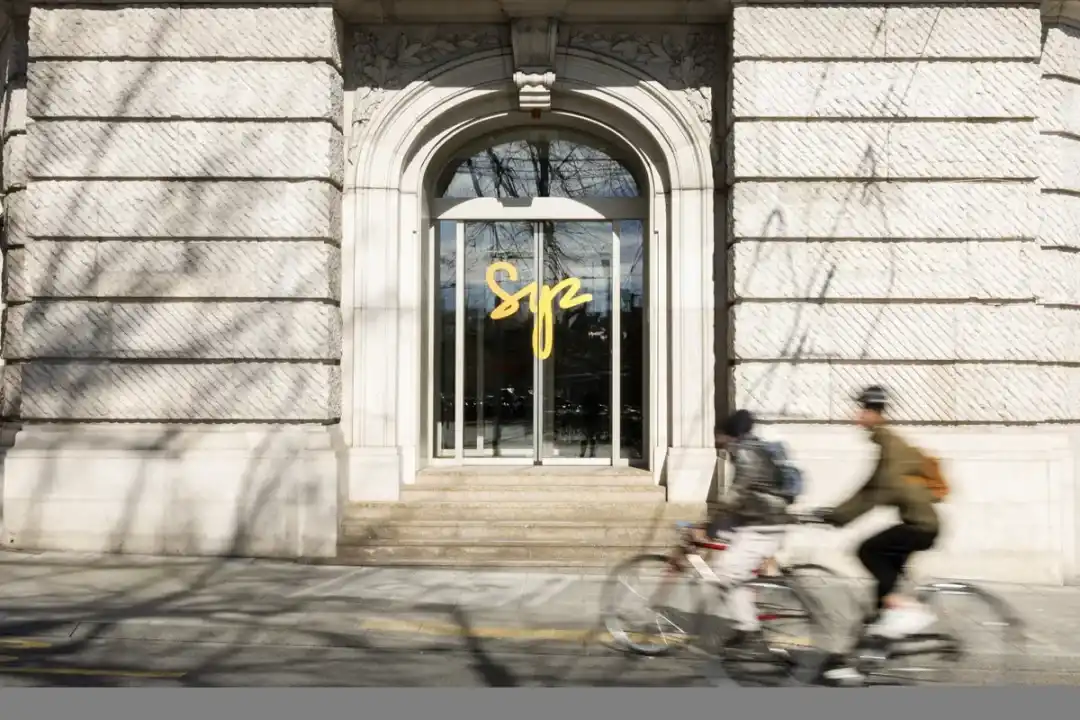
The logo of Banque Syz SA in Geneva

This family split highlights both the challenges of managing a family business and the ideological struggles within Switzerland's wealth management industry. Local boutique private banks not only face fierce competition from numerous domestic peers but also often hold divergent views on the industry's future. Marc stated that he had advocated for increased investment in alternative assets, artificial intelligence, and digital assets, expressing concern that some competitors rely too heavily on Switzerland's safe-haven reputation and lack innovative breakthroughs.

The bank and Eric Syz responded through a spokesperson, confirming only that Marc and Byworth had left and stating that "alternative investments have always been a core business of Banque Syz," without commenting on the specific reasons for their departure. Marc detailed the sequence of events in a phone interview.

Syz Capital was established in 2018 under Marc's leadership and managed assets of around 20 billion Swiss francs (equivalent to $25 billion) at the time of his departure, with some outflows occurring subsequently. The original Syz Capital team remains, now managed by Syz Group's Chief Financial Officer, Christoph Raninger. The bank has seen other recent executive departures, including Chief Operating Officer Boris Chave.

The catalyst for the worsening rift in the father-son relationship was the bank's board's rejection of the application to merge Future Holdings into Syz Capital on grounds of excessive risk. Marc said that subsequently, he and Byworth were asked to resign from their positions as directors of Syz Capital, ultimately leading to their complete departure from the wealth management firm.

It is currently unclear whether Marc, who holds about a 20% stake in Syz Capital, and Byworth, who holds about 5%, will retain their shareholder status.

Preparing for a Dual Listing

According to informed sources, the two are working with Stifel Financial Corp to advance a dual IPO for Future Holdings in Sweden and Switzerland, with plans later for an independent listing on the main board of the Swiss Exchange. The company is considering further Bitcoin acquisitions before this, aiming to hold over 3,500 bitcoins and striving to become one of Europe's largest corporate holders of cryptocurrency.

Marc Syz

The reporter has not yet received a response to calls or emails from Stifel.

Earlier this year, Future Holdings merged with the Swedish-listed Bitcoin treasury company H100 Group AB, expanding its crypto asset reserves to pave the way for a potential listing.

The crypto treasury model was pioneered by Michael Saylor's MicroStrategy Inc during the pandemic bull market. Companies raise funds by issuing additional shares to accumulate large amounts of Bitcoin, providing investors with equity exposure to Bitcoin without directly holding the tokens. US spot Bitcoin ETFs were not approved and launched until early 2024.

The crypto treasury sector exploded last year, with Trump's election win reigniting the bull market, pushing the valuations of several institutions far above the net value of their crypto holdings at their peak. Now, as the market has corrected and token prices have fallen from their highs, the market capitalizations of many listed Bitcoin treasury companies have dropped to at or below their net asset value.

However, Marc Syz and Byworth believe that Switzerland's overall crypto-friendly regulatory environment, combined with structural advantages like low interest rates and Europe's third-most liquid stock market, will provide favorable support for Future Holdings' listing.

The 2020 Restructuring

Prior to these personnel changes, Banque Syz had undergone several rounds of reform in recent years. In 2020, Eric led a restructuring that spun off the retail asset management business, Oyster. This was followed by a prolonged power transition, culminating in Eric appointing his other son, Nicolas Syz, as CEO in February of this year.

Eric Syz comes from a textile industry family whose business dates back to the 1850s. He co-founded Banque Syz in 1996 with Alfredo Piacentini and Paolo Luban, who have since left. The bank is controlled by Eric and high-end jewelry designer Suzanne Syz, who also serves as a director.

The bank's total assets under management have remained largely stable over the past five years, increasing by nearly 12% in 2024 from 23.1 billion Swiss francs the previous year to 25.8 billion Swiss francs, roughly level with the total assets at the end of 2020. The bank has continued to grow its presence in Zurich in recent years, adding office space and recruiting new teams, stating last year its intention to "expand asset size across all business lines and firmly advance growth plans."

As for Marc and Byworth, besides operating Future Holdings, the two plan to establish an independent asset management firm to compete with Syz Capital. The new firm will focus on alternative investment strategies, emphasizing capital preservation and appreciation.

Whether investors will embrace listed Bitcoin treasury vehicles after market volatility remains uncertain. But for Marc Syz, this is both a bet on the digital asset sector and a complete break with a venerable Swiss private banking dynasty.


Трендові криптовалюти

Пов'язані питання

QWhat was the core disagreement that led to Marc Syz leaving Banque Syz SA?

AThe core disagreement was over the future direction of the bank, specifically Marc Syz's plan to integrate the crypto treasury company Future Holdings AG into the bank's alternative asset division, Syz Capital, which the bank's board rejected due to high risk.

QWhat is the new venture that Marc Syz and Richard Byworth are pursuing after leaving Banque Syz?

AThey are pursuing a dual IPO for Future Holdings AG in Sweden and Switzerland, aiming to make it one of Europe's largest corporate holders of Bitcoin, and plan to establish a new independent asset management firm focused on alternative investment strategies.

QHow did the bank's board react to Marc Syz's proposal for Future Holdings AG?

AThe bank's board rejected the proposal to integrate Future Holdings AG into Syz Capital, citing that the venture was too risky.

QWhat is a Bitcoin treasury company, as mentioned in the article?

AA Bitcoin treasury company is a model, pioneered by Michael Saylor's MicroStrategy, where a company raises capital by issuing shares to accumulate large amounts of Bitcoin, providing investors with equity exposure to Bitcoin without directly holding the cryptocurrency.

QWhat broader industry conflict in Swiss private banking does this family dispute reflect?

AIt reflects a conflict of ideas within the Swiss wealth management industry, where some practitioners advocate for innovation and increased investment in areas like digital assets and AI, while others prefer to rely on Switzerland's traditional reputation as a safe haven and are resistant to such changes.

Пов'язані матеріали

Agent Race Ends, Super Workbench Takes Over

The era of fragmented AI agents is ending. Over the past month, China's tech giants—Tencent, Alibaba, and ByteDance—have simultaneously shifted strategy: instead of launching new, standalone AI agents, they are consolidating their various agent projects into unified "super workbenches." Tencent integrated its QClaw teams into WorkBuddy, a strategic product hailed as a potential third flagship after QQ and WeChat. Alibaba is merging its QoderWork, Wukong, and MuleRun agents into a new "Qianwen Office" platform under DingTalk's leadership. ByteDance rebranded its TRAE SOLO coding agent to TRAE Work, signaling a broader focus on workflow collaboration. This convergence marks a pivotal industry consensus. The initial exploration phase, where companies rapidly built numerous overlapping agents for different scenarios, proved costly and inefficient. With open-source tools eroding technical barriers, competition has shifted from agent creation to resource consolidation and cost control. Historically, platform wars are won not by creating more products, but by simplifying them—as seen with browsers unifying web access and super-apps consolidating services. Now, the "super workbench" aims to become the unified AI entry point for work. This reflects a deeper market realization: the primary audience for AI is no longer just programmers (a market in the tens of millions) but all knowledge workers (a market of billions). The real opportunity lies in augmenting everyday tasks—managing emails, documents, data, and meetings—across the entire workday. The core battleground is becoming control over the primary AI entry point that employees use daily. Tencent's WorkBuddy leverages WeChat and Tencent Docs; Alibaba's Qianwen Office taps into DingTalk's organizational data; ByteDance's TRAE Work integrates with Feishu's workflows. Whoever owns this "super workbench" gains strategic control over orchestrating enterprise data and APIs. This shift is redefining enterprise software. Traditional SaaS applications, valued for their user interfaces, will recede into the background. Their core functionalities will be exposed as standardized "Skills" or APIs for the super workbench's agents to invoke. Software value will shift from selling user seats to charging based on API calls and outcomes delivered. The evolution of agents is moving through clear stages: first as novel standalone products, then as consolidated primary work entry points, and finally as pervasive, invisible capabilities embedded into the digital fabric. The recent moves by major tech firms signal the transition from the first stage into the second, accelerating toward the third. In the end, the most successful agent technology may become invisible—like electricity or the HTTP protocol—a fundamental, unnamed infrastructure powering work itself.

marsbit14 хв тому

Agent Race Ends, Super Workbench Takes Over

marsbit14 хв тому

Michael Saylor: 110 Reasons to Oppose BIP-110

Michael Saylor presents 110 arguments against Bitcoin Improvement Proposal (BIP) 110, a soft fork aimed at restricting certain non-monetary data storage uses (like inscriptions) on the Bitcoin blockchain. He acknowledges the proponents' valid concerns—such as node costs, fee pressure, and preserving Bitcoin's monetary focus—but fundamentally disagrees with the proposed solution. Saylor argues that BIP 110 represents a dangerous precedent of using consensus rules to enforce value judgments on transaction validity, moving away from Bitcoin's core principles of neutrality and permissionless innovation. His key objections are organized into eleven categories: 1) It violates neutrality and hard consensus by banning currently valid transactions. 2) It fails to meet the high burden of proof required for a consensus change, lacking concrete data on the alleged crisis. 3) Its seven bundled technical restrictions are overly broad, targeting generic script functionalities and blocking future upgrade paths. 4) It sacrifices compatibility and future optionality by closing off designed upgrade hooks. 5) Its temporary rules add significant complexity (grandfathering, expiry states) without sufficient justification. 6) The economic and security impacts, particularly on miner revenue and fee markets, are uncertain and unmodeled. 7) Superior, market-based tools (fee markets, relay/mining policies) already exist to manage blockchain load. 8) It stifles innovation by creating a chilling effect for developers. 9) Its modified activation mechanism (55% threshold, forced signaling) is aggressive and risks network splits. 10) The precedent it sets—using consensus to suppress disliked but legal uses—is more dangerous than the problem it aims to solve. 11) A better path exists: improving measurements, refining resource-based policies, and allowing market forces to work. Saylor concludes that Bitcoin's strength lies in its neutral rules, open markets, and hard consensus. Changing these foundational elements to target specific use cases is an unnecessary and risky "iatrogenic" intervention. He advocates for guarding Bitcoin's neutrality rather than acting as its redeemer.

marsbit29 хв тому

Michael Saylor: 110 Reasons to Oppose BIP-110

marsbit29 хв тому

Торгівля

Спот

Популярні статті

Що таке $BANK

Bank AI: Революційний крок у майбутнє банківської справи Вступ В епоху, що характеризується швидкими технологічними змінами, Bank AI знаходиться на перетині штучного інтелекту (ШІ) та банківських послуг. Цей інноваційний проєкт прагне переосмислити фінансовий ландшафт, підвищуючи ефективність роботи, заходи безпеки та досвід клієнтів завдяки потужності ШІ. Розпочинаючи дослідження Bank AI, ми заглибимося в суть проєкту, його операційні динаміки, історичний контекст і значущі етапи. Що таке Bank AI? У своїй основі Bank AI представляє собою трансформаційну ініціативу, спрямовану на інтеграцію штучного інтелекту в різні банківські операції. Цей проєкт використовує можливості ШІ для автоматизації процесів, покращення протоколів управління ризиками та підвищення взаємодії з клієнтами через персоналізовані послуги. Основні цілі Bank AI включають: Автоматизація банківських функцій: Використовуючи технології ШІ, Bank AI прагне автоматизувати рутинні завдання, зменшуючи навантаження на людські ресурси та підвищуючи ефективність. Покращене управління ризиками: Проєкт використовує алгоритми ШІ для прогнозування та виявлення ризиків, тим самим зміцнюючи заходи безпеки проти шахрайства та інших загроз. Персоналізація банківських послуг: Bank AI зосереджується на пропозиції індивідуальних фінансових продуктів і послуг, аналізуючи дані і поведінку клієнтів. Покращення досвіду клієнтів: Впровадження рішень на основі ШІ, таких як чат-боти та віртуальні асистенти, має на меті забезпечити користувачам більш природну взаємодію, революціонізуючи спосіб, яким клієнти спілкуються з банками. З цими цілями Bank AI займає важливу роль в робленні банківської справи більш ефективною, безпечною та орієнтованою на користувача. Хто є творцем Bank AI? Деталі стосовно творця Bank AI залишаються невідомими. Таким чином, жодна конкретна особа або організація не були ідентифіковані в доступній інформації. Анонімність навколо створення проєкту піднімає питання, але це не зменшує його амбітного бачення та цілей. Хто є інвесторами Bank AI? Аналогічно творцеві проєкту, конкретна інформація стосовно інвесторів або організацій, що підтримують Bank AI, не була розкрито. Без цієї інформації важко окреслити фінансову підтримку та інституційну підтримку, які могли б сприяти розвитку проєкту. Тим не менше, важливість наявності міцної інвестиційної бази є вирішальною для забезпечення розвитку в такій інноваційній сфері. Як працює Bank AI? Bank AI функціонує на кількох інноваційних фронтах, фокусуючись на унікальних факторах, які відрізняють його від традиційних банківських структур. Нижче наведено ключові операційні характеристики: Автоматизація: Застосовуючи алгоритми машинного навчання, Bank AI автоматизує різні ручні процеси в банках. Це призводить до зниження операційних витрат і дозволяє працівникам перенаправити свої зусилля на більш стратегічні завдання. Покращене управління ризиками: Інтеграція ШІ в практики управління ризиками забезпечує банки інструментами для точного прогнозування потенційних загроз, таких як шахрайство, забезпечуючи при цьому безпеку інформації і активів клієнтів. Індивідуальні фінансові рекомендації: Завдяки безперервному навчанню з інтерaktionen з клієнтами, системи ШІ розвивають тонке розуміння потреб користувачів, що дозволяє їм пропонувати персоналізовані поради щодо фінансових рішень. Покращені взаємодії з клієнтами: Використовуючи чат-ботів і віртуальних асистентів на базі ШІ, Bank AI дозволяє створити більш залучений досвід для клієнтів, дозволяючи користувачам швидше отримувати відповіді на свої запитання, зменшуючи час очікування та підвищуючи рівень задоволеності. Разом ці операційні характеристики позиціонують Bank AI як піонера в банківському секторі, встановлюючи нові стандарти для надання послуг і операційної досконалості. Хронологія Bank AI Для розуміння траєкторії Bank AI необхідно ознайомитися з його історичним контекстом. Нижче наведено хронологію, що підкреслює важливі етапи та розробки: Ранні 2010-ті: Концептуалізація інтеграції ШІ в банківські послуги почала привертати увагу, коли банківські установи визнали потенційні переваги. 2018: Відбулося помітне збільшення впровадження технологій ШІ, коли банки почали використовувати інструменти ШІ, такі як чат-боти для базового обслуговування клієнтів та системи управління ризиками для покращення безпеки. 2023: Софістикація ШІ продовжувала розвиватися, з введенням генеративного ШІ для більш складних завдань, таких як обробка документів і аналіз інвестицій в реальному часі. Цей рік став важливим стрибком у можливостях, які забезпечує технологія ШІ для банків. 2024-актуальний статус: Станом на цей рік, Bank AI знаходиться на зростаючій траєкторії, з постійними дослідженнями та розробками, які готові подальше покращити можливості в банківських операціях. Продовження дослідження застосувань ШІ натякає на захоплюючі події, які ще попереду. Ключові моменти про Bank AI Інтеграція ШІ в банківську справу: Bank AI зосереджується на прийнятті штучного інтелекту для оптимізації банківських процесів та покращення досвіду користувачів. Автоматизація та фокус на управлінні ризиками: Проєкт сильного підкреслює ці сфери, прагнучи зshift тягар рутинних завдань, водночас підвищуючи безпеку через прогнозну аналітику. Персоналізовані банківські рішення: Завдяки використанню даних клієнтів, Bank AI забезпечує персоналізовані банківські послуги, що відповідають потребам окремих користувачів. Прихильність до розвитку: Bank AI залишається відданим постійним дослідженням і розробкам, що забезпечують його адаптацію та постійну актуальність у міру того, як технології продовжують розвиватися. Висновок Підсумовуючи, Bank AI є важливим кроком вперед у банківській індустрії, використовуючи штучний інтелект для переформатування операційних парадигм, підвищення безпеки та сприяння задоволеності клієнтів. Незважаючи на прогалини в інформації щодо творця та інвесторів, чіткі цілі і функціональні механізми Bank AI забезпечують міцну основу для його подальшої еволюції. Оскільки технологія ШІ продовжує розвиватися та інтегруватися в банківський сектор, Bank AI має всі шанси суттєво вплинути на майбутнє фінансових послуг, покращуючи спосіб, яким ми розуміємо та взаємодіємо з банківською справою.

172 переглядів усьогоОпубліковано 2024.04.06Оновлено 2024.12.03

Що таке $BANK

Як купити BANK

Ласкаво просимо до HTX.com! Ми зробили покупку Lorenzo Protocol (BANK) простою та зручною. Дотримуйтесь нашої покрокової інструкції, щоб розпочати свою криптовалютну подорож.Крок 1: Створіть обліковий запис на HTXВикористовуйте свою електронну пошту або номер телефону, щоб зареєструвати обліковий запис на HTX безплатно. Пройдіть безпроблемну реєстрацію й отримайте доступ до всіх функцій.ЗареєструватисьКрок 2: Перейдіть до розділу Купити крипту і виберіть спосіб оплатиКредитна/дебетова картка: використовуйте вашу картку Visa або Mastercard, щоб миттєво купити Lorenzo Protocol (BANK).Баланс: використовуйте кошти з балансу вашого рахунку HTX для безперешкодної торгівлі.Треті особи: ми додали популярні способи оплати, такі як Google Pay та Apple Pay, щоб підвищити зручність.P2P: Торгуйте безпосередньо з іншими користувачами на HTX.Позабіржова торгівля (OTC): ми пропонуємо індивідуальні послуги та конкурентні обмінні курси для трейдерів.Крок 3: Зберігайте свої Lorenzo Protocol (BANK)Після придбання Lorenzo Protocol (BANK) збережіть його у своєму обліковому записі на HTX. Крім того, ви можете відправити його в інше місце за допомогою блокчейн-переказу або використовувати його для торгівлі іншими криптовалютами.Крок 4: Торгівля Lorenzo Protocol (BANK)Легко торгуйте Lorenzo Protocol (BANK) на спотовому ринку HTX. Просто увійдіть до свого облікового запису, виберіть торгову пару, укладайте угоди та спостерігайте за ними в режимі реального часу. Ми пропонуємо зручний досвід як для початківців, так і для досвідчених трейдерів.

734 переглядів усьогоОпубліковано 2025.05.09Оновлено 2026.06.02

Як купити BANK

Обговорення

Ласкаво просимо до спільноти HTX. Тут ви можете бути в курсі останніх подій розвитку платформи та отримати доступ до професійної ринкової інформації. Нижче представлені думки користувачів щодо ціни BANK (BANK).

活动图片