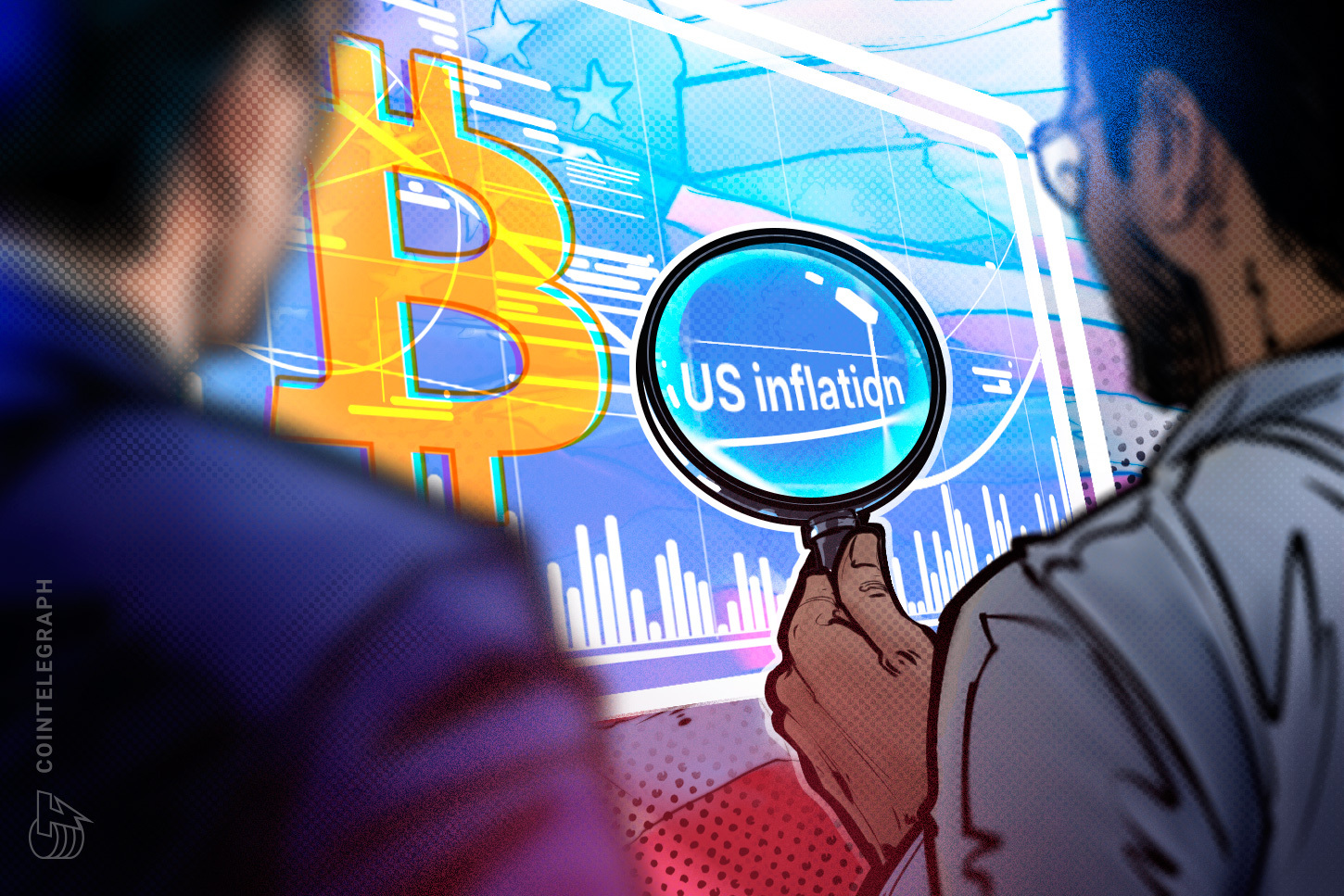
Federal Reserve Chairman Kevin Warsh is preparing to deliver one of the most important speeches of his tenure this week at Jackson Hole. The fundamental question that markets and Fed officials are seeking an answer to is clear: Is US inflation remaining high due to temporary shocks, such as tariffs and the war with Iran, or is the economy still too strong from a demand perspective?
The answer to this question could determine whether the Fed will raise interest rates in the coming period. Although disagreements within the Fed are becoming increasingly apparent, three officials voted for a rate hike last month. Some other officials have indicated they could join that group if necessary. However, Warsh has not yet stated his position openly due to his new approach based on reducing the volume of information.
Anil Kashyap, an economist at the University of Chicago, stated that Warsh is now expected to present arguments, adding: "Until he does this, it will be difficult for him to rally the committee around him."
Statements on Inflation Will Be Closely Watched in the Jackson Hole Speech.
Investors will be looking for clues in Warsh's speech on Friday at the annual Federal Reserve Bank of Kansas City conference in Jackson Hole, Wyoming, especially regarding his assessment of the economic situation and the conditions under which he might tighten monetary policy.
The economic outlook inherited by Warsh can be interpreted in different ways, and these two scenarios point to entirely different outcomes in terms of monetary policy.
According to the first scenario, inflation has exceeded the Fed's target for over a year due to a series of temporary shocks, such as the imposition of tariffs and disruptions in energy markets caused by the war with Iran. This view suggests that the central bank may not need to respond to these shocks by raising interest rates; inflation can be expected to decline spontaneously once the effects of the shocks subside.
In the second scenario, these events mask deeper imbalances in the economy. If demand is growing faster than supply, allowing companies to continuously raise prices, then inflation should not decrease on its own, and the Fed may need to raise interest rates.
The more moderate inflation data released over the past two months have temporarily eased pressure on the Fed to raise interest rates at the September meeting. However, it remains unclear whether the current level of interest rates is sufficiently restrictive to sustainably reduce inflation.
There are concerns that the war with Iran, new tariffs, and a sharp increase in investment in artificial intelligence could exert lasting upward pressure on prices.
Previously, Warsh argued that the Fed had failed in its core mission of achieving low inflation and promised to reorganize this structure. However, to implement such an approach, a clear understanding of the reasons for persistently high inflation is necessary.
In the US, inflation fell from about 7 percent to below 3 percent, but then rose again, halting the downward trend. Inflation has exceeded the Fed's 2 percent target for over five years.
Federal Reserve officials also disagree on whether the current interest rate, around 3.6 percent, is high enough to slow the economy and reduce inflation.
Advocates of tight monetary policy are calling for further monetary tightening, citing high consumer spending, an AI investment boom, as well as persistent demand for labor and credit. According to this group, it is becoming increasingly difficult for the Fed to claim it has a convincing plan to bring inflation down to its target level.
Other officials believe that price pressures may spontaneously weaken over time. Richmond Federal Reserve Bank President Tom Barkin stated last month that companies selling goods to consumers are quite pessimistic about the prospects of raising prices permanently. According to Barkin, consumers are switching to cheaper goods or postponing major purchases.
Warsh's Implicit Communication Strategy Is Under Discussion.
One of the most notable aspects of Warsh's tenure as Fed Chairman has been the reduction in his role of providing guidance to markets.
Warsh has long argued that central bankers talk too much and that published forecasts are ultimately perceived by markets as promises. However, amid growing disagreements within the Fed, the Chairman's reluctance to share his own opinion may make it difficult for him to lead the committee.
Reportedly, at last month's meeting, Warsh made no targeted effort to persuade dissenting members, resulting in three Fed officials voting for a rate hike. This was the largest number of dissenting votes in nearly a decade.
Reportedly, Warsh did not present a detailed outline of his assessment of the economic outlook at the Fed meetings.
Ahead of its June meeting, the Federal Open Market Committee (FOMC) adopted a more hawkish policy statement emphasizing its commitment to reducing inflation. Markets interpreted this change as a hawkish stance, significantly increasing the likelihood of a rate hike by September.
Long-Term Bond Yields Reached Their Highest Level Since 2007.
After the July meeting, Warsh's communication style came under closer scrutiny. At his press conference, the Fed Chairman gave no direct answer to questions about how the current interest rate policy would allow inflation to fall.
Tim Duy, Chief US Economist at SGH Macro Advisors, argued that Warsh's statements may not be enough to convince members of the Federal Reserve.
While Warsh was speaking, short-term bond yields fell, but the yield on 30-year US Treasury bonds rose to its highest level since 2007. The yield on 30-year mortgages also reached its high for the year, at approximately 6.75 percent.
This market movement indicates that investors believe the Fed may tolerate somewhat higher inflation in the short term, but this could require a more significant rate hike in the future.
Prior to the July meeting, Warsh argued that rising bond yields had already led to tighter financial conditions and that this fell within the Fed's responsibilities.
The Fed Chairman believes that more information can be gleaned from price movements in financial markets if the central bank does not constantly give directions to the markets.
Therefore, Friday's speech at Jackson Hole is crucial not only for short-term interest rate expectations but also for understanding how Fed monetary policy communication will be shaped under Warsh's leadership.
*This is not investment advice.
end-content