The Altcoin Vector #55

insights.glassnodeОпубліковано о 2026-06-03Востаннє оновлено о 2026-06-03

Анотація

The provided text appears to be the beginning of an article titled "The Altcoin Vector #55." However, the content itself is very limited. It includes only the heading "Executive Summary" and a subscription prompt asking existing subscribers to log in. Based on this available information, no substantive article content or details about the topics discussed in "The Altcoin Vector #55" are present to generate a meaningful summary. The text consists solely of structural website elements and a call to action for subscribers.

Executive Summary

Пов'язані питання

QWhat is the primary topic of this article?

AThe article appears to be about an altcoin market analysis or report, specifically numbered as 'The Altcoin Vector #55'.

QWhat is the name of the article series this content belongs to?

AThis article belongs to the series titled 'The Altcoin Vector'.

QWhich specific issue or edition of 'The Altcoin Vector' is this?

AThis is the 55th issue or edition of 'The Altcoin Vector'.

QWho is the intended audience for this article based on the content snippet?

AThe intended audience appears to be subscribers, as indicated by the call to action for existing subscribers to log in.

QBased on the snippet, what type of content is blocked from general access?

ABased on the snippet, the main body of the article's analysis or report is blocked from general access and is reserved for subscribers who need to log in to view it.


Пов'язані матеріали

ChangXin's Debut: The Missed 50 Billion Yuan by Country Garden, and the Handover of an Era

On July 27, 2026, Changxin Memory Technologies (CXMT) debuted on the STAR Market, its share price surging 471.59%. With a market cap exceeding ICBC, it became China’s most valuable A-share company, highlighting a dramatic technological and economic shift. In 2021, at the peak of China's real estate boom, developer Country Garden invested 2 billion yuan (20 billion) for a 1.56% stake in the fledgling chipmaker through its venture capital arm. The investment was strategic; CXMT represented a crucial "chain-blocker" in China's semiconductor supply chain. Country Garden’s unique "perpetual capital" model allowed for long-term bets on hard tech, from space rockets to memory chips. However, the property sector’s severe downturn forced Country Garden's hand. Facing immense liquidity pressure to fund construction and deliver pre-sold homes, it sold its entire CXMT stake back to Hefei's state-owned capital for the original 2 billion yuan in December 2024. By the IPO date, that stake was worth roughly 50 billion yuan, a 500 billion opportunity lost. This story encapsulates a pivotal transition. Money accumulated during the property boom was redirected to seed next-generation industries like semiconductors. Yet the old cycle collapsed faster than the new one could mature. While Country Garden accurately foresaw the strategic importance of chip manufacturing, it ultimately misjudged how long its own capital could wait, becoming a poignant symbol of an era's handover from bricks and mortar to silicon and innovation.

marsbit3 хв тому

ChangXin's Debut: The Missed 50 Billion Yuan by Country Garden, and the Handover of an Era

marsbit3 хв тому

Why Can't Kimi Go to a Nightclub to Celebrate Success?

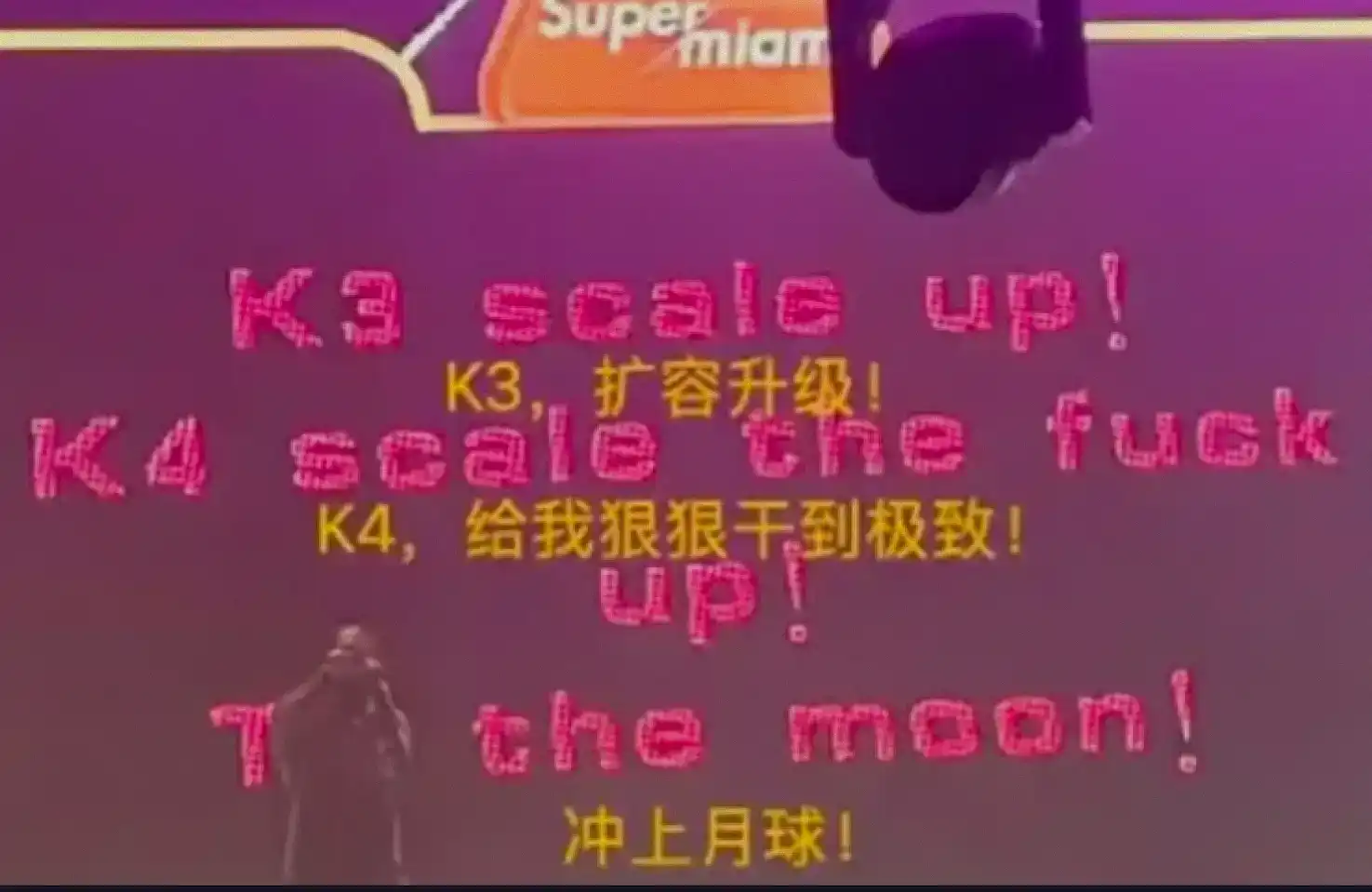
"Why Can't Kimi Go to a Nightclub to Celebrate Success?" The article discusses the controversy surrounding the Chinese AI company Kimi's decision to hold a celebration at a Beijing nightclub after the successful release of its K3 model. While the event drew criticism on social media for being "flashy" and a sign of losing focus, the author argues this reflects a double standard. The piece contrasts the reaction to Kimi with the perception of similar celebrations by Silicon Valley tech companies. In the U.S., such events are often seen as symbols of ambition and a vibrant culture. The author suggests a "Silicon Valley worship" exists, where Western tech elites are granted the freedom to define success and lifestyle, while Chinese companies face constant scrutiny and must prove their worthiness beyond just technical achievements. Furthermore, the article critiques a deep-rooted "moralism of hardship" in Chinese culture, where success is expected to be earned through visible struggle and austerity, especially for scientists and innovators. Figures like mathematician Wang Hong, who presents an elegant and stylish image, challenge the stereotypical expectation of the disheveled, ascetic academic. The core argument is that Kimi's nightclub celebration itself proves nothing about the company's long-term viability or technical prowess. The backlash, however, reveals unrealistic expectations for Chinese tech firms: to simultaneously embody the disruptive energy of Silicon Valley while maintaining the humble demeanor of a perpetual underdog. The author concludes that a mature tech culture should allow Chinese talent to experience and express the joy of their achievements without judgment.

marsbit24 хв тому

Why Can't Kimi Go to a Nightclub to Celebrate Success?

marsbit24 хв тому

Торгівля

Спот
活动图片