Wall Street's Most Famous 'Cassandra' Now Has His Sights Set on Nvidia

marsbitОпубліковано о 2026-08-01Востаннє оновлено о 2026-08-01

Анотація

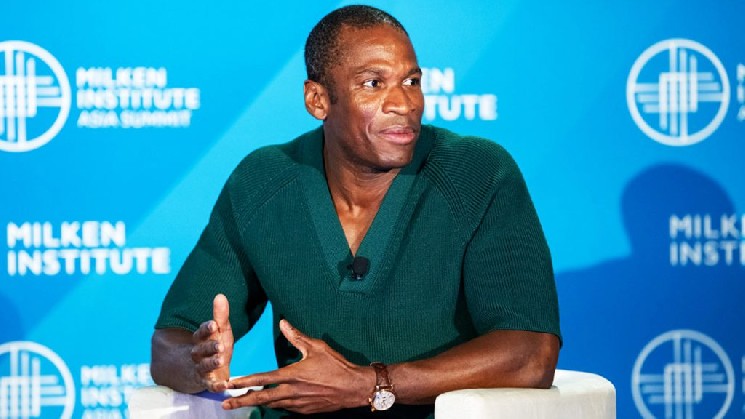
Michael Burry, the famed "Big Short" investor, has once again captured Wall Street's attention with a series of short positions against major tech and semiconductor stocks, most notably Nvidia. In late June and July, through his "Cassandra Unchained" newsletter, Burry disclosed short bets against Nvidia, Tesla, Applied Materials, Caterpillar, the SOXX semiconductor ETF, and later, Micron Technology. His core thesis revolves around potential distortions in the AI infrastructure boom, specifically questioning whether extended depreciation schedules (e.g., 6 years vs. a realistic 2-3 years for AI chips) by cloud giants like Microsoft and Google artificially inflate profits. He also raises concerns about possible "off-balance-sheet circular financing," where chip demand might be propped up by vendor-backed funding to clients. Nvidia's stock experienced volatility following these disclosures, briefly dipping but largely holding near Burry's reported entry points, leaving his positions roughly flat or slightly underwater as of late July. This move is part of a pattern for Burry, whose track record since his legendary 2008 bet is mixed. He has faced notable losses, such as on Tesla in 2021, while scoring on broader market turns like the 2020 pandemic crash. His methodology focuses intensely on free cash flow and scrutinizing original financial documents to spot overvaluation and structural risks, but it often struggles with timing the market. The article contrasts Burry's stance w...

A recent trading disclosure has once again thrust Michael Burry into the spotlight.

This fund manager, immortalized in the movie *The Big Short* for his prescient bet against subprime mortgages, disclosed a list of short positions via his Substack newsletter, "Cassandra Unchained," on June 30. The list included Nvidia (entry price $198.09), Tesla, Applied Materials, construction machinery giant Caterpillar, and the Philadelphia Semiconductor ETF (SOXX). On July 1, he initiated a new short position on Micron Technology (entry price $1051.87). On July 25, Burry announced he had further increased his short positions on Nvidia, Micron, and SOXX.

His rationale is not new. He posits two major issues in AI infrastructure build-out: "off-balance sheet circular financing" and "inflated depreciation schedules." The way Nvidia's clients handle their finances may make the entire supply chain's paper profits appear healthier than they actually are.

The reaction on social media was almost a conditioned reflex: just another round of bearish talk.

Nvidia's stock price experienced significant volatility following the disclosures. On June 30, when Burry first disclosed his position, Nvidia closed around $200, roughly in line with his $198.09 entry price. In early July, influenced by factors such as Meta's announcement of leasing idle AI compute capacity, the Philadelphia Semiconductor Index fell over 6% in a single day, and Nvidia briefly dipped near $194 before quickly rebounding, climbing back above $210 by mid-July.

After Burry's second increase on July 25, Nvidia dropped nearly 5% to $196.51 on July 27. However, the direct driver of this decline was a report published that day claiming Nvidia was discussing providing OpenAI with approximately $250 billion in financing guarantees. Burry promptly commented on social media, equating it to "Nvidia guaranteeing its own customers' chip purchases," echoing his "off-balance sheet circular financing" argument and amplifying market concerns.

Thereafter, Nvidia traded within a range of $190 to $200. It touched a low of $190 on July 29 before quickly recovering, closing at $200.75 on July 31. Based on these levels, Burry's initial June 30 entry at $198.09 is essentially flat, with a slight paper loss; the July 25 addition at $210.28 is sitting on a paper loss of about 4.5%.

This is almost Burry's fixed script. Over the past few years, he has frequently sounded alarms on the market, yet his hit rate has repeatedly been questioned. This leads to a more pertinent question: When a "professional pessimist" speaks again, how credible is his judgment? Furthermore, within Wall Street as a whole, are those shorting these companies a few individuals making a desperate bet, or part of a tacit, collective retreat?

The Other Side of the Legend: After Deification

Burry's legendary triumph came in 2008. Before the subprime crisis erupted, he meticulously combed through thousands of mortgage contracts and discovered that vast amounts of securities labeled AAA by rating agencies were actually built on borrowers who couldn't repay. This short bet made him famous overnight and cemented the moniker "The Big Short."

What is rarely mentioned, however, is that his track record after that victory has been less than stellar.

In late 2020, he began building a short position against Tesla. In the following months, the stock price rose instead of falling. By the end of Q1 2021, the disclosed size of his position was interpreted by the market as a multi-billion dollar bet (though this often reflected the notional value of options, with the actual premium paid being far less). This short position disappeared from his holdings by Q3 2021, with multiple reports concluding he likely closed it at a loss.

With GameStop, he cleared his position weeks before the explosive squeeze, missing the most violent part of the rally; years later, he bought back in but then actively sold out again due to concerns over the debt risk and valuation logic of its acquisition of eBay.

On the Nvidia and Palantir front, he has submitted two different report cards. In early 2023, he posted a one-word tweet: "Sell." This was a generic market warning. Subsequently, the market staged a strong rebound, and by late March, Burry himself acknowledged the misjudgment. His direct targeting of these two specific stocks didn't come until November 2025, when he disclosed that about 80% of his portfolio was in put options on Nvidia and Palantir. This move was immediately countered by Palantir's better-than-expected earnings, which caused only a brief dip before the stock quickly recovered and hit new highs.

By the first half of 2026, the fates of these two short bets diverged again. Nvidia's stock price continued to surge, its market cap once surpassing $5 trillion, leaving his short position in the red. Palantir, however, dropped over 10% in a single week after Burry publicly questioned whether its AI business was being eroded by competitors.

Of course, his report card isn't all misses. He warned as early as 2019 that indiscriminate passive investment flows into large-cap stocks were distorting prices; he disclosed to media that he had shorted and profited from the market before the March 2020 pandemic crash; he also mentioned correctly calling the end of the meme stock mania in mid-2021.

Many Are Bearish, But Few Dare Bet Big

Examining his hits and misses reveals a clear dividing line. The times he was right invariably involved a "structural problem" coupled with a "specific catalyst"—the wave of subprime mortgage defaults, the pandemic black swan. Judgments based solely on "overvaluation" without a concrete trigger have almost always been wrong on timing.

Underpinning this is his consistent analytical framework: distrusting easily manipulated metrics like P/E ratios and ROE, trusting only free cash flow; disbelieving rating agencies and analyst reports, preferring to dig into the original financial documents like reviewing medical records.

This methodology excels at answering "Is the asset overvalued? Are there hidden risks?" but fails at answering "When will the risk materialize?" This is precisely the key premise for understanding his current short play.

First, consider some easily overlooked data: Nvidia's current short interest sits at around 1.3% to 1.4% of its float, a relatively low level (though, when converted to notional value, Nvidia is also one of the most-shorted stocks by absolute size in the US market, with losses for short-sellers not being trivial). A February report indicated that short sellers of Nvidia had collectively lost over $5 billion, making it the stock causing the most significant losses for short-sellers at that time. It's worth noting, however, that short interest, after shrinking earlier this year, has recently climbed again.

Those bold enough to publicly, significantly short these stocks are an extreme minority. Burry may have the loudest voice, but he is far from the only one and is decidedly not mainstream.

Let's examine the three arguments he presented this time, which vary in persuasiveness.

First, and arguably the most substantive: Depreciation Schedules.

This involves basic accounting logic. When a company buys equipment for long-term use, it cannot expense the entire cost immediately. Instead, it must amortize the cost over the asset's "useful life" across multiple future accounting periods, deducting only a portion each year, thereby making profits on paper appear healthier.

Burry's contention is that for hardware like AI chips, which iterate extremely fast, the actual useful life may be only 2-3 years. However, cloud providers like Microsoft, Google, and Meta, which purchase these chips, are stretching the depreciation schedule to 6 years. The longer the schedule, the lower the annual amortized cost, artificially inflating paper profits.

Nvidia and some analysts have responded, though it's important to note their response addresses the depreciation policies of *downstream customers*, not Nvidia itself. This debate will ultimately be settled by future financial reports (whether large impairments occur).

Second: Off-Balance Sheet Circular Financing.

This argument suggests that the robust chip orders Nvidia is currently seeing may not all stem from genuine end-user demand. There might exist a funding cycle that "self-creates demand."

One specific version circulating in the market posits: Nvidia provides financing guarantees for an AI company's compute expansion; that company uses the guaranteed funds to lease cloud services and purchase Nvidia chips; Nvidia then books this as "real" revenue and orders. The money, after circulating, ultimately flows back to Nvidia itself, with many of the intermediate funding flows not fully disclosed on financial statements—hence "off-balance sheet."

Burry's concern is that if such cycles of "funding customers to buy your own products" are stripped away, Nvidia's true end-user demand might not be as dazzling as the reported numbers suggest. Nvidia counters this by stating its external strategic investments are minuscule, representing a tiny fraction of revenue, and that the allegation lacks basis. This argument is even more reliant on information not fully disclosed and is harder to verify than the first.

Third: Share Buyback Dilution—the weakest argument.

Burry alleged that Nvidia's share buybacks in recent years have inflated its per-share earnings performance. However, Nvidia subsequently pointed out that Burry's calculation incorrectly included tax expenses related to employee stock-based compensation, a clear error in methodology. Burry has not provided more detailed data to refute this, making this currently the least convincing of the three points.

It is noteworthy that holding the opposite stance is another *Big Short* protagonist, Steve Eisman. Eisman stated he has no immediate plans to short Nvidia, citing reasons including: revenue growth remains strong, buybacks and dividends are increasing, and major cloud providers' capex commitments continue to expand—numbers that currently hold up to scrutiny. However, he also admitted feeling uneasy about the sustainability of this rally, has actively reduced his holdings, and warned in late July that if any major player cuts AI capital expenditure, the US stock market risks a sharp decline.

Two veterans, both shaped by 2008 and renowned for their contrarian thinking, have arrived at diametrically opposed answers to the AI question.

The stance of legendary short-seller Jim Chanos is even more nuanced. He agrees with Burry's general direction regarding the "accounting mismatch"—chip equipment makers booking revenue immediately, while cloud providers buying the chips amortize massive expenditures over 4-7 years. This, he notes, bears a striking resemblance to the period leading up to the 2001 dot-com bubble. Back then, Cisco's reports looked strong, but telecom carriers were using extended amortization schedules to mask overcapacity, and WorldCom engaged in outright fraud. The problems were only revealed en masse when scandals broke, leading to one of the largest bankruptcies in US history.

But in terms of actual positioning, Chanos has chosen a completely different path. According to his public statements, he is cautious about the cyclical play in memory chips and largely avoids Micron. He also does not directly short Nvidia, believing it holds more valuation appeal than peers. His actual short bets are placed on private equity firms simultaneously exposed to both AI infrastructure and commercial real estate in a low-cap rate environment—targeting the financial leverage at the periphery of the AI frenzy, not the chip stocks themselves.

Placing these three viewpoints side-by-side reveals a considerable consensus among seasoned short-sellers on the macro judgment "Is there an AI bubble?" But on "*Whom* to short specifically and *how* to position," the divergence is significant—almost everyone is fighting their own battle.

More Important Than "Is He Right This Time?"

Direction and execution have always been two different things.

A notable paradox is that for highly cyclical industries like memory chips—theoretically the easiest to judge as "destined for a correction"—professional short-sellers have repeatedly suffered setbacks in reality.

The reasons aren't hard to understand. Oligopolies like Samsung, SK Hynix, and Micron can collude to cut production at any time, artificially controlling price cycles; market irrational exuberance can outlast the financial endurance of short-sellers; and accounting rules themselves can delay the full exposure of real problems for years. None of these variables can be accurately predicted merely by "thorough research."

This pattern underscores the common thread among Burry, Eisman, and Chanos. Identifying the *direction* relies on solid research methodology, sensitivity to cash flow, vigilance on accounting practices, and a nose for structural risk—these are skills that can be learned and replicated. But pinpointing the exact *timing* of a decline, or its *depth*, essentially depends on whether irrational sentiment, industry博弈, and random catalysts align—a realm that transcends analytical capability and more closely resembles a game of probability.

For the average investor, the truly valuable takeaway is *how* these individuals pose questions: which financial figures are easily manipulated, which structural risks are easily overlooked, what to investigate when everyone chants "this time is different." Replicating a specific short position or betting on whether a particular bearish call will materialize is not the point.

This, perhaps, is what's truly worth retaining from this latest round of short-selling controversy.

(This article was first published on Titanium Media APP. Author: Silicon Valley Tech_news. Editor: Lin Shen)


Трендові криптовалюти

Пов'язані питання

QAccording to the article, what are the three main points of Michael Burry's bearish argument against Nvidia?

AMichael Burry's bearish argument against Nvidia revolves around three main points: 1) The depreciation period for AI chips is artificially extended by cloud companies, inflating profits. 2) There exists a potential 'off-balance sheet circular financing' where Nvidia might indirectly fund client purchases of its own chips, creating artificial demand. 3) He criticizes Nvidia's stock buybacks for potentially exaggerating earnings per share, though this point is considered the weakest and disputed by Nvidia over calculation methods.

QHow has Michael Burry's investment performance been since his famous success in 2008, as mentioned in the article?

ASince his success in 2008, Michael Burry's investment performance has been mixed. While he made correct calls on structural issues with clear catalysts (e.g., the pandemic crash, meme stock mania fade), he has faced several high-profile losses. Notable examples include his short on Tesla around 2020-2021, which he likely closed at a loss; missing the main GameStop short squeeze; and recent shorts on Nvidia and Palantir where timing has been challenging, with his Nvidia short position currently in a floating loss.

QWhat is the stance of Steve Eisman, another 'Big Short' figure, on shorting Nvidia according to the article?

ASteve Eisman, another 'Big Short' figure, has stated he is not currently shorting Nvidia. His reasons include Nvidia's strong revenue growth, continued share buybacks and dividends, and the ongoing capital expenditure commitments from major cloud providers. However, he expresses nervousness about the sustainability of the rally, has reduced his holdings, and warned that if any major tech company cuts AI capital spending, the stock market could face a sharp decline.

QWhat alternative short strategy is Jim Chanos employing in relation to the AI boom, as described in the article?

AJim Chanos is employing an alternative short strategy. While he agrees with the general concern about 'accounting mismatches' in the AI infrastructure sector, he is not directly shorting chipmakers like Nvidia or Micron. Instead, he is shorting private equity companies that are heavily exposed to both AI infrastructure and commercial real estate, particularly those operating in a low-capitalization-rate environment. He targets the financial leverage on the periphery of the AI boom rather than the core chip stocks.

QWhat key insight does the article suggest is more valuable for ordinary investors than trying to replicate a short seller's specific trades?

AThe article suggests that for ordinary investors, the most valuable takeaway is not replicating a short seller's specific trades or betting on the timing of their predictions. Instead, the key insight is to learn and adopt their critical framework for analyzing the market: questioning which financial figures might be embellished, identifying overlooked structural risks, and knowing what to scrutinize when conventional wisdom claims 'this time is different.' This analytical approach is considered more beneficial than mimicking investment positions.

Пов'язані матеріали

Goldman Sachs: July Smashes Through Crowded Trades, U.S. Stock Bull Market Not Broken but Harder to Navigate

Goldman Sachs: July Sees Crowded Trades Unwound, U.S. Bull Market Intact but Getting Tougher. The U.S. stock market in July did not see an index-level crash, but rather a significant unwinding of speculative positions. While the S&P 500 remained stable—trading within a narrow 3.5% range and staying within 2% of its high—underlying market dynamics were volatile. Heavily crowded trades, particularly in high-momentum tech, AI-linked stocks, and Asian strategies, faced severe pressure and forced deleveraging. Data indicates this was a meaningful cleanse, not a minor adjustment. Global tech exposure saw its largest sell-off in over five years, leverage in Korean equity ETFs plummeted, and Goldman's prime brokerage recorded the largest gross exposure reduction since late 2022. Leverage on momentum factors among fundamental long/short clients fell to the 28th percentile of its one-year range. The AI trade narrative shifted from pure potential to a focus on tangible returns. While Meta failed to show clear AI monetization, Microsoft and Amazon provided evidence that massive capital expenditure is translating into scalable revenue and product growth, preventing a blanket sell-off of the AI sector. The Federal Reserve's more opaque communication style and volatility in long-end Treasury yields have introduced new friction, particularly for rate-sensitive growth and tech stocks. The broader outlook for U.S. equities remains favorable, supported by a strong economy, robust earnings, and substantial AI capital expenditure. However, risk/reward is no longer cheap, and the market's upward elasticity has weakened. The Nasdaq 100's trajectory—up 12% year-to-date despite significant pullbacks—illustrates that the bull trend persists but the path is becoming more difficult. The key lesson from July is that the market no longer rewards crowded, highly leveraged trades, requiring more disciplined and liquid portfolio approaches.

marsbit1 год тому

Goldman Sachs: July Smashes Through Crowded Trades, U.S. Stock Bull Market Not Broken but Harder to Navigate

marsbit1 год тому

Interview with Robinhood Executive: Meme + Tokenized US Stocks as "Barbell" Customer Acquisition Strategy, All Business Lines Achieve Hundreds of Millions in Revenue

Interview with Robinhood executive Johann Kerbrat reveals the company's "barbell" customer acquisition strategy for its new Robinhood Chain, combining meme tokens with tokenized stocks. Three weeks after mainnet launch, the chain has seen over $3B in weekly DEX volume and 105M transactions. Kerbrat explains the logic behind the permissionless chain: meme tokens attract DeFi users, while tokenized real-world assets (RWA), currently over 90 US stocks and ETFs accessible in 120+ countries, serve global users. The goal is to bring Robinhood's 27 million funded accounts on-chain by simplifying DeFi with a user-friendly interface, exemplified by features like Robinhood Earn which offers yield without requiring wallet management. Built on Arbitrum's technology stack for its speed, low cost, and Ethereum's security, the chain focuses on financial products like Earn, spot trading, and perpetuals. Kerbrat downplays direct competition with platforms like Base, emphasizing the goal of expanding the overall market for on-chain assets. He details selective partnerships (e.g., Morpho, Lighter) based on compliance, unique UX, and differentiation. While regulatory clarity is pending for US perpetuals, the expansion continues via Bitstamp in Europe. Finally, Kerbrat positions Robinhood as a "super app" integrating stocks, options, crypto, banking, and AI trading, with all major business lines generating hundreds of millions in revenue. For the chain, current priority is driving adoption over maximizing gas fee revenue.

marsbit3 год тому

Interview with Robinhood Executive: Meme + Tokenized US Stocks as "Barbell" Customer Acquisition Strategy, All Business Lines Achieve Hundreds of Millions in Revenue

marsbit3 год тому

Торгівля

Спот

Популярні статті

Що таке $S$

Розуміння SPERO: Комплексний огляд Вступ до SPERO Оскільки ландшафт інновацій продовжує еволюціонувати, виникнення технологій web3 та криптовалютних проектів відіграє ключову роль у формуванні цифрового майбутнього. Один з проектів, який привернув увагу в цій динамічній сфері, — це SPERO, позначений як SPERO,$$s$. Ця стаття має на меті зібрати та представити детальну інформацію про SPERO, щоб допомогти ентузіастам та інвесторам зрозуміти його основи, цілі та інновації в рамках web3 та крипто-сектору. Що таке SPERO,$$s$? SPERO,$$s$ — це унікальний проект у криптопросторі, який прагне використати принципи децентралізації та технології блокчейн для створення екосистеми, що сприяє залученню, корисності та фінансовій інклюзії. Проект розроблений для полегшення взаємодії між користувачами новими способами, надаючи їм інноваційні фінансові рішення та послуги. У своїй основі SPERO,$$s$ прагне надати можливості індивідам, забезпечуючи інструменти та платформи, які покращують користувацький досвід у криптовалютному просторі. Це включає в себе можливість більш гнучких методів транзакцій, сприяння ініціативам, що підтримуються спільнотою, та створення шляхів для фінансових можливостей через децентралізовані додатки (dApps). Основна концепція SPERO,$$s$ обертається навколо інклюзивності, прагнучи зменшити розриви в традиційній фінансовій системі, використовуючи переваги технології блокчейн. Хто є творцем SPERO,$$s$? Особистість творця SPERO,$$s$ залишається дещо невідомою, оскільки є обмежені публічно доступні ресурси, що надають детальну інформацію про його засновників. Ця відсутність прозорості може бути наслідком зобов'язання проекту до децентралізації — етики, яку багато проектів web3 поділяють, ставлячи колективні внески вище за індивідуальне визнання. Зосереджуючи обговорення навколо спільноти та її колективних цілей, SPERO,$$s$ втілює суть наділення без виділення конкретних осіб. Таким чином, розуміння етики та місії SPERO є більш важливим, ніж ідентифікація єдиного творця. Хто є інвесторами SPERO,$$s$? SPERO,$$s$ підтримується різноманітними інвесторами, починаючи від венчурних капіталістів до ангельських інвесторів, які прагнуть сприяти інноваціям у крипто-секторі. Зосередження цих інвесторів зазвичай узгоджується з місією SPERO — пріоритет надається проектам, які обіцяють технологічний прогрес у суспільстві, фінансову інклюзію та децентралізоване управління. Ці інвесторські фонди зазвичай зацікавлені в проектах, які не лише пропонують інноваційні продукти, але й позитивно впливають на спільноту блокчейн та її екосистеми. Підтримка з боку цих інвесторів підкріплює SPERO,$$s$ як значного конкурента в швидко змінюваній сфері крипто-проектів. Як працює SPERO,$$s$? SPERO,$$s$ використовує багатогранну структуру, яка відрізняє його від традиційних криптовалютних проектів. Ось деякі ключові особливості, які підкреслюють його унікальність та інноваційність: Децентралізоване управління: SPERO,$$s$ інтегрує моделі децентралізованого управління, надаючи користувачам можливість активно брати участь у процесах прийняття рішень щодо майбутнього проекту. Цей підхід сприяє відчуттю власності та відповідальності серед членів спільноти. Корисність токена: SPERO,$$s$ використовує свій власний криптовалютний токен, розроблений для виконання різних функцій в екосистемі. Ці токени дозволяють здійснювати транзакції, отримувати винагороди та полегшувати послуги, що пропонуються на платформі, підвищуючи загальну залученість та корисність. Шарова архітектура: Технічна архітектура SPERO,$$s$ підтримує модульність та масштабованість, що дозволяє безперешкодно інтегрувати додаткові функції та додатки в міру розвитку проекту. Ця адаптивність є надзвичайно важливою для збереження актуальності в постійно змінюваному крипто-ландшафті. Залучення спільноти: Проект підкреслює ініціативи, що підтримуються спільнотою, використовуючи механізми, які стимулюють співпрацю та зворотний зв'язок. Підтримуючи сильну спільноту, SPERO,$$s$ може краще задовольняти потреби користувачів та адаптуватися до ринкових тенденцій. Фокус на інклюзію: Пропонуючи низькі комісії за транзакції та зручні інтерфейси, SPERO,$$s$ прагне залучити різноманітну базу користувачів, включаючи осіб, які раніше не брали участі в крипто-просторі. Це зобов'язання до інклюзії узгоджується з його загальною місією наділення через доступність. Хронологія SPERO,$$s$ Розуміння історії проекту надає важливі уявлення про його розвиток та етапи. Нижче наведено пропоновану хронологію, що відображає значні події в еволюції SPERO,$$s$: Етап концептуалізації та ідеації: Початкові ідеї, що стали основою SPERO,$$s$, були сформовані, тісно пов'язані з принципами децентралізації та фокусом на спільноті в індустрії блокчейн. Запуск білого паперу проекту: Після концептуального етапу був випущений комплексний білий папір, що детально описує бачення, цілі та технологічну інфраструктуру SPERO,$$s$, щоб залучити інтерес та зворотний зв'язок від спільноти. Створення спільноти та ранні залучення: Активні зусилля були спрямовані на створення спільноти ранніх прихильників та потенційних інвесторів, що полегшило обговорення цілей проекту та отримання підтримки. Подія генерації токенів: SPERO,$$s$ провів подію генерації токенів (TGE) для розподілу своїх рідних токенів серед ранніх прихильників та встановлення початкової ліквідності в екосистемі. Запуск початкового dApp: Перший децентралізований додаток (dApp), пов'язаний з SPERO,$$s$, став доступним, дозволяючи користувачам взаємодіяти з основними функціями платформи. Постійний розвиток та партнерства: Безперервні оновлення та вдосконалення пропозицій проекту, включаючи стратегічні партнерства з іншими учасниками блокчейн-простору, сформували SPERO,$$s$ у конкурентоспроможного та еволюціонуючого гравця на крипто-ринку. Висновок SPERO,$$s$ є свідченням потенціалу web3 та криптовалют для революціонізації фінансових систем та наділення індивідів. Завдяки зобов'язанню до децентралізованого управління, залучення спільноти та інноваційно спроектованих функцій, він прокладає шлях до більш інклюзивного фінансового ландшафту. Як і з будь-якими інвестиціями в швидко змінюваному крипто-просторі, потенційним інвесторам та користувачам рекомендується ретельно досліджувати та обдумано взаємодіяти з поточними подіями в SPERO,$$s$. Проект демонструє інноваційний дух крипто-індустрії, запрошуючи до подальшого дослідження його численних можливостей. Хоча подорож SPERO,$$s$ ще триває, його основні принципи можуть справді вплинути на майбутнє того, як ми взаємодіємо з технологією, фінансами та один з одним у взаємопов'язаних цифрових екосистемах.

191 переглядів усьогоОпубліковано 2024.12.17Оновлено 2024.12.17

Що таке $S$

Що таке AGENT S

Агент S: Майбутнє автономної взаємодії в Web3 Вступ У постійно змінюваному ландшафті Web3 та криптовалюти інновації постійно переосмислюють, як люди взаємодіють з цифровими платформами. Один з таких новаторських проектів, Агент S, обіцяє революціонізувати взаємодію людини з комп'ютером через свою відкриту агентну структуру. Прокладаючи шлях для автономних взаємодій, Агент S прагне спростити складні завдання, пропонуючи трансформаційні застосування в штучному інтелекті (ШІ). Це детальне дослідження заглиблюється в складності проекту, його унікальні особливості та наслідки для сфери криптовалюти. Що таке Агент S? Агент S є революційною відкритою агентною структурою, спеціально розробленою для вирішення трьох основних викликів в автоматизації комп'ютерних завдань: Набуття специфічних знань у галузі: Структура інтелектуально навчається з різних зовнішніх джерел знань та внутрішнього досвіду. Цей подвійний підхід дозволяє їй створити багатий репозиторій специфічних знань у галузі, покращуючи її продуктивність у виконанні завдань. Планування на довгих горизонтах завдань: Агент S використовує планування з підкріпленням досвіду, стратегічний підхід, який полегшує ефективний розподіл та виконання складних завдань. Ця функція значно підвищує її здатність ефективно та результативно управляти кількома підзавданнями. Обробка динамічних, неоднорідних інтерфейсів: Проект представляє Інтерфейс Агент-Комп'ютер (ACI), інноваційне рішення, яке покращує взаємодію між агентами та користувачами. Використовуючи багатомодальні великі мовні моделі (MLLMs), Агент S може безперешкодно орієнтуватися та маніпулювати різноманітними графічними інтерфейсами користувача. Завдяки цим новаторським функціям Агент S надає надійну структуру, яка вирішує складнощі, пов'язані з автоматизацією людської взаємодії з машинами, прокладаючи шлях для численних застосувань у ШІ та за його межами. Хто є творцем Агент S? Хоча концепція Агент S є фундаментально новаторською, конкретна інформація про його творця залишається невідомою. Творець наразі невідомий, що підкреслює або початкову стадію проекту, або стратегічний вибір зберегти засновників у таємниці. Незважаючи на анонімність, акцент залишається на можливостях та потенціалі структури. Хто є інвесторами Агент S? Оскільки Агент S є відносно новим у криптографічній екосистемі, детальна інформація про його інвесторів та фінансових спонсорів не задокументована. Відсутність публічно доступних відомостей про інвестиційні фонди або організації, що підтримують проект, викликає питання щодо його фінансової структури та дорожньої карти розвитку. Розуміння підтримки є критично важливим для оцінки стійкості проекту та потенційного впливу на ринок. Як працює Агент S? В основі Агент S лежить передова технологія, яка дозволяє йому ефективно функціонувати в різних умовах. Його операційна модель побудована навколо кількох ключових функцій: Взаємодія з комп'ютером, подібна до людської: Структура пропонує розширене планування ШІ, прагнучи зробити взаємодії з комп'ютерами більш інтуїтивними. Імітуючи людську поведінку при виконанні завдань, вона обіцяє підвищити досвід користувачів. Наративна пам'ять: Використовується для використання високорівневого досвіду, Агент S використовує наративну пам'ять для відстеження історій завдань, тим самим покращуючи свої процеси прийняття рішень. Епізодична пам'ять: Ця функція надає користувачам покрокові інструкції, дозволяючи структурі пропонувати контекстуальну підтримку в міру виконання завдань. Підтримка OpenACI: Завдяки можливості працювати локально, Агент S дозволяє користувачам зберігати контроль над своїми взаємодіями та робочими процесами, узгоджуючи з децентралізованою етикою Web3. Легка інтеграція з зовнішніми API: Його універсальність і сумісність з різними платформами ШІ забезпечують те, що Агент S може безперешкодно вписатися в існуючі технологічні екосистеми, роблячи його привабливим вибором для розробників та організацій. Ці функціональні можливості колективно сприяють унікальному положенню Агент S у крипто-просторі, оскільки він автоматизує складні, багатоступеневі завдання з мінімальним втручанням людини. У міру розвитку проекту його потенційні застосування в Web3 можуть переосмислити, як відбуваються цифрові взаємодії. Хронологія Агент S Розробка та етапи Агент S можуть бути узагальнені в хронології, яка підкреслює його значні події: 27 вересня 2024 року: Концепція Агент S була представлена в комплексній науковій статті під назвою “Відкрита агентна структура, яка використовує комп'ютери як людина”, що демонструє основи проекту. 10 жовтня 2024 року: Наукова стаття була опублікована на arXiv, пропонуючи детальне дослідження структури та її оцінки продуктивності на основі бенчмарку OSWorld. 12 жовтня 2024 року: Було випущено відеопрезентацію, що надає візуальне уявлення про можливості та особливості Агент S, ще більше залучаючи потенційних користувачів та інвесторів. Ці маркери в хронології не лише ілюструють прогрес Агент S, але й вказують на його прихильність до прозорості та залучення громади. Ключові моменти про Агент S У міру розвитку структури Агент S кілька ключових характеристик виділяються, підкреслюючи її новаторський характер та потенціал: Інноваційна структура: Розроблена для забезпечення інтуїтивного використання комп'ютерів, подібного до людської взаємодії, Агент S пропонує новий підхід до автоматизації завдань. Автономна взаємодія: Здатність автономно взаємодіяти з комп'ютерами через GUI означає стрибок до більш інтелектуальних та ефективних обчислювальних рішень. Автоматизація складних завдань: Завдяки своїй надійній методології він може автоматизувати складні, багатоступеневі завдання, роблячи процеси швидшими та менш схильними до помилок. Безперервне вдосконалення: Механізми навчання дозволяють Агенту S покращуватися на основі минулого досвіду, постійно підвищуючи свою продуктивність та ефективність. Універсальність: Його адаптивність до різних операційних середовищ, таких як OSWorld та WindowsAgentArena, забезпечує його здатність служити широкому спектру застосувань. Оскільки Агент S займає своє місце в ландшафті Web3 та криптовалюти, його потенціал покращити можливості взаємодії та автоматизувати процеси означає значний прогрес у технологіях ШІ. Завдяки своїй інноваційній структурі Агент S є прикладом майбутнього цифрових взаємодій, обіцяючи більш безперешкодний та ефективний досвід для користувачів у різних галузях. Висновок Агент S представляє собою сміливий крок вперед у поєднанні ШІ та Web3, з можливістю переосмислити, як ми взаємодіємо з технологією. Хоча проект все ще на ранніх стадіях, можливості для його застосування є величезними та переконливими. Завдяки своїй комплексній структурі, що вирішує критичні виклики, Агент S прагне вивести автономні взаємодії на передній план цифрового досвіду. У міру того, як ми заглиблюємося в сфери криптовалюти та децентралізації, проекти, подібні до Агент S, безсумнівно, відіграватимуть ключову роль у формуванні майбутнього технологій та співпраці людини з комп'ютером.

813 переглядів усьогоОпубліковано 2025.01.14Оновлено 2025.01.14

Що таке AGENT S

Як купити S

Ласкаво просимо до HTX.com! Ми зробили покупку Sonic (S) простою та зручною. Дотримуйтесь нашої покрокової інструкції, щоб розпочати свою криптовалютну подорож.Крок 1: Створіть обліковий запис на HTXВикористовуйте свою електронну пошту або номер телефону, щоб зареєструвати обліковий запис на HTX безплатно. Пройдіть безпроблемну реєстрацію й отримайте доступ до всіх функцій.ЗареєструватисьКрок 2: Перейдіть до розділу Купити крипту і виберіть спосіб оплатиКредитна/дебетова картка: використовуйте вашу картку Visa або Mastercard, щоб миттєво купити Sonic (S).Баланс: використовуйте кошти з балансу вашого рахунку HTX для безперешкодної торгівлі.Треті особи: ми додали популярні способи оплати, такі як Google Pay та Apple Pay, щоб підвищити зручність.P2P: Торгуйте безпосередньо з іншими користувачами на HTX.Позабіржова торгівля (OTC): ми пропонуємо індивідуальні послуги та конкурентні обмінні курси для трейдерів.Крок 3: Зберігайте свої Sonic (S)Після придбання Sonic (S) збережіть його у своєму обліковому записі на HTX. Крім того, ви можете відправити його в інше місце за допомогою блокчейн-переказу або використовувати його для торгівлі іншими криптовалютами.Крок 4: Торгівля Sonic (S)Легко торгуйте Sonic (S) на спотовому ринку HTX. Просто увійдіть до свого облікового запису, виберіть торгову пару, укладайте угоди та спостерігайте за ними в режимі реального часу. Ми пропонуємо зручний досвід як для початківців, так і для досвідчених трейдерів.

1.8k переглядів усьогоОпубліковано 2025.01.15Оновлено 2026.06.02

Як купити S

Обговорення

Ласкаво просимо до спільноти HTX. Тут ви можете бути в курсі останніх подій розвитку платформи та отримати доступ до професійної ринкової інформації. Нижче представлені думки користувачів щодо ціни S (S).

活动图片