DeepSeek's "Self-Evolution" Blueprint, Revealed

marsbitОпубліковано о 2026-08-14Востаннє оновлено о 2026-08-14

Анотація

DeepSeek, in collaboration with Peking University, has unveiled a new research paper titled "A Programming Paradigm for Spatiotemporal Composability," which outlines the core architecture behind its "Harness" agent platform. The paper introduces **Cordis**, a foundational "Lego-like baseboard" that enables a highly modular and composable system where **everything is a plugin and everything can be reassembled**. The core innovation addresses two major challenges for self-evolving AI agents: **temporal composability** (the ability to dynamically load, unload, and update plugins at runtime without restarting the entire process) and **spatial composability** (managing complex, dynamic dependencies between components). Cordis solves these using two key theoretical concepts adapted for dynamic environments: **revertible effects** (which allow state changes to be cleanly rolled back) and **reactive coeffects** (which enable automatic, declarative dependency resolution). This design is not merely theoretical. It has been validated over four years in the **Koishi** chatbot framework, which is built on Cordis and hosts over 4,000 community plugins. The framework demonstrates live plugin management—enabling, disabling, or updating plugins without disrupting others—and robust handling of dependencies across a decentralized ecosystem. The paper represents DeepSeek's vision for a foundational infrastructure that supports true **self-evolution** in AI agents, allowing them to dynamically...

DeepSeek 's latest collaborative paper with Peking University has lifted the veil on the Harness version of "Whale."

It's titled "A Programming Paradigm for Spatiotemporal Composability," translated into Chinese as "一套处理时空可组合性的编程范式".

It sounds a bit convoluted, but you just need to remember one sentence—

The entire text revolves around Cordis, the core of the black whale, a detachable "Lego baseplate."

Here, everything is a plugin, and everything can be reorganized.

This also explains why "Black Whale" is so open and why the official team actively encourages everyone to develop plugins and customize Harness.

It's a paper packed with information, also the culmination of the DeepSeek Harness team's long-term efforts, ultimately making a spectacular debut in the form of the Great Black Whale.

It's worth noting that this is DeepSeek 's seventh paper this year and the Nth time collaborating with Peking University.
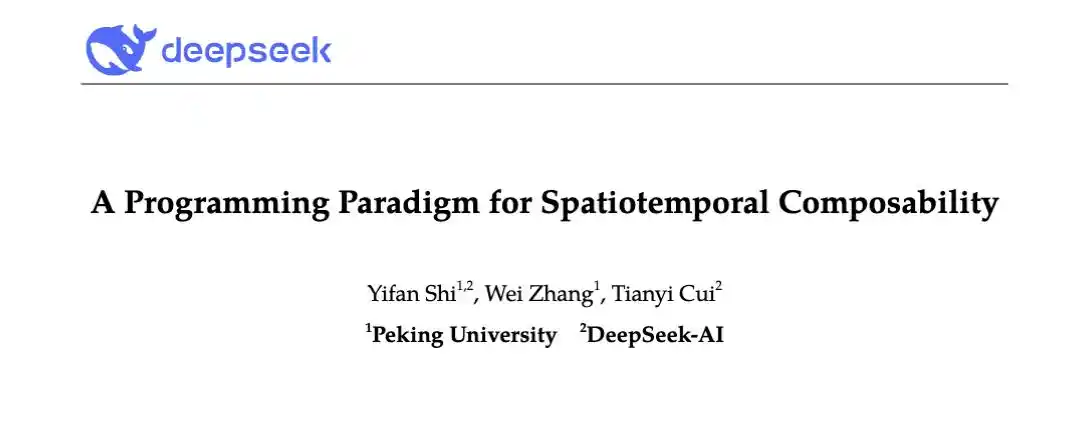
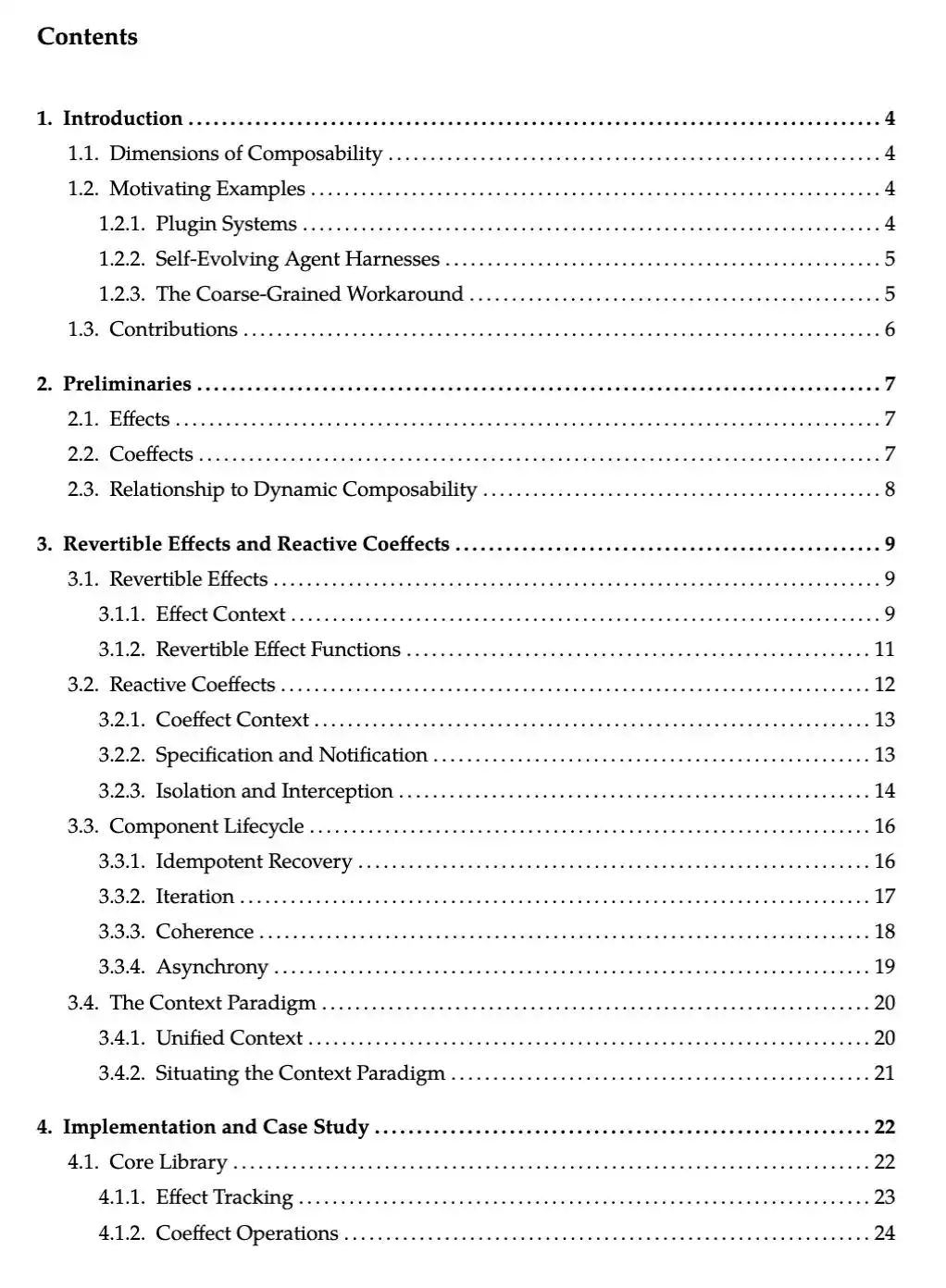
Over eighty pages long, I went through the paper from start to finish and roughly compiled a few takeaways—

1. Cordis provides a set of universal dynamic composition semantics. Components managed through Context can be dynamically loaded, unloaded, and have their managed side effects automatically reclaimed.

2. The mathematical foundation comes from two classical concepts in type theory: effects and coeffects.

3. Not just a lab toy. This design has been running on the Koishi chatbot framework for four years, validated in production environments by over 4,000 community plugins.
And all of this serves the same ambition—

Self-Evolution.

Time and Space: The Two Hurdles for Harness Self-Evolution

There's a counterintuitive reality in the software world: most systems supporting plugins require restarting the entire host process after uninstalling a plugin.

This means that while only one plugin might be deleted, all other loaded plugins have to restart along with it.

Yes, a "plug-in" is actually plugged in and can't be pulled out.

VSCode is a typical case.

The paper states that as of June 9, 2026, among the top 100 extensions in the VSCode Marketplace, 87 contain executable code. Once activated, they cannot be individually unloaded at runtime; disabling or deleting them requires restarting the entire extension host.

This isn't a problem unique to VSCode. The paper points out that almost all plugin architectures have such defects, just to varying degrees.

In ordinary plugin systems, this is troublesome enough, but if the cost is just a restart, it's somewhat acceptable.

But in the context of Agents, it's a completely different problem.

A conventional harness is typically packed with a bunch of things: toolkits, execution environments, permission controls, sandboxes, session states, memory systems... It's an extremely complex engineering system in itself.

And now, it's met with the "Self-Evolving AI"—a mischievous Sun Wukong (Monkey King) who might accidentally modify itself out of existence.

This is also the angle from which DeepSeek 's paper approaches self-evolution:

Future Agents might generate a tool based on a task, install it into the runtime themselves, and if problems are discovered, replace it themselves.

If every time a single line of code is changed, the entire process has to be restarted, the accumulated context, cache—everything could crash.

This is called Temporal Composability.

If dependencies between modules rely on each module patching itself—checking for A today, guessing about B tomorrow... it's easy to inadvertently introduce circular dependencies, which will explode during reloading.

This is called Spatial Composability.

And these two difficulties are precisely the two problems Cordis aims to solve.

DeepSeek's Solution

First, let's supplement two mathematical knowledge points, which are also the two main theoretical pillars of this paper—

Effects and Coeffects.

Simply put, effects characterize "the program's impact on the world"; coeffects characterize "the world's constraints on the program." The two are dual concepts: effect systems enrich types, while coeffect systems enrich contexts.

But there's a problem: in the context of self-evolving AI, frameworks are dynamically loaded.

Classical effect/coeffect systems are static type system tools.

To overcome both the temporal and spatial hurdles simultaneously, the team adapted and upgraded these two concepts for Agent runtimes—"revertible effects" and "reactive coeffects."

Revertible effects target the temporal dimension.

The core definition is just one sentence: every modification to the context must have an explicit inverse function, making side effects reversible.

When loading a plugin, each state modification records the corresponding inverse function, stacking them sequentially into an "undo chain."

When unloading a plugin, this chain is executed in reverse, allowing the system state to be precisely restored to its state before the plugin was loaded.

Think of it like a stack of plates: the last one placed is the first one removed.

This way, the temporal order doesn't get messed up.

Reactive coeffects are responsible for the spatial dimension.

In Cordis, components can declare which dependencies they need, achieving resolvable dependencies.

For example, a chat plugin states it needs a message adapter and a database. It only becomes ACTIVE when both dependencies are satisfied. If one is missing, it stays INACTIVE—not rushing to start, nor running and then throwing a null reference error.

When a provider appears, dependents automatically activate. When a provider is removed, dependents stop first. After they roll back their own effects, the provider completes its unloading.

If a dependency provider unloads, dependents automatically deactivate; if the dependency comes back online, dependents automatically resume. This topological arrangement isn't manually written by developers but automatically derived from declarations.

The combination of the two constitutes the core of Cordis.

The intuitive meaning of "spatiotemporal composability" in the paper's title lies right here.

Koishi

So, has all this just been discussed been validated in practice?

Yes.

And the scale is not small.

The project used for experimental validation in the paper is a chatbot framework called Koishi.

Koishi is built on Cordis. Over four years, it has accumulated over 4,000 community plugins, covering instant messaging adapters, database drivers, admin consoles, and various user functions.

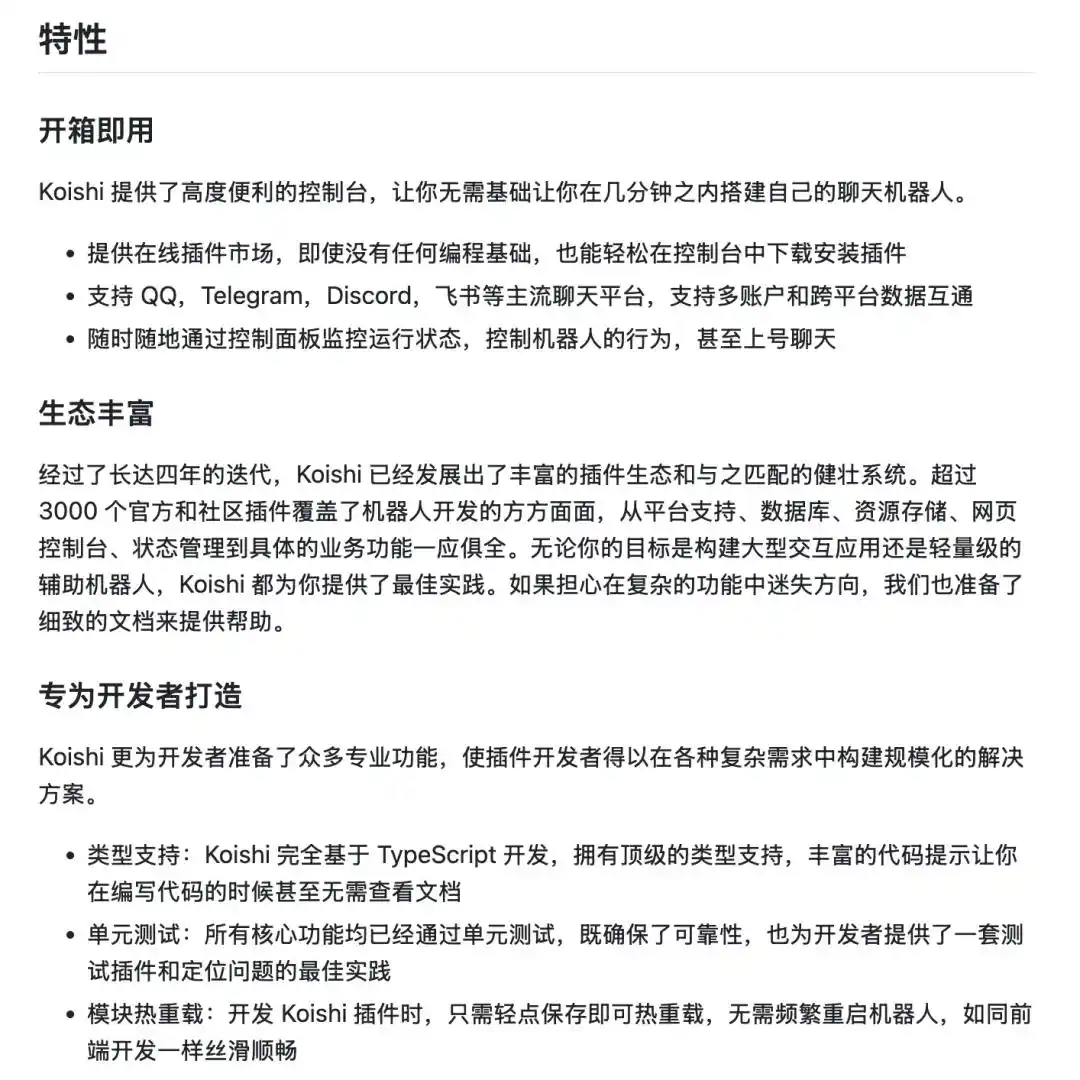
GitHub shows that Koishi is a cross-platform, extensible, high-performance chatbot framework.

Its name and icon design are inspired by the character Komeiji Koishi from Touhou Project.

Komeiji Koishi is a character known for unconscious actions. This name symbolizes the theme of chatbots and also embodies the passion developers poured into it.

A rather interesting README indeed.
So, what is Cordis?

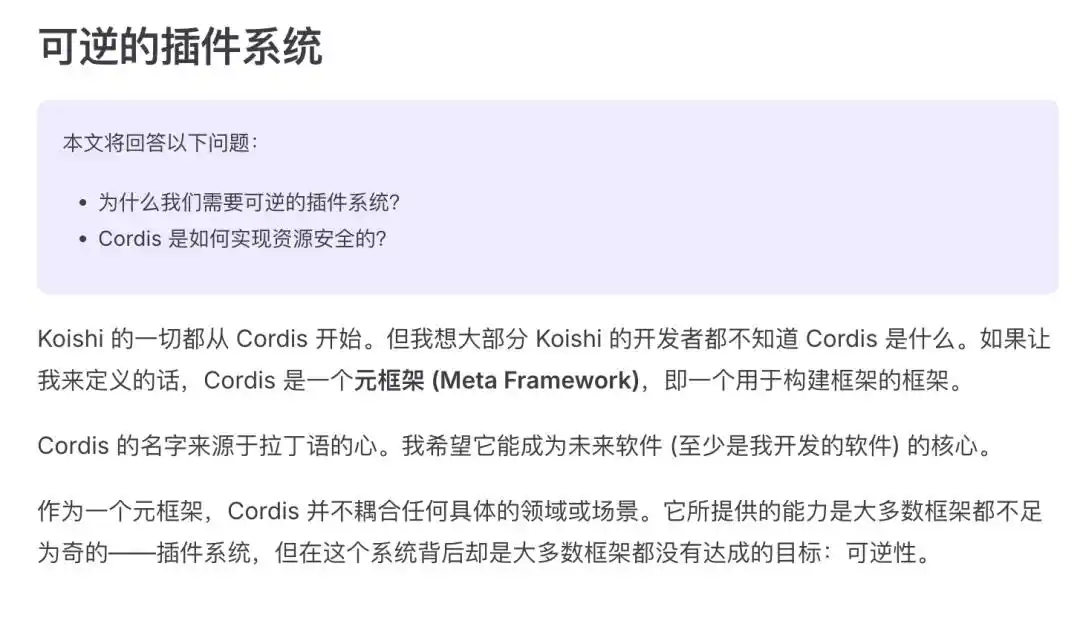
The author of Koishi states that the name Cordis comes from the Latin word for "heart." Everything in Koishi starts from Cordis.

As a meta-framework, Cordis is not coupled to any specific domain or scenario.

The capability it provides is something most frameworks take for granted—a plugin system. But behind this system lies a goal most frameworks haven't achieved: reversibility.

And this sentence was left:

I hope it can become the core of future software (at least the software I develop).

Four years later, DeepSeek 's paper provides the validation.

First, validation of the temporal dimension.

In Koishi, an administrator can disable a plugin from the console. The plugin's impact on the system is rolled back on the spot, while other plugins continue to work.

During development, when a plugin is modified and saved, the modified plugin is reapplied, while caches and connections remain untouched.

Next, validation of the spatial dimension.

In the Koishi ecosystem, IM adapters provide message platform access, database drivers provide persistent storage, and functional plugins declare these as dependencies for direct access.

During actual operation, when switching storage backends or reconnecting adapters, only plugins whose dependencies have actually changed are reactivated. Plugins with unchanged dependencies remain completely still.

It's important to note that these plugins are typically developed independently by different authors. The only coordination between them is the reactive coeffect emphasized by Cordis.

This shows that a set of dynamic composition rules can indeed work in an open plugin ecosystem contributed by different authors.

But the paper doesn't package this case as a perfect demo either.

The team admits that currently, there's only validation data from the single ecosystem of Koishi and the single language of TypeScript, lacking controlled comparisons with alternative architectures...

But the most important thing is pointing out a new direction—a foundational infrastructure for Agent Harness serving self-evolution.

And now the released DeepSeek Harness is precisely the upgraded version of Koishi's Cordis.

Paper Author Introduction

Finally, let's talk about the paper authors as usual.

There are three in total, spanning Peking University and DeepSeek .
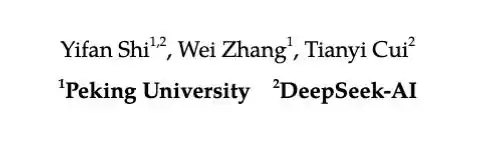
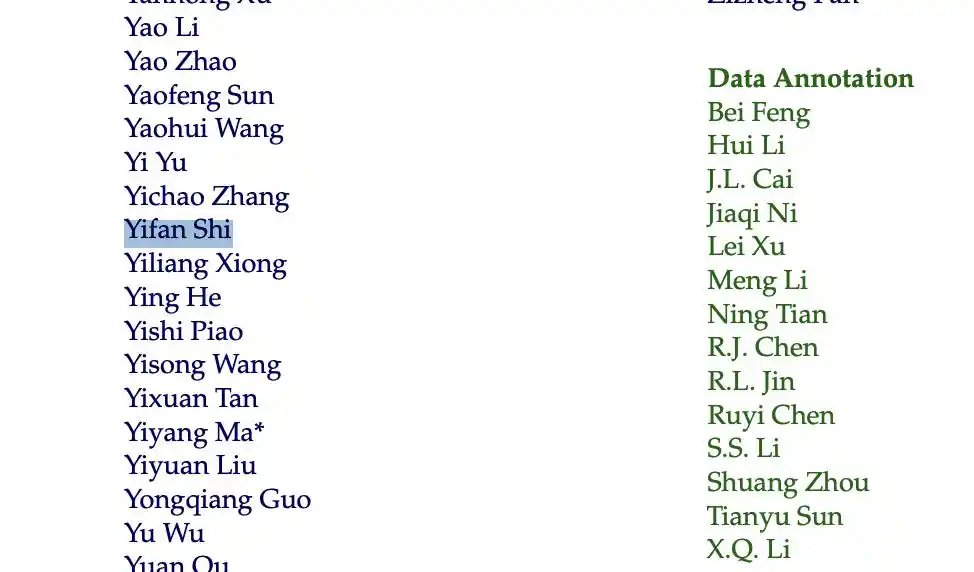
The first author is Yifan Shi, from Peking University and also a member of DeepSeek .

A deeper dive reveals that his name had already appeared in the DeepSeek V3 Technical Report.
The project used for validation in this new paper—Koishi—also originates from him.

Seems to have a strong attachment to "shi": real name Yifan Shi, project named Koishi, GitHub handle Shigma.

(doge)
Back on topic.

Koishi is a repository from four years ago, now with 5.7K stars. One could say this is the origin of everything.

Because the concept of Cordis was also proposed within Koishi.

In 2023, Shigma wrote a design article for the Koishi official documentation titled "Reversible Plugin System," almost the ancestor of this new paper.
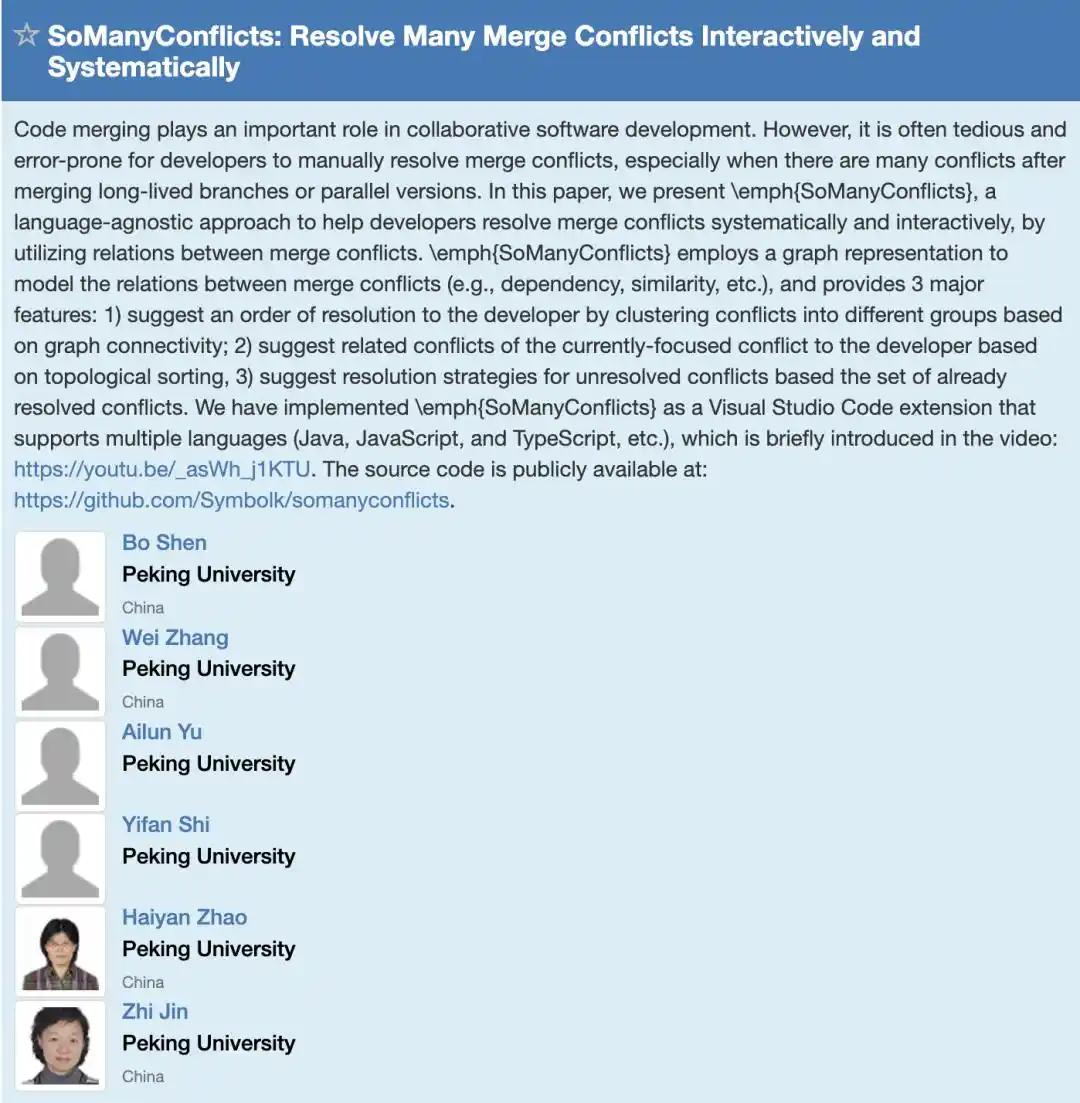
Wei Zhang, also from Peking University, is an Associate Professor at the Software Research Institute, School of Computer Science, Peking University.

The school's website shows that Wei Zhang's research areas mainly cover software engineering and programming languages.

In 1999, he graduated with a bachelor's degree in Engineering Thermophysics from Nanjing University of Aeronautics and Astronautics. Subsequently, he shifted towards computer science, obtaining a Master's degree in Computer Science from Nanjing University of Aeronautics and Astronautics in 2002.

After his master's, Zhang Wei entered Peking University to pursue his Ph.D., earning a Doctorate in Computer Software and Theory in 2006.

After his doctorate, he directly took a position at Peking University and has since been engaged in research and teaching in software engineering, programming languages, and related directions.

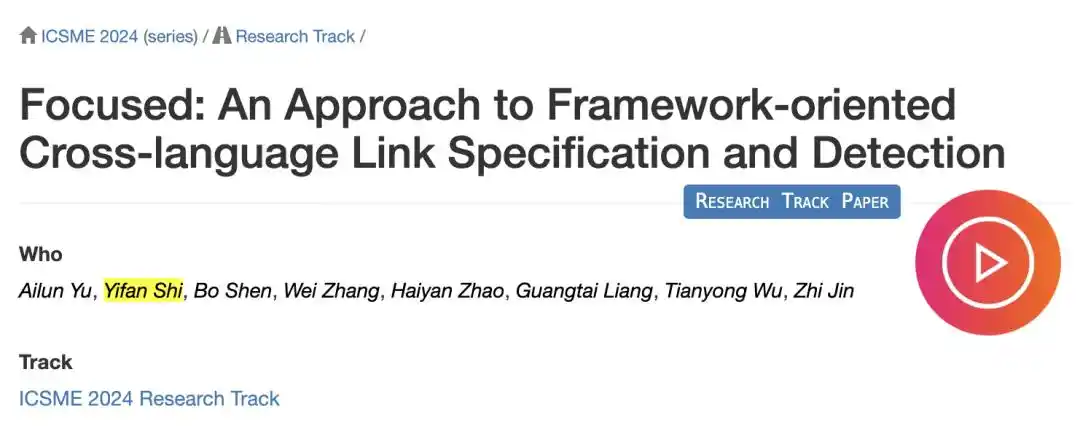
Notably, as early as 2021 at ASE, Wei Zhang collaborated with Yifan Shi.
In 2024, the two published another ICSME paper together: "Focused: An Approach to Framework-oriented Cross-language Link Specification and Detection."
Finally, an old acquaintance.

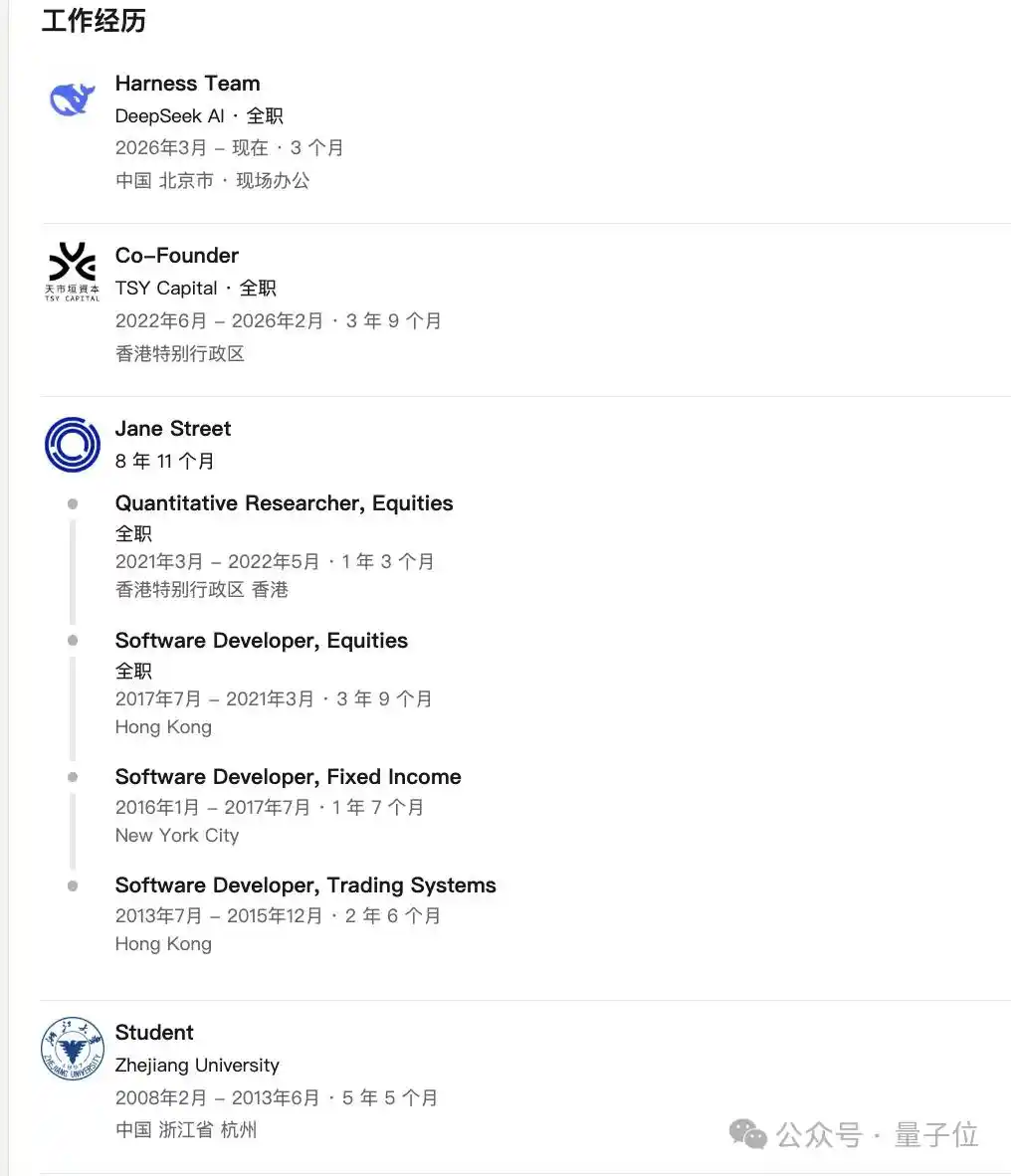
Tianyi Cui, DeepSeek Harness Team Lead. Undergraduate graduate from Zhejiang University's Computer Science Department, junior to Wenfeng Liang.

During his studies, Tianyi Cui was admitted to Zhejiang University via NOIP/informatics competition recommendation and won gold medals in the ACM International Collegiate Programming Contest Asian Regional six times.

After graduation, he worked for nine years at Jane Street's Hong Kong and New York offices.
Paper Link: https://github.com/cordiverse/paperKoishi: https://github.com/koishijs/koishi

This article is from the WeChat public account "Qubit," author: Jay

Трендові криптовалюти

Пов'язані питання

QWhat is the core concept of the Cordis system introduced in the DeepSeek paper, and what does it enable?

AThe core concept of Cordis is a 'Lego baseplate' programming paradigm for spatiotemporal composability. It enables everything to be a plugin and everything to be recombinable. Its central design allows for dynamic loading and unloading of plugins and the automatic reclamation of their side effects, serving as the foundation for agent self-evolution.

QWhat two key challenges for agent self-evolution does the paper identify, and what does Cordis propose to solve them?

AThe paper identifies two key challenges: Temporal Composability and Spatial Composability. Temporal composability refers to the inability to dynamically change code (e.g., update a tool) without restarting the entire process and losing context. Spatial composability refers to the complexity of managing dependencies between modules without creating conflicts. Cordis solves these with 'revertible effects' (for time) and 'reactive coeffects' (for space), providing a framework for safe, dynamic composition.

QWhat is 'Koishi' and what role does it play in validating the Cordis system?

AKoishi is a cross-platform, extensible, high-performance chatbot framework built on Cordis. It serves as the practical validation system for the Cordis concepts. With over 4000 community plugins developed independently over four years, it demonstrates that Cordis's dynamic composition rules for temporal and spatial dependencies work effectively in a large-scale, open-source production environment.

QAccording to the article, what is a major limitation of current plugin systems like VSCode's that Cordis aims to overcome?

AA major limitation is the lack of true runtime uninstallability. In systems like VSCode, once a plugin with executable code is activated, it cannot be individually unloaded at runtime. Disabling or removing it requires a full restart of the extension host process, which impacts all other loaded plugins and loses state. Cordis's revertible effects allow precise, on-the-fly unloading and state reversion.

QWho are the main authors of the paper, and what is their background connection to the project?

AThe three main authors are Yifan Shi (first author, Peking University & DeepSeek), Wei Zhang (Peking University professor), and Tianyi Cui (DeepSeek Harness team lead). Yifan Shi is the original creator of the Koishi framework, which is the practical foundation for Cordis. He and Wei Zhang have collaborated on previous research. Tianyi Cui brings industry experience from Jane Street to lead the Harness team applying these concepts.

Пов'язані матеріали

Report: Bank of Japan Could Raise Interest Rates as Early as September, with Subsequent Pace Possibly Accelerating

According to Reuters, the Bank of Japan (BOJ) faces mounting pressure to raise interest rates, with a potential hike as early as September. Sources familiar with the internal discussions indicate the central bank is considering accelerating its tightening pace beyond the current schedule of roughly two increases per year. The September 17-18 policy meeting is now viewed as a critical juncture, with market pricing suggesting an approximately 80% probability of a rate hike. This would mark a third increase for 2024, potentially shifting expectations toward a quarterly tightening cycle. Key drivers behind this hawkish shift are multifaceted inflation risks. A persistently weak yen, near a 40-year low, continues to push up import costs. High wholesale prices at a three-year peak signal pending cost pass-through to consumers. Furthermore, inflation expectations among households, businesses, and economists are nearing or exceeding the BOJ's 2% target, raising concerns about de-anchoring. External factors, including energy price volatility from Middle East conflicts and strong global AI-related demand, add further upward pressure. Internal BOJ communications reveal a growing urgency. The July policy meeting summary showed some board members advocating for faster action to avoid "falling behind the curve." Governor Kazuo Ueda acknowledged the need to consider these heightened inflation risks, suggesting the pace of hikes could be increased if financial conditions are deemed too loose. This sentiment underscores a decisive shift within the BOJ toward preemptive monetary tightening.

marsbit6 хв тому

Report: Bank of Japan Could Raise Interest Rates as Early as September, with Subsequent Pace Possibly Accelerating

marsbit6 хв тому

To Counter Quantum Threat, Ethereum Abandons Poseidon and Switches to Traditional Hashes

On August 13th, Ethereum researcher Justin Drake announced a strategic pivot in the face of the quantum computing threat: the Ethereum Foundation will abandon the SNARK-friendly hash function Poseidon at the L1 level in favor of traditional hash functions like SHA2 or BLAKE2. This decision, informed by eight years of research, represents a major shift in Ethereum's post-quantum cryptography roadmap. Poseidon, introduced in 2019, has been favored for zkRollups and zkVMs due to its efficiency within SNARK circuits. However, its shorter cryptographic history and analysis timeline became liabilities when post-quantum security became a critical requirement. The change is enabled by breakthroughs in SNARK design, particularly the adoption of "binary field" arithmetic. This allows traditional hash functions (which rely heavily on bitwise operations) to be verified efficiently in SNARKs, with recent benchmarks achieving millions of hashes per second on a laptop. Another key driver is the accelerating timeline of the quantum threat. Reports warn that "Cryptographically Relevant Quantum Computers" (CRQCs) could break current public-key cryptography (like ECDSA) as early as the 2030s, risking trillions in on-chain assets. The enhanced cryptanalysis capabilities of AI have also weakened some post-quantum candidates, pushing Ethereum towards hash-based schemes, deemed more quantum-resistant. Ethereum's post-quantum deployment plan aims for a production-ready leanVM by 2027, followed by full deployment across the consensus, execution, and data availability layers by 2028. This leanVM will aggregate numerous large post-quantum signatures into a single compact proof per block. Other major blockchains are also preparing. Solana's core developers have independently chosen the NIST-standardized Falcon signature scheme for their post-quantum roadmap. Starknet has outlined a multi-phase plan, starting with replacing its Pedersen hash with BLAKE2. By moving from the specialized Poseidon to the battle-tested SHA2/BLAKE2, Ethereum is opting for mature, widely analyzed cryptographic primitives, prioritizing long-term security assurance in the quantum era.

marsbit34 хв тому

To Counter Quantum Threat, Ethereum Abandons Poseidon and Switches to Traditional Hashes

marsbit34 хв тому

Nomura Research Report Insights: Lumentum's Performance Confirms Continued Shortage of Optical Chips, Chinese Suppliers See Structural Opportunities

Lumentum's Q4 FY26 earnings, with revenue surging 109% YoY to $1.01B, confirm a sustained global shortage of key optical chips like EML and CW lasers. Nomura's analysis indicates this supply-demand imbalance is expected to persist through FY26-FY27, driven by explosive demand from AI data centers. This shortage creates a structural window of opportunity for Chinese suppliers. Lumentum's performance highlights strong demand across laser categories: narrow linewidth laser component shipments grew over 130% YoY, and pump laser shipments grew 80%. EML sales set a quarterly record, fueled by 100G demand, with 200G EML accelerating to over 25% of related revenue. CW lasers are dominating 1.6T silicon photonics applications, while EML is projected to regain share in the 3.2T era. The technological roadmap is clear, with NPO (Near-Packaged Optics) seen as an incremental step before CPO (Co-Packaged Optics) commercialization around 2027-2028. Furthermore, Lumentum's Optical Circuit Switch (OCS) shipments doubled quarter-over-quarter, aligning with AI data center architectural upgrades. Nomura identifies specific Chinese companies poised to benefit: chipmaker Source Photonics for global market share gains, module leader InnoLight from the 800G-to-1.6T upgrade and silicon photonics adoption, and Tianfu Communication from incremental NPO opportunities. The report issues ratings and price targets for these A-share companies. In summary, Lumentum's results signal a structural shift where AI-driven bandwidth demand is outpacing upstream optical chip supply, creating a strategic window for the Chinese optical communication supply chain.

marsbit46 хв тому

Nomura Research Report Insights: Lumentum's Performance Confirms Continued Shortage of Optical Chips, Chinese Suppliers See Structural Opportunities

marsbit46 хв тому

Торгівля

Спот

Популярні статті

Що таке $S$

Розуміння SPERO: Комплексний огляд Вступ до SPERO Оскільки ландшафт інновацій продовжує еволюціонувати, виникнення технологій web3 та криптовалютних проектів відіграє ключову роль у формуванні цифрового майбутнього. Один з проектів, який привернув увагу в цій динамічній сфері, — це SPERO, позначений як SPERO,$$s$. Ця стаття має на меті зібрати та представити детальну інформацію про SPERO, щоб допомогти ентузіастам та інвесторам зрозуміти його основи, цілі та інновації в рамках web3 та крипто-сектору. Що таке SPERO,$$s$? SPERO,$$s$ — це унікальний проект у криптопросторі, який прагне використати принципи децентралізації та технології блокчейн для створення екосистеми, що сприяє залученню, корисності та фінансовій інклюзії. Проект розроблений для полегшення взаємодії між користувачами новими способами, надаючи їм інноваційні фінансові рішення та послуги. У своїй основі SPERO,$$s$ прагне надати можливості індивідам, забезпечуючи інструменти та платформи, які покращують користувацький досвід у криптовалютному просторі. Це включає в себе можливість більш гнучких методів транзакцій, сприяння ініціативам, що підтримуються спільнотою, та створення шляхів для фінансових можливостей через децентралізовані додатки (dApps). Основна концепція SPERO,$$s$ обертається навколо інклюзивності, прагнучи зменшити розриви в традиційній фінансовій системі, використовуючи переваги технології блокчейн. Хто є творцем SPERO,$$s$? Особистість творця SPERO,$$s$ залишається дещо невідомою, оскільки є обмежені публічно доступні ресурси, що надають детальну інформацію про його засновників. Ця відсутність прозорості може бути наслідком зобов'язання проекту до децентралізації — етики, яку багато проектів web3 поділяють, ставлячи колективні внески вище за індивідуальне визнання. Зосереджуючи обговорення навколо спільноти та її колективних цілей, SPERO,$$s$ втілює суть наділення без виділення конкретних осіб. Таким чином, розуміння етики та місії SPERO є більш важливим, ніж ідентифікація єдиного творця. Хто є інвесторами SPERO,$$s$? SPERO,$$s$ підтримується різноманітними інвесторами, починаючи від венчурних капіталістів до ангельських інвесторів, які прагнуть сприяти інноваціям у крипто-секторі. Зосередження цих інвесторів зазвичай узгоджується з місією SPERO — пріоритет надається проектам, які обіцяють технологічний прогрес у суспільстві, фінансову інклюзію та децентралізоване управління. Ці інвесторські фонди зазвичай зацікавлені в проектах, які не лише пропонують інноваційні продукти, але й позитивно впливають на спільноту блокчейн та її екосистеми. Підтримка з боку цих інвесторів підкріплює SPERO,$$s$ як значного конкурента в швидко змінюваній сфері крипто-проектів. Як працює SPERO,$$s$? SPERO,$$s$ використовує багатогранну структуру, яка відрізняє його від традиційних криптовалютних проектів. Ось деякі ключові особливості, які підкреслюють його унікальність та інноваційність: Децентралізоване управління: SPERO,$$s$ інтегрує моделі децентралізованого управління, надаючи користувачам можливість активно брати участь у процесах прийняття рішень щодо майбутнього проекту. Цей підхід сприяє відчуттю власності та відповідальності серед членів спільноти. Корисність токена: SPERO,$$s$ використовує свій власний криптовалютний токен, розроблений для виконання різних функцій в екосистемі. Ці токени дозволяють здійснювати транзакції, отримувати винагороди та полегшувати послуги, що пропонуються на платформі, підвищуючи загальну залученість та корисність. Шарова архітектура: Технічна архітектура SPERO,$$s$ підтримує модульність та масштабованість, що дозволяє безперешкодно інтегрувати додаткові функції та додатки в міру розвитку проекту. Ця адаптивність є надзвичайно важливою для збереження актуальності в постійно змінюваному крипто-ландшафті. Залучення спільноти: Проект підкреслює ініціативи, що підтримуються спільнотою, використовуючи механізми, які стимулюють співпрацю та зворотний зв'язок. Підтримуючи сильну спільноту, SPERO,$$s$ може краще задовольняти потреби користувачів та адаптуватися до ринкових тенденцій. Фокус на інклюзію: Пропонуючи низькі комісії за транзакції та зручні інтерфейси, SPERO,$$s$ прагне залучити різноманітну базу користувачів, включаючи осіб, які раніше не брали участі в крипто-просторі. Це зобов'язання до інклюзії узгоджується з його загальною місією наділення через доступність. Хронологія SPERO,$$s$ Розуміння історії проекту надає важливі уявлення про його розвиток та етапи. Нижче наведено пропоновану хронологію, що відображає значні події в еволюції SPERO,$$s$: Етап концептуалізації та ідеації: Початкові ідеї, що стали основою SPERO,$$s$, були сформовані, тісно пов'язані з принципами децентралізації та фокусом на спільноті в індустрії блокчейн. Запуск білого паперу проекту: Після концептуального етапу був випущений комплексний білий папір, що детально описує бачення, цілі та технологічну інфраструктуру SPERO,$$s$, щоб залучити інтерес та зворотний зв'язок від спільноти. Створення спільноти та ранні залучення: Активні зусилля були спрямовані на створення спільноти ранніх прихильників та потенційних інвесторів, що полегшило обговорення цілей проекту та отримання підтримки. Подія генерації токенів: SPERO,$$s$ провів подію генерації токенів (TGE) для розподілу своїх рідних токенів серед ранніх прихильників та встановлення початкової ліквідності в екосистемі. Запуск початкового dApp: Перший децентралізований додаток (dApp), пов'язаний з SPERO,$$s$, став доступним, дозволяючи користувачам взаємодіяти з основними функціями платформи. Постійний розвиток та партнерства: Безперервні оновлення та вдосконалення пропозицій проекту, включаючи стратегічні партнерства з іншими учасниками блокчейн-простору, сформували SPERO,$$s$ у конкурентоспроможного та еволюціонуючого гравця на крипто-ринку. Висновок SPERO,$$s$ є свідченням потенціалу web3 та криптовалют для революціонізації фінансових систем та наділення індивідів. Завдяки зобов'язанню до децентралізованого управління, залучення спільноти та інноваційно спроектованих функцій, він прокладає шлях до більш інклюзивного фінансового ландшафту. Як і з будь-якими інвестиціями в швидко змінюваному крипто-просторі, потенційним інвесторам та користувачам рекомендується ретельно досліджувати та обдумано взаємодіяти з поточними подіями в SPERO,$$s$. Проект демонструє інноваційний дух крипто-індустрії, запрошуючи до подальшого дослідження його численних можливостей. Хоча подорож SPERO,$$s$ ще триває, його основні принципи можуть справді вплинути на майбутнє того, як ми взаємодіємо з технологією, фінансами та один з одним у взаємопов'язаних цифрових екосистемах.

315 переглядів усьогоОпубліковано 2024.12.17Оновлено 2024.12.17

Що таке $S$

Що таке AGENT S

Агент S: Майбутнє автономної взаємодії в Web3 Вступ У постійно змінюваному ландшафті Web3 та криптовалюти інновації постійно переосмислюють, як люди взаємодіють з цифровими платформами. Один з таких новаторських проектів, Агент S, обіцяє революціонізувати взаємодію людини з комп'ютером через свою відкриту агентну структуру. Прокладаючи шлях для автономних взаємодій, Агент S прагне спростити складні завдання, пропонуючи трансформаційні застосування в штучному інтелекті (ШІ). Це детальне дослідження заглиблюється в складності проекту, його унікальні особливості та наслідки для сфери криптовалюти. Що таке Агент S? Агент S є революційною відкритою агентною структурою, спеціально розробленою для вирішення трьох основних викликів в автоматизації комп'ютерних завдань: Набуття специфічних знань у галузі: Структура інтелектуально навчається з різних зовнішніх джерел знань та внутрішнього досвіду. Цей подвійний підхід дозволяє їй створити багатий репозиторій специфічних знань у галузі, покращуючи її продуктивність у виконанні завдань. Планування на довгих горизонтах завдань: Агент S використовує планування з підкріпленням досвіду, стратегічний підхід, який полегшує ефективний розподіл та виконання складних завдань. Ця функція значно підвищує її здатність ефективно та результативно управляти кількома підзавданнями. Обробка динамічних, неоднорідних інтерфейсів: Проект представляє Інтерфейс Агент-Комп'ютер (ACI), інноваційне рішення, яке покращує взаємодію між агентами та користувачами. Використовуючи багатомодальні великі мовні моделі (MLLMs), Агент S може безперешкодно орієнтуватися та маніпулювати різноманітними графічними інтерфейсами користувача. Завдяки цим новаторським функціям Агент S надає надійну структуру, яка вирішує складнощі, пов'язані з автоматизацією людської взаємодії з машинами, прокладаючи шлях для численних застосувань у ШІ та за його межами. Хто є творцем Агент S? Хоча концепція Агент S є фундаментально новаторською, конкретна інформація про його творця залишається невідомою. Творець наразі невідомий, що підкреслює або початкову стадію проекту, або стратегічний вибір зберегти засновників у таємниці. Незважаючи на анонімність, акцент залишається на можливостях та потенціалі структури. Хто є інвесторами Агент S? Оскільки Агент S є відносно новим у криптографічній екосистемі, детальна інформація про його інвесторів та фінансових спонсорів не задокументована. Відсутність публічно доступних відомостей про інвестиційні фонди або організації, що підтримують проект, викликає питання щодо його фінансової структури та дорожньої карти розвитку. Розуміння підтримки є критично важливим для оцінки стійкості проекту та потенційного впливу на ринок. Як працює Агент S? В основі Агент S лежить передова технологія, яка дозволяє йому ефективно функціонувати в різних умовах. Його операційна модель побудована навколо кількох ключових функцій: Взаємодія з комп'ютером, подібна до людської: Структура пропонує розширене планування ШІ, прагнучи зробити взаємодії з комп'ютерами більш інтуїтивними. Імітуючи людську поведінку при виконанні завдань, вона обіцяє підвищити досвід користувачів. Наративна пам'ять: Використовується для використання високорівневого досвіду, Агент S використовує наративну пам'ять для відстеження історій завдань, тим самим покращуючи свої процеси прийняття рішень. Епізодична пам'ять: Ця функція надає користувачам покрокові інструкції, дозволяючи структурі пропонувати контекстуальну підтримку в міру виконання завдань. Підтримка OpenACI: Завдяки можливості працювати локально, Агент S дозволяє користувачам зберігати контроль над своїми взаємодіями та робочими процесами, узгоджуючи з децентралізованою етикою Web3. Легка інтеграція з зовнішніми API: Його універсальність і сумісність з різними платформами ШІ забезпечують те, що Агент S може безперешкодно вписатися в існуючі технологічні екосистеми, роблячи його привабливим вибором для розробників та організацій. Ці функціональні можливості колективно сприяють унікальному положенню Агент S у крипто-просторі, оскільки він автоматизує складні, багатоступеневі завдання з мінімальним втручанням людини. У міру розвитку проекту його потенційні застосування в Web3 можуть переосмислити, як відбуваються цифрові взаємодії. Хронологія Агент S Розробка та етапи Агент S можуть бути узагальнені в хронології, яка підкреслює його значні події: 27 вересня 2024 року: Концепція Агент S була представлена в комплексній науковій статті під назвою “Відкрита агентна структура, яка використовує комп'ютери як людина”, що демонструє основи проекту. 10 жовтня 2024 року: Наукова стаття була опублікована на arXiv, пропонуючи детальне дослідження структури та її оцінки продуктивності на основі бенчмарку OSWorld. 12 жовтня 2024 року: Було випущено відеопрезентацію, що надає візуальне уявлення про можливості та особливості Агент S, ще більше залучаючи потенційних користувачів та інвесторів. Ці маркери в хронології не лише ілюструють прогрес Агент S, але й вказують на його прихильність до прозорості та залучення громади. Ключові моменти про Агент S У міру розвитку структури Агент S кілька ключових характеристик виділяються, підкреслюючи її новаторський характер та потенціал: Інноваційна структура: Розроблена для забезпечення інтуїтивного використання комп'ютерів, подібного до людської взаємодії, Агент S пропонує новий підхід до автоматизації завдань. Автономна взаємодія: Здатність автономно взаємодіяти з комп'ютерами через GUI означає стрибок до більш інтелектуальних та ефективних обчислювальних рішень. Автоматизація складних завдань: Завдяки своїй надійній методології він може автоматизувати складні, багатоступеневі завдання, роблячи процеси швидшими та менш схильними до помилок. Безперервне вдосконалення: Механізми навчання дозволяють Агенту S покращуватися на основі минулого досвіду, постійно підвищуючи свою продуктивність та ефективність. Універсальність: Його адаптивність до різних операційних середовищ, таких як OSWorld та WindowsAgentArena, забезпечує його здатність служити широкому спектру застосувань. Оскільки Агент S займає своє місце в ландшафті Web3 та криптовалюти, його потенціал покращити можливості взаємодії та автоматизувати процеси означає значний прогрес у технологіях ШІ. Завдяки своїй інноваційній структурі Агент S є прикладом майбутнього цифрових взаємодій, обіцяючи більш безперешкодний та ефективний досвід для користувачів у різних галузях. Висновок Агент S представляє собою сміливий крок вперед у поєднанні ШІ та Web3, з можливістю переосмислити, як ми взаємодіємо з технологією. Хоча проект все ще на ранніх стадіях, можливості для його застосування є величезними та переконливими. Завдяки своїй комплексній структурі, що вирішує критичні виклики, Агент S прагне вивести автономні взаємодії на передній план цифрового досвіду. У міру того, як ми заглиблюємося в сфери криптовалюти та децентралізації, проекти, подібні до Агент S, безсумнівно, відіграватимуть ключову роль у формуванні майбутнього технологій та співпраці людини з комп'ютером.

926 переглядів усьогоОпубліковано 2025.01.14Оновлено 2025.01.14

Що таке AGENT S

Як купити S

Ласкаво просимо до HTX.com! Ми зробили покупку Sonic (S) простою та зручною. Дотримуйтесь нашої покрокової інструкції, щоб розпочати свою криптовалютну подорож.Крок 1: Створіть обліковий запис на HTXВикористовуйте свою електронну пошту або номер телефону, щоб зареєструвати обліковий запис на HTX безплатно. Пройдіть безпроблемну реєстрацію й отримайте доступ до всіх функцій.ЗареєструватисьКрок 2: Перейдіть до розділу Купити крипту і виберіть спосіб оплатиКредитна/дебетова картка: використовуйте вашу картку Visa або Mastercard, щоб миттєво купити Sonic (S).Баланс: використовуйте кошти з балансу вашого рахунку HTX для безперешкодної торгівлі.Треті особи: ми додали популярні способи оплати, такі як Google Pay та Apple Pay, щоб підвищити зручність.P2P: Торгуйте безпосередньо з іншими користувачами на HTX.Позабіржова торгівля (OTC): ми пропонуємо індивідуальні послуги та конкурентні обмінні курси для трейдерів.Крок 3: Зберігайте свої Sonic (S)Після придбання Sonic (S) збережіть його у своєму обліковому записі на HTX. Крім того, ви можете відправити його в інше місце за допомогою блокчейн-переказу або використовувати його для торгівлі іншими криптовалютами.Крок 4: Торгівля Sonic (S)Легко торгуйте Sonic (S) на спотовому ринку HTX. Просто увійдіть до свого облікового запису, виберіть торгову пару, укладайте угоди та спостерігайте за ними в режимі реального часу. Ми пропонуємо зручний досвід як для початківців, так і для досвідчених трейдерів.

2.0k переглядів усьогоОпубліковано 2025.01.15Оновлено 2026.06.02

Як купити S

Обговорення

Ласкаво просимо до спільноти HTX. Тут ви можете бути в курсі останніх подій розвитку платформи та отримати доступ до професійної ринкової інформації. Нижче представлені думки користувачів щодо ціни S (S).

活动图片