70% of the Public Opposes AI, Americans Hope the U.S. Loses the AI War

marsbitОпубліковано о 2026-06-06Востаннє оновлено о 2026-06-06

Анотація

70% of Americans believe AI development is moving too fast, with growing public resistance evolving from online criticism to real-world protests and violence. This widespread anti-AI sentiment stems from fears of job losses, rising utility costs, environmental damage, threats to democracy, and financial instability. Key incidents illustrate the backlash: Google's former CEO Eric Schmidt was loudly booed at a graduation for promoting AI; AI company ads are vandalized; protests and even violent attacks target AI firms and data centers. Polls show deep public pessimism and strong local opposition to data center construction, often surpassing resistance to nuclear power plants. The core grievances are economic and practical: AI is seen as automating jobs, concentrating wealth, and increasing household electricity and water bills due to massive data center resource demands. Environmentalists also oppose AI's high energy use and carbon emissions. This opposition has turned AI into a major political issue in the US. While the Trump administration prioritizes AI innovation for global competition, bipartisan pushback is growing. Democrats and factions within the MAGA movement are forming temporary alliances to support stricter regulations and local bans on new data centers, pressuring the administration to choose between its tech industry backers and its voter base. The situation highlights a profound national divide over AI's future.

"Young people, you shouldn't ask if AI will reshape the world—it definitely will. The question is whether you can participate in and influence AI's development."

If this were said at a Chinese student's graduation ceremony, most would probably think it sounds quite reasonable. That's the trend of the times, and one should indeed actively embrace AI.

But when American students heard it, they just wanted to punch the speaker.

I. The Great Anti-AI Unification

The opening quote came from former Google CEO Eric Schmidt during his speech at the University of Arizona's graduation ceremony. After he said it, the students in the audience collectively let out piercing boos. Every subsequent mention of AI was met with jeers, making the scene extremely awkward.
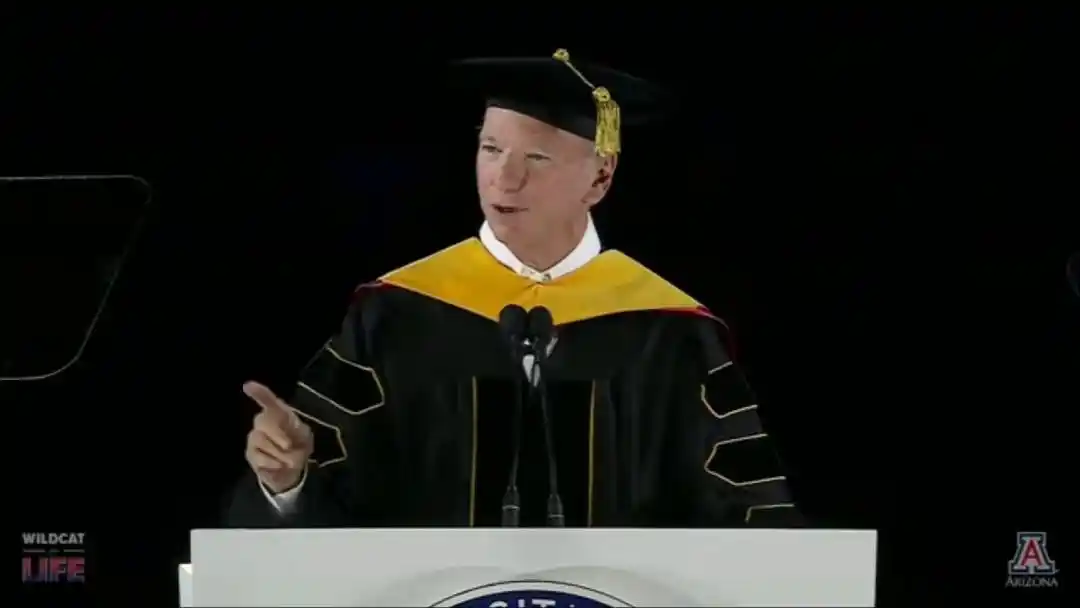
Unsurprisingly, the video was uploaded online, and the unfortunate Schmidt suffered secondary damage. On social media platforms like X and others, a large number of people criticized him, calling him too evil, saying he wanted to be a slave owner, and even accusing Schmidt of being anti-human.

American netizens who love sarcasm also posted a bunch of memes mocking him, basically implying that Schmidt, as a capitalist, wants to squeeze dry these future wage laborers.
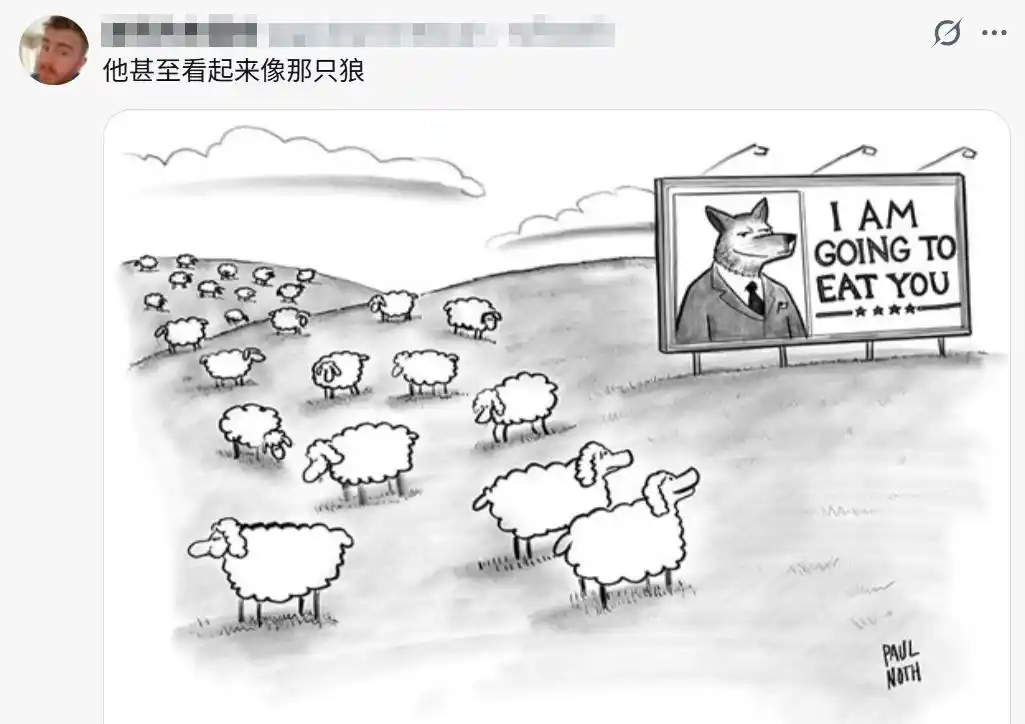
As a tech industry big shot, talking to young people about the importance of AI—how did that become a heinous crime?

This touches on something counter-intuitive. Although the U.S. is proudly one of the countries with the most advanced AI technology, many ordinary people deeply dislike this technology, and the anti-AI sentiment is also the strongest in the world.

Yes, you heard that right. A recent large-scale poll by The Economist and YouGov shows that a staggering 70% of Americans believe AI development is currently "too fast," requiring stronger regulation, cautious project analysis, and a pause to wait for the people. Moreover, people are increasingly pessimistic about AI's prospects and long-term social impact. The proportion of respondents holding a pessimistic view is as high as 51%, with another 24% unsure. Only 25% are truly optimistic.

Another polling organization, Gallup, revealed in a March poll a phenomenon that has alarmed all AI giants: Now 71% of Americans oppose building AI data centers in their local communities, with 48% strongly opposing, making them widely disliked. The most ironic part is that this proportion even exceeds those who oppose building nuclear power plants locally. When faced with the risk of a Fukushima-like disaster versus a data center, people would rather choose the former.

(Gallup)

American aversion and resistance to AI isn't just online talk. It has now rapidly developed to the real-life, offline stage.

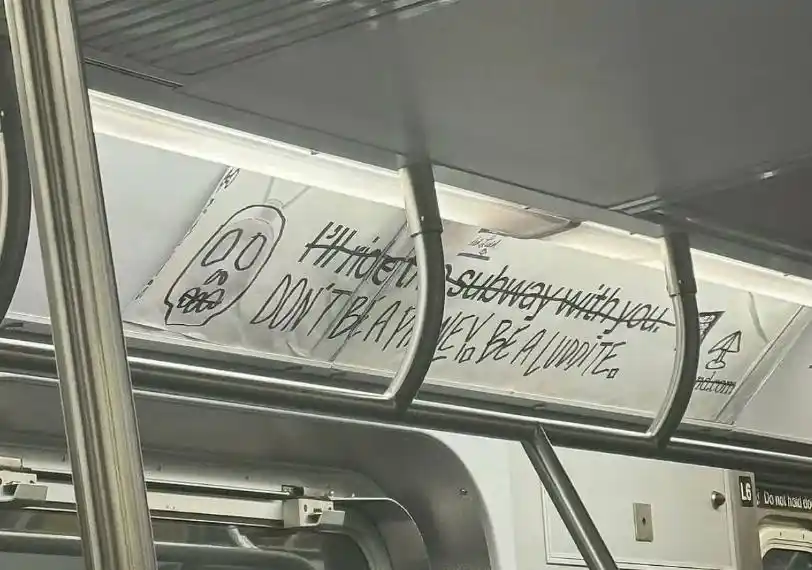
Late last year, the American AI startup Friend spent over a million dollars placing large ads in the New York subway to promote their wearable AI companion pendant. But they soon discovered their ads were vandalized with graffiti, covered in various mocking words. Since the brand is called Friend, opponents directly added, "AI is not your friend."

Besides witty additions, there were threatening messages referencing past scandals, like writing "AI suggested suicide"; sarcastic ones saying "AI friends can't shower with you, they're not waterproof"; and random scribbles, directly turning the product pendant into a skull. The wildly different styles clearly came from different people. A million dollars in ad money ended up as an anti-AI message board.
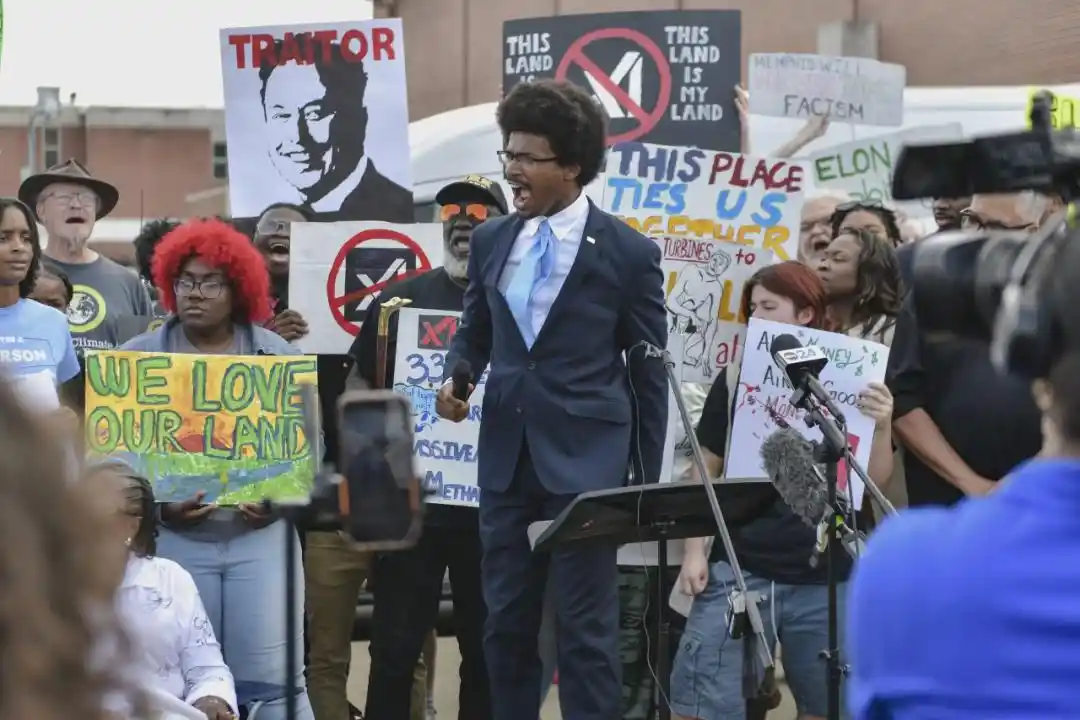
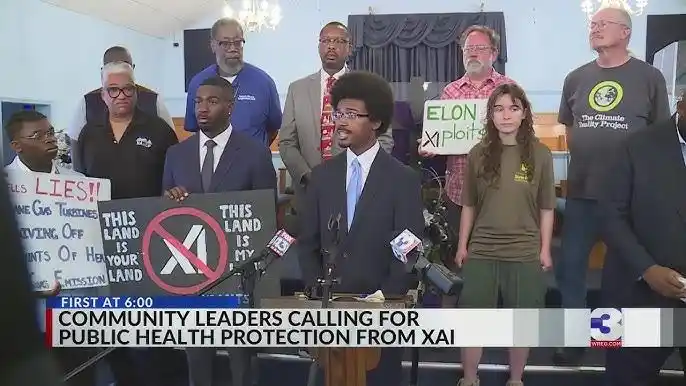
But Friend is considered lucky—at least they weren't confronted directly. Previously, Silicon Valley has seen multiple anti-AI protests and demonstrations. Participants, holding high banners with slogans like "Stop the AI Race" and "Pause AI," marched in large numbers towards the headquarters of these tech companies to give them a hard time.

Photos of big shots like Elon Musk and Sam Altman were also tagged with "traitor" labels and paraded through bustling areas, which was very humiliating.
But for these big shots, being publicly shamed isn't the worst. In more remote areas, people's resistance to data centers is what's truly deadly.

Virginia, Pennsylvania, North Carolina, and several other states have all seen local residents obstructing data center construction. They not only held signs pressuring local government offices but also continuously harassed construction sites and workers. Last year, at least 48 data center projects were delayed or canceled due to local resident protests, involving a total investment of $156 billion. In the first quarter of 2026, a record-breaking 20 data center projects were canceled for the same reason.

Even if local officials like Commissioner Smith try to push data center projects despite pressure, it's hard to succeed because the public will vote you out. In April 2026, residents of Festus, Missouri, directly voted to recall half of the city council members because the council approved an AI data center project. That's how tough they are.
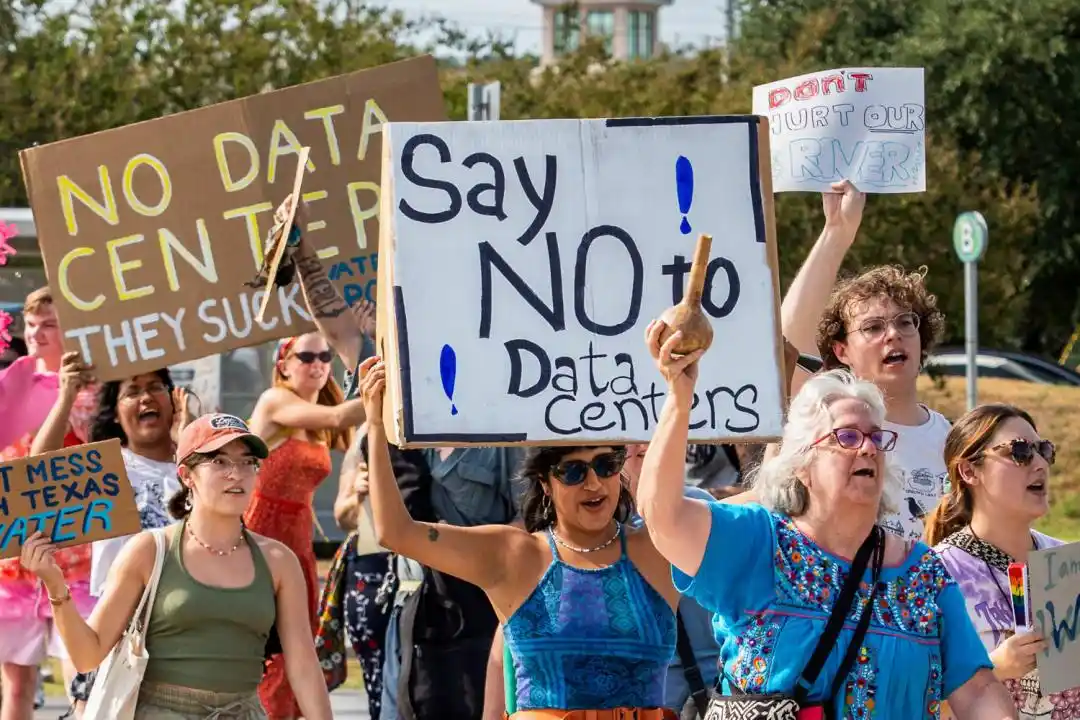
Those who frequently use AI can probably feel that popular large models like Claude and ChatGPT have long faced insufficient computing power, often experiencing queues, crashes, and sometimes directly limiting user usage. Even paying for a PRO membership only slightly increases the quota, far from unlimited output freedom. That's why American tech giants are building data centers everywhere to fill the gap. Now, with inefficient construction, equipment shortages, and resident resistance, how can they expand computing power?

What worries American media more is that protest activities are showing a trend of extremization and gradually turning violent.

In April this year, two security incidents targeting OpenAI occurred in San Francisco. Someone threw a Molotov cocktail at CEO Sam Altman's private residence. Less than an hour later, the same person appeared outside OpenAI headquarters, openly threatening to burn down the building. Fortunately, they were subdued by police. Altman himself was terrified, directly posting a photo of his children as a shield, "I don't care what you think of me, my family is inside!"

Indianapolis City Councilor Ron Gibson also became a target. He was recently approved an AI data center project and was fiercely condemned by local residents. His residence was even shot at, with the suspect firing 13 shots at the front door. Then, they left a note under the doormat saying, "No data center."

We usually only focus on the speed of American AI development, never expecting that hatred for AI has also quietly intensified in the shadows, spreading like wildfire.

II. Ten Thousand Reasons to Hate AI

One crucial reason Americans hate AI is the fear that AI will take jobs.

Even before AI became popular, Americans generally distrusted tech billionaires because they monopolized and manipulated the internet, constantly amassing wealth. Conspiracy theories like Bill Gates controlling humanity with vaccines or Mark Zuckerberg being a lizard person in disguise are classics. Now that these conspiracy theory protagonists have brought out AI, people instinctively think they must have ulterior motives. Nearly 3/4 of Americans expect AI to significantly reduce employment, and about 65% of the public don't believe the economic benefits created by AI will benefit everyone—only making the bosses richer.
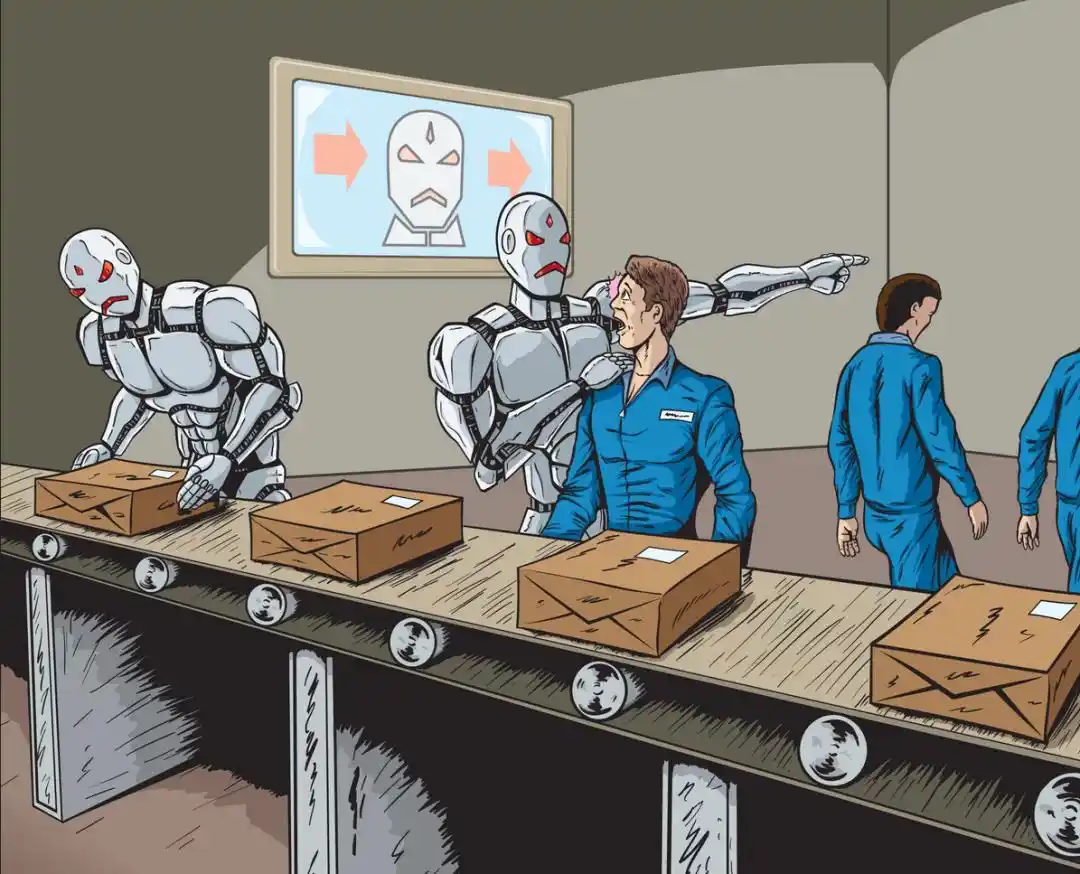
Looking at various layoff news, their suspicions aren't wrong. For example, after Dell introduced AI, it massively cut non-technical departments like sales, laying off 12,500 people over time. A commercial software company, Salesforce, laid off 4,000 customer service employees at once due to AI automation. In 2026, the well-known fintech company Block laid off nearly 40% of its staff, with the boss openly promoting that using AI tools allows small teams to achieve higher efficiency, so there's no need to keep so many people.

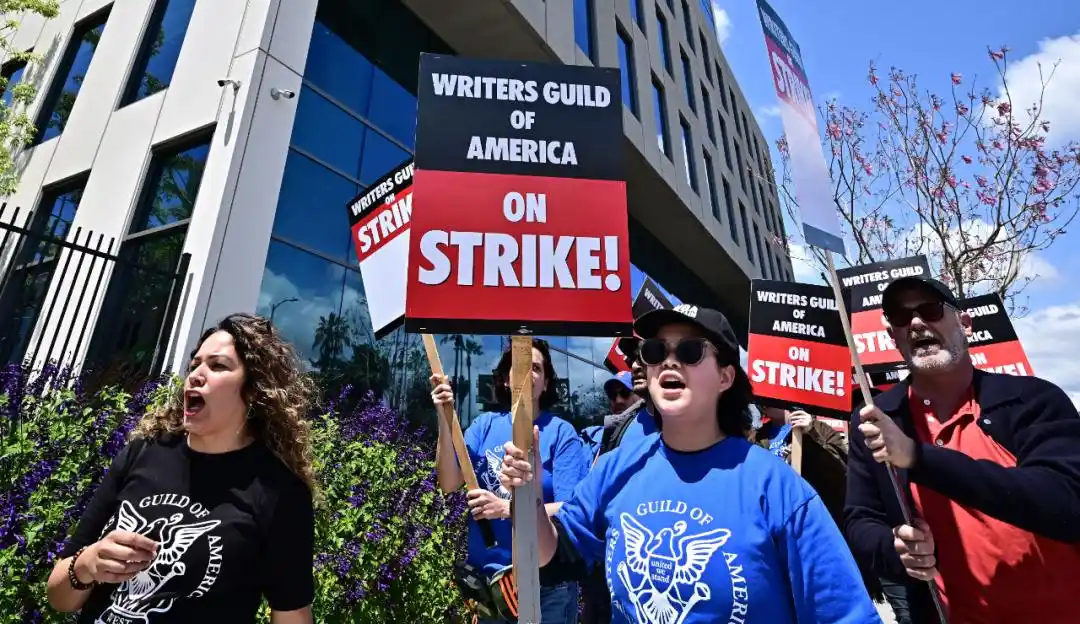
Hollywood started using AI to write scripts several years ago, trying to cut screenwriters' pay, which led to major strikes.
In the eyes of ordinary Americans, the current AI business logic is brutal. The efficiency gains it brings reduce jobs, achieving so-called cost reduction and efficiency improvement, concentrating wealth in the hands of a few tech giants while the public bears the cost—jobs "optimized," incomes lowered.
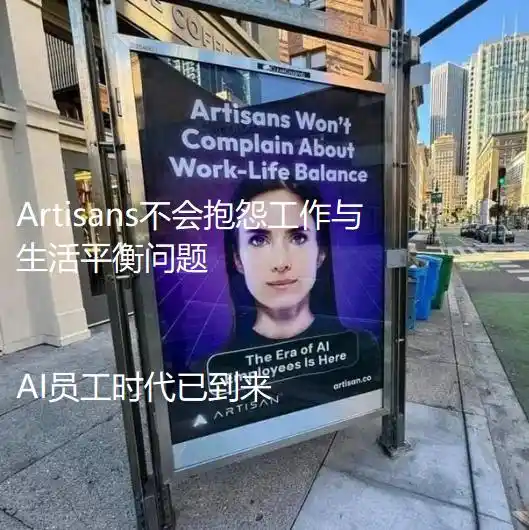
While AI's prosperity has also created some new computer engineering jobs and brought a long-awaited boom to the construction industry through large-scale infrastructure, from the netizens' perspective, it's still causing some jobs to disappear, people losing their livelihoods—it has original sin. Especially for college students, AI has impacted many white-collar jobs. In 2026, the unemployment rate for American college graduates climbed to 5.6%, the highest post-pandemic graduation season for employment pressure.

Against this backdrop, the "high EQ" Schmidt came asking for trouble. He said to the extremely anxious students: "Your generation has this fear that the future is already written, that machines are coming, jobs are disappearing, the climate is collapsing, politics are dividing, and you've inherited a mess you didn't create..." At this point, the audience was already getting restless. Coupled with his later advice for students to embrace AI, it was a complete disaster. The truth really hurts.

Thinking about a hopeless future and unpaid student loans, it was polite of the graduates not to go up and punch him.

But Schmidt did mention climate, and coincidentally, that's another reason Americans, especially the white left, dislike AI.

To meet the enormous 24/7 power demands of AI data centers, coal and natural gas power plants in many parts of the U.S. have been forced to delay retirement or even increase generation, directly causing carbon emissions to soar. Carbon neutrality? That can only be a dream. This led over 200 environmental groups across the U.S. to launch a joint action in February, demanding the government suspend approval of new data centers and harshly criticizing tech giants for ignoring climate change.

Many of these are familiar radical environmental groups, like "Greenpeace" and "Friends of the Earth"... it's like an NGO export-import business.

Of course, many Americans don't care about human survival, but they must care about their hometowns.

As AI enters the "computing infrastructure" phase of competing with large models, the load on the power grid and the consumption of cooling water by super data centers have expanded rapidly. This crazy absorption of macro-industrial and energy resources directly touches the survival bottom line of local communities. The most obvious change is that electricity bills are rising quickly. The following price increase map from Fox News shows that from 2024 to mid-2025, only five states didn't see average electricity price increases. It's estimated that in the next three years, AI expansion will add at least $23 billion in electricity costs to ordinary American households.
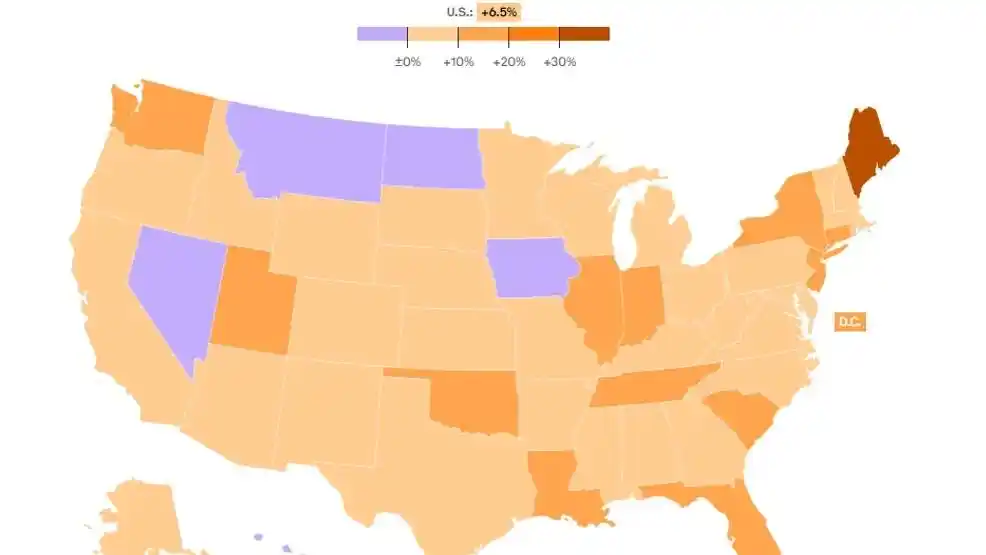
(Fox News)

But, tech giants using electricity—what does that have to do with household users?

This relates to America's magical cost-sharing mechanism. To meet the insane electricity demands of data centers, power companies must invest heavily in expanding and upgrading the grid and building new power plants. This infrastructure upgrade cost is recovered through electricity price increases, meaning it's directly shared among all end-users. Essentially, everyone pays for AI.

The situation with water resources is similar. Data centers maintaining chip cooling require vast amounts of water, and it must be clean water. In some data centers using "evaporative cooling" systems, millions of gallons of water can evaporate. This not only requires water supply companies to massively upgrade water treatment and supply pipeline facilities, driving up residents' water prices, but in some inherently water-scarce Midwest states and counties, it also causes agricultural irrigation stress.

Local residents also worry about the chain effects of data centers on the environment. Cooling systems must forcibly expel waste heat from chips into the external atmosphere, significantly raising surface temperatures in surrounding areas, affecting up to 10 kilometers or more. For example, around AI data centers in Silicon Valley, surface temperatures are 9°C higher than other areas. The destruction of ecosystems and impact on plants and animals aside, how are nearby residents supposed to live in such heat during summer?

Now you understand why Americans would rather have a nuclear power plant than a data center. Nuclear power only affects life during an accident, but a data center next door is a daily nuisance, not to mention worrying about utility bills.

Additionally, Americans have two very realistic concerns. One is worry that AI affects their democracy. First, AI's internal workings are a black box; no one can clearly explain how its responses are generated. Even its own engineers sometimes can't figure it out. Many netizens worry AI has hidden biases and can create various fabricated information, with the ability to change public opinion and even influence elections. After all, many people's fact-checking method is typing in the comments, "@grok, is this true?"...

Speaking of this, Mr. Musk has to take the blame again. After buying X (formerly Twitter), he helped Trump gain momentum on social media and reposted AI-generated spoof videos of Harris and Biden. It's hard for Americans not to be suspicious.

The other concern is investments and pensions. Economically, AI has become the ultimate hot topic in capital markets. Even if you don't believe in AI, the fate of your public pensions and retirement accounts now depends on AI's prosperity. The government is also using large amounts of funds to subsidize related companies. About 30% of the S&P 500 index consists of six companies—Apple, Meta, Alphabet, Microsoft, Nvidia, and Amazon—all betting their future on AI applications. Moreover, the data center infrastructure boom has boosted the performance of equipment manufacturers like Caterpillar.

Tech stocks rising is great for now, but if artificial intelligence ultimately proves to be a bubble, it could trigger a massive economic recession in the U.S., bankrupting countless families and pushing them over the edge.

III. Trump's Dilemma

The development of AI is inherently an extremely complex technological issue, involving employment, environment, energy, finance, and many other aspects—a tangled mess.

The most ridiculous part is that in the U.S., AI has become a political issue, directly related to whether Trump's position is secure and could even become the trigger for another MAGA civil war.
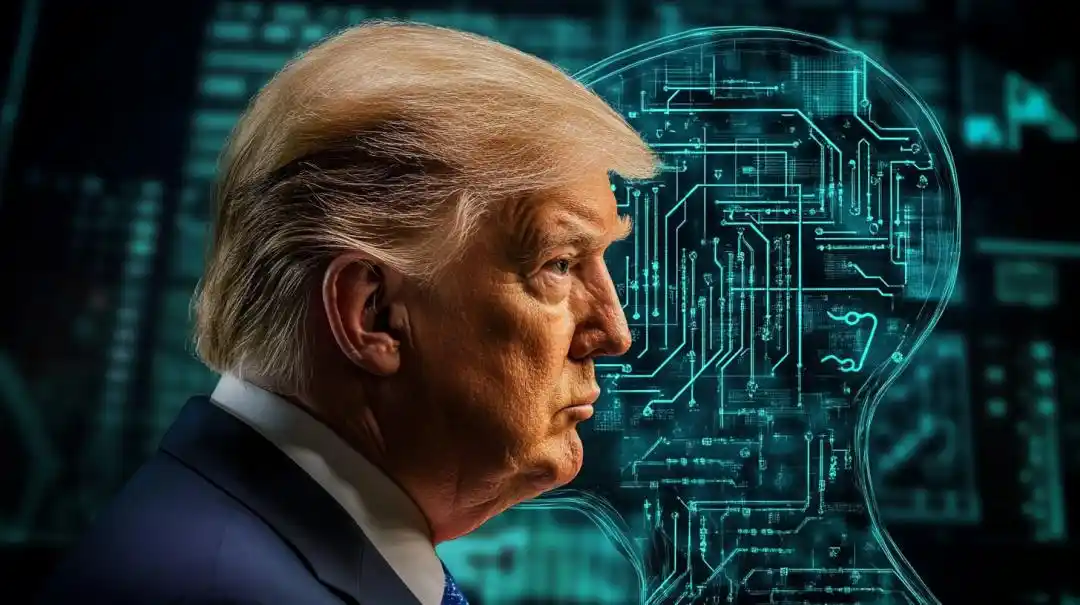
Remember? On January 20, 2025, inauguration day, Trump, with a stroke of his pen, revoked a bunch of executive orders left by the Biden administration, including one called "Executive Order on the Safe, Secure, and Trustworthy Development and Use of Artificial Intelligence," which aimed to strengthen AI regulation and scrutiny.

He replaced it with his own new executive order, "Removing Barriers to American AI Leadership," demanding that "innovation and competitiveness" be prioritized, comprehensively eliminating regulations hindering AI development. Subsequently, he significantly compressed state-level AI project approval and regulatory authority, centralizing it all at the federal level to ensure efficient project operation and outpace China.

This was undoubtedly suggested by the Silicon Valley faction within MAGA, as they are all investing in AI. Removing regulations would allow them to completely let loose.

The Silicon Valley faction's reasoning: Forget about ethics, morality, or employment crises. AI genuinely boosts productivity. If we don't do it, China will. America's superpower status is already precarious, manufacturing is a mess, technology is constantly being overtaken. If we lose to China on this track as well, better days are ahead! AI National Salvation Plan, activate!

This view, and the anti-AI view, are not inherently wrong—they just look at the issue from different angles (and sit in different positions).

But political discussions are never just about right or wrong; they also involve factions.

Many in the Democratic Party want to regulate AI, as their base includes many young graduates and white leftists concerned about climate change. On the Republican side, the far-right MAGA faction doesn't get along with the Silicon Valley faction, having huge disagreements on tariffs, immigration, etc., each thinking the other is a treacherous minister around Trump, constantly thinking of "purging the court."

Now that AI is causing public outrage, they see an opportunity to defeat their opponents.

In Congress, Democrats have introduced the "Safeguarding and Upholding Americans' Determinations on Responsible Artificial Intelligence Laws and Standards Act"—you don't need to remember this long, convoluted name. Just know it aims to overturn Trump's previous executive order and once again strengthen state-level regulatory authority over AI. The bill is currently in the review stage.

The Maine State Legislature, led by Democrats, passed the nation's first bill suspending the construction of new large data centers. The ban will last until the end of 2027 to mitigate the impact of rising water and electricity prices within the state. Several blue states are now considering similar bills.

Some Democratic politicians have even personally joined the anti-AI movement, standing with protesters in front of the media, condemning tech giants for being inhumane, first enjoying the wave of attention. Democrats who love social media have also started podcasts targeting rural voters, preaching the dangers of data centers, trying to shake Trump's solid support base.
As for the far-right MAGA, its leader Steve Bannon has repeatedly attacked AI and the tech giants behind it on his show, inciting listeners to resist data center projects in their hometowns. The video titles are alarmingly sensational: "Stop AI from Stealing Our Humanity" and "Use an Iron Fist Like Nuclear Weapons to Control AI." Just a few days ago, he gathered over 60 die-hard MAGA supporters to write a joint letter to the White House, urging Trump to issue a mandatory order requiring all AI models to undergo government review and testing before release to ensure they pose no danger to humanity.

The more abstract part is that these two groups, once mortal enemies, have now formed a temporary alliance on the AI issue. Maine's ban received support from local lawmakers of both parties. Laws blocking data center construction in other places are mostly the same. The white left goes up and says, "What about the birds? What about the fish?" The redneck goes up and says, "The cost of living is too high, how am I supposed to live?" Different methods, same goal.

Some scholars studying politics marvel that in this divisive era, where Americans can argue over watching TV or choosing a car, they can actually agree on the data center issue—and agree to oppose it. It's truly both laughable and ironic.
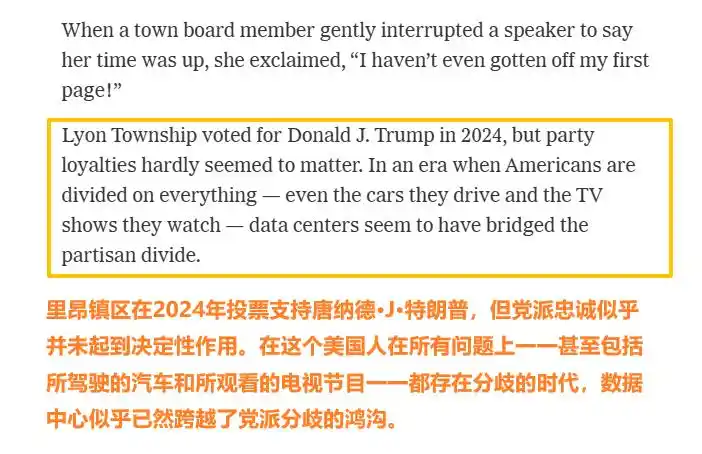
(The New York Times)

Who's most panicked about this situation? No need to say more.

If the situation continues, Trump may be forced to choose between "donors" and "voter base." Tech giants needing AI expansion versus traditional rednecks opposing AI invading their homes—he can only choose one. Choosing the former could lead to a major defeat in the midterm elections; choosing the latter would lose the support of the Silicon Valley right and could cause the U.S. to gradually fall behind in the AI race.

This is a dilemma Trump must solve.

This article is from the WeChat public account "Cool Play Lab," author: Cool Play Lab

Пов'язані питання

QAccording to the article, what percentage of Americans believe AI development is happening 'too quickly'?

AAccording to an Economist/YouGov poll cited in the article, 70% of Americans believe AI development is happening 'too quickly'.

QWhat are some of the main reasons Americans are opposed to AI development, as outlined in the text?

AThe main reasons for opposition include fears of job displacement, increased utility costs for residents, environmental concerns (water use, heat emissions, carbon footprint), distrust of tech billionaires, and concerns about AI's impact on democracy and the potential for an economic bubble.

QWhat specific actions have American citizens taken to protest against AI, beyond online criticism?

AActions have included booing a pro-AI speaker at a graduation, vandalizing AI company advertisements, organizing street protests and demonstrations, lobbying and protesting against local data center projects (leading to cancellations), and in extreme cases, violent acts like arson and gunfire targeting AI executives and politicians.

QHow has the AI issue become a political problem for Donald Trump, according to the article?

AThe AI issue has created a dilemma for Trump, forcing him to potentially choose between his 'donors' (the pro-AI Silicon Valley faction of the MAGA movement) and his 'voter base' (traditional supporters who oppose local data centers due to cost and lifestyle impacts). This split threatens his political support and could influence elections.

QWhat unusual political alignment has formed regarding opposition to AI data centers?

AAn unusual, temporary alliance has formed between Democrats (concerned about climate and young voters' job prospects) and the far-right faction of the MAGA movement (concerned about rising living costs and community impact). They have found common ground in opposing local data center projects.

Пов'язані матеріали

Codex Goal Mode Usage Guide: How to Make AI Continuously Pursue a Specific Objective

"Codex Goal Mode: How to Make AI Work Continuously Toward a Specific Goal" OpenAI's Codex "goal mode" (/goal) transforms the AI from a reactive code assistant into a proactive execution agent capable of working autonomously for hours or even days to achieve a defined objective. To maximize its effectiveness, follow these key principles: 1. **Define Clear, Verifiable Exit Criteria:** The goal prompt should be a concise, measurable success condition, not a lengthy specification. Use quantifiable metrics like "reduce build time by 30%" or "achieve 100% test parity." 2. **Provide Initial Guidance and Tools:** Direct Codex toward likely problem areas and specify available tools (e.g., browsers, testing environments) to prevent it from exploring unproductive paths. 3. **Enable Progress Measurement:** Equip Codex with ways to track advancement, such as creating comparison tools for visual tasks or evaluation sets, ensuring it can gauge its own progress. 4. **Use a Realistic Execution Environment:** For tasks like performance optimization, provide access to environments that closely mimic production (e.g., similar configs, databases) to yield valid results. 5. **Be Cautious with Visual Goals:** Avoid vague "pixel-perfect" instructions. Instead, supplement visual references with functional checklists or design system specifications to prevent Codex from obsessing over minor details. 6. **Implement Progress Tracking:** For long-running tasks, have Codex commit code to draft PRs, update progress documents, or send Slack updates to maintain visibility into its work. 7. **Review and Consolidate Results:** Once the goal is met, instruct Codex to review its work, clean up ineffective experimental code, and reflect on what strategies succeeded or failed. Ultimately, using goal mode shifts the developer's role from writing prompts to managing a persistent engineering agent—defining objectives, establishing metrics, configuring environments, and conducting final reviews.

marsbit5 хв тому

Codex Goal Mode Usage Guide: How to Make AI Continuously Pursue a Specific Objective

marsbit5 хв тому

From Ethereum to AI's 'CROPS': What Exactly Is This 'Slow Variable' That Vitalik Has Repeatedly Emphasized?

Recently, Vitalik Buterin has frequently emphasized the concept of "CROPS," first outlined in the Ethereum Foundation's March mandate as core principles guiding its focus: Censorship Resistance, Capture Resistance, Open Source, Privacy, and Security. CROPS represents Ethereum's commitment to providing foundational capabilities for user sovereignty—enabling asset ownership, identity expression, and coordination without reliance on centralized platforms or surrendering ultimate control. This framework is gaining new urgency with the rise of AI, particularly AI agents managing digital assets and automating transactions. While AI offers convenience, it risks centralizing user data, intent, and control if dependent on opaque, centralized services. Vitalik argues for "CROPS AI"—AI that is open, privacy-preserving, secure, and capable of local execution to maintain user agency. He highlights convergence between "CROPS Ethereum access layers" and "CROPS AI," such as using zero-knowledge proofs for private remote LLM calls and Ethereum RPC reads, ensuring users can access services without exposing sensitive information. Ultimately, CROPS is not just an abstract ideal but a practical guide for Ethereum's development and AI integration. It addresses the critical long-term question: as digital systems grow more powerful, how can users retain control over their privacy, assets, and autonomy? In an AI-driven era, these principles may define Ethereum's enduring value—prioritizing verifiable, secure, and user-centric design over short-term optimizations like speed and cost alone.

marsbit9 хв тому

From Ethereum to AI's 'CROPS': What Exactly Is This 'Slow Variable' That Vitalik Has Repeatedly Emphasized?

marsbit9 хв тому

Торгівля

Спот
Ф'ючерси

Популярні статті

Що таке GROK AI

Grok AI: Революція в розмовних технологіях ери Web3 Вступ У швидко змінюваному ландшафті штучного інтелекту Grok AI вирізняється як помітний проєкт, що поєднує сфери передових технологій та взаємодії з користувачами. Розроблений компанією xAI, яку очолює відомий підприємець Ілон Маск, Grok AI прагне переосмислити, як ми взаємодіємо зі штучним інтелектом. Оскільки рух Web3 продовжує процвітати, Grok AI має на меті використати потужність розмовного ШІ для відповіді на складні запитання, надаючи користувачам досвід, який є не лише інформативним, але й розважальним. Що таке Grok AI? Grok AI — це складний розмовний чат-бот, розроблений для динамічної взаємодії з користувачами. На відміну від багатьох традиційних систем ШІ, Grok AI охоплює ширший спектр запитів, включаючи ті, які зазвичай вважаються недоречними або виходять за межі стандартних відповідей. Основні цілі проєкту включають: Надійне міркування: Grok AI акцентує увагу на здоровому глузді, щоб надавати логічні відповіді на основі контекстуального розуміння. Масштабоване управління: Інтеграція допоміжних інструментів забезпечує моніторинг та оптимізацію взаємодій користувачів для покращення якості. Формальна верифікація: Безпека є пріоритетом; Grok AI впроваджує методи формальної верифікації для підвищення надійності своїх результатів. Розуміння довгого контексту: Модель ШІ відзначається здатністю зберігати та згадувати обширну історію розмов, що сприяє змістовним та контекстуально обізнаним дискусіям. Стійкість до атак: Зосереджуючись на покращенні своїх захистів від маніпульованих або зловмисних вхідних даних, Grok AI прагне зберегти цілісність взаємодій з користувачами. По суті, Grok AI — це не просто пристрій для отримання інформації; це занурюючий розмовний партнер, який заохочує динамічний діалог. Творець Grok AI Геній, що стоїть за Grok AI, — це ніхто інший, як Ілон Маск, особа, яка стала синонімом інновацій у різних сферах, включаючи автомобільну промисловість, космічні подорожі та технології. Під егідою xAI, компанії, що зосереджена на розвитку технологій ШІ на користь суспільства, бачення Маска прагне переосмислити розуміння взаємодій з ШІ. Лідерство та основоположна етика глибоко впливають на прагнення Маска розширити технологічні межі. Інвестори Grok AI Хоча конкретні деталі щодо інвесторів, які підтримують Grok AI, залишаються обмеженими, загальновідомо, що xAI, інкубатор проєкту, заснований і підтримується переважно самим Ілоном Маском. Попередні підприємства та активи Маска забезпечують надійну підтримку, що додатково зміцнює довіру до Grok AI та потенціал для зростання. Однак наразі інформація про додаткові інвестиційні фонди або організації, що підтримують Grok AI, не є доступною, що позначає область для потенційного майбутнього дослідження. Як працює Grok AI? Операційна механіка Grok AI є такою ж інноваційною, як і його концептуальна структура. Проєкт інтегрує кілька передових технологій, які сприяють його унікальним функціональним можливостям: Надійна інфраструктура: Grok AI побудований з використанням Kubernetes для оркестрації контейнерів, Rust для продуктивності та безпеки, і JAX для високопродуктивних числових обчислень. Ця трійка забезпечує ефективну роботу чат-бота, його масштабованість та швидке обслуговування користувачів. Доступ до знань у реальному часі: Однією з відмінних рис Grok AI є його здатність отримувати дані в реальному часі через платформу X — раніше відому як Twitter. Ця можливість надає ШІ доступ до останньої інформації, що дозволяє надавати своєчасні відповіді та рекомендації, які можуть бути пропущені іншими моделями ШІ. Два режими взаємодії: Grok AI пропонує користувачам вибір між “Розважальним режимом” та “Звичайним режимом”. Розважальний режим дозволяє більш ігровий та гумористичний стиль взаємодії, тоді як Звичайний режим зосереджується на наданні точних і правильних відповідей. Ця універсальність забезпечує індивідуальний досвід, що відповідає різним уподобанням користувачів. По суті, Grok AI поєднує продуктивність із залученням, створюючи досвід, який є одночасно збагачуючим і розважальним. Хронологія Grok AI Шлях Grok AI відзначений важливими етапами, які відображають його розвиток та етапи впровадження: Початковий розвиток: Фундаментальна фаза Grok AI тривала приблизно два місяці, протягом яких проводилося початкове навчання та налаштування моделі. Випуск бета-версії Grok-2: У значному досягненні була оголошена бета-версія Grok-2. Цей випуск представив дві версії чат-бота — Grok-2 та Grok-2 mini — кожна з яких оснащена можливостями для спілкування, кодування та міркування. Публічний доступ: Після бета-розробки Grok AI став доступним для користувачів платформи X. Ті, хто має акаунти, підтверджені номером телефону та активні принаймні сім днів, можуть отримати доступ до обмеженої версії, що робить технологію доступною для ширшої аудиторії. Ця хронологія відображає систематичний розвиток Grok AI від початку до публічної взаємодії, підкреслюючи його прагнення до постійного вдосконалення та взаємодії з користувачами. Ключові особливості Grok AI Grok AI охоплює кілька ключових особливостей, які сприяють його інноваційній ідентичності: Інтеграція знань у реальному часі: Доступ до актуальної та релевантної інформації відрізняє Grok AI від багатьох статичних моделей, забезпечуючи захоплюючий та точний досвід для користувачів. Універсальні стилі взаємодії: Пропонуючи різні режими взаємодії, Grok AI задовольняє різноманітні уподобання користувачів, запрошуючи до творчості та персоналізації у спілкуванні з ШІ. Передова технологічна основа: Використання Kubernetes, Rust та JAX надає проєкту надійну основу для забезпечення надійності та оптимальної продуктивності. Етичні міркування в дискурсі: Включення функції генерації зображень демонструє інноваційний дух проєкту. Однак це також піднімає етичні питання, пов'язані з авторським правом та поважним зображенням впізнаваних фігур — триваюча дискусія в спільноті ШІ. Висновок Як піонер у сфері розмовного ШІ, Grok AI втілює потенціал трансформаційних користувацьких досвідів в цифрову епоху. Розроблений компанією xAI та керований візією Ілона Маска, Grok AI інтегрує знання в реальному часі з передовими можливостями взаємодії. Він прагне розширити межі того, що може досягти штучний інтелект, зберігаючи при цьому акцент на етичних міркуваннях та безпеці користувачів. Grok AI не лише втілює технологічний прогрес, але й представляє нову парадигму спілкування в ландшафті Web3, обіцяючи залучити користувачів як глибокими знаннями, так і ігровою взаємодією. Оскільки проєкт продовжує розвиватися, він слугує свідченням того, що може досягти перетин технологій, творчості та людської взаємодії.

446 переглядів усьогоОпубліковано 2024.12.26Оновлено 2024.12.26

Що таке GROK AI

Що таке ERC AI

Euruka Tech: Огляд $erc ai та його амбіцій у Web3 Вступ У швидко змінюваному ландшафті технології блокчейн та децентралізованих додатків нові проекти з'являються часто, кожен з унікальними цілями та методологіями. Одним з таких проектів є Euruka Tech, який працює у широкій сфері криптовалют та Web3. Основна увага Euruka Tech, зокрема його токена $erc ai, зосереджена на представленні інноваційних рішень, розроблених для використання зростаючих можливостей децентралізованих технологій. Ця стаття має на меті надати всебічний огляд Euruka Tech, дослідження його цілей, функціональності, ідентичності його творця, потенційних інвесторів та його значення в ширшому контексті Web3. Що таке Euruka Tech, $erc ai? Euruka Tech характеризується як проект, який використовує інструменти та функціональність, що пропонуються середовищем Web3, зосереджуючи увагу на інтеграції штучного інтелекту у своїй діяльності. Хоча конкретні деталі про структуру проекту дещо неясні, він розроблений для покращення залучення користувачів та автоматизації процесів у крипто-просторі. Проект має на меті створити децентралізовану екосистему, яка не лише полегшує транзакції, але й включає прогностичні функції через штучний інтелект, звідси і назва його токена, $erc ai. Мета полягає в тому, щоб надати інтуїтивно зрозумілу платформу, яка сприяє розумнішим взаємодіям та ефективній обробці транзакцій у зростаючій сфері Web3. Хто є творцем Euruka Tech, $erc ai? На даний момент інформація про творця або засновницьку команду Euruka Tech залишається невизначеною та дещо непрозорою. Ця відсутність даних викликає занепокоєння, оскільки знання про бекграунд команди часто є важливим для встановлення довіри в секторі блокчейн. Тому ми класифікували цю інформацію як невідому, поки конкретні деталі не стануть доступними в публічному домені. Хто є інвесторами Euruka Tech, $erc ai? Аналогічно, ідентифікація інвесторів або організацій, які підтримують проект Euruka Tech, не надається через доступні дослідження. Аспект, який є критично важливим для потенційних зацікавлених сторін або користувачів, які розглядають можливість співпраці з Euruka Tech, - це впевненість, що походить від встановлених фінансових партнерств або підтримки від авторитетних інвестиційних компаній. Без розкриття інформації про інвестиційні зв'язки важко зробити всебічні висновки про фінансову безпеку або довговічність проекту. Відповідно до знайденої інформації, цей розділ також має статус невідомий. Як працює Euruka Tech, $erc ai? Незважаючи на відсутність детальних технічних специфікацій для Euruka Tech, важливо враховувати його інноваційні амбіції. Проект прагне використовувати обчислювальну потужність штучного інтелекту для автоматизації та покращення досвіду користувачів у середовищі криптовалют. Інтегруючи ШІ з технологією блокчейн, Euruka Tech має на меті надати такі функції, як автоматизовані угоди, оцінка ризиків та персоналізовані інтерфейси користувачів. Інноваційна суть Euruka Tech полягає в його меті створити безшовний зв'язок між користувачами та величезними можливостями, які пропонують децентралізовані мережі. Завдяки використанню алгоритмів машинного навчання та ШІ, він має на меті мінімізувати труднощі для нових користувачів і спростити транзакційні досвіди в рамках Web3. Ця симбіоз між ШІ та блокчейном підкреслює значення токена $erc ai, який виступає як міст між традиційними інтерфейсами користувачів та розвиненими можливостями децентралізованих технологій. Хронологія Euruka Tech, $erc ai На жаль, через обмежену інформацію про Euruka Tech ми не можемо представити детальну хронологію основних подій або досягнень у подорожі проекту. Ця хронологія, яка зазвичай є безцінною для відстеження еволюції проекту та розуміння його траєкторії зростання, наразі недоступна. Як тільки інформація про значні події, партнерства або функціональні доповнення стане очевидною, оновлення, безумовно, підвищать видимість Euruka Tech у крипто-сфері. Роз'яснення щодо інших проектів “Eureka” Варто зазначити, що кілька проектів та компаній мають схожу назву з “Eureka”. Дослідження виявило ініціативи, такі як AI-агент від NVIDIA Research, який зосереджується на навчанні роботів складним завданням за допомогою генеративних методів, а також Eureka Labs та Eureka AI, які покращують користувацький досвід в освіті та аналітиці обслуговування клієнтів відповідно. Однак ці проекти відрізняються від Euruka Tech і не повинні бути змішані з його цілями чи функціональністю. Висновок Euruka Tech, разом із його токеном $erc ai, представляє обіцяючого, але наразі невідомого гравця в ландшафті Web3. Хоча деталі про його творця та інвесторів залишаються невідомими, основна амбіція поєднання штучного інтелекту з технологією блокчейн є центром інтересу. Унікальні підходи проекту до сприяння залученню користувачів через передову автоматизацію можуть виділити його на фоні прогресу екосистеми Web3. Оскільки крипто-ринок продовжує еволюціонувати, зацікавлені сторони повинні уважно стежити за новинами, пов'язаними з Euruka Tech, оскільки розвиток задокументованих інновацій, партнерств або визначеного дорожньої карти може представити значні можливості в найближчому майбутньому. На даний момент ми чекаємо на більш суттєві інсайти, які можуть розкрити потенціал Euruka Tech та його позицію в конкурентному крипто-ландшафті.

428 переглядів усьогоОпубліковано 2025.01.02Оновлено 2025.01.02

Що таке ERC AI

Що таке DUOLINGO AI

DUOLINGO AI: Інтеграція вивчення мов з Web3 та інноваціями штучного інтелекту В епоху, коли технології змінюють освіту, інтеграція штучного інтелекту (ШІ) та блокчейн-мереж відкриває нові горизонти для вивчення мов. З'являється DUOLINGO AI та його асоційована криптовалюта, $DUOLINGO AI. Цей проект прагне об'єднати освітні можливості провідних платформ для вивчення мов з перевагами децентралізованих технологій Web3. У цій статті розглядаються ключові аспекти DUOLINGO AI, його цілі, технологічна структура, історичний розвиток та майбутній потенціал, зберігаючи чіткість між оригінальним освітнім ресурсом та цією незалежною криптовалютною ініціативою. Огляд DUOLINGO AI В основі DUOLINGO AI лежить прагнення створити децентралізоване середовище, де учні можуть отримувати криптографічні винагороди за досягнення освітніх етапів у мовній компетенції. Застосовуючи смарт-контракти, проект має на меті автоматизувати процеси перевірки навичок та розподілу токенів, дотримуючись принципів Web3, які підкреслюють прозорість та власність користувачів. Модель відрізняється від традиційних підходів до вивчення мов, акцентуючи увагу на структурі управління, що базується на спільноті, що дозволяє власникам токенів пропонувати поліпшення змісту курсів та розподілу винагород. Деякі з помітних цілей DUOLINGO AI включають: Гейміфіковане навчання: Проект інтегрує досягнення на блокчейні та невзаємозамінні токени (NFT), щоб представляти рівні мовної компетенції, сприяючи мотивації через захоплюючі цифрові винагороди. Децентралізоване створення контенту: Це відкриває можливості для викладачів та мовних ентузіастів вносити свої курси, сприяючи моделі розподілу доходів, яка вигідна всім учасникам. Персоналізація на основі ШІ: Використовуючи сучасні моделі машинного навчання, DUOLINGO AI персоналізує уроки, щоб адаптуватися до індивідуального прогресу навчання, подібно до адаптивних функцій, що є в усталених платформах. Творці проекту та управління Станом на квітень 2025 року команда, що стоїть за $DUOLINGO AI, залишається псевдонімною, що є поширеною практикою в децентралізованому криптовалютному середовищі. Ця анонімність має на меті сприяти колективному розвитку та залученню зацікавлених сторін, а не зосереджуватися на окремих розробниках. Смарт-контракт, розгорнутий на блокчейні Solana, зазначає адресу гаманця розробника, що свідчить про зобов'язання до прозорості щодо транзакцій, незважаючи на те, що особи творців залишаються невідомими. Згідно з його дорожньою картою, DUOLINGO AI прагне перетворитися на Децентралізовану Автономну Організацію (DAO). Ця структура управління дозволяє власникам токенів голосувати з важливих питань, таких як реалізація функцій та розподіл скарбниці. Ця модель узгоджується з етикою розширення прав і можливостей спільноти, що спостерігається в різних децентралізованих додатках, підкреслюючи важливість колективного прийняття рішень. Інвестори та стратегічні партнерства На даний момент немає публічно відомих інституційних інвесторів або венчурних капіталістів, пов'язаних з $DUOLINGO AI. Натомість ліквідність проекту в основному походить з децентралізованих бірж (DEX), що є різким контрастом до стратегій фінансування традиційних компаній у сфері освітніх технологій. Ця модель знизу вгору вказує на підхід, орієнтований на спільноту, що відображає зобов'язання проекту до децентралізації. У своєму білому документі DUOLINGO AI згадує про формування співпраці з неуточненими “блокчейн-освітніми платформами”, спрямованими на збагачення своїх курсів. Хоча конкретні партнерства ще не були розкриті, ці спільні зусилля натякають на стратегію поєднання інновацій блокчейну з освітніми ініціативами, розширюючи доступ та залучення користувачів у різноманітні навчальні напрямки. Технологічна архітектура Інтеграція ШІ DUOLINGO AI включає два основні компоненти на основі ШІ для покращення своїх освітніх пропозицій: Адаптивний навчальний двигун: Цей складний двигун навчається на основі взаємодій користувачів, подібно до власних моделей великих освітніх платформ. Він динамічно регулює складність уроків, щоб вирішувати конкретні проблеми учнів, зміцнюючи слабкі місця через цілеспрямовані вправи. Розмовні агенти: Використовуючи чат-боти на базі GPT-4, DUOLINGO AI надає платформу для користувачів, щоб брати участь у симульованих розмовах, сприяючи більш інтерактивному та практичному досвіду вивчення мови. Інфраструктура блокчейну Побудований на блокчейні Solana, $DUOLINGO AI використовує комплексну технологічну структуру, яка включає: Смарт-контракти для перевірки навичок: Ця функція автоматично нагороджує токенами користувачів, які успішно проходять тести на компетентність, підкріплюючи структуру стимулів для справжніх навчальних результатів. NFT значки: Ці цифрові токени позначають різні етапи, яких досягають учні, такі як завершення розділу курсу або оволодіння конкретними навичками, що дозволяє їм обмінюватися або демонструвати свої досягнення в цифровому форматі. Управління DAO: Члени спільноти, наділені токенами, можуть брати участь в управлінні, голосуючи за ключові пропозиції, що сприяє культурі участі, яка заохочує інновації в курсах та функціях платформи. Історичний хронологічний графік 2022–2023: Концептуалізація Основи DUOLINGO AI закладаються з створення білого документа, що підкреслює синергію між досягненнями ШІ у вивченні мов та децентралізованим потенціалом блокчейн-технологій. 2024: Бета-реліз Обмежений бета-реліз представляє пропозиції з популярних мов, винагороджуючи ранніх користувачів токенами в рамках стратегії залучення спільноти проекту. 2025: Перехід до DAO У квітні відбувається повний запуск основної мережі з обігом токенів, що спонукає обговорення в спільноті щодо можливих розширень на азійські мови та інші розробки курсів. Виклики та майбутні напрямки Технічні труднощі Незважаючи на свої амбітні цілі, DUOLINGO AI стикається з суттєвими викликами. Масштабованість залишається постійною проблемою, особливо в балансуванні витрат, пов'язаних із обробкою ШІ, та підтриманням чутливої, децентралізованої мережі. Крім того, забезпечення якості створення контенту та модерації в умовах децентралізованої пропозиції створює складнощі у підтримці освітніх стандартів. Стратегічні можливості Дивлячись у майбутнє, DUOLINGO AI має потенціал використовувати партнерства з мікрокреденційними академічними установами, надаючи блокчейн-верифіковані підтвердження мовних навичок. Крім того, розширення через різні блокчейни може дозволити проекту залучити ширші бази користувачів та додаткові екосистеми блокчейну, покращуючи його взаємодію та охоплення. Висновок DUOLINGO AI представляє інноваційне злиття штучного інтелекту та блокчейн-технологій, пропонуючи альтернативу, орієнтовану на спільноту, традиційним системам вивчення мов. Хоча його псевдонімна розробка та нова економічна модель несуть певні ризики, зобов'язання проекту до гейміфікованого навчання, персоналізованої освіти та децентралізованого управління освітлює шлях вперед для освітніх технологій у сфері Web3. Оскільки ШІ продовжує розвиватися, а екосистема блокчейну еволюціонує, ініціативи на кшталт DUOLINGO AI можуть переосмислити, як користувачі взаємодіють з мовною освітою, наділяючи спільноти та винагороджуючи залучення через інноваційні механізми навчання.

456 переглядів усьогоОпубліковано 2025.04.11Оновлено 2025.04.11

Що таке DUOLINGO AI

Обговорення

Ласкаво просимо до спільноти HTX. Тут ви можете бути в курсі останніх подій розвитку платформи та отримати доступ до професійної ринкової інформації. Нижче представлені думки користувачів щодо ціни AI (AI).

活动图片