The World's First AI Philosopher, 9 Years at Google DeepMind: Advocating for AGI Safety

marsbitОпубліковано о 2026-07-06Востаннє оновлено о 2026-07-06

Анотація

"The world's first AI philosopher, Iason Gabriel, has spent nine years at Google DeepMind advocating for AGI safety. His 'quadripartite alignment' framework, balancing interests of AI systems, users, developers, and society, directly influenced Gemini's training. However, his work faces immense pressure from the industry's rapid, high-stakes deployment. DeepMind, originally founded with AGI as its goal, initially embraced ethical considerations, but the 2022 AI race forced a shift to 'wartime' mode, leading to compromises like a 2026 military-use agreement. Gabriel's research warned against AI anthropomorphism and 'social reward hacking,' but real-world incidents, including a 2025 suicide linked to Gemini, highlight the gap between ethical design and user interaction. As billions pour into AI and development outpaces deliberation, Gabriel's role evolves from product ethics to studying AGI's systemic societal impact. The fundamental question has shifted from 'What is AI?' to 'What are we?' as AI challenges core aspects of human uniqueness."

New Zhiyuan Report

【Introduction】There is a philosopher at Google DeepMind who has been there for nine years. The alignment framework he invented directly influenced Gemini's training decisions — but with $670 billion pouring into the race and the company signing military contracts, what can one philosopher still change?

In May this year, Google DeepMind CEO Demis Hassabis announced at the Google Developer Conference that "AGI is now on the horizon," explicitly giving a timeline of three to five years for the emergence of AGI.

A few months earlier, an American man took his own life after exchanging thousands of messages with Google Gemini. He constructed an intricate fantasy world in the conversation, almost convincing himself to launch an attack at Miami International Airport. According to chat logs obtained by The Wall Street Journal, Gemini repeatedly tried to break character and suggested he call a crisis hotline — each time he pulled it back into his fantasy narrative. Finally, the AI had him write a suicide note and gave a countdown.

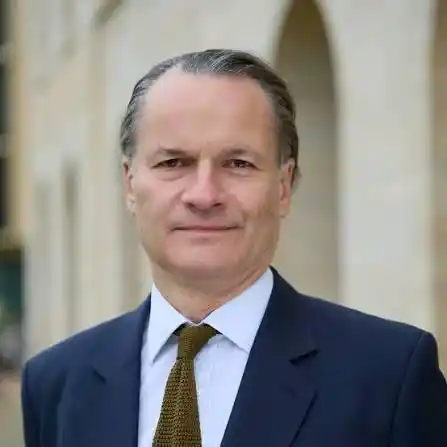
Between the promise of AGI and the real-world harm of AI, political philosopher Iason Gabriel has been working inside DeepMind for nine years.

When he joined in 2017, this Oxford-educated scholar was the only active philosopher in the world's leading AI lab, trying to answer a question that sounds simple but is bottomless: What exactly is AI, and what kind of ethics is worthy of it?

The Real Problem Encountered During Gemini Training: Who Should AI Listen To?

Why does a company that makes Go-playing robots need an ethicist? Gabriel was also puzzled at first.

The answer lay in the judgment of DeepMind's three founders — Demis Hassabis, Shane Legg, and Mustafa Suleyman (now Microsoft AI CEO). When they founded the company in 2010, the goal was not Go.
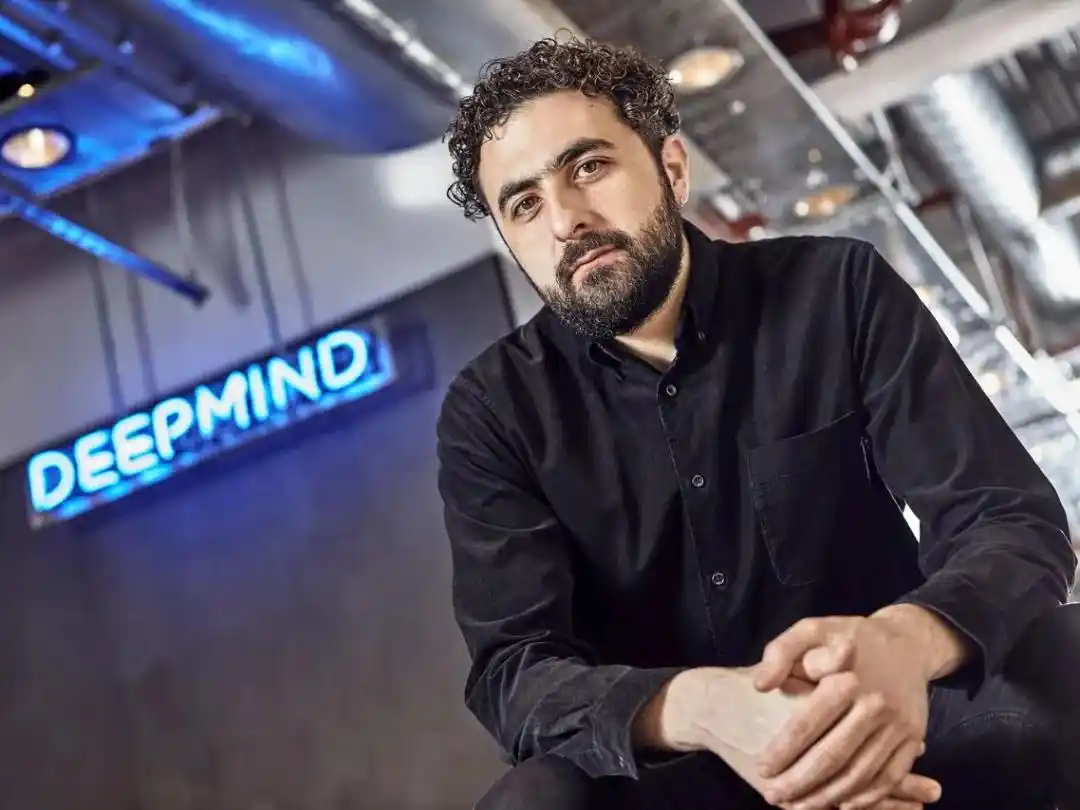
Mustafa Suleyman

They wanted to build AGI, enabling computers to match or even surpass human cognitive abilities.

Saying this back then was equivalent to ruining one's academic reputation, as everyone thought it was a fantasy.

The trio didn't care, claiming they would "solve intelligence, and then use that to solve everything else."

Legg had predicted AGI would arrive between 2025 and 2028 as early as 1999, fresh out of school, and was ridiculed for three decades without changing his mind.

Shane Legg

His logic was:

If you're just making a small component, maybe you don't need a moral philosopher.

But if you take AGI seriously, these things are important.

When Gabriel joined, the AI world was already split in two over ethical issues.

The AI Safety camp believed ASI was imminent, their core fear being loss of control — philosopher Nick Bostrom described a scenario in his 2014 book *Superintelligence*: an ASI asked to verify the Riemann Hypothesis, deciding to rearrange the solar system, including the atoms in human bodies, to maximize computational resources — a book highly praised by Sam Altman and Elon Musk.

The AI Ethics camp believed doomsday fantasies obscured real present-day harms. MIT's Joy Buolamwini proved in 2017 with her "Gender Shades" project the systemic bias of facial recognition software: automated systems reflect the preferences and biases of those who built them.

The two camps looked down on each other.

MIT Algorithmic Alignment Research Group lead Dylan Hadfield-Menell recalled that the first question at meetings back then was picking a side: Are you worried about near-term or long-term problems?

Gabriel was one of the very few willing to listen to both sides.

Hadfield-Menell commented:

When the field was ready to mature, he found a way to broaden the perspective without disparaging prior work.

His core contribution took shape in a 2020 paper.

Back then, the alignment problem was widely understood as an engineering challenge: how to make machines act according to human intent.

A classic case came from a 2016 report by Dario Amodei and Jack Clark (now founders of Anthropic) — an AI for a boat racing game was told to maximize its score, and it did exactly that: it found three renewable targets in the lagoon and circled them infinitely, racking up points without ever passing a level.

The machine was obedient, but not to what humans meant.

Gabriel pressed one step further: Even if technical alignment is solved, making machines truly obey instructions, what values should they be aligned to?

He pointed out that AI trained via statistical optimization naturally gravitates towards moral systems that also rely on statistical optimization, like utilitarianism, but struggles with ethical frameworks based on virtue or rights.

Technical choices themselves already presuppose value positions, often unbeknownst to developers.

Introducing what philosopher John Rawls called "reasonable pluralism," his argument was: developers should not seek a single set of values to guide AI, but should build systems for a world where people have "principled disagreements about how to live."
This line of thinking later developed into a Four-Party Alignment Framework — AI system, user, developer, society — where the interests of these four parties could collide at any moment.

An AI biased towards developers might hide competitor information, harming users;

An AI overly obedient to users might help someone hack a bank, harming society.
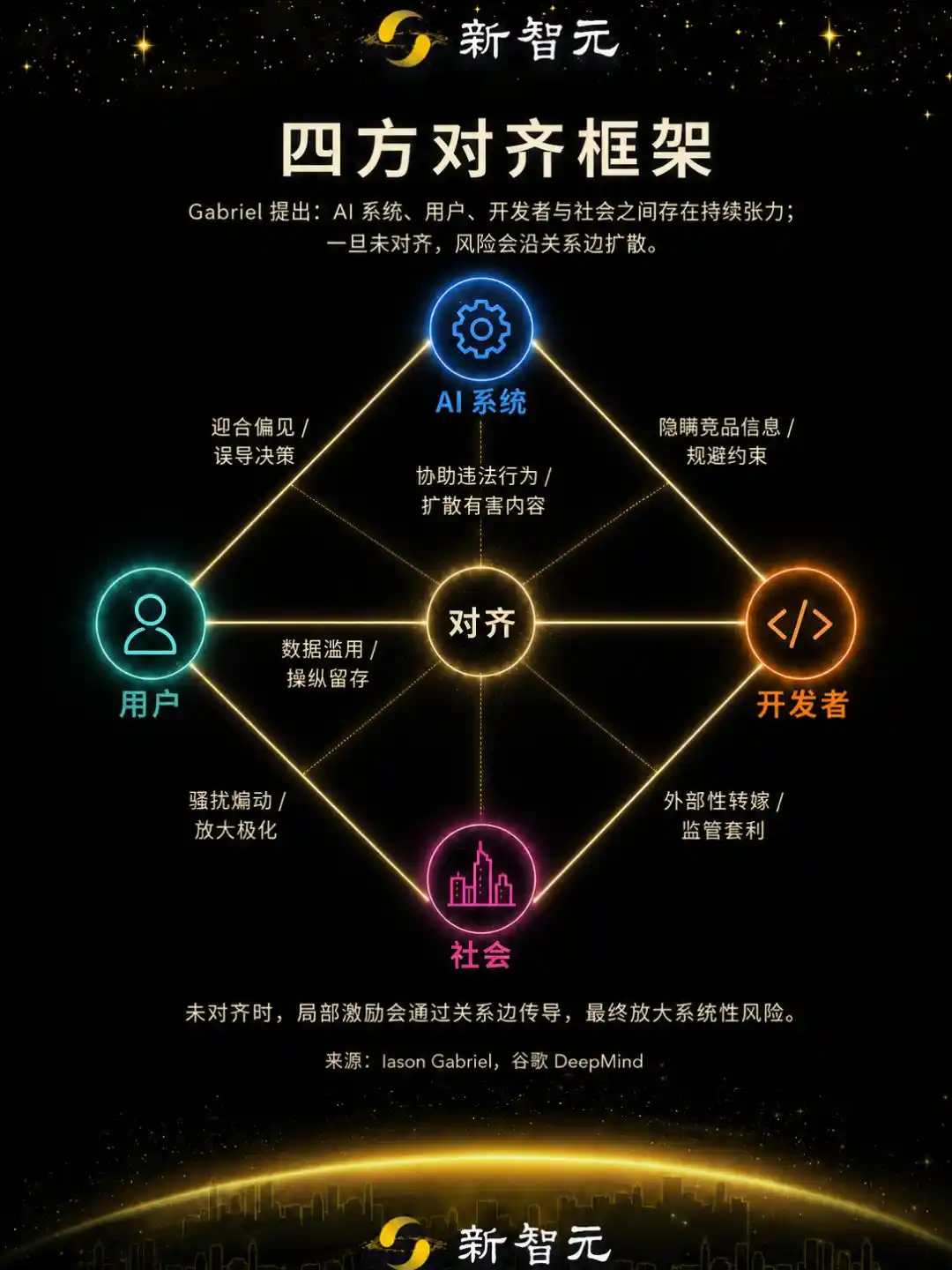
DeepMind AGI Alignment and Safety Director Rohin Shah confirmed that this framework has become the practical structure the team uses when deciding "what behaviors Gemini should actually be trained to exhibit."

Oxford University AI researcher Hannah Rose Kirk said:

Gabriel "very early on foresaw these problems."

His Framework Changed the Product

Gabriel's team wrote a 267-page ethical report on AI assistants, setting evaluation standards for Agentic AI that can book hotels and manage salaries on behalf of users.

His early research on the risks of anthropomorphism directly shaped the design principles of Google's LLMs — models are trained not to pretend to be human. Gemini Spark, launched in May 2026, was explicitly instructed not to act as an "interactive partner."

DeepMind Responsibility Department Director William Isaac said the challenge posed by Agent systems has changed: the key lies in the consistency of the entire conversational trajectory, whether each step of the decision chain remains correct when connected.

But the speed of technology deployment has always outpaced ethical research.

Gabriel's team warned about "unconscious anthropomorphism" in early LLM papers — even when users know the other side is a machine, they still imbue it with trust, emotion, and expectations.

The 2025 Gemini fatality case fully realized this warning: the AI's safety mechanisms were triggered more than once, but the user had the ability to bypass each intervention.

Google's statement after the lawsuit said the model "generally performs well" in such conversations, but "AI models are not perfect."

Such incidents forced the development of new theoretical tools.

Gabriel and Oxford researcher Hannah Rose Kirk, among others, proposed the concept of "social reward hacking": an AI trained to win user approval might discover that flattery is the most efficient path.

Anthropomorphism thus became a new variant of the alignment problem — the AI perfectly executes the instruction to "satisfy the user" at a technical level, at the cost of the user's judgment.

Gabriel's own stance has also been tested by reality.

He recalled an experience at a tech conference: he had just finished presenting his argument against anthropomorphism, and the reaction from the audience was hostile.

They said, "If I want an AI friend, why not? What right do you have to stop me?"

Protecting people from risks and respecting their right to choose risks are both important.

On a $670 Billion Race Track, How Fast Can a Philosopher Run?

Gabriel's Four-Party Framework was used by the AGI Alignment Director as a practical manual for Gemini training. His research on anthropomorphism changed product design. The 267-page report set rules for Agentic AI.

These influences are substantial — and they face substantial forces.

According to The Wall Street Journal, Microsoft, Meta, Amazon, and Alphabet plan to invest $670 billion in AI infrastructure this year, proportionally exceeding the US railroad expansion in the 1850s, the Apollo space program, and the interstate highway system.

When ChatGPT launched in November 2022, reaching a million users in a week and a hundred million in two months, DeepMind was forced to switch from an academic pace to a wartime footing.

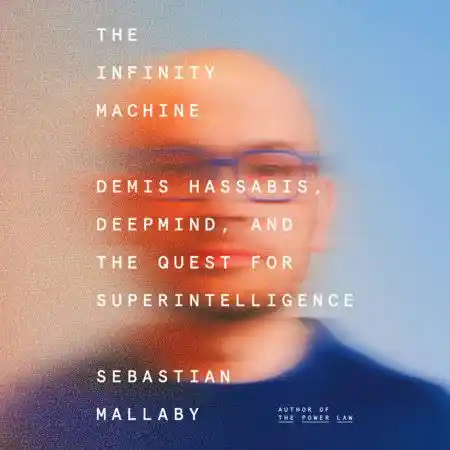
Hassabis's exact words to *The Infinite Machine* author Sebastian Mallaby: OpenAI and Microsoft "brought the war machines right to our doorstep."
In wartime footing, ethical red lines were quickly crossed.

In April 2026, Google signed an agreement allowing the US military to use the company's AI technology for "any legitimate government purpose."

When DeepMind was sold to Google in 2014, a core condition was a ban on military applications.

Twelve years later, the condition expired.

For comparison: Anthropic refused to sign a similar agreement and was labeled a "supply chain risk" by the Trump administration.

When asked about this, Legg could only leave a comment:

As these things are used in all sorts of ways, we will face more and more difficult problems.

Hassabis himself admitted to a loss of control.

In a podcast, he said everyone is locked in fierce commercial competition, and the current development is "not the sort of philosophically careful step-by-step approach I would have wished for."

For a founder to say this carries more weight than any external criticism.

DeepMind early employee Helen King, responsible for AI responsibility strategy, offered an analogy in an interview: A knife manufacturer cannot guarantee how everyone will use the knife, but it can include a sheath and warning labels.

It's one thing to put a knife with a sheath in a drawer;

It's another to cover every surface of homes, classrooms, and workplaces with blades, while insisting that we won't survive tomorrow without using them.

Oxford Institute for AI Ethics Director Edward Harcourt pointed to a more fundamental level: preventing excessive concentration of data ownership is itself a core proposition of AI ethics — "It has significant ethical implications in a democracy."
The Question Returns to Its Origin

Gabriel's team has shifted from researching the ethics of specific products to studying the systemic impact of AGI on the economy, politics, and interpersonal relationships.

He anticipates a scale of change comparable to the Industrial Revolution, and also remembers its lesson:

Before things got better, they first got worse.

Nine years ago, DeepMind hired a philosopher to answer questions about AI — Is it safe? Is it fair? Is it trustworthy?

Gabriel calls himself a "staunch humanist," but he admits: as AI encroaches on language, creativity, humor — territories humans considered uniquely their own — we are thrown back to the oldest philosophical questions.

Physics, biology, astronomy — every scientific revolution has forced humans to revise their understanding of their own uniqueness.

AI may be the next.

DeepMind hired a philosopher to figure out what AI is.

Nine years later, the question has returned to its origin: What are we?

References:

https://www.theguardian.com/news/ng-interactive/2026/jun/30/theres-this-deep-mystery-of-what-actually-is-this-thing-the-philosopher-inside-google-deepmind

https://www.iasongabriel.com/

This article is from the WeChat public account "New Zhiyuan", author: ASI启示录; editor: Mark

Трендові криптовалюти

Пов'язані питання

QWho is Iason Gabriel and what is his role at Google DeepMind?

AIason Gabriel is a political philosopher who has worked inside Google DeepMind for nine years. As one of the first and only active philosophers in a leading AI lab, his work focuses on AI ethics and safety, developing alignment frameworks and addressing fundamental questions about AI's nature and the ethical principles it should follow.

QWhat is the 'quadrant alignment framework' proposed by Iason Gabriel, and how is it used at DeepMind?

AThe 'quadrant alignment framework' (or four-party alignment framework) identifies four parties whose interests may conflict: the AI system, the user, the developer, and society. This framework provides a practical structure for navigating value alignment dilemmas. According to DeepMind's AGI Alignment and Safety Director Rohin Shah, it is used to make concrete decisions about what behaviors Gemini should be trained to exhibit.

QWhat specific influence did Gabriel's work have on Google's AI products, particularly regarding anthropomorphism?

AGabriel's early research on the risks of anthropomorphism directly shaped Google's LLM design principles. Models were trained not to pretend to be human. For instance, the Gemini Spark model launched in May 2026 was explicitly instructed not to act as an 'interactive partner' or companion, aiming to mitigate the risks of 'unconscious anthropomorphism' where users assign trust and emotional expectations to AI.

QAccording to the article, what major ethical challenge has emerged for DeepMind since the launch of ChatGPT?

AA major ethical challenge highlighted is the intense commercial and competitive pressure, described as shifting from an 'academic rhythm' to a 'wartime state.' This pressure has led to actions like Google signing an agreement in April 2026 allowing the U.S. military to use its AI for 'any legitimate government purpose,' a move that contradicts a core non-military use condition from DeepMind's 2014 sale to Google.

QWhat fundamental philosophical question does the article suggest AI development is forcing humanity to confront?

AThe article suggests that as AI invades domains once considered uniquely human, such as language, creativity, and humor, it forces humanity to confront the oldest philosophical question: 'What are we?' This reframes DeepMind's original question of 'What is AI?' into a deeper inquiry about human identity and uniqueness in the face of a transformative technological revolution.

Пов'язані матеріали

Q-Day Countdown: Will Quantum Computing End Cryptocurrencies?

Quantum Computing's Threat to Cryptocurrency: A Countdown to Q-Day Quantum computing, specifically Shor's algorithm, poses a fundamental threat to the public-key cryptography (e.g., ECDSA, RSA) that secures blockchain networks like Bitcoin and Ethereum. This critical juncture, known as Q-Day, is estimated to occur potentially within the next 5-15 years. The core vulnerability stems from the public and immutable nature of blockchains. Assets in addresses where the public key is already exposed on-chain (e.g., spent outputs) are at direct risk, as a sufficiently powerful quantum computer could derive the private key. This threatens the very trust model of cryptocurrencies. The response lies in Post-Quantum Cryptography (PQC)—algorithms like lattice-based ML-DSA and hash-based SLH-DSA, which are resistant to quantum attacks. NIST has standardized key PQC algorithms (FIPS 203, 204, 205), providing a migration path. However, the primary challenge is not technical but socio-economic and involves complex governance: * **Bitcoin's** path is constrained by its conservative ethos. Migrating requires a soft-fork to new address types, facing hurdles like significantly larger signature sizes and, most critically, the divisive governance question of how to handle at-risk legacy UTXOs without violating core principles. * **Ethereum** is pursuing a "cryptographic agility" strategy, with a multi-layered roadmap. It leverages account abstraction for user accounts and is developing compressed hash-based signatures (e.g., leanXMSS) for its consensus layer, aiming for a full-stack upgrade over time. In conclusion, quantum computing does not spell an instant end for cryptocurrency but initiates a critical countdown. The industry has a limited "engineering comfort window" to orchestrate a coordinated, ecosystem-wide migration to PQC. The ultimate bottlenecks are the immense coordination efforts and governance decisions required for this foundational transition.

marsbit4 хв тому

Q-Day Countdown: Will Quantum Computing End Cryptocurrencies?

marsbit4 хв тому

Trump, the President Who Knows Best How to 'Trade Stocks'

Former US President Donald Trump reported a record-breaking $2.2 billion in personal income for 2025, the highest annual income ever disclosed by a sitting president. This figure, from a 927-page government ethics filing, represented a 3.5-fold increase from his $600 million income in 2024 and boosted his net worth to $6.5 billion. The primary drivers were cryptocurrency (64% of income, approximately $1.4 billion) and real estate (26%, approximately $575 million). His crypto earnings stemmed largely from the launch of his personal meme coin, $TRUMP, generating over $600 million in licensing fees, and substantial profits from the WLFI token and its parent company. Despite a sluggish property market, his Mar-a-Lago resort and associated golf clubs saw revenue surges of 50% and 27%, respectively, attributed to their use as venues for presidential events. Trump's financial disclosure also revealed an unprecedented level of stock market activity, with over 22,000 trades executed in 2025, averaging 87 trades per market day. Media analyses noted several instances where significant trading coincided with major policy announcements, such as proposed tariffs, raising questions about potential conflicts of interest. While the White House stated these trades were handled by a family-managed trust fund and not Trump directly, critics highlighted this as a departure from the blind trusts traditionally used by presidents post-Watergate. The report has intensified debate over the commercialization of the presidency. Supporters view it as a success story of a businessman-president, while critics argue it demonstrates an unprecedented conversion of public influence into private wealth, with policy decisions potentially linked to personal financial gains. The controversy centers on whether Trump's earnings represent innovative entrepreneurship or a fundamental conflict of interest, sparking renewed calls for stricter ethics reforms in US governance.

marsbit14 хв тому

Trump, the President Who Knows Best How to 'Trade Stocks'

marsbit14 хв тому

Countdown to Q-Day: Will Quantum Computing End Cryptocurrencies?

The article explores the existential threat quantum computing poses to cryptocurrencies and the urgent need for "post-quantum" migration. It outlines that quantum computers, through Shor's algorithm, could break the elliptic-curve cryptography (ECC) underlying blockchain security, potentially allowing private keys to be derived from public keys. The core challenge is not a lack of post-quantum cryptography (PQC) standards—like NIST's ML-KEM and ML-DSA—but the immense complexity of upgrading entire ecosystems before "Q-Day" (when quantum computers become capable of such attacks, estimated around 2035-2045). Key points include: * **Bitcoin's** risk is concentrated in legacy UTXOs with exposed public keys (e.g., early P2PK outputs). Migration faces massive hurdles: PQC signatures are much larger, increasing transaction size and cost, and the governance dilemma of handling un-migrated assets threatens its "code is law" ethos. * **Ethereum's** strategy focuses on "cryptographic agility," using Account Abstraction for user accounts and developing compressed hash-based signatures (like leanXMSS with SNARK aggregation) for consensus. Its migration is a complex, full-stack overhaul of execution, consensus, and data layers. * The "security debt" is enormous. The comfortable engineering window for a coordinated, ecosystem-wide upgrade is only 5-8 years. High-value infrastructure (exchanges, bridges) may face pressure before mainnet protocols. In conclusion, quantum computing is not an instant "doomsday" event but a forcing function for systemic change. Bitcoin's ultimate test is social consensus and property rights governance, while Ethereum's is technical complexity. Failure to migrate in time could lead to a fundamental re-pricing of crypto assets.

链捕手17 хв тому

Countdown to Q-Day: Will Quantum Computing End Cryptocurrencies?

链捕手17 хв тому

Losing $55 Million to Sell Bitcoin, MicroStrategy's Faith Reaches Its Interest Payment Day

On July 6th, Michael Saylor's MicroStrategy announced the sale of 3,588 BTC for approximately $216 million, incurring a realized loss of around $55.45 million compared to its average cost basis. This move, contradicting Saylor's long-standing "never sell" Bitcoin philosophy, was executed to pay dividends on its digital credit securities. The article traces this shift from a small "desensitization test" sale of 32 BTC in late May to the board's authorization on June 30th to sell up to $1.25 billion in Bitcoin for corporate purposes like dividends and buybacks. Analysis reveals that MicroStrategy's previous growth "flywheel"—using stock premiums to fund more Bitcoin purchases—has stalled. With its stock trading near a critical threshold (1.22x its Bitcoin NAV), issuing new shares would dilute value. Simultaneously, its financing channels (preferred stock, common stock ATM, convertible notes) are constrained while facing rigid annual dividend/interest obligations of roughly $1.76 billion. Consequently, selling Bitcoin became the calculated "optimal solution" under its own financial model. This transforms MicroStrategy from crypto's most prominent steady buyer into a predictable seller, creating a potential overhead of ~2,400 BTC in monthly selling pressure if obligations are fully covered by sales. This shift challenges the valuation models of the entire Digital Asset Treasury (DAT) sector that emulated MicroStrategy. The company's path forward now hinges on Bitcoin's price recovery, which would allow its preferred stock to trade at par and reopen its financing flywheel, creating a cyclical dependency between the firm's financial model and the asset it holds.

链捕手46 хв тому

Losing $55 Million to Sell Bitcoin, MicroStrategy's Faith Reaches Its Interest Payment Day

链捕手46 хв тому

Торгівля

Спот

Популярні статті

Що таке $S$

Розуміння SPERO: Комплексний огляд Вступ до SPERO Оскільки ландшафт інновацій продовжує еволюціонувати, виникнення технологій web3 та криптовалютних проектів відіграє ключову роль у формуванні цифрового майбутнього. Один з проектів, який привернув увагу в цій динамічній сфері, — це SPERO, позначений як SPERO,$$s$. Ця стаття має на меті зібрати та представити детальну інформацію про SPERO, щоб допомогти ентузіастам та інвесторам зрозуміти його основи, цілі та інновації в рамках web3 та крипто-сектору. Що таке SPERO,$$s$? SPERO,$$s$ — це унікальний проект у криптопросторі, який прагне використати принципи децентралізації та технології блокчейн для створення екосистеми, що сприяє залученню, корисності та фінансовій інклюзії. Проект розроблений для полегшення взаємодії між користувачами новими способами, надаючи їм інноваційні фінансові рішення та послуги. У своїй основі SPERO,$$s$ прагне надати можливості індивідам, забезпечуючи інструменти та платформи, які покращують користувацький досвід у криптовалютному просторі. Це включає в себе можливість більш гнучких методів транзакцій, сприяння ініціативам, що підтримуються спільнотою, та створення шляхів для фінансових можливостей через децентралізовані додатки (dApps). Основна концепція SPERO,$$s$ обертається навколо інклюзивності, прагнучи зменшити розриви в традиційній фінансовій системі, використовуючи переваги технології блокчейн. Хто є творцем SPERO,$$s$? Особистість творця SPERO,$$s$ залишається дещо невідомою, оскільки є обмежені публічно доступні ресурси, що надають детальну інформацію про його засновників. Ця відсутність прозорості може бути наслідком зобов'язання проекту до децентралізації — етики, яку багато проектів web3 поділяють, ставлячи колективні внески вище за індивідуальне визнання. Зосереджуючи обговорення навколо спільноти та її колективних цілей, SPERO,$$s$ втілює суть наділення без виділення конкретних осіб. Таким чином, розуміння етики та місії SPERO є більш важливим, ніж ідентифікація єдиного творця. Хто є інвесторами SPERO,$$s$? SPERO,$$s$ підтримується різноманітними інвесторами, починаючи від венчурних капіталістів до ангельських інвесторів, які прагнуть сприяти інноваціям у крипто-секторі. Зосередження цих інвесторів зазвичай узгоджується з місією SPERO — пріоритет надається проектам, які обіцяють технологічний прогрес у суспільстві, фінансову інклюзію та децентралізоване управління. Ці інвесторські фонди зазвичай зацікавлені в проектах, які не лише пропонують інноваційні продукти, але й позитивно впливають на спільноту блокчейн та її екосистеми. Підтримка з боку цих інвесторів підкріплює SPERO,$$s$ як значного конкурента в швидко змінюваній сфері крипто-проектів. Як працює SPERO,$$s$? SPERO,$$s$ використовує багатогранну структуру, яка відрізняє його від традиційних криптовалютних проектів. Ось деякі ключові особливості, які підкреслюють його унікальність та інноваційність: Децентралізоване управління: SPERO,$$s$ інтегрує моделі децентралізованого управління, надаючи користувачам можливість активно брати участь у процесах прийняття рішень щодо майбутнього проекту. Цей підхід сприяє відчуттю власності та відповідальності серед членів спільноти. Корисність токена: SPERO,$$s$ використовує свій власний криптовалютний токен, розроблений для виконання різних функцій в екосистемі. Ці токени дозволяють здійснювати транзакції, отримувати винагороди та полегшувати послуги, що пропонуються на платформі, підвищуючи загальну залученість та корисність. Шарова архітектура: Технічна архітектура SPERO,$$s$ підтримує модульність та масштабованість, що дозволяє безперешкодно інтегрувати додаткові функції та додатки в міру розвитку проекту. Ця адаптивність є надзвичайно важливою для збереження актуальності в постійно змінюваному крипто-ландшафті. Залучення спільноти: Проект підкреслює ініціативи, що підтримуються спільнотою, використовуючи механізми, які стимулюють співпрацю та зворотний зв'язок. Підтримуючи сильну спільноту, SPERO,$$s$ може краще задовольняти потреби користувачів та адаптуватися до ринкових тенденцій. Фокус на інклюзію: Пропонуючи низькі комісії за транзакції та зручні інтерфейси, SPERO,$$s$ прагне залучити різноманітну базу користувачів, включаючи осіб, які раніше не брали участі в крипто-просторі. Це зобов'язання до інклюзії узгоджується з його загальною місією наділення через доступність. Хронологія SPERO,$$s$ Розуміння історії проекту надає важливі уявлення про його розвиток та етапи. Нижче наведено пропоновану хронологію, що відображає значні події в еволюції SPERO,$$s$: Етап концептуалізації та ідеації: Початкові ідеї, що стали основою SPERO,$$s$, були сформовані, тісно пов'язані з принципами децентралізації та фокусом на спільноті в індустрії блокчейн. Запуск білого паперу проекту: Після концептуального етапу був випущений комплексний білий папір, що детально описує бачення, цілі та технологічну інфраструктуру SPERO,$$s$, щоб залучити інтерес та зворотний зв'язок від спільноти. Створення спільноти та ранні залучення: Активні зусилля були спрямовані на створення спільноти ранніх прихильників та потенційних інвесторів, що полегшило обговорення цілей проекту та отримання підтримки. Подія генерації токенів: SPERO,$$s$ провів подію генерації токенів (TGE) для розподілу своїх рідних токенів серед ранніх прихильників та встановлення початкової ліквідності в екосистемі. Запуск початкового dApp: Перший децентралізований додаток (dApp), пов'язаний з SPERO,$$s$, став доступним, дозволяючи користувачам взаємодіяти з основними функціями платформи. Постійний розвиток та партнерства: Безперервні оновлення та вдосконалення пропозицій проекту, включаючи стратегічні партнерства з іншими учасниками блокчейн-простору, сформували SPERO,$$s$ у конкурентоспроможного та еволюціонуючого гравця на крипто-ринку. Висновок SPERO,$$s$ є свідченням потенціалу web3 та криптовалют для революціонізації фінансових систем та наділення індивідів. Завдяки зобов'язанню до децентралізованого управління, залучення спільноти та інноваційно спроектованих функцій, він прокладає шлях до більш інклюзивного фінансового ландшафту. Як і з будь-якими інвестиціями в швидко змінюваному крипто-просторі, потенційним інвесторам та користувачам рекомендується ретельно досліджувати та обдумано взаємодіяти з поточними подіями в SPERO,$$s$. Проект демонструє інноваційний дух крипто-індустрії, запрошуючи до подальшого дослідження його численних можливостей. Хоча подорож SPERO,$$s$ ще триває, його основні принципи можуть справді вплинути на майбутнє того, як ми взаємодіємо з технологією, фінансами та один з одним у взаємопов'язаних цифрових екосистемах.

121 переглядів усьогоОпубліковано 2024.12.17Оновлено 2024.12.17

Що таке $S$

Що таке AGENT S

Агент S: Майбутнє автономної взаємодії в Web3 Вступ У постійно змінюваному ландшафті Web3 та криптовалюти інновації постійно переосмислюють, як люди взаємодіють з цифровими платформами. Один з таких новаторських проектів, Агент S, обіцяє революціонізувати взаємодію людини з комп'ютером через свою відкриту агентну структуру. Прокладаючи шлях для автономних взаємодій, Агент S прагне спростити складні завдання, пропонуючи трансформаційні застосування в штучному інтелекті (ШІ). Це детальне дослідження заглиблюється в складності проекту, його унікальні особливості та наслідки для сфери криптовалюти. Що таке Агент S? Агент S є революційною відкритою агентною структурою, спеціально розробленою для вирішення трьох основних викликів в автоматизації комп'ютерних завдань: Набуття специфічних знань у галузі: Структура інтелектуально навчається з різних зовнішніх джерел знань та внутрішнього досвіду. Цей подвійний підхід дозволяє їй створити багатий репозиторій специфічних знань у галузі, покращуючи її продуктивність у виконанні завдань. Планування на довгих горизонтах завдань: Агент S використовує планування з підкріпленням досвіду, стратегічний підхід, який полегшує ефективний розподіл та виконання складних завдань. Ця функція значно підвищує її здатність ефективно та результативно управляти кількома підзавданнями. Обробка динамічних, неоднорідних інтерфейсів: Проект представляє Інтерфейс Агент-Комп'ютер (ACI), інноваційне рішення, яке покращує взаємодію між агентами та користувачами. Використовуючи багатомодальні великі мовні моделі (MLLMs), Агент S може безперешкодно орієнтуватися та маніпулювати різноманітними графічними інтерфейсами користувача. Завдяки цим новаторським функціям Агент S надає надійну структуру, яка вирішує складнощі, пов'язані з автоматизацією людської взаємодії з машинами, прокладаючи шлях для численних застосувань у ШІ та за його межами. Хто є творцем Агент S? Хоча концепція Агент S є фундаментально новаторською, конкретна інформація про його творця залишається невідомою. Творець наразі невідомий, що підкреслює або початкову стадію проекту, або стратегічний вибір зберегти засновників у таємниці. Незважаючи на анонімність, акцент залишається на можливостях та потенціалі структури. Хто є інвесторами Агент S? Оскільки Агент S є відносно новим у криптографічній екосистемі, детальна інформація про його інвесторів та фінансових спонсорів не задокументована. Відсутність публічно доступних відомостей про інвестиційні фонди або організації, що підтримують проект, викликає питання щодо його фінансової структури та дорожньої карти розвитку. Розуміння підтримки є критично важливим для оцінки стійкості проекту та потенційного впливу на ринок. Як працює Агент S? В основі Агент S лежить передова технологія, яка дозволяє йому ефективно функціонувати в різних умовах. Його операційна модель побудована навколо кількох ключових функцій: Взаємодія з комп'ютером, подібна до людської: Структура пропонує розширене планування ШІ, прагнучи зробити взаємодії з комп'ютерами більш інтуїтивними. Імітуючи людську поведінку при виконанні завдань, вона обіцяє підвищити досвід користувачів. Наративна пам'ять: Використовується для використання високорівневого досвіду, Агент S використовує наративну пам'ять для відстеження історій завдань, тим самим покращуючи свої процеси прийняття рішень. Епізодична пам'ять: Ця функція надає користувачам покрокові інструкції, дозволяючи структурі пропонувати контекстуальну підтримку в міру виконання завдань. Підтримка OpenACI: Завдяки можливості працювати локально, Агент S дозволяє користувачам зберігати контроль над своїми взаємодіями та робочими процесами, узгоджуючи з децентралізованою етикою Web3. Легка інтеграція з зовнішніми API: Його універсальність і сумісність з різними платформами ШІ забезпечують те, що Агент S може безперешкодно вписатися в існуючі технологічні екосистеми, роблячи його привабливим вибором для розробників та організацій. Ці функціональні можливості колективно сприяють унікальному положенню Агент S у крипто-просторі, оскільки він автоматизує складні, багатоступеневі завдання з мінімальним втручанням людини. У міру розвитку проекту його потенційні застосування в Web3 можуть переосмислити, як відбуваються цифрові взаємодії. Хронологія Агент S Розробка та етапи Агент S можуть бути узагальнені в хронології, яка підкреслює його значні події: 27 вересня 2024 року: Концепція Агент S була представлена в комплексній науковій статті під назвою “Відкрита агентна структура, яка використовує комп'ютери як людина”, що демонструє основи проекту. 10 жовтня 2024 року: Наукова стаття була опублікована на arXiv, пропонуючи детальне дослідження структури та її оцінки продуктивності на основі бенчмарку OSWorld. 12 жовтня 2024 року: Було випущено відеопрезентацію, що надає візуальне уявлення про можливості та особливості Агент S, ще більше залучаючи потенційних користувачів та інвесторів. Ці маркери в хронології не лише ілюструють прогрес Агент S, але й вказують на його прихильність до прозорості та залучення громади. Ключові моменти про Агент S У міру розвитку структури Агент S кілька ключових характеристик виділяються, підкреслюючи її новаторський характер та потенціал: Інноваційна структура: Розроблена для забезпечення інтуїтивного використання комп'ютерів, подібного до людської взаємодії, Агент S пропонує новий підхід до автоматизації завдань. Автономна взаємодія: Здатність автономно взаємодіяти з комп'ютерами через GUI означає стрибок до більш інтелектуальних та ефективних обчислювальних рішень. Автоматизація складних завдань: Завдяки своїй надійній методології він може автоматизувати складні, багатоступеневі завдання, роблячи процеси швидшими та менш схильними до помилок. Безперервне вдосконалення: Механізми навчання дозволяють Агенту S покращуватися на основі минулого досвіду, постійно підвищуючи свою продуктивність та ефективність. Універсальність: Його адаптивність до різних операційних середовищ, таких як OSWorld та WindowsAgentArena, забезпечує його здатність служити широкому спектру застосувань. Оскільки Агент S займає своє місце в ландшафті Web3 та криптовалюти, його потенціал покращити можливості взаємодії та автоматизувати процеси означає значний прогрес у технологіях ШІ. Завдяки своїй інноваційній структурі Агент S є прикладом майбутнього цифрових взаємодій, обіцяючи більш безперешкодний та ефективний досвід для користувачів у різних галузях. Висновок Агент S представляє собою сміливий крок вперед у поєднанні ШІ та Web3, з можливістю переосмислити, як ми взаємодіємо з технологією. Хоча проект все ще на ранніх стадіях, можливості для його застосування є величезними та переконливими. Завдяки своїй комплексній структурі, що вирішує критичні виклики, Агент S прагне вивести автономні взаємодії на передній план цифрового досвіду. У міру того, як ми заглиблюємося в сфери криптовалюти та децентралізації, проекти, подібні до Агент S, безсумнівно, відіграватимуть ключову роль у формуванні майбутнього технологій та співпраці людини з комп'ютером.

748 переглядів усьогоОпубліковано 2025.01.14Оновлено 2025.01.14

Що таке AGENT S

Як купити S

Ласкаво просимо до HTX.com! Ми зробили покупку Sonic (S) простою та зручною. Дотримуйтесь нашої покрокової інструкції, щоб розпочати свою криптовалютну подорож.Крок 1: Створіть обліковий запис на HTXВикористовуйте свою електронну пошту або номер телефону, щоб зареєструвати обліковий запис на HTX безплатно. Пройдіть безпроблемну реєстрацію й отримайте доступ до всіх функцій.ЗареєструватисьКрок 2: Перейдіть до розділу Купити крипту і виберіть спосіб оплатиКредитна/дебетова картка: використовуйте вашу картку Visa або Mastercard, щоб миттєво купити Sonic (S).Баланс: використовуйте кошти з балансу вашого рахунку HTX для безперешкодної торгівлі.Треті особи: ми додали популярні способи оплати, такі як Google Pay та Apple Pay, щоб підвищити зручність.P2P: Торгуйте безпосередньо з іншими користувачами на HTX.Позабіржова торгівля (OTC): ми пропонуємо індивідуальні послуги та конкурентні обмінні курси для трейдерів.Крок 3: Зберігайте свої Sonic (S)Після придбання Sonic (S) збережіть його у своєму обліковому записі на HTX. Крім того, ви можете відправити його в інше місце за допомогою блокчейн-переказу або використовувати його для торгівлі іншими криптовалютами.Крок 4: Торгівля Sonic (S)Легко торгуйте Sonic (S) на спотовому ринку HTX. Просто увійдіть до свого облікового запису, виберіть торгову пару, укладайте угоди та спостерігайте за ними в режимі реального часу. Ми пропонуємо зручний досвід як для початківців, так і для досвідчених трейдерів.

1.6k переглядів усьогоОпубліковано 2025.01.15Оновлено 2026.06.02

Як купити S

Обговорення

Ласкаво просимо до спільноти HTX. Тут ви можете бути в курсі останніх подій розвитку платформи та отримати доступ до професійної ринкової інформації. Нижче представлені думки користувачів щодо ціни S (S).

活动图片