SoFi Q4 Revenue Jumps as Crypto, Blockchain Drive Growth

TheNewsCryptoОпубліковано о 2026-01-31Востаннє оновлено о 2026-01-31

Анотація

SoFi achieved record quarterly revenue in Q4, driven significantly by the growing adoption of its crypto trading and blockchain services. The integrated fintech platform is successfully leveraging digital assets as a key growth driver, not just a sideline. Crypto features attract new users, while blockchain technology improves transaction efficiency and settlement speed. This strategy enhances customer engagement and retention. SoFi’s approach of cross-selling traditional financial products like loans and wealth management through a single app differentiates it from pure-play crypto exchanges, reducing acquisition costs and increasing customer lifetime value. The company is also developing blockchain infrastructure to streamline payments and improve user experience, positioning itself for long-term growth as crypto adoption stabilizes. This performance reflects a broader industry trend where traditional fintech firms integrate crypto services within regulated environments to meet rising user demand.

SoFi broke its record performance in a single quarter in terms of revenue, which it attributed to the increasing adoption of its crypto trading and blockchain services. The fintech company is increasingly incorporating digital assets as a key driver of growth rather than a sideline.

This move is also in line with the overall industry trend, where the adoption of Bitcoin continues to increase globally, and blockchain payments continue to grow on financial platforms. SoFi is taking advantage of this trend since it is already an integrated financial app that offers banking, investment, and lending services.

The company also highlighted the importance of platform engagement rather than just focusing on trading volume. The Crypto features help to attract new customers, while the blockchain rails help to increase the efficiency of transactions and speed up settlement. This helps to drive revenue growth while also improving customer retention.

Revenue Strength Reflects Platform Strategy

The performance of SoFi also demonstrates how fintech companies can integrate traditional finance and digital assets. The company leverages crypto trading as an entry point and then cross-sells loans, credit products, and wealth management services.

Unlike other pure-play exchanges, SoFi offers a range of services through a single app. This business model will enable the company to lower customer acquisition expenses and boost customer lifetime value. As the adoption of crypto continues to stabilize, this business model will prove more successful than its rivals.

Blockchain Infrastructure Gains Importance

SoFi does not operate as a pure-play exchange. The company is also developing blockchain-enabled services to accelerate payment processing and improve backend infrastructure efficiency. These services will eliminate obstacles to financial operations and provide a better user experience.

This emphasis on technology indicates that the company has long-term plans. SoFi is creating infrastructure that enables digital assets to be used in mainstream finance, rather than using crypto as a means to speculate.

Broader Industry Context

Media houses note that traditional fintech firms increasingly integrate crypto features. Regulation clarity and user demand push companies to offer digital asset exposure inside regulated environments.

SoFi is part of this trend. The company uses its compliance, brand, and product offerings to appeal to customers who are interested in crypto exposure without having to leave the traditional financial systems.

Growth Path Ahead

The record-breaking quarter by SoFi indicates that crypto and blockchain services are now making a significant impact on the growth of fintech companies. The company enhances its services by integrating digital assets with traditional financial services.

SoFi may become one of the best examples of how fintech companies are integrating crypto services with traditional banking systems.

Highlighted Crypto News:

Bybit Unveils Vision to Become ‘The New Financial Platform’ This Year

TagsBlockchainCrypto AdoptionDigital AssetFinTechSoFi crypto

Пов'язані питання

QWhat was the main driver behind SoFi's record-breaking revenue in Q4?

AThe increasing adoption of its crypto trading and blockchain services.

QHow does SoFi's approach to crypto differ from pure-play exchanges?

ASoFi integrates crypto services with traditional banking, investment, and lending offerings in a single app, rather than operating solely as a crypto exchange.

QWhat two key roles do crypto and blockchain play in SoFi's growth strategy?

ACrypto features help attract new customers, while blockchain infrastructure increases transaction efficiency and speeds up settlement.

QWhat broader industry trend is SoFi's strategy a part of?

ATraditional fintech firms increasingly integrating crypto features due to regulatory clarity and user demand for digital asset exposure within regulated environments.

QHow does SoFi's business model benefit from integrating crypto with traditional finance?

AIt enables the company to lower customer acquisition costs, boost customer lifetime value, and cross-sell loans, credit products, and wealth management services.

Пов'язані матеріали

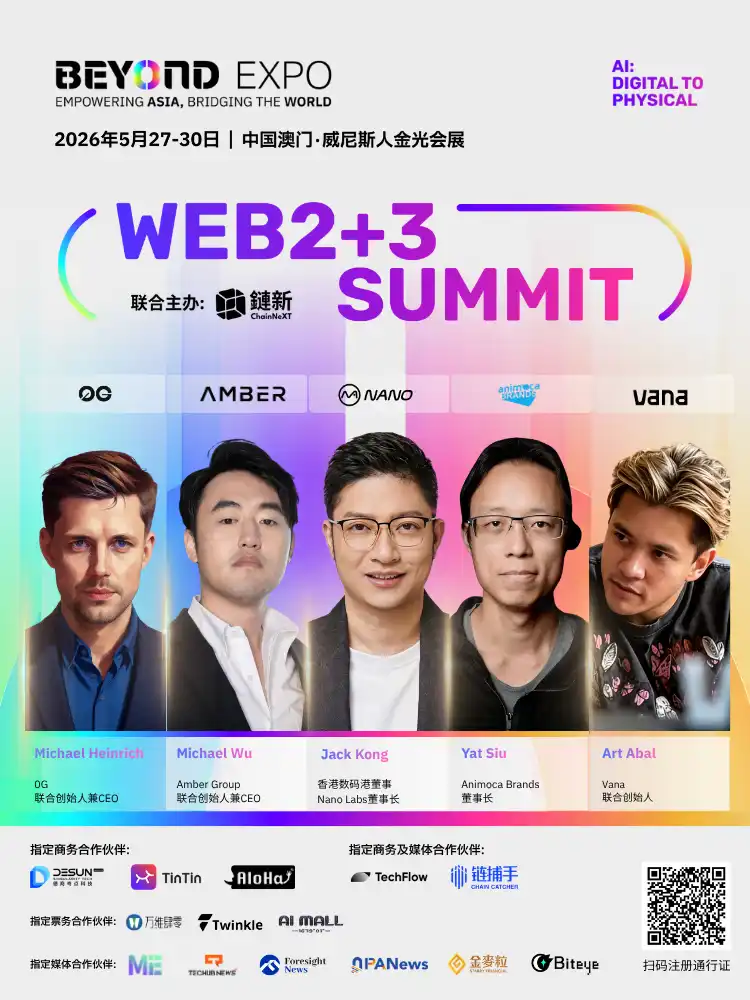
First Batch of Keynote Speakers and Partners Announced! Web2+3 Summit: Defining the Next Generation of Digital Economy

Web2+3 Summit: Defining the Next Generation of Digital Economy The 6th BEYOND International Technology Innovation Expo (BEYOND Expo 2026), Asia's largest tech and ecosystem exhibition, is launching a dedicated Web2+3 stage for the first time. Co-hosted by BEYOND Expo and ChainNeXT Group, the Web3 Summit will take place from May 28–30, 2026. Against the backdrop of accelerating global tech integration, the boundaries between Web2 and Web3 are rapidly blurring. With clearer global regulations for blockchain-driven internet (Web3) and the special issuance of a Hong Kong dollar stable币 license by the Hong Kong SAR government on April 10, 2026, Web3's decentralized principles are quickly merging with traditional industries (Web2) such as e-commerce, finance, and artificial intelligence. Focused on blockchain-driven digital economy elements, the summit will center on three core principles—implementability, commercial viability, and compliance. It will bring together top Web3 experts to discuss key integration areas like stablecoin payment finance (PayFi), real-world asset tokenization (RWA), and decentralized AI (DeAI), unveiling new opportunities for industrial innovation. The first wave of confirmed speakers includes Jack Kong (Director of Hong Kong Cyberport, Chairman of Nano Labs), Yat Siu (Chairman of Animoca Brands), Michael Wu (Co-founder & CEO of Amber Group), Michael Heinrich (Co-founder & CEO of 0G), and Art Abal (Co-founder of Vana). More Web3 ecosystem pioneers, AI, and fintech experts will be announced soon. Core forum topics include: - Web2+DeAI: New AI Paradigms Driven by Decentralized Infrastructure - Web2+RWA: Real-World Asset Tokenization and Global Liquidity - Web2+PayFi: Cross-Border Payments and Financial Innovation Powered by Crypto Infrastructure - Web2+3 AI: Autonomous Agents and the Crypto Economy - Web2+3 Wealth: On-Chain and Off-Chain Integrated Investment Ecosystems - Web2+3 Commerce: A New Landscape for Global Trade Driven by Stablecoins Additional agenda details will be released in the near future.

marsbit4 год тому

First Batch of Keynote Speakers and Partners Announced! Web2+3 Summit: Defining the Next Generation of Digital Economy

marsbit4 год тому

Торгівля

Спот
Ф'ючерси
活动图片