Senate Makes Move Toward CLARITY Act: August Signing Target Stays Alive, For Now

bitcoinistОпубліковано о 2026-06-02Востаннє оновлено о 2026-06-02

Анотація

The Senate has advanced the CLARITY Act, clearing key committee hurdles and keeping alive the target of reaching the President's desk by August. However, the path remains tight both procedurally and politically. Supporters must reconcile competing versions from the Senate Agriculture and Banking Committees into a single text. Key challenges include securing bipartisan support, especially from some Senate Agriculture Democrats, to reach the 60 votes needed to overcome a filibuster. Within the Banking Committee, Democratic support from Senators Gallego and Alsobrooks remains contingent on finalizing ethics guardrails for officials dealing with crypto, which lead Democratic architect Senator Gillibrand calls "non-negotiable." Additional Democrats are seeking assurances on law enforcement tools for DeFi, though some industry participants fear this could weaken legal protections for software developers. Observers debate whether the August recess is a firm deadline, with some warning that campaign season could derail the bill. Others, like a policy expert from the Hyperliquid Policy Center, believe enough political capital has been invested to keep it on the agenda, though slipping into next year risks disruption from the midterm elections and potential leadership changes.

After the CLARITY Act cleared key hurdles in the Senate—thanks to successful markup work by both the Agriculture and Banking Committees—the legislation is now entering a narrow stretch of time that could determine whether it reaches the President’s desk this year.

Supporters say the bill’s momentum is real, but the path ahead is tight, both procedurally and politically, as staffers scramble to reconcile competing Senate versions into a single workable text.

CLARITY Act Timetable

According to Patrick Witt, executive director of the President’s Council of Advisors for Digital Assets, the White House is aiming for House passage of the Digital Asset Market Clarity Act on July 4.

But as Eleanor Terrett of Crypto In America reported on Monday, lawmakers still face a more complicated bottleneck than the calendar alone suggests.

Terrett reports that lawmakers and industry participants are now working through several unresolved differences from the Agriculture version, which are still subject to negotiation.

For supporters, one of the most important challenges will be bringing at least some Senate Agriculture Democrats toward a changed position. That matters because the bill would need 60 votes to overcome a filibuster, making bipartisan cooperation essential for the CLARITY Act’s survival on the Senate floor.

In the Banking Committee, Democrats Ruben Gallego and Angela Alsobrooks voted to advance the CLARITY Act out of committee. However, both have said their ongoing support depends on reaching an agreement on ethics guardrails for government officials dealing with cryptocurrency.

Gallego has described that effort as being close to the finish line, but the details are still politically sensitive. Sen. Kirsten Gillibrand, one of the bill’s lead architects on the Democratic side, has made clear that ethics provisions are “non-negotiable” for Democratic support.

What If The Bill Slips Past This Year

Other Democrats are also looking for additional protections tied to enforcement capabilities. Sens. Mark Warner, Catherine Cortez Masto, and Raphael Warnock have sought assurances that law enforcement agencies will retain the tools needed to pursue bad actors operating in decentralized finance (DeFi).

Some industry participants, however, worry that meeting those requests could unintentionally result in legal protections for software developers being weakened further.

Some observers point to the August recess as the effective deadline, arguing that once lawmakers become consumed by campaign season, many legislative priorities are deprioritized. Others dispute that view, suggesting the political will behind the bill is strong enough to keep it in play for the remainder of the 119th Congress.

Adam Minehardt, chief policy officer at the Hyperliquid Policy Center and a former congressional staffer, offered a more optimistic view of the CLARITY Act’s timeline in a statement to Crypto In America.

In his assessment, deadlines are often overemphasized, adding that there has already been enough political capital invested to make it unlikely the bill would be dropped from the agenda. Even so, Minehardt warned that the political environment could shift if the measure slips into next year.

The Hyperliquid Policy Center’s CPO noted that the midterm elections—and the resulting changes in congressional leadership—could test whether crypto’s current political momentum can survive a power transition.

The daily chart shows the total crypto market cap dropping to $2.41 trillion on Monday. Source: TOTAL on TradingView.com

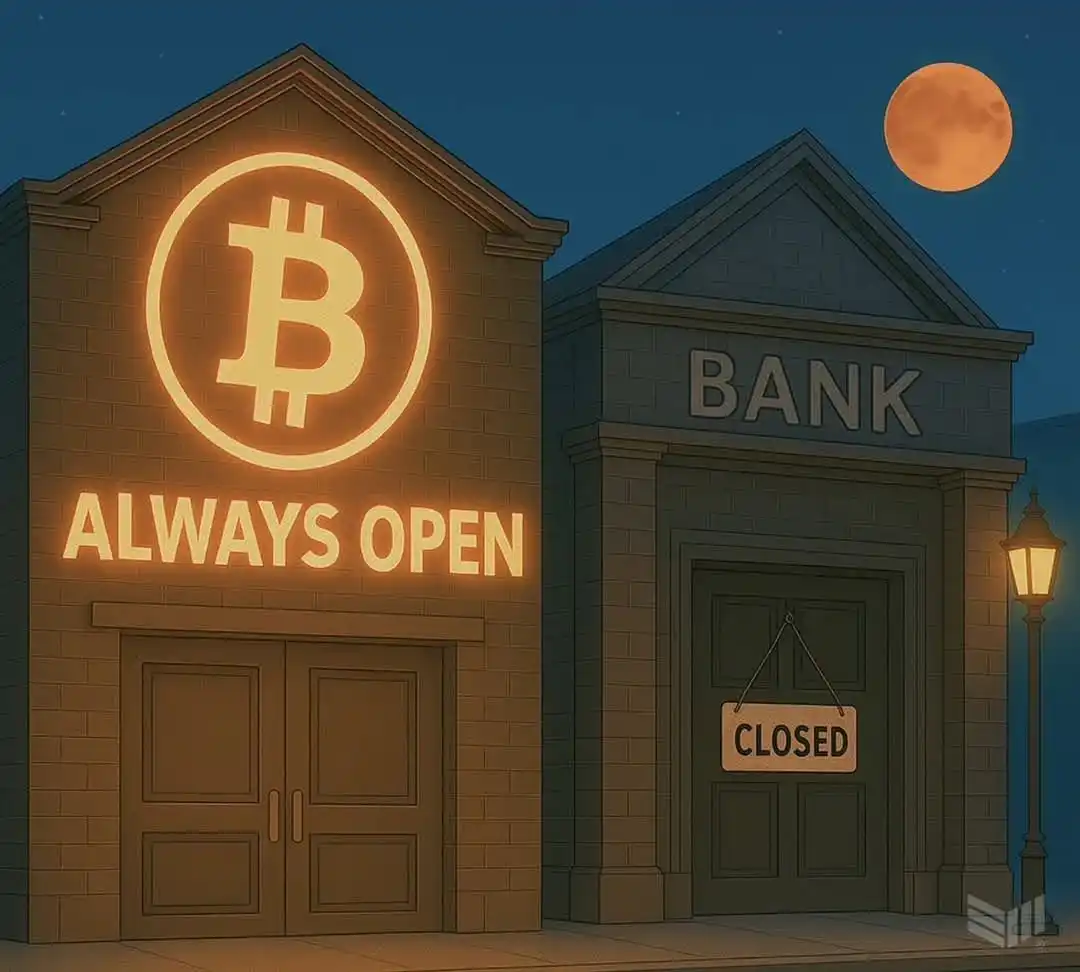
Featured image created with OpenArt; chart from TradingView.com

Пов'язані питання

QWhat are the key Senate committees that have advanced the CLARITY Act, and why is their work important?

AThe CLARITY Act has been advanced by both the Senate Agriculture and Banking Committees. Their work is important because it represents key procedural hurdles being cleared, moving the legislation forward for potential consideration by the full Senate.

QWhat is the significance of needing 60 votes in the Senate for the CLARITY Act?

AThe CLARITY Act would need 60 votes to overcome a filibuster in the Senate. This makes bipartisan cooperation essential for its survival on the Senate floor, as it requires support from both Democrats and Republicans to reach that threshold.

QAccording to the article, what specific condition have Democratic Senators Gallego and Alsobrooks placed on their continued support for the bill?

ADemocratic Senators Ruben Gallego and Angela Alsobrooks, who voted to advance the bill in the Banking Committee, have said their ongoing support depends on reaching an agreement on ethics guardrails for government officials dealing with cryptocurrency.

QWhat concerns do some industry participants have regarding potential enforcement provisions sought by certain Democratic senators?

ASome industry participants worry that meeting the requests from Senators like Warner, Cortez Masto, and Warnock for strong law enforcement tools against bad actors in DeFi could unintentionally result in legal protections for software developers being weakened further.

QWhat are the two contrasting views presented in the article regarding the legislative deadline for the CLARITY Act?

AOne view points to the August recess as an effective deadline, arguing that legislative priorities are often deprioritized once lawmakers become consumed by the campaign season. An opposing, more optimistic view suggests the political will behind the bill is strong enough to keep it in play for the remainder of the 119th Congress, even beyond that deadline.

Пов'язані матеріали

For Hedging, Buy Gold and Oil; For Explosive Growth, Buy AI; Bitcoin, the 'Outdated' Asset, Enters a Bear Market

Bitcoin’s price has recently fallen sharply, hitting a two-month low near $66,000, with Ethereum also dropping to a three-month low. While surface explanations point to ETF outflows, geopolitical tensions, and corporate selling, a deeper issue is emerging: Bitcoin is losing a crucial asset competition. For years, Bitcoin thrived in a low-rate environment where investors sought alternatives amid inflation fears and dissatisfaction with traditional options. Now, the market landscape has shifted, leaving Bitcoin stuck in an "awkward middle ground," facing challenges on three fronts: 1. **As an inflation hedge, gold is winning.** Investors worried about persistent inflation are turning to tangible assets like gold, energy stocks, and commodity producers, which offer more direct pricing power and physical backing. 2. **For growth exposure, AI is winning.** Those seeking high growth now favor AI-related companies with actual revenues and profits, an area where Bitcoin's lack of cash flow puts it at a disadvantage. 3. **Within crypto, infrastructure and stablecoins are winning.** Even investors wanting crypto exposure have alternatives like exchanges, stablecoin issuers, and tokenization firms, whose performance is directly tied to real-world adoption and offers clearer operational leverage. The recent market reaction to inflation warnings highlights this shift. Instead of boosting Bitcoin as "digital gold," such news now drives flows toward traditional inflation-sensitive assets. Therefore, recent events like ETF outflows and corporate selling are seen not as causes, but as symptoms of this new reality. Capital has more compelling options, and investors are becoming more selective. The emerging bear case for Bitcoin is no longer about it being a fraud or failed technology, but rather that **scarcity alone is no longer enough**. It is no longer seen as the best hedge, the best growth asset, or the only crypto play.

marsbit4 хв тому

For Hedging, Buy Gold and Oil; For Explosive Growth, Buy AI; Bitcoin, the 'Outdated' Asset, Enters a Bear Market

marsbit4 хв тому

SaaS Battle Royale: The Survivors Who Win All Share One Common Trait

**Summary** The AI revolution has triggered a "SaaS apocalypse," forcing a brutal market shakeout. The key dividing line is the pricing model. Companies like Snowflake and Datadog, which charge based on consumption (e.g., data processed or compute used), are thriving. AI workloads actively *generate* more demand for their services, fueling growth. Datadog's accelerating revenue is a prime example. Microsoft and Palantir, as platform/ecosystem players, also benefit by acting as essential channels for AI deployment. In contrast, traditional SaaS firms built on per-seat or per-task licensing (e.g., Intuit, Adobe) face direct pressure, as AI threatens to automate the very human tasks their software supports. Companies like Salesforce, a per-seat giant, are caught in the middle. While showing strong AI monetization (e.g., its Agentforce platform) and experimenting with consumption-based "Flex Credits," its stock remains under pressure, illustrating that the market rewards *completed* transitions, not just the intent. The recent Microsoft Build conference underscored key trends: AI is evolving from an assistant to an autonomous "agent," and platform providers like Microsoft are consolidating their control. The market's recovery is highly selective, focused on identifying which companies are "fed by AI" versus "eaten by AI." Future focus will be on the diffusion of this recovery to transforming companies and the real-world adoption data of AI agents like Microsoft Copilot.

marsbit21 хв тому

SaaS Battle Royale: The Survivors Who Win All Share One Common Trait

marsbit21 хв тому

Торгівля

Спот
Ф'ючерси
活动图片