疫情影响餐饮业美国名厨制作NFT「披萨」

蜂巢TechОпубліковано о 2022-03-28Востаннє оновлено о 2022-03-28

Анотація

新冠疫情给全球餐饮业带来了巨大的冲击,据外媒统计,美国已有约11万家餐厅永久关闭,而仍在营业的餐厅在收入锐减后也风雨飘摇。

新冠疫情给全球餐饮业带来了巨大的冲击,据外媒统计,美国已有约11万家餐厅永久关闭,而仍在营业的餐厅在收入锐减后也风雨飘摇。在此背景下,两位美国名厨TomColicchio和SpikeMendelsohn决定探索一些新的方式来与食客建立联系,NFT成了被选中的载体。

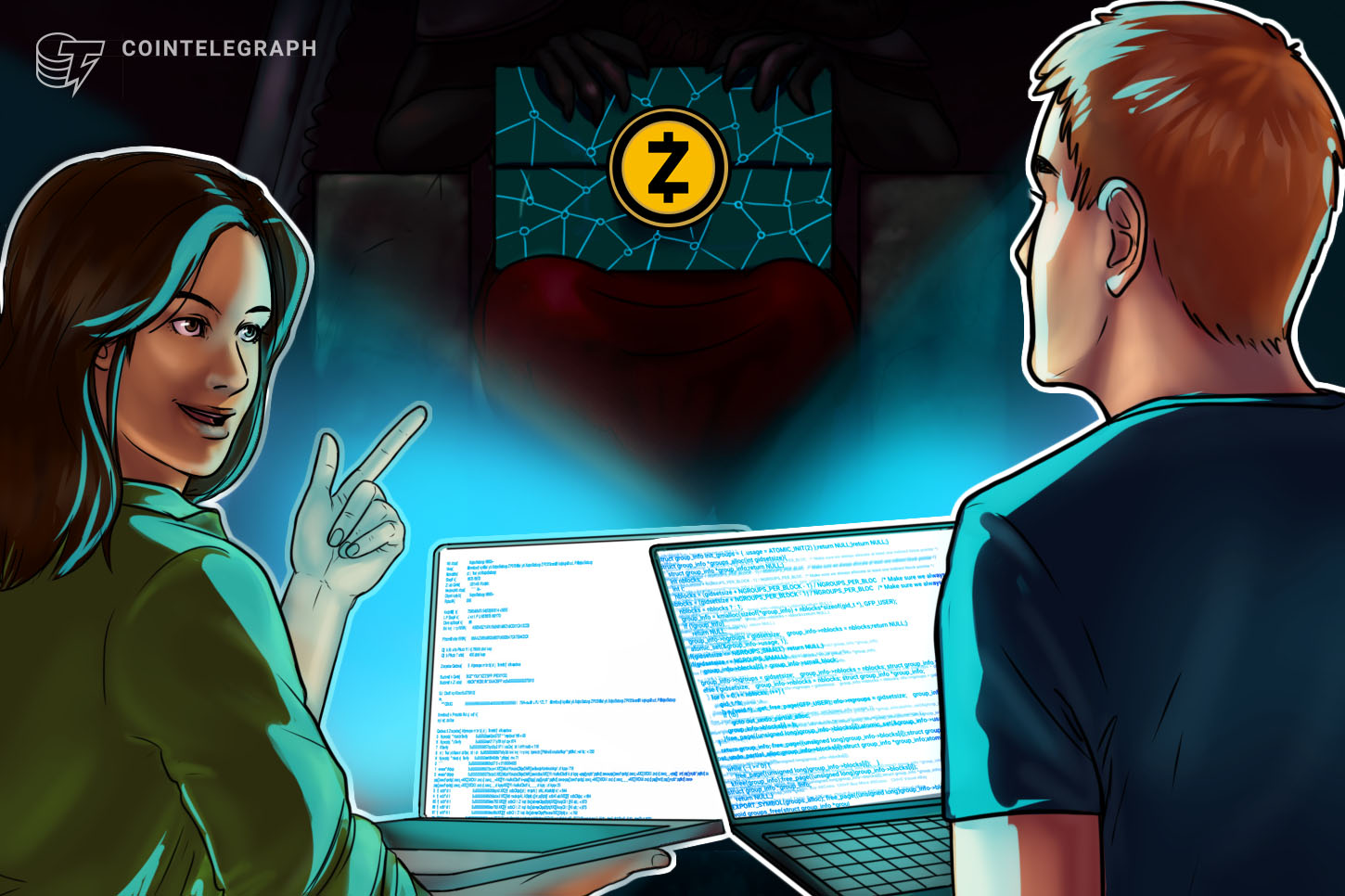
3月25日,两名厨师发布了CHFTYPizzas系列NFT,这组NFT由拟人化的披萨片构成,共2777个。他们的目标是借此构建一个由厨师组成的Web3社区,并探索新的餐饮业商业模式。

与大多数NFT项目仅停留在虚拟世界不同,CHFTYPizzas的创造者试图连接现实生活。下个月,他们将发起一个NFT持有者方可参与的流媒体课程和现场活动,此外,他们还计划在美国各地开设Pop-up披萨餐厅,具体怎么做由NFT持有者共同决定。

Colicchio和Mendelsohn更大的目标是参照以太坊艺术NFT生成平台ArtBlocks,建立一个厨师行业专属的扩展社区,通过提供技术、经验支持,帮助厨师、美食家和品牌融入Web3。

在艺术画作作为NFT领域主流表现形式的当下,更多垂直行业从业者与NFT接轨,开始让NFT变得接地气。

疫情影响餐饮业名厨试水NFT

在NFT流行的当下,NFT的种类和数量每天都在经历爆炸式增长,大多数NFT有着独特的IP属性,它们的创建者通常是加密领域的原生派和艺术家,另有部分NFT系列由娱乐明星、商业公司和网络红人发行。

尽管铺天盖地的NFT很容易让人觉得这个领域已经足够多元化,但这些虚拟产品似乎还少了点什么。不得不承认,大量的「JEPG式」NFT距离人们的真实生活尚有距离,就像互联网刚萌芽的阶段,面对那些看得见但摸不到的虚拟界面,人们一直在探索如何利用它赋能现实生活,于是后来才有了网络流媒体和电子商务。

NFT如何与现实生活更紧密结合,至今还处于一个真空阶段。而近日,两个受疫情影响有些失落的厨子试图借助NFT改变现状的故事,或许能给NFT行业带来一些启发。

3月25日,美国名厨TomColicchio和SpikeMendelsohn宣布推出NFT项目CHFTYPizzas,旨在围绕烹饪创作者及其粉丝建立一个Web3社区。该系列NFT已经以公开发行的方式推出,涵盖2777张个人资料图片,每个NFT都是卡通化、拟人化的披萨片,官方盲盒售价为0.07ETH,约合210美元。

CHFTYPizzasNFT系列

这两名厨师来头不小。TomColicchio是美国电视台Bravo长期播出的「顶级厨师」节目的首席评委兼执行制片人,也是Craft等餐厅的幕后运作者;Mendelsohn则是We、ThePizza和PLNTBurger等餐厅的主厨,同时是「顶级厨师」节目的参赛者。

这两位颇有名气的厨师之所以动了发行NFT的心思,主要与新冠疫情对餐饮业带来的巨大冲击有直接关联。根据外媒统计,在美国已经有大约11万家餐厅永久关闭,而仍在营业的餐厅在收入锐减后也风雨飘摇。

餐饮业的萧条,让这两位名厨颇为苦恼。「由于人们不能再去餐馆了,餐饮业正在研究如何接触在家的消费者。」Mendelsohn感觉到,Web2的世界有些落后,他们开始考虑采用不同的方式来利用技术与客户和粉丝建立联系。

就在此时,NFT开始越来越多出现在媒体报道中,引起了他们的注意。为了快速了解NFT,他们在社交媒体潜水查看NFT相关内容,在此期间,两名厨师看到了艺术家与烹饪者在创造产品中相似之处。他们认为,不仅艺术家可以发行NFT,厨师也可以发行自己创作的餐饮类NFT。

这个想法一经产生便快速萌芽,经过了约9个月的设计,CHFTYPizzas终于在近日宣告诞生。

NFT通过社区链接现实世界

3月25日,经过认购的CHFTYPizzas系列盲盒已经在OpenSea上架,其中有829人持有1900个盲盒,地板价为0.088ETH,相比发行价小幅上涨。

该系列NFT的官方简介中写着这样一句话:「用我们在以太坊上烘焙的2777种美味比萨饼,建立最大的厨师和美食家社区!」

相比其他NFT项目面向的人群广泛,CHFTYPizzas因其项目发起人的特别职业将受众范围缩窄了。Mendelsohn表示,希望可以随着时间的推移吸引更多厨师加入。

那么,CHFTYPizzas如何影响现实的餐饮业?

在两名创始人的规划里,他们首先要以该系列NFT为媒介,创建一个Web3厨师社区。据透露,每个CHFTYPizzasNFT都可以充当访问通行证,让持有者加入一个独家的Discord社区,其中还有其他著名的厨师,如RoccoDiSpirito、CatCora和「顶级厨师」冠军KristenKish等。

将厨师们聚集在一起会形成一个「俱乐部」的概念,厨师们可以交流厨艺心得,也可以探索更多的商业模式。借助这个社区,项目创建者计划在下个月发起厨师的流媒体课程和现场活动,此外,他们还计划在美国各地开设Pop-up披萨餐厅,具体怎么做交由NFT持有者决定。
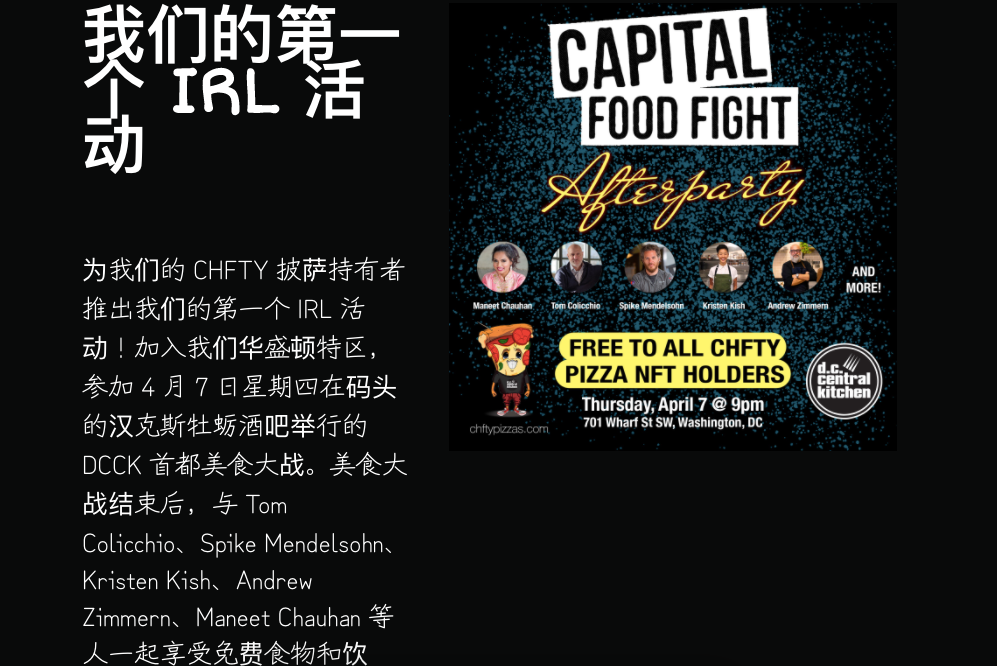
CHFTYPizzas计划举行线下活动

此外,CHFTYPizzasNFT的首次销售和二次销售版税所得将有一部分用于慈善,这些资金将交给ElonMusk的弟弟KimbalMusk创建的BigGreenDAO,用于食品安全、环保等方面。

Colicchio和Mendelsohn更大的目标是建立一个扩展社区。他们认为,在疫情影响之下,餐饮社区必须在许多方面进行适应和发展。为了重新构想这个行业如何生存和繁荣,必须形成一个新的有远见的思想家社区。CHFTY社区的定位将是一个生态系统,相当于是厨师行业的「ArtBlocks」(以太坊艺术NFT铸造平台),帮助厨师、美食家和品牌融入Web3。

在这些计划之外,两名创建者还有一个关于元宇宙餐厅的构想,他们想象着建立一个数字娱乐餐厅。在线下为顾客运送实体餐包后,顾客可以佩戴VR或AR眼镜,与其他顾客一起享用美食。当然,想要做到这一步,还需要更长时间的探索。

在NFT潮流兴起的这段时间里,我们已经见到了许多各具特色的NFT系列。令人印象深刻的有印尼小哥自拍NFT、美女网红写真式NFT以及音乐作品NFT,只不过,这些NFT的受众并非是特定的专业群体,除了观赏之外,与现实世界的连接也显得有限。

而由两名失落厨子发行的CHFTYPizzasNFT,将餐饮业的现实困境与这项新的技术表达手段进行了结合,一方面,厨师们可以借此建立一个垂直化的社区;另一方面,人们也能真正探索如何用NFT来改进现实的餐饮商业模式。

在艺术画作作为NFT领域的主流表现形式的当下,更多垂直行业从业者与NFT接轨,有望让一个个虚拟图片接地气,也更具实际意义。也许在不久后,我们可以看到,造型师、医疗工作者、科研人员等更多的职业也能利用起NFT这个媒介,构建同行者社区,并对外输出专业知识和经验等。

当NFT从艺术领域走到各行各业,它能够发挥价值的空间也将无限扩大。
Пов'язані матеріали

What If the CLARITY Act Ultimately Fails to Pass?

This article examines the potential consequences if the CLARITY Act, a major US crypto market structure bill, fails to pass in the Senate. Having cleared the House in July 2025 and a key committee in May 2026, the bill's passage into law this year is now considered uncertain, with prediction markets showing its probability dropping from 82% in February to 35%. The article analyzes three main areas of impact should the bill fail. First, for the crypto market, analysts believe a negative reaction is limited and partially priced in already, with Bitcoin's recent weakness attributed more to macro factors. The specific details of the failed bill would matter more than its failure alone. Second, for US stocks, Coinbase (COIN) could see short-term pressure, with analysts citing a potential drop to the $140-$160 range, though its long-term thesis is not solely tied to the bill. For Circle, failure might be neutral or even positive long-term, as a passed bill could invite more stablecoin competition. Bitcoin-treasury firms like Strategy (MSTR) are seen as more directly tied to Bitcoin's price than the legislation. Third, in Washington, the failure is framed within a broader political struggle. Democratic resistance is partly linked to concerns over former President Trump's crypto holdings, making the bill a political tool. If it fails in 2026, the industry would likely rely on existing frameworks like the GENIUS Act and agency-level rules. Missing the August window likely pushes any significant progress to 2027, a period of political reshuffling after midterm elections, making consensus harder to achieve.

Odaily星球日报5 хв тому

What If the CLARITY Act Ultimately Fails to Pass?

Odaily星球日报5 хв тому

SK Hynix Q2 Profit Soars Sixfold, Still 'Misses Expectations'; Secures Long-Term Agreements with 10 Clients, HBM4 to Accelerate Volume Ramp in Second Half

SK Hynix reported record-breaking Q2 2026 financial results, with operating profit soaring 557% year-over-year to 60.5 trillion won and revenue increasing 257% to 79.3 trillion won, driven by strong demand for AI server memory, HBM, and enterprise SSDs. The operating profit margin reached 76.3%. However, both figures fell short of analyst expectations, leading to a drop in its share price. The company attributed the earnings miss to three factors: a high sales mix of HBM, which limited upside from surging prices of general-purpose DRAM; a deceleration in memory price increases compared to Q1; and long-term supply agreements (LTAs) with major customers that lock in prices, reducing sensitivity to spot market gains. SK Hynix has signed LTAs with about 10 clients, covering roughly half of its sales. Despite the miss, the company remains optimistic about AI-driven demand. Its net profit of 93.9 trillion won was significantly boosted by a one-time gain from the partial sale of its Kioxia stake. Financially, it strengthened its cash position, ending the quarter with a net cash position of 69.4 trillion won. Looking ahead, SK Hynix plans capital expenditures at the high end of its 40-50 trillion won range for 2026 to expand capacity for HBM and advanced NAND products, including accelerating the mass production of HBM4 in the second half of the year.

marsbit26 хв тому

SK Hynix Q2 Profit Soars Sixfold, Still 'Misses Expectations'; Secures Long-Term Agreements with 10 Clients, HBM4 to Accelerate Volume Ramp in Second Half

marsbit26 хв тому

Behind the 67,000 Semiconductor Talent Shortage: U.S. Industrial Policy Game and Implications for China

The U.S. push to reshore semiconductor manufacturing faces a core challenge: a significant talent shortage. While over $770 billion in investments are planned across 160 projects, a key hurdle is finding enough people to run the new fabs. According to industry projections, the U.S. could face a shortage of approximately 67,000 technicians, engineers, and computer scientists by 2030. This shortage is multi-faceted. It includes not only high-level chip design engineers requiring advanced degrees but also a substantial need for technicians to operate and maintain fab equipment. Technician roles, while often requiring less formal education, are hard to fill due to factors like shift work, factory locations, and local community infrastructure. Conversely, for high-end engineers, the issue is less about salary—which is already competitive—and more about intense competition for specialized skills from other tech sectors and the long lead time to develop such expertise. The geographic dispersion of new investments complicates recruitment, as fabs need large numbers of local, stable employees. In response, U.S. policy emphasizes building workforce development as critical infrastructure. Strategies include expanding community college programs for technician training, fostering industry-education partnerships, and pursuing immigration reforms for high-skilled talent, aiming to balance immediate needs with long-term domestic pipeline development. For China, the key takeaway is the need to integrate talent supply planning with factory construction from the outset. This involves requiring companies to submit workforce plans, strengthening vocational education aligned with industry needs, and building supportive local ecosystems to retain talent. Ultimately, a sustainable semiconductor industry depends not just on building fabs, but on cultivating a continuous, local talent pipeline capable of keeping them running and advancing.

marsbit1 год тому

Behind the 67,000 Semiconductor Talent Shortage: U.S. Industrial Policy Game and Implications for China

marsbit1 год тому

Торгівля

Спот
活动图片