2022 Year in Review
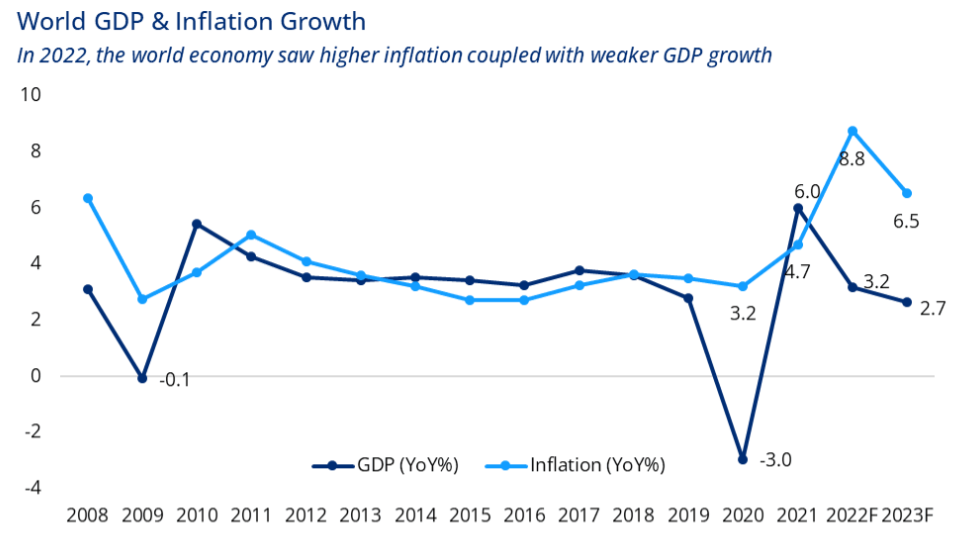
In 2022, the global economy struggled under macro and geopolitical headwinds, including monetary tightening by central banks around the world to combat inflation, the conflict in Europe, supply chain disruptions, and lingering effects of the COVID-19 pandemic. As a result, the expected global GDP growth in 2022 is 3.2%, a sharp drop from ~6% in 2021. Meanwhile, the inflation growth rate continued to spike, reaching 8.8% YoY.
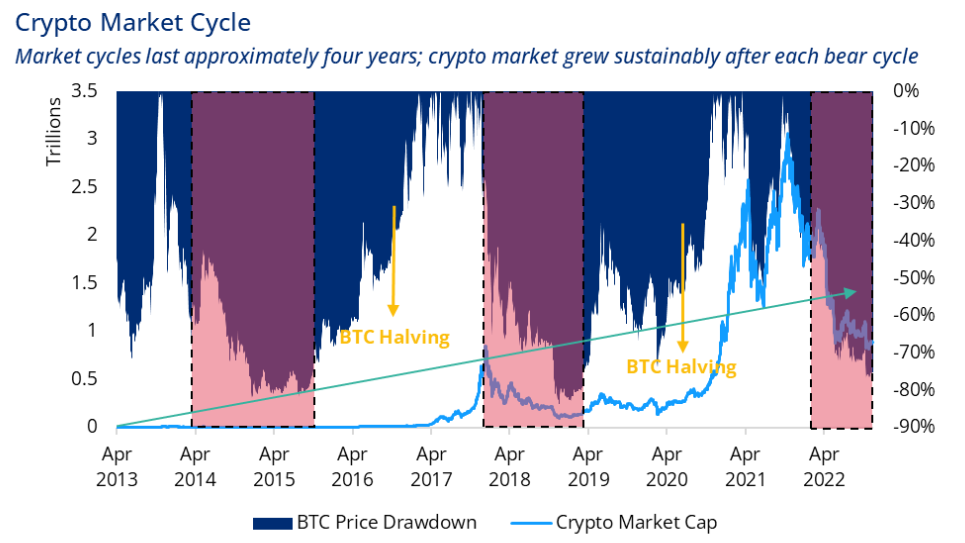
In addition to macro headwinds, the crypto market was also negatively impacted by several events, notably the Terra stablecoin (UST) collapse in May and the FTX bankruptcy in November. Both events and the subsequent fallouts produced ripple effects, which affected other players in the ecosystem, and dampened confidence in the sector. It’s arguably still “Crypto Winter” at the time of writing. That being said, it is natural for market cycles to fluctuate between bearish and bullish periods, as indicated by the graph below.
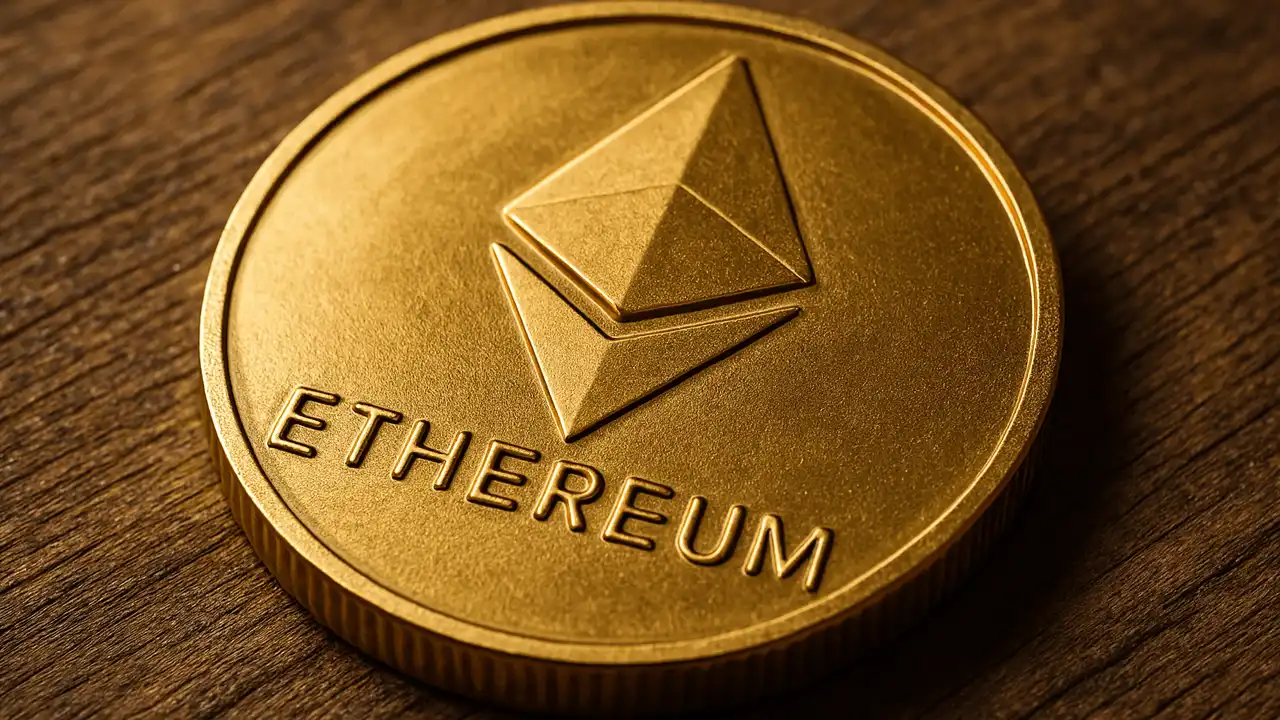
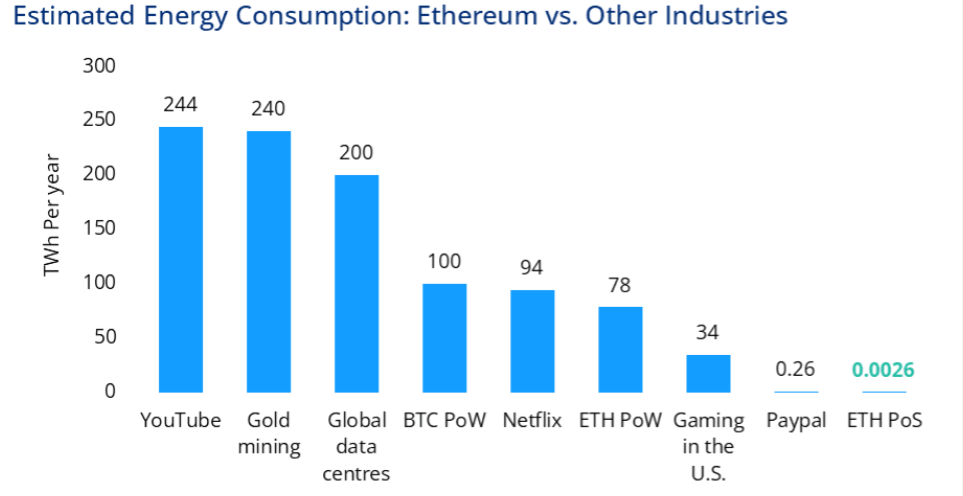
Ethereum’s Merge on 15 September 2022 is widely considered one of the most anticipated crypto events this year. One of the positive effects of The Merge is that Ethereum’s energy consumption dropped by 99.95%, as PoS does not require the energy-intensive mining rigs of PoW. Instead, PoS blockchains rely on validators to verify the transactions. The PoS Ethereum blockchain’s energy consumption is estimated to be roughly 1% of PayPal, and orders of magnitude smaller than PoW networks.
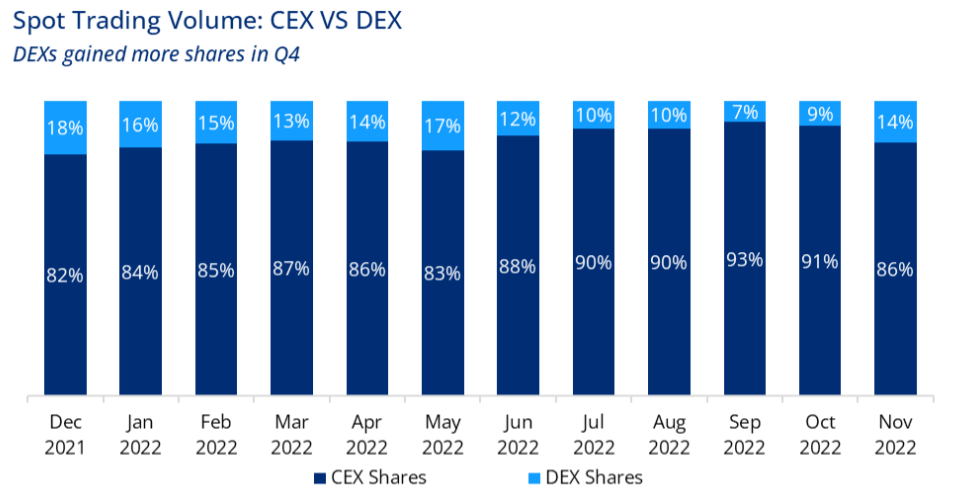
Following the bankruptcy of FTX in late 2022, we saw decentralised exchanges (DEXs) take up a higher share of total crypto spot trading volume. As of November 2022, DEXs took up 14% of spot trading volume, compared to 9% in October. In addition, with the growing adoption of non-custodial wallets like the Crypto.com DeFi Wallet, users are showing an inclination towards having full control of their funds.
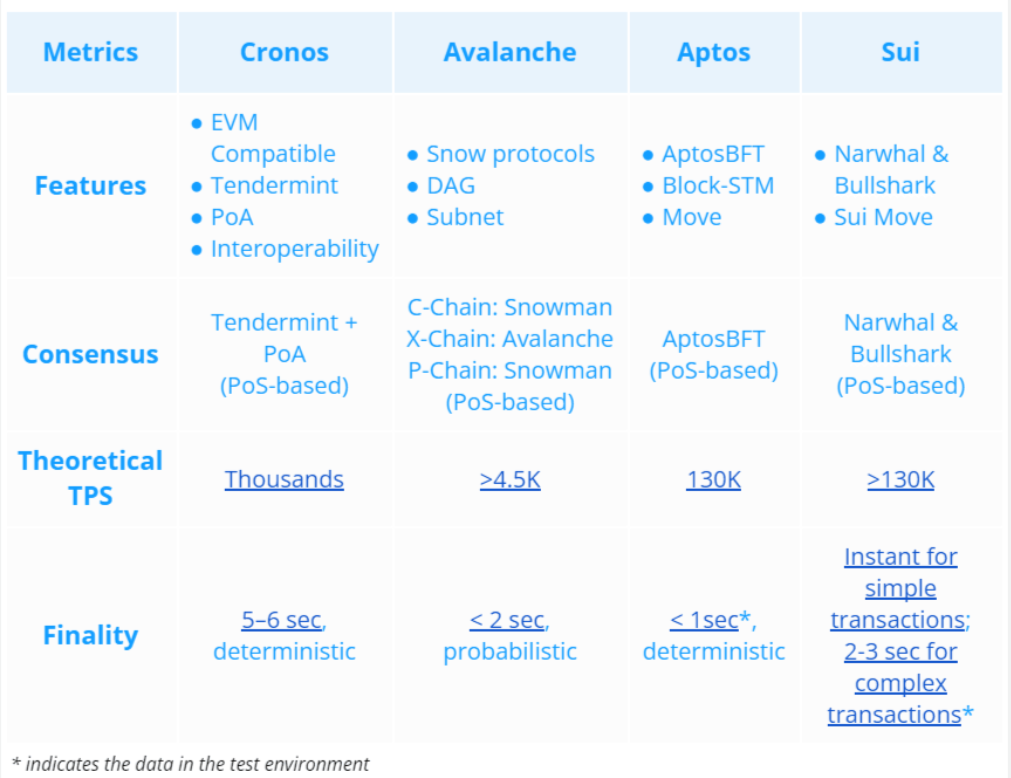
In 2022, new layer-1 (L1) blockchains were under the spotlight; notable examples are Aptos and Sui, which are both created by ex-developers from Meta’s Diem team. Therefore, Sui and Aptos use similar technologies, including the parallel engine and Move programming language. Besides the L1s, other blockchains like Cronos also gained popularity in the community.
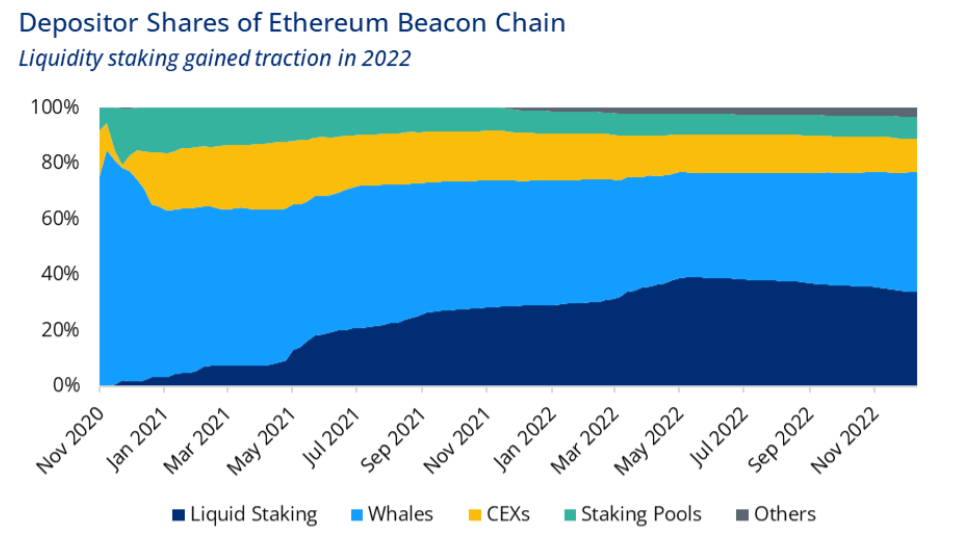
PoS staking requires locking up tokens by default, which means the token holder has to choose between earning yield or preserving liquidity. Liquid staking attempts to solve the problem by letting the tokenholder enjoy the best of both worlds – enjoying yield on the PoS token while maintaining some degree of liquidity. The flexibility that liquid staking provides to depositors are some of the reasons it flourished in 2022. According to the market cap of the liquidity staking tokens, ETH is the most popular token choice. Lido Finance continues to lead the liquid staking market, taking around 78% of the market share.
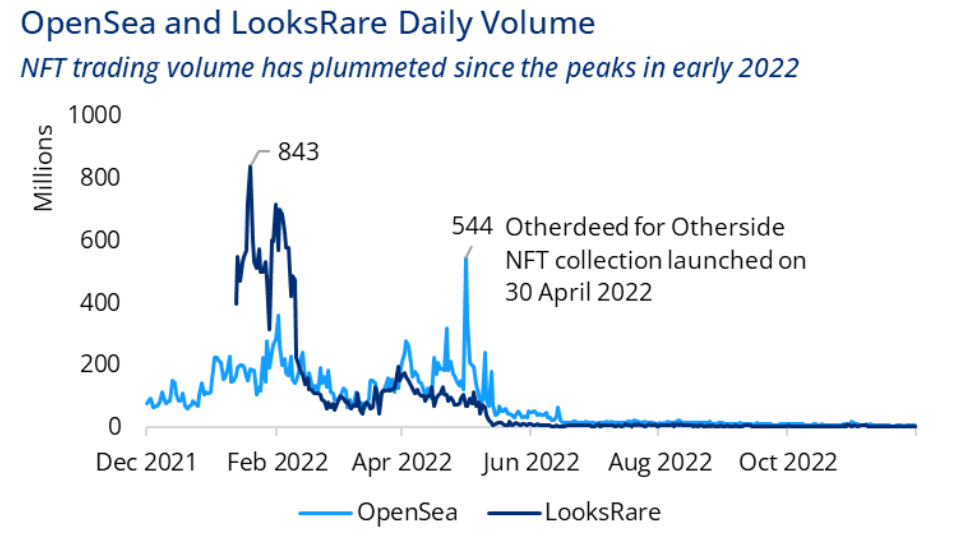
In the first half of 2022, the NFT market was vibrant with strong trading volumes. In May 2022, OpenSea hit a high of US$544 million in daily volume, which was driven by the launch of the “Otherdeed for Otherside” collection by Yuga Labs, the company behind the blue-chip Bored Ape Yacht Club (BAYC) NFTs. In spite of softer trading volumes in recent months, NFT partnerships and innovations continued. For example, Crypto.com collaborated with A Story to develop the “Extraordinary Whales Club” social NFT series — a project based on the Korean drama Extraordinary Attorney Woo. In November, Crypto.com extended its first foray into Web3 by launching Crypto.com Land: The First Frontier NFTs, which will power a new blockchain game developed on the Cronos blockchain.
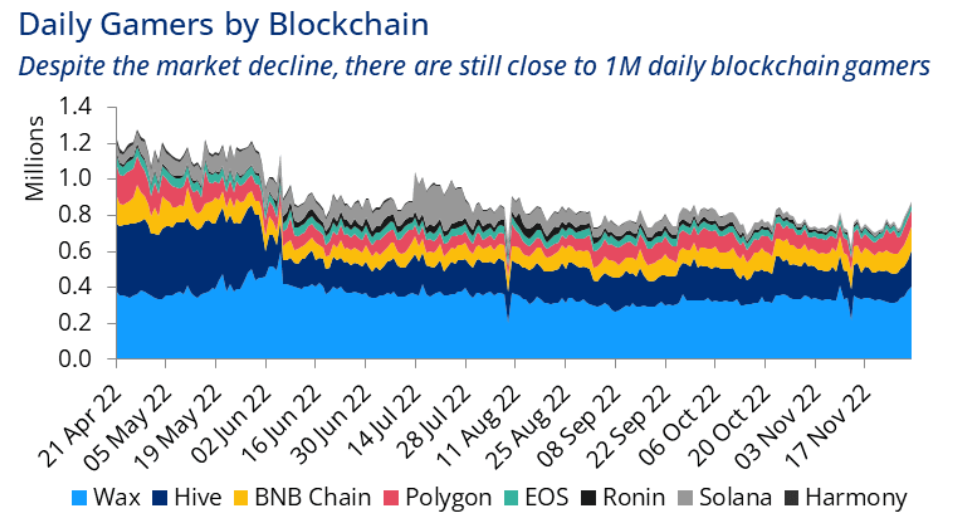
Despite the market downturn, there were still around 1 million daily blockchain gamers for most of 2022. The Wax blockchain is currently leading in terms of the number of daily gamers at 315,000 at the time of writing. Wax hosts several top games, such as Splinterlands and Farmers World.
In terms of developer tools, Cronos announced Cronos Play, a comprehensive modular suite of developer tools for blockchain games in the Cronos ecosystem. Cronos Play is a key pillar of Cronos’s strategy to bring millions of end users to Web3 and consists of a wide range of integrations, developer products, and services supporting multiple game platforms. Loaded Lions: Mane City, a tycoon-style idle game powered by Cronos, was first announced in November 2022. In Mane City, each Land NFT owned will grant a plot to build businesses with superior gaming experiences.
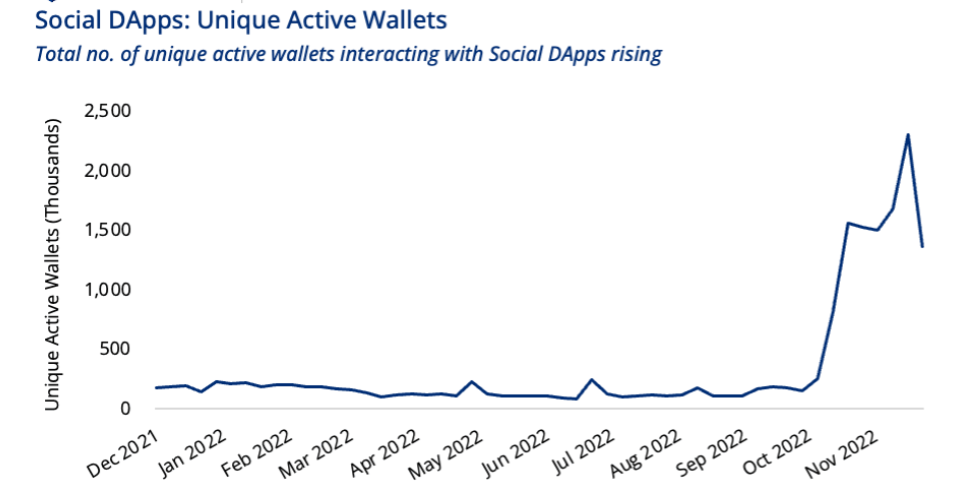
Blockchain-based social media applications gained traction in 2022, as seen by the sharp growth in the total number of unique wallets interacting with the smart contracts of social dApps.
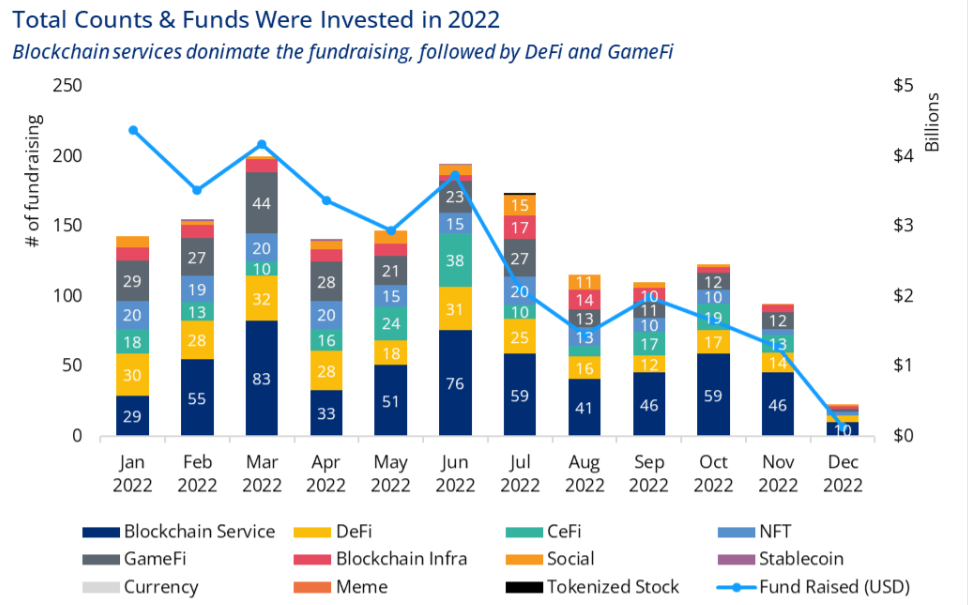
Capital investment and incubation of projects in the blockchain space continued to grow. About US$29 billion in funding was raised in the first half of 2022 alone, with infrastructure and Web3 startups — including NFT, blockchain gaming, and metaverse — taking up the lion’s share of the funding pool. The total amount of funds raised in those first six months already outpaced figures from 2021, which saw 1,313 rounds with $30.2 billion invested for the entire year. In terms of sector, the blockchain service category saw consistent spread of investments throughout the year. It received the most funding with a total of 592 deal rounds made, followed by the DeFi and GameFi categories.
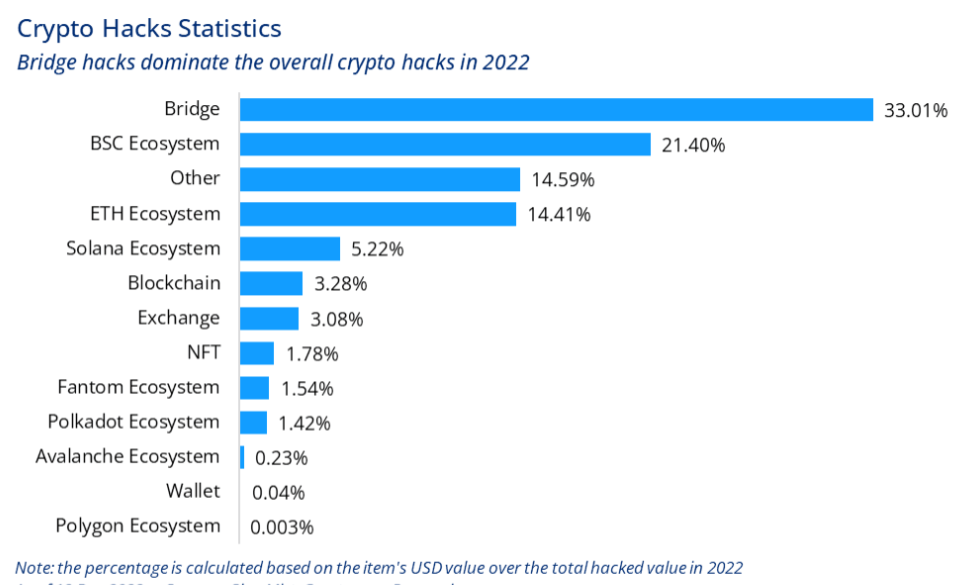
The issue of security is a focus for any blockchain network. In 2022, we continued to see hacks and exploits. At the time of writing, the total amount of money lost in crypto hacks in 2022 is about US$3.7 billion, which dropped by 63% compared with 2021. Vulnerabilities in bridges accounted for over one-third of the overall amount.
2023 Year Ahead
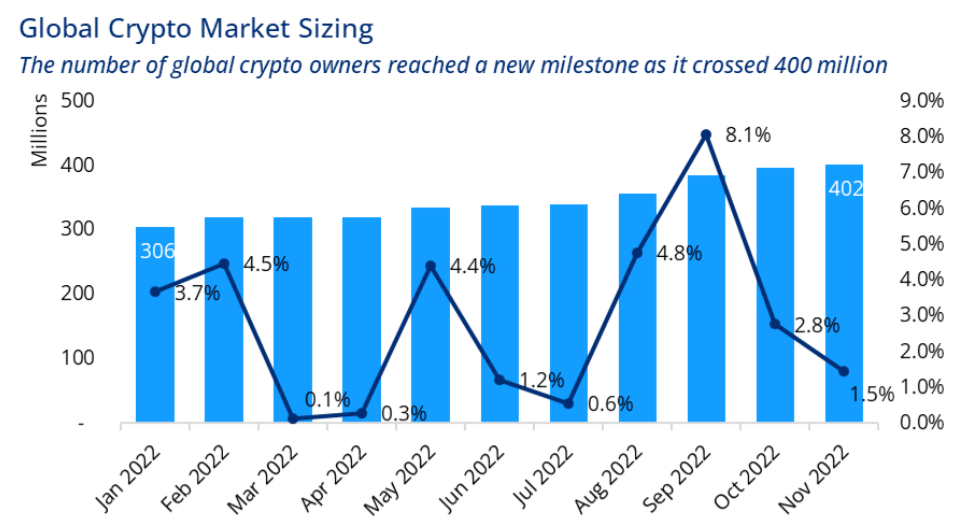
Despite challenging macro conditions, crypto adoption growth remained strong in 2022. As of November 2022, the number of crypto owners crossed the 400 million milestone, reaching 402 million. During the year, the monthly average adoption growth rate was 2.9%. Depending on market conditions, we expect the number of global crypto owners could reach 600 – 800 million in 2023.
In the blockchain gaming sector, we expect to see a few AAA games in the next year or two, which will provide players with new gaming experiences that integrate high-performance gameplay with blockchain technology.
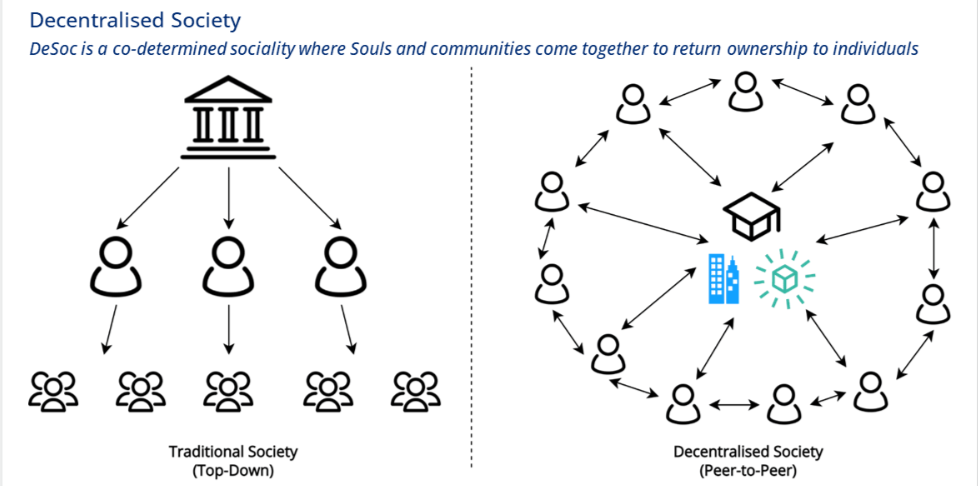
The increasing use cases for Soulbound Tokens (SBTs) could be another potential market driver. SBTs are NFTs tied to an individual or entity that are non-transferable and non-tradeable. They aim to represent the holder’s social identity by containing the holder’s commitments, credentials, and affiliations. It is similar to the concept of a resume or CV. The adoption of SBTs can direct us to a decentralised society (DeSoc) or a co-determined sociality, where Souls and communities convene in a bottom-up way. DeSoc, based on non-transferable SBTs, aims to represent the commitments, credentials, and affiliations of ‘Souls’ that can encode the trust networks of the real economy to establish provenance and reputation.
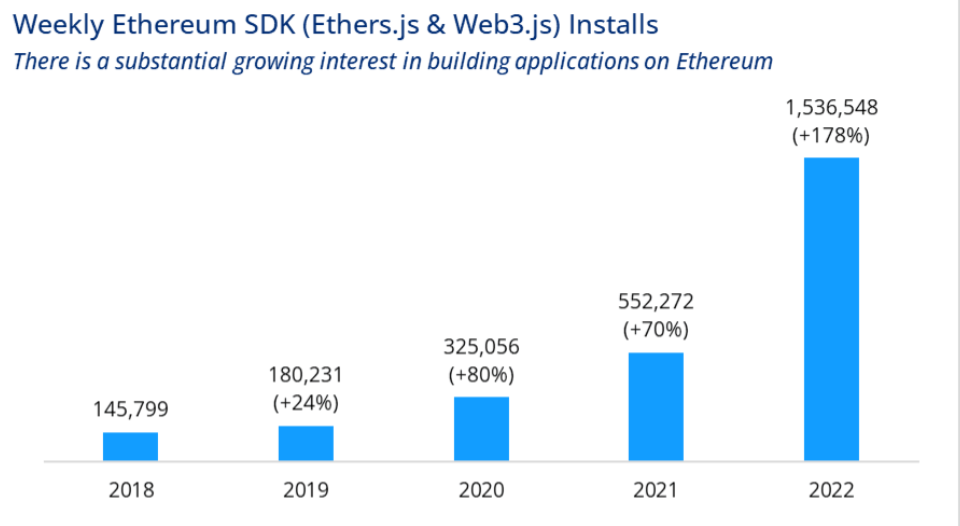
In 2022, we have seen an interesting phenomenon of more and more Web2 developers having great interest in Web3. The downloads of the two popular Web3 development libraries, Ethers.js and Web3.js, have surged 10x since 2018. Developers flocking to Web3 will stimulate the growth of the companies that provide Web3 development tools.
In the aftermath of a few bankruptcies and hacks in the industry in 2022, we have seen a growing focus on security as well as user education. The key to building a successful business model is to establish trust with end users. Going into 2023, we expect this trend of more focus on security and user education to continue. On one hand, we may see more platforms invest in security audits and certifications. On the other hand, we also look forward to seeing more educational initiatives rolled out in this space, continuing the trend from 2022. For example, in November 2022, Crypto.com launched a new University module in its app, a one-stop learning hub for users to enhance their crypto knowledge. To make the user experience more engaging and fun, users who successfully complete a learning course could redeem an array of items in the rewards store. We look forward to seeing more interactive learning experiences in the year ahead.
Besides the above trending topics, developments in other areas are expected to be watched, including the new blockchain infrastructure, ZK proofs adoption, more utility-based DeFi applications, Ethereum’s Shanghai upgrade and institutional adoption. Interested readers can access the full version of our outlook in 2023 by becoming a Private Member or Exchange VIP.