This year we witnessed what happens when the crypto community comes together to help the people of Ukraine, the world’s first auction of NFT art, and the unraveling of the FTX fallout. Take a look back at a few notable events in 2022 through the lens of our investigative solutions, Reactor and Storyline.
1. Cryptocurrency brings close to $100 million in aid to Ukraine
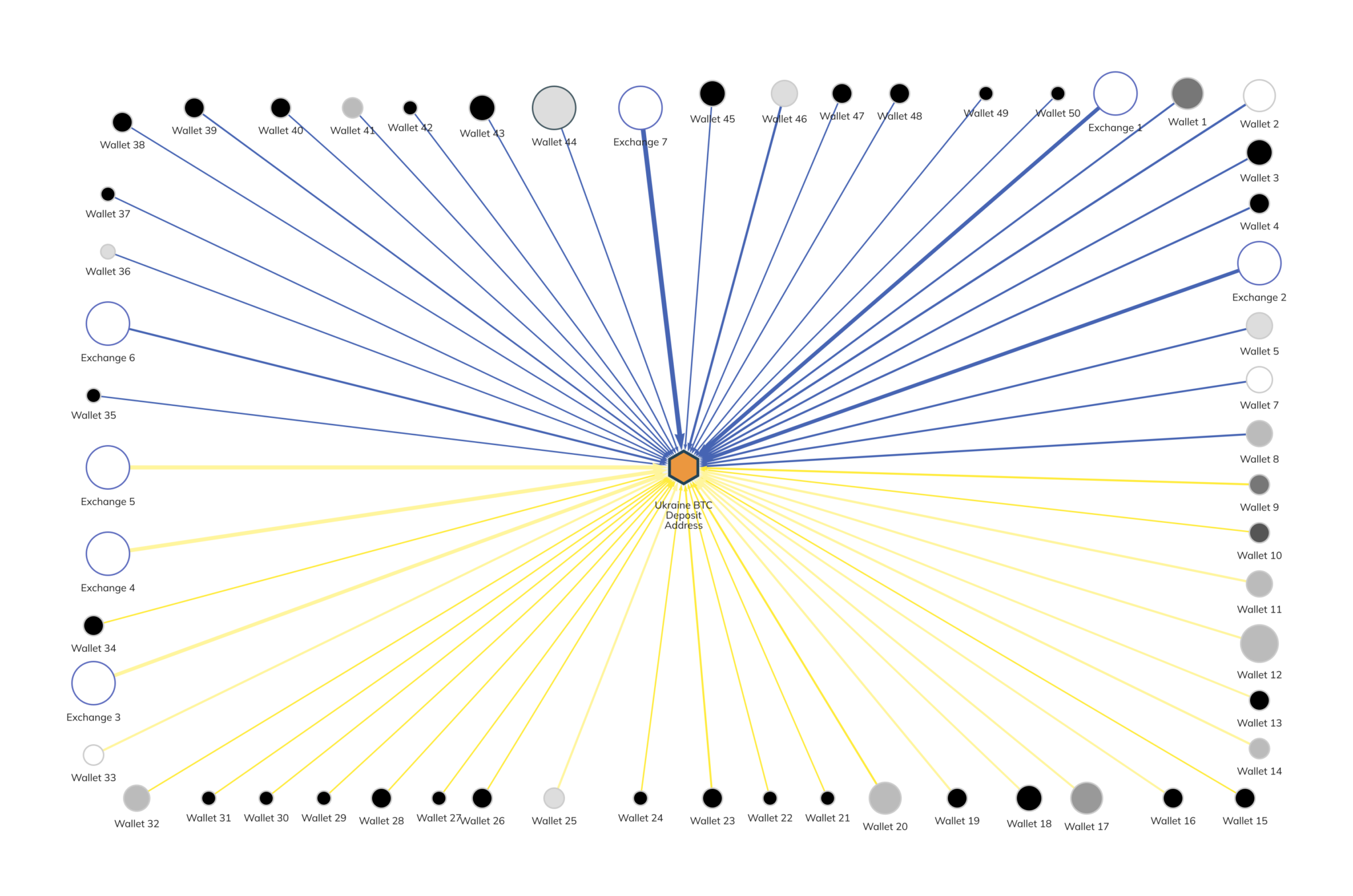
When the war first began, the Ukrainian government turned to crypto for fundraising and defense efforts. This Chainalysis Reactor graph shows millions pouring in from many exchanges and personal wallets into the donation funds.
2. UST loses its peg to the U.S. dollar, wiping out LUNA and losing billions
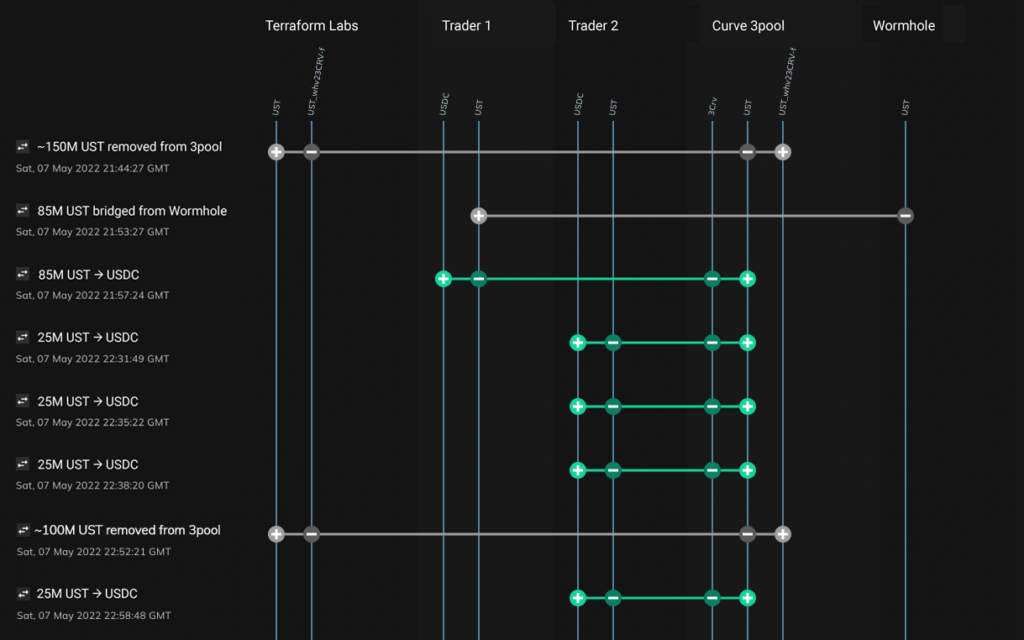
On the night of May 7th, Terraform Labs withdrew 150 million UST from 3pool, a decentralized stablecoin exchange, as part of a planned, public effort to move these funds to another pool. Minutes later, two traders used the pool to swap $185M in UST for USDC, knocking UST off its USD peg and kicking off the collapse of the algorithmic stablecoin.
3. Christie’s launches an on-chain platform for NFT art
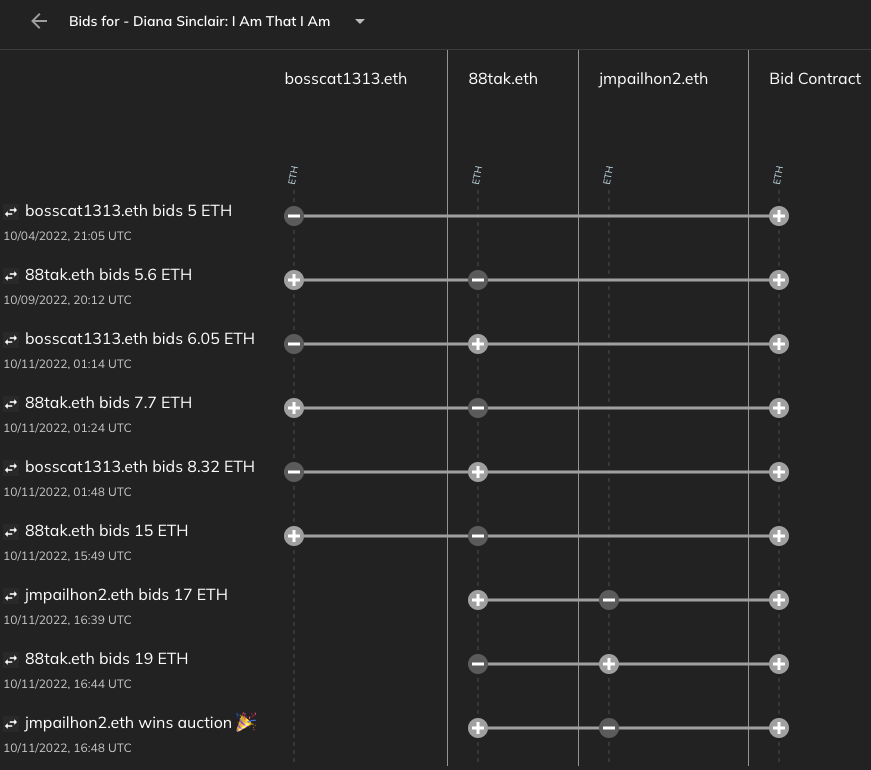
The platform’s inaugural sale took place September 28 and included nine NFTs by artist Diana Sinclair in a collection titled “Phases.” Here’s a look at one of the sales on-chain via Chainalysis Storyline.
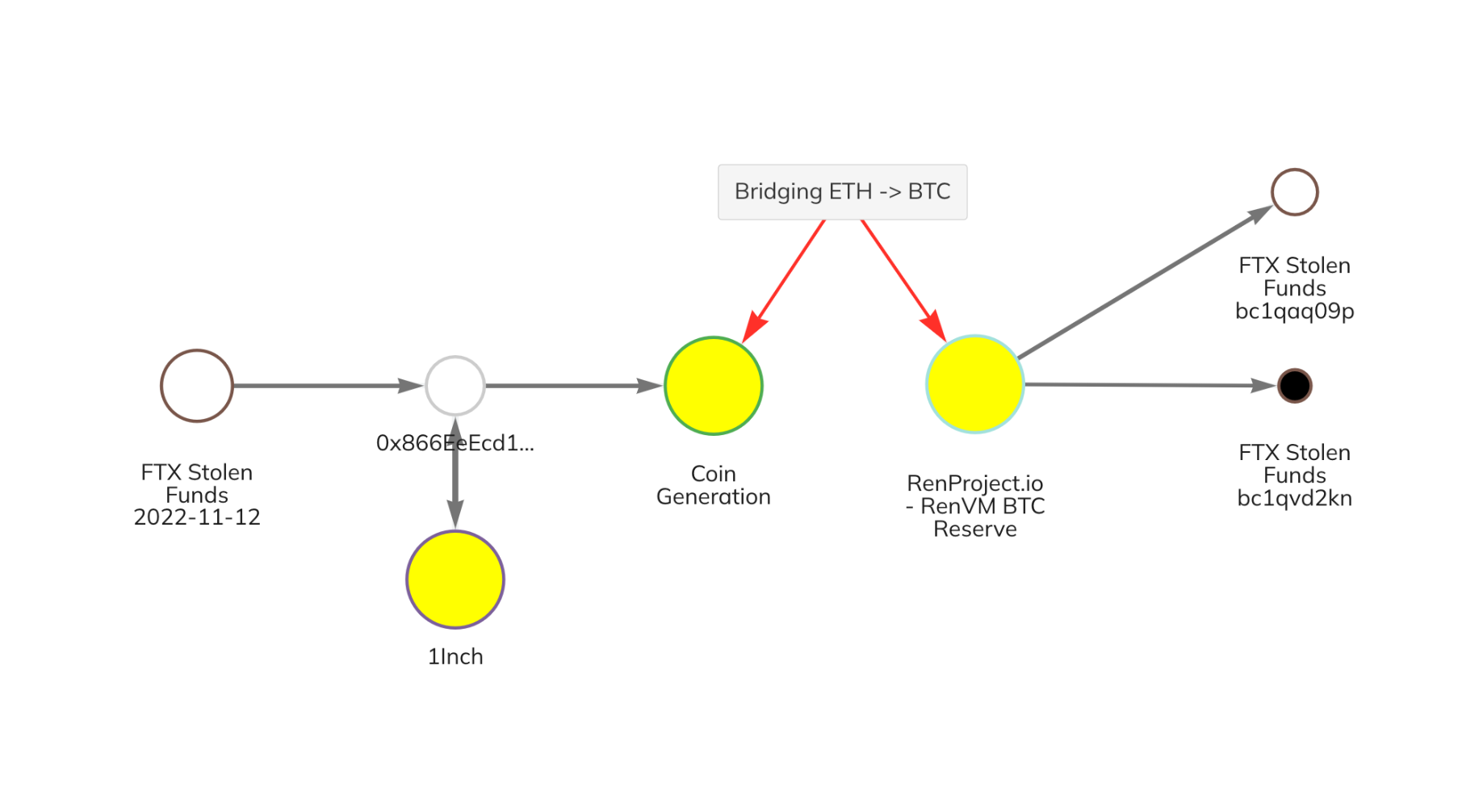
4. In the immediate aftermath of the collapse of FTX, approximately $400M was stolen.
The funds were bridged from ETH to BTC, likely to be mixed prior to a cash-out attempt. You can see the movements in Chainalysis Reactor.
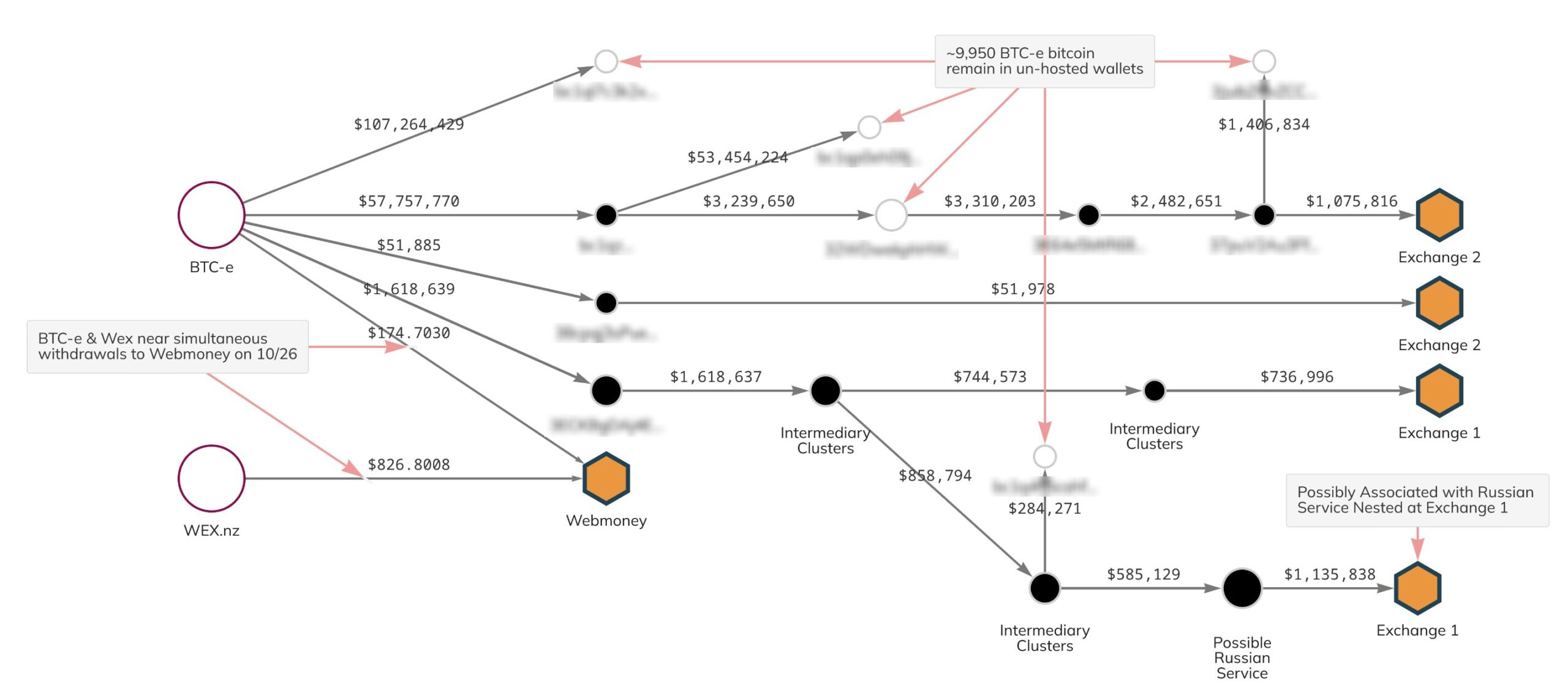
5. BTC-e Sends $165 Million Worth of Bitcoin to Personal Wallets, Exchanges, and Other Services
This marks the largest withdrawal by BTC-e’s controllers since April 2018. For background, BTC-e was a Russia-focused cryptocurrency exchange that U.S. authorities shut down in 2017.
Wrapping up 2022
2022 was clearly a significant year for the industry. While events like the collapse of FTX have taken their toll, cryptocurrency has bounced back from worse, and we feel confident that it can again. We also can’t forget the positives of the last year — new players like Christie’s have embraced crypto, and even more importantly, we saw the community leverage crypto’s unique value adds to bring aid to Ukraine. As the year comes to a close, Chainalysis is prepared to support our customers and the industry with whatever 2023 brings.