孙宇晨出席Huobi品牌升级发布会 提三大战略助其重返三大

区块链日报Опубліковано о 2022-11-22Востаннє оновлено о 2022-11-23

Анотація

11月22日,波场TRON创始人,Huobi Global全球顾问委员会成员,格林纳达常驻世界贸易组织(WTO)代表、特命全权大使出席在新加坡举办的Huobi品牌升级发布会。

11月22日,波场TRON创始人,Huobi Global全球顾问委员会成员,格林纳达常驻世界贸易组织(WTO)代表、特命全权大使出席在新加坡举办的Huobi品牌升级发布会。孙宇晨为Huobi的未来发展提出三大战略:全球化发展、科技推动发展和科技向善,并将和其他顾问委员一起全力支持Huobi发展,助其重返行业前三,并与行业一起共建全球Web3.0门户。
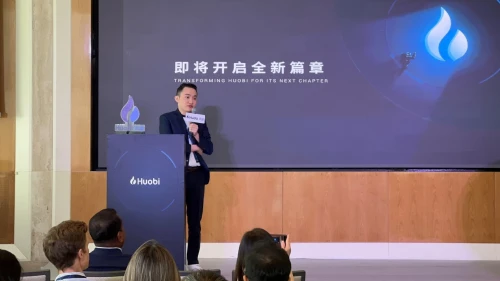
火币将采用新的品牌“火必”,并在行业领军人物、全球委员会顾问孙宇晨的建言指导下,实现强强联合,开启火必新的发展阶段。更重要的是,在行业陷入低谷时期,起到重建信心、凝聚共识的作用。

根据发布会上公布的消息,火币中文品牌升级成为“火必”,Huobi Global英文品牌则升级为“Huobi”。孙宇晨表示,”除了虚拟资产交易平台之外,Huobi还代表着安全、便利和友好,缩短后的名称将更充分地体现这一点”。

由两个汉字 “火 “和 “必 “组成的火必新品牌具有强烈的中国特色和美好寓意。“火”字在中国文化中代表着永久的生命力和将这种生命力传递给后代。 “必 “字意味着必胜的决心,这代表了其重返行业前三名的雄心。

“必 “字也可以看作是 “心 “和 “义 “的组合。”心 “和 “义 “意味着新的Huobi将从心出发,为全球用户提供专业的数字资产管理服务。这也反映在其使命中,即 “加强资产安全,促进金融普惠”。

同时,新名称也秉承了中国传统的 “义 “的美德,贯彻了 “科技向善 “的品牌理念,为全球区块链和虚拟资产技术的创新和发展做出了贡献,实现了火必”科技改变世界 “的愿景。

今年10月10日,孙宇晨被任命为Huobi Global全球顾问委员会成员,他在个人社交账号表示,将和其他委员一起,在行业发展、学术研究、合规风控等领域提供指导,进一步加强机构间合作,提升品牌影响力和市场竞争力,获得更多用户认可,引领火必进入崭新的里程碑。2017年9月,孙宇晨创立了波场TRON,并迅速发展成为全球三大公链之一。2021年12月孙宇晨被任命为格林纳达常驻WTO代表、特命全权大使。
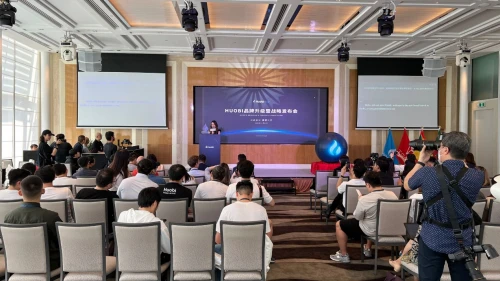
品牌发布会公布了火必未来三大发展战略,包括全球化发展、科技推动发展和科技向善。孙宇晨此前在接受媒体采访时也曾表示,将大力赋能HT,发挥HT的重要战略属性,将会把HT投票上币的权力重新交还给用户社区。

另外,火必将专注于优质资产,支持具有强大市场潜力的项目,并为项目社区提供支持。本着科技向善的理念,火必将努力为用户参与优质项目提供一个更安全、稳定的环境,推动全球虚拟资产行业的稳步发展。

此外,火必将全面推进全球化战略。今年10月7日,加勒比地区国家多米尼克与波场TRON达成一系列合作,开创了区块链企业与主权国家开展深度合作的先河。根据孙宇晨提出的建议,火必也将进军加勒比地区,并有可能将总部迁移到该地区。与此同时,火必还将在东南亚、欧洲和其它地区扩大投资,建立起强大的全球生态,并继续遵守各地区的监管政策,加强与其它国家的合作。

孙宇晨指出,作为一家成功运营了9年的虚拟资产交易平台,火币已经成为了行业里家喻户晓的名字,“随着品牌的更新,新路线图的推出和全球顾问委员会的指导,我相信火必可以加强其市场领导地位,重返三大”。
Пов'язані матеріали

Research Report Analysis: Is Intel Making a Comeback with Apple? Bernstein's Calculations Show the Right Direction, but the Price Is Already Overvalued

Bernstein analyst Stacy A. Rasgon published a report on June 18 regarding Intel, assessing the potential impact of recent political support for a US-based PC chip design and manufacturing collaboration between Apple and Intel. The report views this as a significant signal for the foundry landscape shift but concludes the initial financial contribution would be minimal. Key conclusions: 1) An Apple deal is seen as a small-scale "proof of concept." Even if Intel wins 40% of Apple's premium notebook chip orders (~5 million units/year), Bernstein estimates it would generate only about $500M in annual revenue and ~$0.03 EPS, negligible against Intel's ~$55B revenue. 2) Political encouragement is not equivalent to enforceable mandates. Winning orders ultimately depends on Intel demonstrating competitive technology (like its 18A node), cost, and reliable supply. 3) The path from validation to large-scale production involves significant challenges, capital investment, and time. Due to these uncertainties, Bernstein maintains a Market-Perform (Hold) rating with a $100 price target, implying potential downside from the ~$121.10 price at the report date. The analysis highlights the tension between near-term validation value—serving as a crucial trust signal for Intel's foundry ambitions and US supply chain resilience—and the long-term opportunity to attract larger cloud and AI chip customers. The investment thesis hinges on successful 18A execution and sustained policy support, not on immediate financial gains from Apple.

marsbit27 хв тому

Research Report Analysis: Is Intel Making a Comeback with Apple? Bernstein's Calculations Show the Right Direction, but the Price Is Already Overvalued

marsbit27 хв тому

27-Year Reign Ends: SK Hynix Market Cap Surpasses Samsung for First Time, an AI-Driven Reshuffle of Korean Chip Power

On June 22, 2026, SK Hynix made history by surpassing Samsung Electronics in market capitalization, ending Samsung's 27-year reign as South Korea's most valuable company. This dramatic reversal is powered by the AI boom and SK Hynix's dominant position in High Bandwidth Memory (HBM), a critical component for AI model training. Once a heavily indebted firm on the brink of bankruptcy, SK Hynix bet early on HBM, which has evolved from a niche product to essential AI infrastructure. It now commands a 59% share of the global HBM market. Its financial performance is staggering, with Q1 2026 net profit soaring nearly fourfold year-over-year to KRW 40.35 trillion, translating to over 2 billion RMB in daily net profit. HBM now drives roughly 40% of its revenue with exceptionally high margins. In contrast, Samsung, with its broad portfolio spanning memory chips, smartphones, and foundry services, has lagged in the HBM race while facing headwinds in other divisions. This shift signifies a deeper restructuring of South Korea's economy, moving from consumer electronics to AI-driven growth. However, the future remains competitive. With major capacity expansions planned industry-wide by 2028 and Samsung aiming to catch up in HBM technology, the new market leader cannot afford complacency. This event marks a pivotal moment in the global semiconductor industry's ongoing power realignment.

marsbit38 хв тому

27-Year Reign Ends: SK Hynix Market Cap Surpasses Samsung for First Time, an AI-Driven Reshuffle of Korean Chip Power

marsbit38 хв тому

Why Does 'AGI Godfather' Ben Goertzel Believe the Future of AI Relies on Blockchain?

Ben Goertzel, known as the "AGI Godfather," argues that the future of Artificial General Intelligence (AGI) must be built on blockchain to prevent its control by a few corporations or venture capital firms. He believes the core AGI code should be free and open-source, but that this alone is insufficient without a decentralized infrastructure to run it affordably. His blockchain project, SingularityNET, and the broader Artificial Superintelligence Alliance aim to create a user-owned, decentralized network for hosting and deploying AGI, contrasting with the closed models of companies like OpenAI and Anthropic. Goertzel criticizes the shift of other labs from open to closed development. He argues that while a closed path is simpler, an open, decentralized model—akin to Linux and the internet—is both possible and ultimately better for humanity. He envisions an "Agent economy" where individuals orchestrate teams of AI agents to perform tasks, including transactions, on an open network rather than corporate clouds. While his current model relies on cryptocurrency, plans include offering paid AI services to businesses with the decentralized blockchain as the backend. Goertzel predicts human-level AGI could arrive by 2029 and warns that a gap in understanding and access to AGI could drastically worsen inequality. The first test of his decentralized approach will be the upcoming release of the Agent Omega Claw.

Foresight News1 год тому

Why Does 'AGI Godfather' Ben Goertzel Believe the Future of AI Relies on Blockchain?

Foresight News1 год тому

Торгівля

Спот
Ф'ючерси
活动图片