Chainstack añade soporte para Robinhood Chain para nodos gestionados y autohospedados

cryptonews.ruОпубліковано о 2026-08-05Востаннє оновлено о 2026-08-05

Анотація

Chainstack, una plataforma de infraestructura Web3, ha añadido soporte para Robinhood Chain en sus tres modelos de despliegue: nodos globales, nodos dedicados y Chainstack Self-Hosted. Robinhood Chain es una red de capa 2 de Ethereum descentralizada y compatible con EVM, construida sobre Arbitrum Orbit. Está diseñada para transacciones financieras y activos del mundo real tokenizados, generando bloques cada 100 milisegundos. La red está disponible tanto en mainnet (ID 4663) como en testnet (ID 46630). Chainstack destaca que su opción Self-Hosted, que permite a los clientes ejecutar nodos en su propia nube o infraestructura local mientras Chainstack gestiona el panel de control, es crucial para emisores regulados con requisitos estrictos de soberanía y ubicación de datos. Con esta incorporación, Robinhood Chain se une a las más de 70 redes compatibles con Chainstack, ofreciendo una plataforma unificada para proyectos de tokenización de activos reales (RWA). El acceso a los endpoints ya está disponible.

Singapur, 5 de agosto de 2026 — Chainstack, una plataforma de infraestructura Web3 que sirve a más de 100,000 desarrolladores en más de 70 redes blockchain, ha añadido soporte para Robinhood Chain en tres modelos de despliegue: nodos globales, nodos dedicados y Chainstack Self-Hosted. La red principal de Robinhood Chain se lanzó el 1 de julio de 2026. Los endpoints de Chainstack ya están disponibles para la red principal (ID de cadena 4663) y la red de pruebas (ID de cadena 46630).

¿Qué es Robinhood Chain?

Robinhood Chain es una red descentralizada de segunda capa (L2) de Ethereum, compatible con la EVM, construida sobre Arbitrum Orbit utilizando la pila Nitro, específicamente diseñada para operaciones financieras y activos del mundo real tokenizados. Genera bloques cada 100 milisegundos con confirmación en fracciones de segundo, utiliza Ether (ETH) como token de gas y envía datos a Ethereum mediante blobs. La finalización completa en Ethereum ocurre aproximadamente 13 minutos después de que un lote de datos se envía a la capa 1. La red proporciona el JSON-RPC estándar de Ethereum, por lo que herramientas como Foundry, Hardhat, ethers.js, viem y web3.py funcionan sin modificaciones, y los contratos de Solidity se despliegan sin cambios.

Para las operaciones comerciales, un detalle es importante: su secuenciador ordena las transacciones por orden de llegada ("first come, first served"), por lo que una tarifa de prioridad más alta no adelanta una transacción en la cola. La latencia del endpoint, no la estrategia de tarifas, determina los resultados del ordenamiento; por lo tanto, la ubicación del nodo se convierte en una cuestión de ejecución, no de costo.

Tres caminos de despliegue, un único plano de gestión

Nodos Globales Nodos Dedicados Chainstack Self-Hosted
Infraestructura Elástica, con balanceo de carga Instancia de nodo aislada Nube propia del cliente, entorno local o hardware dedicado
Solicitudes Cuentan en Unidades de Solicitud Ilimitadas Ilimitadas
Control Estándar Configuración completa del nodo Pila completa
Alojamiento de datos Regiones gestionadas por Chainstack Regiones gestionadas por Chainstack Controlado por el cliente
Ideal para Carteras, dApps, escalado en producción Plataformas comerciales, indexadores, protocolos RWA de alto rendimiento Emisores regulados, requisitos de soberanía

Los Nodos Globales son endpoints RPC de escalado automático y balanceo de carga; los Nodos Dedicados son instancias de alto rendimiento aisladas con solicitudes ilimitadas. Chainstack Self-Hosted es un panel de control integrado en Kubernetes para ejecutar nodos en el entorno propio del cliente, que maneja el despliegue, monitoreo, actualizaciones y recuperación, con despliegue en un clic, autorecuperación y snapshots que permiten iniciar nuevos nodos sin sincronización completa desde cero. Chainstack es uno de los primeros proveedores de infraestructura en ofrecer una opción de autohospedaje para Robinhood Chain.

Por qué la tercera vía es importante

La infraestructura para acciones tokenizadas se divide en tres categorías. Una firma comercial propietaria necesita garantías de latencia. Una cartera que integra acciones tokenizadas necesita un rendimiento predecible en costos. Un emisor regulado o un corredor-dealer con licencia a menudo no puede alojar datos de transacciones de clientes en infraestructura de terceros en absoluto, independientemente de las certificaciones del proveedor.

"Los equipos que trabajan con RWA pueden diseñar correctamente el modelo de token y el sistema de cumplimiento, pero luego toparse con obstáculos de política de infraestructura", declaró Evgeny Aseev, Director de Tecnología y cofundador de Chainstack.

"Para un emisor regulado, la ubicación del nodo puede determinar si un producto se lanza o no. Con despliegues gestionados y autohospedados en el mismo plano de gestión, los equipos pueden integrar la infraestructura en su propio entorno sin reconstruir su pila."

Disponibilidad

Robinhood Chain se une a las más de 70 redes soportadas por Chainstack, incluyendo Ethereum, Solana, Base, Arbitrum, Polygon e Hyperliquid — una única plataforma, una única facturación y una única capa de monitoreo para flujos de RWA entre diferentes blockchains. Chainstack también gestiona un servidor del Model Context Protocol (MCP), que permite a los desarrolladores consultar datos en cadena y desplegar nodos desde Claude, Cursor y ChatGPT.

El acceso a los endpoints ya está abierto. Crea una cuenta en Chainstack, despliega un nodo en la red principal o de prueba y usa el endpoint HTTPS o WSS con el ID de cadena 4663 o 46630. Los tokens de prueba están disponibles a través del faucet de Chainstack, y para los equipos que evalúen la red, hay acceso gratuito disponible.


Acerca de Chainstack

Chainstack es una plataforma de infraestructura Web3 que sirve a más de 100,000 desarrolladores en más de 70 redes blockchain y posee certificaciones SOC 2 Tipo II e ISO 27001. Chainstack proporciona acceso RPC de baja latencia, despliegue de nodos dedicados e infraestructura de nodos para autohospedaje a equipos que desarrollan aplicaciones de comercio, DeFi, fintech y RWA en todo el mundo.

Трендові криптовалюти

Пов'язані питання

Q¿Qué tres modelos de implementación de nodos soporta ahora Chainstack para Robinhood Chain?

AChainstack añadió soporte para Robinhood Chain en tres modelos de implementación: nodos globales, nodos dedicados y Chainstack Self-Hosted.

Q¿Cuáles son las características clave de Robinhood Chain como red de capa 2?

ARobinhood Chain es una red descentralizada de capa 2 de Ethereum, compatible con EVM, construida sobre Arbitrum Orbit con la pila Nitro. Está diseñada para operaciones financieras y activos del mundo real tokenizados. Genera bloques cada 100 milisegundos, usa ETH como token de gas, envía datos a Ethereum mediante blobs y proporciona JSON-RPC estándar de Ethereum.

QSegún el artículo, ¿qué aspecto determina los resultados de la secuenciación de transacciones en Robinhood Chain, y por qué es importante la ubicación del nodo?

AEn Robinhood Chain, la latencia del endpoint, y no una estrategia de tarifas por prioridad, determina los resultados de la secuenciación de transacciones. Por lo tanto, la ubicación del nodo se convierte en una cuestión de ejecución (rendimiento), no de coste.

Q¿Qué opción de implementación recomienda Chainstack para emisores regulados o corredores de bolsa con licencia, y por qué?

AChainstack recomienda su opción Chainstack Self-Hosted para emisores regulados o corredores de bolsa con licencia, ya que estos a menudo no pueden alojar datos de transacciones de clientes en infraestructura de terceros debido a requisitos de cumplimiento normativo y soberanía de datos. Self-Hosted permite desplegar nodos en el entorno propio del cliente manteniendo la misma plataforma de gestión.

Q¿Qué otros servicios y certificaciones menciona el artículo que ofrece Chainstack además del soporte a múltiples blockchains?

AChainstack menciona que también gestiona un servidor del Model Context Protocol (MCP) para que los desarrolladores consulten datos en la cadena de bloques y desplieguen nodos desde herramientas como Claude, Cursor y ChatGPT. Además, la compañía cuenta con certificaciones SOC 2 Type II e ISO 27001.

Пов'язані матеріали

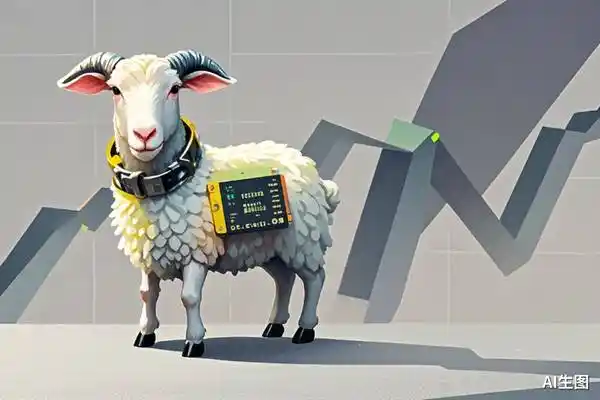
With 80% of HBM Capacity but Financially Savaged: South Korea's Foundry Labor, Finally Becomes America's Fattened Slaughter Lamb

Over the past month, the South Korean stock market experienced a dramatic crash, with the KOSPI index plunging from historic highs in June to levels equating to a loss of one year's GDP. This triggered massive forced liquidations of leveraged retail investor accounts. The crisis is paradoxical given South Korea's dominant position in the high-bandwidth memory (HBM) market, with SK Hynix and Samsung collectively holding nearly 80% of global production capacity—a critical component for AI systems like NVIDIA's. The article argues that despite this manufacturing monopoly, South Korea lacks pricing power and control over demand. HBM production is entirely dependent on orders from US AI giants like NVIDIA, Google, and Meta, making Korean firms effectively high-end subcontractors. The Korean stock market's AI boom was largely a leveraged bet on these two companies, tying national retail investor fortunes directly to US capital expenditure cycles. The piece suggests this crash represents a strategic financial harvest by Wall Street. It outlines a pattern: US capital first built positions and fueled a speculative bubble through bullish narratives, attracting massive Korean retail investment, often via leveraged ETFs. Once散户 were heavily invested, a series of targeted negative events unfolded—including US antitrust lawsuits, patent investigations, and political pressure for greater profit-sharing and onshoring of production to the US. This combination precipitated the crash, allowing capital to exit at highs and potentially re-enter at lows, transferring wealth from Korean散户 to foreign investors. The article draws a parallel to the US dismantling of Japan's semiconductor dominance in the 1980s, noting the current method utilizes financial markets rather than just trade policy. The core lesson is that without controlling downstream demand, technical standards, and having a robust domestic market, even a manufacturing leader remains vulnerable. South Korea's predicament is framed as the inherent risk of a "subcontractor" model in global tech: when you work for the boss (the US tech ecosystem), you cannot be allowed to earn more than the boss. True industrial security requires mastering the entire value chain.

marsbit3 хв тому

With 80% of HBM Capacity but Financially Savaged: South Korea's Foundry Labor, Finally Becomes America's Fattened Slaughter Lamb

marsbit3 хв тому

South Korean Stocks Plunge Again, Latest Response from the Blue House

Korean Stock Market Plummets Amid Global Sell-Off, Presidential Office Responds South Korea's stock market experienced a sharp decline on Thursday. The benchmark KOSPI index fell over 4%, with major components SK Hynix and Samsung Electronics dropping over 8% and 5%, respectively. The sell-off quickly spread to related Hong Kong ETFs. The trigger was weak forward guidance from U.S. memory chip giants SanDisk and Western Digital, whose revenue forecasts fell short of lofty market expectations despite strong prior-quarter results. Their subsequent stock plunge led to a sell-off in Asian semiconductor stocks, highlighting the region's dependence on U.S. market sentiment. Since hitting a record high in mid-June, the KOSPI has fallen over 21% in about a month. In response to market volatility, the South Korean government has implemented measures, including raising cash margin requirements for single-stock leveraged ETFs. This led to a significant drop in their trading volume. A senior presidential official stated the focus is on closely monitoring the situation and formulating appropriate countermeasures. Analyst views on the market outlook diverge: while Morgan Stanley sees the sell-off as a buying opportunity due to low valuations, others like China Securities warn of continued high volatility as leverage unwinds. Looking ahead, analysts expect the global memory chip sector to remain in a high-sensitivity phase. However, Goldman Sachs maintains a long-term bullish target of 12,000 for the KOSPI, citing unmet AI-driven demand, with JPMorgan also viewing the pullback as a chance to accumulate positions.

marsbit20 хв тому

South Korean Stocks Plunge Again, Latest Response from the Blue House

marsbit20 хв тому

CryptoQuant: Large Investors Are Buying Bitcoin, Ethereum, and XRP, the Bear Market May Be Approaching Its Final Stage!

Data analysis platform CryptoQuant reports that large-scale investors, or "whales," holding significant amounts of Bitcoin (BTC), Ethereum (ETH), and XRP have recently increased their positions. The company suggests this trend may indicate the prolonged crypto bear market is nearing its final stage. Historically, periods of sustained price decline where large investors are buying rather than selling have been a significant indicator. Similar activity was observed in past market cycles when long-term investors deemed prices attractive. However, CryptoQuant emphasizes that current data is insufficient to confirm a market bottom has been reached. While whale accumulation is seen as a positive signal, prices for BTC, ETH, and XRP could still fall further before a definitive bottom forms, warranting investor caution regarding short-term volatility. Experts note this accumulation is often part of a long-term strategy, with large investors buying during panic while retail investors remain cautious—a common characteristic of past cycle endings. CryptoQuant also states that macroeconomic events and global liquidity conditions will remain crucial for price direction. Key factors include central bank monetary policy, regulatory changes, and institutional investor sentiment toward the market. *This is not investment advice.

cryptonews.ru34 хв тому

CryptoQuant: Large Investors Are Buying Bitcoin, Ethereum, and XRP, the Bear Market May Be Approaching Its Final Stage!

cryptonews.ru34 хв тому

Tiger Research: What Will the Crypto World Look Like in 2036?

Tiger Research envisions the crypto world of 2036 through four narrative vignettes. In a fictional nation with a hyperinflating currency, the local "Bucks" are nearly obsolete. Citizens and eventually the government itself—for taxes, bonds, and salaries—adopt dollar-pegged stablecoins like USDT and USDC, marking a fundamental shift in monetary sovereignty. In Singapore, a young trader named Lia operates in a borderless, 24/7 market. She trades tokenized versions of everything from NVIDIA stock to Korean real estate indices on decentralized platforms, representing a generation for whom constant, global asset exposure is the norm. An infrastructure engineer, Do-hyun, reflects on the consolidation of blockchain networks. The hundreds of independent chains and Layer 2 solutions that boomed in the 2020s, fueled by incentives, have largely collapsed under their own weight. By 2036, only a few major, efficient infrastructures remain, having absorbed liquidity and users. Finally, media entrepreneur Jae-hoon witnesses the end of the traditional web advertising model. With AI agents generating over half of web traffic by 2029, banner ads become irrelevant. The industry pivots to a new machine-to-machine economy, using protocols like the x402 standard to charge AI models micropayments for direct data access, creating a more reliable revenue stream than human eyeballs ever did. The article paints a picture of 2036 defined by stablecoin adoption as sound money, perpetual global trading of all assets, consolidation into few dominant blockchain infrastructures, and the restructuring of digital commerce around AI agents.

marsbit43 хв тому

Tiger Research: What Will the Crypto World Look Like in 2036?

marsbit43 хв тому

IOSG: How Can Blockchains Keep Secrets? Three Answers to On-Chain Privacy

**Title: IOSG: How Does Blockchain Keep Secrets? Three Answers to On-Chain Privacy** **Summary:** Public blockchains expose every transaction. To protect sensitive data like institutional balances or trade sizes, three main approaches have emerged: 1. **Native Privacy Networks:** Projects like Zcash (with optional privacy) and Monero (with mandatory privacy) build secrecy directly into their own blockchains. However, they exist as isolated "islands," limiting interaction with mainstream DeFi applications. Canton, a permissioned network, offers privacy by restricting data sharing only to transaction participants, which appealed to JPMorgan for its deposit token. 2. **Privacy as an Add-On Layer:** This approach adds privacy to existing chains like Ethereum. Tornado Cash was an early "mixer" but was sanctioned. Railgun provides private balances and payments via zero-knowledge proofs on Ethereum. Zama uses Fully Homomorphic Encryption (FHE) to encrypt balances and amounts on-chain, enabling confidential DeFi activities like private yield vaults and over-the-counter trading while keeping transaction graphs public. 3. **The Core Trade-off:** All solutions sacrifice some privacy for functionality. Truly private chains (Zcash, Monero) lack smart contract versatility. Add-on layers (Zama, Railgun) reveal some metadata to enable computation. "Perfect" privacy that hides everything while allowing full functionality remains elusive. **Market Reality:** Demand is validated, with institutions moving trades off-screen to avoid slippage. However, the sector's revenue (est. $6-7M/year across all protocols) is minuscule compared to the ~$25B market cap of privacy assets. Protocols like Zama charge minimal, usage-based fees, while others like Railgun take a small percentage. The key gap is a sustainable pricing model. The conclusion is bullish on the underlying demand but suggests value will accrue to the applications (trading venues, wallets) that successfully monetize privacy, not necessarily the foundational privacy layers themselves.

marsbit46 хв тому

IOSG: How Can Blockchains Keep Secrets? Three Answers to On-Chain Privacy

marsbit46 хв тому

Торгівля

Спот

Популярні статті

Що таке ₿O₿

Bitcoin Bob ($₿o₿): Піонер Bitcoin-центристського DeFi через гібридні інновації Layer-2 В епоху, коли цифрова економіка швидко розвивається, Bitcoin Bob ($₿o₿) з'являється як революційний проект, що має на меті підвищити корисність Bitcoin у секторі децентралізованих фінансів (DeFi). Офіційно запущений у травні 2024 року, Bitcoin Bob, також відомий як Build on Bitcoin (BOB), представляє собою гібридне рішення блокчейну Layer-2, яке поєднує відому безпеку та незмінність Bitcoin з програмованістю Ethereum. Ця ініціатива прагне заповнити важливу прогалину в екосистемі Bitcoin, полегшуючи інтеграцію смарт-контрактів та децентралізованих додатків, зберігаючи при цьому основні принципи довіри та безпеки, властиві Bitcoin. Завдяки значній підтримці від відомих венчурних капіталістів, Bitcoin Bob має потенціал переосмислити роль Bitcoin у ландшафті DeFi, ставши основою децентралізованих фінансових операцій у всьому світі. Що таке Bitcoin Bob, $₿o₿? У своїй основі, Bitcoin Bob є гібридним рішенням блокчейну, призначеним для покращення функціональності Bitcoin. Основна мета проекту полягає в тому, щоб забезпечити децентралізовані фінанси на Bitcoin, полегшуючи швидкі та безперешкодні транзакції, забезпечуючи при цьому високий рівень безпеки. Bitcoin Bob використовує передову технологію, зокрема гібридну архітектуру layer-2, яка поєднує атрибути безпеки Bitcoin з програмованістю та гнучкістю Ethereum Virtual Machine (EVM). Цей прагматичний підхід дозволяє проекту ефективно працювати, не компрометуючи основні цінності Bitcoin, що робить його монументальним кроком у подоланні розриву між традиційними власниками Bitcoin та новою екосистемою DeFi. Однією з видатних рис Bitcoin Bob є його роль у забезпеченні середовища з мінімізацією довіри через інноваційні механізми, такі як оптимістичні роллапи, які спочатку покладаються на Ethereum, але врешті-решт переходять до повної інтеграції з Bitcoin. Ця гібридна система розроблена для того, щоб забезпечити збереження та ефективне використання великої ліквідності, присутньої в Bitcoin, у різних протоколах DeFi. Хто є творцем Bitcoin Bob, $₿o₿? Творчою силою за Bitcoin Bob є співзасновник та генеральний директор Олексій Замятін, який приносить багатий досвід та знання з його широкого досвіду в сфері криптовалют. Замятін має ступінь доктора наук у галузі комп'ютерних наук і активно займається розробкою Bitcoin з 2015 року. Його глибоке розуміння як екосистеми Bitcoin, так і Ethereum відіграє ключову роль у формуванні бачення та технологічних основ Bitcoin Bob. Разом із Замятіним є співзасновник Домінік Гарц, який обіймає посаду технічного директора (CTO). Разом ця пара сформувала команду талановитих людей з спільною пристрастю до розширення меж технології блокчейну, забезпечуючи інноваційний статус Bitcoin Bob на ринку. Хто є інвесторами Bitcoin Bob, $₿o₿? Bitcoin Bob успішно отримав підтримку від ряду відомих інвесторів та венчурних капітальних компаній, які визнають його потенціал трансформувати ландшафт Bitcoin. У березні 2024 року проект завершив потужний раунд початкового фінансування на суму 10 мільйонів доларів, очолюваний Castle Island Ventures, з помітною участю таких компаній, як Coinbase Ventures та Bankless Ventures. Невдовзі, у липні 2024 року, Bitcoin Bob отримав додаткові 1,6 мільйона доларів стратегічного фінансування. Цей раунд спільно очолили Ledger Ventures, до якого приєдналися ангели з різних відомих компаній, таких як BlackRock, Aave та Curve. Сильна фінансова підтримка відображає визнання індустрії інноваційного підходу Bitcoin Bob до розкриття потенціалу Bitcoin у сфері DeFi. Це фінансування є критично важливим не лише для подальшого розвитку проекту, але й для створення інкубатора, який сприятиме розвитку децентралізованих додатків (dApps), орієнтованих на задоволення потреб зростаючої бази користувачів. Як працює Bitcoin Bob, $₿o₿? Операційна механіка Bitcoin Bob базується на його гібридній архітектурі роллапів, яка розроблена для поєднання переваг безпеки Bitcoin з універсальністю EVM Ethereum. Проект використовує поетапну модель безпеки, яка окреслює його взаємодію з користувачами та розробниками наступним чином: Фаза 1 – Початкова фаза працює як оптимістичний роллап на Ethereum, де транзакції обробляються з обнадійливим очікуванням дійсності, прокладаючи шлях для майбутніх розробок на Bitcoin. Фаза 2 – У міру переходу проекту, він інтегрує фінальність Bitcoin через Bitcoin Staking, використовуючи Babylon Network для підвищення безпеки. Цей механізм вимагає від валідаторів блокувати Bitcoin, таким чином перевіряючи транзакції BOB, що не лише підвищує безпеку, але й створює можливості для отримання доходу для учасників. Фаза 3 – Перспективне бачення Bitcoin Bob полягає в повній інтеграції з Bitcoin, використовуючи інноваційні технології, такі як BitVM та нульові знання, для полегшення обчислень поза ланцюгом, зберігаючи при цьому цілісність безпеки Bitcoin. Ключові інновації, такі як BitVM2, протокол мосту з мінімізацією довіри, співавтором якого є Замятін, є критично важливими для функціональності проекту, дозволяючи депозити та зняття Bitcoin без необхідності в значній залежності від мережі. Це дозволяє екосистемі ефективно підключатися до Ethereum та інших сумісних ланцюгів, створюючи спрощену та ефективну модель взаємодії для користувачів та розробників. Хронологія Bitcoin Bob, $₿o₿ Розуміння еволюції Bitcoin Bob передбачає відстеження його важливих етапів: 2019: Олексій Замятін та Домінік Гарц засновують дослідницьку компанію, зосереджену на рішеннях блокчейну, закладаючи основу для майбутніх проектів. Березень 2024: Bitcoin Bob успішно залучає 10 мільйонів доларів у раунді початкового фінансування, що позначає його входження в конкурентне середовище блокчейну. 1 травня 2024 року: Відбувається офіційний запуск основної мережі, демонструючи можливості проекту з значним прийняттям користувачів та загальною заблокованою вартістю (TVL). Липень 2024: Проект залучає додаткові 1,6 мільйона доларів стратегічного фінансування для створення свого інкубатора, спрямованого на розвиток інновацій, орієнтованих на Bitcoin. Жовтень 2024: Bitcoin Bob випускає “Vision Paper”, в якому детально описується його гібридний дизайн layer-2 та перспективні стратегії. 2025: Очікується впровадження функцій Фази 2, зосереджуючись на фінальності Bitcoin та мостах BitVM, спрямованих на підвищення загальної функціональності. Висновок: Переосмислення ролі Bitcoin у децентралізованих фінансах Bitcoin Bob ($₿o₿) – це не просто ще один проект блокчейну; він представляє собою парадигмальний зсув у способі, яким Bitcoin може взаємодіяти з більш широкими фінансовими додатками. Уважно поєднуючи безпеку Bitcoin з гнучкістю Ethereum, Bitcoin Bob має на меті переформатувати ландшафт DeFi, заповнюючи розрив між цифровою валютою та децентралізованими додатками. З потужною технологічною основою, сильною лідерською командою та стратегічним фінансуванням, Bitcoin Bob має всі шанси стати основним гравцем у екосистемі криптовалют, відкриваючи нові виміри ліквідності та корисності для Bitcoin. Оскільки проект продовжує розвиватися та розширюватися, він обіцяє започаткувати нову еру інновацій, доводячи, що потенціал Bitcoin виходить далеко за межі простого зберігання вартості, а скоріше стає основою майбутнього фінансового ландшафту. У міру просування проекту через його очікувані фази, всі погляди будуть спрямовані на Bitcoin Bob, особливо щодо його зобов'язання впроваджувати децентралізовані принципи та забезпечувати, щоб користувачі могли насолоджуватися всіма перевагами DeFi, закріпленими за Bitcoin.

70 переглядів усьогоОпубліковано 2025.06.30Оновлено 2025.06.30

Що таке ₿O₿

Як купити O

Ласкаво просимо до HTX.com! Ми зробили покупку O1 exchange (O) простою та зручною. Дотримуйтесь нашої покрокової інструкції, щоб розпочати свою криптовалютну подорож.Крок 1: Створіть обліковий запис на HTXВикористовуйте свою електронну пошту або номер телефону, щоб зареєструвати обліковий запис на HTX безплатно. Пройдіть безпроблемну реєстрацію й отримайте доступ до всіх функцій.ЗареєструватисьКрок 2: Перейдіть до розділу Купити крипту і виберіть спосіб оплатиКредитна/дебетова картка: використовуйте вашу картку Visa або Mastercard, щоб миттєво купити O1 exchange (O).Баланс: використовуйте кошти з балансу вашого рахунку HTX для безперешкодної торгівлі.Треті особи: ми додали популярні способи оплати, такі як Google Pay та Apple Pay, щоб підвищити зручність.P2P: Торгуйте безпосередньо з іншими користувачами на HTX.Позабіржова торгівля (OTC): ми пропонуємо індивідуальні послуги та конкурентні обмінні курси для трейдерів.Крок 3: Зберігайте свої O1 exchange (O)Після придбання O1 exchange (O) збережіть його у своєму обліковому записі на HTX. Крім того, ви можете відправити його в інше місце за допомогою блокчейн-переказу або використовувати його для торгівлі іншими криптовалютами.Крок 4: Торгівля O1 exchange (O)Легко торгуйте O1 exchange (O) на спотовому ринку HTX. Просто увійдіть до свого облікового запису, виберіть торгову пару, укладайте угоди та спостерігайте за ними в режимі реального часу. Ми пропонуємо зручний досвід як для початківців, так і для досвідчених трейдерів.

526 переглядів усьогоОпубліковано 2026.06.19Оновлено 2026.06.19

Як купити O

Обговорення

Ласкаво просимо до спільноти HTX. Тут ви можете бути в курсі останніх подій розвитку платформи та отримати доступ до професійної ринкової інформації. Нижче представлені думки користувачів щодо ціни O (O).

活动图片