Once-Popular Web3 Enters Wave of Layoffs

marsbitОпубліковано о 2026-08-03Востаннє оновлено о 2026-08-03

Анотація

The once-hot Web3 industry is experiencing a severe wave of layoffs. While many companies attribute job cuts to AI-driven restructuring, the primary reason is often financial pressure. The Web3 sector, at the intersection of tech and finance, has been hit particularly hard. Employees at major cryptocurrency exchanges report sudden, impersonal layoffs—often with system access revoked overnight—and minimal or no severance. Common tactics include setting impossible performance targets or terminating employees for minor policy violations. The working atmosphere has become toxic, marked by intense monitoring, excessive meetings, and management obsessed with control and internal politics rather than product innovation. The industry's core business model is collapsing. Exchange revenue from trading fees and listing charges has plummeted due to a decline in quality projects and retail investor exodus. Events like the massive forced liquidation on October 10th further shattered confidence. Competition from on-chain derivatives platforms and prediction markets is intensifying the downturn. As layoffs continue, displaced workers struggle to find new opportunities. Many transition to the AI sector, but face significant bias from traditional finance and even some AI firms, which view crypto industry experience with suspicion. The current downturn appears more structural than cyclical, driven by unsustainable practices, internal strife, and a failure to innovate, raising questions about...

Original Author: Jialiu

"AI is the main reason for our layoffs." This is almost the primary explanation given by all companies for layoffs today.

In the first half of 2026, nearly 140,000 people were laid off in the US tech industry. Amazon cut 9% of its employees, and Meta cut 10%. Their reasons for the layoffs were almost identical: AI is changing everything, and the companies must streamline.

In fact, over 56% of layoff events in 2026 explicitly cited AI, automation, or machine learning as the cause. AI has been the top reason for layoffs in US companies for four consecutive months. Ironically, nearly 60% of companies admit that they package layoffs or hiring slowdowns as "AI-driven" when the real reason is financial pressure.

The AI shockwave is not confined to Silicon Valley; it is reshaping the employment structure of almost all industries. As an intersection of technology and finance, the Web3 industry has been particularly hard hit. The industry's large-scale layoffs have persisted for over half a year and have been exceptionally intense and rapid.

Starting this year, especially in recent months, news about staff cuts, team reorganizations, and personnel movements surrounding major trading platforms has densely appeared on X, Reddit, Xiaohongshu, Maimai, and in coffee chats among practitioners. Once-dominant BitMEX has almost faded from the mainstream view, and smaller platforms are exiting or scaling back business lines. With talent and attention now being drained by the AI industry, layoffs in the Web3 industry seem almost inevitable.

The Sword of Damocles Has Finally Fallen

Kevin received his termination notice just three days before his Last Day.

Kevin had worked at a major internet company for several years before being attracted by the high salaries and narrative of the Web3 industry, jumping ship to join a leading trading platform. He later found out that his departure had been decided over a month earlier.

During that time, he hardly felt any signals of impending layoffs. All work proceeded normally, meetings went on as usual, messages were replied to. It wasn't until HR approached him that the reality hit—there was no reasonable justification, no claims of poor performance, but the sword of Damocles still fell on Kevin.

In hindsight, the only possible signal was that two out of their original ten-member team had left before him. At the time, the narrative was "not a good fit" or "found an easier job elsewhere." "Looking back now, that was probably when they started pushing them out," Kevin told Zhangsheng BeatZ.

The layoffs at Richard's smaller trading platform were even more extreme. After being a full-time dad for nine years, he returned to the workforce and found a job at a relatively small crypto trading platform. But he, along with many colleagues, was soon laid off.

According to him, one morning he turned on his computer as usual to start work, only to find his system access had been revoked. He initially thought it was a technical glitch until he opened the work group chat and saw about forty colleagues asking the same question: "Why can't I log in either?" No one knew what was happening. Panic spread through the chat like water. A few hours later, they received a cold termination notice in their personal emails, effective immediately.

What chilled Richard even more was another incident. Shortly before being laid off, his manager had hinted that a developer colleague under him "might need to be adjusted." Richard was trying to help this colleague stay, even rearranging work responsibilities to prove the person was indispensable. Before he could submit his plan, both of them ended up being laid off.

Another former employee at a crypto trading platform, Xiaoyu, described a similar layoff scene to Zhangsheng BeatZ. At her previous company, the first step of layoffs was mass deactivation of employees' Slack accounts and cutting off email access. "Whenever we saw someone suddenly disappear from Slack, we would immediately rush into private channels, scrambling to send our phone numbers and LinkedIn links," Xiaoyu said, "because we didn't know who would be next. We all wanted to stay connected while we still could."

"When the layoff finally hit me, my manager sent me a Slack message asking if I had time for a call," Xiaoyu said. "Before I could even reply, all my permissions were revoked."

Layoffs Strike Like a Tornado

Kevin revealed that in the months after he left, layoffs in his team continued, and now only two people remain. His former trading platform cut about 10% of its staff every quarter, accumulating to 40% over a year.

Coinbase announced global layoffs of about 700 people in May, officially labeling it an "AI-native reorganization," roughly a 14% cut. However, according to information obtained by Zhangsheng BeatZ from informed sources, the impact on Coinbase's India office far exceeded that number. A former employee claimed that about 90% of the India office staff left, affecting all business units, not just sales. Only a handful of engineers considered top-tier were invited to relocate to Canada to continue working.

Reportedly, the main reasons for the massive layoffs at the India office were high costs and the significant time difference with the US. Coinbase paid India's SDE2 (mid-level engineers) around 7.5 million rupees, equivalent to about 110,000 Canadian dollars, similar to the salary level of mid-level engineers in Canada. At most high-paying product companies, salaries for architects in India are even higher than their EU counterparts.

Many trading platforms have been exposed for abruptly closing employee system access on the same day after failed negotiations over severance packages with HR. And the recently shuttered platform BitMart saw entire departments cut starting in May.

Moreover, many platforms chose to conduct concentrated layoffs at specific times, not by coincidence. According to Zhangsheng BeatZ, the period around June 30th was a peak for industry layoffs. The reason is simple: new financial statements are due in July, and these numbers are shown to investors. Cutting a batch of people and reducing expenses immediately improves the profit and loss statement. For trading platform management, layoffs aren't just about cost reduction; they're a form of financial narrative management. In front of investors, a streamlined statement is more persuasive than any explanation.

It's not just Kevin and Richard's platforms; almost the entire Web3 industry is undergoing massive layoffs, with only a minority offering reasonable and satisfactory severance packages.

The interviewees mentioned earlier encountered similar situations: platforms cut off communication and access with incredible speed. "All contact information is on those systems. Without that access, we don't even have a channel to fight for our rights."

Zhangsheng BeatZ learned from informed sources that operations and product roles, working in offline or overseas offices, still received normal handover time and compensation during layoffs. "But many technical staff are remote, so they just fire them, quickly fire them. It doesn't really affect the company."

This is because many IT staff are located domestically, while the trading platforms are registered overseas. "You're not physically there, and the cost for an individual to pursue action is very high. It's just a bit of money, not enough to disrupt life, so most people don't want to or can't bother to fight it."

Even with a few days' buffer, employees faced difficult situations. When HR communicated the offboarding procedures to Kevin, they asked him to fill in the reason for leaving in the system and persuaded him not to choose "company termination."

"They would say if you choose company termination, the background check won't pass, they'll say bad things about you. So they pressure you to choose personal reasons for leaving." Choosing personal reasons means the company doesn't need to pay any additional compensation.

Kevin ultimately received no severance pay; the company only settled his salary and overtime up to his last working day. Reflecting later, Kevin realized there had been signals he hadn't interpreted correctly at the time. For instance, his work rapport with his direct manager started becoming strained; he could clearly feel the manager liked him less. But in an organization running at high speed every day, these subtle changes are easily overlooked until the final moment arrives.

During large-scale layoff periods, major trading platforms are trying every trick to make layoffs not look like layoffs.

For example, Zhangsheng BeatZ also learned from many interviewees that before employees join, leading trading platforms send out company-provided computers. These computers have strict monitoring systems installed internally, capable of tracking employee keyboard input frequency and mouse clicks, and this data is incorporated into performance evaluations.

Reportedly, an employee at one platform was fired the day after watching a drama on iQiyi for a while using the company-issued computer.

Another common tactic is setting nearly impossible KPIs for employees. After the evaluation period ends, employees are terminated citing "poor performance" or "not meeting company requirements." This way, layoffs are packaged as compliant performance-based elimination, and the company avoids paying extra compensation.

A former employee of a trading platform revealed on X that during one layoff period, the platform held regular "Web3 industry knowledge" tests, making them mandatory KPI assessments. Employees who failed the exam also faced the risk of immediate dismissal.

This massive wave of layoffs hit swiftly and violently like a tornado. But under the long-term pressure of intense surveillance, everyone tacitly agreed not to mention the elephant in the room.

Under the Storm's Gaze, A Chilling Silence Prevails

Compared to those cleanly laid off, the survivors aren't necessarily luckier.

Xiaoyu said after each round of layoffs, the survivors actually envy the colleagues who have already left because at least their fate is sealed. Those remaining live in constant fear every day, not knowing if they'll be next. Since the layoffs began, she could clearly feel work morale becoming extremely negative, permeated by an unspeakable sense of apathy and lack of motivation.

Richard also mentioned the subtle change in work atmosphere during the layoff period. Previously, the work rhythm was tight, intense, with rapid product iterations, but most of the time people were busy with real work—product updates and feature development. The current busyness is entirely different, more about satisfying management's fabricated requirements. The company intensified assessment mechanisms, requiring punctual check-ins, and meeting frequency became higher than before.

The trading platform's "stand-up meeting" culture was pushed to extremes during layoffs. The original intent of stand-ups is to have quick meetings; standing makes people uncomfortable, so they keep it brief. But according to Richard, at his platform, this efficiency tool turned into a drain: two stand-up meetings a day, yet no one knew which direction the product was actually heading.

The project manager changed three times in six months, and the product management team was eventually almost empty. Many had ongoing projects, but because key personnel were suddenly fired, sometimes just minutes before a meeting, work had to stop abruptly.

According to Richard, his platform even had outsourced teams, and the salaries of these outsourced personnel were significantly higher than those of regular employees. It wasn't until Richard later spoke face-to-face with two colleagues that he learned an executive had withheld salary increases for employees for two years.

Richard believes management doesn't care about cost control because their real concern isn't technology or product, but power and control.

Kevin's feelings echoed this. He increasingly felt his platform resembled a sluggish state-owned enterprise. Amid frequent security incidents across the crypto trading industry, the platform's tech team didn't gain more resources; instead, they became a state of nervous apprehension:不求有功,但求无过 (Not seeking merit, only seeking to avoid blame).

"No one dares to take risks anymore. Everyone just wants to avoid mistakes in their own work. The whole place feels like a state-owned enterprise," Kevin said.

Even before being laid off, John, who grew up abroad, had long lost patience with such a work environment.

From the moment he joined, he distinctly felt the company's "Chinese culture" was particularly strong. Chat records, JIRA, meeting minutes—almost everything was in Chinese. Foreign employees who weren't fluent in Chinese felt excluded. The work atmosphere was extremely strict, fast-paced, with quarterly performance reviews.

With everyone in different time zones, being online at irregular hours was commonplace. John mentioned his team's weekly stand-up was scheduled for Sunday night. "My weekend plans always ended early." His QA testing colleague was in a US time zone and often sent messages around 11 PM.

"We were always on call 24/7," John said, often seeing colleagues submit code at 2 AM on Saturdays. "There's simply no work-life balance here. The rhythm of life here is more like work, life, then more work."

Deep Palaces and Political Maneuvering, Inner Circle and Expendables

Richard joined the company at its peak and witnessed its entire decline. What struck him most was the "political maneuvering" among the platform's management, more naked and chaotic than typical office politics.

Partners at his company developed a severe trust crisis due to government investigations and potential lawsuits. One side's CTO/CFO felt deceived by another partner or didn't receive due support when facing government issues. Eventually, the partners split.

So, one side took the core team and a senior employee to form a "board," establishing a new company as the actual developer of the old product. Partners once called friends turned into client relationships within a month. By February, the new company was pushing business at a pace of two new products per week. All this happened around the time Richard resigned.

Grassroots employees in this high-level power struggle had neither the right to know nor a choice. They were casualties of internal conflict and turmoil.

In the Web3 industry, many project founders, even trading platform CEOs, are merely frontmen. This is an open secret within the industry, tacitly understood by almost all practitioners. The real decision-makers often hide behind the scenes, and the primary quality needed by those in front isn't innovation or technology, but loyalty.

"Toxic culture is transmitted top-down. People who survive in this system are mostly like that. If you can climb up, you'll inevitably be shaped into this by the environment. If you're not like that, you won't get promoted," Kevin analyzed. "Those promoted are almost always the type skilled in political maneuvering, adept at upward management, and aggressive towards subordinates."

Those deemed not part of the inner circle are systematically removed by higher-ups using various methods. First, they're excluded from meetings, key decisions bypass them. Then they're transferred to peripheral roles, away from core business. Next, they no longer need to submit weekly reports, and new tasks aren't assigned. By the time replacements are already arranged, they finally realize they've been sidelined.

"So the entire system is very toxic," Kevin said. "You can check Glassdoor; people generally think colleagues are great, willing to support each other, good personalities. But the system itself is like a deep palace. You can't say the wrong thing in front of superiors, and you have to watch your wording."

When the Nest Overturns, No Egg Remains Intact

"I think the entire Crypto business model has already collapsed," Kevin said.

A trading platform's past core revenue relied on two things: trading fees and token listing revenue. When the market was hot, new projects flooded in, retail traders swarmed, fees and listing charges soared, and teams expanded. "But now all projects seeking listings have been proven; they're all here to make money and then leave."

The issue of listing fees is equally severe. According to Kevin, platforms charge projects extremely high fees. A small project might have to pay hundreds of thousands of dollars just for listing, while its market cap post-listing might only be tens of millions. "Trading platforms are eating the entire ecosystem to extinction. On one hand, the cost of starting a project in crypto is too high; on the other hand, retail investors aren't buying anymore." In his view, it's a downward spiral: project quality declines, more projects crash on listing, retail exits, trading volume shrinks, fee revenue decreases, and listing fees are forced higher.

The rise of on-chain derivatives platforms like Hyperliquid puts centralized exchanges in an even more passive position. The most profitable derivative trading segment for centralized exchanges no longer has to happen solely within their own systems.

Market-level shocks are also accelerating this spiral decline.

Several interviewees independently mentioned the negative, far-reaching impact on industry confidence from the massive, industry-wide liquidation event on October 10th last year. All leveraged positions with multiples over 2x were force-liquidated that day, retail investors were wiped out, and confidence has yet to recover.

When the nest overturns, no egg remains intact; no one escapes unscathed. The trading platforms'困境 (predicament) ripples outward across the entire industry.

John told Zhangsheng BeatZ that many mid-sized Web3 institutions with assets under management between $100 million and $500 million are shutting down, as old fundraising and DeFi yield strategies become increasingly difficult to sustain. Since last summer, cryptocurrency liquidity has dried up "very severely." Essentially, all altcoins launched in early 2025 are trending toward zero, with extremely low book values. Over-the-counter trading volume is dismal. Apart from RWA-related business, there's almost nothing worth doing in market making. A friend of John's working on crypto-neutral strategies at a market maker told him that even after improving strategies to increase market share and profit per trade, the company's overall profit still dropped significantly, generally shrinking to about 30% of the original. John's friend was eventually laid off due to company cost-cutting.

It's not just market makers and quant firms. Kevin mentioned in the interview that currently, Web3 VCs are very cautious in investment amounts and number of deals, basically in a state of not investing. Even when they do, amounts are significantly lower than before. "VC investment this cycle has shrunk by 80%. Almost no one is investing in crypto anymore. So when the next bull market comes, there won't be many good projects to offer retail investors through listings."

Project teams are in equally tough situations. Kevin's assessment is: "Except for some projects with Web2 revenue on the B2B side, the vast majority of projects have no B2B revenue and no consumer revenue."

Crypto is Like a Roach Motel

A wise bird chooses its tree to roost in, but for those laid off from crypto trading platforms, the problem isn't about choosing a tree, but whether there are any trees left to choose.

After leaving the trading platform, Kevin went to an AI-related startup. He's not alone. According to Zhangsheng BeatZ, the vast majority of practitioners leaving the Web3 industry have flocked to the AI industry. This isn't hard to understand: AI is the hottest sector currently, with active funding, abundant positions, and crypto and AI share many commonalities in channels and attributes, both emphasizing growth, user acquisition, and global operations. Many skills are directly transferable.

Richard's disappointment with the Web3 industry is more profound. In his view, the platform he worked for was filled from top to bottom with incompetent people, from partner infighting to grassroots employee slacking. "Even today, people in the crypto circle are still a bunch of self-righteous, arrogant individuals." He later also shifted to the AI industry, completely leaving the crypto world.

In contrast, few can transition into traditional industries. A small portion of technically solid trading system and risk control talent entered traditional market makers and quant firms. Some operations, BD, and compliance personnel took advantage of active Hong Kong and US stock markets to move into the traditional brokerage system, but these are minorities. The outcome for most laid-off from trading platforms is flowing to the next tier of smaller platforms.

Because traditional industries' discrimination against the Web3 industry is deeper than many imagine.

Zhangsheng BeatZ learned from traditional finance HR departments that during recruitment, when they see candidates still employed at Web3 companies on their resumes, they are directly screened out. In the stereotype of many traditional finance practitioners, the crypto industry is like a giant "roach motel," implying regulatory gray areas, speculative culture, and unverifiable performance. People from here carry inherent sin in their eyes.

Even within the AI industry, similar prejudices exist. Some serious AI companies focused on large models and infrastructure also hold reservations about candidates with Web3 backgrounds. In their view, Web3 "growth" is more built on speculation and narrative than real technical barriers. An operations person from a trading platform and an operations person from ByteDance have vastly different perceived value in the eyes of an AI company's HR.

This might be the most profound cost borne by Web3 practitioners who have experienced layoffs.

This Winter is Colder Than Before

Every industry has cycles. But this winter for the Web3 industry might be different from the past.

Compared to before, the competitive landscape in the cryptocurrency field has completely changed. Prediction markets like Polymarket and Kalshi, retail brokerage trading—all are competing for the same pool of retail investors' money. US retail investor funds are flowing into AI stocks and prediction markets, not back into crypto.

Some practitioners even believe the current situation is worse than the 2022 crypto winter. At least in 2022, retail was still present. Now, the October 10th massive liquidation washed away the last leveraged retail traders.

Judging whether an industry is young or old isn't just about its revenue, but what it fights for.

Even in this "shrinking volume" market, the mutual struggle and dirty tricks among trading platforms haven't stopped. According to Zhangsheng BeatZ's sources, some platforms' HR departments even list "poaching talent from competitors with high salaries" as a KPI metric, hiring them for a few months before firing them under various pretexts. This disrupts competitors' team rhythm and acquires intelligence and client resources, treating the poached individuals as disposable tools.

This reminds the author of the food delivery wars in the internet industry a few years ago, where the smartest people spent hundreds of billions in profits on mutual attrition. In two quarters, China's internet giants—Alibaba, Meituan, JD.com—burned over 220 billion RMB (about $31 billion USD) on food delivery subsidies, close to the total global corporate spending on generative AI for an entire year.

Today's crypto trading platforms are replaying the same script. The entire industry pie is shrinking, retail is leaving, trading volume is萎缩 (dwindling), yet platforms are still poaching, publicly bickering, and engaging in attrition battles over the existing share.

In the past, we often attributed trading platform layoffs to Web3's cyclical nature and the AI industry's impact. As mentioned at the article's beginning, over half of 2026's tech layoffs cited AI as the reason, but nearly 60% of companies admit the real cause is actually financial pressure.

The Web3 industry is no exception.

Charging projects hundreds of thousands in listing fees; listing a large number of low-quality tokens, causing retail to lose repeatedly in crashes; eroding employee trust and creativity with opaque performance reviews and surveillance systems; during a downturn, not thinking about new business models but instead spending resources poaching from competitors.

If today's Web3 winter isn't the fate of cycles, then whose fault is the decline of the Web3 industry?

This article thanks Kevin, Richard, Xiaoyu, John, and other interviewees for sharing the real experiences of trading platform practitioners. For anonymity, their real names, platforms, specific positions, and tenure have been withheld.


Трендові криптовалюти

Пов'язані питання

QAccording to the article, what is the primary stated reason companies give for layoffs in 2026, and what is the suggested true underlying cause?

AThe primary stated reason companies give for layoffs in 2026 is AI, automation, or machine learning. However, the article suggests that the true underlying cause for nearly sixty percent of companies is financial pressure, with AI being used as a convenient narrative.

QDescribe two specific, abrupt methods mentioned in the article for how employees at crypto exchanges were notified or experienced their layoffs.

A1. Richard and his colleagues found their system access and work accounts (like Slack) suddenly disabled without prior notice, only receiving a cold dismissal email in their personal inboxes hours later. 2. For another employee, '小鱼', her manager messaged her on Slack asking for a call, but before she could reply, all her system permissions were revoked.

QWhat operational and cultural problems did the interviewees (like Kevin and John) describe within the crypto exchanges that contributed to a toxic work environment?

AInterviewees described several problems: a 'toxic culture' of intense power struggles and political maneuvering among management; a lack of work-life balance with 24/7 on-call expectations and meetings scheduled at odd hours (e.g., Sunday nights); an oppressive atmosphere of constant employee monitoring and fear due to layoffs; and a shift from product-focused work to busywork designed to meet arbitrary managerial demands.

QWhat are the two main sources of revenue for centralized crypto exchanges mentioned in the article, and why is this business model under strain?

AThe two main sources of revenue are trading fees and listing fees charged to projects. The model is under strain because listing fees have become prohibitively high for projects, the quality of listed tokens has declined leading to losses for retail investors, and trading volume has shrunk as散户 (retail investors) have left the market, especially after events like the major liquidation on October 10th.

QWhat challenges do former Web3/crypto exchange employees face when trying to find new jobs in other industries, according to the article?

AFormer Web3 employees face significant stigma and discrimination when job hunting in traditional industries like finance, and even within some AI companies. HR departments in traditional finance often directly reject resumes with current Web3 experience, viewing the industry as a 'cockroach hotel' associated with regulatory gray areas and speculative culture. Their skills and experience are often seen as less valuable compared to candidates from mainstream tech companies.

Пов'язані матеріали

Trump's Mining Company Reports $57 Million Loss

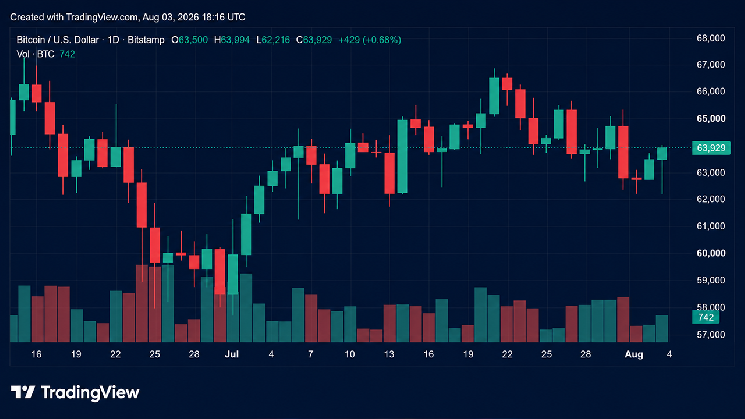
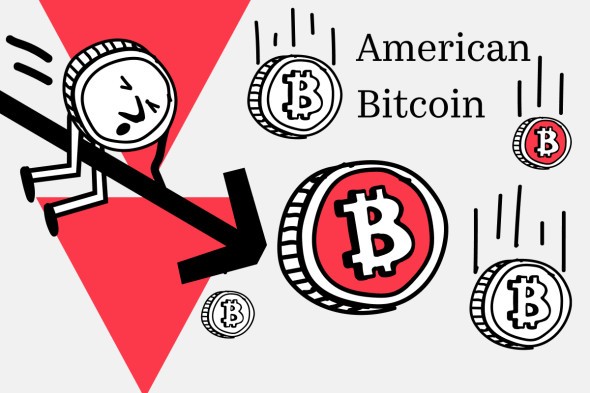
American Bitcoin, a cryptocurrency mining company co-founded by Eric Trump, son of Donald Trump, reported a net loss of $57.2 million for the second quarter of 2026. This loss was primarily driven by a decline in the value of Bitcoin held on its balance sheet. The company mined 932 BTC in the quarter, increasing its total reserves to 8,002 BTC, making it the 16th largest corporate Bitcoin holder. While mining revenue rose 8% to $67 million, the company's cost to mine one Bitcoin was approximately $36,500 against a market price around $63,000 in early August. Approximately 3,090 of its Bitcoins are pledged as collateral to equipment maker Bitmain. The company operates using the data centers and hardware of Hut 8, which received an 80% stake in American Bitcoin at its launch. American Bitcoin went public in September 2025, but its stock (ABTC) has since fallen over 90%. The company has faced controversy, with a Forbes investigation alleging it uses the Trump name to attract investors while primarily buying Bitcoin with raised funds rather than mining efficiently—a claim Eric Trump vehemently denied. For comparison, Michael Saylor's MicroStrategy, the world's largest corporate Bitcoin holder, reported a Q2 2026 net loss of $8.2 billion, also due to Bitcoin depreciation. Eric Trump has positioned the company as a way to give investors stock-market exposure to Bitcoin, similar to MicroStrategy, and has called himself a "Bitcoin maximalist."

cryptonews.ru26 хв тому

Trump's Mining Company Reports $57 Million Loss

cryptonews.ru26 хв тому

Forecast for August 2026 for the Crypto Market: Macroeconomics Will Determine Everything

Happy Coin News, with AI assistance from Gemini, presents a cryptocurrency market forecast for August 2026. The month is expected to solidify the market's structural transformation, where speculative narratives give way to pragmatic institutional integration. The key determinant of market dynamics will be the macroeconomic environment, with high U.S. interest rates and persistent inflation likely limiting retail capital inflow into high-risk digital assets. In this climate of limited liquidity, institutional players are predicted to gain near-total market control. Regulatory shifts will also be impactful. The EU's MiCA framework transition period officially ended on July 1, 2026, requiring full authorization for service providers. Meanwhile, the U.S. FIT21 bill will gain momentum, clarifying SEC and CFTC roles. These macro and regulatory pressures are reflected in the market structure: total capitalization is around $2.221 trillion, with Bitcoin's dominance high at 56.35%. A broad "altcoin season" is not imminent, as the Altcoin Season Index remains low. Growth in altcoins will be selective, with smart capital concentrating on AI infrastructure, next-gen DeFi, and tokenization projects. The main trend dominating August will be the tokenization of real-world assets (RWA), accelerated by the new regulatory clarity. This institutional integration will further tighten security and custodial requirements, moving the market definitively away from unregulated platforms toward hybrid models combining traditional finance tools with transparent blockchain infrastructure.

cryptonews.ru29 хв тому

Forecast for August 2026 for the Crypto Market: Macroeconomics Will Determine Everything

cryptonews.ru29 хв тому

Торгівля

Спот

Популярні статті

Що таке GROK AI

Grok AI: Революція в розмовних технологіях ери Web3 Вступ У швидко змінюваному ландшафті штучного інтелекту Grok AI вирізняється як помітний проєкт, що поєднує сфери передових технологій та взаємодії з користувачами. Розроблений компанією xAI, яку очолює відомий підприємець Ілон Маск, Grok AI прагне переосмислити, як ми взаємодіємо зі штучним інтелектом. Оскільки рух Web3 продовжує процвітати, Grok AI має на меті використати потужність розмовного ШІ для відповіді на складні запитання, надаючи користувачам досвід, який є не лише інформативним, але й розважальним. Що таке Grok AI? Grok AI — це складний розмовний чат-бот, розроблений для динамічної взаємодії з користувачами. На відміну від багатьох традиційних систем ШІ, Grok AI охоплює ширший спектр запитів, включаючи ті, які зазвичай вважаються недоречними або виходять за межі стандартних відповідей. Основні цілі проєкту включають: Надійне міркування: Grok AI акцентує увагу на здоровому глузді, щоб надавати логічні відповіді на основі контекстуального розуміння. Масштабоване управління: Інтеграція допоміжних інструментів забезпечує моніторинг та оптимізацію взаємодій користувачів для покращення якості. Формальна верифікація: Безпека є пріоритетом; Grok AI впроваджує методи формальної верифікації для підвищення надійності своїх результатів. Розуміння довгого контексту: Модель ШІ відзначається здатністю зберігати та згадувати обширну історію розмов, що сприяє змістовним та контекстуально обізнаним дискусіям. Стійкість до атак: Зосереджуючись на покращенні своїх захистів від маніпульованих або зловмисних вхідних даних, Grok AI прагне зберегти цілісність взаємодій з користувачами. По суті, Grok AI — це не просто пристрій для отримання інформації; це занурюючий розмовний партнер, який заохочує динамічний діалог. Творець Grok AI Геній, що стоїть за Grok AI, — це ніхто інший, як Ілон Маск, особа, яка стала синонімом інновацій у різних сферах, включаючи автомобільну промисловість, космічні подорожі та технології. Під егідою xAI, компанії, що зосереджена на розвитку технологій ШІ на користь суспільства, бачення Маска прагне переосмислити розуміння взаємодій з ШІ. Лідерство та основоположна етика глибоко впливають на прагнення Маска розширити технологічні межі. Інвестори Grok AI Хоча конкретні деталі щодо інвесторів, які підтримують Grok AI, залишаються обмеженими, загальновідомо, що xAI, інкубатор проєкту, заснований і підтримується переважно самим Ілоном Маском. Попередні підприємства та активи Маска забезпечують надійну підтримку, що додатково зміцнює довіру до Grok AI та потенціал для зростання. Однак наразі інформація про додаткові інвестиційні фонди або організації, що підтримують Grok AI, не є доступною, що позначає область для потенційного майбутнього дослідження. Як працює Grok AI? Операційна механіка Grok AI є такою ж інноваційною, як і його концептуальна структура. Проєкт інтегрує кілька передових технологій, які сприяють його унікальним функціональним можливостям: Надійна інфраструктура: Grok AI побудований з використанням Kubernetes для оркестрації контейнерів, Rust для продуктивності та безпеки, і JAX для високопродуктивних числових обчислень. Ця трійка забезпечує ефективну роботу чат-бота, його масштабованість та швидке обслуговування користувачів. Доступ до знань у реальному часі: Однією з відмінних рис Grok AI є його здатність отримувати дані в реальному часі через платформу X — раніше відому як Twitter. Ця можливість надає ШІ доступ до останньої інформації, що дозволяє надавати своєчасні відповіді та рекомендації, які можуть бути пропущені іншими моделями ШІ. Два режими взаємодії: Grok AI пропонує користувачам вибір між “Розважальним режимом” та “Звичайним режимом”. Розважальний режим дозволяє більш ігровий та гумористичний стиль взаємодії, тоді як Звичайний режим зосереджується на наданні точних і правильних відповідей. Ця універсальність забезпечує індивідуальний досвід, що відповідає різним уподобанням користувачів. По суті, Grok AI поєднує продуктивність із залученням, створюючи досвід, який є одночасно збагачуючим і розважальним. Хронологія Grok AI Шлях Grok AI відзначений важливими етапами, які відображають його розвиток та етапи впровадження: Початковий розвиток: Фундаментальна фаза Grok AI тривала приблизно два місяці, протягом яких проводилося початкове навчання та налаштування моделі. Випуск бета-версії Grok-2: У значному досягненні була оголошена бета-версія Grok-2. Цей випуск представив дві версії чат-бота — Grok-2 та Grok-2 mini — кожна з яких оснащена можливостями для спілкування, кодування та міркування. Публічний доступ: Після бета-розробки Grok AI став доступним для користувачів платформи X. Ті, хто має акаунти, підтверджені номером телефону та активні принаймні сім днів, можуть отримати доступ до обмеженої версії, що робить технологію доступною для ширшої аудиторії. Ця хронологія відображає систематичний розвиток Grok AI від початку до публічної взаємодії, підкреслюючи його прагнення до постійного вдосконалення та взаємодії з користувачами. Ключові особливості Grok AI Grok AI охоплює кілька ключових особливостей, які сприяють його інноваційній ідентичності: Інтеграція знань у реальному часі: Доступ до актуальної та релевантної інформації відрізняє Grok AI від багатьох статичних моделей, забезпечуючи захоплюючий та точний досвід для користувачів. Універсальні стилі взаємодії: Пропонуючи різні режими взаємодії, Grok AI задовольняє різноманітні уподобання користувачів, запрошуючи до творчості та персоналізації у спілкуванні з ШІ. Передова технологічна основа: Використання Kubernetes, Rust та JAX надає проєкту надійну основу для забезпечення надійності та оптимальної продуктивності. Етичні міркування в дискурсі: Включення функції генерації зображень демонструє інноваційний дух проєкту. Однак це також піднімає етичні питання, пов'язані з авторським правом та поважним зображенням впізнаваних фігур — триваюча дискусія в спільноті ШІ. Висновок Як піонер у сфері розмовного ШІ, Grok AI втілює потенціал трансформаційних користувацьких досвідів в цифрову епоху. Розроблений компанією xAI та керований візією Ілона Маска, Grok AI інтегрує знання в реальному часі з передовими можливостями взаємодії. Він прагне розширити межі того, що може досягти штучний інтелект, зберігаючи при цьому акцент на етичних міркуваннях та безпеці користувачів. Grok AI не лише втілює технологічний прогрес, але й представляє нову парадигму спілкування в ландшафті Web3, обіцяючи залучити користувачів як глибокими знаннями, так і ігровою взаємодією. Оскільки проєкт продовжує розвиватися, він слугує свідченням того, що може досягти перетин технологій, творчості та людської взаємодії.

534 переглядів усьогоОпубліковано 2024.12.26Оновлено 2024.12.26

Що таке GROK AI

Що таке ERC AI

Euruka Tech: Огляд $erc ai та його амбіцій у Web3 Вступ У швидко змінюваному ландшафті технології блокчейн та децентралізованих додатків нові проекти з'являються часто, кожен з унікальними цілями та методологіями. Одним з таких проектів є Euruka Tech, який працює у широкій сфері криптовалют та Web3. Основна увага Euruka Tech, зокрема його токена $erc ai, зосереджена на представленні інноваційних рішень, розроблених для використання зростаючих можливостей децентралізованих технологій. Ця стаття має на меті надати всебічний огляд Euruka Tech, дослідження його цілей, функціональності, ідентичності його творця, потенційних інвесторів та його значення в ширшому контексті Web3. Що таке Euruka Tech, $erc ai? Euruka Tech характеризується як проект, який використовує інструменти та функціональність, що пропонуються середовищем Web3, зосереджуючи увагу на інтеграції штучного інтелекту у своїй діяльності. Хоча конкретні деталі про структуру проекту дещо неясні, він розроблений для покращення залучення користувачів та автоматизації процесів у крипто-просторі. Проект має на меті створити децентралізовану екосистему, яка не лише полегшує транзакції, але й включає прогностичні функції через штучний інтелект, звідси і назва його токена, $erc ai. Мета полягає в тому, щоб надати інтуїтивно зрозумілу платформу, яка сприяє розумнішим взаємодіям та ефективній обробці транзакцій у зростаючій сфері Web3. Хто є творцем Euruka Tech, $erc ai? На даний момент інформація про творця або засновницьку команду Euruka Tech залишається невизначеною та дещо непрозорою. Ця відсутність даних викликає занепокоєння, оскільки знання про бекграунд команди часто є важливим для встановлення довіри в секторі блокчейн. Тому ми класифікували цю інформацію як невідому, поки конкретні деталі не стануть доступними в публічному домені. Хто є інвесторами Euruka Tech, $erc ai? Аналогічно, ідентифікація інвесторів або організацій, які підтримують проект Euruka Tech, не надається через доступні дослідження. Аспект, який є критично важливим для потенційних зацікавлених сторін або користувачів, які розглядають можливість співпраці з Euruka Tech, - це впевненість, що походить від встановлених фінансових партнерств або підтримки від авторитетних інвестиційних компаній. Без розкриття інформації про інвестиційні зв'язки важко зробити всебічні висновки про фінансову безпеку або довговічність проекту. Відповідно до знайденої інформації, цей розділ також має статус невідомий. Як працює Euruka Tech, $erc ai? Незважаючи на відсутність детальних технічних специфікацій для Euruka Tech, важливо враховувати його інноваційні амбіції. Проект прагне використовувати обчислювальну потужність штучного інтелекту для автоматизації та покращення досвіду користувачів у середовищі криптовалют. Інтегруючи ШІ з технологією блокчейн, Euruka Tech має на меті надати такі функції, як автоматизовані угоди, оцінка ризиків та персоналізовані інтерфейси користувачів. Інноваційна суть Euruka Tech полягає в його меті створити безшовний зв'язок між користувачами та величезними можливостями, які пропонують децентралізовані мережі. Завдяки використанню алгоритмів машинного навчання та ШІ, він має на меті мінімізувати труднощі для нових користувачів і спростити транзакційні досвіди в рамках Web3. Ця симбіоз між ШІ та блокчейном підкреслює значення токена $erc ai, який виступає як міст між традиційними інтерфейсами користувачів та розвиненими можливостями децентралізованих технологій. Хронологія Euruka Tech, $erc ai На жаль, через обмежену інформацію про Euruka Tech ми не можемо представити детальну хронологію основних подій або досягнень у подорожі проекту. Ця хронологія, яка зазвичай є безцінною для відстеження еволюції проекту та розуміння його траєкторії зростання, наразі недоступна. Як тільки інформація про значні події, партнерства або функціональні доповнення стане очевидною, оновлення, безумовно, підвищать видимість Euruka Tech у крипто-сфері. Роз'яснення щодо інших проектів “Eureka” Варто зазначити, що кілька проектів та компаній мають схожу назву з “Eureka”. Дослідження виявило ініціативи, такі як AI-агент від NVIDIA Research, який зосереджується на навчанні роботів складним завданням за допомогою генеративних методів, а також Eureka Labs та Eureka AI, які покращують користувацький досвід в освіті та аналітиці обслуговування клієнтів відповідно. Однак ці проекти відрізняються від Euruka Tech і не повинні бути змішані з його цілями чи функціональністю. Висновок Euruka Tech, разом із його токеном $erc ai, представляє обіцяючого, але наразі невідомого гравця в ландшафті Web3. Хоча деталі про його творця та інвесторів залишаються невідомими, основна амбіція поєднання штучного інтелекту з технологією блокчейн є центром інтересу. Унікальні підходи проекту до сприяння залученню користувачів через передову автоматизацію можуть виділити його на фоні прогресу екосистеми Web3. Оскільки крипто-ринок продовжує еволюціонувати, зацікавлені сторони повинні уважно стежити за новинами, пов'язаними з Euruka Tech, оскільки розвиток задокументованих інновацій, партнерств або визначеного дорожньої карти може представити значні можливості в найближчому майбутньому. На даний момент ми чекаємо на більш суттєві інсайти, які можуть розкрити потенціал Euruka Tech та його позицію в конкурентному крипто-ландшафті.

503 переглядів усьогоОпубліковано 2025.01.02Оновлено 2025.01.02

Що таке ERC AI

Що таке DUOLINGO AI

DUOLINGO AI: Інтеграція вивчення мов з Web3 та інноваціями штучного інтелекту В епоху, коли технології змінюють освіту, інтеграція штучного інтелекту (ШІ) та блокчейн-мереж відкриває нові горизонти для вивчення мов. З'являється DUOLINGO AI та його асоційована криптовалюта, $DUOLINGO AI. Цей проект прагне об'єднати освітні можливості провідних платформ для вивчення мов з перевагами децентралізованих технологій Web3. У цій статті розглядаються ключові аспекти DUOLINGO AI, його цілі, технологічна структура, історичний розвиток та майбутній потенціал, зберігаючи чіткість між оригінальним освітнім ресурсом та цією незалежною криптовалютною ініціативою. Огляд DUOLINGO AI В основі DUOLINGO AI лежить прагнення створити децентралізоване середовище, де учні можуть отримувати криптографічні винагороди за досягнення освітніх етапів у мовній компетенції. Застосовуючи смарт-контракти, проект має на меті автоматизувати процеси перевірки навичок та розподілу токенів, дотримуючись принципів Web3, які підкреслюють прозорість та власність користувачів. Модель відрізняється від традиційних підходів до вивчення мов, акцентуючи увагу на структурі управління, що базується на спільноті, що дозволяє власникам токенів пропонувати поліпшення змісту курсів та розподілу винагород. Деякі з помітних цілей DUOLINGO AI включають: Гейміфіковане навчання: Проект інтегрує досягнення на блокчейні та невзаємозамінні токени (NFT), щоб представляти рівні мовної компетенції, сприяючи мотивації через захоплюючі цифрові винагороди. Децентралізоване створення контенту: Це відкриває можливості для викладачів та мовних ентузіастів вносити свої курси, сприяючи моделі розподілу доходів, яка вигідна всім учасникам. Персоналізація на основі ШІ: Використовуючи сучасні моделі машинного навчання, DUOLINGO AI персоналізує уроки, щоб адаптуватися до індивідуального прогресу навчання, подібно до адаптивних функцій, що є в усталених платформах. Творці проекту та управління Станом на квітень 2025 року команда, що стоїть за $DUOLINGO AI, залишається псевдонімною, що є поширеною практикою в децентралізованому криптовалютному середовищі. Ця анонімність має на меті сприяти колективному розвитку та залученню зацікавлених сторін, а не зосереджуватися на окремих розробниках. Смарт-контракт, розгорнутий на блокчейні Solana, зазначає адресу гаманця розробника, що свідчить про зобов'язання до прозорості щодо транзакцій, незважаючи на те, що особи творців залишаються невідомими. Згідно з його дорожньою картою, DUOLINGO AI прагне перетворитися на Децентралізовану Автономну Організацію (DAO). Ця структура управління дозволяє власникам токенів голосувати з важливих питань, таких як реалізація функцій та розподіл скарбниці. Ця модель узгоджується з етикою розширення прав і можливостей спільноти, що спостерігається в різних децентралізованих додатках, підкреслюючи важливість колективного прийняття рішень. Інвестори та стратегічні партнерства На даний момент немає публічно відомих інституційних інвесторів або венчурних капіталістів, пов'язаних з $DUOLINGO AI. Натомість ліквідність проекту в основному походить з децентралізованих бірж (DEX), що є різким контрастом до стратегій фінансування традиційних компаній у сфері освітніх технологій. Ця модель знизу вгору вказує на підхід, орієнтований на спільноту, що відображає зобов'язання проекту до децентралізації. У своєму білому документі DUOLINGO AI згадує про формування співпраці з неуточненими “блокчейн-освітніми платформами”, спрямованими на збагачення своїх курсів. Хоча конкретні партнерства ще не були розкриті, ці спільні зусилля натякають на стратегію поєднання інновацій блокчейну з освітніми ініціативами, розширюючи доступ та залучення користувачів у різноманітні навчальні напрямки. Технологічна архітектура Інтеграція ШІ DUOLINGO AI включає два основні компоненти на основі ШІ для покращення своїх освітніх пропозицій: Адаптивний навчальний двигун: Цей складний двигун навчається на основі взаємодій користувачів, подібно до власних моделей великих освітніх платформ. Він динамічно регулює складність уроків, щоб вирішувати конкретні проблеми учнів, зміцнюючи слабкі місця через цілеспрямовані вправи. Розмовні агенти: Використовуючи чат-боти на базі GPT-4, DUOLINGO AI надає платформу для користувачів, щоб брати участь у симульованих розмовах, сприяючи більш інтерактивному та практичному досвіду вивчення мови. Інфраструктура блокчейну Побудований на блокчейні Solana, $DUOLINGO AI використовує комплексну технологічну структуру, яка включає: Смарт-контракти для перевірки навичок: Ця функція автоматично нагороджує токенами користувачів, які успішно проходять тести на компетентність, підкріплюючи структуру стимулів для справжніх навчальних результатів. NFT значки: Ці цифрові токени позначають різні етапи, яких досягають учні, такі як завершення розділу курсу або оволодіння конкретними навичками, що дозволяє їм обмінюватися або демонструвати свої досягнення в цифровому форматі. Управління DAO: Члени спільноти, наділені токенами, можуть брати участь в управлінні, голосуючи за ключові пропозиції, що сприяє культурі участі, яка заохочує інновації в курсах та функціях платформи. Історичний хронологічний графік 2022–2023: Концептуалізація Основи DUOLINGO AI закладаються з створення білого документа, що підкреслює синергію між досягненнями ШІ у вивченні мов та децентралізованим потенціалом блокчейн-технологій. 2024: Бета-реліз Обмежений бета-реліз представляє пропозиції з популярних мов, винагороджуючи ранніх користувачів токенами в рамках стратегії залучення спільноти проекту. 2025: Перехід до DAO У квітні відбувається повний запуск основної мережі з обігом токенів, що спонукає обговорення в спільноті щодо можливих розширень на азійські мови та інші розробки курсів. Виклики та майбутні напрямки Технічні труднощі Незважаючи на свої амбітні цілі, DUOLINGO AI стикається з суттєвими викликами. Масштабованість залишається постійною проблемою, особливо в балансуванні витрат, пов'язаних із обробкою ШІ, та підтриманням чутливої, децентралізованої мережі. Крім того, забезпечення якості створення контенту та модерації в умовах децентралізованої пропозиції створює складнощі у підтримці освітніх стандартів. Стратегічні можливості Дивлячись у майбутнє, DUOLINGO AI має потенціал використовувати партнерства з мікрокреденційними академічними установами, надаючи блокчейн-верифіковані підтвердження мовних навичок. Крім того, розширення через різні блокчейни може дозволити проекту залучити ширші бази користувачів та додаткові екосистеми блокчейну, покращуючи його взаємодію та охоплення. Висновок DUOLINGO AI представляє інноваційне злиття штучного інтелекту та блокчейн-технологій, пропонуючи альтернативу, орієнтовану на спільноту, традиційним системам вивчення мов. Хоча його псевдонімна розробка та нова економічна модель несуть певні ризики, зобов'язання проекту до гейміфікованого навчання, персоналізованої освіти та децентралізованого управління освітлює шлях вперед для освітніх технологій у сфері Web3. Оскільки ШІ продовжує розвиватися, а екосистема блокчейну еволюціонує, ініціативи на кшталт DUOLINGO AI можуть переосмислити, як користувачі взаємодіють з мовною освітою, наділяючи спільноти та винагороджуючи залучення через інноваційні механізми навчання.

541 переглядів усьогоОпубліковано 2025.04.11Оновлено 2025.04.11

Що таке DUOLINGO AI

Обговорення

Ласкаво просимо до спільноти HTX. Тут ви можете бути в курсі останніх подій розвитку платформи та отримати доступ до професійної ринкової інформації. Нижче представлені думки користувачів щодо ціни AI (AI).

活动图片