‘停止不可接受’——关于Base及其共识问题的全面解析

ambcryptoОпубліковано о 2026-06-27Востаннє оновлено о 2026-06-27

Анотація

Base是由Coinbase孵化的以太坊第二层链,因共识问题导致近48小时内无法处理存款和取款。6月25日,链上出现无效区块,团队虽迅速隔离并调试问题,但截至26日主网区块生产仍显示“不健康”状态。存款服务遭遇严重中断,取款功能也部分受损。Base联合创始人Jesse Pollak强调用户资金安全,并指出链的中断是不可接受的,将以此为契机提升网络可靠性。此外,Base计划在链上推出类似DeFi的代币化资产借贷服务,致力于推动代币化生态发展。自2023年下半年上线以来,Base累计收入已超1.84亿美元,总锁仓价值达40亿美元,其中约一半资产存放在DeFi借贷平台Morpho Blue上。此次故障是否会动摇投资者信心并引发资金外流仍有待观察。

由Coinbase孵化的以太坊二层网络Base,其存款和取款功能已瘫痪近48小时。

6月25日,该二层网络表示遇到了共识问题,导致生成了一个无效区块。该声明于6月25日世界标准时间17:21发布。问题已得到定位和调试,团队随后宣布正在进行更广泛的恢复工作。

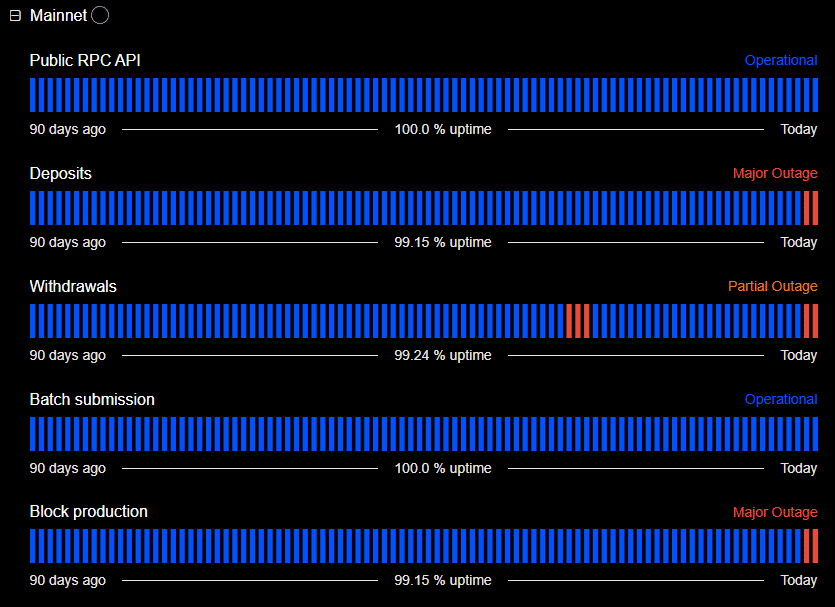
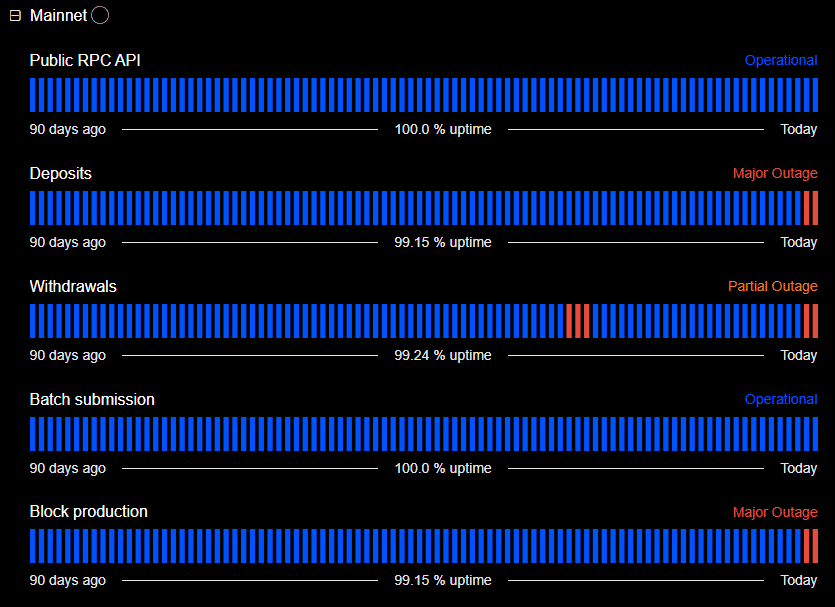
然而,截至6月26日世界标准时间10:36,问题仍未完全解决。事实上,链的状态显示其主网区块生产“不健康”。

除了区块生产,存款和取款功能第二天也受到影响。值得注意的是,取款仅部分受限,但存款则遭遇了“严重中断”。

来源:Base Status

对此,Base联合创始人Jesse Pollak向用户保证资金是安全的,并且团队正在着手撰写完整的事后分析报告。

他还补充道,停止链的运行来解决问题是不可取的,并将此视为未来需要做得更好的一个挑战。

所有资金都是/一直都是安全的。但停止运行是不可接受的,我们将以此为契机,继续将Base提升为一个支持全球、7x24小时不间断金融活动的平台。感谢您的耐心。

Base对代币化的押注

另外,Pollak曾表示,一旦代币化资产在Base链上上线,Base将为其提供类似于DeFi的借贷选项。

来源:X

这是对代币化领域更广泛押注的一部分,因为这个新兴领域正日益受到关注。不幸的是,最近这样的链中断事件对于实现这样的目标来说并不好看。

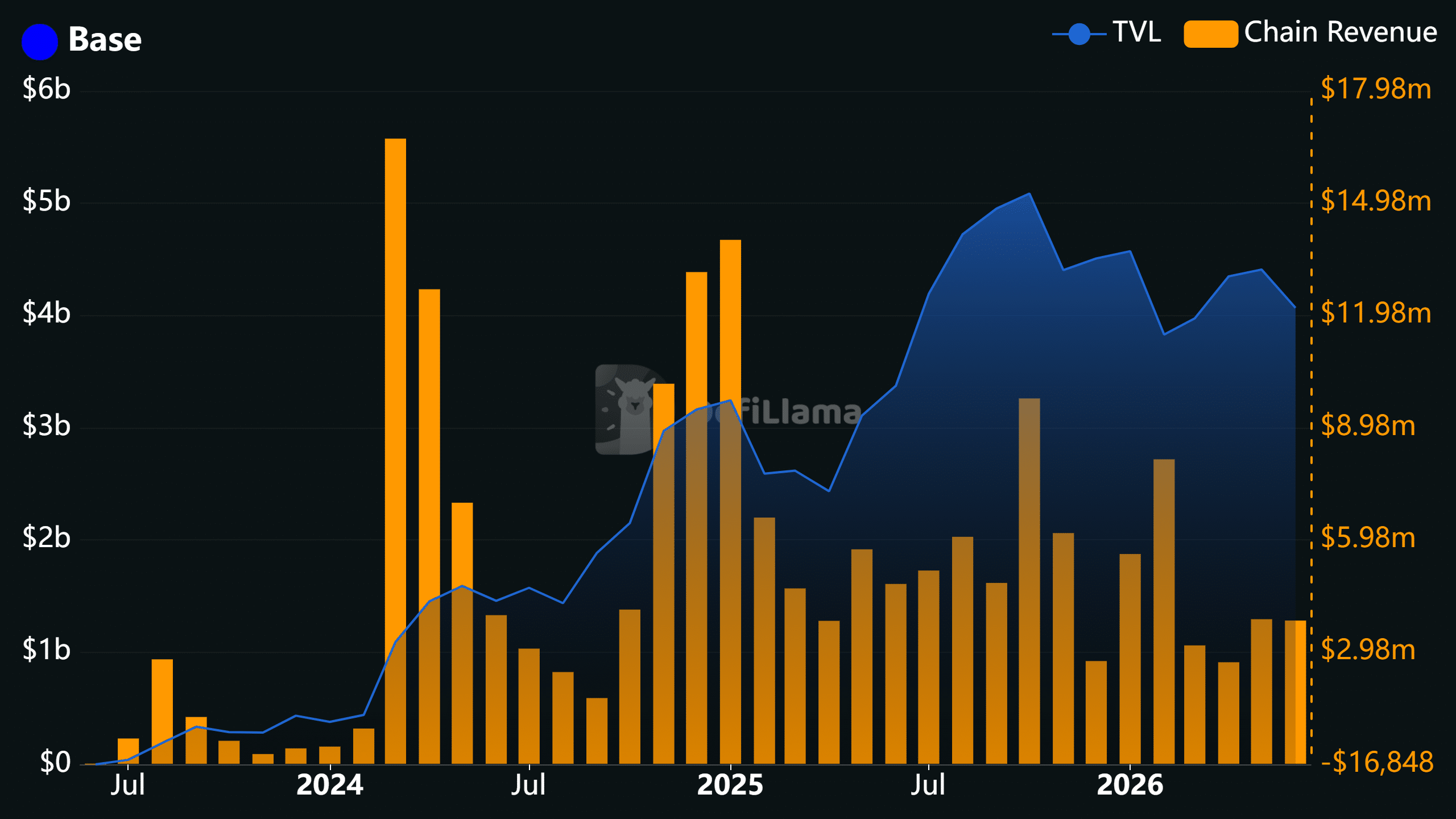
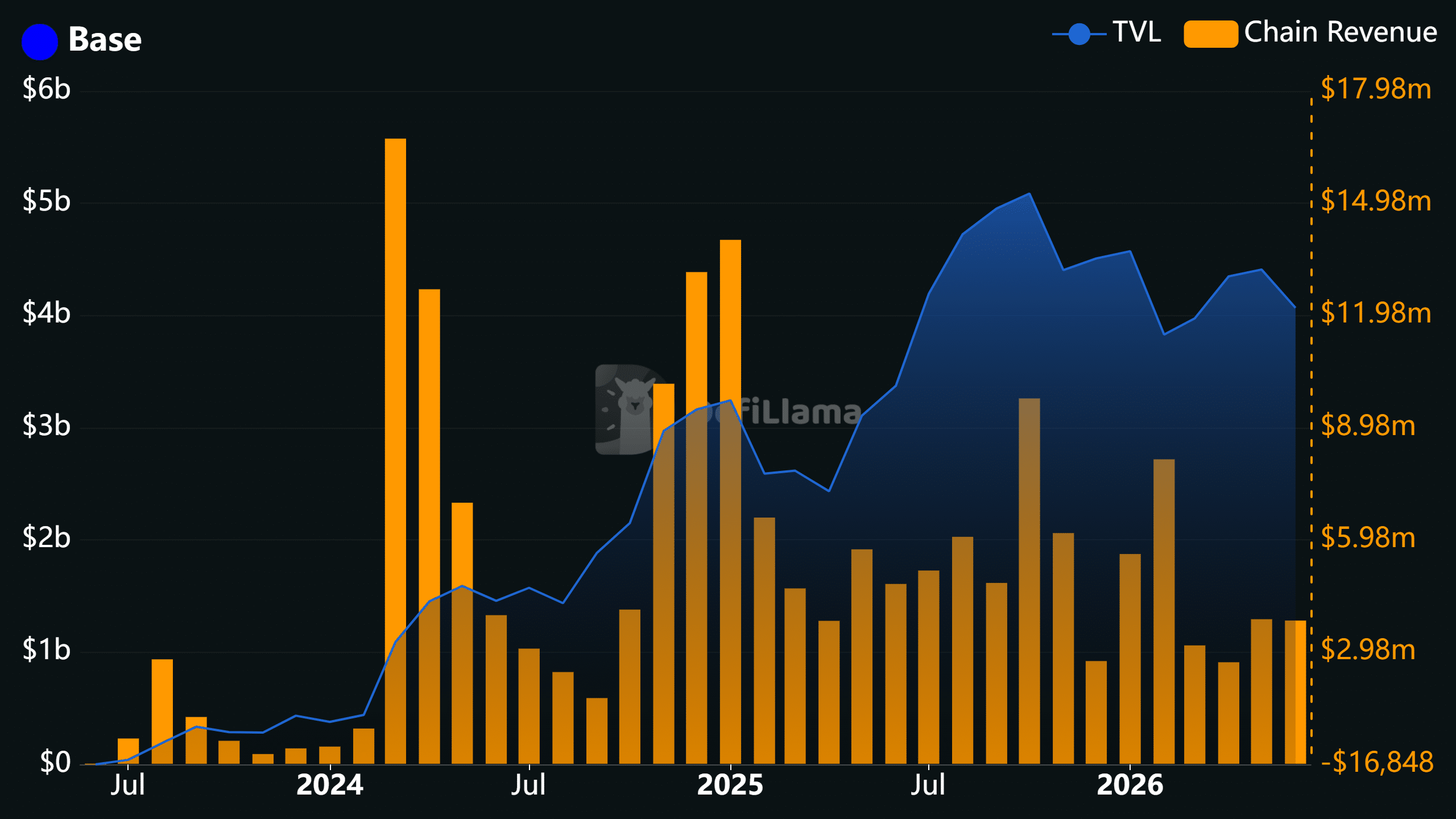
尽管如此,Base于2023年下半年推出,并在过去几个月里取得了巨大的增长。其累计收入已超过1.84亿美元,总锁定价值达到40亿美元。

来源:DeFiLlama

来源:DeFiLlama

这40亿美元锁定价值中,有一半位于DeFi借贷平台Morpho Blue上。此次持续中断是否会打击投资者信心并引发资金外流,仍有待观察。


最终摘要

  • Base链遭遇共识问题,导致取款部分受限,存款功能完全中断。
  • Base联合创始人Jesse Pollak正大力押注代币化资产,计划提供类似DeFi的借贷选项。

Трендові криптовалюти

Пов'язані питання

QBase链遇到了什么问题?

ABase链遇到了共识问题,导致了一个无效区块被排序。这使得其主网区块生产状态显示为“不健康”,并且链上的存款和取款功能受到影响,特别是存款功能遭遇了“重大中断”。

QBase的联合创始人Jesse Pollak对此次事件有何表态?

AJesse Pollak向用户保证资金是安全的,团队正在进行全面的故障分析。他强调,为了修复问题而停止链是不可接受的,并将以此为鉴,努力提升Base作为一个全球24/7金融平台的可靠性。

Q这次共识问题对Base的存款和取款功能造成了什么影响?

A此次事件导致Base链的存款和取款功能连续两天受到影响。取款功能仅部分受损,而存款功能则面临“重大中断”,完全无法进行。

Q文章中提到Base在资产代币化方面有什么计划?

ABase联合创始人Jesse Pollak表示,一旦代币化资产在Base链上线,Base将允许用户对这些资产进行类似DeFi的借贷操作。这是Base对正在兴起且备受关注的代币化领域的重要押注。

Q根据文章,Base自推出以来取得了哪些成绩?

ABase于2023年下半年推出,在过去的几个月里取得了巨大的增长。其累计收入已超过1.84亿美元,总锁定价值(TVL)达到40亿美元,其中约一半的价值锁定在DeFi借贷平台Morpho Blue上。

Пов'язані матеріали

You Use Claude and Codex Every Day, but Meta Has Restricted Internal Use

In May, Meta imposed internal restrictions on its engineers regarding the use of Claude Code and Codex, two widely used AI programming tools. Despite being a major client, Meta's guidelines, still in effect, prohibit these external models from being used for specific tasks to prevent potential "escalations with partners." The core concern is "distillation"—the risk that outputs from Claude or Codex could inadvertently contaminate the training data and evaluation processes for Meta's in-house AI coding assistant, MetaCode. If MetaCode is trained or evaluated using data generated by these external models, it risks learning their capabilities rather than developing its own, blurring the line of intellectual origin. The restrictions are precise: engineers cannot use the external models to generate test questions, debug source code, or suggest test cases. AI-generated content is also barred from environments accessible to MetaCode. However, AI can still assist with peripheral tasks like workflow setup and code organization, provided all outputs are manually reviewed. This caution reflects a broader industry dilemma. While distillation is a common technique, using a competitor's model output for training raises legal and ethical questions about the ownership of derived capabilities. Contractual terms from companies like OpenAI and Anthropic explicitly forbid using their outputs to build competing products, putting enforcement power in the hands of rivals. The move is also financially motivated, as Meta seeks to reduce its hefty internal AI spending, estimated in the billions this year. Meta's policy illustrates the delicate balance companies must strike: leveraging powerful external AI tools while safeguarding the integrity and independence of their own AI development. As AI systems increasingly help build other AIs, distinguishing the origin of capabilities becomes a fundamental challenge for the entire industry.

marsbit2 год тому

You Use Claude and Codex Every Day, but Meta Has Restricted Internal Use

marsbit2 год тому

Why Do We Need an AI Content Perspective Today?

The article "Why Do We Need an AI Content Perspective Today?" explores the complex and often contentious integration of AI into the cultural and creative industries, particularly film and television. It begins with the cancellation of Amazon's AI-generated animation "Punky Duck," highlighting the ethical debates surrounding AI content. AI's rapid advancement is transforming video production, enabling cost-effective, full-length AI films (e.g., "RAPHAEL," "Dreams of Violets") while sparking industry resistance over issues like "synthetic actors." The core debate has shifted from whether to use AI to how to use it responsibly. The article analyzes why AI's entry into film is uniquely unsettling. It distinguishes between "cultural fast food" (short-form, fast-paced content like micro-dramas) and "cultural main courses" (traditional, long-form film/TV). AI currently excels at the former, matching its fragmented narratives, shallow emotional needs, and free-to-consumer models. However, venturing into the latter challenges the human-centric essence of storytelling—creativity, emotional depth, and the unique value of human labor and experience. While AI can generate massive volumes of content and lower costs, it risks devaluing human creativity, leading to homogenized output, and creating unfair competition through potential intellectual property infringement. Its efficiency also amplifies content safety risks, making preemptive governance crucial. To counter these risks, the article proposes establishing clear boundaries guided by a human-centered AI content perspective. It outlines four principles: 1) Amplify, rather than displace, human creative space; 2) Respect and protect human creative output; 3) Ensure human creative control and responsibility remain paramount; and 4) Guarantee transparency and traceability in AI creation. The conclusion emphasizes that humans must act as the "helmsmen" of technology, steering AI development to enhance, not replace, the core human values at the heart of cultural expression.

marsbit2 год тому
Why Do We Need an AI Content Perspective Today?

marsbit2 год тому

Торгівля

Спот

Популярні статті

Як купити LAYER

Ласкаво просимо до HTX.com! Ми зробили покупку Solayer (LAYER) простою та зручною. Дотримуйтесь нашої покрокової інструкції, щоб розпочати свою криптовалютну подорож.Крок 1: Створіть обліковий запис на HTXВикористовуйте свою електронну пошту або номер телефону, щоб зареєструвати обліковий запис на HTX безплатно. Пройдіть безпроблемну реєстрацію й отримайте доступ до всіх функцій.ЗареєструватисьКрок 2: Перейдіть до розділу Купити крипту і виберіть спосіб оплатиКредитна/дебетова картка: використовуйте вашу картку Visa або Mastercard, щоб миттєво купити Solayer (LAYER).Баланс: використовуйте кошти з балансу вашого рахунку HTX для безперешкодної торгівлі.Треті особи: ми додали популярні способи оплати, такі як Google Pay та Apple Pay, щоб підвищити зручність.P2P: Торгуйте безпосередньо з іншими користувачами на HTX.Позабіржова торгівля (OTC): ми пропонуємо індивідуальні послуги та конкурентні обмінні курси для трейдерів.Крок 3: Зберігайте свої Solayer (LAYER)Після придбання Solayer (LAYER) збережіть його у своєму обліковому записі на HTX. Крім того, ви можете відправити його в інше місце за допомогою блокчейн-переказу або використовувати його для торгівлі іншими криптовалютами.Крок 4: Торгівля Solayer (LAYER)Легко торгуйте Solayer (LAYER) на спотовому ринку HTX. Просто увійдіть до свого облікового запису, виберіть торгову пару, укладайте угоди та спостерігайте за ними в режимі реального часу. Ми пропонуємо зручний досвід як для початківців, так і для досвідчених трейдерів.

324 переглядів усьогоОпубліковано 2025.02.11Оновлено 2026.06.02

Як купити LAYER

Обговорення

Ласкаво просимо до спільноти HTX. Тут ви можете бути в курсі останніх подій розвитку платформи та отримати доступ до професійної ринкової інформації. Нижче представлені думки користувачів щодо ціни LAYER (LAYER).

活动图片