43-Year-Old OnlyFans Helmsman Passes Away; He Once Bought ETH into the Company's Balance Sheet

marsbitОпубліковано о 2026-03-25Востаннє оновлено о 2026-03-25

Анотація

Leonid Radvinsky, the 43-year-old Ukrainian-American majority owner of OnlyFans, has passed away after a long battle with cancer. Under his leadership since acquiring 75% of the parent company Fenix International in 2018, OnlyFans grew into a subscription-based content platform valued at approximately $18 billion, with over 377 million users and 4.63 million creators. Radvinsky maintained a low public profile but quietly engaged with crypto initiatives. In 2022, OnlyFans introduced NFT profile picture verification via Ethereum, marking its first step into web3. That same year, Fenix International purchased $19.9 million worth of ETH, recording it on its balance sheet, though it later wrote down $8.46 million due to market declines. The company also donated 500 ETH (then around $1 million) to Ukraine DAO in support of war relief efforts. Although OnlyFans never integrated crypto payments, its founder Tim Stokely later launched Zoop, an NFT trading card platform on Polygon, applying the creator-paid subscription model to web3. In 2025, Zoop and HBAR Foundation even submitted a bid to acquire TikTok’s U.S. operations with plans to incorporate token incentives and NFT-based creator monetization—though the deal did not materialize. Radvinsky’s tenure transformed OnlyFans into a financial powerhouse, generating over $6 billion in annual transactions and paying out more than $700 million in dividends in 2024 alone.

Original Author: Ma He, Foresight News

On March 23, Leonid Radvinsky, the actual controller of OnlyFans, passed away after a long battle with cancer at the age of 43. The OnlyFans company spokesperson simply stated "he passed away peacefully" and requested respect for the family's privacy.
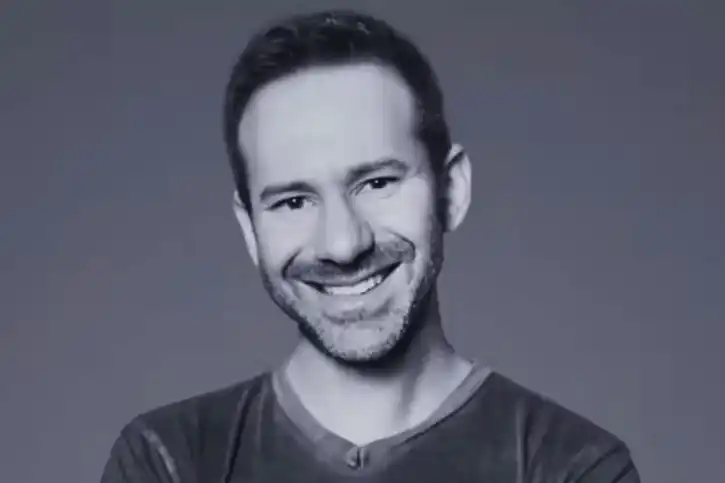
OnlyFans is a content subscription platform headquartered in London, UK. Creators upload exclusive content, and fans pay a monthly fee to subscribe. While it is centered around adult content creators, it also covers areas like fitness, music, and cooking. According to the latest data from 2025, OnlyFans has stabilized at approximately 377.5 million user accounts, with the number of creators growing to 4.63 million. Currently, OnlyFans is valued at around $18 billion, making it the highest-valued private company among global subscription-based creator economy platforms.

Radvinsky, a Ukrainian-American, rarely made public appearances. However, in 2018, he acquired a 75% stake in the parent company of OnlyFans, transforming a small UK-based platform into a cash cow with annual transaction volumes exceeding $6 billion. When he took over OnlyFans in 2018, the platform was just a "paid Instagram" started by the Stokely family with a loan of £10,000. After Radvinsky's significant acquisition, he decisively steered the platform towards adult content. During the pandemic, user numbers exploded, and in 2024 alone, he took home over $700 million in dividends.

Little was known publicly about Radvinsky's stance on crypto—he never publicly endorsed any chain but had explored the crypto world.

Bought Millions in ETH, Also Donated to Ukraine DAO

During his control, OnlyFans quietly launched a small feature in February 2022: support for Ethereum-verified NFTs as profile pictures. The platform explicitly stated this was "the first step in exploring the role of NFTs on the platform." Creators' NFT profile pictures would feature a small Ethereum icon, which could be clicked to view details on OpenSea.

This feature, seemingly minor, allowed millions of adult creators to directly engage with crypto assets for the first time.

This move was early. That year, the NFT frenzy was at its peak; Twitter had just introduced NFT profile pictures, and OnlyFans followed suit quickly.

Less known is that OnlyFans' parent company, Fenix International, also purchased tens of millions of dollars worth of ETH.
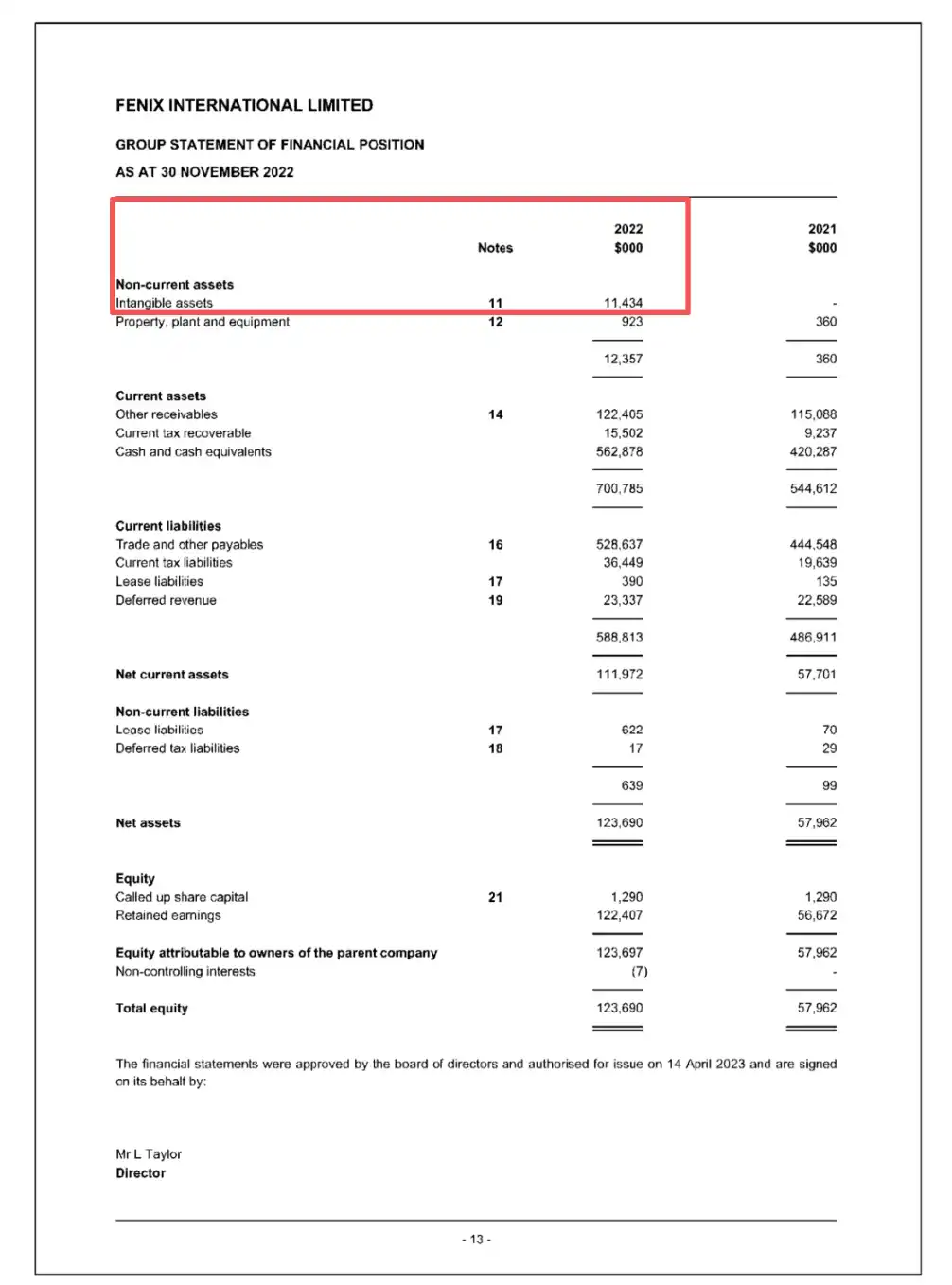
According to the company's financial statements from the end of November 2022, Fenix purchased a total of approximately $19.9 million worth of ETH, listing it as an intangible asset. Due to the cryptocurrency market crash in 2022, Ethereum's price plummeted significantly. The company recorded an impairment loss of approximately $8.46 million that year, adjusting the value of its ETH holdings to about $11.4 million.

The OnlyFans platform has not yet opened up crypto payments; users still rely on credit cards or third-party virtual cards. During Radvinsky's era, OnlyFans resembled more of a hybrid of "traditional finance + adult content," taking a 20% cut, with terrifyingly stable cash flow.

Shifting focus to the Russia-Ukraine war period in 2022, a group of cryptocurrency activists and enthusiasts quickly gathered to support Ukraine.

Their method was to auction an NFT artwork depicting the Ukrainian flag. The decentralized autonomous organization "Ukraine DAO" raised 2258 ETH in an auction, worth approximately $6.79 million at the time.
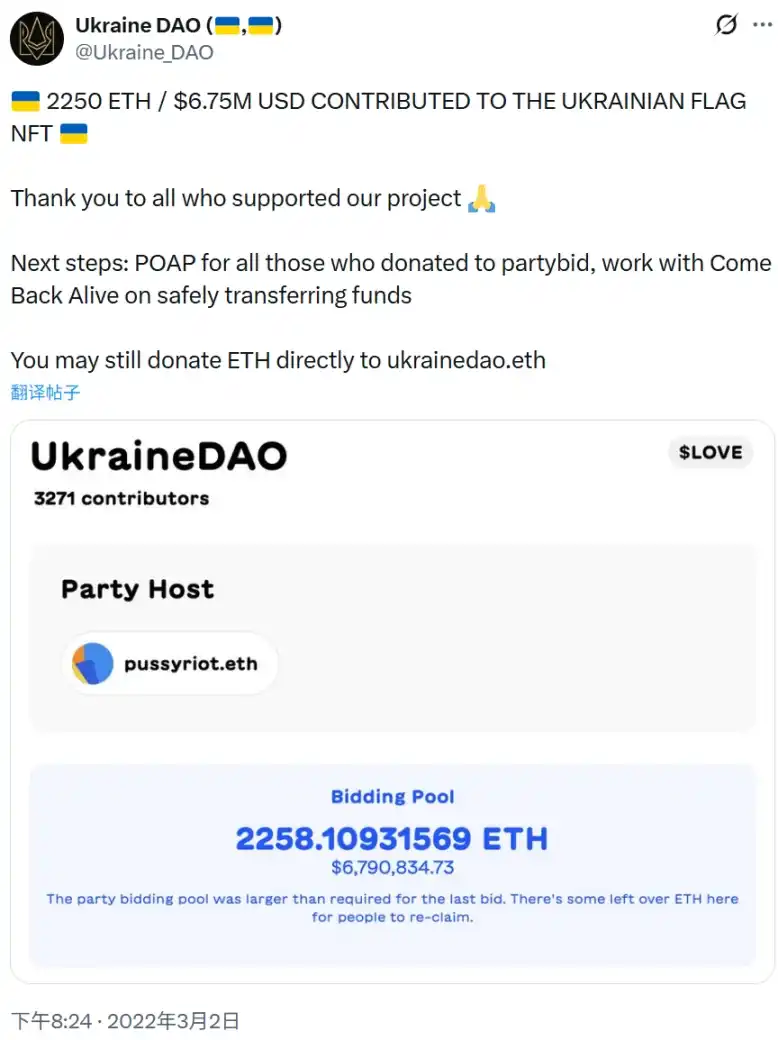
According to a subsequent report by Decrypt, the adult website OnlyFans also participated in this donation.

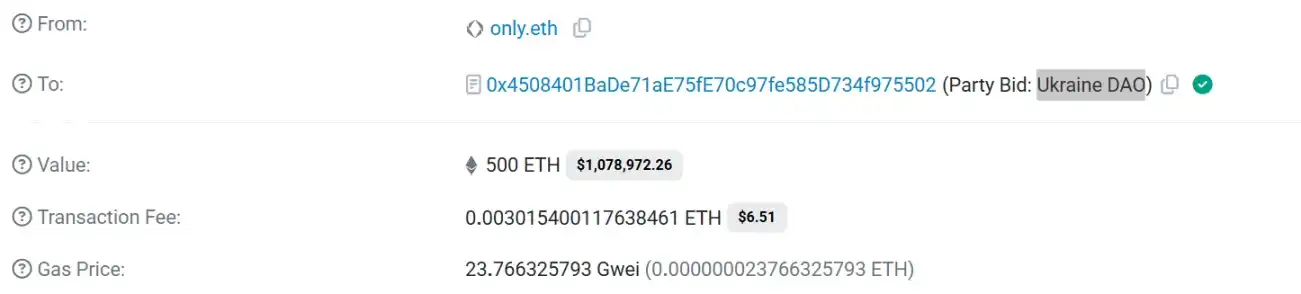
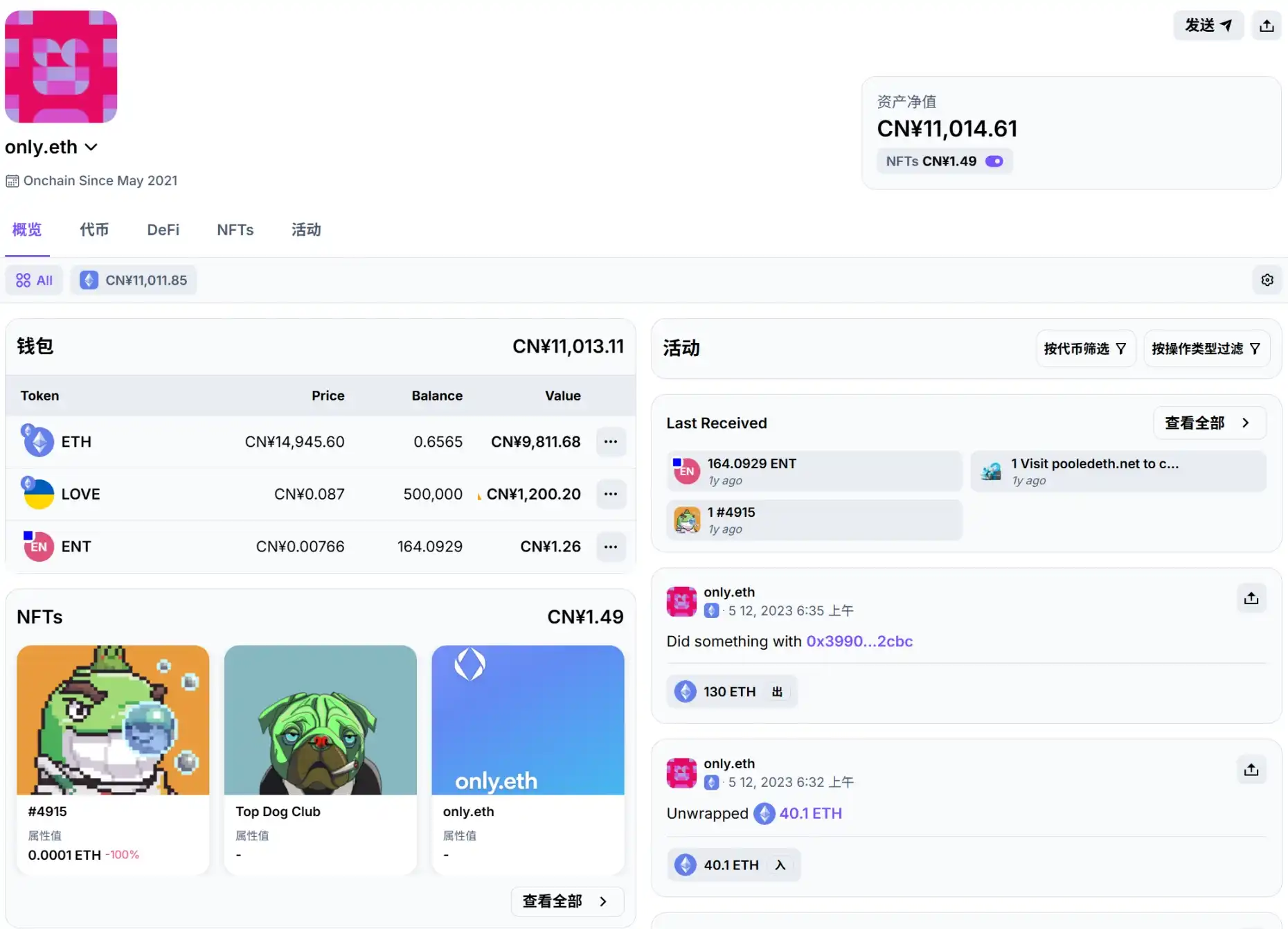
Blockchain tracking platform Etherscan showed that on February 27, an address named only.eth donated 500 ETH to Ukraine DAO, worth $1.079 million today.
Zapper data shows that the only.eth address was created in May 2021. Currently, its wallet holds a total value of less than $2000, with the last wallet activity being 3 years ago.
However, the person who truly brought the OnlyFans基因 (gene) into crypto was its founder, Tim Stokely.
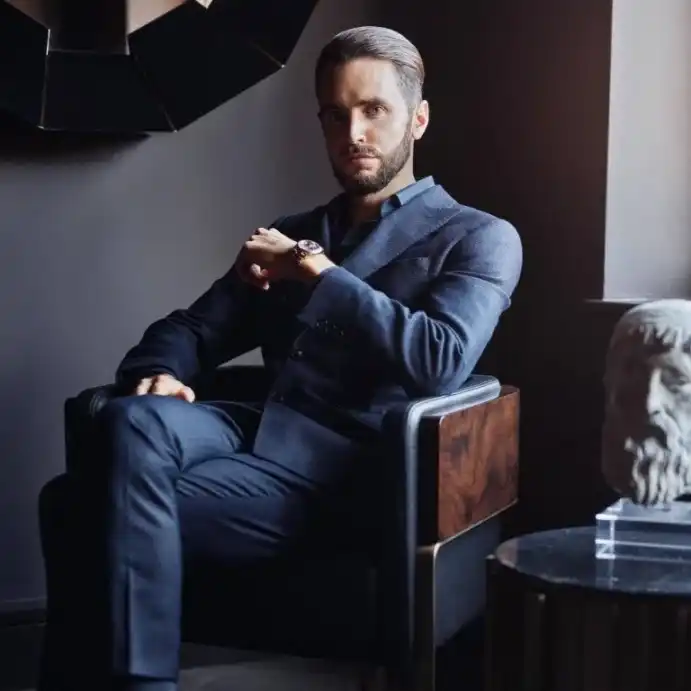
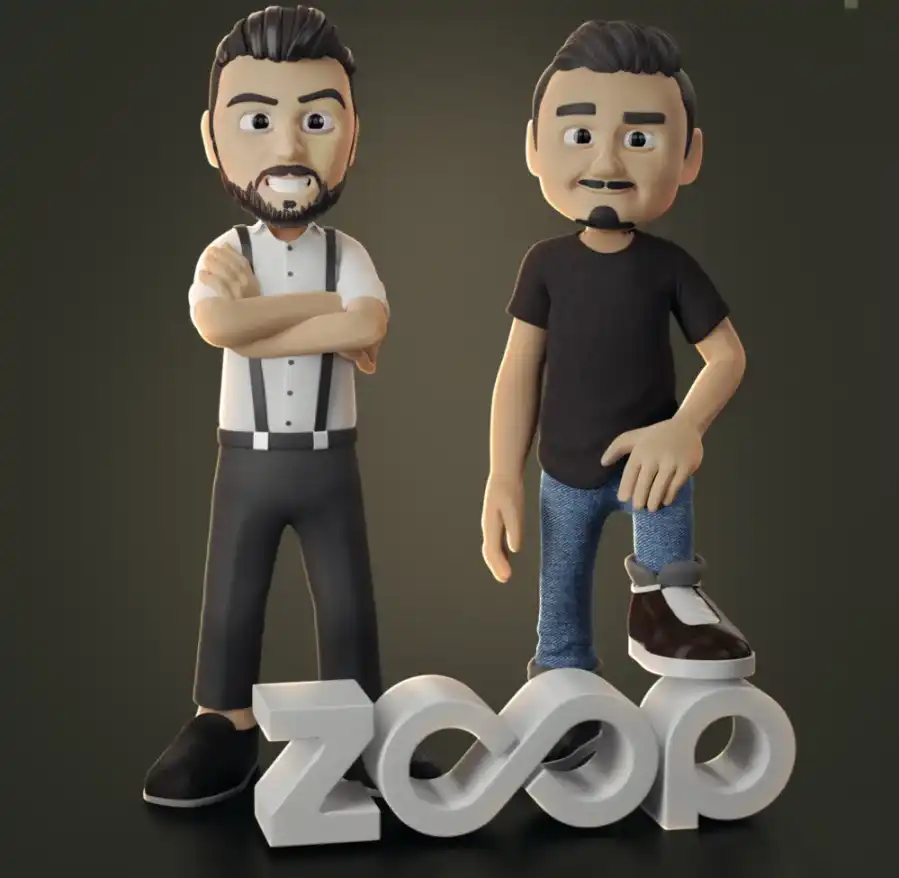
Stokely founded the OnlyFans platform in 2016, resigned as CEO in December 2021, and made a complete turn. In May 2022, he and former OnlyFans executive RJ Phillips launched Zoop—an NFT trading card platform based on the Polygon chain.

Zoop is positioned as completely "family-friendly": selling 3D digital collectible cards of celebrities and influencers. Users can buy, sell, trade, collect, and also receive airdropped benefits. It features limited editions and emphasizes creator revenue sharing. Essentially, Zoop transplants OnlyFans' "fans pay directly" model into the Web3 collectibles track.
In April 2025, Zoop, in conjunction with the HBAR Foundation (the treasury management entity for the Hedera chain), submitted a bid to acquire TikTok's US operations. The core of the proposal was Web3 integration: Hedera's scalability would be used to support TikTok's NFTs, creator payments, governance structure, and overall token incentive system, aiming to distribute 80% of advertising revenue directly to creators and users.

Ultimately, for various reasons, this intended bid did not finalize. Tim Stokely stepped away from the adult empire but brought its core logic into Zoop and the Hedera-led TikTok bid, effectively upgrading the "fans pay for content" model into a Web3 version.


Пов'язані питання

QWho was the actual controller of OnlyFans and what was the cause of his death?

ALeonid Radvinsky was the actual controller of OnlyFans. He passed away at the age of 43 after a long battle with cancer.

QWhat significant cryptocurrency purchase did OnlyFans' parent company, Fenix International, make under Radvinsky's control?

AFenix International purchased approximately $19.9 million worth of ETH, which it listed as an intangible asset on its balance sheet.

QHow did the OnlyFans platform engage with the crypto space in 2022?

AIn 2022, OnlyFans launched a feature allowing users to set an Ethereum-verified NFT as their profile picture, marking its first step in exploring the role of NFTs on the platform.

QWhat was the name of the core business model of the NFT platform launched by OnlyFans' founder, Tim Stokely, after he resigned?

ATim Stokely co-founded Zoop, an NFT trading card platform on the Polygon blockchain, which uses a 'fans pay creators directly' model similar to OnlyFans but for Web3 collectibles.

QWhat was the purpose of the only.eth address's transaction to Ukraine DAO in February 2022?

AThe only.eth address, associated with OnlyFans, donated 500 ETH (worth about $1.079 million at the time of the article) to Ukraine DAO to support Ukraine during the war.

Пов'язані матеріали

In Conversation with Ray Dalio: We Are Currently in an AI Bubble, with 1% of My Portfolio in Bitcoin

Ray Dalio, founder of Bridgewater Associates, warns in an interview that the current AI boom shows classic bubble characteristics, which could lead to significant economic downturns as seen in past cycles like 1929 or 2000. He explains that speculative enthusiasm, fueled by debt and overvaluation, often precedes a crash when rising rates or taxation force asset sales, causing widespread losses and recession. Dalio also outlines his "Big Cycle" theory, describing an approximate 80-year pattern where widening wealth gaps, massive government deficits, and shifting geopolitical power (like China's rise) create internal conflict and global instability. He emphasizes that we are in a late-cycle, transitional phase where traditional powers like the US and UK face decline. For personal wealth protection, Dalio advises diversification beyond cash into assets like stocks, bonds, real estate, and particularly gold, which he prefers over Bitcoin. While he holds about 1% of his portfolio in Bitcoin as a non-printable hard asset, he views gold as more secure from technological or governmental threats. Regarding AI's impact, Dalio believes it will disproportionately benefit capital owners, worsening inequality by replacing both physical and cognitive labor. He suggests that human intuition and emotional intelligence, combined with AI, will be key for future workers. On taxation, Dalio argues that wealth taxes are impractical and risk triggering asset sell-offs, reducing productive investment. He points to the UK as a cautionary example of debt, low productivity, and political strife. Geopolitically, Dalio foresees a more regionalized world, with the US showing weakness in prolonged conflicts like with Iran, akin to past imperial declines. The ideal outcome, he suggests, is coexisting powerful blocs (e.g., Americas, China-Asia Pacific) without major war.

marsbit1 год тому

In Conversation with Ray Dalio: We Are Currently in an AI Bubble, with 1% of My Portfolio in Bitcoin

marsbit1 год тому

Daily 7.2 Trillion KRW: Foreign Capital's Record Net Buying on Friday! Wall Street Says Headwinds for Korean Stock Fund Flows Have Subsided

South Korean stock market sees a dramatic shift in fund flows. On July 31, foreign investors made a record net purchase of approximately KRW 7.2 trillion in KOSPI stocks, marking a fundamental reversal from the persistent large-scale net outflows seen in previous months. This contributed to a significant narrowing of foreign net selling in July to KRW 9.8 trillion, down sharply from KRW 48.4 trillion in June and KRW 44.5 trillion in May. Simultaneously, domestic institutional pressure eased. South Korean pension funds and asset managers turned to a net buying position in July, purchasing KRW 1.0 trillion worth of KOSPI shares, contrasting with net sales in May and June. Market volatility is expected to be dampened by new financial regulations. Effective July 31, the Financial Services Commission tightened access for retail investors to single-stock leveraged ETFs by raising the minimum cash deposit requirement. Trading volumes for these products subsequently dropped to about 50% of their monthly average. Citigroup Research maintains its year-end KOSPI target of 10,000 points. The firm cites several supportive factors: the substantial easing of headwinds from capital outflows, a robust fundamental outlook for the semiconductor sector, historically low market valuations, strong economic fundamentals, and the potential for policy support from financial authorities if needed.

marsbit1 год тому

Daily 7.2 Trillion KRW: Foreign Capital's Record Net Buying on Friday! Wall Street Says Headwinds for Korean Stock Fund Flows Have Subsided

marsbit1 год тому

Thanks to Dice Rolls, Bitcoin Keys Are Stored Offline, But Not Everyone Will Do It

The article discusses using dice rolls to generate secure Bitcoin wallet seeds, providing entropy independent of potentially flawed hardware random number generators. It explains that each fair dice roll offers about 2.585 bits of entropy, with around 50 rolls needed for a standard 12-word seed phrase and 99+ recommended for higher security. This method gained attention after a vulnerability was revealed in some Coldcard hardware wallets, where a faulty firmware RNG (dating back to 2021) compromised generated keys. The analysis notes that while a dice-generated main seed was safe from this specific flaw, other Coldcard functions (like creating paper wallets, backup keys, or passwords) could still be vulnerable if they used the defective RNG. The piece argues that while dice-based entropy is technically robust, the manual process is error-prone, tedious, and unrealistic for most new users, who might make mistakes in recording or inputting rolls. It concludes that while manual entropy generation should remain an option for advanced users, the long-term goal is to develop reliable, user-friendly hardware and software that securely generates randomness without requiring specialized knowledge. Coldcard users are advised to check their firmware version and replace any secondary secrets (like paper wallet keys) created with vulnerable devices, while also considering multi-signature setups with devices from different manufacturers for added security.

cryptonews.ru6 год тому

Thanks to Dice Rolls, Bitcoin Keys Are Stored Offline, But Not Everyone Will Do It

cryptonews.ru6 год тому

Торгівля

Спот
活动图片




