数读 NFT 铸造行为:对市场有何启示?

NansenОпубліковано о 2022-08-25Востаннє оновлено о 2022-08-25

Анотація

从 Nansen NFT 指数和市场趋势面板的数据捕捉到了近期市场的下跌趋势,这样的趋势也反映在 NFT 矿工的行为中。

从 Nansen NFT 指数和市场趋势面板的数据捕捉到了近期市场的下跌趋势,这样的趋势也反映在 NFT 矿工的行为中。

总结

在 Chainalysis 之前分享的见解,观察到,20% 的 NFT 铸造者们在 Mint 阶段从购买的 NFT 中实现了利润。虽然他们的报告确立了 NFT 铸造者的优势,但它促使我们更深入地挖掘 NFT 铸造者的行为。利用来自 Nansen 仪表板的数据,我们探索与 NFT 铸造有关的趋势。我们的分析显示,NFT 铸造者的行为可以作为短期市场趋势的信号,就像我们观察矿工的行为作为比特币价格的代表一样。

来自 Nansen NFT 指数和市场趋势面板的数据捕捉到了近期市场的下跌趋势,这样的趋势也反映在 NFT 矿工的行为中。我们的发现揭示了这样一个现象:3 分之一的铸造 NFT 中就有一个高于地板价和铸造成本,成交。同样地,3 分之一 NFTs 中,最终成为没流动性的收藏品,在铸造后几乎没有交易活动。

通过 NFT 铸造者行为了解 NFT 市场
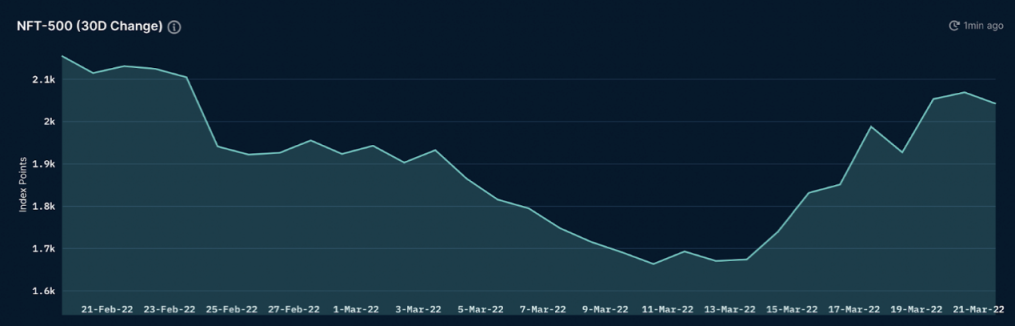
在过去的 30 天里,我们看到 NFT 市场出现了轻微下跌,Nansen NFT-500(ETH)指数以 ETH 计价时下跌了 -5.23%,以美元计价时下跌了 -0.89%。这样的走势与大盘走势一致,由于市场预期加息以及俄罗斯和乌克兰之间的战争,市场情绪主要是「风险厌恶」。这样的情绪也反映在铸造的销售量上,在过去 30 天里,销售量有所下降。虽然 Nansen NFT-500 指数反映了这种市场情绪,但我们也能够通过 NFT 铸造者们的行为观察到这种趋势。
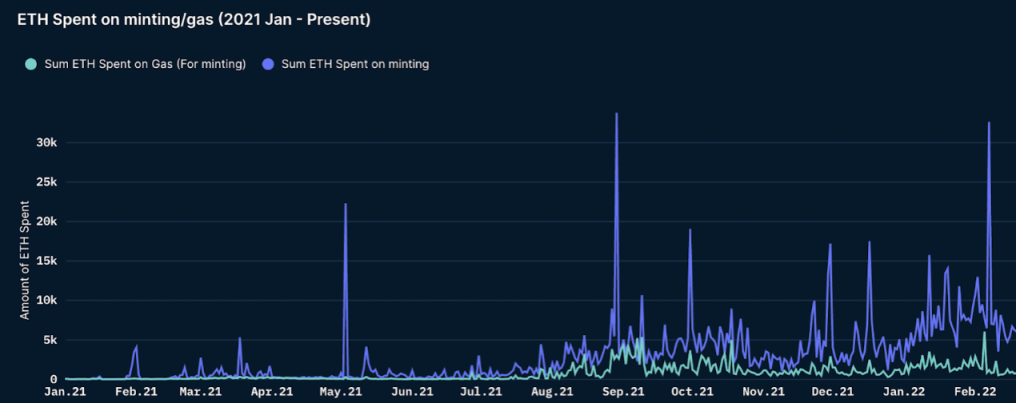
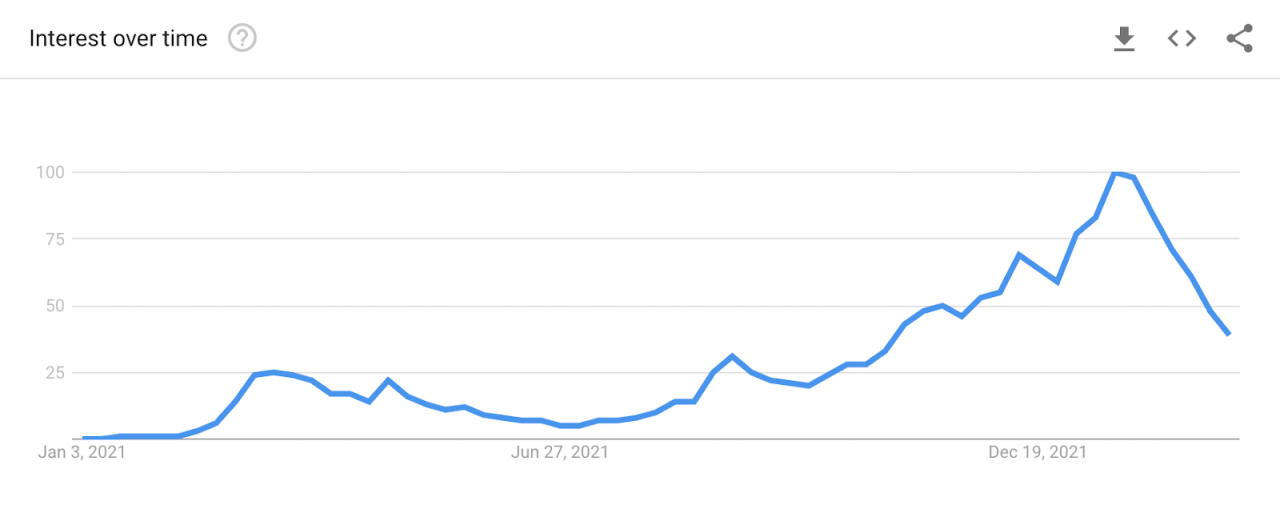
自 2022 年开始,用于铸造的 ETH 数量逐渐减少。当对照谷歌趋势检查这一趋势时,关于 NFT 主题的搜索出现了下降,这表明对 NFT 主题的兴趣在短期内可能会放缓。
然而,如果与 2021 年相比,2022 年 NFT 铸造者在铸造和交易费用上都花费了更多的 ETH。在此期间,一些引人注目的 NFT 铸造项目包括 MAYC、Pixelmon、Meebit 和 Lost Poets。
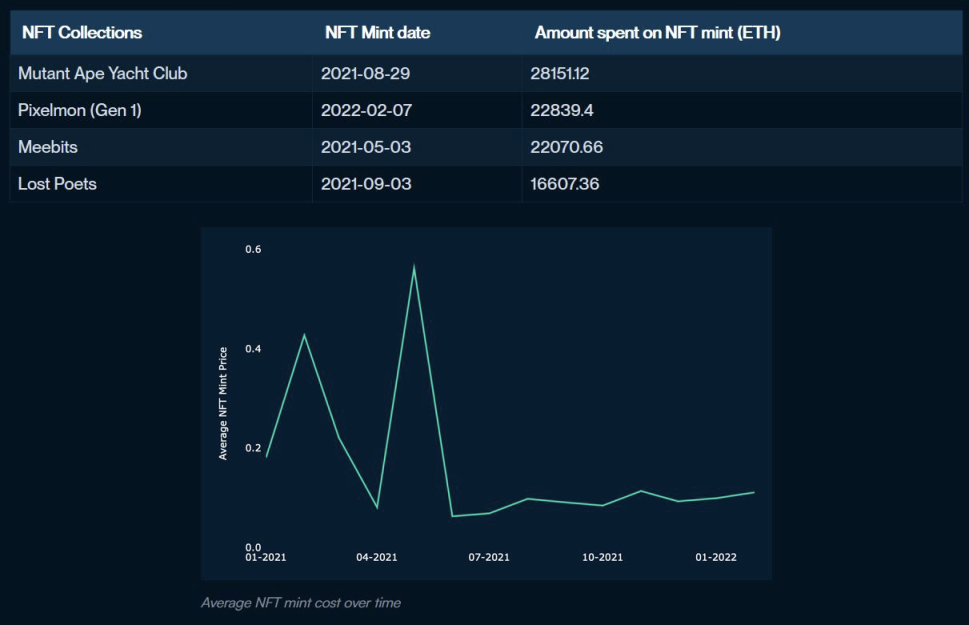
对数据的仔细研究表明,平均铸造成本在 2021 年 5 月达到顶峰,为 0.56ETH,但在 2021 年 6 月降至 0.06ETH 的低点。自 2021 年 7 月以来,NFT 的平均造币成本在 0.07ETH 至 0.1ETH 之间。我们假设,对这一现象的可能解释是,随着更多的项目被引入市场,NFT 铸造的竞争越来越激烈,从而推动了平均铸造成本的下降。在 2021 年 1 月至 2022 年 2 月期间,我们看到铸造的收藏品数量增加了 4800% 以上,从 39802 个收藏品增加到 197086 个。
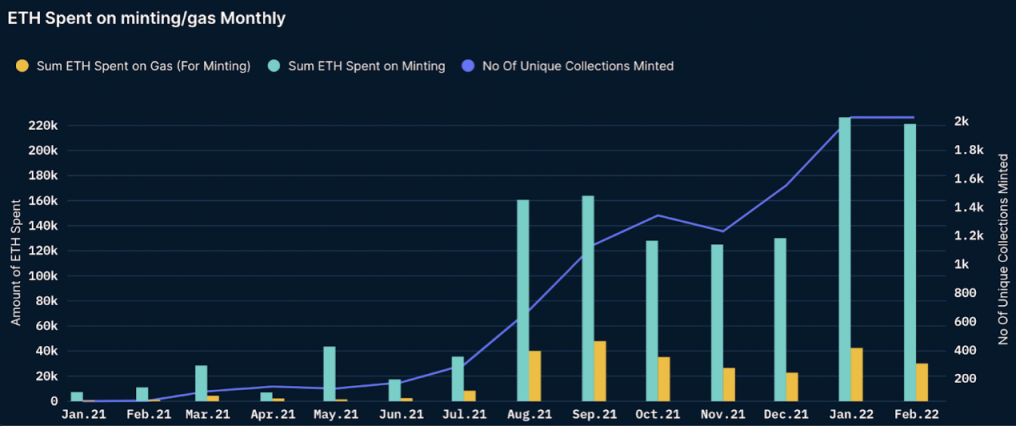
NFT 铸造和交易费总支出的累计增长,很可能是由于随着时间的推移,参与市场的新增 NFT 新人们的增加。
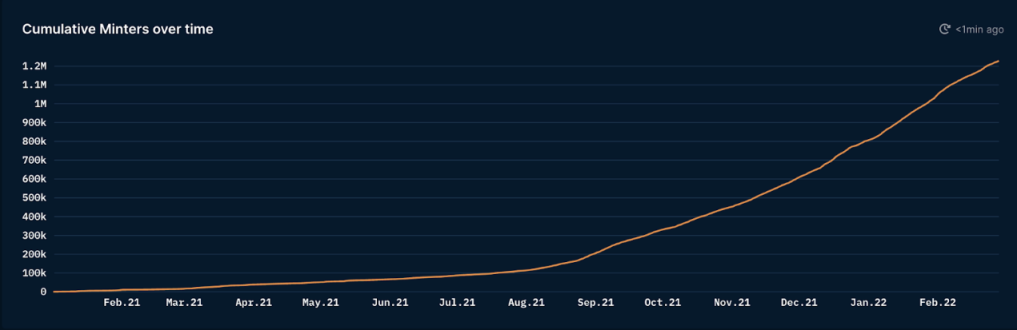
在 2021 年至 2022 年期间,我们观察到 NFT 市场的累计 NFT 铸造发行项目增长了 2000 倍,从 2021 年初的约 500 家 NFT 项目方,到 2022 年 2 月底的 120 万家 NFT 项目方。

NFT 铸造者们的概况
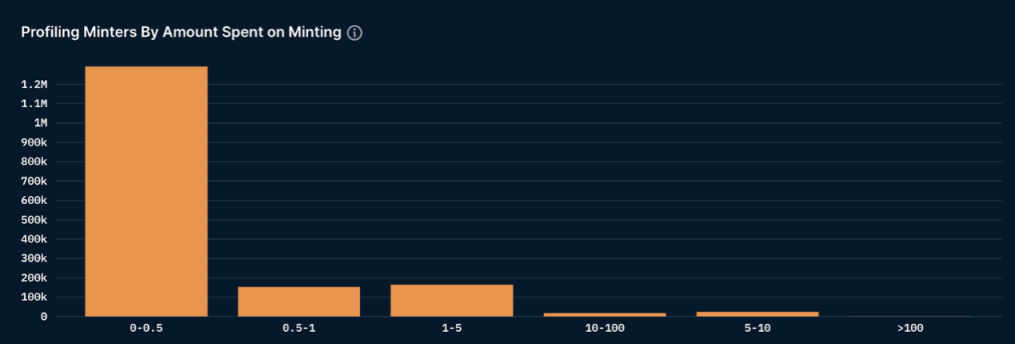
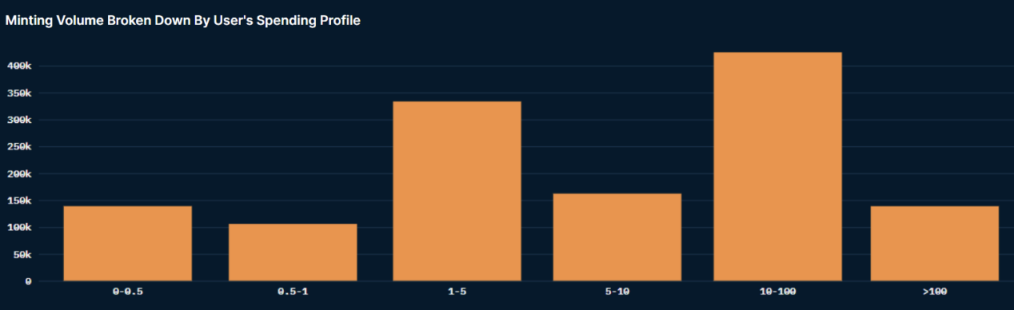
作为一个快照,我们可以看到大多数 NFT 铸造者们为其铸造花费了高达 0.5 个 ETH。这些花了不超过 0.5 个 ETH 的铸造者占 NFT 铸造量的 10.7% 左右。

在铸造量中占主导地位的 NFT 铸造者是那些花费在 10 到 100 个 ETH 之间,他们约占总铸造量的三分之一(32.6%)。
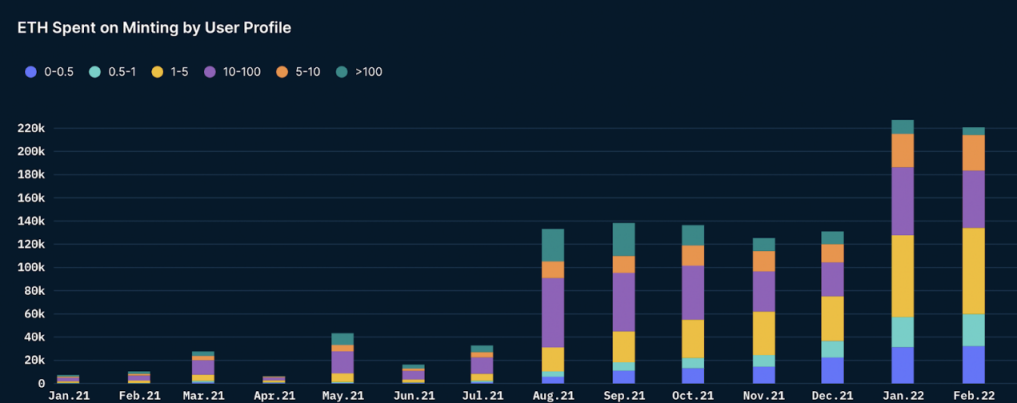
在分析每个月的 NFT Minters 的资料时,我们观察到在 2022 年之前,花费在 10 到 100 个 ETH 之间的 NFT Minters 群体才是最大的 NFT Minters 群体。然而,自 2021 年 12 月以来,这一趋势发生了翻转,花费 1 至 5 个 ETH 的 NFT Minters 是最具代表性的。另一方面,花费超过 100ETH 的「鲸鱼」NFT Minters 似乎略有减少。

Minting 并不意味着利润
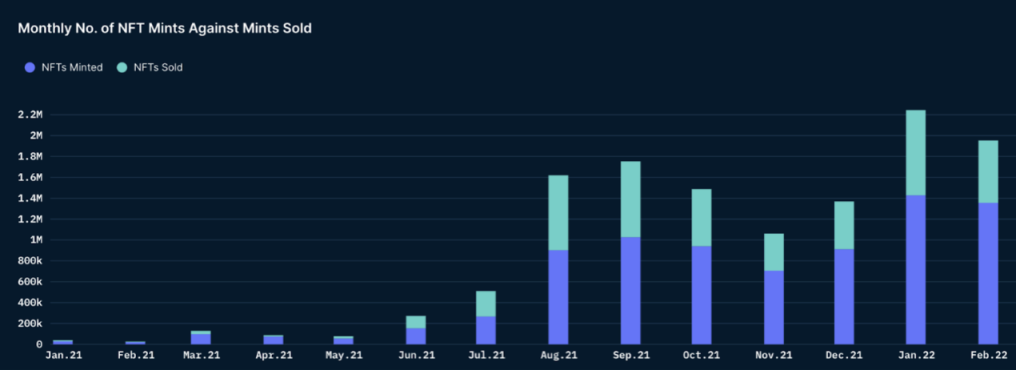
我们很好奇,在已铸造的 NFT 中,在二级市场上再流通和交易的比例是多少。我们的数据显示,从 2021 年 1 月到 2022 年 2 月,平均每个月有 44.8% 的已铸币的 NFT 在二级市场上被重新出售。然而,自 2021 年 7 月以来,在二级市场上出售的已铸造的 NFT 的比例似乎在逐渐下降。
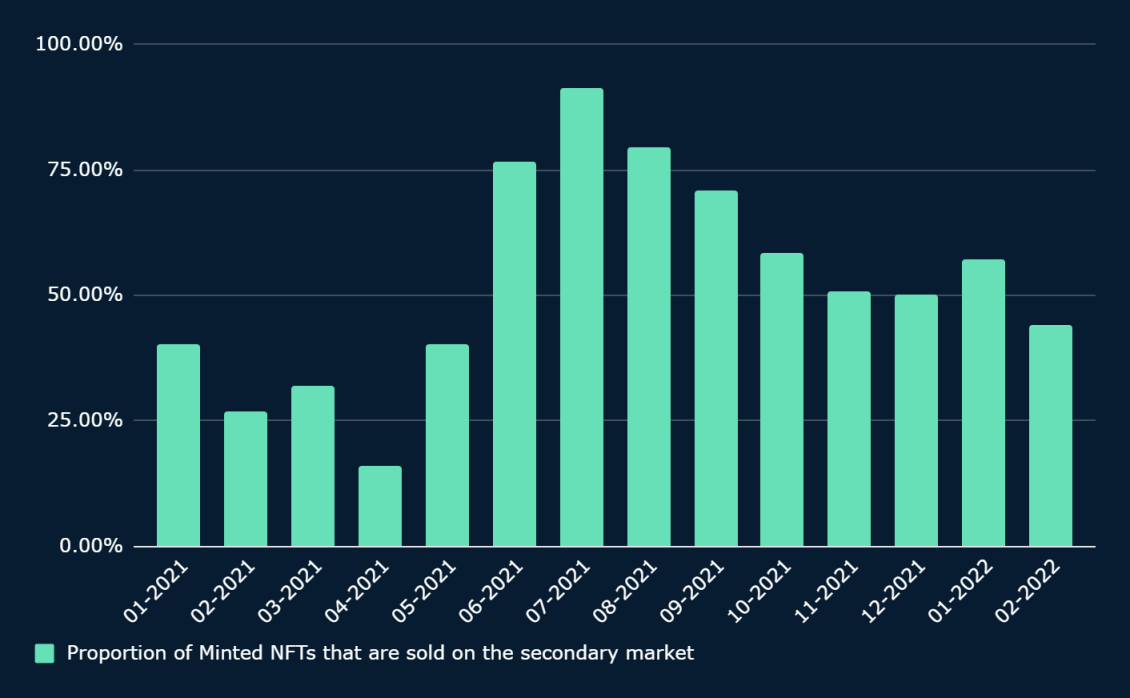
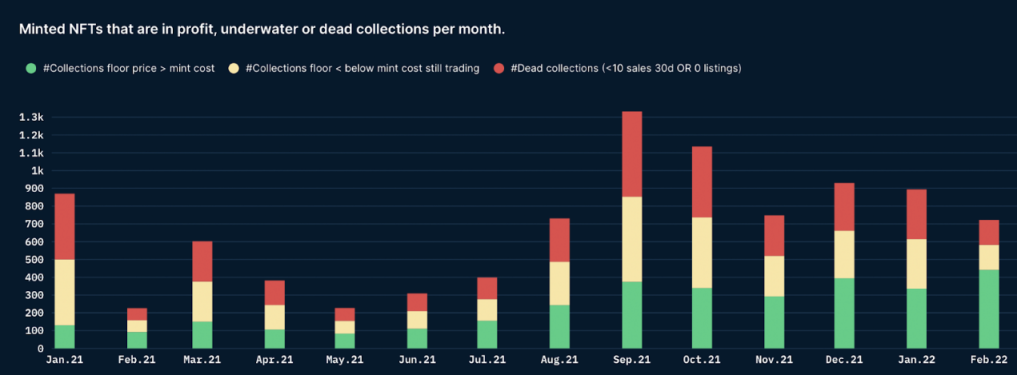
在分析已铸造的 NFT 的盈利能力时,它显示,3 分之一的铸造新 NFT 将没有再次交易。平均而言,三分之一的 NFT 的卖出去价格也低于造币成本,三分之一的 NFT 的交易底价高于造币成本。然而,在分析这一趋势时,我们看到,随着时间的推移,处于盈利状态的铸币 NFT 的比例正在增加,而作为死亡藏品的 NFT 的比例正在逐渐减少。

当分析顶级铸造收藏品每月的利润时,我们看到最低平均利润约为 4ETH,峰值为 115 ETH。如上图所示,顶级铸币收藏品的利润遵循一个波动的轨迹。

最后,那我也应该铸造 NFT 吗?

通过参与铸造而提前进入 NFT 应该是经过仔细考虑的。在决定是否参与 NFT Mint 时,应该考虑自己的风险偏好。必须对潜在的项目进行全面的尽职调查,如研究社区、其路线图和创始团队的历史。对于一个更基于证据的方法,人们可以利用 Nansen 的 NFT 上帝模式的洞察力来检查特定项目的交易数据。

人们还可以利用 Nansen 的 Mint Master 来收集关于著名的 NFT 铸造大师们正在做什么的见解,并跟踪聪明钱在项目上操作和行动。虽然 NFT Mint 铸造可能看起来像微观层面的活动,但了解 NFT 市场的宏观前景是至关重要的。你可以从 Nansen市场趋势数据页面获益;因为了解更广泛的宏观趋势可以影响一个人铸造 NFT 的前景。
Пов'язані матеріали

Jensen Huang: Prompts are Becoming Obsolete, Loops are the New Paradigm

Jensen Huang, alongside AI leaders like Peter Norvig, Boris Cherny, and Andrew Ng, is advocating for a shift from "prompt engineering" to "loop engineering" as the new paradigm for AI development. Instead of manually crafting individual prompts, the focus is now on designing autonomous loops—systems where AI agents execute tasks, self-validate results, and iterate until completion without constant human oversight. A loop is a management framework that enables agents to operate independently. Key implementations are seen in Claude Code (with features like /loop, /goal, and /schedule) and OpenAI Codex, which employ multiple agents working in parallel within isolated environments. A core principle is the separation of roles: one agent (or model) performs the task, while an independent agent (or a smaller, separate model) validates the output to ensure objectivity. The article outlines a practical roadmap for implementing loops, starting with a "four-condition test" to assess suitability, building a minimal viable loop, and emphasizing critical pitfalls to avoid, such as lacking hard stop conditions or allowing loops to handle tasks requiring human judgment. This evolution is framed as the fourth major shift in AI interaction: from Prompt Engineering (crafting instructions) to Context Engineering (providing background information), then to Harness Engineering (building tool-enabled environments), and finally to Loop Engineering (creating self-sustaining systems). This progression reflects a consistent trend of increasing abstraction, moving human involvement from direct instruction to system design and rule-setting. The concept has academic roots in frameworks like ReAct, which formalized the "reason-act-observe" cycle. While loop engineering promises greater automation, experts caution about managing token costs and warn against outsourcing understanding—AI can assist, but deep problem comprehension remains essential.

marsbit1 год тому

Jensen Huang: Prompts are Becoming Obsolete, Loops are the New Paradigm

marsbit1 год тому

GPT Designs GPT

OpenAI has unveiled its first custom AI chip, Jalapeño, a move signaling a strategic shift beyond being a mere model company. While many see it as a challenge to NVIDIA, its core aim is to control the entire intelligent production pipeline—from models and chips to data centers and energy. The key driver is the evolving competitive landscape: model advantages are shrinking, while the computational gap in areas like cost-per-token, system throughput, and energy efficiency is becoming the true long-term barrier. Jalapeño is primarily an inference chip, targeting the massive and growing "inference tax"—the daily operational cost of generating tokens for services like ChatGPT and APIs. By designing its own hardware optimized for its specific workloads and future product roadmaps (even using AI to aid the chip design process), OpenAI aims to drastically reduce token generation costs and improve system efficiency. This creates a potential flywheel: better models help design better chips, which lower costs for running next-generation models, supporting more users and products, which in turn provides more data to refine future chips. The strategy mirrors Apple’s integrated approach, building a closed loop where hardware, software, and applications are co-optimized. In the long term, OpenAI is not trying to become the next NVIDIA (a supplier of "shovels" to all AI companies) but to own and operate the entire "mine"—selling the end product of intelligence itself. This move marks OpenAI's ambition to evolve from creating the smartest models to controlling the foundational infrastructure of AI production.

marsbit1 год тому

GPT Designs GPT

marsbit1 год тому

Торгівля

Спот
Ф'ючерси
活动图片