Tin tức sáng | Michael Saylor cho biết tuần này mua trái phiếu chứ không phải Bitcoin; StablR bị tấn công thiệt hại khoảng 2,8 triệu USD; Quốc hội Mỹ lại đề xuất dự luật dự trữ Bitcoin

链捕手Опубліковано о 2026-05-25Востаннє оновлено о 2026-05-25

Анотація

**Tóm tắt tin tức tiền mã hóa ngày 25/5:** * **Michael Saylor làm rõ:** Người sáng lập MicroStrategy tuyên bố công ty mua trái phiếu trong tuần này, không phải Bitcoin, làm dịu các suy đoán trên thị trường. * **Sự cố bảo mật:** Stablecoin StablR bị tấn công khai thác lỗ hổng, dẫn đến mất giá (de-peg) và gây thiệt hại ước tính 2.8 triệu USD cho kẻ tấn công. * **Phát triển pháp lý tại Mỹ:** * Một dự luật mới tại Quốc hội Mỹ đề xuất biến Bitcoin thành dự trữ chiến lược, với mục tiêu đảng Cộng hòa muốn tích trữ 5% nguồn cung toàn cầu. * Một số quan chức CFTC chỉ trích việc giám sát thị trường dự đoán đã bị đình chỉ và buộc phải rời nhiệm sở. * Công ty luật và kiểm toán cũ của FTX đồng ý chi 66 triệu USD để dàn xếp các cáo buộc gian lận. * **Tin tức cộng đồng:** * Ethereum Foundation bị chỉ trích, trong khi các nhà nghiên cứu bảo vệ rằng sứ mệnh của tổ chức là xây dựng giao thức, không phải thao túng giá ETH. * Bài viết từ a16z giải thích cách mã hóa tài sản (RWA) đang thay đổi bản chất của tài sản, với thị trường đã tăng lên 34 tỷ USD. * Phân tích về thành công của Hyperliquid nhấn mạnh tầm quan trọng của việc xây dựng cơ sở hạ tầng tài chính từ lớp thanh toán bù trừ nền tảng. * **Bảng xếp hạng Meme Coin (24h):** * **Ethereum:** HEX, SHIB, LINK, PEPE, mUSD. * **Solana:** TROLL, neet, WORLDCUP, HANTA, Buttcoin. * **Base:** TOSHI, KEYCAT, BRETT, CLANKER, LUNA.

Biên tập: ChainCatcher


Tin tức quan trọng:

  • Công ty luật và kiểm toán cũ của FTX đồng ý chi trả 66 triệu USD để đạt được thỏa thuận hòa giải về cáo buộc gian lận
  • Stablecoin StablR bị tấn công và mất neo, kẻ tấn công đã thu lợi khoảng 2,8 triệu USD
  • Quỹ Ethereum thường xuyên bị chỉ trích, nhà nghiên cứu ủng hộ sứ mệnh của họ là xây dựng giao thức chứ không phải thao túng giá ETH
  • Nhiều quan chức CFTC nghi ngờ về giám sát thị trường dự đoán bị đình chỉ và buộc phải từ chức
  • Quốc hội Mỹ lại đề xuất dự luật dự trữ Bitcoin, Đảng Cộng hòa có kế hoạch thúc đẩy tích trữ 5% Bitcoin toàn cầu
  • Michael Saylor: Tuần này mua trái phiếu, không phải Bitcoin

Những sự kiện quan trọng nào đã xảy ra trong 24 giờ qua?

Quốc hội Mỹ lại đề xuất dự luật dự trữ Bitcoin, Đảng Cộng hòa có kế hoạch thúc đẩy tích trữ 5% Bitcoin toàn cầu

Bảng xếp hạng Meme phổ biến

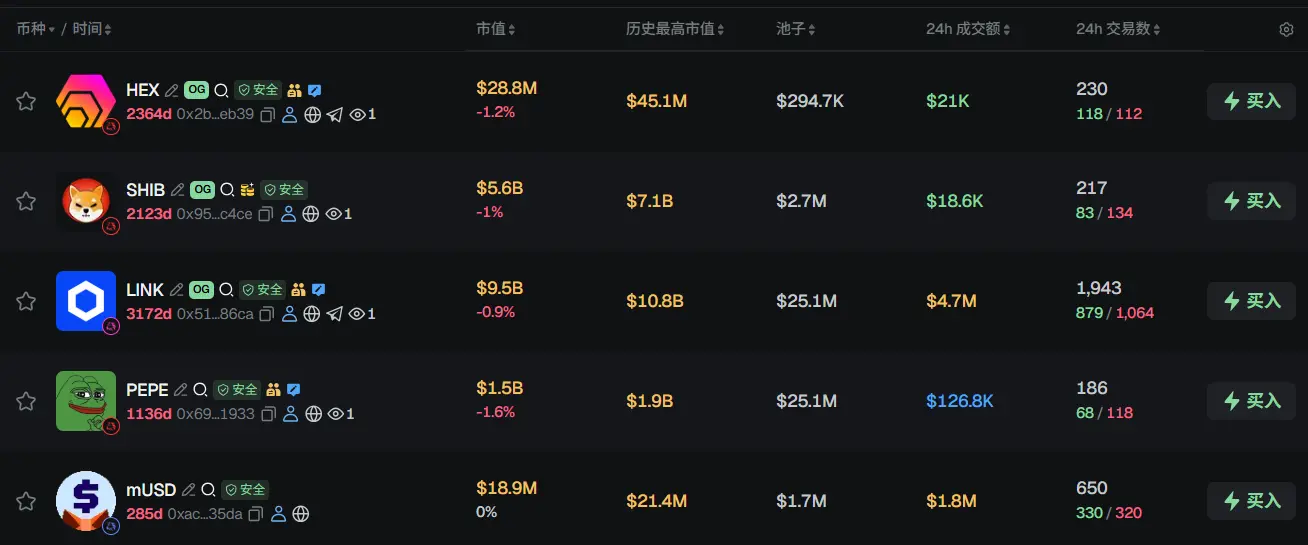
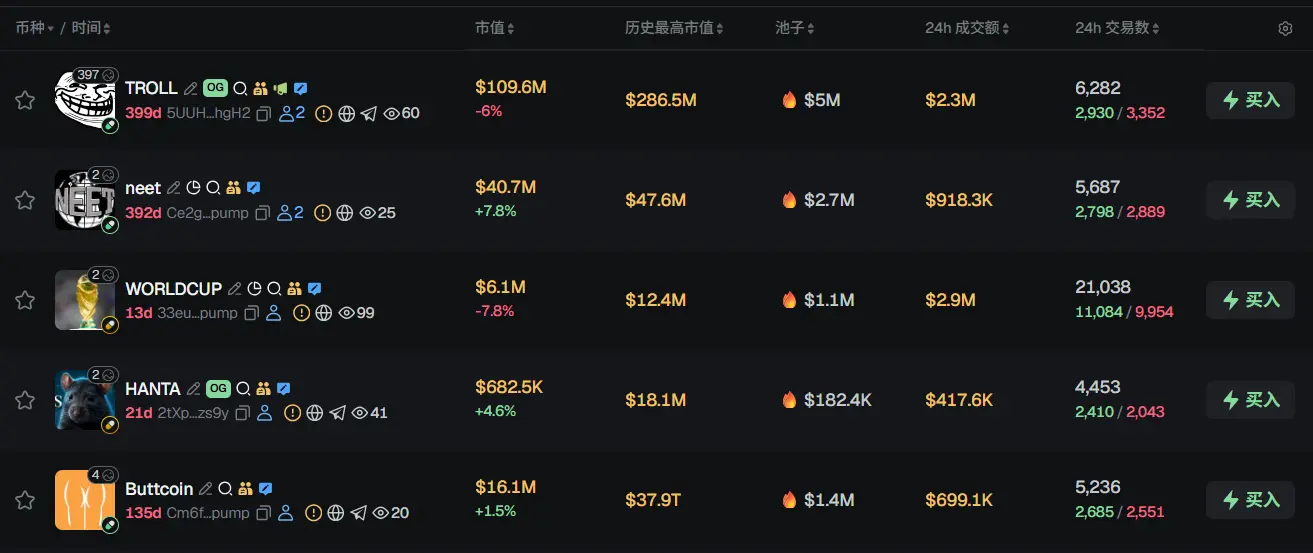
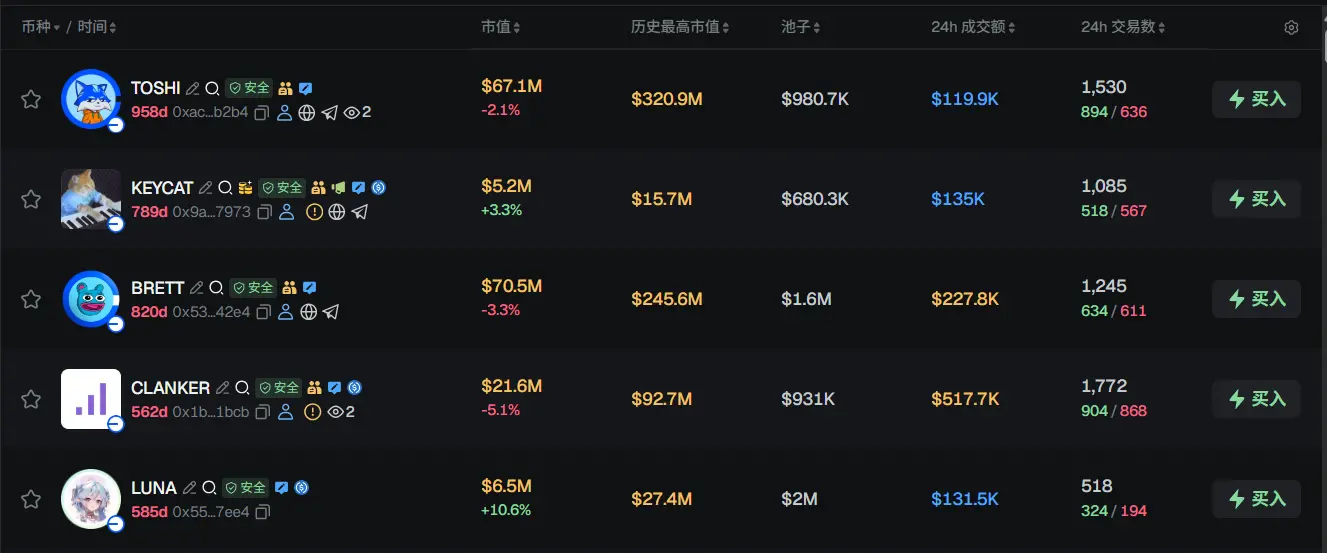
Theo dữ liệu thị trường từ nền tảng theo dõi và phân tích meme token GMGN, tính đến 09:00 ngày 25/5,

5 token phổ biến hàng đầu trên ETH trong 24h qua lần lượt là: HEX, SHIB, LINK, PEPE, mUSD
5 token phổ biến hàng đầu trên Solana trong 24h qua lần lượt là: TROLL, neet, WORLDCUP, HANTA, Buttcoin
5 token phổ biến hàng đầu trên Base trong 24h qua lần lượt là: TOSHI, KEYCAT, BRETT, CLANKER, LUNA
Những bài viết hay nào đáng đọc trong 24 giờ qua?

a16z: 7 biểu đồ hiểu rõ token hóa thay đổi bản chất của tài sản như thế nào

Tài sản được token hóa, còn được nhiều người gọi là "tài sản thế giới thực (RWA)", đang thay đổi hình thái tài sản, cách thức lưu chuyển và cách thức xây dựng hệ thống tài chính.

Vào tháng trước, quy mô thị trường tài sản token hóa đã vượt 30 tỷ USD, hiện dao động quanh khoảng 34 tỷ USD (không bao gồm stablecoin), quy mô này tương đương với một ngân hàng khu vực hoặc quỹ tài trợ của một trường đại học hàng đầu, dù so với hệ thống tài chính toàn cầu vẫn còn rất nhỏ, nhưng đã đủ để tạo ra tác động thực tế.

Hãy nhớ rằng, hai năm trước quy mô thị trường tài sản token hóa chưa đến 3 tỷ USD, nhưng sau đó thị trường đã thay đổi nhanh chóng: Đạo luật GENIUS của Mỹ mang lại khung quy định rõ ràng hơn cho stablecoin, cơ sở hạ tầng chuỗi cấp tổ chức dần trưởng thành, và nhiều tổ chức tài chính cũng gần như đồng thời bắt đầu triển khai công nghệ blockchain – chính nhờ những yếu tố này, thị trường tài sản token hóa đã tăng gấp 10 lần trong chưa đầy hai năm.

Giải mã bí mật thành công của Hyperliquid thông qua năm lớp cơ sở hạ tầng tài chính

Việc xây dựng cơ sở hạ tầng tài chính cấp tổ chức thường có quy luật rõ ràng. Bạn không thể bắt đầu từ sản phẩm có biểu hiện tốt nhất, sau đó mới triển khai ngược lại.

Bạn phải bắt đầu từ lớp thanh toán bù trừ, chứng minh nó có thể hoạt động bình thường dưới áp lực, sau đó mới mở khóa tất cả các chức năng phụ thuộc vào nó.

Sở Giao dịch Chứng khoán New York không bổ sung phái sinh trước khi có một thị trường cổ phiếu hoạt động tốt. Sở Giao dịch Hàng hóa Chicago cũng không ra mắt quyền chọn trước khi phát hành hợp đồng tương lai.

Trình tự này không hề ngẫu nhiên. Trình tự của các lớp cơ sở quyết định khả năng của kiến trúc trên cùng.

Hyperliquid hiểu rất rõ điều này.

Пов'язані питання

QMichael Saylor đã nói gì về khoản đầu tư của mình trong tuần này?

AMichael Saylor tuyên bố rằng tuần này ông mua trái phiếu, không phải Bitcoin.

QCuộc tấn công vào StablR đã gây thiệt hại bao nhiêu?

ACuộc tấn công vào StablR đã gây thiệt hại khoảng 2,8 triệu USD, khiến stablecoin này mất giá neo.

QMột dự luật mới nào của Quốc hội Hoa Kỳ liên quan đến Bitcoin được đề cập trong bài báo?

AQuốc hội Hoa Kỳ một lần nữa đề xuất Dự luật Dự trữ Bitcoin, với đề xuất từ đảng Cộng hòa nhằm tích trữ 5% lượng Bitcoin toàn cầu.

QNhững bài báo đáng đọc nào được đề cập trong phần cuối của bản tin?

AHai bài báo được đề cập là: 'a16z: 7 biểu đồ giải thích cách mã thông báo hóa thay đổi bản chất của tài sản' và 'Giải mã bí mật thành công của Hyperliquid qua 5 lớp cơ sở hạ tầng tài chính'.

QNhững meme token nào đang thịnh hành trên mạng Solana trong 24 giờ qua theo dữ liệu từ GMGN?

ATheo dữ liệu từ nền tảng GMGN, 5 meme token thịnh hành nhất trên Solana trong 24 giờ qua là: TROLL, neet, WORLDCUP, HANTA và Buttcoin.

Пов'язані матеріали

Has the 'Digital Gold' Narrative for BTC Failed?

**Title: Has the "Digital Gold" Narrative for Bitcoin Failed?** The article argues that Bitcoin's "digital gold" narrative remains valid despite a recent sharp price decline (from a peak near $126k in Oct 2025 to briefly under $61k in Feb 2026). It presents a long-term investment framework based on three core points: **1. Viewing Bitcoin as an Asset:** Bitcoin is presented as a superior potential store of value compared to gold. Key arguments are its absolute scarcity (21 million cap), superior portability, and transparent auditability via its public ledger. While acknowledging its current use in early, volatile stages (~3-4% global adoption), the author draws parallels to the early, disruptive phases of the internet and e-commerce. **2. Understanding the Recent Downturn:** The current ~50% correction is framed as a predictable, consensus-driven cycle following its post-halving peak (the 2024 halving preceded the Oct 2025 high). A crucial factor is a historic "changing of hands": the influx of new institutional buyers via ETFs allowed early, low-cost holders (miners, OG believers) to take profits. The author notes that while severe, Bitcoin's historical drawdowns (e.g., 93% in 2011, 77% in 2021-22) have been progressively smaller, suggesting maturing holder structure and decreasing volatility over time. **3. The Long-Term Perspective:** The long-term thesis hinges on Bitcoin capturing a portion of gold's market value. With Bitcoin's market cap at ~$1.4 trillion (at $70k) versus gold's ~$20 trillion, significant upside potential exists if the "digital gold" narrative is partially realized. However, the author strongly cautions that short-term risks remain, the bottom is unpredictable, and high volatility is inherent. The real risk is not Bitcoin failing but poor personal position management (over-leverage, wrong capital) and a lack of deep understanding, which can force investors out during severe downturns. The conclusion uses Amazon's 95% crash post-2000 dot-com bubble and subsequent 42x recovery as an analogy. The ultimate question is not if Bitcoin's price will rise, but if an investor's strategy and conviction can withstand the volatility to see the long-term play out. The recent divergence (gold up, Bitcoin down) is posed not as a narrative failure, but as potential evidence of this ongoing, painful transition from a speculative asset to a mainstream allocation.

marsbit2 год тому

Has the 'Digital Gold' Narrative for BTC Failed?

marsbit2 год тому

Has BTC's 'Digital Gold' Narrative Failed?

The article discusses Bitcoin's "digital gold" narrative, its recent price drop, and long-term outlook through the perspective of "Jason". It argues the narrative is not a failure but that Bitcoin represents a superior, new asset class due to its fixed supply (21 million), portability, and auditability. The piece compares its current ~3-4% global adoption rate to early internet/e-commerce, suggesting significant growth potential. Regarding the 2025-2026 price decline (from ~$126k to briefly under $61k), the author views it as a predictable, consensus-driven sell-off within Bitcoin's ~4-year cycle post-halving, exacerbated by a major "handover" from early, low-cost holders to new institutional buyers via ETFs. A key observation is that historical peak-to-trough drawdowns have lessened over time (e.g., 93% in 2011 to ~50% in 2026), indicating maturing volatility as holder structure changes. For the long term, the author uses a simple framework: Bitcoin's total market cap (~$1.4T at $70k) is only about 7% of gold's (~$20T). Even capturing 30-50% of gold's value would imply substantial upside. However, the article strongly cautions against viewing this as investment advice, emphasizing extreme volatility and the critical importance of risk management, position sizing, and deep fundamental understanding to survive severe drawdowns. It concludes by drawing a parallel to Amazon's 95% crash in 2000 and subsequent 42x recovery, stressing that the key is surviving market cycles to realize long-term potential.

链捕手2 год тому

Has BTC's 'Digital Gold' Narrative Failed?

链捕手2 год тому

From Code to Cognition: A Ten-Thousand-Word Guide to the Evolution of the Robot Brain

"From Code to Cognition: The Evolution of Robot Brains" The journey of robotic intelligence has shifted dramatically from manually coded systems to AI-driven brains. For decades, robots relied on layered software stacks—perception, state estimation, planning, control—each handcrafted. While predictable, they lacked adaptability. The 2010s saw deep learning revolutionize perception (e.g., object detection) and control (via reinforcement learning), but learned skills remained narrow. The arrival of Large Language Models (LLMs) marked a turning point. LLMs acted as high-level planners, interpreting natural language instructions and generating sequences of actions for traditional robotic systems to execute. However, true integration came with Visual-Language-Action (VLA) models, which fused vision, language, and motion prediction into a single network. Pioneered by models like RT-2 and open-source projects like OpenVLA, VLAs enable robots to reason and act directly from visual input and commands. The most advanced humanoid robots now employ a "dual-brain" architecture: a slow-thinking, large VLA (System 2) for reasoning and planning, and a fast-reacting, small network (System 1) for high-frequency motion control, sometimes with an even lower-level System 0 for balance. This split balances cognition with the physics of real-time movement. Computation is split between onboard hardware (e.g., NVIDIA Jetson) for safety-critical control loops and cloud/edge servers for non-critical tasks like learning and interfaces. A crucial driver is the open-source ecosystem—models like GR00T and OpenVLA allow startups to build upon pre-trained brains and fine-tune them with their own data, accelerating development. Despite progress, current systems struggle with recovery from errors, sample inefficiency, and long-horizon tasks. This has spurred the rise of **World Models**—neural networks that predict the consequences of actions. By simulating possible futures before acting (like NVIDIA Cosmos or Meta V-JEPA), robots can plan, recover, and generalize better. This represents the next frontier: shifting intelligence from learned reactions to an internal model of physics and cause-and-effect. The field is rapidly evolving. While not yet at its "ChatGPT moment," the convergence of cheaper hardware, scalable simulation, and world models points toward robots that are increasingly capable, adaptive, and useful. The question is shifting from "what can robots do?" to "what *should* they do?"

marsbit2 год тому

From Code to Cognition: A Ten-Thousand-Word Guide to the Evolution of the Robot Brain

marsbit2 год тому

AI Bubble Is Bursting

The AI Bubble is Bursting: A Necessary Purge on the Path to Ubiquitous Intelligence Market volatility has reignited debates about an AI bubble, with figures like Ray Dalio pointing to high valuations. However, this parallels the dot-com bubble, which, despite its crash, laid the physical infrastructure for today's internet era. The current AI investment frenzy, with tech giants planning trillions in infrastructure spending far outstripping current AI application revenues, appears similarly imbalanced. This 'bubble' is seen as an inevitable phase for a disruptive technology, paying the "innovation tax." Critically, AI inference costs have plummeted over 99.7% since 2023, making intelligence nearly free at the margin. This hasn't reduced spending but has instead unlocked massive new demand, as seen in enterprise AI cloud expenditure tripling. This follows the Jevons Paradox: efficiency gains lead to greater total consumption. The market is now entering a cleansing phase, weeding out speculative ventures lacking real moats. The deeper shift is a move from capital expenditure (CapEx) on hardware to value creation in operational expenditure (OpEx) through AI applications that solve real industry problems. While infrastructure valuations are high, rapid earnings growth from widespread AI adoption across sectors—from manufacturing and finance to law and healthcare—may digest these valuations over time. Ultimately, this creative destruction will leave behind robust infrastructure and optimized models, cheaply powering an AI-augmented future for all industries, much as the internet became indispensable after its own bubble burst. The core productive potential remains undiminished.

链捕手3 год тому

AI Bubble Is Bursting

链捕手3 год тому

Торгівля

Спот
Ф'ючерси

Популярні статті

Як купити BILL

Ласкаво просимо до HTX.com! Ми зробили покупку Billions Network (BILL) простою та зручною. Дотримуйтесь нашої покрокової інструкції, щоб розпочати свою криптовалютну подорож.Крок 1: Створіть обліковий запис на HTXВикористовуйте свою електронну пошту або номер телефону, щоб зареєструвати обліковий запис на HTX безплатно. Пройдіть безпроблемну реєстрацію й отримайте доступ до всіх функцій.ЗареєструватисьКрок 2: Перейдіть до розділу Купити крипту і виберіть спосіб оплатиКредитна/дебетова картка: використовуйте вашу картку Visa або Mastercard, щоб миттєво купити Billions Network (BILL).Баланс: використовуйте кошти з балансу вашого рахунку HTX для безперешкодної торгівлі.Треті особи: ми додали популярні способи оплати, такі як Google Pay та Apple Pay, щоб підвищити зручність.P2P: Торгуйте безпосередньо з іншими користувачами на HTX.Позабіржова торгівля (OTC): ми пропонуємо індивідуальні послуги та конкурентні обмінні курси для трейдерів.Крок 3: Зберігайте свої Billions Network (BILL)Після придбання Billions Network (BILL) збережіть його у своєму обліковому записі на HTX. Крім того, ви можете відправити його в інше місце за допомогою блокчейн-переказу або використовувати його для торгівлі іншими криптовалютами.Крок 4: Торгівля Billions Network (BILL)Легко торгуйте Billions Network (BILL) на спотовому ринку HTX. Просто увійдіть до свого облікового запису, виберіть торгову пару, укладайте угоди та спостерігайте за ними в режимі реального часу. Ми пропонуємо зручний досвід як для початківців, так і для досвідчених трейдерів.

320 переглядів усьогоОпубліковано 2026.05.07Оновлено 2026.06.02

Як купити BILL

Обговорення

Ласкаво просимо до спільноти HTX. Тут ви можете бути в курсі останніх подій розвитку платформи та отримати доступ до професійної ринкової інформації. Нижче представлені думки користувачів щодо ціни BILL (BILL).

活动图片