Why Ripple (XRP) And Stellar (XLM) Are The Future Of Finance

bitcoinistОпубліковано о 2026-03-24Востаннє оновлено о 2026-03-24

Анотація

The future of finance is being shaped by blockchain networks like Ripple (XRP) and Stellar (XLM), which offer faster, more efficient, and more accessible alternatives to traditional banking systems. Ripple’s XRP Ledger processes over 1,500 transactions per second and settles payments in 3–5 seconds, far quicker than traditional cross-border transfers. It has partnered with over 350 financial institutions and facilitates millions in daily payments through its On-Demand Liquidity platform. Stellar focuses on financial inclusion, enabling low-cost micropayments and cross-border transfers, and supports tokenized assets. Both networks are driving the tokenization of assets and shifting control from centralized institutions to decentralized protocols, laying the groundwork for a more transparent and programmable financial system. Their growing adoption underscores their potential to redefine global finance.

The future of finance is quietly evolving, and the key players are not traditional banks or fiat systems; they are blockchain networks like Ripple (XRP) and Stellar (XLM). These cryptocurrencies could be the infrastructure that will power the next generation of finance. These networks are faster, more efficient, and more accessible than traditional systems, and they are laying the groundwork for a future where tokenized assets and digital settlements dominate.

How Ripple (XRP) And Stellar (XLM) Are Building The Future

In a recent X post, Versan Aljarrah, founder of Black Swan Capitalist, emphasizes that the evolution of finance is deliberate, structured, and long-term. While headlines often focus on regulatory developments, the real transformation is happening through networks that move and settle value efficiently. Ripple and Stellar are at the center of this change, with growing adoption by banks, fintech companies, and global payment providers showing their ability to reshape international financial flows.

Ripple’s XRP Ledger processes over 1,500 transactions per second, settling payments in just 3–5 seconds, far faster than traditional banks, which can take days for cross-border transfers. Ripple has partnered with more than 350 financial institutions globally and facilitates hundreds of millions of dollars in daily cross-border payments through its On-Demand Liquidity (ODL) platform. Its partnerships span major banks and remittance services, proving XRP’s real-world utility and influence in global finance.

Stellar’s XLM focuses on financial inclusion, enabling low-cost micropayments and cross-border transfers. Its blockchain has been used in collaborations with IBM to create blockchain-based payment solutions for banks and remittance services, reaching thousands of underserved users worldwide. Stellar also supports tokenized fiat and other assets, enabling faster and more programmable transactions. Together, Ripple and Stellar provide the infrastructure for a financial system that is faster, more transparent, and more accessible than traditional banking networks.

Tokenization And Protocol Ownership: The Real Source Of Financial Power

The most transformative aspect of Ripple and Stellar is their role in tokenization and protocol ownership. As assets, including currencies, equities, and commodities, move onto these networks, control shifts from centralized institutions to the protocols themselves. Ripple and Stellar provide the backbone for settlement, liquidity, and cross-border value transfer, positioning them at the core of modern finance.

Ripple allows automatic payments and easy movement of money across global systems. Stellar lets fiat and other assets be turned into digital tokens, making small payments and international transfers faster and cheaper. By using these networks, investors and institutions can access the core of modern finance, where value and influence are built into the system itself.

In short, Ripple (XRP) and Stellar (XLM) are the foundation of the financial system of tomorrow. Through widespread adoption, real-world use cases, and scalable infrastructure, these networks demonstrate that the future of money lies in decentralized, programmable protocols. Those who understand and engage with these systems are positioned at the center of the emerging financial era, where control, efficiency, and access are defined by the networks themselves.

Price continues to struggle | Source: XRPUSDT on Tradingview.com

Пов'язані питання

QWhat are the key advantages of Ripple (XRP) and Stellar (XLM) over traditional financial systems according to the article?

AThe article states that Ripple and Stellar are faster, more efficient, and more accessible than traditional systems. Ripple's XRP Ledger processes over 1,500 transactions per second and settles payments in 3-5 seconds, far faster than traditional banks which can take days for cross-border transfers. Stellar enables low-cost micropayments and cross-border transfers, promoting financial inclusion.

QHow does the article describe the role of Ripple and Stellar in the 'tokenization' of assets?

AThe article describes Ripple and Stellar as providing the backbone for tokenization, where assets like currencies, equities, and commodities are moved onto their networks. This shifts control from centralized institutions to the protocols themselves. Stellar specifically supports tokenized fiat and other assets, enabling faster and more programmable transactions.

QWhat real-world adoption and partnerships does the article cite for Ripple?

AThe article cites that Ripple has partnered with more than 350 financial institutions globally. It facilitates hundreds of millions of dollars in daily cross-border payments through its On-Demand Liquidity (ODL) platform, with partnerships spanning major banks and remittance services.

QWhat is Stellar's (XLM) primary focus, as mentioned in the article?

AStellar's primary focus, as mentioned in the article, is on financial inclusion. It enables low-cost micropayments and cross-border transfers, with its blockchain being used in collaborations with IBM to create payment solutions for banks and remittance services to reach underserved users.

QAccording to the founder of Black Swan Capitalist, what is the nature of the financial evolution involving these networks?

AAccording to Versan Aljarrah, founder of Black Swan Capitalist, the evolution of finance is deliberate, structured, and long-term. The real transformation is happening through networks that move and settle value efficiently, rather than just through regulatory developments highlighted in headlines.

Пов'язані матеріали

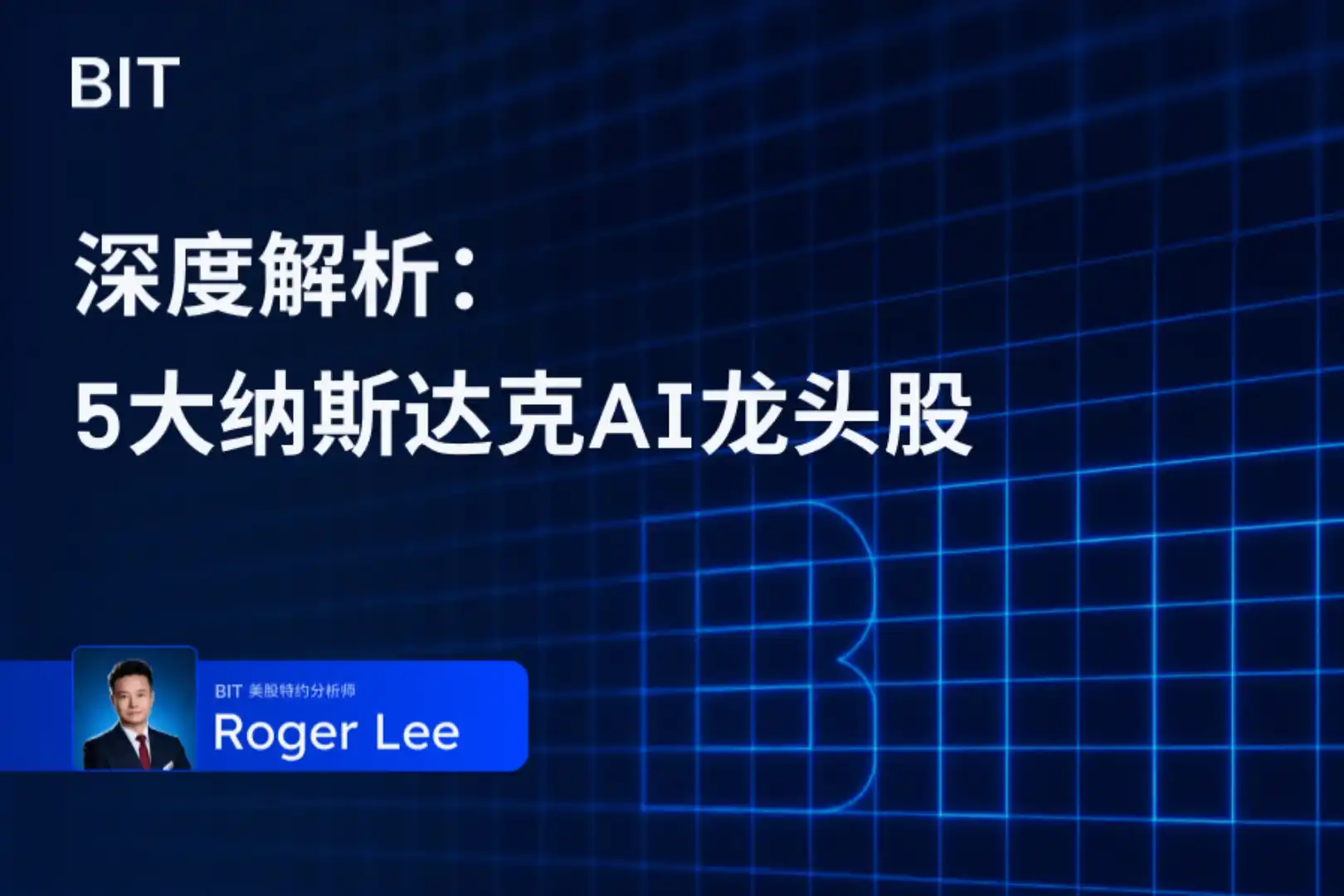
Focus: Five Leading AI Stocks on Nasdaq

The report analyzes five Nasdaq-listed AI infrastructure stocks—Micron (MU), MaxLinear (MXL), AMD, Lumentum (LITE), and Vicor (VICR)—as distinct plays within the AI capital expenditure chain, rather than a single "AI trade." While all benefit from AI data center spending, they differ in their specific roles (e.g., memory, computing, optics, power, connectivity), financial resilience, and risk profiles. The author argues that the key question is not whether the AI narrative remains intact, but whether capital expenditure translates into real orders, earnings justify valuations, and portfolios can withstand high volatility. Historical data shows these stocks have significantly outperformed benchmarks but also experienced deeper drawdowns (~28% to -32%), highlighting their high-beta, high-volatility nature. An investment framework is proposed: core positions (e.g., MU, AMD) for stocks with stronger fundamental evidence; satellite positions (e.g., LITE, VICR) for high-potential, high-volatility names; and cautious observation (e.g., MXL) for smaller-cap ideas with unproven financials. The emphasis is on disciplined, phased buying during pullbacks—only when price corrections align with intact fundamentals and available risk budget—rather than emotional "buy-the-dip" strategies. Overall, AI infrastructure offers long-term potential, but success requires strict position sizing, role definition for each holding, and preparedness for significant volatility.

marsbit15 хв тому

Focus: Five Leading AI Stocks on Nasdaq

marsbit15 хв тому

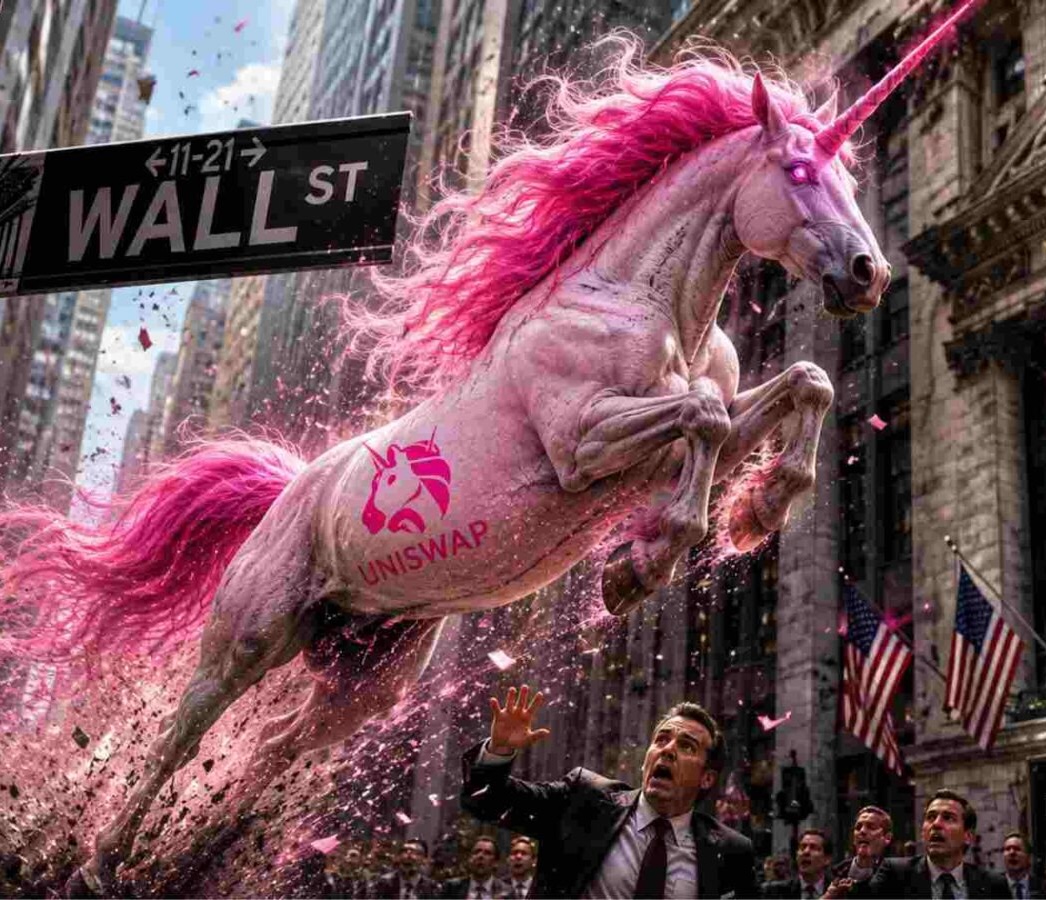
Will UNI Reach $100 in Four Years? Will Standard Chartered's Prediction Come True?

TL;DR: - According to reports, Standard Chartered Bank has published a research report on Uniswap, setting a 2030 price target of $100 for the UNI token. - The bank's core logic is that the tokenization of assets will drive demand for open DeFi liquidity, and Uniswap could capture significant trading volume and fee revenue. - However, most institutional-grade tokenized products are permissioned, and the example of BlackRock's BUIDL shows that DeFi still faces significant access barriers. Standard Chartered's $100 target for UNI by 2030 is based on the hypothesis that tokenized assets will grow massively and a significant portion will flow into open DeFi markets, requiring decentralized exchange platforms like Uniswap for liquidity. The bank forecasts tokenized assets could reach $4 trillion by 2028, with up to 30% in DeFi by 2030. The key question is whether tokenized assets like treasuries and funds will trade in open, decentralized markets or remain within closed, permissioned institutional systems. This directly impacts Uniswap's potential growth. A real-world example is BlackRock's BUIDL fund, which, while using UniswapX for trading, is strictly limited to pre-approved, whitelisted institutional participants. This highlights the current trend: institutions may leverage DeFi infrastructure but maintain strict control over access and transfers. Furthermore, for UNI's value to rise significantly, Uniswap must establish a clear value-capture mechanism, such as the approved fee switch and token burn proposal. Regulatory and interoperability hurdles also persist, as noted by bodies like the Financial Stability Board. In summary, Standard Chartered's bold prediction hinges on the future flow of tokenized asset liquidity. While it signals institutional recognition of DeFi's potential, the path to $100 depends on overcoming current permissioned models and enabling truly open, cross-asset liquidity pools on platforms like Uniswap.

Foresight News18 хв тому

Will UNI Reach $100 in Four Years? Will Standard Chartered's Prediction Come True?

Foresight News18 хв тому

Odaily Editorial Team Tea Talk (June 17)

Odaily Editorial Team Casual Chat (June 17) This is an informal column sharing real-time thoughts from Odaily's editorial team on industry news, data, and events. The content is based on actual investment and observations, does not constitute investment advice, and aims to expand perspectives. Azuma shared recent operations: small-scale buys in crypto (mainly BTC) at relatively high levels, a small addition to HOOD stock, and participation in World Cup prediction markets. He also discussed Hyperliquid, noting that while its token HYPE has performed well, its high price may hinder the expansion of its HIP-3 ecosystem by making market creation cost-prohibitive, potentially limiting the platform to just one major market (trade.xyz). Suzz emphasized the importance of a calm mindset in investing, stating that markets offer perpetual opportunities. He warned against "hindsight bias," where past opportunities seem obvious, and stressed that the present always holds new chances for those with the right knowledge and temperament. Golem analyzed SpaceX's acquisition of AI tool Cursor's parent company, Anysphere, for $60 billion paid entirely in SpaceX stock. He speculated whether Musk's interests might work to keep SpaceX's trading volume and market cap high in the short term to reduce the actual equity cost of the deal, noting current high retail investor enthusiasm. Wenser shared a market outlook: cautiously bullish on BTC, monitoring SpaceX stock post-IPO for a potential rise, observing World Cup trends favoring strong teams, and noting the continued strength of Japanese and Korean stocks. He highlighted Anthropic's potential for a massive future IPO and the defensive investment logic in "picks and shovels" AI infrastructure. Qin Xiaofeng discussed trading HYPE around $56-$70, viewing the $50-$60 range as long-term support due to Hyperliquid's dominance in on-chain traditional asset trading and its substantial fee revenue used to buy back HYPE. On ETH, he noted a divide between disappointed crypto natives and bullish traditional investors like Tom Lee, personally viewing current ETH prices as undervalued.

Odaily星球日报30 хв тому

Odaily Editorial Team Tea Talk (June 17)

Odaily星球日报30 хв тому

Under the Shock of Oil Prices and Inflation, Which Country Will Be the First to Sell Off Its Gold Reserves?

The article draws a parallel between the 2003 North American blackout and the potential collapse of the global financial system, framing the US dollar and Treasury market as the world's economic "power grid." It argues that the closure of the Strait of Hormuz is creating a shockwave, starting with oil-importing emerging markets like Turkey, India, and Indonesia. As oil prices rise, these nations are forced to sell dollar-denominated assets—first US Treasuries, then potentially their gold reserves—to afford fuel. Turkey is highlighted as a key case, having sold nearly 90% of its Treasuries and begun tapping gold reserves when oil was between $70-$105/barrel. The article warns that if prices spike to $150-$160/barrel, global buffers like oil inventories and strategic reserves will be depleted. This could trigger a cascade: vulnerable nations, having exhausted assets, could face economic and political collapse (like Sri Lanka in 2022). Their forced asset sales would drive US Treasury yields higher, potentially past a critical threshold (around 5%), forcing the US to choose between a bond market crash or hyperinflation through massive money printing. Ultimately, the piece posits that the dollar's long-term decline is inevitable. The first domino to fall will likely be a fragile emerging market, signaling the start of a chain reaction that eventually threatens the core of the dollar system. The conclusion advises holding tangible assets like gold and energy, which cannot be printed, as a hedge against currency devaluation.

marsbit54 хв тому

Under the Shock of Oil Prices and Inflation, Which Country Will Be the First to Sell Off Its Gold Reserves?

marsbit54 хв тому

Торгівля

Спот
Ф'ючерси

Популярні статті

Що таке XRP 2.0

XRP 2.0: Нова межа в світі криптовалют Вступ до XRP 2.0 У постійно змінюючомуся світі криптовалют нові проекти постійно з'являються, змагаючись за увагу та прийняття. Однією з таких обіцяючих ініціатив є XRP 2.0, новий криптовалютний проект, що має на меті використання сучасних технологій блокчейн та надійних методів шифрування. Хоча назва нагадує про XRP від Ripple, важливо зазначити, що XRP 2.0 функціонує автономно, концентруючи увагу на підвищенні безпеки транзакцій, конфіденційності та масштабованості. Оскільки цифровий фінансовий ландшафт все більше приймає децентралізовані рішення, XRP 2.0 прагне значно сприяти веб3 та загальному розширенню крипто проектів. Що таке XRP 2.0? У своїй основі XRP 2.0 є криптовалютним проектом, що має на меті створення безпечної та децентралізованої екосистеми цифрової валюти. Його фундаментальна технологія інтегрує складні принципи блокчейну з передовими техніками шифрування. Загальною метою XRP 2.0 є встановлення себе як надійної та ефективної платформи, що дозволяє швидко виконувати транзакції, при цьому надаючи пріоритет підвищеним захистам конфіденційності для своїх користувачів. Проект позиціонується як рішення багатьох обмежень, з якими стикаються існуючі криптовалюти, пропонуючи систему, яка може обробляти вищий обсяг транзакцій з покращеною швидкістю та конфіденційністю. Ця універсальність позиціонує XRP 2.0 як значного гравця на ринку, наповненому різними цифровими валютами. Хто творець XRP 2.0? Особистість творця XRP 2.0 була позначена як «Вілбур». Проте, вичерпні деталі про Вілбура або пов'язану з ним організацію залишаються недоступними. Анонімність багатьох творців криптовалют не є незвичним явищем в індустрії, часто запроваджена для збереження певного рівня конфіденційності та безпеки. Хто інвестори XRP 2.0? На даний момент конкретна інформація про інвестиційні фонди або організації, що підтримують XRP 2.0, не є публічно доступною. У секторі криптовалют підтримка від визнаних інвесторів може значно вплинути на кредитоспроможність і успіх проекту, але прозорість щодо фінансових підтримувачів XRP 2.0 не була встановлена. Як працює XRP 2.0? XRP 2.0 вирізняється використанням комбінації технології блокчейн та просунутих алгоритмів шифрування, що забезпечують безпечні та децентралізовані транзакції. Його інноваційна структура включає унікальні функції, спрямовані на залучення користувачів та розширення функціональності за межами традиційних транзакцій криптовалюти. Серед цих функцій, XRP 2.0 включає можливості на базі ШІ, такі як текст в зображення та текст в мову. Ці нововведення розроблені для покращення інтерактивного досвіду для користувачів, сприяючи ширшій застосовності в різних секторах. Завдяки поєднанню технологічних досягнень з орієнтованим на користувача дизайном, XRP 2.0 прагне привернути увагу різноманітних осіб і підприємств, які шукають способи інтеграції рішень криптовалют у свої операційні структури. Хронологія XRP 2.0 Розуміння XRP 2.0 вимагає вивчення основних етапів, які визначили його подорож до теперішнього часу: 23 липня 2023 року: XRP 2.0 представлено як новий криптовалютний проект, що має на меті революціонізувати безпечні та децентралізовані можливості транзакцій у галузі блокчейн. 8 вересня 2023 року: Запускається інший проект, XRP20, що відзначає виникнення токена ERC-20 на блокчейні Ethereum, який не пов'язаний з XRP 2.0. 13 листопада 2023 року: XRP Ledger зазнає значного оновлення з виходом програмного забезпечення rippled server версії 2.0.0. Важливо зазначити, що цей розвиток не пов'язаний з криптовалютним проектом XRP 2.0. Ключові моменти про XRP 2.0 Щоб узагальнити суть XRP 2.0, кілька критично важливих факторів emerge: Унікальні функції: Включення функцій, таких як текст в зображення і текст в мову на базі ШІ, ще більше розширює потенційні застосування XRP 2.0. Технологія блокчейн: Архітектура використовує сучасні механізми блокчейн і протоколи шифрування, забезпечуючи безпечне та децентралізоване середовище для транзакцій. Масштабованість і конфіденційність: XRP 2.0 надає пріоритет підвищеним захистам конфіденційності в процесах транзакцій і масштабованості, необхідній для задоволення зростаючої бази користувачів. Відсутність зв'язку з Ripple: Важливо, що, незважаючи на свою назву, XRP 2.0 не має жодної прив'язки чи співпраці з XRP від Ripple, що відрізняє його операційну структуру та цілі в рамках криптовалютної екосистеми. Висновок XRP 2.0 представляє амбітну ініціативу у світі криптовалют, прагнучи запропонувати поєднання безпеки, конфіденційності та ефективності у цифрових транзакціях. Інтегруючи складні технології та дружні до користувача функції, проект ставить за мету розширити горизонти того, що криптовалюта може досягти в сучасній цифровій економіці. Хоча анонімність його творця та відсутність розкритих інвесторів можуть викликати запитання у деяких, фокус XRP 2.0 на передових функціональностях і децентралізації підвищує його привабливість на дедалі більшому ринку криптовалют. Оскільки ландшафт криптовалют продовжує еволюціонувати, XRP 2.0 може ще стати важливим гравцем у розширенні безпечних і масштабованих рішень блокчейн.

163 переглядів усьогоОпубліковано 2024.04.05Оновлено 2024.12.03

Що таке XRP 2.0

Як купити XRP

Ласкаво просимо до HTX.com! Ми зробили покупку XRP (XRP) простою та зручною. Дотримуйтесь нашої покрокової інструкції, щоб розпочати свою криптовалютну подорож.Крок 1: Створіть обліковий запис на HTXВикористовуйте свою електронну пошту або номер телефону, щоб зареєструвати обліковий запис на HTX безплатно. Пройдіть безпроблемну реєстрацію й отримайте доступ до всіх функцій.ЗареєструватисьКрок 2: Перейдіть до розділу Купити крипту і виберіть спосіб оплатиКредитна/дебетова картка: використовуйте вашу картку Visa або Mastercard, щоб миттєво купити XRP (XRP).Баланс: використовуйте кошти з балансу вашого рахунку HTX для безперешкодної торгівлі.Треті особи: ми додали популярні способи оплати, такі як Google Pay та Apple Pay, щоб підвищити зручність.P2P: Торгуйте безпосередньо з іншими користувачами на HTX.Позабіржова торгівля (OTC): ми пропонуємо індивідуальні послуги та конкурентні обмінні курси для трейдерів.Крок 3: Зберігайте свої XRP (XRP)Після придбання XRP (XRP) збережіть його у своєму обліковому записі на HTX. Крім того, ви можете відправити його в інше місце за допомогою блокчейн-переказу або використовувати його для торгівлі іншими криптовалютами.Крок 4: Торгівля XRP (XRP)Легко торгуйте XRP (XRP) на спотовому ринку HTX. Просто увійдіть до свого облікового запису, виберіть торгову пару, укладайте угоди та спостерігайте за ними в режимі реального часу. Ми пропонуємо зручний досвід як для початківців, так і для досвідчених трейдерів.

1.6k переглядів усьогоОпубліковано 2024.12.10Оновлено 2026.06.02

Як купити XRP

Обговорення

Ласкаво просимо до спільноти HTX. Тут ви можете бути в курсі останніх подій розвитку платформи та отримати доступ до професійної ринкової інформації. Нижче представлені думки користувачів щодо ціни XRP (XRP).

活动图片