Глобальные банковские регуляторы будут менять правила надзора за крипторынком

cryptonews.ruОпубліковано о 2025-11-23Востаннє оновлено о 2025-11-23

Базельский комитет по банковскому надзору начал пересмотр проектов регулирования криптовалютной отрасли после критики со стороны ряда мировых регуляторов. Установленный ранее коэффициент риска в 1250%, приравнивающий криптовалюты к наиболее опасным активам, оказался слишком жестким на фоне стремительного роста популярности профильного рынка. Банковские организации заявляют, что такой подход делает работу с цифровыми активами невыгодной и нарушает конкурентные условия между разными странами.

Представители ФРС США указывают на то, что текущая модель регулирования не учитывает реальную структуру рисков по различным видам криптоактивов, а в Великобритании внедрение базельских норм в первоначальном виде и вовсе не планируется. ЕС выбрал процесс выборочного внедрения правил от 2022 года, так как некоторые положения были признаны избыточными.

Особый интерес и дискуссии вызывают стейблкоины, поскольку за последние годы число активных пользователей данного инструмента сильно увеличилось. Они быстро стали важным инструментом цифровых расчетов, а рост объемов операций показал несоответствие старых регуляторных подходов текущему технологическому прогрессу. В самом Базельском комитете пока нет единого мнения. Одни настаивают на жестких мерах для защиты финансовой стабильности, другие считают, что это тормозит развитие инноваций в банковской сфере.

На этом фоне Лихтенштейн завершил внедрение европейского регламента регулирования MiCA, несмотря на отсутствие членства в ЕС. Одним из первых лицензированных участников стала площадка Ondo Global Markets, получившая разрешение на выпуск токенизированных акций в Европе.

Местный регулятор FMA обязал всех поставщиков криптоуслуг получить лицензию MiCA до конца 2025 года, что должно усилить правовую определенность и доверие рядовых пользователей к токенизированным финансовым инструментам.

Пов'язані матеріали

AMD acquires Taalas: hardware AI manages without scarce HBM memory

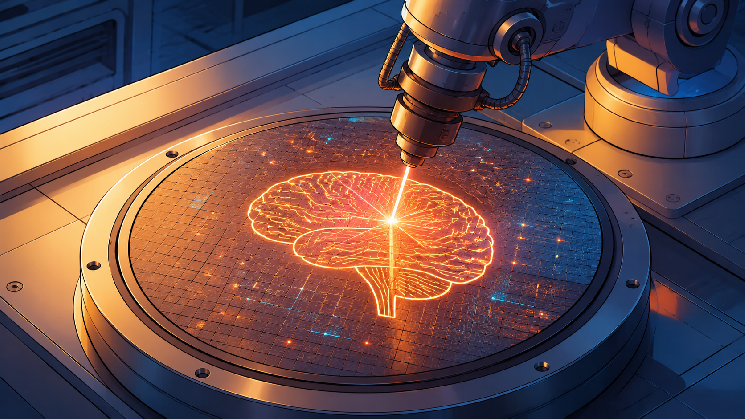
AMD has agreed to acquire Toronto-based startup Taalas, which tackles a key bottleneck in AI inference: the constant need to transfer model weights from memory to the processor for each generated token. Taalas's chips eliminate this operation by permanently embedding the model weights into the transistors themselves. This data transfer is what currently limits inference speed and has made high-bandwidth memory (HBM) a scarce commodity. Taalas's first test chip, fabricated on TSMC's 6nm process, reportedly generated tokens for Meta's Llama 3.1 8B model at speeds 48 times faster than comparable Nvidia GPUs. Its architecture features a mask ROM section for fixed weights and SRAM for adaptable components. However, this design comes with a significant trade-off: each chip is permanently dedicated to a single model. Switching models requires a partial redesign and fabrication, a process taking about two months. While the acquisition is seen as part of AMD's rivalry with Nvidia in inference, its broader implication lies in challenging the assumption of a permanent HBM memory shortage. The AI memory market is currently booming, with HBM supply sold out through 2026. Yet, Taalas's technology demonstrates that the memory bottleneck is an engineering challenge, not an absolute physical constraint. This aligns with industry-wide efforts from companies like Nvidia (through model compression) and memory makers like Samsung and SK hynix (developing new packaging and storage technologies) to reduce dependency on scarce HBM. AMD's move suggests that the current high prices for memory, driven by AI demand, may not be sustainable. It highlights a growing engineering push against the premise of perpetual memory scarcity, reminding investors that memory has historically been a cyclical business.

cryptonews.ru6 хв тому

AMD acquires Taalas: hardware AI manages without scarce HBM memory

cryptonews.ru6 хв тому

Vance says US-Iran conflict remains in 'midgame', US military 'seeks exit', Iran sets 'six conditions for reopening the strait'

U.S. Vice President Vance described the U.S.-Iran conflict as being in the "mid-game," stating the U.S. is utilizing diplomatic, economic, and military tools, with a focus on increasing oil and gas shipments through the Strait of Hormuz. Meanwhile, U.S. Chairman of the Joint Chiefs of Staff Gen. Dan Caine is reportedly seeking an "exit" privately, expressing concerns that airstrikes alone are insufficient to achieve objectives and that further escalation carries significant risks. He highlighted critical ammunition shortages for key missile defense systems. In response, Iran’s Supreme National Security Council Secretary, Zolgadr, presented six conditions for reopening the Strait of Hormuz: a U.S. pledge never to threaten Iran, an end to aggression against Iran and its allies, withdrawal of forces from the region, war reparations, lifting of all sanctions, and the unconditional unfreezing of Iranian assets. These demands, seen as a high bar set by hardliners, contrast with more pragmatic requests made in backchannel talks, which focus on lifting the blockade, restoring oil sanctions waivers, and accessing frozen funds. While Iran and Oman are close to a technical agreement on a temporary shipping lane, Iran clarified this does not equate to a full reopening of the strait, which remains contingent on U.S. meeting its conditions. Attacks on commercial vessels in the area continue, with recent incidents attributed to Iran. Despite pauses in military action and expressions of openness to talks from both sides, negotiations are currently stalled over Iran's economic demands and U.S. insistence on freedom of navigation.

marsbit26 хв тому

Vance says US-Iran conflict remains in 'midgame', US military 'seeks exit', Iran sets 'six conditions for reopening the strait'

marsbit26 хв тому

$20k Signing Fee + $30k Monthly Salary: The Story Behind Pump.fun Poaching FOMO's Corner

The meme market has become increasingly fragmented, with a significant divide between overseas and Chinese users in terms of ecosystem and trading tools. Recently, a piece of gossip spread within overseas meme communities: Pump.fun, the largest token launch platform, is allegedly offering lucrative incentives to poach users from its competitor FOMO. According to a leaked agreement, eligible users are reportedly offered a one-time $20,000 signing bonus plus a $30,000 monthly salary to migrate their funds and trading activity exclusively to Pump.fun, close their FOMO accounts, and meet specific trading volume requirements. This aggressive move highlights FOMO's rapid rise. Launched just over a year ago, FOMO has secured $94 million in funding and, crucially, its revenue over the past 30 days has surpassed that of Uniswap and Phantom. Its market share in trading bots has even overtaken GMGN to become the leader. FOMO's success is attributed to its "social-first" product design, featuring a profit leaderboard and a feed tracking top traders' activities—effectively creating "trading celebrities" that users follow. In response, Pump.fun has recently upgraded its app to replicate these social features, shifting its homepage focus to trader activity feeds. The platform's founder has actively welcomed prominent meme traders. This competition underscores a major shift in the overseas meme market: the battleground has moved from launch tools and liquidity to a fight for attention and influence. The market is now dominated by a "网红带货模式" (influencer-driven model), where platforms compete to sign the most influential trading Key Opinion Leaders (KOLs), who have become the new carriers of market consensus. While this mirrors early competition in livestreaming platforms, it signals a potential risk for the meme space: losing the organic, community-driven vitality that originally fueled its growth, as competition centers increasingly on a concentrated group of trading influencers.

marsbit1 год тому

$20k Signing Fee + $30k Monthly Salary: The Story Behind Pump.fun Poaching FOMO's Corner

marsbit1 год тому

Торгівля

Спот
活动图片