Демократы обвинили криптопроект Трампа в связях с Россией и КНДР

cryptonews.ruОпубліковано о 2025-11-15Востаннє оновлено о 2025-11-18

«Российский след» обнаружен в бесплатной раздаче $47, которые обменяли на рублевый стейблкоин

Сенаторы-демократы в США добиваются расследования деятельности связанного с Трампами криптопроекта World Liberty Financial, обращая внимание на его возможные связи с Северной Кореей и Россией, передает CNBC. Два члена демпартии обратились к Минюсту и Минфину США, утверждая, что World Liberty может представлять собой угрозу национальной безопасности.

Элизабет Уоррен и Джек Рид написали письмо генеральному прокурору Памеле Бонди и министру финансов Скотту Бессенту, в котором настаивают на проверке World Liberty. Сенаторы ссылаются на отчет некоммерческой организации Accountable.US, где говорится о продажах World Liberty Financial своих токенов WLFI «различным крайне подозрительным организациям». В исследовании утверждается, что эти покупатели WLFI имели связи с северокорейскими хакерами, российским «инструментом уклонения от санкций», иранской криптобиржей и криптомиксером Tornado Cash.

На сайте World Liberty Financial среди сооснователей указаны президент США Дональд Трамп, его сыновья Эрик, Дональд-младший и Бэррон. В октябре 2024 года World Liberty выпустила токены управления WLFI. В компании утверждают, что владельцы токенов «играют ключевую роль в формировании будущего протокола», имея право голосовать по предложениям компании и возможность предлагать изменения.

rbc.group

В отчете говорится, что в январе World Liberty продала свои токены на сумму $10 тыс. трейдерам, которые ранее совершали транзакции с кошельком, на который теперь наложены санкции за связь с хакерской командой Lazarus Group из Северной Кореи.

Также авторы указали на связь с Россией, аргументировав это единственной цепочкой транзакций: один из участников предварительной продажи токенов WLFI в июне получил как участник в качестве бонуса $47 в стейблкоине USD1. В июле эти средства были обменены на рублевый стейблкоин A7A5, который авторы отчета называют «рублевым инструментом обхода санкций».

За счет прозрачной структуры блокчейна несложно получить список адресов криптокошельков, участвовавших в продаже токенов, а затем отследить их дальнейшие цепочки транзакций. Это и сделали авторы, сославшись в отчете на конкретные адреса и идентификаторы переводов.

Уоррен и Рид утверждают в своем письме, что, продавая токены, World Liberty брала деньги у людей с «открытыми и очевидными связями с врагами США», чем повышала риски для национальной безопасности. Сенаторы также настаивают, что тесные связи семьи Трамп с компанией создают конфликт интересов: продажи токенов обогащают семью президента, а усиление контроля за соблюдением требований может помешать этому.

Компания DT Marks DEFI, «юридическое лицо, аффилированное с Дональдом Трампом и некоторыми членами его семьи», владеет 22,5 млрд WLFI ($3 млрд) и имеет право на 75% выручки от продаж токенов WLFI, говорится в сообщении.

«Это означает, что каждый раз, когда продается токен управления, три четверти этих денег поступает непосредственно президенту Трампу и его семье, даже включая продажи организациям, связанным с Северной Кореей и Россией», — заявили сенаторы.

В письме отмечается необходимость срочной проверки World Liberty, поскольку Конгресс рассматривает принятие новых правил, которые могут вывести токены управления, такие как WLFI, из-под существующего надзора в США и освободить их эмитентов от определенных требований к ведению учета и раскрытию информации. Уоррен и Рид просили Минфин и Минюст предоставить информацию, касающуюся возможных мер в отношении World Liberty до 1 декабря.

Семья президента США и его окружение стали бенефициарами роста крипторынка в 2025 году, вызванного поддержкой криптоотрасли новой администрацией, отмечали ранее в Financial Times. По оценкам издания, Трампы на криптовалютах заработали более $1 млрд за год.

Сенаторы Уоррен и Рид уже делали подобные запросы. Ранее они уже требовали проверить сделку с ОАЭ, в которой участвовал спецпредставитель США по Ближнему Востоку Стив Уиткофф. Его сын, Зак Уиткофф, возглавляет World Liberty Financial.

Весной они же требовали проверить решение команды Трампа организовать ужин для держателей его мемкоина TRUMP, указав на риски коррупции. Также в мае велось расследование самого запуска токенов TRUMP.

Пов'язані матеріали

In the AI Era, What's Left for Bitcoin?

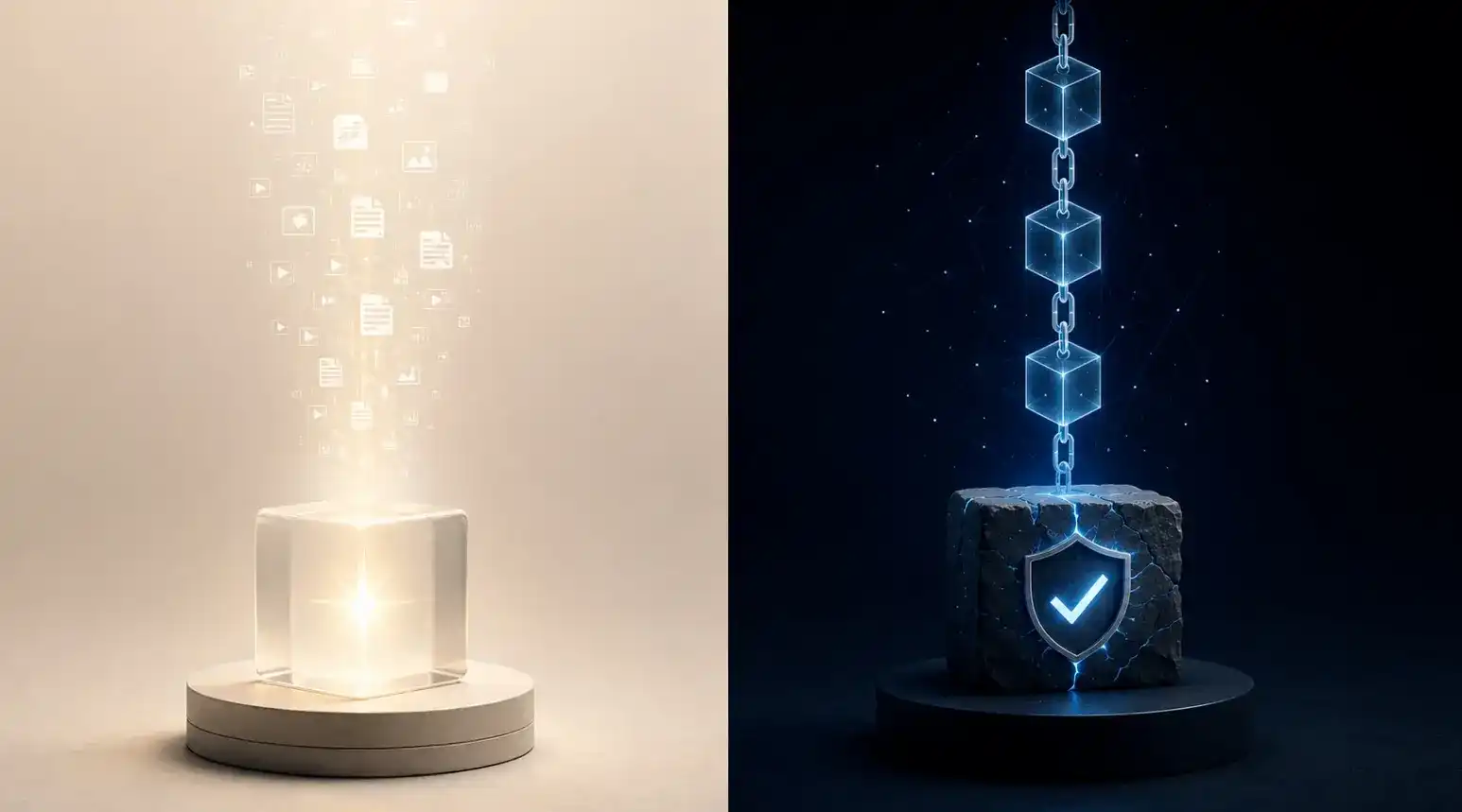
As Bitcoin falls below $60,000, the author reflects on the relationship between AI and Bitcoin, seeing them as two sides of the same coin. In the AI era, the cost of generating content has plummeted, making fake text, images, and videos increasingly easy and cheap to produce. This has led to a fundamental shift: while AI dramatically lowers the cost of information production, it also undermines trust and authenticity online. What becomes truly valuable is not more content, but the ability to verify what is real—"verifiability." This perspective offers a new lens for Bitcoin. Its massive energy consumption, often criticized as wasteful, is reinterpreted. While AI burns energy to enhance "capability" and efficiency, Bitcoin burns energy to produce "verifiability." Its purpose is not to be trusted but to enable a system where no trust in intermediaries—banks, platforms, or developers—is needed. Every transaction and the entire ledger's history is secured by cryptography and a decentralized network of nodes, making it independently verifiable. AI cannot forge a transaction on the Bitcoin network because the system is designed for proof, not generation. The author draws a historical parallel to the Renaissance: the printing press drastically reduced the cost of copying knowledge, while double-entry bookkeeping reduced the cost of trust in commerce. Today, AI is the new printing press, reducing content creation costs to near zero. Blockchain, and Bitcoin as its pioneer, may be the modern equivalent of double-entry bookkeeping—a foundational technology for verifying digital asset ownership and historical records without centralized authorities. Thus, AI and blockchain are not competitors. AI lowers the cost of creation; blockchain lowers the cost of verification. In an age where AI can generate anything, true scarcity may lie not in more content, but in independently verifiable facts. Whether the market will reprice Bitcoin accordingly remains uncertain, but its core value proposition as a "machine for producing verifiability" becomes strikingly relevant.

marsbit42 хв тому

In the AI Era, What's Left for Bitcoin?

marsbit42 хв тому

In the Age of AI, What's Left for Bitcoin?

Author: Sevclub, Seven Research Amid Bitcoin's recent drop below $60k, the author reflects on a growing sense that AI and Bitcoin are two sides of the same coin. Today, encountering any content triggers a new default question: "Was this made by AI?" The cost of generating convincing text, images, and video is now negligible. While the internet lowered information *distribution* costs, AI is crashing information *production* costs to near zero. The consequence is a flood of content where truth and falsehood are increasingly indistinguishable. In this environment, what becomes truly valuable is not more information, but the ability to verify what is real—"verifiability." This reframes the common criticism that Bitcoin "wastes electricity." AI consumes power to produce "capability" (e.g., more powerful models). Bitcoin consumes power to produce something else: "verifiability." Bitcoin's core purpose isn't about belief or trust in any institution, developer, or even its creator. It's about enabling independent verification. Every bitcoin's origin, every transaction, and the integrity of the entire ledger are secured by mathematics, cryptography, and a global network of nodes. AI can fabricate convincing media, but it cannot falsify a transaction on the Bitcoin network. The expended energy makes篡改历史 (tampering with history) prohibitively expensive, purchasing a globally verifiable ledger. The author draws a historical parallel to the Renaissance. The printing press drastically reduced the cost of copying knowledge, while double-entry bookkeeping reduced the cost of trust in commerce—one enabled creation, the other verification. Today, AI is the new printing press, driving content production costs toward zero. The question becomes: what is this era's "double-entry bookkeeping"? Blockchain appears to be the leading candidate. It doesn't verify which news is true or which image is real, but it provides a foundational layer for independently verifying asset ownership and historical records in the digital realm without centralized authorities. Therefore, AI and blockchain are not in competition. AI lowers the cost of *generation*. Blockchain (and Bitcoin as a prime example) lowers the cost of *verification*. One creates, the other proves. Whether Bitcoin ultimately succeeds remains uncertain, facing potential challenges from quantum computing, regulation, and technical evolution. However, the author now sees it less as a "machine for making bitcoin" and more as a "machine for making verifiability." In an age where AI can generate anything, true scarcity may no longer be "more content," but "more independently verifiable facts." Whether the market will price this accordingly is a separate question.

链捕手50 хв тому

In the Age of AI, What's Left for Bitcoin?

链捕手50 хв тому

Торгівля

Спот
活动图片