Партнер Сатоши опровергает слухи о квантовой угрозе для биткоина

cryptonews.ruОпубліковано о 2025-06-16Востаннє оновлено о 2025-11-17

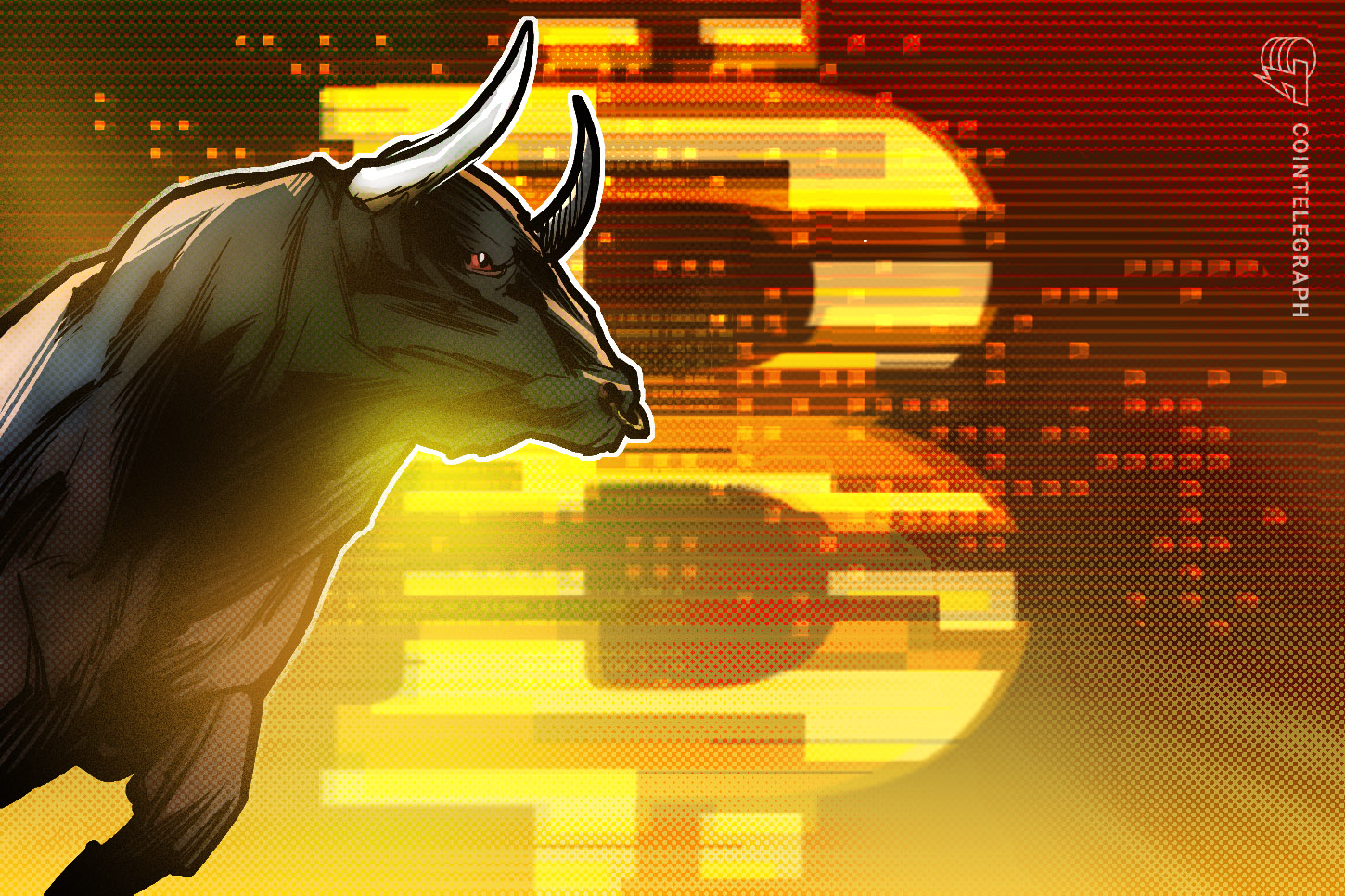
На этой неделе на рынке снова заговорили о том, что квантовые компьютеры могут взломать биткоин. Такие дискуссии обычно возникают, когда BTC продаётся и кто-то пытается связать неопределённость цены с давлением на рынок. Но на этот раз Адам Бэк вмешался и положил конец всем разговорам одним объяснением, которое, возможно, сняло напряжение с некоторых участников.

Для тех, кто не в курсе, Бэк — один из первых шифропанков, чьё имя HBO открыто поставило рядом с именем Питера Тодда в своём коллективном образе Сатоши. Как он ясно даёт понять, сюжетная линия «Q-Day» не связана с реальными инженерными сроками и не имеет практического значения для сети.

По его оценкам, пройдёт от 20 до 40 лет, прежде чем возникнет что-то опасное, и даже эта оценка немного занижена.

К тому времени, когда квантовое оборудование достигнет такого уровня, Биткойн уже пройдёт множество согласованных оценок и будет использовать постквантовые подписи, потому что эти инструменты не просто гипотетические — они уже существуют.

Рыночный театр

Бэк также упомянул подтекст, который всегда присутствует в этой теме: некоторые участники рынка могут просто пытаться выбить держателей из игры и заполучить монеты по более низкой цене. Такую тактику рынок уже не раз видел. Как только появляется страх, ликвидность снижается, ставки падают, а терпеливые покупатели держатся.

Вероятно, они пытаются напугать рынок дешевым биткоином. Они делают это время от времени.

— Адам Бэк (@adam3us) 15 ноября 2025 г.

Его сообщение, по сути, сводится к одному выводу. Биткоин не уязвим, не подвержен риску и не участвует в гонке с воображаемым обратным отсчётом. У сети есть время, инструменты и чёткий путь, а цикл квантовых страхов гораздо полезнее для нарративов, чем что-либо, основанное на реальности.

Пов'язані матеріали

Terence Tao's Remote Dialogue with Wang Hong: Mathematics Must Learn to 'Digest' AI

Two Fields Medalists, Terence Tao and Maryna Viazovska, share a common view on the flood of AI-generated proofs in mathematics: the community must learn to "digest" them. While AI can rapidly produce and even formally verify proofs, Tao argues that a correct proof is only the first step. For a result to become usable knowledge, it must be understood, absorbed, and integrated into the existing mathematical framework by human mathematicians. He illustrates this by spending several days "digesting" an AI-assisted proof of the long-standing Sendov conjecture. His process involved tracing sources, identifying key ideas, simplifying the argument, and rewriting it into a human-readable narrative. This digestion not only verified the proof but also revealed it could solve a stronger conjecture and be presented with more elementary tools. Tao criticizes the current race for priority based solely on who announces a proof first, often skipping verification and explanation. He proposes shifting value to the crucial work of interpreting, reviewing, and consolidating results. In his recent ICM talk, he emphasized that if authors cannot explain their AI-generated proof to peers, it shouldn't be published. To facilitate this new workflow, Tao introduced "Palomar," a registry for Lean-verified results. It serves as a digestion hub, cataloging problems, proof code, and AI involvement, aiming to coordinate efforts and ensure completeness. Under this model, full credit for a result would require multiple milestones: generation, verification, explanation, and final publication. The core message is clear: as AI transforms the front end of mathematical discovery, the irreplaceable role of mathematicians will be to synthesize, contextualize, and communicate these advances, turning raw outputs into enduring knowledge.

marsbit12 хв тому

Terence Tao's Remote Dialogue with Wang Hong: Mathematics Must Learn to 'Digest' AI

marsbit12 хв тому

The U.S. Treasury Department Doubles Treasury Repurchases to Stabilize the Market, But U.S. Stocks Only Edge Up Slightly — Is the Real Signal Hidden in Bitcoin?

The US Treasury significantly boosted its long-term bond repurchase program to curb surging yields, sparking a notable rally in Bitcoin while leaving the stock market with only modest gains. Facing high long-term bond yields that pressured equities, especially tech stocks, the Treasury announced it would double the maximum size of its repurchases for 10- to 30-year bonds. This move, seen as the government stepping in to provide liquidity and stabilize confidence, initially pushed bond yields lower. However, the market reaction was unusual. While liquidity-sensitive Bitcoin surged from around $64,000 toward $70,000, major US stock indices posted only minor gains. Previously high-flying AI-related sectors like semiconductors continued to weaken, largely ignoring the news. The article interprets Bitcoin's sharp rise as the key signal, reflecting its role as a gauge for dollar liquidity. The Treasury's action is seen as injecting fresh money into the system. While stocks remain preoccupied with sector-specific concerns, Bitcoin immediately priced in this loosening of financial conditions. This shift suggests the market's underlying dynamic may be transitioning from a fight for existing capital to an expectation of new inflows, potentially broadening the rally beyond the concentrated AI trade that dominated recent months.

marsbit17 хв тому

The U.S. Treasury Department Doubles Treasury Repurchases to Stabilize the Market, But U.S. Stocks Only Edge Up Slightly — Is the Real Signal Hidden in Bitcoin?

marsbit17 хв тому

Торгівля

Спот
活动图片