Будущее банков США зависит от принятия криптовалют — сенатор США Синтия Ламмис

cryptonews.ruОпубліковано о 2025-11-15Востаннє оновлено о 2025-11-15

Банкам США необходимо «включать и интегрировать цифровые активы в свои услуги». Об этом в интервью Bloomberg заявила сенатор от штата Вайоминг Синтия Ламмис.

По ее словам, будущее финансовой системы связано с тем, насколько успешно банки смогут работать криптовалютой.

Ламмис выступила на фоне продолжающихся разногласий между традиционными банками и криптоиндустрией из-за регулирования стейблкоинов. При этом она подчеркнула, что финансовые учреждения должны адаптироваться к новой реальности, а не сопротивляться ей.

Шум вокруг GENIUS Act

Сенатор прокомментировала споры о GENIUS Act, который запрещает эмитентам стейблкоинов выплачивать доходность, но не ограничивает криптобиржи в начислении вознаграждений держателям токенов.

Банковский сектор недоволен этим положением и добивается изменений в следующем законопроекте. Однако Ламмис отметила, что было «чрезвычайно сложно» добиться принятия законопроекта, и она не видит смысла вносить в него правки.

«Пожалуйста, не делайте этого. Банки разжирели и обленились. Они сначала не поняли, что происходит, пытались блокировать индустрию, а теперь хотят откатить все достижения назад. Давайте двигаться вперед», — призвала пользователь под ником Kristen.

По теме: GENIUS Act вызовет массовый отток депозитов в стейблкоины — Multicoin Capital

Доля крипторынка за участие

По словам сенатора, уже три штата — Луизиана, Вирджиния и Вайоминг — разрешили местным банкам хранить цифровые активы. Она ожидает, что после принятия нового закона и другие штаты последуют их примеру.

«Это будущее. Это экономика XXI века, и местные банки должны воспользоваться возможностью работать как с фиатной валютой, так и с цифровыми активами», – заявила Ламмис.

Массовое принятие, которое мы заслужили?

В криптосообществе слова сенатора вызвали смешанную реакцию. Иногда с саркастическим подтекстом. Трейдер Degen_tactician сравнил инициативу с «бабушкой, которая наконец-то скачала MetaMask», добавив, что банки, решившиеся на раннюю интеграцию криптовалют, смогут «вернуть себе актуальность».

По теме: банки начали разрабатывать стейблкоин, привязанный к валютам стран G7

По мнению пользователя Blue, институциональное принятие может быть полезным, но способно разрушить саму суть криптовалют. Вероятно имея в виду, что банки скорее движутся к контролю, чем к принятию.

«Ламмис права, но большинство местных банков по-прежнему видят в биткоине конкурента, а не инфраструктуру. Пока не изменится это восприятие, банки будут уступать финтех-компаниям», — отметил Web3-журналист Джозеф Алаладе.

В то же время пользователь Crypto Knight заявил, что сенатор дала банкам официальное разрешение перестать быть динозаврами, подчеркнув, что теперь каждый региональный банк может либо воспользоваться моментом и «улететь на Луну или умереть в попытке».

Сенатор известна своей поддержкой цифровых активов и ранее говорила, что президент Дональд Трамп подпишет законопроект GENIUS до конца года.

В октябре она также поддержала предложение основателя Twitter и главы платежной компании Square Джека Дорси освободить мелкие платежи с биткоином (BTC) от налогообложения.

По теме: Артур Хэйес назвал позитивной для биткоина победу Мамдани на выборах мэра Нью-Йорка

Пов'язані матеріали

In the AI Era, What's Left for Bitcoin?

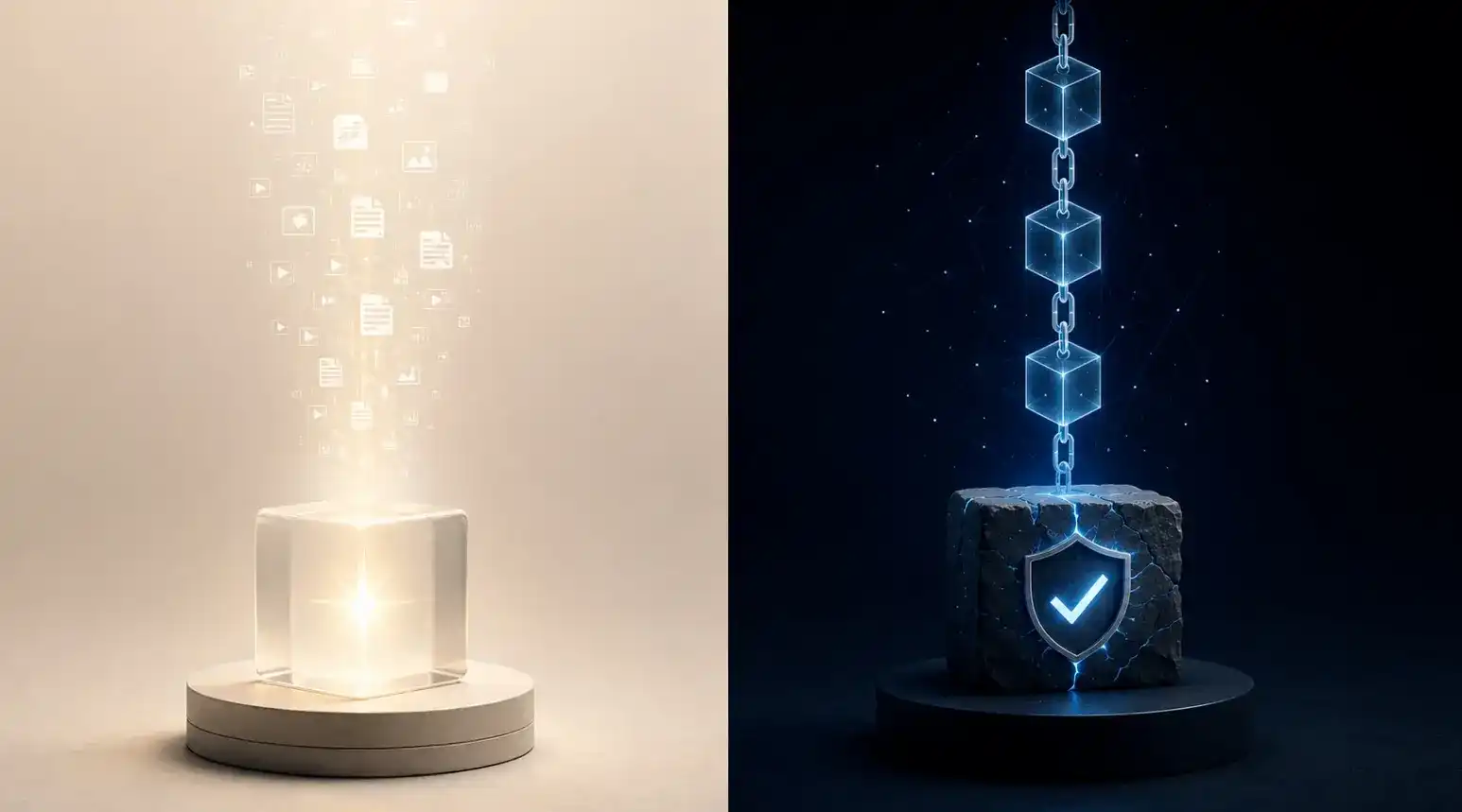
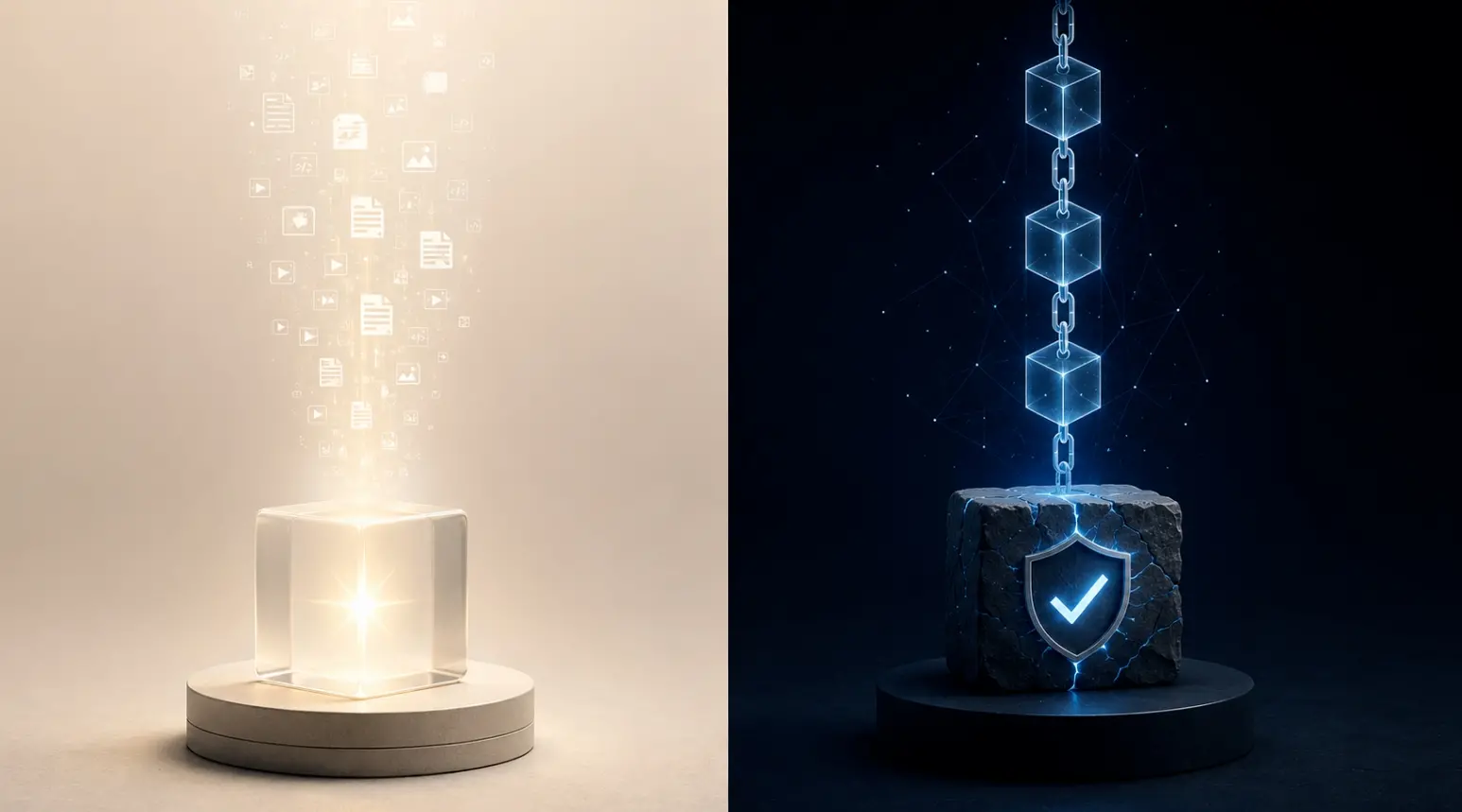
As Bitcoin falls below $60,000, the author reflects on the relationship between AI and Bitcoin, seeing them as two sides of the same coin. In the AI era, the cost of generating content has plummeted, making fake text, images, and videos increasingly easy and cheap to produce. This has led to a fundamental shift: while AI dramatically lowers the cost of information production, it also undermines trust and authenticity online. What becomes truly valuable is not more content, but the ability to verify what is real—"verifiability." This perspective offers a new lens for Bitcoin. Its massive energy consumption, often criticized as wasteful, is reinterpreted. While AI burns energy to enhance "capability" and efficiency, Bitcoin burns energy to produce "verifiability." Its purpose is not to be trusted but to enable a system where no trust in intermediaries—banks, platforms, or developers—is needed. Every transaction and the entire ledger's history is secured by cryptography and a decentralized network of nodes, making it independently verifiable. AI cannot forge a transaction on the Bitcoin network because the system is designed for proof, not generation. The author draws a historical parallel to the Renaissance: the printing press drastically reduced the cost of copying knowledge, while double-entry bookkeeping reduced the cost of trust in commerce. Today, AI is the new printing press, reducing content creation costs to near zero. Blockchain, and Bitcoin as its pioneer, may be the modern equivalent of double-entry bookkeeping—a foundational technology for verifying digital asset ownership and historical records without centralized authorities. Thus, AI and blockchain are not competitors. AI lowers the cost of creation; blockchain lowers the cost of verification. In an age where AI can generate anything, true scarcity may lie not in more content, but in independently verifiable facts. Whether the market will reprice Bitcoin accordingly remains uncertain, but its core value proposition as a "machine for producing verifiability" becomes strikingly relevant.

marsbit42 хв тому

In the AI Era, What's Left for Bitcoin?

marsbit42 хв тому

In the Age of AI, What's Left for Bitcoin?

Author: Sevclub, Seven Research Amid Bitcoin's recent drop below $60k, the author reflects on a growing sense that AI and Bitcoin are two sides of the same coin. Today, encountering any content triggers a new default question: "Was this made by AI?" The cost of generating convincing text, images, and video is now negligible. While the internet lowered information *distribution* costs, AI is crashing information *production* costs to near zero. The consequence is a flood of content where truth and falsehood are increasingly indistinguishable. In this environment, what becomes truly valuable is not more information, but the ability to verify what is real—"verifiability." This reframes the common criticism that Bitcoin "wastes electricity." AI consumes power to produce "capability" (e.g., more powerful models). Bitcoin consumes power to produce something else: "verifiability." Bitcoin's core purpose isn't about belief or trust in any institution, developer, or even its creator. It's about enabling independent verification. Every bitcoin's origin, every transaction, and the integrity of the entire ledger are secured by mathematics, cryptography, and a global network of nodes. AI can fabricate convincing media, but it cannot falsify a transaction on the Bitcoin network. The expended energy makes篡改历史 (tampering with history) prohibitively expensive, purchasing a globally verifiable ledger. The author draws a historical parallel to the Renaissance. The printing press drastically reduced the cost of copying knowledge, while double-entry bookkeeping reduced the cost of trust in commerce—one enabled creation, the other verification. Today, AI is the new printing press, driving content production costs toward zero. The question becomes: what is this era's "double-entry bookkeeping"? Blockchain appears to be the leading candidate. It doesn't verify which news is true or which image is real, but it provides a foundational layer for independently verifying asset ownership and historical records in the digital realm without centralized authorities. Therefore, AI and blockchain are not in competition. AI lowers the cost of *generation*. Blockchain (and Bitcoin as a prime example) lowers the cost of *verification*. One creates, the other proves. Whether Bitcoin ultimately succeeds remains uncertain, facing potential challenges from quantum computing, regulation, and technical evolution. However, the author now sees it less as a "machine for making bitcoin" and more as a "machine for making verifiability." In an age where AI can generate anything, true scarcity may no longer be "more content," but "more independently verifiable facts." Whether the market will price this accordingly is a separate question.

链捕手51 хв тому

In the Age of AI, What's Left for Bitcoin?

链捕手51 хв тому

Торгівля

Спот
活动图片