Strategy подала заявку на размещение акций в евро для продолжения покупок биткоинов

cryptonews.ruОпубліковано о 2025-11-21Востаннє оновлено о 2025-11-21

Strategy направила заявление о размещении 3,5 млн привилегированных акций под тикером STRE в евро с кумулятивным ежеквартальным дивидендом в 10% годовых в размере €100 (~$115).

Полученные средства пойдут на наращивание баланса в биткоине (BTC) и общие корпоративные цели.

STRE предназначены для квалифицированных инвесторов в ЕС и Великобритании. Размещение среди розничных инвесторов не предусмотрено.

Андеррайтерами ценных бумаг выступают Barclays, Morgan Stanley, Moelis и TD Securities.

По теме: криптоказначейства ждут «непростые времена» из-за сжатия премий — NYDIG

Ни шагу назад

На данный момент Strategy владеет 641 205 BTC, которые она приобрела за $47,49 млрд. Накануне корпорация пополнила свой биткоин-резерв на 397 BTC.

На конференции с аналитиками после публикации квартальной отчетности основатель компании Майкл Сэйлор заявил, что Strategy вряд ли изменит свою модель.

«Основное внимание уделяется продаже цифровых кредитов, улучшению баланса, покупке биткоинов и информированию об этом кредиторов и инвесторов в акции», — сообщил он.

Предприниматель исключил поглощение Strategy конкурентов, «даже если это будет выглядеть потенциально выгодным».

По теме: проблемы криптоказначейских компаний открывают новые возможности — 10x Research

Пов'язані матеріали

The "Iron Rule" of Chip Equipment Is Being Broken

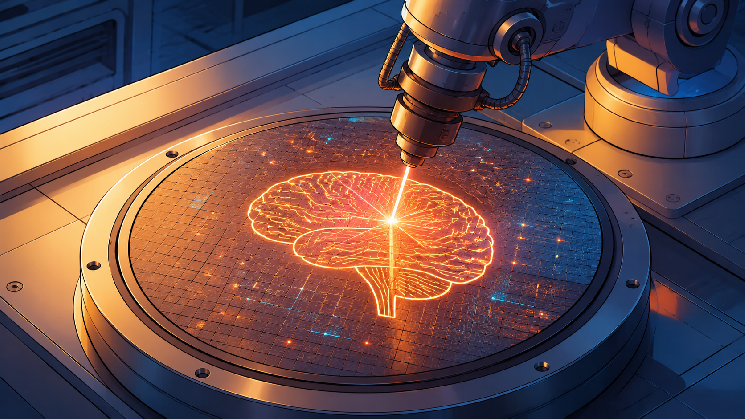
For years, the semiconductor equipment industry followed an unwritten "iron rule": suppliers offered steep discounts for new tool introductions (Design-in) and faced consistent price pressure during repeat orders, especially during market downturns. This long-standing buyer's market dynamic is now being upended. Recently, SK Hynix's primary equipment suppliers have reportedly requested a 3-4% price *increase*, a nearly unprecedented move. This shift is driven by a severe supply-demand imbalance fueled by the AI compute boom. Securing equipment has become an urgent arms race as chipmakers' expansion speed dictates their ability to fulfill massive AI chip orders. Key areas feeling the strain include: **TCB (Thermal Compression Bonding) Equipment:** Demand is exploding, driven by the simultaneous needs of HBM4 memory stacking, AI chip Chip-on-Substrate (C2S), and logic Chiplet Chip-on-Wafer (C2W) packaging. Players like Hanmi Semiconductor, Hanwha Semitech, and ASMPT are receiving major orders. While hybrid bonding is seen as the future, TCB remains the pragmatic choice for HBM4 mass production, with its lifecycle extended by relaxed specifications and ongoing technological upgrades. **Test Equipment Bottlenecks:** Ironically, AI-driven shortages are now crippling test equipment manufacturing. Critical components like FPGAs, Driver ICs, and CPUs face severe shortages and extended lead times (up to 52 weeks for FPGAs), as AI data center and server vendors prioritize supply. This creates a paradoxical cycle: AI chip shortages drive fab expansion, which requires more test equipment, whose production is delayed because its key parts are diverted to make AI chips. The industry is entering a broad, AI-powered upcycle. SEMI forecasts global semiconductor equipment sales to hit a record $156 billion by 2027, fueled by investment in advanced logic/foundry, HBM-driven DRAM, and advanced packaging (like CoWoS). Major players like TSMC, SK Hynix, and Micron are aggressively ramping capital expenditure. In conclusion, leading equipment vendors are no longer just selling tools; they are selling the critical capability to deliver AI-era capacity. Pricing power is shifting decisively to those with indispensable technology in key process nodes like advanced logic, HBM, and advanced packaging, rewriting the industry's traditional power structure.

marsbit11 хв тому

The "Iron Rule" of Chip Equipment Is Being Broken

marsbit11 хв тому

Торгівля

Спот
Ф'ючерси
活动图片