Plasma drops 15% – But ONE metric fuels hopes of XPL rebound

ambcryptoОпубліковано о 2025-10-30Востаннє оновлено о 2025-10-31

Key Takeaways

Why did Plasma defy typical bearish trends?

Open Interest surged to $255 million despite a 15% price drop, showing renewed trader participation.

What could drive XPL rebound soon?

A steady Long/Short Ratio above 2.0 and ongoing short liquidations may strengthen bullish momentum.


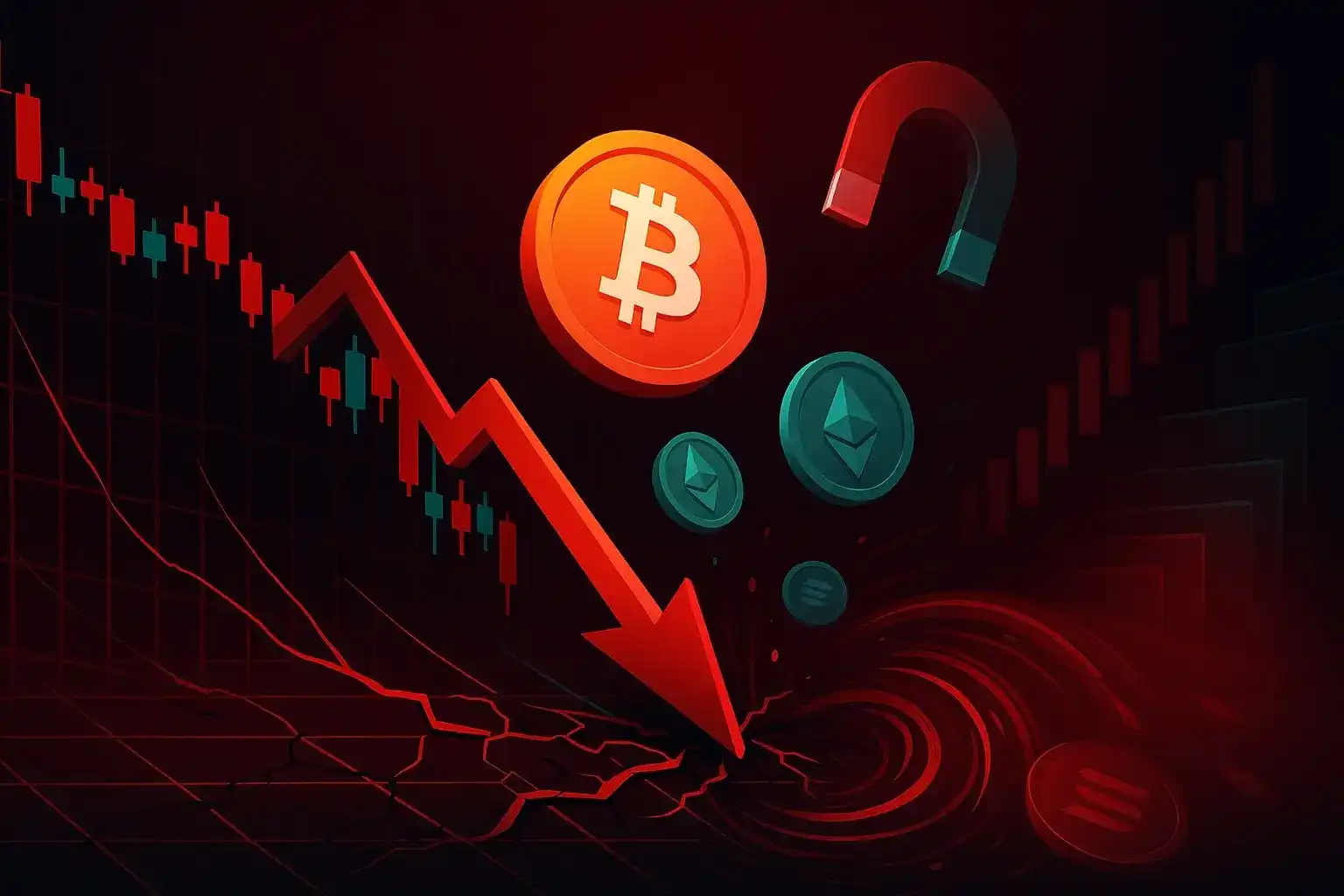
Plasma [XPL] dropped nearly 15% in the past 24 hours, extending its October slide.

Yet, on-chain data revealed unusual behavior among derivatives traders that could hint at an early-stage rebound if bulls sustain their momentum.

Open Interest surges despite the explosive bearish drop

Despite the steep decline, Plasma’s Open Interest (OI) rose to $255.08 million, up from lows of around $233 million. Typically, OI contracts when prices fall as traders exit positions.

The rise this time indicated new positions were being opened, possibly by institutional traders buying the dip.

Plasma open interest alongside price analysisPlasma open interest alongside price analysis

Source: Coinalyze

On top of that, the influx of new capital into the Derivatives market could point to speculative confidence returning despite bearish spot action.

Short liquidation sends mixed signals

Meanwhile, Plasma’s Aggregated Short Liquidations climbed to $1.33 million at press time versus just $49,000 in longs. The imbalance reflected growing short pressure being squeezed as volatility rose.

That setup could swing either way: a deeper correction if momentum fades, or a rapid bounce if short sellers retreat.

Plasma Short LiquidationsPlasma Short Liquidations

Source: Coinalyze

Plasma buyers’ dominance complements surging institutional interest

At the time of writing, Plasma’s Long/Short Ratio (AVG) stood at 2.027, meaning longs outnumbered shorts roughly two to one. Such dominance often signals increasing trader conviction in a price recovery.

Even so, whether the optimism holds will depend on sustained demand in both Spot and Futures markets.

The combination of short liquidations and higher long exposure gives bulls a near-term edge, but only continued accumulation can confirm a shift in trend.

Plasma long short ratioPlasma long short ratio

Source: Coinalyze

What could be next for XPL

In summary, the current setup presents a mixed but potentially optimistic outlook for XPL’s price action.

Although the recent sharp decline nearly pushed the token toward collapse, rising open interest and strong buyer dominance suggest growing market confidence.

If bullish momentum continues to build, XPL could be approaching a meaningful reversal.

Share

Трендові криптовалюти

Пов'язані матеріали

Token Economy Surges, Have Ordinary People Got a Slice of the Pie?

Token Frenzy: Is the Average Person Getting a Piece of the Pie? As AI adoption soars in China, daily Token consumption—the basic unit for AI text processing—has skyrocketed, exceeding 140 trillion. This "Token economy" is often measured like GDP, touted as a sign of progress. However, this metric primarily reflects supply-side activities: corporate investment, infrastructure scaling, and platform revenues. The crucial question of whether this growth translates into tangible benefits for ordinary citizens—higher wages, better jobs, improved public services, or increased leisure—remains largely unanswered. The article argues there's a fundamental mismatch. Policy, exemplified by subsidies in Beijing's Yizhuang district, often stimulates "demand" by incentivizing companies to consume more Tokens (an intermediate business cost), rather than by boosting household income or final consumer spending. This creates a closed loop where growth in Token usage justifies further production capacity expansion, without necessarily extending value to the broader population. Several disconnects are highlighted. High Token usage doesn't equal completed tasks, increased profits, or macroeconomic productivity gains. Even when corporate efficiency improves, the benefits may not trickle down due to existing economic structures favoring investment over household consumption. The risk is that AI, a genuinely productive technology, becomes another tool for supply-side expansion within a system adept at measuring output (like server capacity and call volumes) but less focused on distributing the gains widely. Drawing a parallel to Henry Ford's assembly line, the piece notes that Ford's revolution combined ruthless production efficiency with a social compact (higher wages, stability) that enabled mass consumption. Today's "Token economy" narrative enthusiastically champions the first part—process re-engineering and cost reduction—but lacks a credible mechanism for the second: ensuring that productivity gains lead to broader societal welfare. The ultimate challenge is not whether Tokens have value, but whether their economic benefits can escape a system that excels at building supply but struggles to cultivate its own demand.

marsbit1 хв тому

Token Economy Surges, Have Ordinary People Got a Slice of the Pie?

marsbit1 хв тому

Overnight Global Shock: Why Did AI Stocks Plunge Across the Board?

Overnight, U.S. AI-related stocks fell sharply, with the Nasdaq down 1.33% and the Philadelphia Semiconductor Index plunging nearly 5%. Panic spread globally, dragging down Asia-Pacific markets. Key negative drivers included: 1. **Geopolitical Tension & Macro Pressure:** Escalating U.S.-Iran tensions pushed oil prices higher, fueling inflation fears and expectations of prolonged high interest rates. Rising bond yields pressured high-valuation, capital-intensive AI stocks, especially as soaring AI infrastructure financing costs became evident. 2. **AI Commercialization Concerns:** OpenAI's Q2 results showed slowing revenue growth and widening losses, dampening market optimism about near-term AI application profitability. This shifted investor focus from pure capital expenditure narratives to actual commercial returns. 3. **Supply Chain Uncertainty:** U.S.-South Korea semiconductor investment disputes intensified. Market fears that Korean memory giants (Samsung, SK Hynix) face a dilemma—either divert capital to costly U.S. production or risk trade barriers—disrupted the critical HBM memory sector, amplifying sell-offs via leveraged ETFs. While long-term AI demand remains, the market is now scrutinizing real profitability, financing costs, and supply chain stability rather than paying premiums for unchecked growth stories. For markets like China's A-shares, the impact is primarily sentiment-driven, requiring distinction between short-term panic and fundamental deterioration.

marsbit2 хв тому

Overnight Global Shock: Why Did AI Stocks Plunge Across the Board?

marsbit2 хв тому

Q2 Wall Street Institutional Crypto Holdings: Most Institutions Increased Positions Against the Trend, ETH Exposure Outperformed BTC Across the Board

In Q2 2024, despite a roughly 14.2% decline in Bitcoin's price, many Wall Street institutions increased their crypto holdings, revealing a divergence from ETF flow trends. Overall institutional Bitcoin exposure grew by 7.5% to ~536k BTC, while aggregate spot Bitcoin ETF holdings declined. Notably, exposure concentration increased, with fewer reporting institutions holding larger positions. A key trend was the significant outperformance of Ethereum (ETH) exposure growth over Bitcoin (BTC) among major banks. For instance, JPMorgan's ETH exposure surged 67.3% versus 12.2% for BTC, and Morgan Stanley's ETH exposure grew 18.6% versus 3.7%. Individual bank holdings of Ethereum ETFs like ETHA saw dramatic increases, even as the overall Ethereum ETF market experienced net outflows during the quarter. Trading firms like Jane Street significantly rebuilt its iShares Bitcoin Trust (IBIT) position, while several hedge funds, including Brevan Howard and Graham Capital, reduced spot ETF holdings but added substantial option positions (both calls and puts), indicating more complex strategies. Institutions showed diverging views on crypto-related equities: some sold shares of MicroStrategy (MSTR) after its announced Bitcoin sales, while others like Renaissance Technologies and BlackRock were buyers. New entrants like Spain's Santander Bank disclosed initial crypto ETF positions. Meanwhile, long-term holders like Abu Dhabi's sovereign wealth funds paused their accumulation, and Harvard's endowment maintained a flat Bitcoin position. Key signals include the deepening institutionalization of crypto assets, a clear institutional preference for accumulating Ethereum, and growing divergence in views on crypto equities. This institutional buying in Q2 preceded a price recovery and renewed inflows into Ethereum ETFs in July and August.

marsbit21 хв тому

Q2 Wall Street Institutional Crypto Holdings: Most Institutions Increased Positions Against the Trend, ETH Exposure Outperformed BTC Across the Board

marsbit21 хв тому

TSMC, Another Winning Bet

TSMC Gains Another Strategic Advantage as Samsung Delays 1.4nm Process Samsung Foundry has adjusted its advanced process roadmap, postponing the mass production timeline for its 1.4nm process from 2027 to 2029. This two-year delay signals a strategic shift from aggressively pursuing the next node to focusing on maturing and scaling its 2nm platform. Samsung plans to extend the commercial lifespan of its 2nm technology through derivative versions optimized for different applications, including those incorporating backside power delivery for AI and HPC chips. A notable aspect of this shift is Samsung's cautious approach toward High-NA EUV lithography. The company views it as essential for 1nm-class nodes and beyond but not as an immediate necessity for 1.4nm, opting instead to refine its existing Low-NA EUV-based processes. This highlights a broader industry trend where the competition is evolving beyond simply reaching the next node. Success now depends on achieving high yield, managing soaring costs, integrating new transistor architectures like GAA, and delivering a compelling overall package of performance, power efficiency, and area (PPA) at a viable cost. While Samsung consolidates its 2nm efforts, TSMC continues its advance. Its N2 node is in production, and the A16 node (post-2nm, ~1.6nm) is scheduled for mass production in the second half of 2026. A16 introduces TSMC's Super Power Rail backside power delivery technology, which is expected to deliver significant performance and power efficiency gains. TSMC's previously stated cautious stance on High-NA EUV appears validated by Samsung's roadmap adjustment. The delay underscores that the competition in leading-edge semiconductor manufacturing is entering a new phase. It is no longer just a race to smaller node numbers but a multifaceted contest involving process maturity, yield, cost, design-technology co-optimization (DTCO), and advanced packaging. Samsung aims to solidify its 2nm platform over the next three years. However, as it targets 1.4nm for 2029, the industry will be watching how far ahead TSMC and Intel have moved by then.

marsbit26 хв тому

TSMC, Another Winning Bet

marsbit26 хв тому

Торгівля

Спот

Популярні статті

Що таке PLASMA

Plasma: Передове рішення для масштабуємості блокчейну Вступ до Plasma Оскільки ландшафт криптовалют еволюціонує, так само зростає потреба в покращеній ефективності блокчейн-мереж. Plasma, рішення масштабування другого рівня, виступає як піонер у цій сфері, особливо в галузі розвитку Web3. Стратегічно зсуваючи суттєву частину завдань з основного ланцюга на ряд менших ланцюгів, Plasma обіцяє значно підвищити масштабованість та продуктивність Ethereum — широко використовуваної блокчейн-платформи на передньому краї децентралізованих додатків. Що таке Plasma? Plasma — це інноваційне рішення для масштабування поза ланцюгом, спеціально розроблене для блокчейну Ethereum. Воно було представлено в серпні 2017 року Віталіком Бутеріним, співзасновником Ethereum, та Джозефом Пуном, відомим прихильником рішень для масштабування, таких як Lightning Network. Plasma служить каркасом, який дозволяє створювати масштабовані додатки, встановлюючи ієрархічну структуру дочірніх ланцюгів над основним ланцюгом Ethereum. В основі Plasma лежить можливість розробки потенційно безкінечних бічних ланцюгів, які можуть функціонувати незалежно, поки все ще спираються на мережу Ethereum для забезпечення безпеки та консенсусу. Ця архітектура базується на смарт-контрактах і деревах Меркла, які ефективно обробляють транзакції та зберігання даних. Основні цілі Plasma Основною метою Plasma є підвищення пропускної здатності мережі Ethereum. Зміщуючи суттєві обсяги транзакцій з перевантаженого основного ланцюга, архітектура Plasma пропонує вищі швидкості транзакцій, більш ефективну обробку даних і нижчі витрати на транзакції. Це особливо важливо в епоху, коли попит на децентралізовані додатки — особливо у фінансовій сфері, іграх та управлінні ланцюгами постачань — досягає безпрецедентних рівнів. Творець Plasma Plasma є дітищем двох відомих фігур у блочному співтоваристві: Віталіка Бутеріна та Джозефа Пуна. Бутерін відомий перш за все як співзасновник Ethereum і за розширення меж можливостей технології блокчейн. Пун, з іншого боку, відомий своєю підтримкою рішень для масштабування, які забезпечують швидші і дешевші транзакції в блокчейн-мережах. Їхня співпраця над каркасом Plasma значно сприяла його інноваційній природі, поєднуючи передові технічні знання з практичними застосуваннями. Інвестори Plasma Хоча конкретні інвестори або організації, які підтримують Plasma, залишаються невідомими, проект викликав інтерес у різних видатних фігур і гравців у сфері блокчейн і криптовалют. Завдяки своєму потенціалу покращення масштабування в Ethereum, він привернув увагу різних організацій, які прагнуть розширити можливості технології блокчейн. Як працює Plasma? Унікальна функціональність Plasma пов'язана з її архітектурною структурою, що покладається на дочірні ланцюги та їхню взаємодію з основною мережею Ethereum. Нижче наведено деякі ключові фактори, які сприяють інноваційному підходу Plasma: Дочірні ланцюги: Plasma встановлює численні дочірні ланцюги, які можуть виконувати транзакції незалежно від основного ланцюга Ethereum. Кожен дочірній ланцюг функціонує як окремий смарт-контракт з унікальними характеристиками, що дозволяє розробникам створювати індивідуалізовані рішення на основі їхніх конкретних вимог. Смарт-контракти та дерева Меркла: Каркас використовує смарт-контракти, які є само-виконуючими угодами з попередньо визначеними умовами, в парі з деревами Меркла, які дозволяють ефективну перевірку даних. Ця технологія дозволяє Plasma досягати як високої масштабованості, так і безпеки. Стиснення транзакцій: Об'єднуючи транзакції на дочірніх ланцюгах, Plasma зменшує навантаження даних на мережу Ethereum. Це означає, що менше транзакцій потрібно записувати на основному ланцюзі — таким чином звільняючи місце та зменшуючи перевантаження. Посилена безпека: Незважаючи на те, що Plasma працює поза ланцюгом, вона використовує заходи безпеки основної мережі Ethereum, забезпечуючи, що всі транзакції на дочірніх ланцюгах зберігають високий рівень цілісності та безпеки. Хронологія Plasma Розуміння розвитку Plasma вимагає відстеження її значних етапів: Серпень 2017: Plasma вперше була представлена Віталіком Бутеріним та Джозефом Пуном як масштабоване рішення для вирішення проблем продуктивності Ethereum. 2018: Каркас Plasma був офіційно розроблений та доступний на GitHub, що стало важливим кроком до його впровадження у практичні застосування. 2019: З ростом обізнаності про Plasma вона почала привертати увагу розробників, зацікавлених у масштабуванні додатків Ethereum, що призвело до збільшення її впровадження. 2020: Plasma продовжувала еволюціонувати, з суттєвими покращеннями архітектури та функціональності — роблячи її ще більш привабливою для розробників. Ключові особливості Plasma Plasma має кілька характеристик, які роблять її трансформаційним рішенням у блочному просторі: Масштабованість: Створюючи кілька дочірніх ланцюгів, Plasma може обробляти вищі обсяги транзакцій без додаткового навантаження на основний ланцюг Ethereum. Швидкість: Кожен дочірній ланцюг може обробляти транзакції швидше, надаючи користувачам кращий досвід та обслуговування. Низькі витрати на транзакції: Структура Plasma ефективно знижує витрати, пов'язані з транзакціями, мінімізуючи навантаження на основний ланцюг. Інтероперабельність: Архітектура дозволяє Plasma безперешкодно взаємодіяти з кількома блокчейн-мережами, підвищуючи функціональність міжмережевих з'єднань. Безпека: Використовуючи безпеку основного ланцюга Ethereum, Plasma забезпечує цілісність своїх операцій, використовуючи свої дочірні ланцюги. Варіанти використання Plasma Інноваційна архітектура Plasma відкриває двері для різних практичних застосувань у різних секторах: Децентралізовані фінанси (DeFi): Plasma має потенціал покращити масштабованість та ефективність додатків DeFi, створюючи більш плавні та ефективні процеси торгівлі. Ігрова індустрія: Каркас сприяє розробці швидких і витратозберігаючих ігрових досвідців, роблячи його привабливим для розробників в ігровій індустрії. Управління ланцюгами постачань: Завдяки здатності архівувати ефективну обробку транзакцій, Plasma може сприяти розвитку децентралізованих рішень для управління ланцюгами постачань. Висновок Plasma стоїть на передньому краї технології блокчейн, позиціонуючись як ключове рішення для масштабування другого рівня, спрямоване на підвищення ефективності мережі Ethereum та інших. Завдяки своїй унікальній структурі дочірніх ланцюгів, смарт-контрактів і дерев Меркла, Plasma пропонує переконливе рішення для кризису масштабованості, яка давно турбує блокчейн-мережі. Оскільки технологія блокчейн продовжує розвиватись, такі рішення, як Plasma, обіцяють змінити підходи розробників до викликів масштабованості, потенційно революціонізуючи спосіб роботи децентралізованих додатків. Постійні зусилля її творців та інтерес різних зацікавлених сторін вказують на світле майбутнє для Plasma, оскільки вона прагне підняти можливості блокчейн на нові висоти в цифровій сфері.

304 переглядів усьогоОпубліковано 2024.12.03Оновлено 2024.12.03

Що таке PLASMA

Як купити XPL

Ласкаво просимо до HTX.com! Ми зробили покупку Plasma (XPL) простою та зручною. Дотримуйтесь нашої покрокової інструкції, щоб розпочати свою криптовалютну подорож.Крок 1: Створіть обліковий запис на HTXВикористовуйте свою електронну пошту або номер телефону, щоб зареєструвати обліковий запис на HTX безплатно. Пройдіть безпроблемну реєстрацію й отримайте доступ до всіх функцій.ЗареєструватисьКрок 2: Перейдіть до розділу Купити крипту і виберіть спосіб оплатиКредитна/дебетова картка: використовуйте вашу картку Visa або Mastercard, щоб миттєво купити Plasma (XPL).Баланс: використовуйте кошти з балансу вашого рахунку HTX для безперешкодної торгівлі.Треті особи: ми додали популярні способи оплати, такі як Google Pay та Apple Pay, щоб підвищити зручність.P2P: Торгуйте безпосередньо з іншими користувачами на HTX.Позабіржова торгівля (OTC): ми пропонуємо індивідуальні послуги та конкурентні обмінні курси для трейдерів.Крок 3: Зберігайте свої Plasma (XPL)Після придбання Plasma (XPL) збережіть його у своєму обліковому записі на HTX. Крім того, ви можете відправити його в інше місце за допомогою блокчейн-переказу або використовувати його для торгівлі іншими криптовалютами.Крок 4: Торгівля Plasma (XPL)Легко торгуйте Plasma (XPL) на спотовому ринку HTX. Просто увійдіть до свого облікового запису, виберіть торгову пару, укладайте угоди та спостерігайте за ними в режимі реального часу. Ми пропонуємо зручний досвід як для початківців, так і для досвідчених трейдерів.

368 переглядів усьогоОпубліковано 2025.09.26Оновлено 2026.06.02

Як купити XPL

Обговорення

Ласкаво просимо до спільноти HTX. Тут ви можете бути в курсі останніх подій розвитку платформи та отримати доступ до професійної ринкової інформації. Нижче представлені думки користувачів щодо ціни XPL (XPL).

活动图片