KRWQ: первый мультичейн-стейблкоин, привязанный к южнокорейской воне

cryptonews.ruОпубліковано о 2025-05-29Востаннє оновлено о 2025-10-30

На рынке децентрализованных финансов появился новый актив — KRWQ, разработанный совместно командами IQ и Frax. Это стейблкоин, обеспеченный южнокорейской воной, и он претендует на роль первого цифрового аналога национальной валюты Кореи в экосистеме DeFi.

Почему запуск важен

В отличие от большинства существующих стейблкоинов, которые ориентированы на доллар или евро, KRWQ, привязанный к корейской воне, заполнит пробел в нише на рынке цифровых активов. стейблкоин первоначально выпущен в сети Base — Ethereum Layer 2, созданной Coinbase. Для ликвидности сразу запущена торговая пара KRWQ/USDC на децентрализованной бирже Aerodrome, что делает доступ к новому активу максимально простым для пользователей.

«KRWQ заполняет критически важную нишу на рынке», — заявил Навин Ветанаягам, главный эксперт IQ. «Хотя стейблкоины, обеспеченные долларами США, сегодня доминируют, ни один надежный стейблкоин, деноминированный в вонах, еще не был запущен в таком масштабе».

Технологическая основа

Разработчики сделали упор на межсетевую совместимость. Токен создан по стандарту Omnichain Fungible Token (OFT) от LayerZero и поддерживает перемещения через мост Stargate. Это означает, что KRWQ не ограничен одной сетью и сможет обращаться сразу на нескольких блокчейнах, сохраняя стабильность и привязку к курсу воны.

Ограничения и перспективы

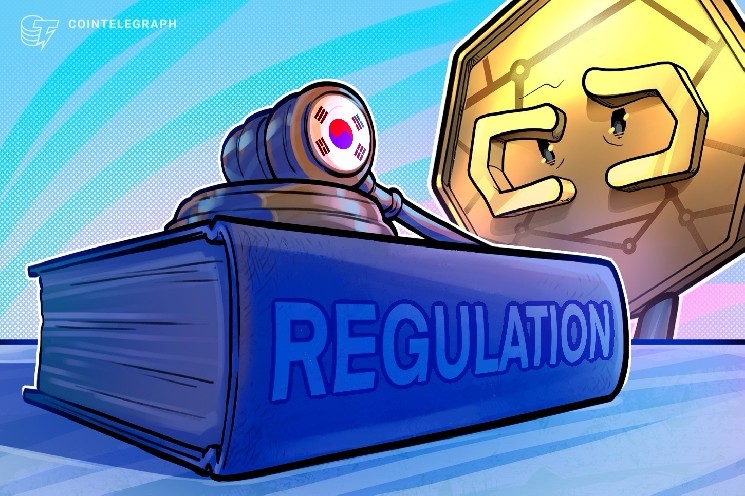
Стоит подчеркнуть, что пока KRWQ недоступен для граждан Южной Кореи. Регуляторы страны только формируют нормативную базу для стейблкоинов, и до её утверждения использование токена внутри страны невозможно. Таким образом, KRWQ изначально ориентирован на глобальный рынок и пользователей, заинтересованных в экспозиции к корейской воне за пределами самой Кореи.

Значение для рынка

Появление KRWQ иллюстрирует новый тренд в криптоиндустрии — создание локальных цифровых валют, которые расширяют спектр стейблкоинов за пределы долларовых. Если проект получит развитие, он может привлечь внимание инвесторов из Азии и открыть дорогу для аналогичных инициатив в других странах.

Пов'язані матеріали

Haiwei Huaxin's Official Seal Seized by Over a Hundred People, High-Stakes Corporate Battle's 'Nuclear Deterrence' in Action Again

On August 18th, Haowei Huaxin, a semiconductor firm specializing in gallium arsenide and gallium nitride wafers, reported that over a hundred individuals forcibly entered its offices and seized the company's official seals from a safe, including the corporate, contract, and party committee seals. The incident is the latest escalation in a protracted control dispute. Haowei Huaxin, established in 2010, was originally a joint venture. Control became contested after 2021 when Zhenwei Financial Holding injected capital, becoming the largest shareholder (34.01%), while former parent Haite High-Tech's stake was diluted to 33.79%. An agreed-upon governance structure collapsed, leading to mutual accusations. Haite claimed it was locked out of the subsidiary's premises, while also alleging improper management like livestock being kept on the chip fabrication site. After state-owned Qingdao Haiyue Holdings took over Zhenwei's stake in 2023, Haite accused it of illegally seizing control. Despite Haite winning several legal battles in 2024-2026, which affirmed its rights to nominate directors and the chairman, it failed to regain physical control or recover the seals. The stakes are high: market valuations for Haite's stake in Haowei Huaxin are estimated between 3.7 to 5 billion USD, yet it is only valued at about 83 million USD on Haite's books. Losing control effectively jeopardizes a significant portion of Haite's value. In response to the seal seizure, Haite framed it as a "shareholder rights protection" action agreed upon by five shareholders. This mirrors a pattern in Chinese corporate disputes where seizing physical seals becomes a tactic to paralyze the opponent's daily operations, seen in past conflicts at companies like Dangdang and Bitmain. However, such actions don't resolve underlying ownership issues; the opposing party can report the seals stolen, declare them void, and apply for new ones, albeit with significant delay. The incident underscores how fragile corporate governance can devolve into physical confrontations over symbols of authority, with control ultimately determined by law and shareholding, not possession of a seal.

marsbit25 хв тому

Haiwei Huaxin's Official Seal Seized by Over a Hundred People, High-Stakes Corporate Battle's 'Nuclear Deterrence' in Action Again

marsbit25 хв тому

Bernstein Interprets MRNA's 177% Surge: What's Fundamentals and What's Hype?

Bernstein's analysis of Moderna's 177% stock surge following positive Phase 3 results for its individualized neoantigen therapy (INT) in melanoma distinguishes fundamental drivers from market speculation. The clinical breakthrough is real: the INTerpath-001 trial met its primary and key secondary endpoints, providing crucial validation for mRNA technology in oncology beyond infectious diseases. However, Bernstein argues the magnitude of the stock move cannot be justified by this single trial's fundamentals alone. The surge was amplified by three key factors: 1) A re-rating of Moderna's mRNA platform potential for expansion into other cancers, 2) A massive short squeeze, given ~15% of shares were sold short pre-announcement, and 3) The compelling "cancer vaccine" narrative that fueled broader investor enthusiasm. While the melanoma success is significant, Bernstein cautions that replication in lung, kidney, and bladder cancers—which have different immunogenicity—is not guaranteed. Furthermore, INT's commercial model faces challenges: it's a personalized treatment, not a mass-market vaccine, implying higher production costs and potential margin pressures despite a projected multi-billion dollar peak sales opportunity. The report also notes sector rotation, with some funds moving from crowded AI/semiconductor trades into defensive healthcare stocks, adding further momentum. In conclusion, Bernstein maintains a "Market-Perform" rating and a $45 price target, far below the post-surge price. It views the current valuation as pricing in an optimistic multi-cancer platform success and efficient commercialization that are yet to be proven. The clinical inflection point is clear, but the earnings inflection point awaits validation across future trials and commercial execution.

marsbit25 хв тому

Bernstein Interprets MRNA's 177% Surge: What's Fundamentals and What's Hype?

marsbit25 хв тому

Торгівля

Спот
活动图片