Исследователи Standard Chartered: курс биткоина может больше никогда не опуститься до $100 000

cryptonews.ruОпубліковано о 2025-11-26Востаннє оновлено о 2025-11-26

Аналитик Standard Chartered и руководитель направления цифровых активов Джеффри Кендрик заявил, что улучшение торговых отношений между США и Китаем поддержало рыночные настроения. Он отметил, что после распродажи 10 октября, вызванной тарифными рисками, соотношение биткоина (BTC) к золоту восстановилось. По мнению эксперта, это отражает рост доверия к цифровым активам.

В записке клиентам Кендрик указал: если позитивная макроэкономическая и геополитическая динамика сохранится на этой неделе, курс биткоина может больше никогда не опуститься до отметки $100 000. Среди ключевых факторов он выделил ожидаемое снижение ставки ФРС, сильную корпоративную отчетность технологических компаний и новые притоки в спотовые ETF.

По мнению аналитика, достижение нового исторического ценового максимума подтвердит завершение классической 4-летней модели. Он подчеркнул, что теперь главным фактором роста цены становятся ETF-инвестиции, а не циклы халвинга и вознаграждения за блоки.

Тем временем обанкротившаяся биржа Mt. Gox вновь отложила выплаты кредиторам — теперь до 31 октября 2026 года. Это уже 3-я отсрочка кряду после первоначальной цели закрыть дело в 2023 году. По данным управляющего, большая часть базовых и промежуточных выплат уже завершена, однако некоторые держатели по-прежнему не получили средства из-за юридических проволочек.

Около 19,5 тыс. клиентам платформы уже отправлены компенсации, включая распределения BTC и BCH через Kraken и Bitstamp. По данным Arkham, на балансах Mt. Gox остается 34,68 тыс. BTC на сумму более $4 млрд.

Кстати, компания American Bitcoin Corp., основанная Эриком и Дональдом Трампом-младшим, приобрела 1414 монет BTC на сумму более $160 млн, доведя общий объем резервов до 3865 BTC. Организация планирует публиковать новый показатель прозрачности — Satoshis per Share, отражающий количество биткоинов на акцию.


Пов'язані матеріали

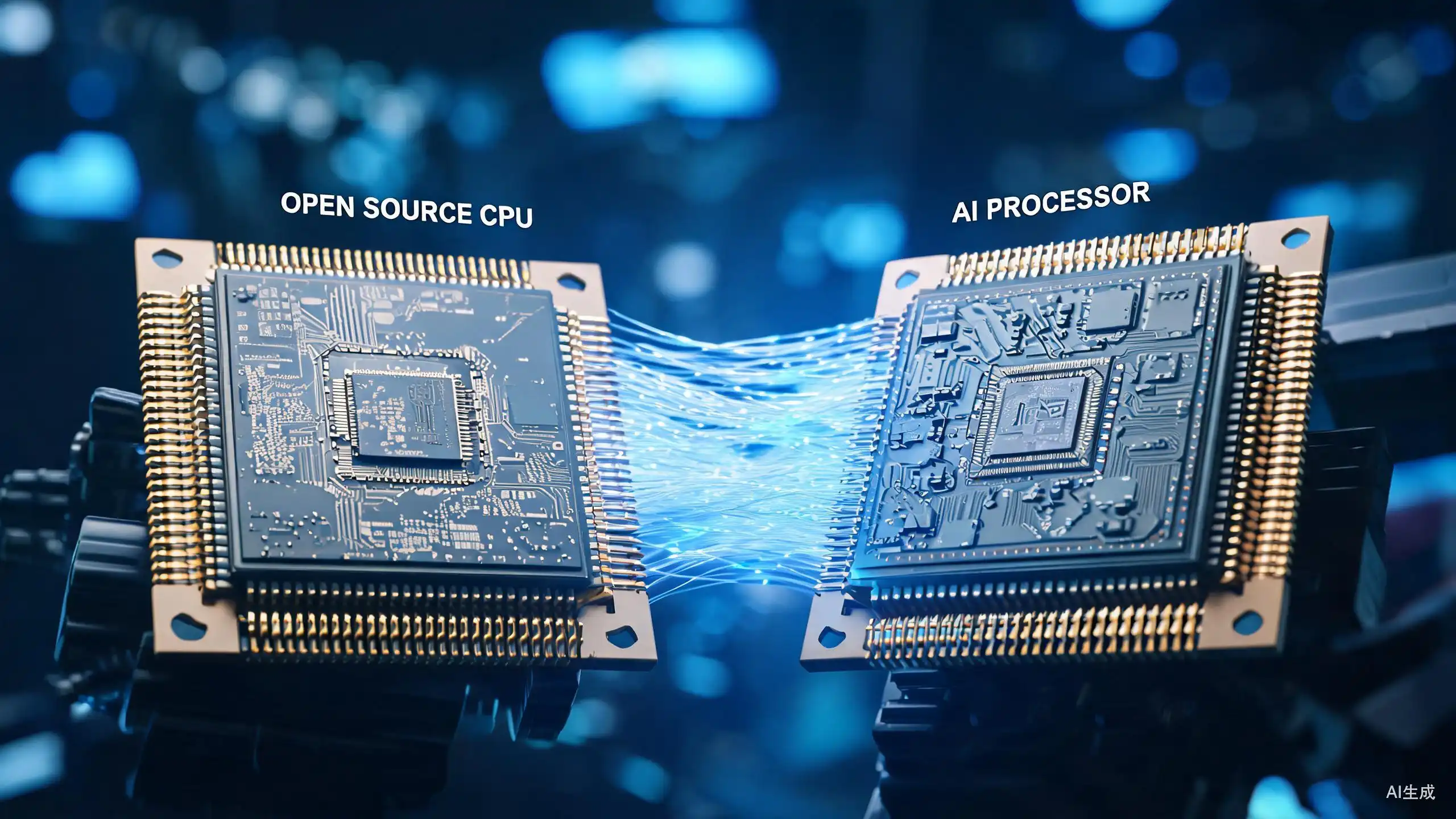
NVIDIA CPU Advances, China's RISC-V Responds: Semiconductor Deep Dive - Part Four

NVIDIA is set to launch its new Vera AI data center CPU in China as early as August, with high pricing. While this move offers a new option, it highlights China's continued dependence on foreign-controlled Arm architecture. In response, the Chinese semiconductor industry is increasingly turning to RISC-V as a strategic alternative for achieving high-performance computing autonomy. The article explores the concept of the "impossible triangle" in CPU development—balancing prosperity, control, and autonomy—and posits that RISC-V's open-source, modular nature offers a unique path to achieving all three. While RISC-V is already dominant in embedded systems, the focus is now shifting to data centers and AI workloads. China has become a global hotspot for RISC-V development, driven by AI-driven compute demand, supply chain concerns from export controls, cost benefits of open-source, and strong policy support. Multiple Chinese companies have reportedly crossed the key performance threshold of 15 SPECint per GHz, a benchmark for entering the high-performance CPU club. Progress extends beyond single-core benchmarks. Companies are developing complete computing subsystems, including commercial-grade coherent network-on-chip (NoC) technology and server processors with up to 40 cores that strictly adhere to the RVA23 standard to ensure software compatibility. Real-world applications are emerging in areas like video transcoding and edge AI. However, significant challenges remain. The RISC-V ecosystem faces fragmentation, immature toolchains and verification processes, and gaps in single-core performance and energy efficiency compared to mature x86 and Arm architectures. The formidable software moat, epitomized by NVIDIA's CUDA, is a long-term hurdle. In conclusion, while RISC-V cannot immediately replace offerings like NVIDIA's Vera, it represents a viable long-term path for China to develop a self-sufficient, high-performance CPU ecosystem. The journey is acknowledged to be long and arduous, requiring sustained effort to overcome technical and ecosystem challenges.

marsbit6 год тому

NVIDIA CPU Advances, China's RISC-V Responds: Semiconductor Deep Dive - Part Four

marsbit6 год тому

Торгівля

Спот
Ф'ючерси
活动图片