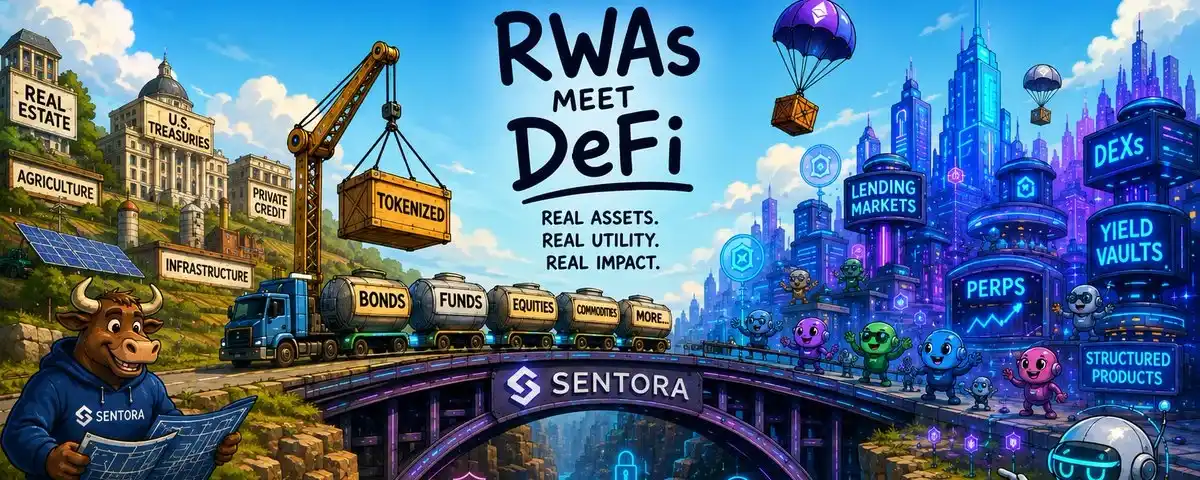
Смягчение политики ФРС и накопление $7,5 трлн наличными подпитывают ожидания прорыва альткоинов в октябре

cryptonews.ruОпубліковано о 2025-05-23Востаннє оновлено о 2025-10-24

  • Ключевые факторы прорыва рынка альткоинов сходятся: завершение количественного лимита ФРС, рекордный отток наличных, институциональное принятие
  • JP Morgan прогнозирует, что ФРС вскоре может объявить о завершении количественного ужесточения (QT), что приведет к росту ликвидности
  • Рыночная капитализация альткоинов (исключая BTC/стейблкоины) уверенно держится на уровне выше 1 триллиона долларов, что свидетельствует о фундаментальной силе

Мировой рынок альткоинов, похоже, приближается к решающему этапу прорыва, поскольку ряд макроэкономических и политических факторов способствуют возобновлению аппетита к риску. Аналитик Дэн Гамбарделло предполагает, что потенциальное завершение цикла количественного ужесточения (QT) Федеральной резервной системы, рекордные уровни ликвидности и рост институционального принятия могут стать идеальным сочетанием для нового ралли.

Сочетание этих факторов породило оптимизм в сфере цифровых активов, особенно среди инвесторов, которые пережили продолжительное сжатие рынка с начала 2022 года.

CRYPTO’S $7.4 Trillion ALTCOIN FUSE About to Go Off!

Intro 00:00
QT end next week 1:20
Liquidity 2:15
Trillions ready 2:50
Market structure progress 6:15
Altcoin cycle breakout loading 7:00 pic.twitter.com/P1stUYBLWw

— Dan Gambardello (@cryptorecruitr) October 23, 2025

Разворот ФРС наращивает Steam: окончание QT и снижение ставок сигнализируют о росте альткоинов

Внимание рынка приковано к Федеральной резервной системе: JP Morgan прогнозирует, что на предстоящем заседании ФРС США может быть объявлено о завершении количественного ужесточения (QT). Важно отметить, что ожидаемое завершение QT в сочетании с растущими ожиданиями снижения процентных ставок, по всей видимости, формирует базовый импульс альткоинов прямо сейчас, в октябре, даже несмотря на консолидацию цен.

Этот потенциальный поворот в политике происходит на фоне прогнозируемого ускорения роста глобальной ликвидности к 2026 году, что может изменить традиционные криптовалютные циклы. Исторически подобное расширение ликвидности, вызванное как остановкой QT, так и снижением ставок, неизменно стимулировало значительный приток средств в рисковые активы, включая альткоины.

По теме: Почему BTC, ETH, XRP и ADA упали в октябре и смогут ли они восстановиться до Хэллоуина?

Рекордный запас наличности в размере 7,5 трлн долларов сигнализирует о потенциале крупной ротации

Помимо денежно-кредитной политики, 7,5 триллиона долларов сейчас находятся в фондах денежного рынка США, что является историческим максимумом. По мере снижения процентных ставок инвесторы могут перенаправить эти свободные средства в более доходные активы, такие как криптовалюты, акции и недвижимость.

Подобная ротация капитала ранее уже вызывала крупные ралли. В 2009 году аналогичные движения ликвидности привели к росту мировых рынков более чем на 300%. Поэтому аналитики утверждают, что аналогичный сценарий может возникнуть после начала снижения ставок.

Институциональные рельсы и политический импульс

Более того, регуляторный импульс продолжает набирать обороты. Генеральный директор Coinbase Брайан Армстронг недавно заявил, что двухпартийный прогресс в работе над законопроектом о комплексной структуре рынка криптовалют может ускориться до конца года. В случае его окончательного утверждения законопроект может установить более чёткие стандарты соответствия для бирж и инвестиционных продуктов, что усилит институциональное участие в цифровых активах.

Одобрение ETF на Ethereum и предстоящие предложения ETF на альткоины также расширяют доступ к регулируемым инвестиционным каналам. Эта развивающаяся структура готовит рынок к потенциальной фазе «нормализации после QT», когда ликвидность останется стабильной, но без ограничивающего влияния QT.

Капитализация рынка альткоинов держится на уровне $1 трлн, демонстрируя устойчивость перед прорывом

Примечательно, что, несмотря на длительную консолидацию, капитализация рынка альткоинов без учёта биткоина и стейблкоинов превысила 1 триллион долларов. Аналитики рассматривают эту устойчивость как свидетельство фундаментальной силы криптовалюты даже в условиях ужесточения экономической ситуации.

По мере того, как ФРС приближается к смягчению политики и институциональные рельсы становятся более зрелыми, альткоины могут войти в новую фазу роста, отмеченную более высокими минимумами и возможным прорывным импульсом.

По теме: Вот почему инвесторы ожидают скорого начала сезона альткоинов
Пов'язані матеріали

Grayscale: Zcash, Financial Privacy in the Age of AI

Grayscale Research suggests a third wave of public focus on financial privacy is approaching, driven by stablecoin/blockchain adoption and new AI-powered surveillance tools. In this context, Zcash emerges as a decentralized digital currency, similar to Bitcoin but with built-in, robust privacy mechanisms via its "shielded" transactions that conceal sender, receiver, and amount using zero-knowledge proofs. While privacy is often seen as a niche feature, it is argued to be a core requirement for functional money, needed by individuals and businesses alike. Zcash's optional privacy is distinct from mixers or default-private chains like Monero. After years of development (Sapling, Orchard/NU5, Ironwood upgrades) to improve usability, key metrics show growing adoption: shielded transactions comprise ~90% of network activity, and ~25% of circulating ZEC is in shielded pools—a historical high. Despite this, ZEC's market valuation remains low (~0.6% of the "digital currency" sector), implying the market prices privacy as a marginal concern. The investment thesis hinges on a potential re-rating if the value of financial privacy is recognized more broadly. Risks include regulatory challenges around shielded transactions, legacy trusted setup pools, quantum computing threats, and execution risks for upcoming upgrades like Tachyon for scaling. In summary, Zcash represents a significant, technologically mature option in the privacy currency space, with current valuation offering potential upside if privacy demand grows.

marsbit36 хв тому

Grayscale: Zcash, Financial Privacy in the Age of AI

marsbit36 хв тому

The Bear Market Has Ended, A New Bull Cycle Has Begun

**Title: Bear Market Over, New Bull Cycle Begins** Bitcoin surged over 20% in just three days, from a low of $64,100 on August 19th to a high of $79,500 by August 21st, marking a dramatic shift in market sentiment. This rapid rise triggered massive liquidations exceeding $4 billion, with short positions accounting for $3.7 billion—the largest short squeeze since 2021. The rally was fueled by several key factors. Macroeconomic conditions improved as the US Treasury doubled its long-term bond buyback size, easing pressure. Significant regulatory developments included a White House meeting where former President Trump urged Senate action on the CLARITY Act and hinted at potential US Bitcoin reserves, followed by the CFTC Chairman stating the agency would establish crypto market rules if the bill stalls. On-chain data revealed a fierce battle: large whales faced substantial liquidations on short positions, while others took profits or doubled down on longs. Major altcoins like ETH and XRP also saw impressive gains. Analysts are divided but increasingly bullish. Many, including CryptoQuant's founder, declare the bear market over and a new bull cycle begun. Price targets range from $100k by year-end to ambitious long-term projections of $200k. However, some caution against immediate chasing, noting overbought conditions and viewing the move as a potential "trap" ahead of the crucial September 15th Senate vote on the CLARITY Act. The market's next test is sustaining the momentum with real buying pressure, holding above key resistance near $78k-$80k, and watching ETF inflows and the upcoming regulatory vote.

marsbit40 хв тому

The Bear Market Has Ended, A New Bull Cycle Has Begun

marsbit40 хв тому

Xiaomi Defended Its Smartphone Gross Margin, Yet to Find a Profit Successor

Xiaomi's Q2 2026 financial report reveals a company navigating a complex transition. While smartphone gross margin held steady at 8.5% through strategic product mix and a record-high average selling price (ASP), this came at the cost of a 26.5% year-over-year decline in global shipments, pressuring its core user acquisition engine. This illustrates Xiaomi's central challenge: managing the "timing gap" between its established and emerging growth engines. Its smartphone business is pivoting from scale to premiumization, but it's unclear if high-end models can fully offset the volume loss from more price-sensitive segments, especially in markets like India and Africa. Meanwhile, the electric vehicle segment has become a significant revenue contributor, delivering 104,200 units and generating ¥23.9 billion. However, its profit contribution remains unclear as it, along with AI investments, is still in a scaling and investment phase. The AI and humanoid robot initiatives, though strategically prioritized and tested in Xiaomi's own factories, are in early-stage validation with no near-term commercialization timeline. Financially, the company remains stable, supported by a robust cash position and its high-margin internet services business, which hit a new high in monthly active users. Management emphasized continued heavy investment in AI, chips, and robotics to fuel the next growth cycle. The key question is whether these new engines—cars, AI, robotics—can achieve commercial scale and profitability before the smartphone engine's growth slows further.

marsbit40 хв тому

Xiaomi Defended Its Smartphone Gross Margin, Yet to Find a Profit Successor

marsbit40 хв тому

Is RWA Still Meaningful Without DeFi?

The article "Would RWA Still Matter Without DeFi?" argues that tokenizing real-world assets (RWA) alone, like putting a barcode on a container, is not transformative. True value emerges when these tokenized assets are integrated into decentralized finance (DeFi) ecosystems, enabling valuation, financing, hedging, trading, and loss management in a programmable, automated manner. Tokenization provides digital representation, but DeFi provides utility through leverage, liquidity, and composability. The core challenge lies in aligning the different "time clocks" of blockchain (fast, 24/7), traditional markets (limited hours), and asset redemption (slow processes), which creates liquidation risks and gaps. Effective RWA integration requires more than a token; it needs a full stack: legally enforceable rights, reliable data oracles, clear transfer rules, executable secondary liquidity, appropriate collateral parameters, and credible loss resolution paths. Liquidity is defined not by total value locked (TVL) but by the ability to exit a position under stress within a required timeframe. Risk management for RWAs must be modeled as a dependency graph, monitoring interconnected nodes like issuers, custodians, oracles, and liquidity pools for early warning signs beyond just price data. While tokenized government bonds serve as an initial "ping test," the future lies in more complex assets like computing power and energy, which require bespoke risk models. Tokenized stocks paired with perpetual futures present a major test, combining global equity ownership with crypto-native leverage, necessitating robust architectural safeguards like isolation and dynamic collateral rules. The conclusion is that without DeFi, RWA tokenization offers limited value—improving distribution and transparency. The significant opportunity arises when tokenized assets become functional components within open, programmable capital markets, where they can be used as collateral and facilitate complex financial strategies. The token is merely the barcode; the market operating system is the real machine.

marsbit1 год тому

Is RWA Still Meaningful Without DeFi?

marsbit1 год тому

Торгівля

Спот
活动图片