Три популярных альткоина на этих выходных

cryptonews.ruОпубліковано о 2025-10-23Востаннє оновлено о 2025-10-23

Выходные обычно приносят более спокойную торговлю, но это также может означать резкие движения для тех, кто внимательно следит за рынком. Хотя рынок остается нестабильным, особенно после того, как BTC упал почти на 4% от своего исторического максимума, несколько альткоинов подают сигналы, которые стоит изучить

От прорывных формаций до активности крупных игроков и свежих накоплений — эти три монеты демонстрируют краткосрочные возможности, которые могут продлиться в течение следующих 48 часов.

Zora (ZORA)

ZORA — это токен для создателей в сети Base, который привлек значительное внимание на этой неделе. Токен вырос более чем на 73% за последние 24 часа благодаря притокам на DEX примерно на $420 тыс., по данным Gecko Terminal.

Объем DEX для ZORA
Объем DEX для ZORA: Gecko Terminal

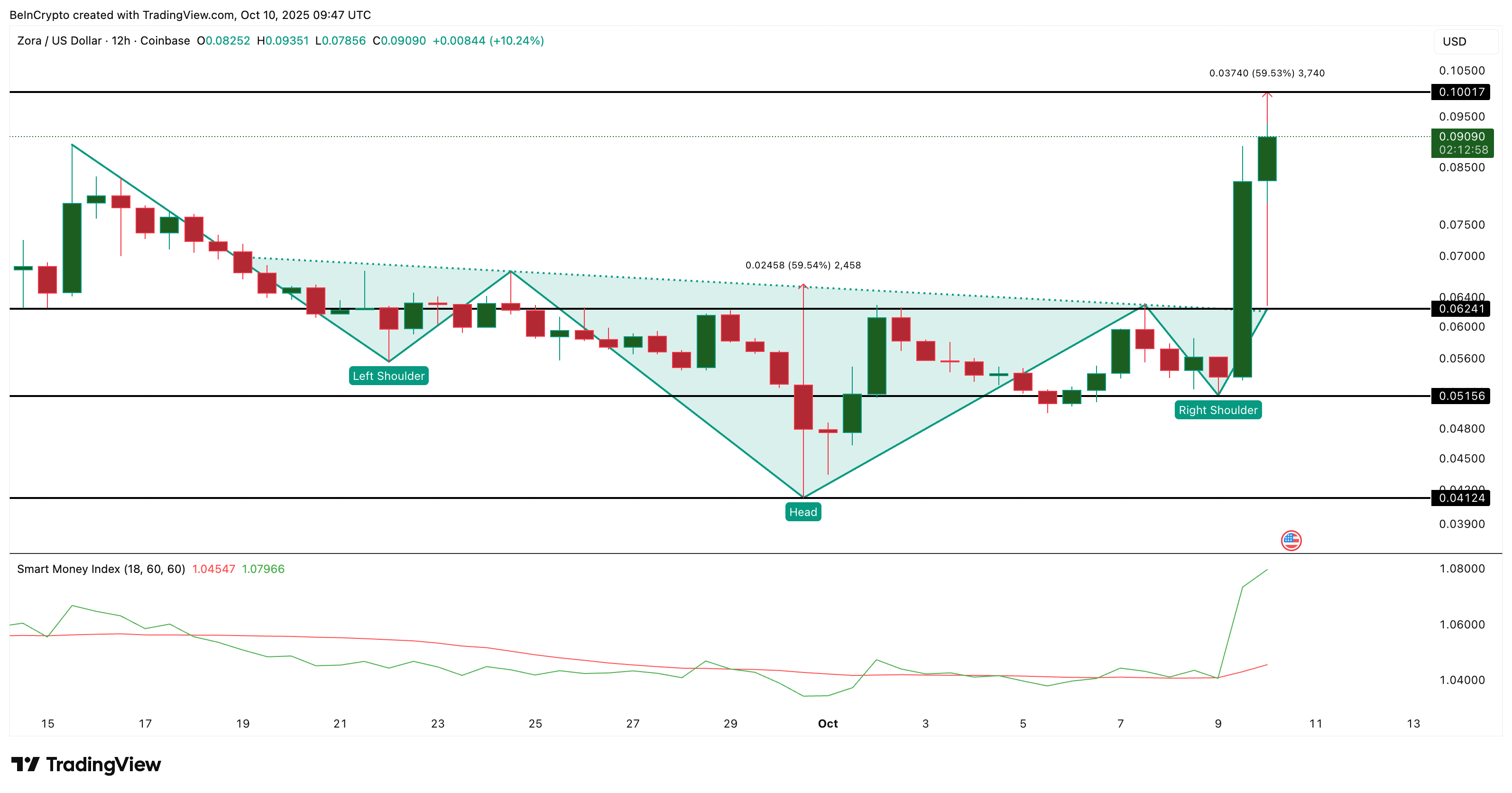
На 12-часовом графике Zora вышла из перевернутой модели «голова и плечи», преодолев линию шеи около $0,06. Это движение подтвердило прорыв, и теперь токен торгуется около $0,09. Согласно проекции модели, Zora все еще может вырасти до $0,10 — это примерно 53% от линии шеи.
Анализ цены ZORA
Анализ цены ZORA: TradingView

Индекс Smart Money (SMI), отслеживающий покупки опытных трейдеров, продолжает расти с вчерашнего дня. Устойчивый рост SMI указывает на потенциал ралли, делая ZORA одним из альткоинов, за которыми стоит следить в эти выходные, пока она остается выше $0,06. Если же цена упадет ниже $0,05, бычья структура будет нарушена.

Pudgy Penguins (PENGU)

PENGU, токен сети Pudgy Penguins на Solana, также заслуживает внимания в эти выходные. Хотя он торгуется около $0,031, крупные кошельки и краткосрочные трейдеры проявляют стабильный интерес.

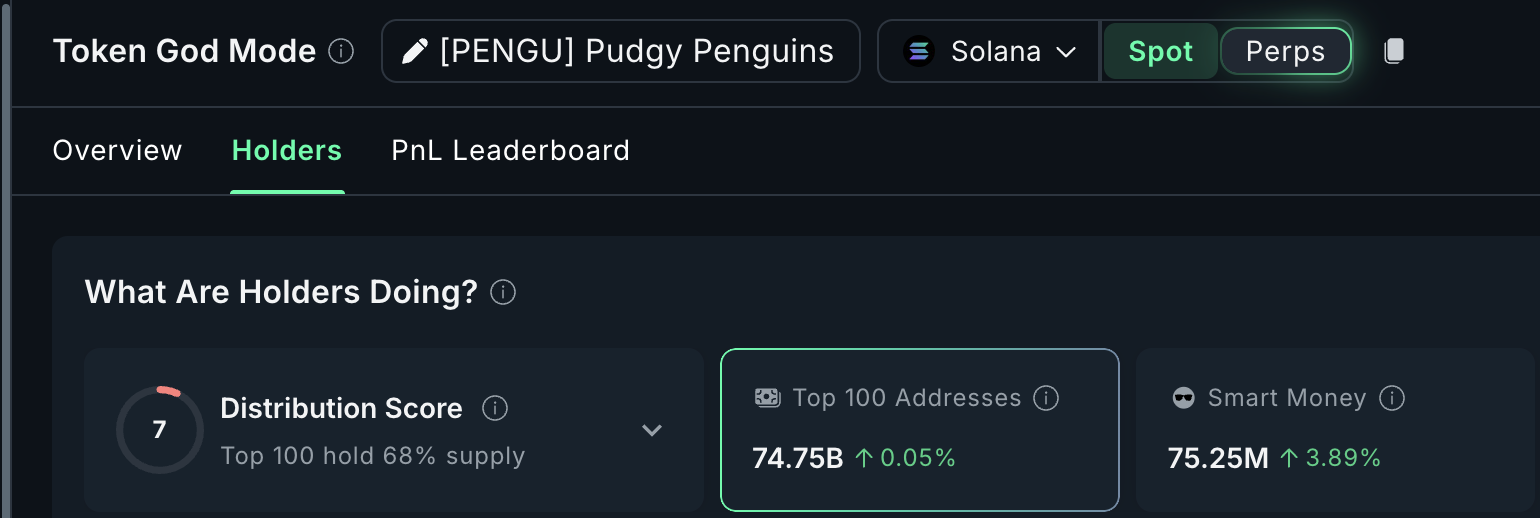
За последнюю неделю объемы Smart Money выросли на 2,8 млн токенов (3,89%), что говорит о тихом накоплении, несмотря на нестабильный рынок. Это подтверждается Индексом Smart Money (SMI) на 12-часовом графике, который показывает более высокие максимумы — признак подготовки к восстановлению.
Держатели PENGU
Держатели PENGU: Nansen

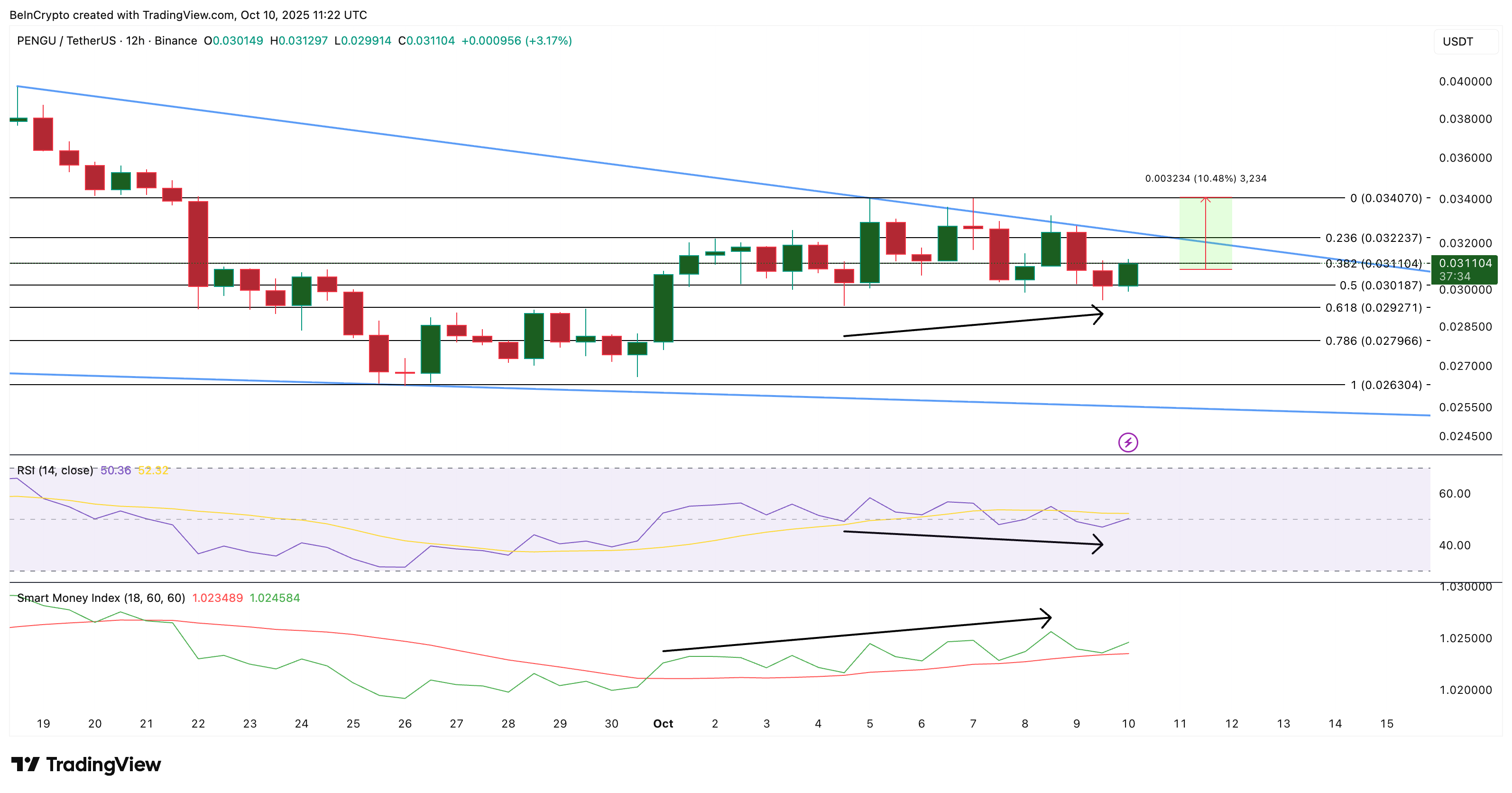
С технической стороны, PENGU торгуется в нисходящем клине, что часто указывает на возможный разворот тренда. С 4 по 9 октября токен формировал повышающиеся минимумы, в то время как Индекс относительной силы (RSI) зафиксировал понижающийся минимум, создавая скрытую бычью дивергенцию, что поддерживает сценарий восстановления.
Анализ цены PENGU
Анализ цены PENGU: TradingView

Пробой выше $0,032 подтвердит этот клин и приведет к росту до $0,034, что на 10% выше текущего уровня. Закрытие выше этого уровня способно усилить рост в выходные. Однако, если цена PENGU упадет ниже $0,027, сценарий восстановления может не сработать, и продавцы снова возьмут верх. Для перехода к медвежьей структуре в краткосрочной перспективе цена должна упасть ниже $0,026, что может создать возможности для краткосрочных трейдеров.

Сейчас, благодаря увеличению притока Smart Money и сохранению бычьей формации, PENGU остается одним из самых интересных альткоинов для наблюдения в эти выходные.

Aster (ASTER)

Aster (ASTER), новая DEX на сети BNB, быстро утратила свой недавний рост. После подъема выше $2 токен упал почти на 17% за неделю и сейчас стоит около $1,59.

Хотя тренд цен выглядит слабым, ончейн-данные показывают более сложную картину. Объемы умных денег выросли на 3,65% за последние 24 часа, а мега-киты (топ-100 адресов) увеличили свои запасы на 0,06%. Это составляет примерно 172,9 млн новых токенов ASTER, что эквивалентно почти $275 млн по текущим ценам — значительное изменение после недели стабильных продаж.

Владельцы ASTER
Владельцы ASTER: Nansen

Это внезапное накопление следует за длительным снижением и указывает на возобновление интереса со стороны крупных и умных держателей.

На графиках паттерн падающего клина ASTER — часто сигнал к бычьему развороту — формируется на часовом таймфрейме. Поскольку у ASTER ограниченная история торгов, часовой график дает самый четкий сигнал для краткосрочного поведения цены. В таких случаях часовой обзор помогает выявить быстрые развороты импульса, которые могут продолжаться 24–48 часов, что делает его полезным для отслеживания на выходных.
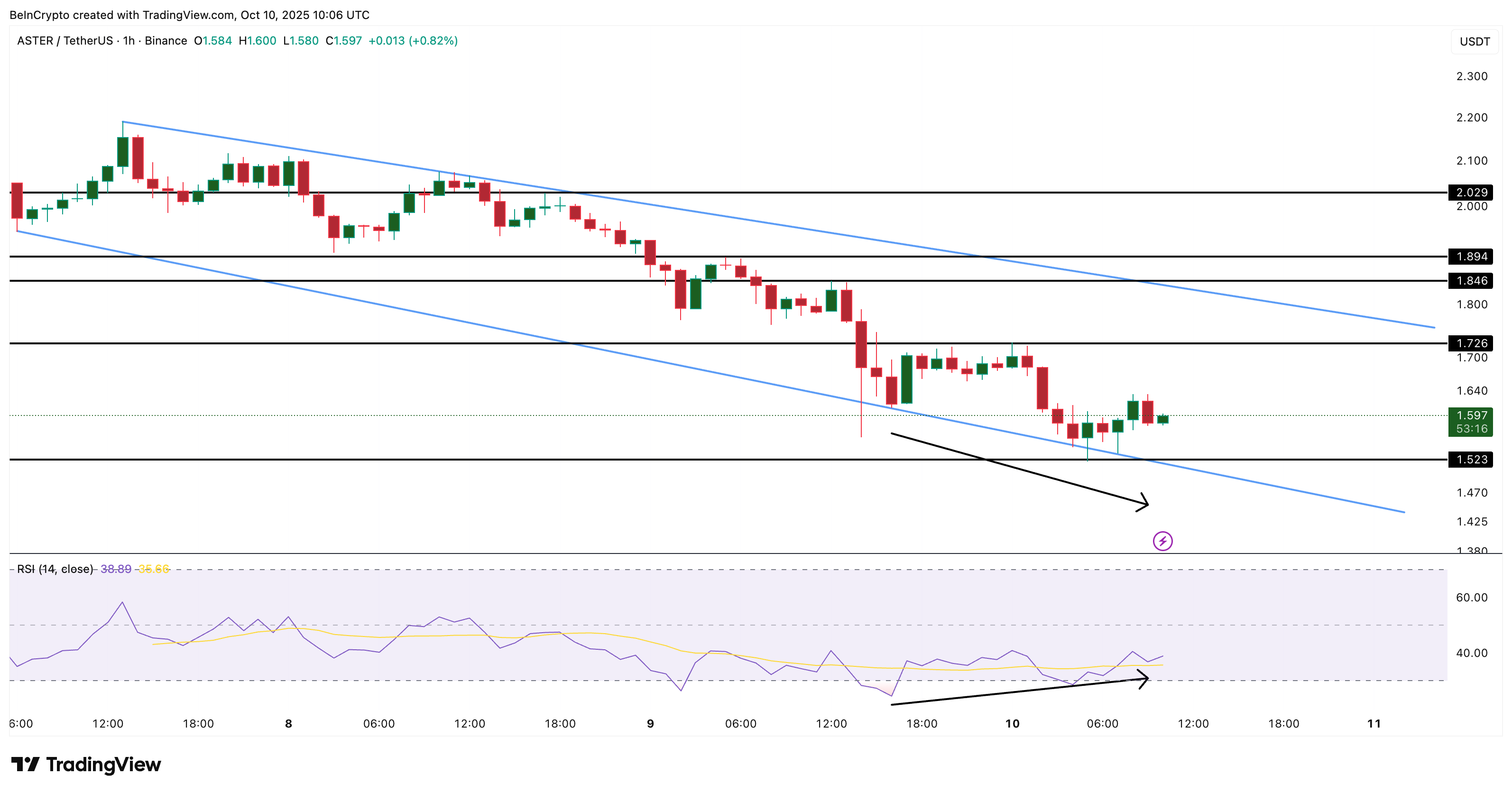
Анализ цены ASTER
Анализ цены ASTER: TradingView

Если цена ASTER удержится выше $1,52 и пробьет $1,72, то получит шанс протестировать верхнюю границу клина около $1,84. Успешный прорыв приведет к краткосрочным целям в районе $1,89–$2,02, что указывает на возможный отскок на выходных.

Однако закрытие ниже $1,52 отменит этот сценарий восстановления и вернет контроль продавцам.

Пов'язані матеріали

The Networking Game in Silicon Valley's Elite Circles: Those with Connections Get $50 Million, While the Truly Talented Can't Raise Money?

"Silicon Valley's Meritocracy to Relationship Game: How Networks Now Trump Talent." The article argues that Silicon Valley has shifted from a meritocracy to a "kingmaker" system where connections and background outweigh true ability. Key factors driving this change include: 1. **AI-Distorted Expectations:** Unprecedented growth curves (e.g., Anthropic) have led VCs to seek only "sure things" or pattern-match against past successes. 2. **Capital Concentration:** LP funds are concentrated in a few large, multi-stage funds, pushing VCs to overpay for hot deals to secure capital. 3. **VC Professionalization:** The industry has become a standardized career path, attracting conformist "NPCs" rather than independent thinkers. The long IPO timeline incentivizes safe, consensus bets for career advancement over risky, fund-returning outliers. This consensus capital fuels consensus founders. Startups are now a standard career option, with accelerators pressuring uniform ideas (e.g., 81% AI). Founders from elite schools (Stanford, OpenAI) easily raise millions based on pedigree, not proof. Large funds preemptively back "centrally cast" teams with $10-50M war chests to dominate categories, sidelining outsiders. The "kingmaker" strategy has downstream effects: it encourages aggressive, sometimes fraudulent, revenue reporting and allows founders to sell significant secondary shares early, attracting grifters. The author predicts a mean reversion. History shows the hottest trends rarely produce the most valuable companies. They advocate backing underestimated outsiders with "a chip on their shoulder" over anointed insiders, believing true meritocracy will ultimately win. "Those chasing the herd are set up for slaughter."

marsbit5 хв тому

The Networking Game in Silicon Valley's Elite Circles: Those with Connections Get $50 Million, While the Truly Talented Can't Raise Money?

marsbit5 хв тому

From 2 Million Monthly Active Users to Zero: Zapper's Demise in the "Maturation" of DeFi

From 2M MAU to Zero: The Demise of Zapper in a Maturing DeFi Landscape On July 8, 2026, Zapper co-founder Seb Audet announced the platform's full shutdown. Once a DeFi star with 2 million monthly active users, $13B in processed transactions, and $16.5M in funding, Zapper's journey ends. Born in 2020 from the merger of DeFiZap and DeFiSnap, Zapper rode the "DeFi Summer" wave. It became essential for users to track complex, multi-protocol yield farming positions across chains. At its peak, it supported 14 chains, 450+ protocols, and 7000+ tokens, with its signature "Zap" feature simplifying multi-step DeFi actions. However, sustainable revenue never materialized. Its primary model—taking small fees from DEX aggregation—faced fierce competition and squeezed margins. Meanwhile, maintaining its extensive, real-time data indexing system was costly. Crucially, the DeFi ecosystem matured, with activity and liquidity concentrating in fewer top protocols. The core demand for a complex, multi-protocol dashboard waned as user behavior simplified. Zapper attempted multiple pivots that failed to gain traction: an NFT-based points system (2021), a social app called Chainchat (2023), and plans for a ZAP token and open protocol (2024). These efforts reflected a persistent "blockchain-native" mindset focused on creating new C端 (consumer) needs rather than addressing existing pain points or bolstering its revenue-generating products. The article contrasts Zapper with DeBank, which successfully narrowed its asset-tracking focus while developing Rabby Wallet—a revenue-stabilizing, competitive product. Zapper's story serves as a cautionary tale for tooling projects: over-immersion in a purist vision, coupled with an inability to adapt business models to market shifts—like the consolidation of DeFi activity—can be fatal, even for once-dominant platforms.

marsbit29 хв тому

From 2 Million Monthly Active Users to Zero: Zapper's Demise in the "Maturation" of DeFi

marsbit29 хв тому

Goldman Sachs Bans It, Google Bans It Too: The Gray Zone of Prediction Markets Is Shrinking Fast

Goldman Sachs has updated its personal trading policy, prohibiting employees from trading event contracts on prediction markets involving specific companies (including whether Goldman itself might restructure or initiate acquisitions in a quarter), election outcomes, financial market performance (including Bitcoin prices), macroeconomic data, geopolitical events, and regulatory results for pending M&A deals. Sports and entertainment bets remain allowed. Violations can lead to dismissal or account closure, and the firm may reclaim profits over $200 or donate them to charity. This follows a CFTC case against a Google engineer who allegedly used non-public data to profit $1.2 million on Polymarket. Simultaneously, Google's Chrome Web Store updated its policy, banning extensions that facilitate real-money trading on prediction market outcomes, effective August 1, 2026. While not affecting platforms' websites or mobile apps directly, this restricts a key user access channel. These actions occur amid growing regulatory pressure on prediction markets. The CFTC is investigating Polymarket for alleged misconduct, and a consumer group has filed a lawsuit. Over 30 countries, including Argentina, have blocked access. Despite this, trading volume has hit record highs, and major investments continue, such as ICE's $2 billion stake in Polymarket. The core debate remains whether prediction markets are financial instruments or gambling. CFTC argues for federal oversight as derivatives, while some states seek to regulate them under gambling laws. Multiple fronts—federal probes, political pressure, internal corporate bans, and platform restrictions—are narrowing the operational space for these markets.

Foresight News35 хв тому

Goldman Sachs Bans It, Google Bans It Too: The Gray Zone of Prediction Markets Is Shrinking Fast

Foresight News35 хв тому

Торгівля

Спот
活动图片