Трамп нацелился на бразильскую PIX на фоне углубления разногласий в сфере цифровых платежей между США и Бразилией

cryptonews.ruОпубліковано о 2025-04-05Востаннє оновлено о 2025-10-06

  • Pix, поддерживаемая государством бразильская система цифровых платежей, охватывает более 80% транзакций в стране.
  • Администрация Трампа утверждает, что Pix несправедливо ставит в невыгодное положение американские компании, такие как Visa.
  • Трамп значительно укрепляет связи с криптовалютой, активизируя усилия с блокчейн-проектами своей семьи.

Бразильская система мгновенных платежей PIX, некогда считавшаяся образцом финансовой доступности, теперь оказалась в центре нового торгового и технологического конфликта между Вашингтоном и Бразилией. Администрация Трампа обвинила PIX в подрыве деятельности таких американских компаний, как Visa и Mastercard, назвав систему «субсидируемой государством монополией», которая искажает глобальную конкуренцию.

PIX доминирует в цифровой экономике Бразилии

По данным NY Times, Pix произвел революцию в сфере финансов в крупнейшей стране Латинской Америки, предлагая потребителям мгновенные переводы с нулевой комиссией.

Более 180 миллионов бразильцев, более 80% взрослых, теперь используют PIX для мгновенных и бесплатных переводов, охватывающих все: от продуктов до аренды. По данным Центрального банка Бразилии, PIX обрабатывает более 400 миллиардов долларов ежемесячно, значительно опережая частных конкурентов и преобразуя денежный поток страны.

Однако его успех привлёк пристальное внимание со стороны американских регулирующих органов, которые утверждают, что государственный контроль над PIX размывает грань между регулятором и конкурентом. Управление торгового представителя США начало расследование после того, как американские компании заявили, что доминирование PIX даёт ей доступ к конфиденциальным данным, вынуждая иностранных участников нести более высокие расходы на соблюдение требований.

Президент-криптовалютник против Пикса

Pix представляет собой контролируемую государством централизованную платежную сеть, призванную включить миллионы бразильцев в официальную финансовую систему под пристальным вниманием центрального банка.

Тем временем Трамп, который все чаще позиционирует себя как поборник криптовалюты и финансовой свободы, переходит в наступление против того, что он называет «несправедливыми и непрозрачными цифровыми монополиями».

Расследование его администрацией торговых операций с Pix является частью более широкой кампании по противодействию поддерживаемой государством цифровой инфраструктуре, которая напрямую конкурирует с гигантами частного сектора США.

Торговая война под поверхностью

Офис торгового представителя США начал расследование, утверждая, что структура Pix, управляемая и регулируемая центральным банком Бразилии, стирает грань между регулятором и конкурентом.

Американские торговые группы утверждают, что доминирование Pix дает ей доступ к конфиденциальным данным, в то время как частным игрокам приходится нести большие расходы на соблюдение требований.

На слушаниях 3 сентября Visa, Mastercard, Amazon и Apple совместно пожаловались на «неравные условия игры», требуя ужесточения надзора за государственными цифровыми системами за рубежом.

Расширенная стратегия Трампа в области цифровых финансов

Для президента Дональда Трампа это часть его программы «экономического национализма», которая сочетает финтех-политику с геополитическим влиянием. Его администрация недавно ввела пошлины и санкции против Бразилии, ссылаясь на несправедливые цифровые практики и то, что она называет «политическим преследованием» бывшего президента Жаира Болсонару, одного из союзников Трампа.

В то же время Трамп позиционирует себя как «криптопрезидент». Его предвыборные платформы и семейные предприятия всё больше связывают его с финансами на основе блокчейна, делая акцент на открытых, рыночных платёжных системах, а не на государственных системах, таких как PIX.

Читайте также: CZ называет президента США Дональда Трампа криптопрезидентом

Централизация против криптоидеалов

Главное преимущество Pix — это скорость, удобство и охват, достигаемые благодаря централизации. Каждая транзакция проходит через систему, контролируемую Центральным банком Бразилии.

Это означает, что данные, влияние на денежно-кредитную политику и даже индивидуальный доступ могут контролироваться на национальном уровне. Для многих в крипто-мире это полная противоположность тому, что должны представлять собой цифровые финансы.

Криптовалюты, такие как Bitcoin и Ethereum, были созданы для устранения посредников, позволяя пользователям свободно совершать транзакции без централизованного управления. В то же время Pix опирается на единую точку контроля, что делает его потенциальным инструментом для слежки и государственного вмешательства.

По теме: Thumzup, связанный с Трампом, предоставил DogeHash кредит в размере 2,5 млн долларов для майнинга DOGE

Пов'язані матеріали

Hacker Leaks GTA6 and Launches a Token: Leaked Videos Become Ad Space for $CYBERLEEK, Must Buy Tokens to Vote for Next Clip

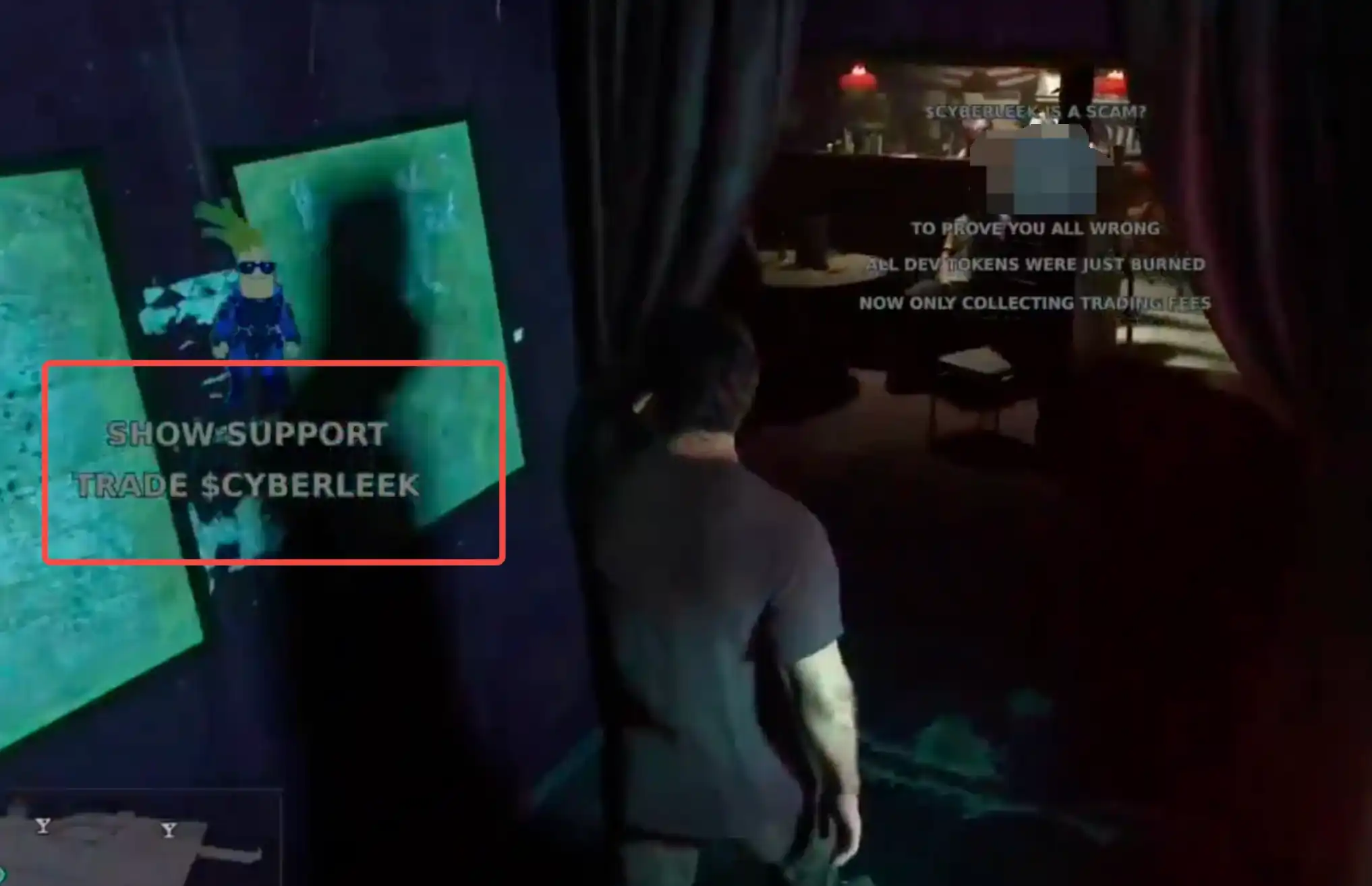
A hacker group called "CyberLeek" has leaked gameplay footage of the highly anticipated video game *GTA 6*, which is slated for release in 2026. Simultaneously, the group launched a meme token, $CYBERLEEK, on Solana. The leaks, which include maps and gameplay clips, are heavily watermarked with advertisements urging viewers to buy the token. Investigations of blockchain data reveal that the token was created and funded from a single wallet approximately eight hours before the first leak was released, suggesting a coordinated plan. The group has implemented a voting system where token holders can "vote" for the next type of content to be leaked by sending $CYBERLEEK tokens to a designated wallet—a process that permanently transfers the tokens to the hackers. This creates a self-sustaining cycle where interest in the leaks drives token purchases. Financially, the operation involved minimal upfront costs (less than $3,500 in out-of-pocket expenses) but generated significant revenue. On its first day, the token saw $15 million in trading volume, netting the creators an estimated $30,000 from transaction fees alone. While the group later burned a large portion of its developer-held tokens (worth over $1 million) to build trust, the fee-generating mechanism remains intact. The game's publisher, Take-Two Interactive, has initiated legal proceedings to identify the hackers. Despite this, the case demonstrates a new model where leaked intellectual property is used as leverage to promote and profit from a cryptocurrency, with meme token markets serving as an additional revenue stream.

marsbit2 хв тому

Hacker Leaks GTA6 and Launches a Token: Leaked Videos Become Ad Space for $CYBERLEEK, Must Buy Tokens to Vote for Next Clip

marsbit2 хв тому

Jensen Huang's Daughter: From Chef to an $8 Million Annual Salary

Madison Huang, daughter of NVIDIA founder Jensen Huang, recently made a rare public appearance in Beijing during the 2026 World Robot Conference. As the Senior Director of Product and Technology Marketing for NVIDIA's Physical AI Platform, with an annual salary of approximately $1.2 million, her visit focused on evaluating leading Chinese robotics companies like UBTech, Unitree, and others. This highlights NVIDIA's strategic interest in the burgeoning Chinese robotics ecosystem, a key battleground for the development of Physical AI—technology that enables machines to understand and interact with the physical world. Huang's career path is unconventional. Initially pursuing her passion, she studied culinary arts, worked as a chef, and later held a marketing role at LVMH. She joined NVIDIA as an intern in 2020 after completing an MBA, quickly rising through the ranks. Her brother, Spencer Huang, followed a similar path, closing a cocktail bar he co-founded to also join NVIDIA, where he now works on robotics software. Jensen Huang has publicly addressed nepotism concerns, humorously noting that some "second-generation" employees outperform their parents. The conference itself underscored China's vibrant robotics sector, marked by Unitree's recent blockbuster IPO and a pipeline of companies preparing to go public. While hardware development and manufacturing are advancing rapidly, industry leaders like Wang Xingxing of Unitree point to the next critical challenge: developing the "brain" or AI that allows robots to perform diverse, unseen tasks based on simple instructions. With massive manufacturing scale and diverse real-world testing scenarios, China is positioned as a central player in the global race to define the future of robotics.

marsbit2 год тому

Jensen Huang's Daughter: From Chef to an $8 Million Annual Salary

marsbit2 год тому

He Gave Wang Xingxing the First 2 Million, Now Serves as Chairman for the Next 'Unitree'

On August 19, 2024, Unitree Robotics, China's "first humanoid robotics stock," went public. Its founder, Wang Xingxing, started a decade ago with his self-developed XDog. In 2016, at a critical funding juncture, he received his first angel investment of 2 million RMB from Yin Fangming. This bet has since yielded a return of over 140 times. Yin Fangming is more than just a key investor. He was a co-founder of the AI robotics company ROOBO, whose own venture ultimately struggled. This firsthand experience with the hardware challenges in robotics gave him unique insight when backing Unitree, a company renowned for its hardware R&D and cost control. While his own company faltered, Yin continued investing shrewdly. He partially cashed out some Unitree shares early, reinvesting the proceeds into sectors like energy (e.g., solid-state battery firm TaiLan) and commercial aerospace (e.g., small launch vehicle developer XianDeng Aerospace). However, his most significant move after Unitree is his deep involvement with Galaxy General, a leading embodied AI unicorn. In July 2024, Yin stepped from behind the scenes to officially become its Chairman, indicating a role far beyond a typical investor. This comes as Galaxy General is viewed as preparing for future capital moves. Yin's career has consistently been ahead of the curve—from mobile internet to AI and robotics. Known for his foresight and low profile, he declined an interview for this story, offering only a statement encouraging support for visionary entrepreneurs like Wang Xingxing.

marsbit2 год тому

He Gave Wang Xingxing the First 2 Million, Now Serves as Chairman for the Next 'Unitree'

marsbit2 год тому

Coldcard Theft Reflection: Source Code Visibility Does Not Equal Security

The article examines the open-source vs. closed-source debate in crypto, prompted by a theft of over $100M in Bitcoin from Coldcard hardware wallets. It clarifies key terminology: true "Free and Open Source Software" (FOSS) grants four essential freedoms (use, study, share, modify), while "source available" code, like Coldcard's firmware, may have usage restrictions. The piece argues that visible source code alone does not guarantee security; actual safety depends on the economic incentives for thorough, ongoing review by skilled individuals. Using Bitcoin Core as a model, the article describes a successful, transparent open-source development culture built on public review and consensus. It contrasts this with the Coldcard case, where a critical bug in a lightly-reviewed, source-available library went undetected for years, highlighting a "tragedy of the commons" scenario where assumed but absent scrutiny creates vulnerability. The economics of licensing are crucial: restrictive licenses can limit the pool of motivated commercial reviewers. Finally, the article explores AI's impact. It cites the Bitcoin Red Team's use of AI to rapidly audit codebases and find vulnerabilities at scale, demonstrating a powerful new tool for security. However, AI also floods projects with low-quality code, straining maintainers. The piece concludes that in high-stakes crypto, only well-audited projects—whether open or closed-source—can withstand evolving threats, with AI both challenging and aiding security practices.

marsbit3 год тому

Coldcard Theft Reflection: Source Code Visibility Does Not Equal Security

marsbit3 год тому

Торгівля

Спот
活动图片