监管利剑高悬,加密财库叙事面临泡沫出清

比推Опубліковано о 2025-09-26Востаннє оновлено о 2025-09-26

作者:KKK

原标题:美SEC开始对加密财库公司下手,DAT叙事还继续吗?


9 月 24 日,美国证券交易委员会(SEC)与金融业监管局(Finra)联合宣布,将对 200 余家曾宣布加密财库计划的上市公司展开调查,理由是这些公司在发布相关消息前夕普遍出现了「异常股价波动」。

自 MicroStrategy 率先将比特币纳入资产负债表以来,「加密财库」(Crypto Treasury)成为美股市场一项轰动性的「金融炼金术」——Bitmine、SharpLink 等新贵股价曾因类似操作暴涨数十倍。根据 Architect Partners 发布的数据,2025 年以来已有 212 家新公司 宣布将筹集约 1020 亿美元 用于购买 BTC、ETH 等主流加密资产。

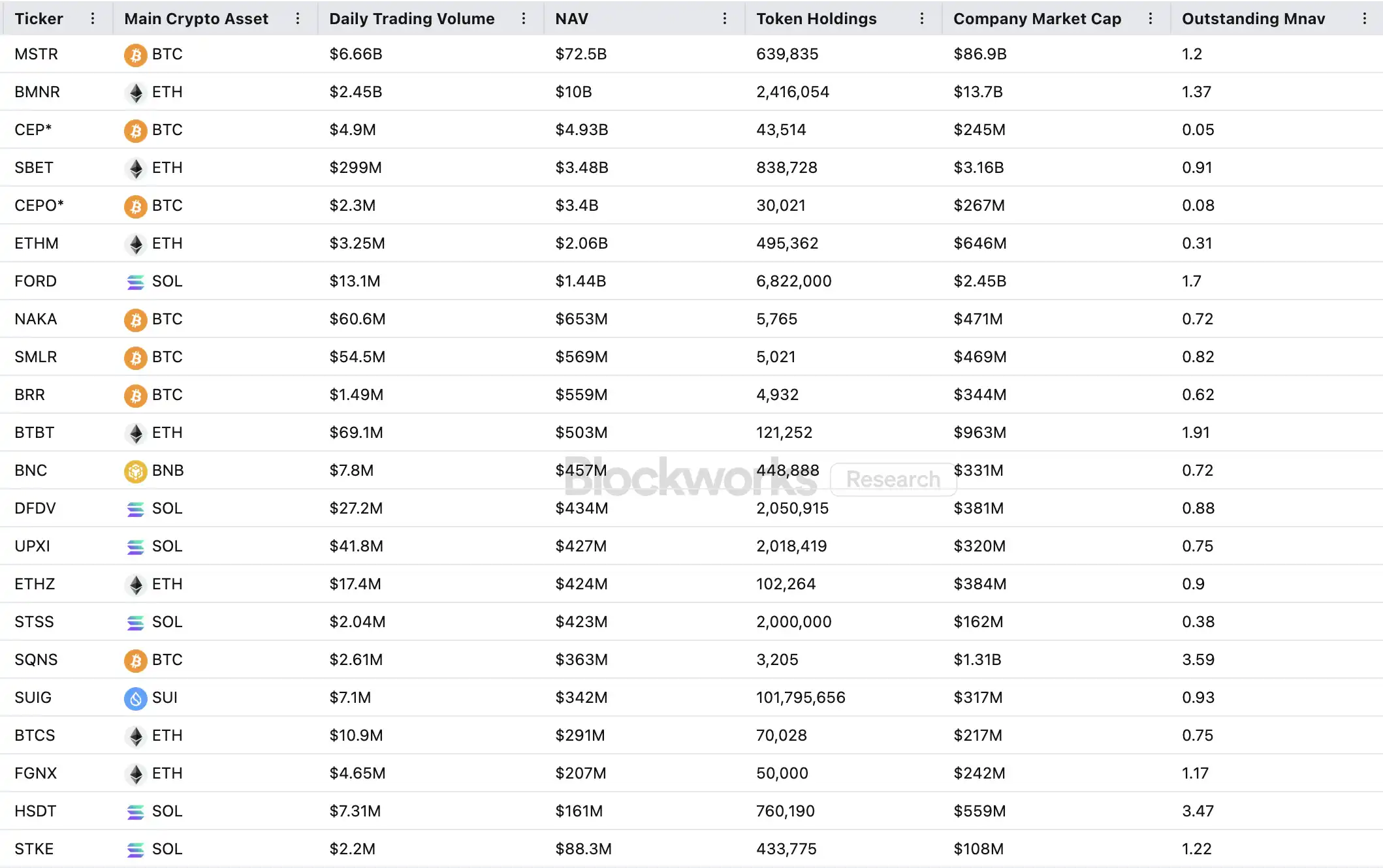
然而,这场资本狂欢在推高价格的同时,也引发了广泛质疑。MSTR 的 mNAV(市值与账面资产净值之比)一个月内从 1.6 跌至 1.2,而前二十家加密财库公司的 mNAV 更有三分之二低于 1。有关资产泡沫、内幕交易等质疑声层出不穷,当下这一新型资产配置潮流正面临前所未有的监管挑战。
加密财库公司的飞轮是如何运转的

财库公司的融资飞轮建立在 mNAV 机制上,其本质是一种反身性的飞轮逻辑,让财库公司在牛市里拥有看似「无限子弹」的能力。mNAV 指的是市场净资产价值比,计算方式是企业市值(P)相对于其每股净资产(NAV)的倍数。在财库策略公司语境下,NAV 则指的是其所持有的数字资产价值。

当股价 P 高于每股净资产 NAV(即 mNAV > 1)时,公司就能持续募资,把募集资金再投入数字资产。每次增发买入都会推高每股持仓和账面价值,从而进一步强化市场对公司叙事的信心,推动股价走高。于是,一个闭环的正反馈飞轮开始转动:mNAV 上行 → 增发融资 → 买入数字资产 → 每股持仓增厚 → 市场信心增强 → 股价再升。正是凭借这种机制,MicroStrategy 能够在过去几年中能够持续融资买入比特币而不严重稀释股份。

一旦股价和流动性被推到足够高,公司就能解锁一整套机构资金的入场机制:可以发行债务、可转债、优先股等融资工具,把市场上的叙事变现为账面上的资产,再反过来推高股价,形成飞轮。这场游戏的本质,是股价、故事与资本结构之间的复杂共振。

然而,mNAV 是一把双刃剑。溢价可以代表市场的高度信任,也可能仅仅是投机炒作。一旦 mNAV 收敛到 1 或跌破 1,市场从「增厚逻辑」切换为「稀释逻辑」。如果此时代币本身价格下跌,飞轮就会从正向转动转为负反馈循环,造成市值和信心的双杀。此外,财库策略公司的融资也建立在 mNAV 的溢价飞轮上,当 mNAV 长期处于折价状态,增发空间将被封锁,本就处于业务停滞或濒临退市的中小盘壳公司的业务将被全部推翻,建立的飞轮效应也将瞬间崩塌。理论上,当 mNAV < 1 时,公司更合理的选择是卖出持仓回购股票,以恢复平衡,但也不应以偏概全,折价公司也可能代表价值被低估。

在 2022 年熊市里,即便 MicroStrategy 的 mNAV 一度跌破 1,公司也没有选择卖币回购,而是通过债务重组坚持保留所有比特币。这种「死守」的逻辑来自于 Saylor 对 BTC 的信仰式愿景,将其视为「永远不会卖出」的核心抵押资产。但这种路径并非所有财库公司都能复制。大多数山寨币财库股本身缺乏稳定的主营业务,转型为「买币公司」只是生存手段,并没有信仰加持。一旦市场环境恶化,它们更可能为了止损或兑现利润而抛售,从而引发踩踏。

相关阅读:《首次卖币、退市,币股不再是加密货币貔貅

内幕交易是否存在

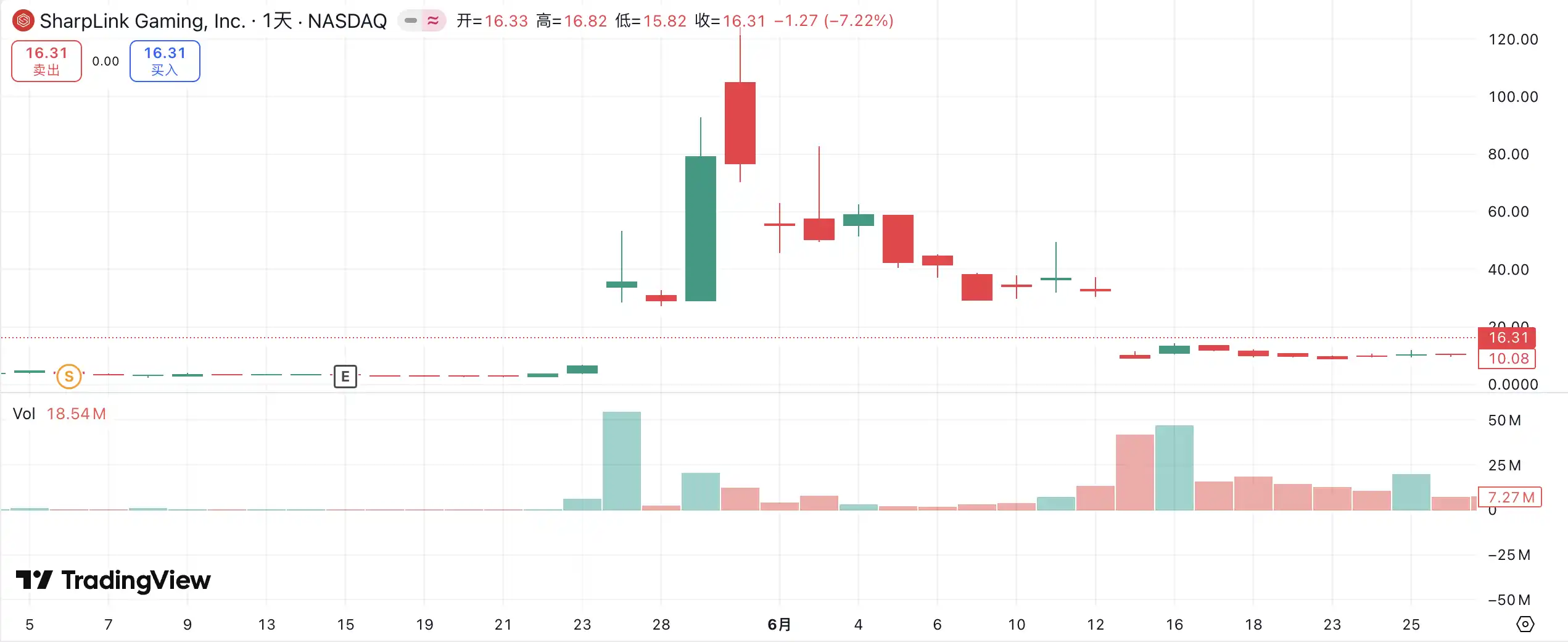
SharpLink Gaming 是这轮「加密财库热潮」中最早引发市场震动的案例之一。5 月 27 日,公司宣布将增持高达 4.25 亿美元的以太坊作为储备资产,消息公布当日,股价一度飙升至 52 美元。然而诡异的是,早在 5 月 22 日,该股的交易量就已显著放大,股价从 2.7 美元跃升至 7 美元,而彼时公司尚未发布公告,也未向 SEC 披露任何信息。
这种「消息未发、股价先行」的现象并非孤例。MEI Pharma 在 7 月 18 日宣布启动 1 亿美元莱特币财库策略,但在消息发布前连续四天上涨,股价从 2.7 美元涨至 4.4 美元,接近翻倍。公司并未提交重大更新,也未公开新闻稿,其发言人则拒绝对此置评。
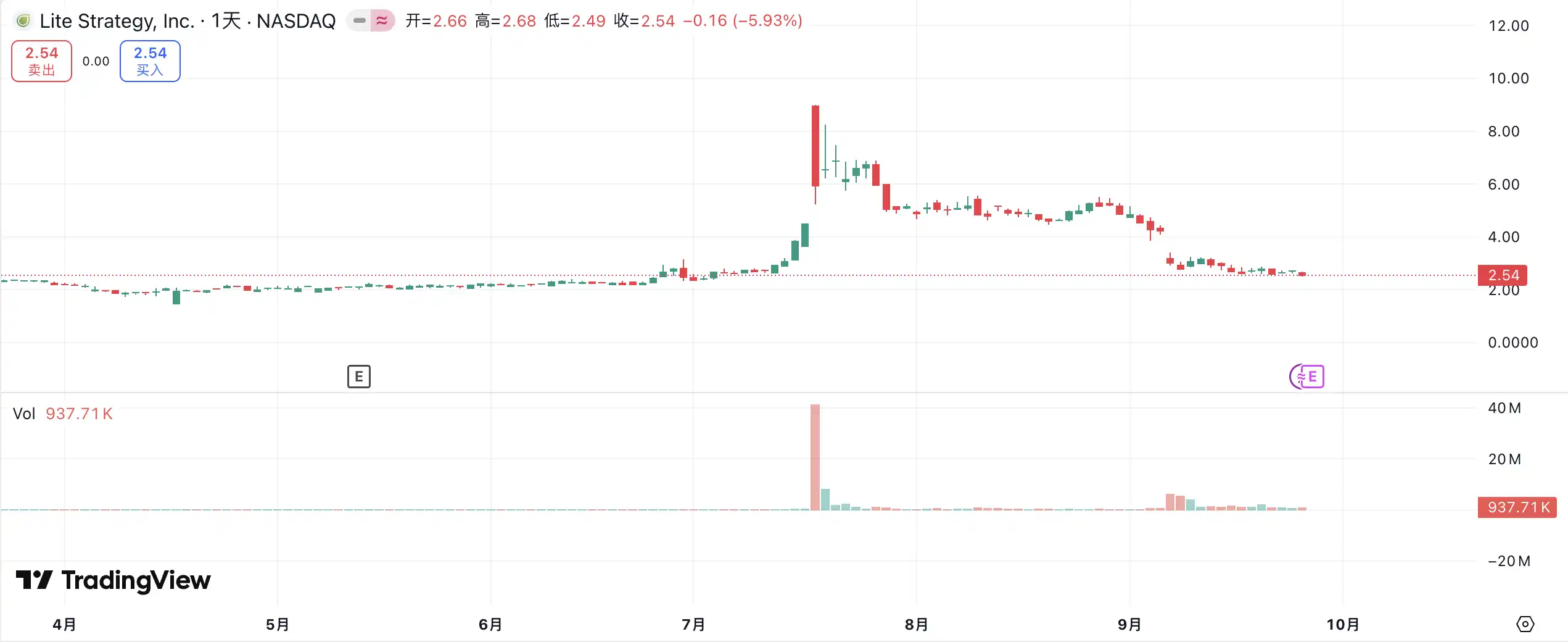
类似情况还出现在 Mill City Ventures、Kindly MD、Empery Digital、Fundamental Global 和 180 Life Sciences Corp 等公司中,均在发布加密财库计划前出现不同程度的异常交易波动。是否存在信息泄露与提前交易,已引起监管层警觉。

DAT 叙事会就此崩溃吗

「Solana 微策略」Upexi 的顾问 Arthur Hayes 指出,加密财库已成为传统公司金融圈的新叙事。他认为,这一趋势将在多个主流资产赛道中持续演进。不过,我们必须清楚地看到:每条链上,最终能跑出来的赢家最多只有一两家。

与此同时,头部效应正在加速形成。尽管 2025 年已有超过 200 家公司宣布加密财库策略,覆盖 BTC、ETH、SOL、BNB、TRX 等多条链,但资金与估值正在迅速向极少数公司与资产集中——BTC 财库与 ETH 财库占据了 DAT 公司的大半壁江山。在每种资产类别中,也只有一到两家公司可以真正跑出来,BTC 赛道是 MicroStrategy,ETH 赛道是 Bitmine,SOL 赛道或许是 Upexi,其余项目难以构成规模竞争。
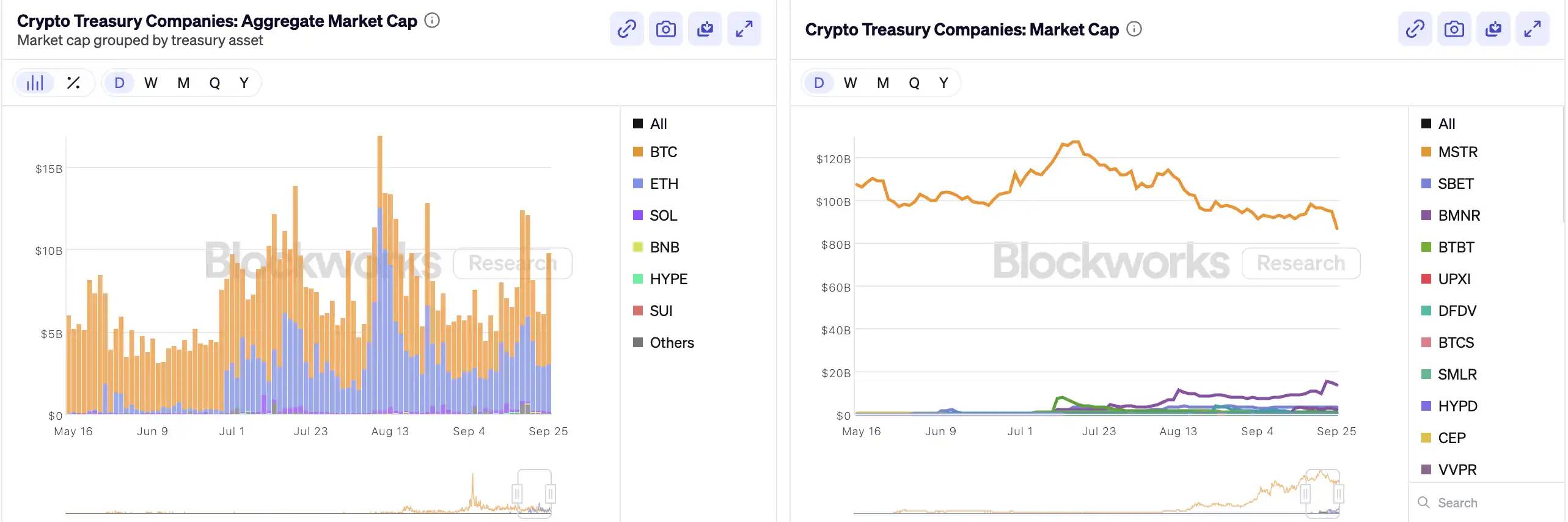
正如 Michael Saylor 所验证的那样,市场上存在大量想要获得比特币风险敞口的机构资金管理人,他们不能直接买 BTC,也无法持有 ETF——但他们可以买 MSTR 的股票。如果你能把一家持有加密资产的公司包装进他们的「合规篮子」,这些资金就愿意以 $2、$3、甚至 $10 的价格去买账面上仅值 $1 的资产。这不是非理性,这是制度套利。

在周期后半段,市场仍会涌现更新的发行人,并诉诸更激进的公司金融工具来追求更高股价弹性。价格下行时,这些做法就会反噬。Arthur Hayes 判断,本轮周期会出现类似 FTX 暴雷的大型 DAT 事故。届时,这些公司会翻车,其股票或债券可能出现巨幅折价,造成市场大幅动荡。

监管层也注意到了这一结构性风险。9 月初,纳斯达克就提出增强 DAT 公司的审查;今天,SEC 与 FINRA 又联合启动对于其内幕交易的调查。监管层的这些做法意在压缩内幕空间、提高发行门槛与融资难度,从而降低新晋 DAT 公司的操纵空间。对于市场而言,这意味着「伪龙头」将被加速出清,而真正的龙头公司仍将借着叙事生存甚至壮大。

总结

加密财库的叙事仍在,但门槛提高、监管加严、泡沫出清将同步进行。对投资者而言,既要看清金融结构背后的逻辑与套利路径,也需时刻警惕叙事背后的风险堆积——这场「链上炼金术」终究无法无限制上演,胜者为王,败者退场。


说明: 比推所有文章只代表作者观点,不构成投资建议

Пов'язані матеріали

30 Years After Being Crushed by AI, People Have Fallen Back in Love with Chess

On May 11, 1997, IBM's "Deep Blue" defeated chess champion Garry Kasparov, marking the first time a machine triumphed in a top-level intellectual game. The narrative of human defeat by AI seemed cemented when AlphaGo beat Lee Sedol in Go in 2016, a game once considered AI's final frontier. Yet, nearly 30 years after AI's dominance began, chess is experiencing unprecedented popularity. Chess.com boasts over 250 million registered users and 10 million daily active players. Its CEO, Erik Allebest, attributes this resurgence to several waves: the pandemic, the Netflix series *The Queen's Gambit*, and viral AI chess bots like "Mittens" on social media. Crucially, each surge left a permanently higher user base. The key insight is that AI liberated the game. When machines unequivocally became the best, the pressure to "win" as the ultimate human was removed. Chess returned to its core: the intrinsic joy of play—the thrill of a tactical combo, the tension of a time scramble, the curiosity of post-game analysis. AI, now serving as an always-available coach and anti-cheat tool, became infrastructure that enhanced rather than killed the experience. In contrast, Go, deeply rooted in East Asian elite culture and often pursued for mastery and status, suffered a "collapse of meaning" at the professional level after AlphaGo. Players began mimicking AI moves, erasing distinctive styles and narrative. While some Go players gained fame as online personalities, it didn't translate to widespread engagement with the game itself. The divergence highlights a fundamental question in the age of AI: is the motivation for an activity about *winning* or *playing*? Activities where the process itself is the reward, like chess, can thrive when the pressure of being the best is gone. AI may rightly take over tasks done purely for outcome, but it cannot replace the human experience of simply enjoying the game.

marsbit4 хв тому

30 Years After Being Crushed by AI, People Have Fallen Back in Love with Chess

marsbit4 хв тому

Exiting Top Ten Shareholders of Kweichow Moutai, 'Long-term Capital' Portfolio Adjustments Revealed: National Social Security Fund Enters 12 New Stocks, Invests in Hard Tech Mthreads

With the ongoing release of semi-annual reports, the second-quarter investment moves of long-term institutional investors like the National Social Security Fund (NSSF) and insurance capital are becoming clear. Central Huijin Asset Management and China Securities Finance Corp., often referred to as the "national team," are no longer among the top ten shareholders of Kweichow Moutai. Data shows that as of August 14th, the NSSF held positions in 33 A-share companies, with a total portfolio value exceeding 11 billion yuan. It added 12 new stocks in Q2, spanning sectors like chemicals, food & beverage, and semiconductors. The NSSF maintains its stable investment style, favoring companies with solid performance and attractive valuations. Apart from exiting Moutai, Huijin and China Securities Finance also left the top ten shareholder lists of companies like Ping An Bank and Dahua Technology. Insurance capital heavily invested in 41 companies in Q2, with a total holding value over 26 billion yuan. They showed a continued preference for cyclical sectors like non-ferrous metals and chemicals, as well as high-dividend-yield stocks. Analysts note that these long-term funds act as market stabilizers and investment bellwethers. Their presence is reshaping the market ecology, steering focus towards fundamental corporate value and away from speculative trading. A notable move was the NSSF's new investment in Moore Threads, a loss-making but leading domestic GPU design company listed on the STAR Market, indicating interest in hard technology sectors. Looking ahead, analysts expect long-term capital to continue a dual-strategy: maintaining a foundation in high-dividend-value stocks while gradually increasing exposure to growth areas aligned with industrial upgrading, such as advanced manufacturing and tech self-sufficiency. The market's recovery is seen as gaining a firmer footing after recent adjustments.

marsbit14 хв тому

Exiting Top Ten Shareholders of Kweichow Moutai, 'Long-term Capital' Portfolio Adjustments Revealed: National Social Security Fund Enters 12 New Stocks, Invests in Hard Tech Mthreads

marsbit14 хв тому

Data of 54,000 wallet users leaked, Clarity odds just 10%: Hodler’s Digest, Aug. 16

Galaxy Digital has slashed the odds of the CLARITY Act passing in 2026 from 75% to just 10%, citing limited Senate session days. If it fails, the SEC and CFTC plan to issue their own crypto rules, though an SEC meeting was abruptly cancelled. High-profile meetings at the White House are planned to discuss the bill. Amid growing hack fears, crypto companies are urging AI labs to grant developers early access to advanced AI models for cybersecurity, following a $116M Coldcard wallet theft. Data breaches at Trezor and SafePal have exposed over 54,000 users' personal information. The CFTC is clashing with states over regulating prediction markets like Kalshi, ordering it to ignore a New York restraining order to maintain a national market, while a Washington state judge ruled against it. The Ethereum Foundation is revising its post-quantum plan, moving away from the Poseidon hash function, and scoping its next major upgrade, Hegotá, for next year. Tether received its first full clean audit opinion from KPMG, showing reserves exceeding liabilities by $6.814 billion. Marketwise, major cryptos saw weekly declines. Predictions include a possible Bitcoin bottom in October, while analysts dispute the feasibility of BTC reaching $1M by 2030. Glassnode notes Bitcoin is in its longest capitulation phase since FTX's collapse. Three men were charged for an alleged Bitcoin kidnapping plot in Missouri.

cointelegraph1 год тому

Data of 54,000 wallet users leaked, Clarity odds just 10%: Hodler’s Digest, Aug. 16

cointelegraph1 год тому

50 Billion, Sichuan Brothers Have Struck It Rich

A new king of Sichuan stocks has emerged. This week, Chengdu Chaochun Applied Materials Co., Ltd. (Chaochun Yingcai) debuted on the ChiNext board, with its stock price surging over 700% intraday and its market value exceeding 50 billion yuan. Opening at 450 yuan per share, it surpassed New Easun to become the highest-priced stock in Sichuan's A-share market. This marks the success of a 21-year entrepreneurial journey by brothers Chai Jie and Chai Lin. Younger brother Chai Jie founded the company in 2005 in Chengdu, initially focusing on特种陶瓷. Elder brother Chai Lin, an expert in精密光学 and特种涂层, joined in 2008 to lead R&D. Facing a market monopolized by giants like KoMiCo and TOCALO, the company persisted. A breakthrough came in 2011 when its products entered the supply chain of AMEC (中微公司), a major domestic etching equipment maker. By 2020, its components reached the technical threshold for supporting 5nm process etching equipment. Revenue grew from 169 million yuan in 2023 to 496 million yuan in 2025, with semiconductor coating parts accounting for over 95% of sales. The IPO created significant wealth. The Chai brothers, holding a combined 46.88% stake, saw their paper wealth reach approximately 24 billion yuan. It also became the most profitable ChiNext IPO this year for retail investors. Employees benefited through two layers of持股平台, covering over 200 core technical and business staff. Early investors like SDIC Venture Capital, AMEC, and BYD (which invested 126.9 million yuan and now has a paper gain exceeding 1.8 billion yuan) also reaped substantial returns. The company represents a wave of tech leaders choosing to build their businesses in their hometown of Sichuan. Examples include New Easun in optoelectronics and Baili Tianheng in biopharmaceuticals. This trend shows that inland cities like Chengdu, with talent and industrial patience, can incubate specialized leaders that break foreign monopolies, offering an alternative model to the coastal hubs.

marsbit1 год тому

50 Billion, Sichuan Brothers Have Struck It Rich

marsbit1 год тому

Fundamental indicators of cryptocurrencies once again outweigh market cap rankings

Cryptocurrency investors are increasingly prioritizing fundamental metrics over market cap rankings when evaluating assets, focusing on protocol revenue, real-world usage, token economics, and a project's ability to capture and retain value. Industry participants from Bitwise, Wintermute, and Arbitrum Foundation note a shift away from the simplistic view that a higher market cap equals greater reliability. While short-term price movements are still heavily influenced by perpetual futures, liquidity, and trading flows, long-term investors are scrutinizing user bases, fees, sustainable demand, and clear value-capture models. Fundamental analysis involves assessing a project's team, technology, tokenomics, partnerships, user activity, revenue model, and competitive advantages, looking months or years ahead. Technical analysis remains relevant for short-term trading. Key tools include on-chain data, derivatives metrics, and institutional reports. Market cap is no longer the primary benchmark. Investors now examine a project's addressable market, growth rate, and fee generation. Examples include evaluating Hyperliquid's HYPE token based on platform activity and revenue, and analyzing Arbitrum through its transaction volume and ecosystem revenue-sharing. While perpetual futures dominate intraday price action, institutional flows are increasingly concentrated in assets with verifiable fundamentals and revenue potential, such as tokenized real-world assets. Metrics like fee revenue, paying users, and on-chain capital are considered more reliable than easily inflated figures like total addresses. Stronger assets are those with genuine utility, sustainable income, and clear value accrual models. Bitcoin remains a distinct macro asset. Ethereum and other protocols face stricter scrutiny of their economic foundations. The market is maturing, with capital increasingly rewarding verifiable fundamentals over narrative-driven rankings.

cryptonews.ru2 год тому

Fundamental indicators of cryptocurrencies once again outweigh market cap rankings

cryptonews.ru2 год тому

Торгівля

Спот
活动图片