Openbank, the online banking arm of Banco Santander, has started offering retail customers direct access to cryptocurrencies in Germany, according to company statements and market reports.
The service lets users buy, sell and hold crypto inside their bank account, with trading available for Bitcoin, Ethereum, Litecoin, Polygon and Cardano.
Based on reports, the bank plans to make the offering available in Spain within weeks and to roll it out to other EU countries later this year.
Santander Expands Crypto Access
The new feature is built into Openbank’s investment platform so customers do not need to move money to an outside exchange.
According to the bank, users can trade coins from the same app where they manage other accounts.
Openbank, Banco Santander’s online bank, has started offering retail crypto trading, the latest move by a major European lender into the asset class https://t.co/IcozNgW1at
— Bloomberg (@business) September 16, 2025
The initial list includes five major tokens, chosen for liquidity and demand, while a broader menu of assets is expected in future updates.
Trading Costs And Custody Rules
Reports have disclosed the buy and sell fee is 1.49% per transaction, with a minimum charge of €one per operation.
There are no custody fees for holding assets on the platform, the bank says. For casual investors who plan to buy and hold, that no-holding-fee model may be attractive.
Heavy traders, though, may find the 1.49% cost higher than some dedicated crypto exchanges.
Rollout Timeline And Limits
Openbank’s launch began in Germany. Based on reports, Spain will follow in the coming weeks, and broader EU availability is planned later in the year.
The bank has indicated that it will add additional cryptocurrencies in the future and potentially offer crypto-to-crypto conversion at some point.
Currently, the service is all about fiat-to-crypto direct trades and a limited selection of well-known coins.
Regulatory And Compliance Notes
The product is covered under the European Markets in Crypto-Assets regime, or MiCA, which provides rules for crypto services within the EU.
The bank will implement KYC and AML processes applicable to regulated financial institutions, reports add. That means customers can expect identity checks and standard anti-money-laundering controls when they sign up to trade.
Why It Matters For Customers
This move brings crypto trading into the mainstream banking app for retail users. Reports have disclosed that traditional banks adding crypto features can make it easier for everyday savers to try these assets without opening accounts on unfamiliar platforms.
At the same time, the limited initial token list and the fee level mean serious crypto users might still prefer specialist exchanges for low fees or access to many smaller tokens.
Santander’s digital unit has said it will expand the service and widen the asset list. Based on reports, the bank aims to balance regulated oversight with easier access for retail clients.
Observers will be watching how pricing, supported tokens and country-by-country rollout play out in the months ahead.
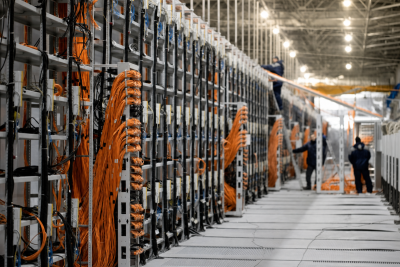
Featured image from American Banker, chart from TradingView

Related Posts