Pump.fun直播功能上线:是创作者经济新范式还是收割套路重演?

比推Опубліковано о 2025-09-16Востаннє оновлено о 2025-09-16

撰文:伞

原标题:CCM新范式?Pump.fun直播外衣下的收割旧套路


近期Pump.fun的直播功能上线,将这个一度被大众认为已经结束的最大Meme发射平台的热度再次推高。

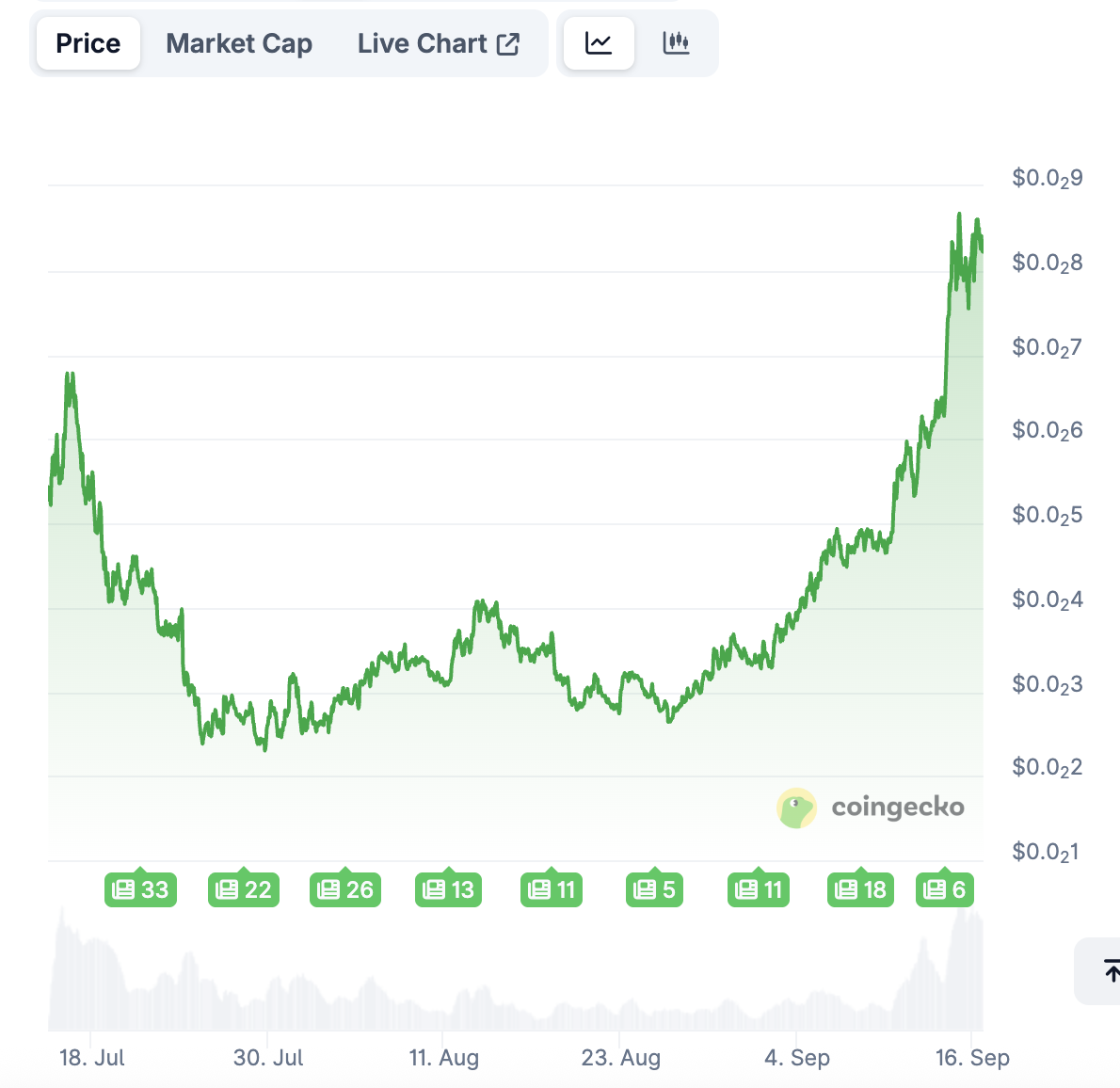
与之一同起飞的还有$Pump代币的价格,宣布回购叠加创新功能上线让$PUMP价格从八月底的0.003美元左右迅速飙升至当前的0.0085美元,短短半个月内涨幅达到283%,市值突破30亿美元。
另一方面,自从直播功能上线后,Pump.fun创作者每日分成超过200万美元,单周创作者收入破纪录达1550万美元。

市场中也有不少用户将Pump.fun这次直播功能上线视为CCM(creators capital market )的新范式,称这次更新是加密领域技术创新的突破。

表面上看这是一场皆大欢喜的场面,新功能上线带来大量散户造富神话,币价和平台收入随之上升。粉丝通过投资而非送礼物的形式支持自己喜欢的主播,但是这一切背后似乎隐藏着一个更加复杂和令人不安的现实。

明星代币案例

BUN COIN

BunnyFuFuu是一位前英雄联盟职业电竞选手,在接触Pump.Fun之前,其就已经依靠职业电竞选手的身份在X和Youtube上分别拥有超过21万和150万粉丝。
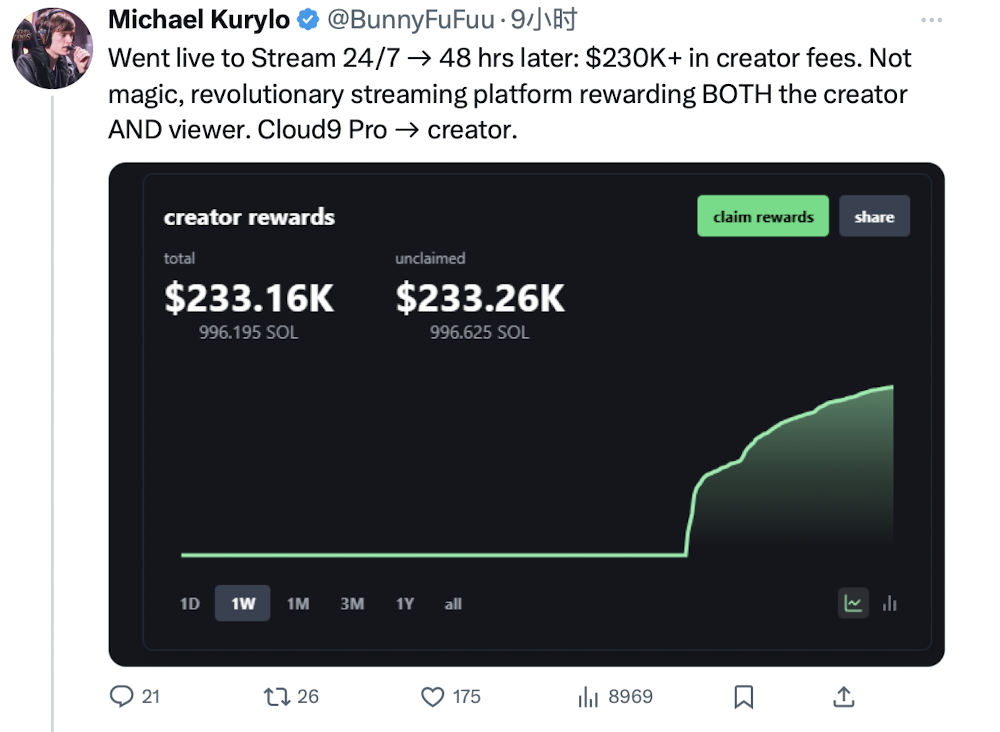
9月14日,BunnyFuFuu在直播中发行自己的代币BUN COIN,并且后续两天内在X上不断为自己的代币喊单,而如此努力的build也让BUN COIN从一众直播代币中脱颖而出。

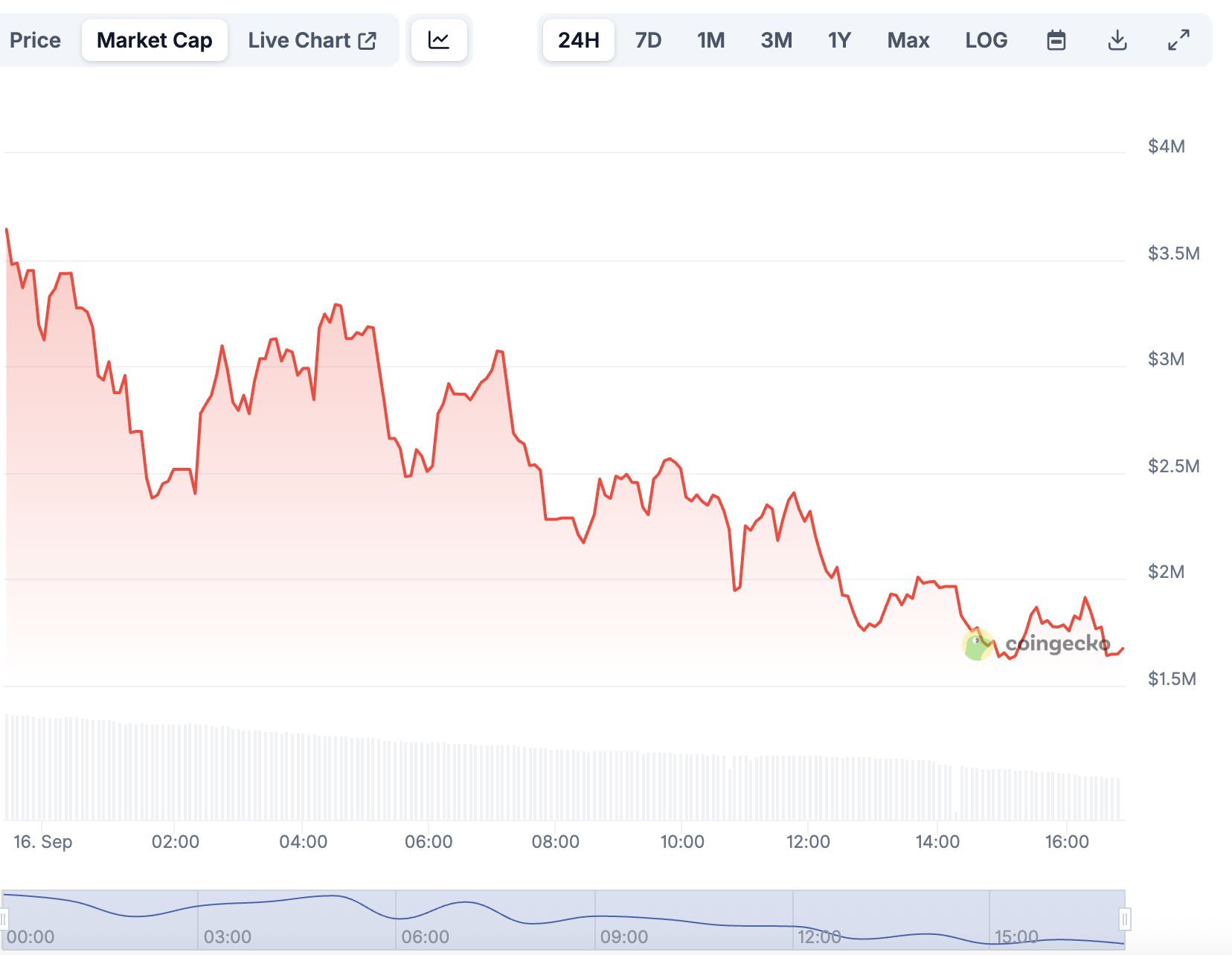
BUN COIN的初始市值仅为30万美元,预售阶段获得150万美元资金,在上市后的48小时内达到1000万美元市值峰值,最高涨幅超3000%,不过今日BUN COIN代币价格一路下跌至当前160万美元,当日跌幅超50%。

代币CA:HQDTzNa4nQVetoG6aCbSLX9kcH7tSv2j2sTV67Etpump
KIND

KIND代币的本意为“传播善意”,创作者通过慈善主题直播的形式进行推广,号称用户每买入1美元将捐赠0.1美元给需要帮助的小主播。

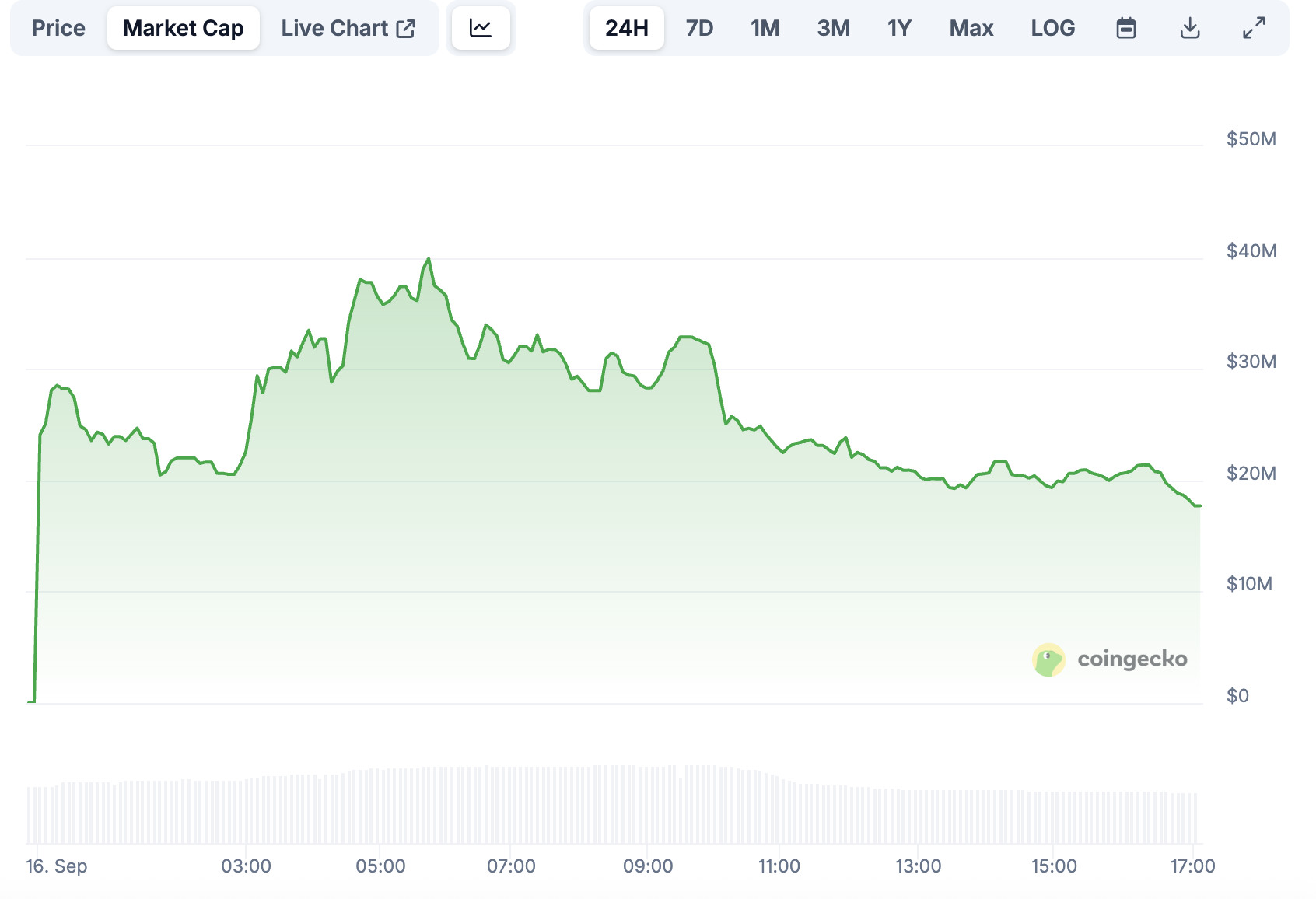
如此正面的叙事引起了广泛的关注,9月7日上市以来,KIND在今日凌晨达到最高市值5500万美元,彼时24小时涨幅超20倍,24小时内交易额接近3200万美元,不过其当前市值也迎来了大幅度回调至1800万美元。

代币CA:V5cCiSixPLAiEDX2zZquT5VuLm4prr5t35PWmjNpump
BAGWORK

相比于BUN COIN的明星带货和KIND的正面叙事,BAGWORK的叙事是更加带有“整活儿”意味的,Bagwork源自拳击领域专业术语,意为在沙袋上进行专业训练,BAGWORK受此启发,呼吁大家为自己的加密资产奋斗。

同时BAGWORK也是当前Pump.fun直播板块内影响力与传播最广泛的直播代币,毫无疑问,BAGWORK团队是会整活儿的。

直播首日,BAGWORK团队成员冲进某体育场进行直播并在直播过程中被捕;次日,他们在某健身网红的健身房中偷该网红的帽子被其当场抓住并被扇耳光;这两天,又有一位BAGWORK团队成员试图从圣莫尼卡码头跳下被警察拦住。BAGWORK团队承诺将在接下来的两周内每天上演一个新活儿来推动代币让更多人关注。

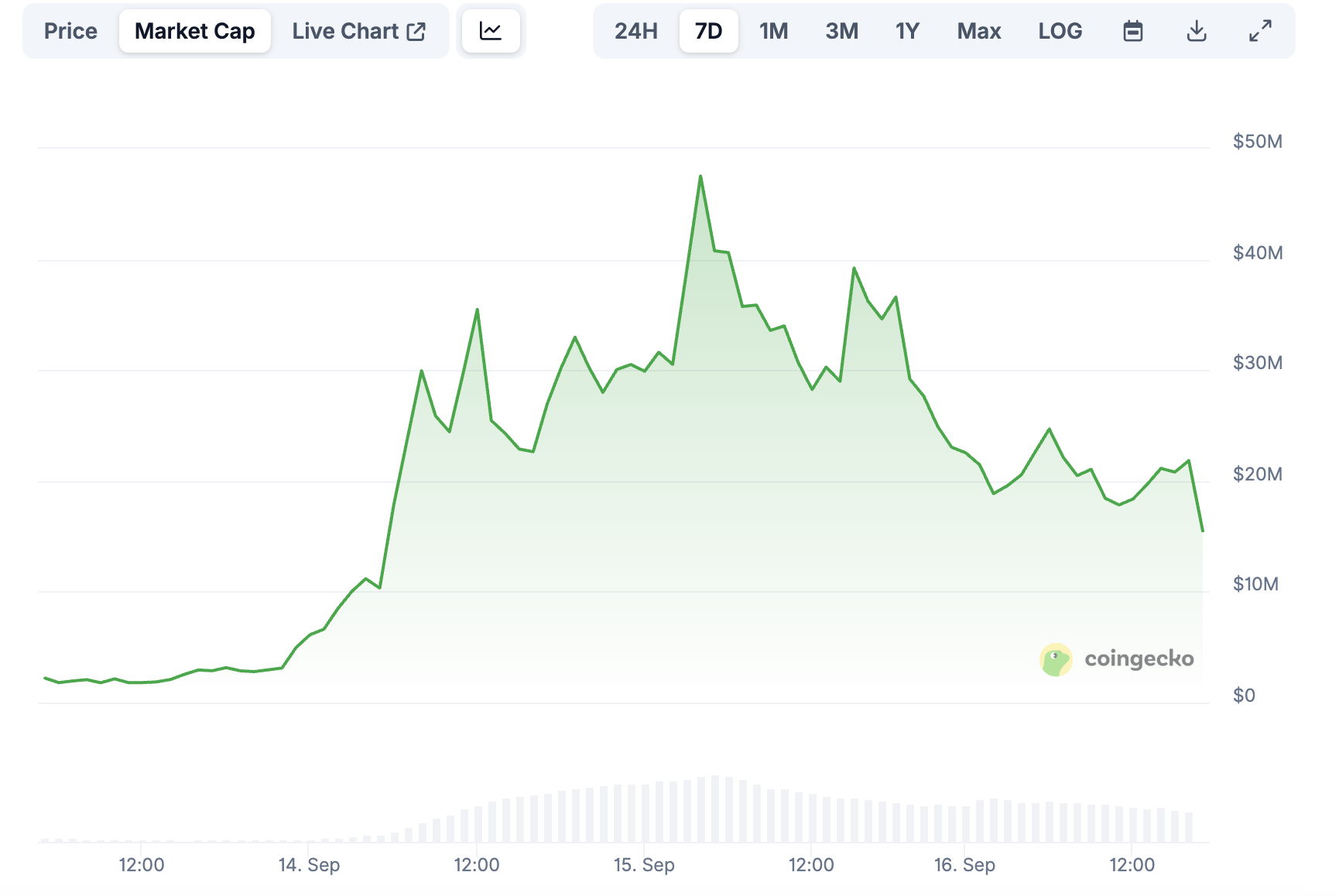
这一系列看似疯狂的举动确实推动了BAGWORK代币的上涨,9月13日BAGWORK代币的市值仅为300万美元,在48小时的“疯狂直播”后,该代币市值一度逼近一亿美元,当前回落至1500万美元。

代币CA:7Pnqg1S6MYrL6AP1ZXcToTHfdBbTB77ze6Y33qBBpump
直播功能为Pump.fun带来了什么?

在传统互联网直播行业中,主播通过直播打游戏、表演才艺等方式吸引粉丝打赏送礼物的方式获利,而粉丝为主播送礼物完全是消费行为,而非期待获得资金回报的投资行为。

而在Pump.fun的直播中,粉丝对主播的打赏变成了购买代币,并在主播整足够精彩的“活儿”吸引更多人买入后进行获利了结,再去寻找下一位值得投资的主播。这一过程中,粉丝的身份似乎变成了传统的MCN机构,在每位主播身上投入资金和资源,通过主播爆火后的商业价值变现来获利。

而更加关键的是,在这种模式下,主播想要获利的最佳策略往往是在代币价格推高后择机出售代币套现,这就让粉丝和主播之间的关系变得非常“拧巴”,一面想让主播带来更精彩的节目效果让更多人上车,另一面想清空手中的代币使用粉丝“支持”自己的付出变成亏损。

而事实上,以上笔者举的三个知名案例的代币走势已经是无数直播代币中表现最好的几个了,更多的则是在主播热度下降或者下播后迅速归零,这样的剧本熟悉么?没错,在直播功能上线前的Pump.fun内的市场同样如此,根据Solidus Labs对700万个Pump.fun代币分析报告显示,其中接近99%的代币最终会走向归零,直播功能上线后这一比例也并没有得到改善,成功的明星案例仍然只是统计学上的极端个例。

那么直播功能究竟为Pump.fun带来了什么?当前来看似乎只是换了一种传播媒介而已。

市场的分化观点

围绕Pump.fun直播功能的市场争议也反映了一些问题。

拥护者主要聚焦在技术创新和创作者赋能层面。他们认为这种模式消除了传统平台的中间商剥削,让还未名声大噪且有潜力的新人创作者可以在一早就获得几乎等同于Twich顶级创作者才能享有的收入机会。

并且在当下注意力经济的时代中,直播视频所产生的营销能力远强于文字媒介,Pump.fun本身就是注意力经济产物,而直播功能只不过是之前版本的迭代升级。

批评声音则更关注结构性缺陷和内容风险。根据大部分代币走势可以看出,这些直播代币几乎只在主播直播期间上涨,直播结束后急速下跌,很多社区用户质疑其长期价值创造能力。

在内容监管上,虽然Pump.fun已经限制了部分违规内容,但当前平台内仍能看到不少血腥、暴力、色情等直播内容通过满足用户猎奇心理而推升代币价格。

泡沫繁荣下的冷静思考

从投资的角度看,Pump.fun直播功能上线后确实涌现了非常多的获利机会,只要你关注的主播足够“有活儿”并且你比别人更早发现了这样的“宝藏主播”,那么很轻松就可以获利。

但从另一个视角看,当我们剥离掉Web3创新和创作者经济的华丽外衣,Pump.fun的直播模式暴露出来了一个更加本质的问题:如何在激励创作者的同时保护普通参与者的利益。

现有的数据表明,直播模式是不可持续的,99%的代币走向归零,更有99%的的参与者已亏损离场,而创作者和平台确定稳定获利。

这样的模式我们很难将其成为一个健康的生态系统,它更像是一个包装精美的财富再分配游戏,只不过用技术创新的叙事掩盖传统零和博弈的本质。

真正的问题不在于直播发币这一创新形式本身,而在于激励机制的根本性缺陷。当创作者的收益与社区的长期利益完全脱钩,当平台的盈利建立在参与者的普遍亏损之上时,这种模式注定只能是昙花一现的投机狂欢。

我们无法得知Pump.fun直播能否延续当前的热度不断涌现“爆款代币”,但我们可以确认的是对这些爆款直播间的投资都具有相当高的风险,希望各位投资者可以DYOR,注意风险控制。


Twitter:https://twitter.com/BitpushNewsCN

比推 TG 交流群:https://t.me/BitPushCommunity

比推 TG 订阅: https://t.me/bitpush

说明: 比推所有文章只代表作者观点,不构成投资建议

Трендові криптовалюти

Пов'язані матеріали

Farewell to Crash-Style Plunges: An In-Depth Review of the Crypto Lending and Futures Markets in Q2 2026

This report analyzes the Q2 2026 crypto lending and derivatives market, highlighting a continuation of controlled deleveraging. Unlike the 2022 crash, where loan volumes plummeted 55% in a single quarter, the current downturn is characterized by a gradual, stepwise decline across CeFi, DeFi, and crypto-collateralized CDP stablecoins, with Q2 seeing a total reduction of $113.3 billion (-16.78%) to $561.6 billion. DeFi lending saw the sharpest quarterly drop (-27.61%), while CeFi borrowing declined more moderately (-9.62%). For the first time since Q3 2023, CeFi outstanding loans surpassed DeFi. Corporate digital asset treasury (DAT) debt also decreased by $15 billion, largely due to a debt buyback by Strategy Inc. Futures open interest (OI) saw a modest 3.08% quarterly decline to $1032 billion, with notable divergence: Bitcoin OI fell 6.24%, while Ethereum OI dropped 26.31%. Both rebounded in July. A deep dive into Aave V3 revealed high leverage, particularly within "e-mode" loans, which are heavily concentrated on Ethereum staking/restaking tokens, with debt-weighted health factors near liquidation thresholds. The report concludes that the market is undergoing a healthier, managed deleveraging cycle driven by voluntary risk reduction rather than forced liquidations or counterparty failures, suggesting increased resilience against a repeat of the 2022 cascade. Early Q3 2026 data indicates potential stabilization in futures OI and DeFi lending volumes.

marsbit10 хв тому

Farewell to Crash-Style Plunges: An In-Depth Review of the Crypto Lending and Futures Markets in Q2 2026

marsbit10 хв тому

Crypto Funding Halves in Q1, Why Is Stablecoin Payment Still Attracting Money Against the Trend?

Crypto venture capital funding fell roughly 50% quarter-over-quarter in Q1 2026, yet the stablecoin payments sector was a notable exception, continuing to secure significant funding rounds. This shift signals that capital is moving away from speculative "token narratives" toward companies generating real revenue, as stablecoins evolve from a trading tool into payment infrastructure. Despite the overall funding slowdown, companies like Rain, OpenFX, and RedotPay completed major raises, focusing on areas such as card issuance, cross-border payments, and banking connectivity. Investors are attracted to the sector's potential to address long-standing inefficiencies in traditional cross-border payments through 24/7 settlement and clearer revenue models like transaction fees and FX spreads. However, the momentum may be overstated. On-chain stablecoin transaction volume does not equate to real-world payments for goods and services, and funding is concentrated in a few leading firms with reported volumes and customers. Key challenges remain, including compliance, fiat on/off-ramps, local banking relationships, and the risk of core services becoming commoditized. Looking ahead, capital is likely to flow into areas like cross-border B2B payments, bank-to-stablecoin connectivity, stablecoin-linked cards, multi-chain payment orchestration, and payments for AI agents. Ultimately, the investor interest reflects a bet on the necessary infrastructure to integrate stablecoins into the traditional financial system, with future valuations hinging on demonstrable payment volume, real revenue, and profitable market expansion.

marsbit46 хв тому

Crypto Funding Halves in Q1, Why Is Stablecoin Payment Still Attracting Money Against the Trend?

marsbit46 хв тому

South Korean Retail Investors 'Move from Seoul to Wall Street': Buying SK Hynix ADR, Betting on Triple-Leverage ETF

A surge of Korean retail investors is shifting funds from the volatile Seoul market to Wall Street, intensifying their bets on the AI theme through unconventional and high-risk instruments. Data shows Korean investors were net buyers of about $4.5 billion in US stocks in July, nearing a yearly peak. A notable trend is their purchase of approximately $840 million worth of SK Hynix American Depositary Receipts (ADRs), despite a significant 10% premium over the company's domestic shares, leading analysts to label the move as speculative and irrational. Simultaneously, Korean traders are heavily favoring leveraged ETFs. The triple-leveraged semiconductor ETF SOXL was the most-bought US product in July, with leveraged products occupying four of the top ten spots. Experts note that this shift in geography does not represent a diversification of risk; instead, investors are merely expressing the same concentrated bet on AI hardware through different, often riskier, US-listed vehicles. Analysts warn that while this capital inflow is unlikely to systemically impact the vast US institutional market, it risks creating localized distortions and amplifying volatility, particularly in the targeted sectors and instruments. The move follows a sharp correction in the Korean market, where high leverage in semiconductor stocks and related ETFs had previously led to significant losses, prompting this search for alternative avenues to chase the AI narrative.

marsbit1 год тому

South Korean Retail Investors 'Move from Seoul to Wall Street': Buying SK Hynix ADR, Betting on Triple-Leverage ETF

marsbit1 год тому

Bithumb's First Half Report: Net Loss Exceeds $76 Million, Where Did the Profits Go?

**Title: Bithumb H1 2026 Report: Net Loss Exceeds $76M – Where Did the Profits Go?** Despite a headline net loss of approximately 108.7 billion KRW (~$76.44 million) for the first half of 2026, a detailed breakdown reveals Bithumb's core exchange business remained profitable. The significant loss was primarily driven by two major non-operating items: substantial losses on the disposal and valuation of the company's own cryptocurrency holdings (net loss ~$48.21 million) and a sharp increase in litigation provisions (~$25.93 million), largely linked to a regulatory fine. Operating revenue fell 48.7% year-on-year to ~$119 million, almost entirely from transaction fees, as market activity cooled. While the company drastically cut marketing and subsidy expenses by ~70% to protect margins, more rigid costs like payment processing and salaries declined only modestly. This highlights the vulnerability of its highly fee-dependent revenue model in a down market. Total assets decreased by ~$584 million, but this was largely attributable to an ~86% drop in client KRW deposits. The market value of client crypto assets under custody also fell (~32.7%), partly influenced by declining cryptocurrency prices rather than solely client withdrawals. In summary, the report indicates underlying exchange profitability was eroded by significant crypto asset losses and mounting regulatory/legal costs, against a backdrop of declining trading revenue. Future focus should be on revenue recovery, managing crypto-related损益, and the ongoing impact of regulatory challenges.

marsbit2 год тому

Bithumb's First Half Report: Net Loss Exceeds $76 Million, Where Did the Profits Go?

marsbit2 год тому

Торгівля

Спот

Популярні статті

Як купити FUN

Ласкаво просимо до HTX.com! Ми зробили покупку FUNTOKEN (FUN) простою та зручною. Дотримуйтесь нашої покрокової інструкції, щоб розпочати свою криптовалютну подорож.Крок 1: Створіть обліковий запис на HTXВикористовуйте свою електронну пошту або номер телефону, щоб зареєструвати обліковий запис на HTX безплатно. Пройдіть безпроблемну реєстрацію й отримайте доступ до всіх функцій.ЗареєструватисьКрок 2: Перейдіть до розділу Купити крипту і виберіть спосіб оплатиКредитна/дебетова картка: використовуйте вашу картку Visa або Mastercard, щоб миттєво купити FUNTOKEN (FUN).Баланс: використовуйте кошти з балансу вашого рахунку HTX для безперешкодної торгівлі.Треті особи: ми додали популярні способи оплати, такі як Google Pay та Apple Pay, щоб підвищити зручність.P2P: Торгуйте безпосередньо з іншими користувачами на HTX.Позабіржова торгівля (OTC): ми пропонуємо індивідуальні послуги та конкурентні обмінні курси для трейдерів.Крок 3: Зберігайте свої FUNTOKEN (FUN)Після придбання FUNTOKEN (FUN) збережіть його у своєму обліковому записі на HTX. Крім того, ви можете відправити його в інше місце за допомогою блокчейн-переказу або використовувати його для торгівлі іншими криптовалютами.Крок 4: Торгівля FUNTOKEN (FUN)Легко торгуйте FUNTOKEN (FUN) на спотовому ринку HTX. Просто увійдіть до свого облікового запису, виберіть торгову пару, укладайте угоди та спостерігайте за ними в режимі реального часу. Ми пропонуємо зручний досвід як для початківців, так і для досвідчених трейдерів.

362 переглядів усьогоОпубліковано 2025.06.25Оновлено 2026.06.02

Як купити FUN

Обговорення

Ласкаво просимо до спільноти HTX. Тут ви можете бути в курсі останніх подій розвитку платформи та отримати доступ до професійної ринкової інформації. Нижче представлені думки користувачів щодо ціни FUN (FUN).

活动图片