В Иркутске обнаружили майнинг-ферму в кустах и крапиве

RBK-cryptoОпубліковано о 2025-09-03Востаннє оновлено о 2025-09-03

Энергетики и полиция нашли два десятка работавших устройств для добычи криптовалюты в городской лесополосе

В Иркутке обнаружили майнинг-ферму в кустах, сообщили в Иркутской электросетевой компании (ИЭСК). Устройства для добычи криптовалюты, размещенные в самодельных ящиках под открытым небом, были напрямую подключены к линии электропередачи без приборов учета.
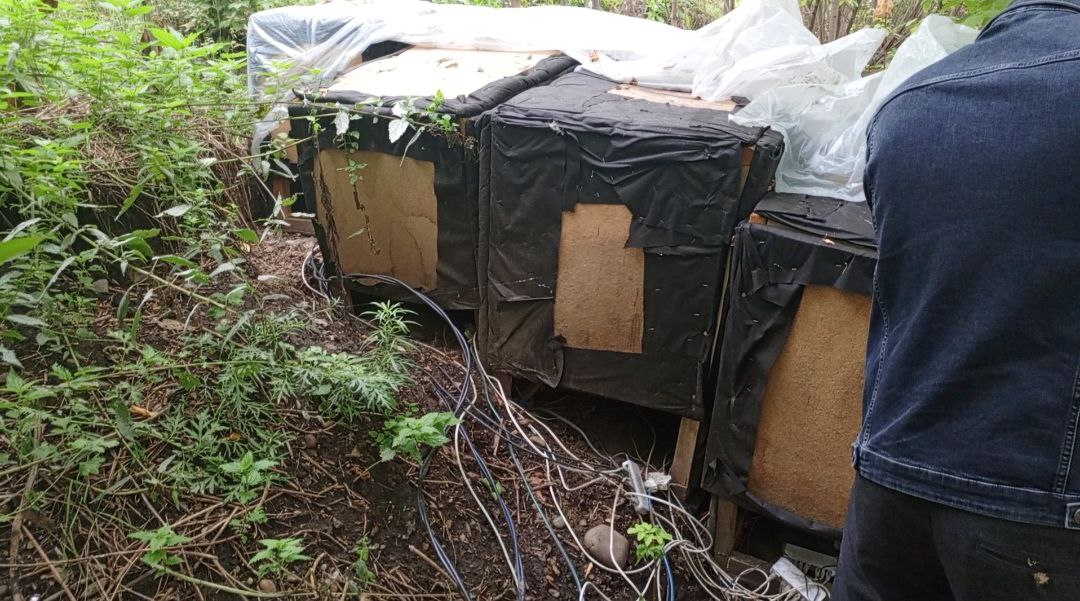
Майнинг-ферма в Иркутске. Источник: ИЭСК

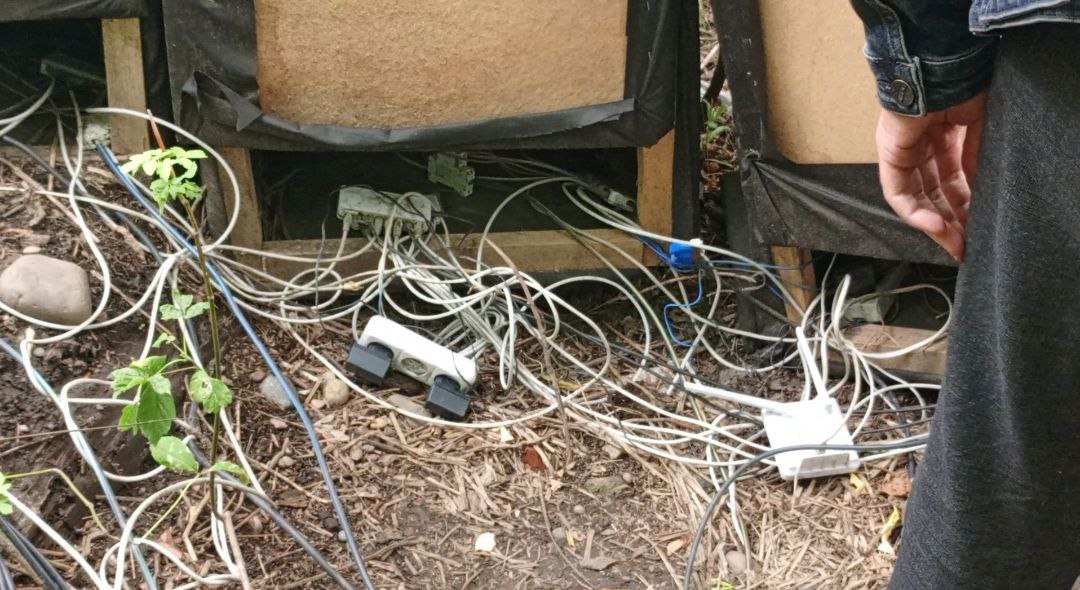
В зарослях крапивы в городской лесопосадке энергетики совместно с сотрудниками полиции обнаружили 21 устройство для майнинга в нескольких коробках. Ферма была незаконно подключена к линии напряжением 0,4 кВ.

Телеграм-канал «РБК-Крипто» — подпишитесь и будьте в курсе самых главных и актуальных новостей о криптовалюте.

Присоединяйтесь к форуму «РБК-Крипто» в Telegram для обсуждения новостей и тенденций криптомира.

Майнинг-ферма в Иркутске. Источник: ИЭСК

Организаторы фермы пока неизвестны, но их доход, по предварительным данным ИЭСК, составлял около 250 тыс. руб. в месяц. Ущерб от бездоговорного потребления электроэнергии оценили примерно в 1 млн руб.
Оборудование для майнинга стало доступнее. Топ-модели по доходности

Майнинг-ферма в Иркутске. Источник: ИЭСК

Майнеры не только крали электричество, но и нарушали региональные ограничения на добычу криптовалюты. Юг Иркутской области, включая сам Иркутск, входит в список энергодефицитных территорий России, где майнинг запрещен до весны 2031 года.

В начале лета в Приангарье ввели порядок обнаружения майнеров. Глава Иркутской области Игорь Кобзев распорядился анализировать энергопотребление населения с целью выявления незаконной добычи криптовалют.

«Норникель» оценил возможности токенизации запасов драгметаллов в недрах

Продажи ранних инвесторов биткоина достигли пика. Что еще влияет на рынок

«Будет великий памп». Подборка горячих дискуссий с Форума РБК Крипто
Пов'язані матеріали

Media: Anthropic Aims for Revenue Up to $200 Billion by 2028 Ahead of IPO

Anthropic, the AI company behind Claude, is reportedly projecting its revenue could reach between $190 billion and $200 billion by 2028, according to sources cited by Reuters. This forecast, significantly higher than its reported $47 billion annual run-rate in May 2026, is being used by investors and bankers to value the company ahead of a potential IPO. Anthropic has confidentially filed with the SEC, with listing details dependent on market conditions and regulatory approval. The valuation reportedly applies a revenue multiple (EV/Revenue) to these future 2028 figures, an approach common for high-growth tech firms but unusual for a forecast two years ahead of an IPO. This reflects confidence in Anthropic's rapid scaling; its annual run-rate grew tenfold yearly for three years leading into 2026, jumping from ~$9B in late 2025 to over $47B by May 2026. Investors are betting the company's massive spending on GPUs, model training, and infrastructure will eventually outpace costs, leading to expanding margins. Public companies like Palantir, Cloudflare, and SpaceX, valued at high multiples of their forward revenue, serve as benchmarks. While this forward-looking method has precedents, some analysts question the sustainability of such valuations and the actual productivity gains from AI. Despite these concerns, earlier reports suggested Anthropic could be valued at over $1 trillion for its IPO.

cryptonews.ru15 хв тому

Media: Anthropic Aims for Revenue Up to $200 Billion by 2028 Ahead of IPO

cryptonews.ru15 хв тому

Open Blockchain Business: Who Gets the Fees and Why a Foundation is Needed

Business of Open Blockchain: Who Gets the Fees and Why a Foundation is Needed In public blockchains, user transaction fees do not simply become "revenue" for a single entity. The flow of money is complex and protocol-dependent. In Ethereum, fees consist of a base fee (burned, permanently removing ETH from circulation) and a priority tip (paid to the validator). In Solana, half the base fee is burned and half goes to the validator, while priority fees go entirely to validators. Thus, "fees" are not synonymous with "project revenue"; they may go to network operators or be destroyed. Foundations like the Ethereum Foundation do not take a cut of user fees. They are funded by their own treasuries, which can generate income (e.g., from staking rewards) and finance ecosystem development, research, and security. Their role is to fund public goods that are hard to monetize directly. Developers of open-source blockchain code can monetize through services, not the code itself. For example, Optimism provides its technology freely but sells enterprise support and managed services (OP Enterprise). Additionally, networks built on Optimism's tech, like Coinbase's Base, share a portion of their revenue with the Optimism ecosystem via agreements, creating an economic link. Token holders do not automatically receive fees as dividends. In Optimism, a portion of protocol revenue is now used to buy back and treasury-lock OP tokens, creating an indirect link between network usage and token economics. In Ethereum, fee burning reduces ETH supply but doesn't distribute funds to all holders; stakers and validators receive direct rewards. For evaluation, analysts should look beyond total fee figures. Key questions are: Who paid and for what? Where did the money go (to validators, operators, treasury, or burning)? What were the recipient's costs? Is there a mechanism linking this income to the token? The same fee amount impacts different blockchain economies in vastly different ways depending on these factors.

cryptonews.ru16 хв тому

Open Blockchain Business: Who Gets the Fees and Why a Foundation is Needed

cryptonews.ru16 хв тому

Торгівля

Спот
活动图片