Адвокат Илона Маска возглавит компанию с резервом Dogecoin

RBK-cryptoОпубліковано о 2025-09-02Востаннє оновлено о 2025-09-02

Проект House of Doge, формирующий резерв из главного мемкоина, привлечет $175 млн на закупку Dogecoin

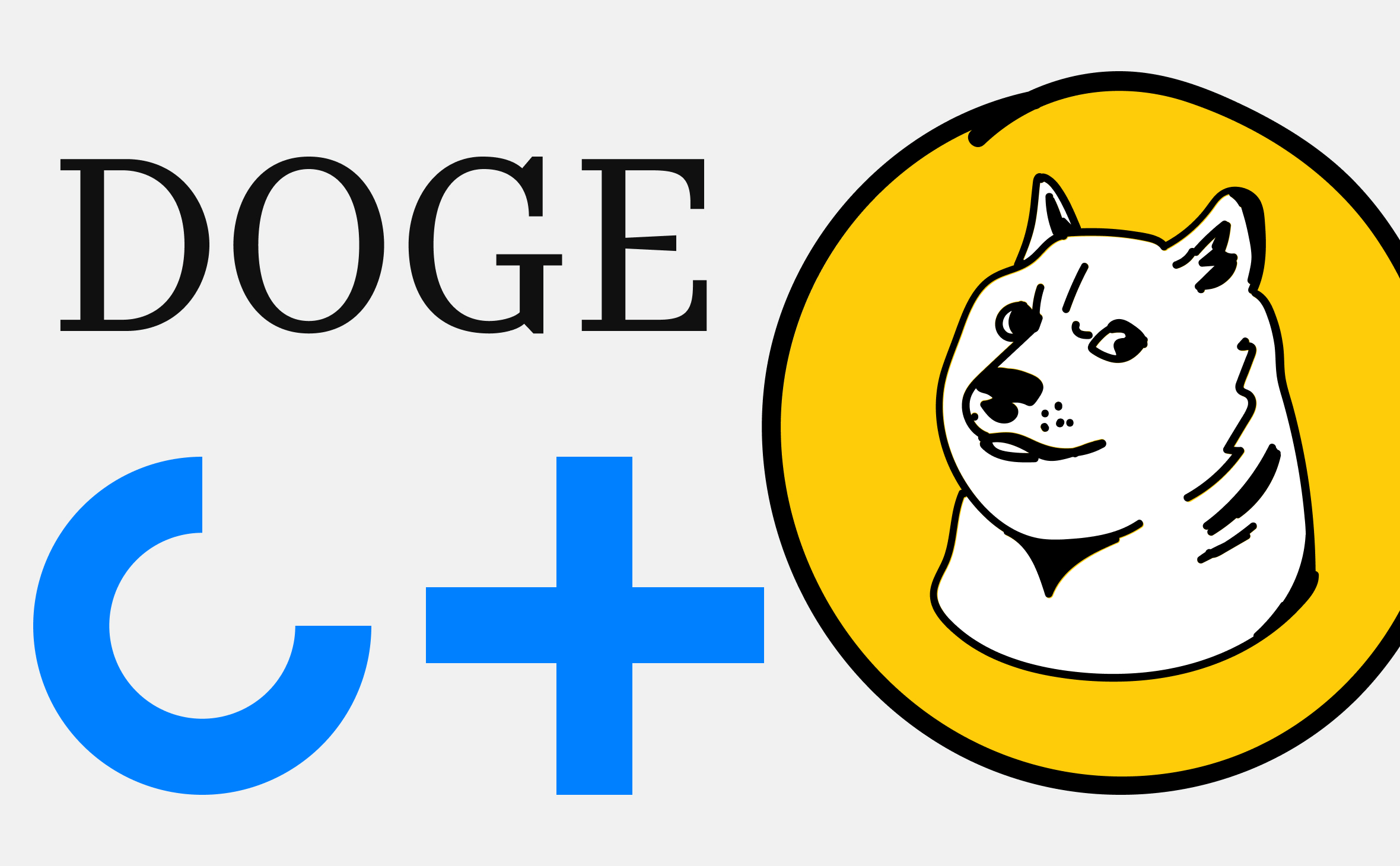
House of Doge, подразделение разработчиков крупнейшего мемкоина Dogecoin Foundation, объявило о сотрудничестве с публичной компанией CleanCore Solutions (тикер ZONE на NYSE), которая проведет частное размещение акций на $175 млн для формирования резерва Dogecoin (DOGE). Руководить новой структурой будет адвокат Алекс Спиро, представлявший интересы Илона Маска, Jay-Z и Алека Болдуина.

В компании сообщили, что в сделке принимают участие группа из более чем 80 крупных институциональных инвесторов. Среди них компании MOZAYYX, Pantera Capital, FalconX и Borderless.

Подразделение House of Doge было основано весной 2025 года, оно занимается разработкой и продвижением мемкоина DOGE. Цель проекта — сделать эту криптовалюту широко распространенным средством платежа для повседневного использования, а стратегический резерв, по мнению команды, будет «поддерживать бесперебойное использование (мемкоина) в повседневных коммерческих транзакциях». В марте проект приобрел первые 10 млн DOGE (около $1,8 млн на тот момент).

Телеграм-канал «РБК-Крипто» — подпишитесь и будьте в курсе самых главных и актуальных новостей о криптовалюте.

Присоединяйтесь к форуму «РБК-Крипто» в Telegram для обсуждения новостей и тенденций криптомира.

Теперь House of Doge и CleanCore будут вместе управлять резервами Dogecoin. Выручка от размещения акций пойдет на приобретение DOGE. Также консультировать и поддерживать House of Doge будет венчурный компания 21Shares, один из крупнейших в мире эмитентов криптовалютных биржевых фондов (ETF), с активами под управлением более $12 млрд.

Акции CleanCore, которая занимается озонированием воды, начали планомерно расти с конца марта, когда появились первые заявления о запуске компании с резервом DOGE. За это время бумаги ZONE подорожали на 600%. Однако сразу после публикации официального пресс-релиза о запуске нового направления бумаги ZONE обвалились почти на 60%, практически полностью утратив накопленный за несколько месяцев рост.

Dogecoin — крупнейший и самый старый мемкоин, его капитализация составляет $32 млрд. Он практически не отреагировал на новость. Цена DOGE колеблется около $0,21. За последние сутки он подешевел на 2%.

В середине июля стало известно, что котирующийся на Nasdaq майнер Bit Origin принял стратегию накопления DOGE и планирует создать резерв мемкоина на $500 млн. На фоне этого сообщения за неделю мемкоин подорожал на 40%.

Ether Machine привлекла $654 млн в Ethereum от ветерана криптоиндустрии

Вступил в силу лимит на снятие наличных. Как это затронет криптообмен

«Скорее всего, вырастет в 100 раз». Сможет ли Ethereum обогнать биткоин
Пов'язані матеріали

Media: Anthropic Aims for Revenue Up to $200 Billion by 2028 Ahead of IPO

Anthropic, the AI company behind Claude, is reportedly projecting its revenue could reach between $190 billion and $200 billion by 2028, according to sources cited by Reuters. This forecast, significantly higher than its reported $47 billion annual run-rate in May 2026, is being used by investors and bankers to value the company ahead of a potential IPO. Anthropic has confidentially filed with the SEC, with listing details dependent on market conditions and regulatory approval. The valuation reportedly applies a revenue multiple (EV/Revenue) to these future 2028 figures, an approach common for high-growth tech firms but unusual for a forecast two years ahead of an IPO. This reflects confidence in Anthropic's rapid scaling; its annual run-rate grew tenfold yearly for three years leading into 2026, jumping from ~$9B in late 2025 to over $47B by May 2026. Investors are betting the company's massive spending on GPUs, model training, and infrastructure will eventually outpace costs, leading to expanding margins. Public companies like Palantir, Cloudflare, and SpaceX, valued at high multiples of their forward revenue, serve as benchmarks. While this forward-looking method has precedents, some analysts question the sustainability of such valuations and the actual productivity gains from AI. Despite these concerns, earlier reports suggested Anthropic could be valued at over $1 trillion for its IPO.

cryptonews.ru15 хв тому

Media: Anthropic Aims for Revenue Up to $200 Billion by 2028 Ahead of IPO

cryptonews.ru15 хв тому

Open Blockchain Business: Who Gets the Fees and Why a Foundation is Needed

Business of Open Blockchain: Who Gets the Fees and Why a Foundation is Needed In public blockchains, user transaction fees do not simply become "revenue" for a single entity. The flow of money is complex and protocol-dependent. In Ethereum, fees consist of a base fee (burned, permanently removing ETH from circulation) and a priority tip (paid to the validator). In Solana, half the base fee is burned and half goes to the validator, while priority fees go entirely to validators. Thus, "fees" are not synonymous with "project revenue"; they may go to network operators or be destroyed. Foundations like the Ethereum Foundation do not take a cut of user fees. They are funded by their own treasuries, which can generate income (e.g., from staking rewards) and finance ecosystem development, research, and security. Their role is to fund public goods that are hard to monetize directly. Developers of open-source blockchain code can monetize through services, not the code itself. For example, Optimism provides its technology freely but sells enterprise support and managed services (OP Enterprise). Additionally, networks built on Optimism's tech, like Coinbase's Base, share a portion of their revenue with the Optimism ecosystem via agreements, creating an economic link. Token holders do not automatically receive fees as dividends. In Optimism, a portion of protocol revenue is now used to buy back and treasury-lock OP tokens, creating an indirect link between network usage and token economics. In Ethereum, fee burning reduces ETH supply but doesn't distribute funds to all holders; stakers and validators receive direct rewards. For evaluation, analysts should look beyond total fee figures. Key questions are: Who paid and for what? Where did the money go (to validators, operators, treasury, or burning)? What were the recipient's costs? Is there a mechanism linking this income to the token? The same fee amount impacts different blockchain economies in vastly different ways depending on these factors.

cryptonews.ru16 хв тому

Open Blockchain Business: Who Gets the Fees and Why a Foundation is Needed

cryptonews.ru16 хв тому

Торгівля

Спот
活动图片