100%自筹资金、草根团队二次创业,Project X能复制Hyperliquid的成长轨迹吗?

marsbitОпубліковано о 2025-07-17Востаннє оновлено о 2025-07-18

Hyperliquid 作为本周期表现最为突出的交易平台之一,日交易量超 150 亿美元,占据着链上超 74% 的 Perps 份额,原生代币 HYPE 当前位居加密货币市值排行的第 12 名。Hyperliquid 的野心并不仅是成为单一的链上交易平台,而是构建一个以自己为核心的生态网络 Hyper EVM 。

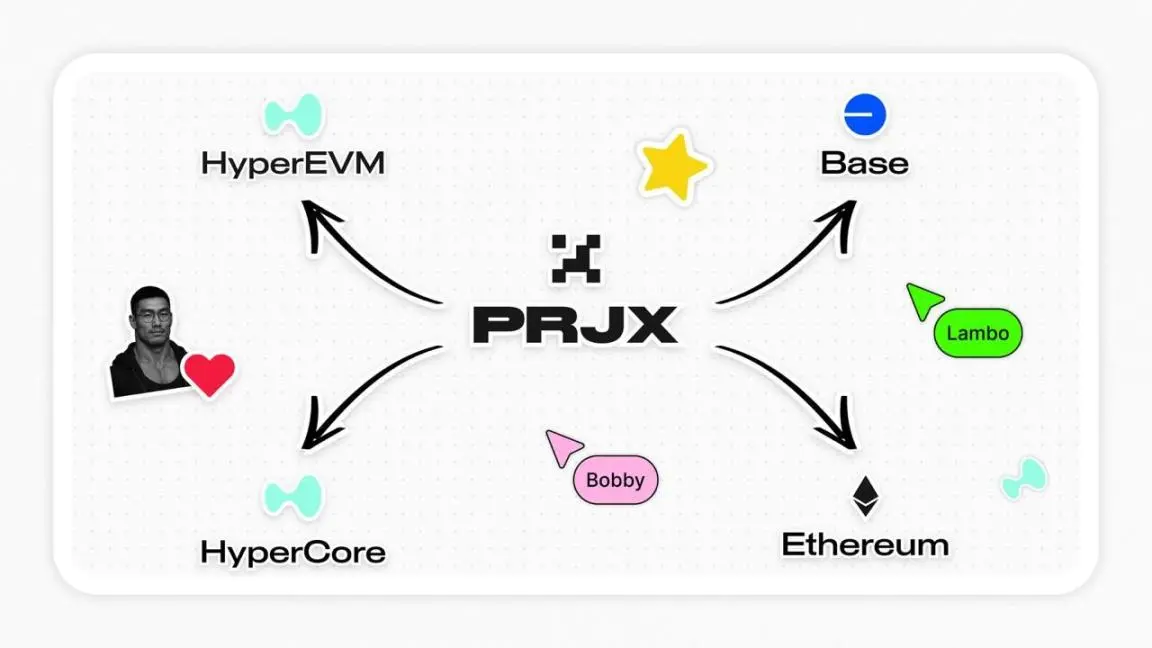
近日,Hyper EVM 生态中一个全新项目 Project X 引起社区关注,该 DEX 上线仅三天 TVL 已突破 4000 万美元。作为一个新兴项目,Project X 的生态位置和团队背景值得关注。

若要理解 Project X 的诞生,绕不开其创始团队的「前作」— Pacmoon。

作为 Blast 链上的社交 Meme 项目,Pacmoon 凭借「Yap 模式」(通过社交裂变与社区共识驱动代币价值)FDV 最高超 2 亿美元成为当时 Blast 生态的代表性项目,但目前该项目代币 PAC 的 FDV 仅 3.5 万美元,接近归零。一方面有 Blast 网络逐渐沉寂的原因,另一方面也说明该项目昙花一现的属性。
 Pacmoon

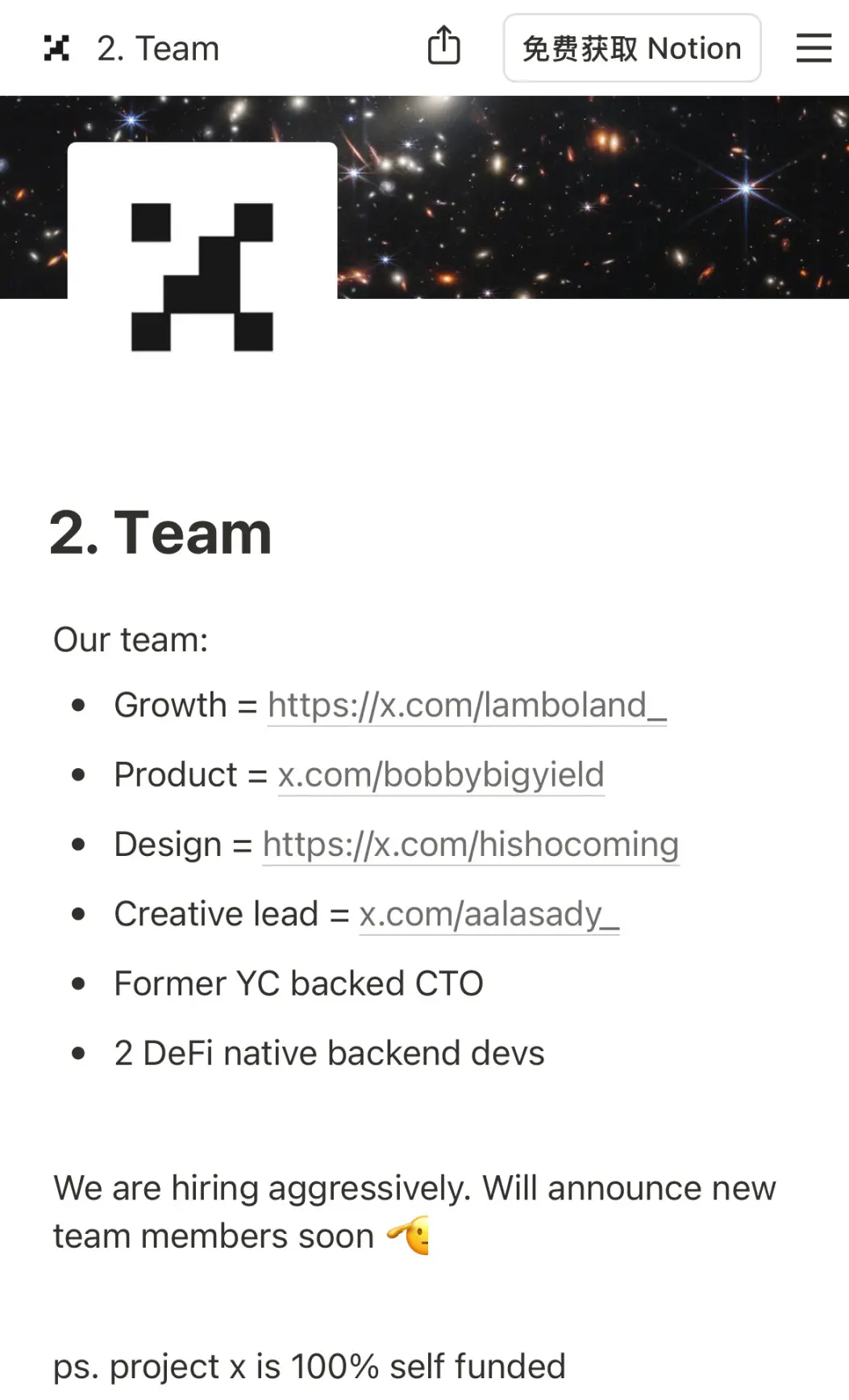
据官方文档显示,目前暂未明确项目创始人身份,但团队主要成员共 7 人,其中 Lamboland 负责增长板块,BOBBY 负责产品运营,hisho 负责产品设计,Ali 负责创意指导。此外还有 YC 背景的 CTO,和两名 DeFi 原生后端开发人员。

在已公开昵称的四人中,根据已发布的推文判断四人均不同程度地参与过 Pacmoon 或 Blast 网络建设。其中 Lamboland 和 BOBBY 则为 Pacmoon 的创始人。

如今,团队将目光转向 DeFi 基础设施:AMM DEX(自动做市商去中心化交易所)。在 Project X 的规划中,团队希望跳出「模仿 Uniswap」的框架,通过「分发机制、激励设计与用户体验」,改变交易平台的竞争逻辑。正如官网所言:「技术正在趋同,下一轮 DeFi 的胜负手将在于如何更高效地分配价值、设计激励,并让用户愿意停留。」
 Pacmoon

Project X 的开发采用分阶段推进策略,当前聚焦于第一阶段「HyperEVM DEX」,后续将逐步扩展至「EVM Aggregator」与未公开的第三阶段,最终目标是成为「加密交易者的首选交易平台」。

作为当前核心产品,定位为「Uniswap 风格的 AMM DEX」,但在用户体验与激励机制上做了差异化设计:

  • 费用分配:V3 版本中,86% 的交易费用直接分配给流动性提供者(LP),剩余部分用于协议运营。这一比例在同类 AMM 中属于「高 LP 回报」梯队,官网直言「要让 LP 在 Project X 赚取更多收益」;
  • V2 池筹备:尽管 V2 版本尚未上线,团队已释放信号,未来将通过更复杂的做市策略(如动态手续费、跨链流动性聚合)进一步提升 LP 收益。

在完成第一阶段的 HyperEVM DEX 的建设后,第二阶段的「EVM Aggregator」将聚焦跨链交易聚合,用户可通过 Project X 一键访问多条 EVM 链的流动性,解决当前「多链 DEX 割裂」的痛点。


参与方式

Project X 积分机制是当前激活用户增长的关键。目前积分是用户参与生态的核心凭证,未来可能直接关联代币空投或生态权益。

当前积分的获取路径明确指向「用户贡献」:

  • 流动性提供(LP):用户可将资产存入 HyperEVM DEX 的流动性池(如当前主推的 kHYPE 池),根据产生的交易费用获得积分。官网特别强调「大部分积分将流向 LP」,且积分计算与「费用产出」强相关 — 例如,存入 100 万美元流动性池并产生 100 美元费用的用户,积分将低于存入 1 万美元但产生 1000 美元费用的用户;
  • 交易:用户在平台完成现货交易(需支付手续费),根据交易规模与频率获得积分;
  • 邀请好友:通过分享专属邀请码,用户可获得双重奖励:一是赚取好友产生积分的 10% 作为推荐奖励;二是好友的基础积分获取效率提升 10%(例如,好友每日原本可获得 100 积分,邀请后可获得 110 积分)。

同时为快速冷启动生态,Project X 设置了短期激励:

  • 每日 100 万积分池:当前阶段,平台每日固定释放 100 万积分,所有用户的积分获取均来自该池;
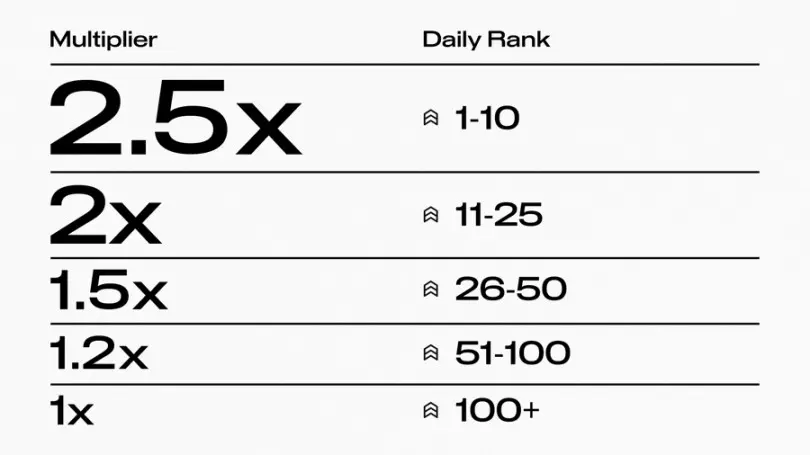
  • 首月积分乘数:前 30 天内,每日积分排名前 100 的用户均可获得最低 1 倍的积分乘数奖励。
 Pacmoon

需要注意的是,项目方近期已调整积分系统 UI,当前积分获取已实时反映在用户界面,但具体空投规则(如积分与代币的兑换比例、空投时间)尚未公布,需以官方后续公告为准。


风险提示
 Pacmoon

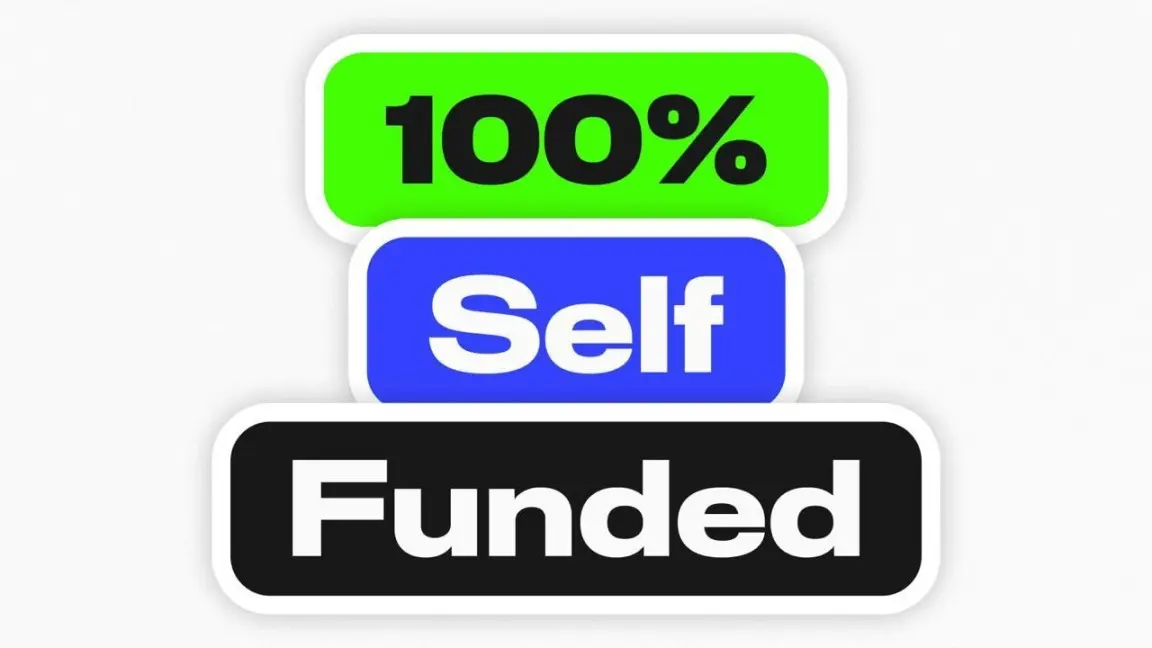
与多数依赖 VC 融资的 DeFi 项目不同,Project X 的资金来源显得更为「草根」:官网明确标注「100% 自筹资金,无 VC、无天使投资、无私募」。这一模式的优势在于团队对项目的控制权更强,更倾向于「长期主义」。

但也伴随潜在风险,无外部融资意味着项目抗风险能力较弱,若遭遇极端行情或智能合约漏洞,可能面临「无法赔偿用户损失」的困境。

Пов'язані матеріали

Second Half of U.S. Crypto Policy: The Clarity Act Aims for 60 Votes, CFTC's "One-Person Commission" Becomes Biggest Variable

In a pivotal year for US crypto policy, the "CLARITY Act" is advancing in the Senate but faces a high hurdle, needing 60 votes to pass. Key challenges include bridging partisan divides on ethics and swaying undecided Republican senators within a tight legislative calendar of only about 40 working days. The policy "second half" involves intense negotiations on a broader framework for Web3 and DeFi, including crypto tax reforms and the Blockchain Regulatory Certainty Act. A significant uncertainty is the understaffed CFTC, operating with four commissioner vacancies, which complicates regulatory clarity. Meanwhile, the departure of key "crypto champions"—SEC Commissioner Hester Peirce and Senator Cynthia Lummis—will impact ongoing policy efforts. Industry experts are cautiously optimistic but realistic. Sara K. Weed notes that while progress is being made, CLARITY is unlikely to pass this Congress, pushing agencies like the SEC and CFTC to provide more guidance. Sulolit Mukherjee suggests meaningful crypto tax legislation is more likely to be attached to larger must-pass bills. Rashan Colbert discusses the jurisdictional debate over prediction markets, emphasizing the need for a regulatory framework that fosters their development as financial tools rather than treating them broadly as gambling. The clock is ticking, but opportunities remain for substantive progress through continued bipartisan dialogue and pragmatic efforts.

marsbit1 год тому

Second Half of U.S. Crypto Policy: The Clarity Act Aims for 60 Votes, CFTC's "One-Person Commission" Becomes Biggest Variable

marsbit1 год тому

Dan Koe's New Essay: Escaping the Fate of the Wage Slave, How to Survive the AI Replacement Wave?

Dan Koe argues that the true threat in the AI era isn't technology itself, but a reliance on others for one's livelihood and happiness. The core problem is "wage slavery"—spending life on unfulfilling work. To survive and thrive, one must escape this by building their own enterprise. The key is developing five elements: Agency (initiative), Taste (discernment), Persuasion, Persistence, and Iteration. These boil down to problem-solving skills and experiential knowledge, which cannot be learned passively but only through doing your own projects. The solution is to become "unemployable" by shifting your identity. This requires: 1) Radically changing your environment to force growth, 2) Choosing a medium (like content creation) that provides real feedback through trial and error, and 3) Mastering either code or, preferably, media (content). Content creation is more valuable because its subjective nature and need for human perspective create a durable advantage over generic AI output. To start, define your life's work by answering foundational questions about your innate knowledge, unique abilities, and contrarian beliefs. Then, immediately act by publishing your first piece of content. The cycle of creating, receiving feedback, and iterating is the essential path to developing the skills needed for an independent, meaningful career and financial resilience.

marsbit1 год тому

Dan Koe's New Essay: Escaping the Fate of the Wage Slave, How to Survive the AI Replacement Wave?

marsbit1 год тому

Research Report Analysis: Morgan Stanley Details SanDisk SNDK, The Truth About Cloud Data Center Pricing Power and AI Inference Benefits

Morgan Stanley raised its price target for SanDisk (SNDK) from $1100 to $1750 on June 22, maintaining an Overweight rating. The upgrade is driven by AI inference demand reshaping the NAND market, particularly for KV Cache and context window storage in cloud data centers. These cloud clients exhibit price inelasticity and sign long-term contracts, granting SanDisk significant pricing power. SanDisk's New Business Model (NBM) agreements, covering over one-third of FY27 bit shipments with 3-5 year terms and fixed price/price collar structures, are crucial. They are projected to sustain gross margins around 80% even at floor prices, providing a buffer against cyclical downturns. Morgan Stanley forecasts gross margins to surge from 30.3% in FY25 to 86.7% in FY27e. With NAND supply expected to remain tight into 2026/2027 and cloud/data centers becoming the largest end-market, SanDisk holds supply-side pricing power. The company targets 15-19% bit growth via technology transitions, not capacity expansion. Revenue is projected to grow ~6.6x from FY25 to FY27, with EPS rising from $2.74 to $14.73, driven by high-margin cloud business. Key upside catalysts include faster enterprise SSD adoption and edge AI growth. Downside risks involve slower industry growth, competitor capex increases, market share loss, and competition from Chinese players like YMTC. The investment thesis rests on AI-driven structural demand, NBM's margin protection, and sustained supply tightness. The $1750 target implies ~28x FY27e P/E.

marsbit2 год тому

Research Report Analysis: Morgan Stanley Details SanDisk SNDK, The Truth About Cloud Data Center Pricing Power and AI Inference Benefits

marsbit2 год тому

Торгівля

Спот
Ф'ючерси
活动图片