黑客、暗网、毒品市场背后的俄罗斯服务商 Aeza Group 遭制裁

深潮Опубліковано о 2025-07-10Востаннє оновлено о 2025-07-10

梳理 Aeza Group 的背景与运作模式,并结合链上反洗钱与追踪工具 MistTrack 的分析以还原其在犯罪生态中的角色。

作者:Lisa&Liz

编辑:Liz

背景

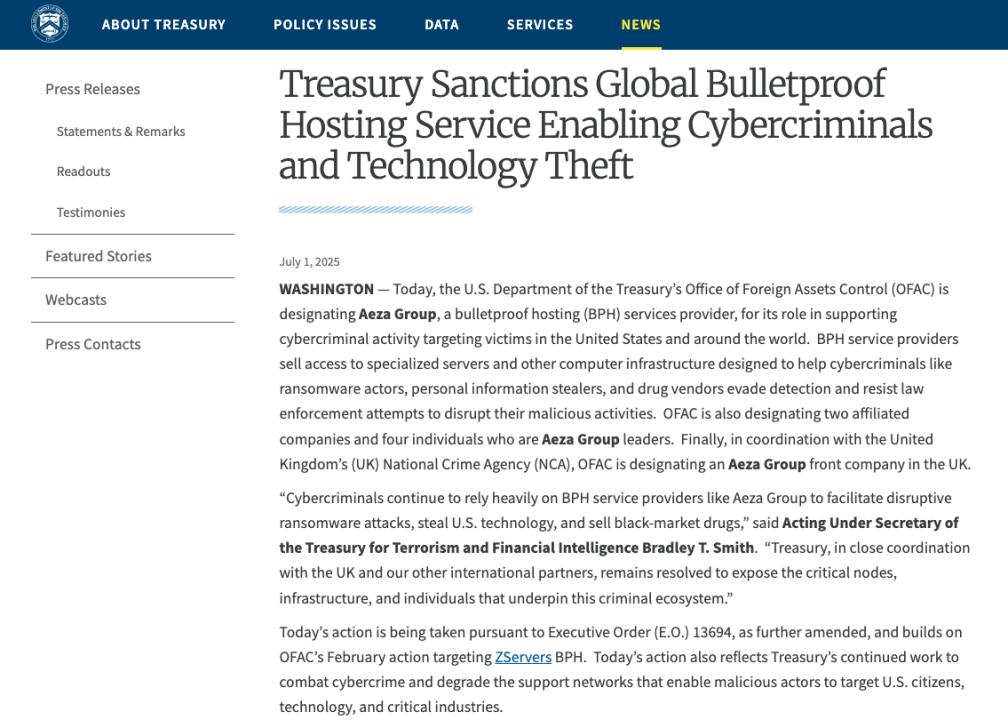
近期,美国财政部外国资产控制办公室(OFAC) 宣布制裁总部位于俄罗斯的 Aeza Group 及其关联实体,理由是该公司为勒索软件和信息窃取工具提供托管服务。
黑客、暗网、毒品市场背后的俄罗斯服务商Aeza Group遭制裁

(https://home.treasury.gov/news/press-releases/sb0185)

此次制裁涵盖Aeza Group 及其英国前台公司 Aeza International Ltd.、两家俄罗斯子公司(Aeza Logistic LLC 和 Cloud Solutions LLC)、四名高管(CEO Arsenii Penzev、总监 Yurii Bozoyan、技术总监 Vladimir Gast 以及管理人 Igor Knyazev),以及一个加密钱包(TU4tDFRvcKhAZ1jdihojmBWZqvJhQCnJ4F)。

“网络犯罪分子仍严重依赖 Aeza Group 这样的防弹托管服务商,来发动破坏性勒索软件攻击、窃取美国技术并销售黑市毒品,”美国财政部负责反恐与金融情报的代理副部长 Bradley T. Smith 表示,“财政部将继续与英国及其他国际伙伴密切协作,坚定不移地揭示支撑这一犯罪生态的关键节点、基础设施与相关人员。”

这一制裁行动标志着国际执法机构正将打击重点从攻击者本身,延伸至其背后的技术基础设施和服务商。本文将梳理Aeza Group 的背景与运作模式,并结合链上反洗钱与追踪工具 MistTrack 的分析以还原其在犯罪生态中的角色。

Aeza Group 是谁?
黑客、暗网、毒品市场背后的俄罗斯服务商Aeza Group遭制裁

(https://www.pcmag.com/news/us-sanctions-russian-web-hosting-provider-aeza-for-fueling-malware)

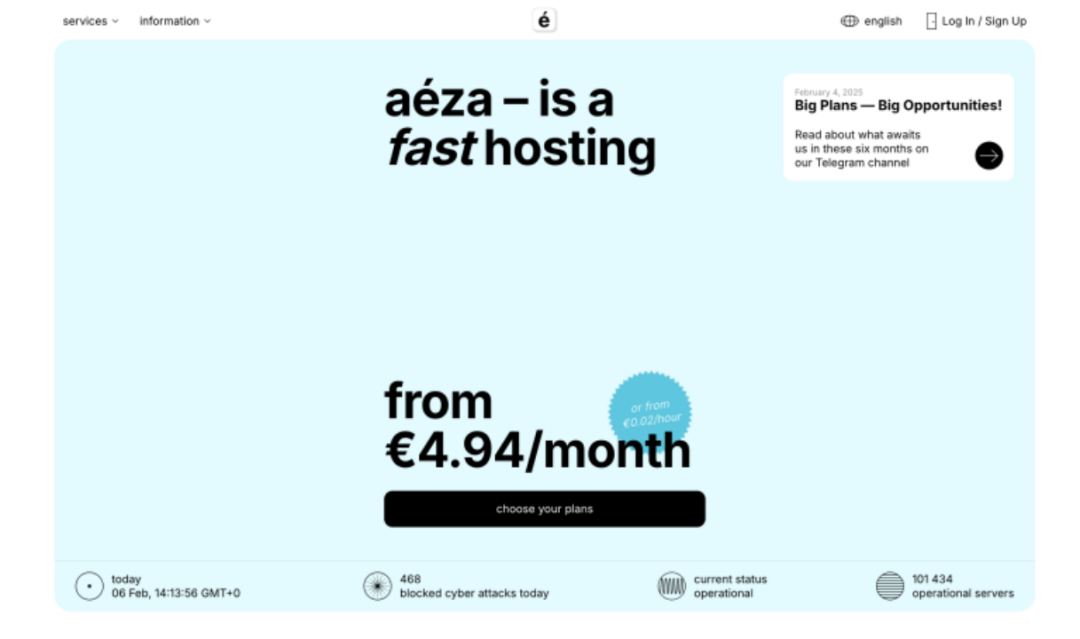
Aeza Group 是一家总部位于俄罗斯圣彼得堡的防弹托管(BPH) 服务提供商,长期为勒索软件团伙、信息窃取工具(infostealers) 运营者以非法毒品交易平台等网络犯罪团伙提供专用服务器和匿名托管服务。

其客户包括:臭名昭著的信息窃取工具运营方如Lumma 和 Meduza,这些组织曾对美国国防工业基地和全球科技公司发动攻击;勒索软件与数据窃取团伙BianLian 和 RedLine;以及俄罗斯著名暗网毒品市场 Blacksprut。Aeza 不仅为 Blacksprut 提供托管服务,还参与其技术架构建设。根据 OFAC 披露,Blacksprut 被广泛用于芬太尼及其他合成毒品的全球分销,严重威胁公共安全。

MistTrack 分析

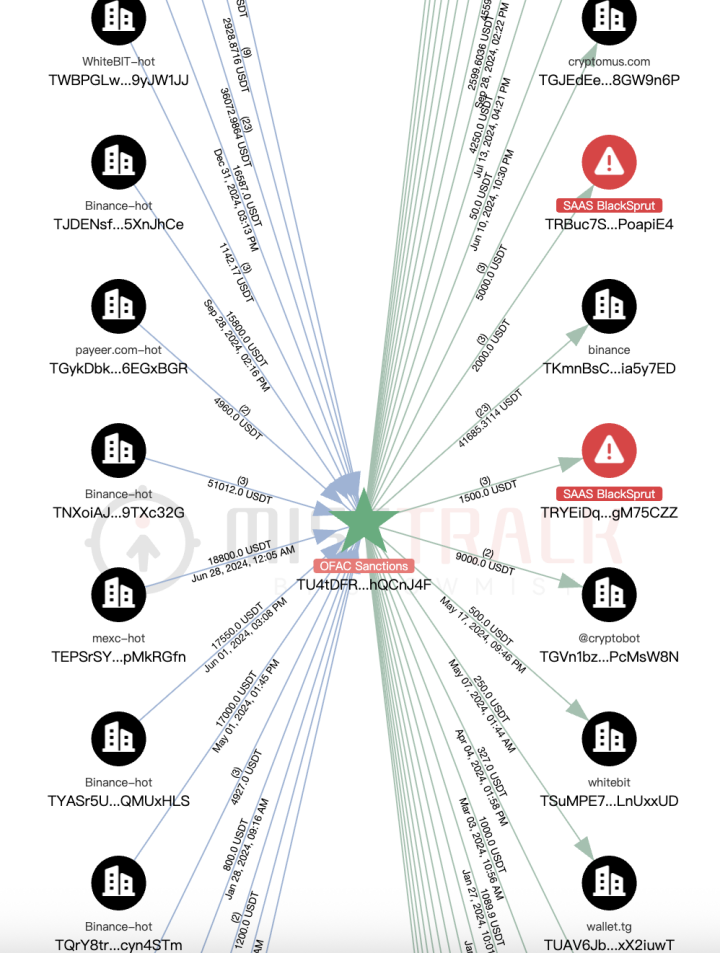
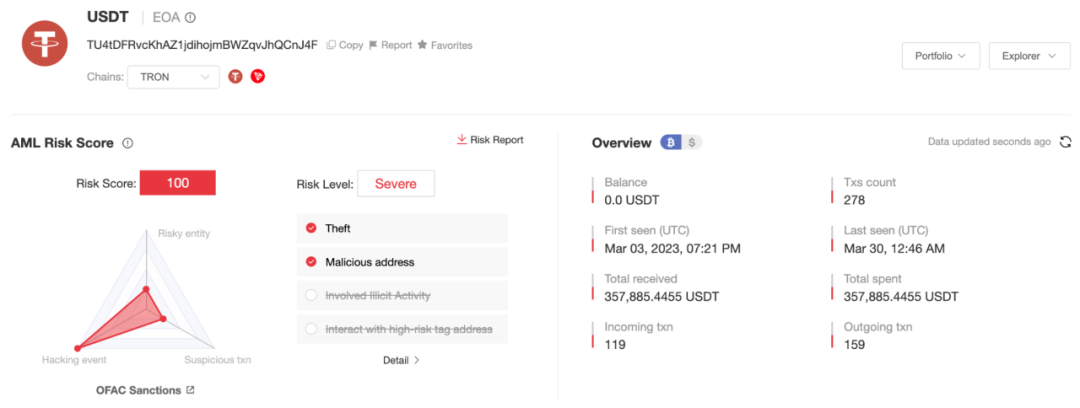
根据链上反洗钱与追踪平台 MistTrack 分析,被制裁地址(TU4tDFRvcKhAZ1jdihojmBWZqvJhQCnJ4F)自 2023 年开始活跃,已累计接收超过 35 万美元的 USDT。
黑客、暗网、毒品市场背后的俄罗斯服务商Aeza Group遭制裁

根据MistTrack 分析,该地址与以下对象存在交互:

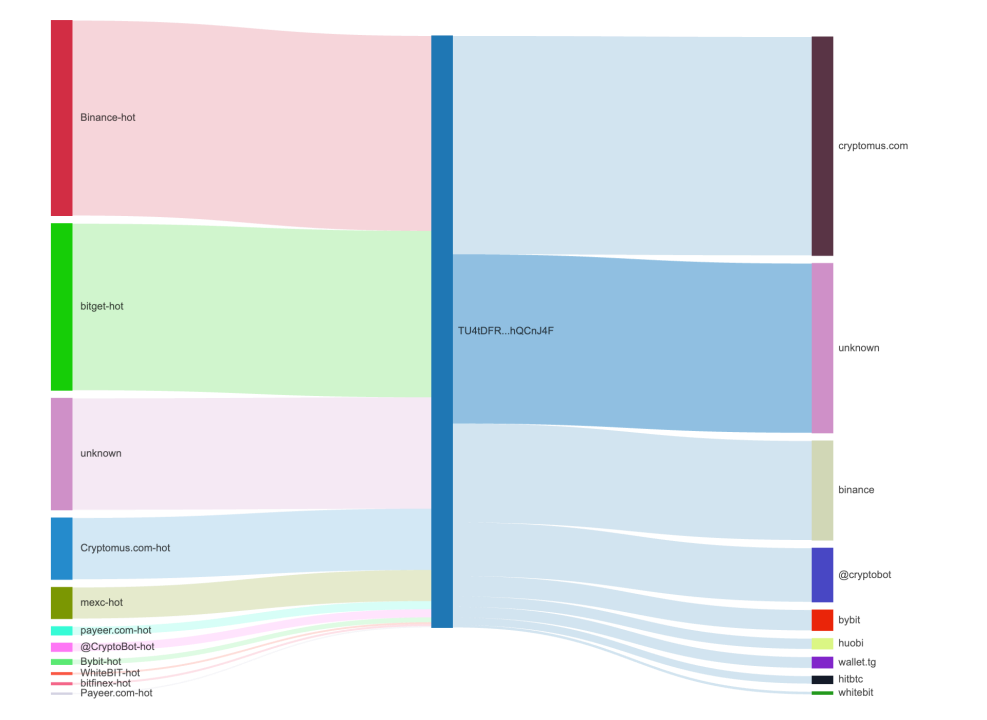
  • 向多个知名交易平台/ OTC 转出资产,如 Cryptomus、WhiteBIT 等,用于资金清洗;

  • 与被制裁实体关联,如Garantex、Lumma;

  • 与在Telegram 推广的信息盗窃即服务平台(Stealer-as-a-Service) 关联;

  • 与暗网毒品市场Blacksprut 相关地址关联。

黑客、暗网、毒品市场背后的俄罗斯服务商Aeza Group遭制裁

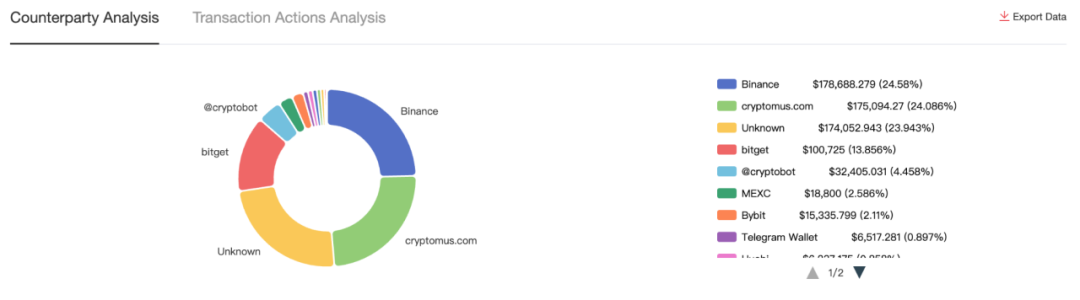
据MistTrack 交易对手功能分析,该地址的交互对象占比如下:

黑客、暗网、毒品市场背后的俄罗斯服务商Aeza Group遭制裁

黑客、暗网、毒品市场背后的俄罗斯服务商Aeza Group遭制裁

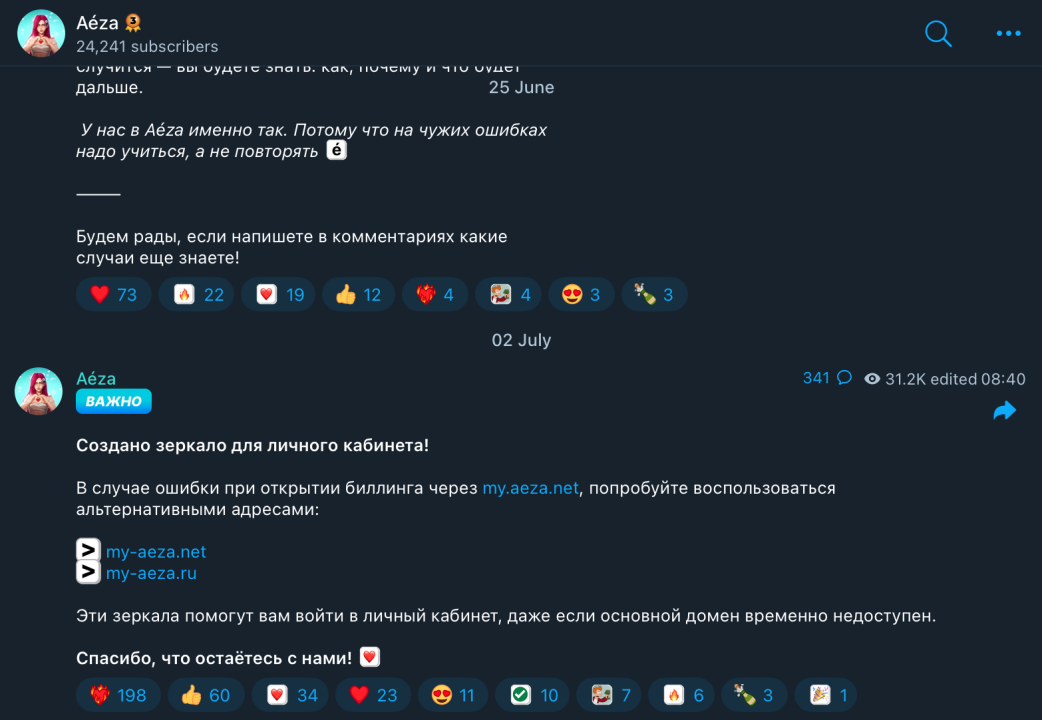
此外,我们还发现在7 月 2 日,Aeza 的 Telegram 仍在活跃,管理员发布备用网址,以防用户无法顺利登陆主站点:
黑客、暗网、毒品市场背后的俄罗斯服务商Aeza Group遭制裁

经查询,这两个备用网址的创建时间刚好为 OFAC 宣布制裁Aeza 的当日。
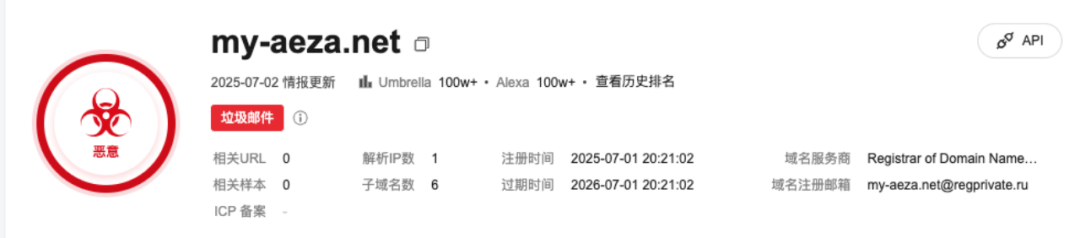
黑客、暗网、毒品市场背后的俄罗斯服务商Aeza Group遭制裁

结语

对Aeza Group 的制裁表明,全球监管正在将打击目标从攻击者,延伸到其背后的技术服务网络。托管商、匿名通信工具、支付通道,正成为合规打击的新焦点。对企业、交易所、服务商而言,KYC / KYT 不再是“选做题”,如果不慎与高风险对象产生业务关联,则可能面临连带制裁风险。


Пов'язані матеріали

Google Starts Selling TPUs, Big Tech Aims to Produce "Low-Cost Tokens" with AI Chips

Google has begun selling its proprietary TPU chips and AI computing hardware directly to third-party data centers and clients, marking a strategic shift. Previously only accessible via cloud rentals, TPUs are specialized processors designed for the matrix and tensor operations central to AI models. By combining thousands into supercomputing clusters managed by CPUs, Google achieves high-efficiency AI processing. This move enables Google’s Gemini AI to offer competitive token pricing, challenging rivals like OpenAI. It also signals a broader industry trend where AI compute is becoming a commoditized resource like electricity. While NVIDIA remains dominant with its CUDA ecosystem and high-performance GPUs, the focus is shifting from raw power to cost efficiency and system integration. Google’s approach mirrors NVIDIA’s by selling an entire ecosystem—hardware, software, and data center expertise—rather than just chips. This threatens NVIDIA’s grip on the mid-range inference market, where lower-cost, efficient solutions are increasingly demanded. Similarly, cloud providers like Huawei Cloud and Alibaba Cloud in China are developing their own AI chip ecosystems (e.g., Ascend, Zhenwu), packaging chips, clusters, and tools into full-stack solutions. They aim to reduce token costs and capture market share through integrated systems. In summary, the AI infrastructure race is evolving from a competition for the strongest chips to a contest for the most efficient and cost-effective systems. Google’s TPU sales highlight this transition, emphasizing that future success lies in delivering affordable, scalable AI compute as a foundational service.

marsbit6 хв тому

Google Starts Selling TPUs, Big Tech Aims to Produce "Low-Cost Tokens" with AI Chips

marsbit6 хв тому

Торгівля

Спот
Ф'ючерси
活动图片