130亿元、200万受害者:起底稳定币「走资」第一大案「鑫慷嘉」

Odaily星球日报Опубліковано о 2025-07-08Востаннє оновлено о 2025-07-08

Анотація

“我只是拿走了不符合你们智商的财富。”

原文作者:Fairy,ChainCatcher

原文编辑:TB,ChainCatcher

“同志们好!大家好!我是黄先生。我已经在国外了。每个人的智商与他们的财富是相匹配的。因为你们的财富与智商不相匹配,我要让你们匹配一下,我只是拿走了不属于符合你们智商的财富,希望你们能感谢我。感恩我。铭记这次的我赐给你们的教训。”
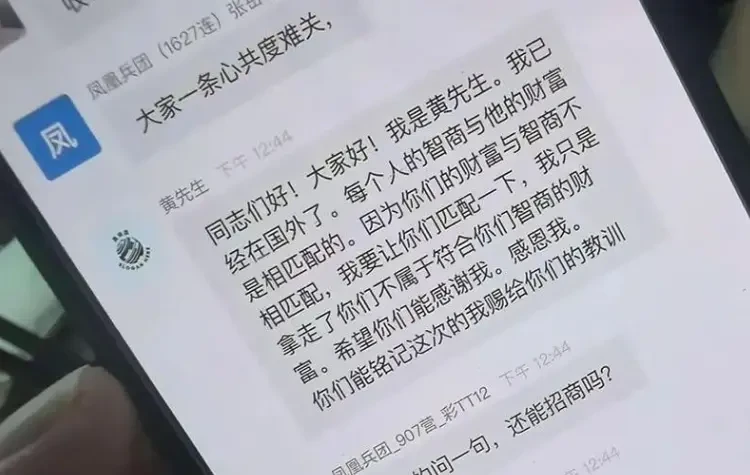
130亿元、200万受害者:起底稳定币「走资」第一大案「鑫慷嘉」

网传“鑫慷嘉”创办人留言图

这段猖狂至极的“告别语”,像一根淬毒的针,扎进 200 万“鑫慷嘉”受害者的心脏。

“鑫慷嘉”披着稳定币的外衣,打着迪拜交易所的旗号,自称联通迪拜资本、与中石油签署战略合作协议,借助“保本高息”的包装,诱使无数三四线城市的中老年人和个体经营户投入资金,最终坠入深渊。

如今,平台无法提现,主谋黄鑫已潜逃海外。在崩盘前两天,高达 18 亿枚 USDT 的巨额资金,被分作 12 批次,转移到了 3 个全新的加密地址。

从空壳到“军事化”传销,鑫慷嘉如何套牢百万受害者?

2021 年 3 月,黄鑫、邵馨慷、王彦嘉三人以各自姓名组合注册成立“贵州鑫慷嘉大数据服务有限公司”,注册资本 3000 万元,最初法人为邵馨慷,后变更为刘海亮。然而,该公司实缴资本为零,社保人数为零,属于典型的空壳公司。

但空壳很快镀上了金光。2023 年 5 月,鑫慷嘉以“中国石油”平台起盘, 9 月重命名为“DGCX 鑫慷嘉数据”,自称是“迪拜黄金与商品交易所”中国官方分部,还搬出“联通中东资本”“战略合作中石油”的噱头,宣称可日赚 2% ,引得无数投资者蜂拥而入。
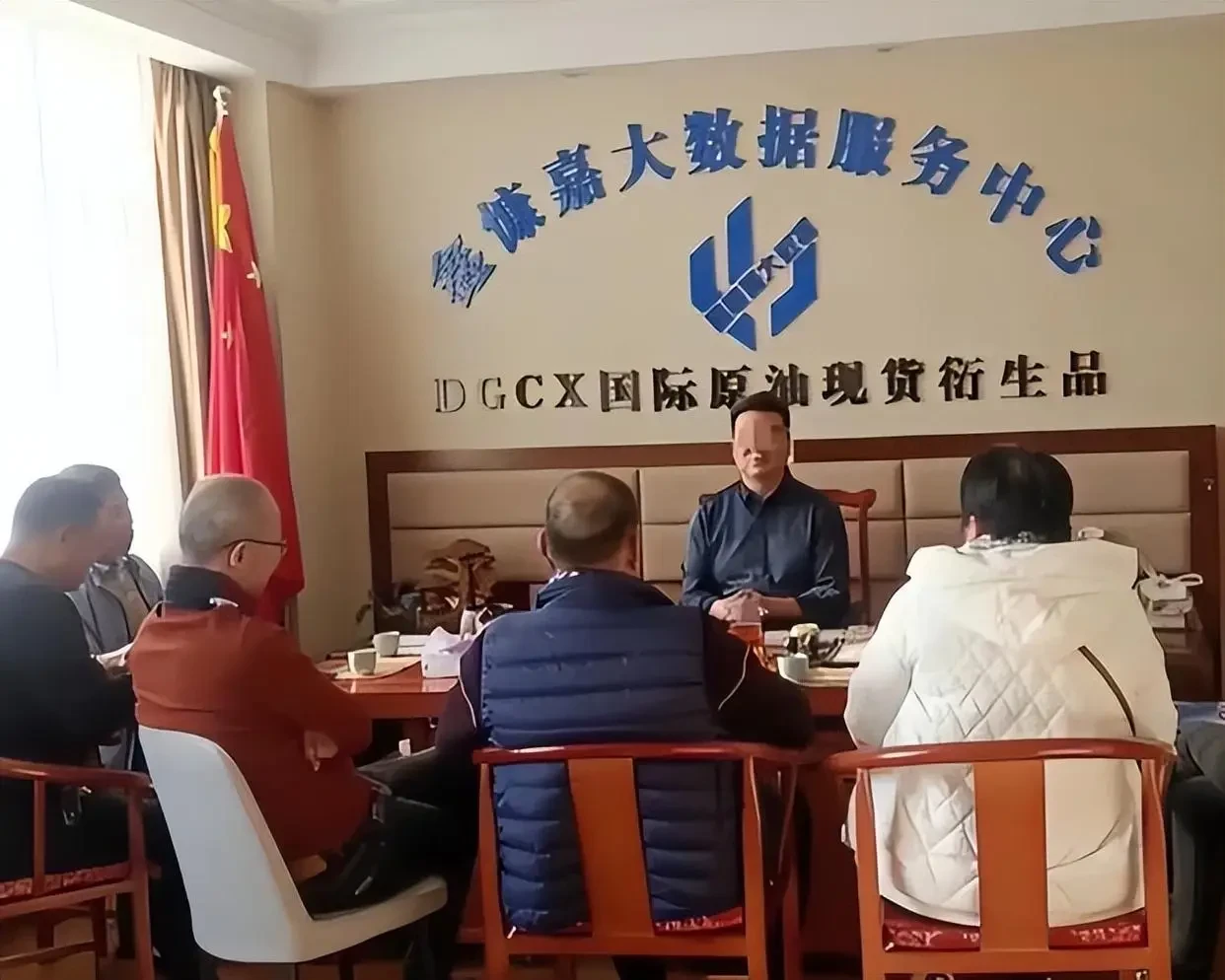
130亿元、200万受害者:起底稳定币「走资」第一大案「鑫慷嘉」

会员下载“DGCX 鑫慷嘉数据”App 后,会跟随“老师”进行模拟操作,预测行情涨跌,表面上是交易,实则后台可随意操控涨跌数据。

此外,平台统一使用 USDT 作为入金和出金手段,内部计价也全部以 USDT 结算。所有会员需自行将人民币兑换成 USDT,再转入平台账户。

这场骗局还套着“军事化”传销架构。平台将全国划分为东、南、西、北四大"战区",推广人员按"司令-军长-师长"军衔晋升。拉 50 人升旅长、拿 15% 提成,拉 500 人送保时捷。其中最大的云南团队仅团员就有 15 万人,江西 10 万人,形成庞大传销网络。
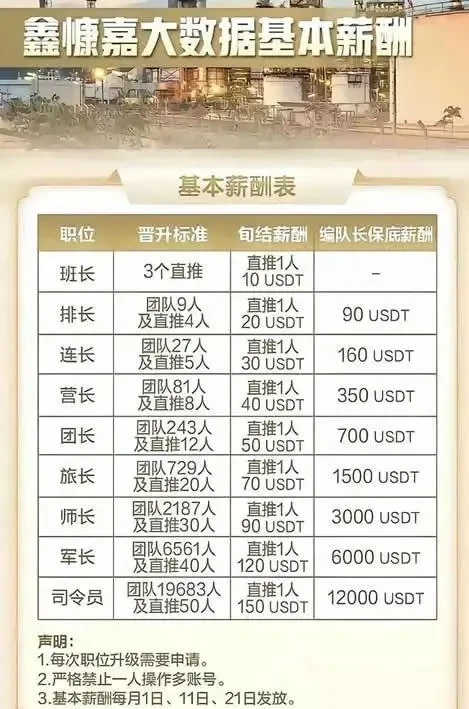
130亿元、200万受害者:起底稳定币「走资」第一大案「鑫慷嘉」

实际上,早在 2024 年 10 月,四川珙县就发出风险预警,指出该平台无合法资质。但多数用户仍沉浸在“稳赚不赔”的暴利幻想中。直到湖南、湖北等 12 个省份接连亮起红灯,平台才开始露出马脚。

2025 年 5 月,平台提现手续费从 5% 飙升到 10% ,超 5 万元需"排队 30 个工作日"。6 月 26 日,平台全面关闭提现通道,系统瘫痪,数百万投资者资金被彻底冻结。

截至目前,全国多地警方已立案调查,已有 37 名团队头目落网,冻结涉案资金超 1.2 亿元。

黄鑫的假面与逃亡

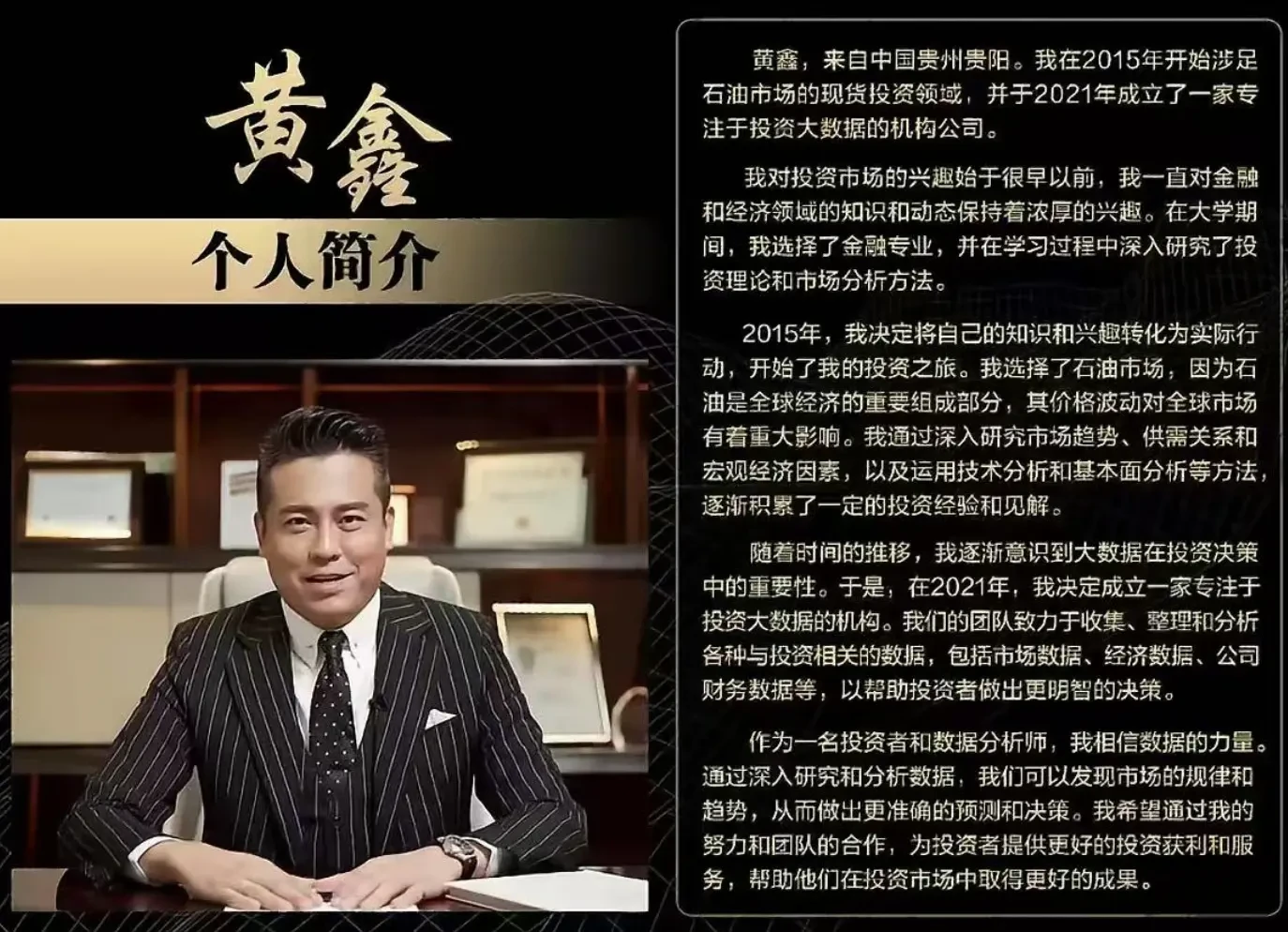
“鑫慷嘉”幕后主谋黄鑫,曾对外包装为“华尔街金融博士”、“中石油高管”,并声称自己“早在 2015 年就准确预测原油暴涨”,试图营造专业、权威的金融人设。

然而,平台反复使用的“黄鑫”照片实为冒用他人肖像,图中人物实为香港博主“梁博士”,其本人早于 2024 年在社交平台发文澄清,称自己与此事无关。
130亿元、200万受害者:起底稳定币「走资」第一大案「鑫慷嘉」

网传黄鑫虚假个人简介

另有传言称,黄鑫早年就曾涉足传销项目。在十年前,他疑似参与了“云联惠”资本盘,担任华东地区推广负责人。该组织于 2018 年被广东警方定性为特大非法传销案件,涉案金额高达 3300 亿元,会员超过 500 万人,曾打着“消费返利”旗号疯狂扩张。

2024 年 10 月,预感“鑫慷嘉”骗局即将崩塌的黄鑫通过投资移民获得圣基茨护照,该护照让他享有 160 多个国家和地区的免签待遇。目前,其已潜逃海外,行踪成谜。
130亿元、200万受害者:起底稳定币「走资」第一大案「鑫慷嘉」

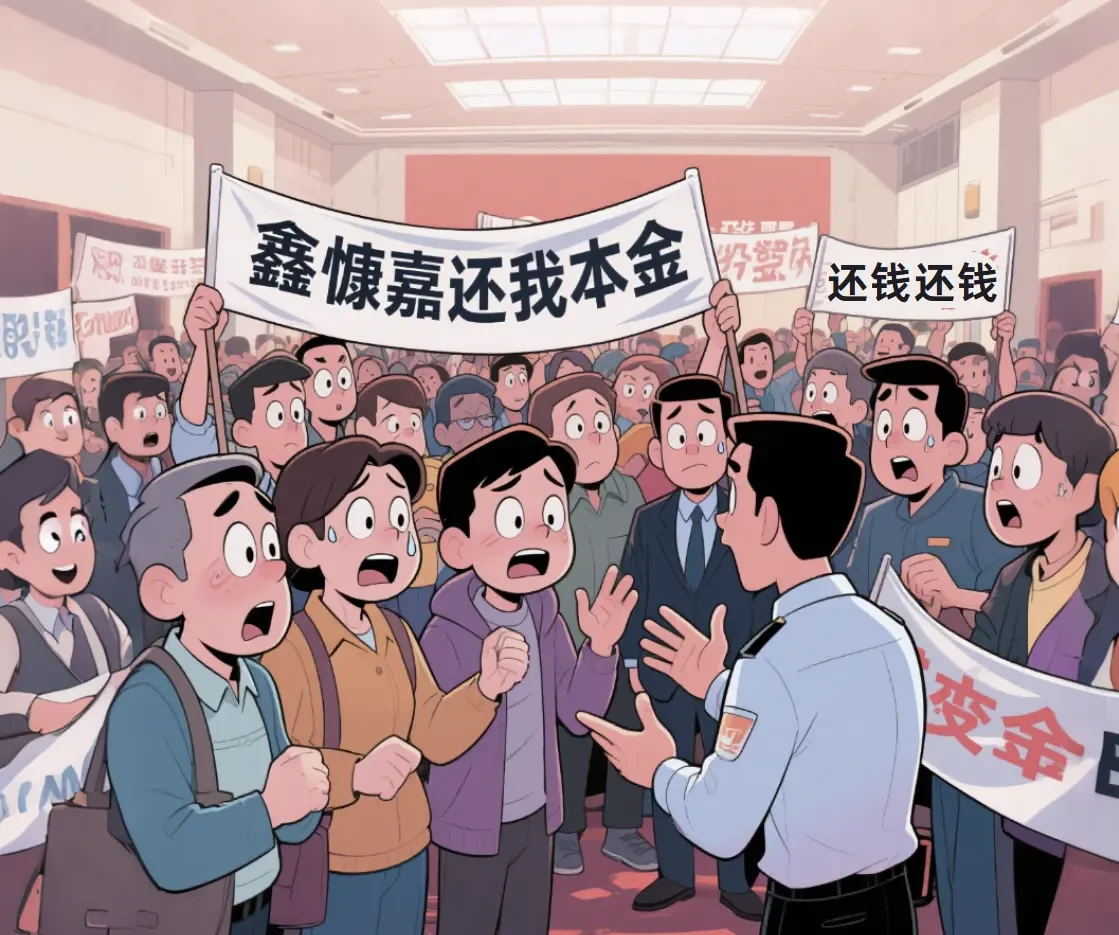
“鑫慷嘉”暴雷,留下了百万家庭的焦虑与伤痕。

这起案件是典型的“庞氏骗局 + 传销裂变 + 跨境洗钱”叠加的金融诈骗,但真正值得警惕的是它在手法上的“升级”:全面引入稳定币 USDT 作为资金进出通道,极大地提升了骗局的隐蔽性与跨境转移效率。

近期,无锡济南政府接连发文或转文探讨稳定币,香港《稳定币条例》即将落地。全球稳定币监管加速推进,然而踩着这股热潮的骗局,也在不断翻新剧本。

泡沫会换皮,但贪婪与信任始终是最容易被收割的筹码。
Пов'язані матеріали

Jensen Huang's Daughter: From Chef to an $8 Million Annual Salary

Madison Huang, daughter of NVIDIA founder Jensen Huang, recently made a rare public appearance in Beijing during the 2026 World Robot Conference. As the Senior Director of Product and Technology Marketing for NVIDIA's Physical AI Platform, with an annual salary of approximately $1.2 million, her visit focused on evaluating leading Chinese robotics companies like UBTech, Unitree, and others. This highlights NVIDIA's strategic interest in the burgeoning Chinese robotics ecosystem, a key battleground for the development of Physical AI—technology that enables machines to understand and interact with the physical world. Huang's career path is unconventional. Initially pursuing her passion, she studied culinary arts, worked as a chef, and later held a marketing role at LVMH. She joined NVIDIA as an intern in 2020 after completing an MBA, quickly rising through the ranks. Her brother, Spencer Huang, followed a similar path, closing a cocktail bar he co-founded to also join NVIDIA, where he now works on robotics software. Jensen Huang has publicly addressed nepotism concerns, humorously noting that some "second-generation" employees outperform their parents. The conference itself underscored China's vibrant robotics sector, marked by Unitree's recent blockbuster IPO and a pipeline of companies preparing to go public. While hardware development and manufacturing are advancing rapidly, industry leaders like Wang Xingxing of Unitree point to the next critical challenge: developing the "brain" or AI that allows robots to perform diverse, unseen tasks based on simple instructions. With massive manufacturing scale and diverse real-world testing scenarios, China is positioned as a central player in the global race to define the future of robotics.

marsbit22 хв тому

Jensen Huang's Daughter: From Chef to an $8 Million Annual Salary

marsbit22 хв тому

He Gave Wang Xingxing the First 2 Million, Now Serves as Chairman for the Next 'Unitree'

On August 19, 2024, Unitree Robotics, China's "first humanoid robotics stock," went public. Its founder, Wang Xingxing, started a decade ago with his self-developed XDog. In 2016, at a critical funding juncture, he received his first angel investment of 2 million RMB from Yin Fangming. This bet has since yielded a return of over 140 times. Yin Fangming is more than just a key investor. He was a co-founder of the AI robotics company ROOBO, whose own venture ultimately struggled. This firsthand experience with the hardware challenges in robotics gave him unique insight when backing Unitree, a company renowned for its hardware R&D and cost control. While his own company faltered, Yin continued investing shrewdly. He partially cashed out some Unitree shares early, reinvesting the proceeds into sectors like energy (e.g., solid-state battery firm TaiLan) and commercial aerospace (e.g., small launch vehicle developer XianDeng Aerospace). However, his most significant move after Unitree is his deep involvement with Galaxy General, a leading embodied AI unicorn. In July 2024, Yin stepped from behind the scenes to officially become its Chairman, indicating a role far beyond a typical investor. This comes as Galaxy General is viewed as preparing for future capital moves. Yin's career has consistently been ahead of the curve—from mobile internet to AI and robotics. Known for his foresight and low profile, he declined an interview for this story, offering only a statement encouraging support for visionary entrepreneurs like Wang Xingxing.

marsbit37 хв тому

He Gave Wang Xingxing the First 2 Million, Now Serves as Chairman for the Next 'Unitree'

marsbit37 хв тому

Coldcard Theft Reflection: Source Code Visibility Does Not Equal Security

The article examines the open-source vs. closed-source debate in crypto, prompted by a theft of over $100M in Bitcoin from Coldcard hardware wallets. It clarifies key terminology: true "Free and Open Source Software" (FOSS) grants four essential freedoms (use, study, share, modify), while "source available" code, like Coldcard's firmware, may have usage restrictions. The piece argues that visible source code alone does not guarantee security; actual safety depends on the economic incentives for thorough, ongoing review by skilled individuals. Using Bitcoin Core as a model, the article describes a successful, transparent open-source development culture built on public review and consensus. It contrasts this with the Coldcard case, where a critical bug in a lightly-reviewed, source-available library went undetected for years, highlighting a "tragedy of the commons" scenario where assumed but absent scrutiny creates vulnerability. The economics of licensing are crucial: restrictive licenses can limit the pool of motivated commercial reviewers. Finally, the article explores AI's impact. It cites the Bitcoin Red Team's use of AI to rapidly audit codebases and find vulnerabilities at scale, demonstrating a powerful new tool for security. However, AI also floods projects with low-quality code, straining maintainers. The piece concludes that in high-stakes crypto, only well-audited projects—whether open or closed-source—can withstand evolving threats, with AI both challenging and aiding security practices.

marsbit48 хв тому

Coldcard Theft Reflection: Source Code Visibility Does Not Equal Security

marsbit48 хв тому

Торгівля

Спот
活动图片