合理估值70亿?PUMP公售买到就是赚到?

Odaily星球日报Опубліковано о 2025-06-20Востаннє оновлено о 2025-06-20

Анотація

pump.fun将以40亿估值卖币,Messari最新研报为PUMP估值70亿。

原文作者:Sunny Shi,Messari Crypto

原文编译:Alex Liu,Foresight News

合理估值70亿?PUMP公售买到就是赚到?

据各大媒体援引知情人士消息,pump.fun 准备以 40 亿美元估值出售 25% 的 PUMP 代币以筹集 10 亿美元。

这个价格有吸引力吗?

Messari 的 Sunny Shi 为 PUMP 构建了一个估值模型,结果显示其 FDV (完全流通市值)可能达 70 亿美元。如果预测正确,则 PUMP 代币买到就是赚到。但有一个重要前提。以下是他们的估值过程(Sunny Shi 视角,「我们」指 Messari):

无论你怎么看待迷因币(Memecoin),这个赛道依旧在持续「印钞」。

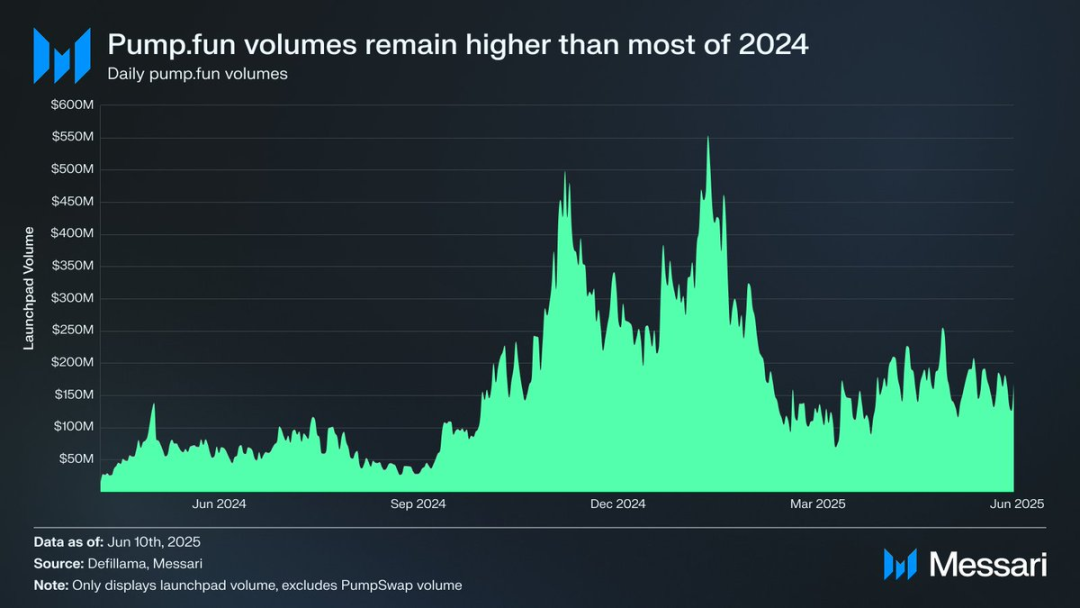
尽管 pump.fun 发币平台的交易量相比年初有所下滑,但仍远高于 2024 年大部分时间的水平。
合理估值70亿?PUMP公售买到就是赚到?

Pump.fun 的交易量高于 24 年的多数时间,数据:Messari

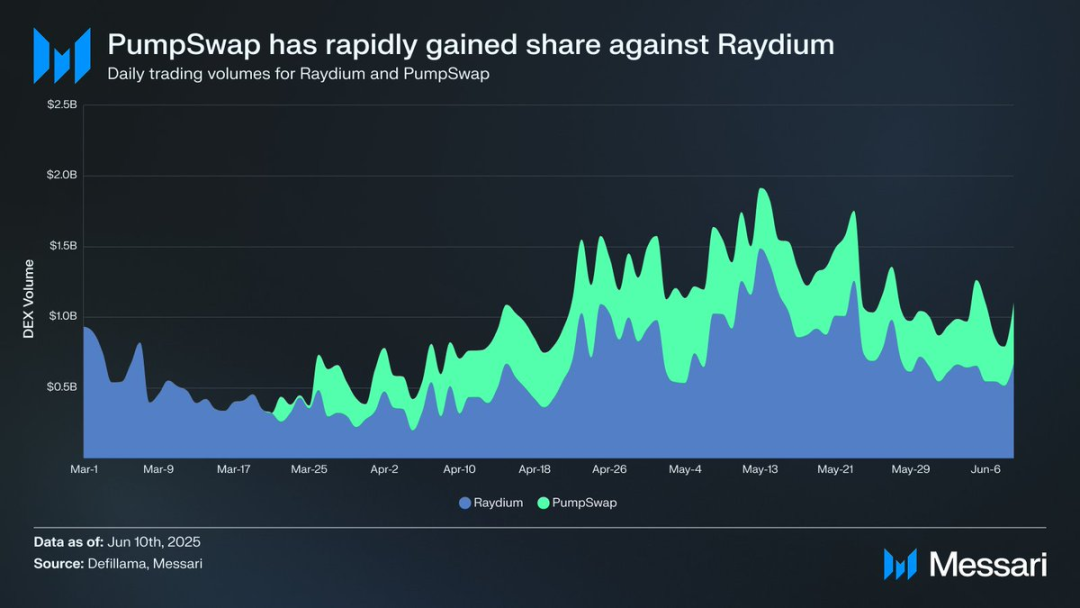
人们可能也低估了 PumpSwap 的成功。这个 DEX 在大约三个月前上线,但已经显著蚕食了 Raydium 在 Solana 上的市场份额。
合理估值70亿?PUMP公售买到就是赚到?

PumpSwap 与 Raydium 的市场份额对比,数据:Messari

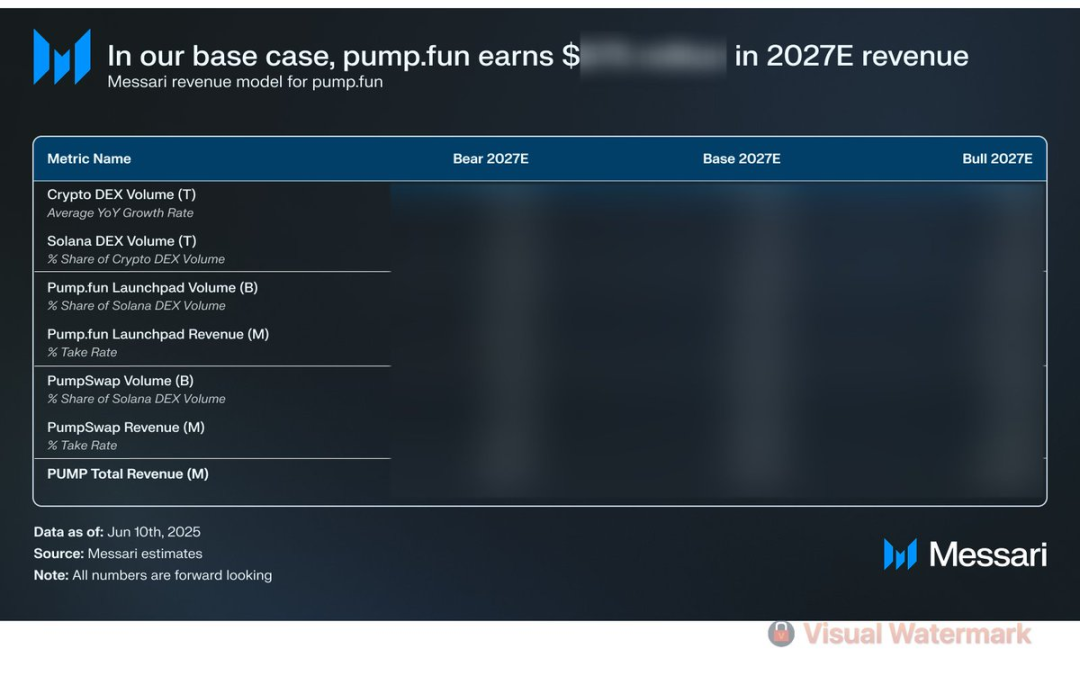
我们的估值方法采用自上而下(top-down)的模型,假设了加密市场整体交易量、Solana 占比、启动平台份额和 PumpSwap 市场份额。这些假设和模型仅对企业客户开放,但我会分享主要结论。
合理估值70亿?PUMP公售买到就是赚到?

在我们的基本情景(base case) 中,我们认为 Memecoin 会在更广泛的加密经济中占据一个细分市场,因为它们比 NFT 更适合投机用途。

当然, Solana 生态随着成熟无疑会向新的资产对多元化发展,但这点也很可能成立。

我们认为,即使 pump.fun 在 Solana 生态内占据的份额略有下降,但 PumpSwap 持续增长,pump 项目仍然有望在未来两年内产生约 6.75 亿美元的收入。

按 10 倍估值倍数计算,对应的 FDV 为约 70 亿美元。

然而,关键前提是:如果项目方选择一种不透明的代币 / 股权结构,将大部分收入分配给内部人士而非代币持有者,那我们认为当前市场已变得相当谨慎,不会忽视这种糟糕的价值积累方式。

在我们的完整报告中,我们提供了估值表格,用于根据代币持有者能获取的收入百分比来评估 PUMP 的潜在价值。

无论市场最终如何判断,这都是一个参与史上最赚钱的加密应用的绝佳机会。现在就看项目团队是否给予代币持有者足够的参与价值(buy-in),使其成为一项值得投资的项目了。

编者注:

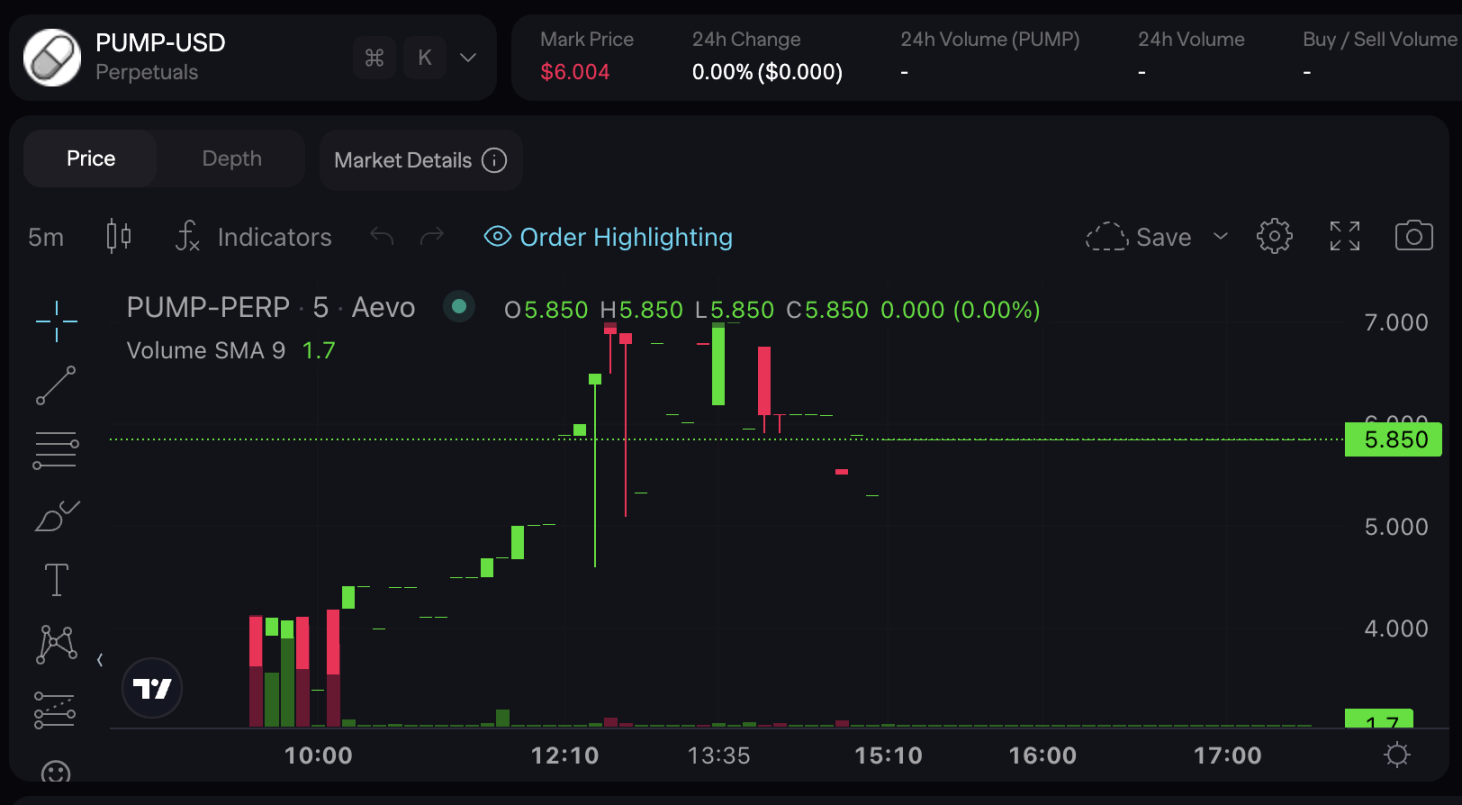
在 Aevo 的盘前永续交易市场上,此刻 PUMP 的价格为 6 美元,对应 60 亿的 FDV(完全流通市值)。
合理估值70亿?PUMP公售买到就是赚到?

PUMP 在 Aevo 上的盘前价格

Пов'язані матеріали

AI Democratizes Hacking, Bitcoin Red Team White Hats Race in Speed-Based Attack-Defense Contest

AI is democratizing powerful hacking tools, putting them in the hands of those with little cybersecurity expertise. Cryptocurrency developers are now in a race to find system vulnerabilities before attackers do. The Bitcoin Red Team, a group of 20-25 volunteers including anonymous developers like Calle, has formed to urgently address these AI-augmented security threats within the Bitcoin ecosystem. Calle emphasizes that while the Bitcoin core protocol itself is secure, the real risk lies in the wallets, applications, services, and other third-party software built on top of it—the software most users interact with. Incidents like the Coldcard wallet hack and the emergence of powerful Chinese AI models have accelerated their proactive security auditing efforts. The team both accepts audit requests from Bitcoin projects and proactively scans major open-source projects. They report found vulnerabilities to developers and refine their classification standards. Notably, Calle states the team frequently uses Chinese AI models over US counterparts, as the latter's strict safety guardrails often block cybersecurity research tasks, hindering their utility for finding or fixing vulnerabilities. Calle warns that AI is erasing the information asymmetry that previously protected some vulnerabilities. It lowers the technical barrier, allowing non-experts to exploit simple flaws. He describes the current state of Bitcoin software as "on fire" and believes the direct financial incentive of cryptocurrency makes it a first target in this industry-wide shift, with other sectors to follow. The era of security through obscurity is over.

marsbit5 хв тому

AI Democratizes Hacking, Bitcoin Red Team White Hats Race in Speed-Based Attack-Defense Contest

marsbit5 хв тому

Foreign Capital Sells Off $29 Billion in Short-Term US Treasuries, Why is the US Betting on Stablecoins to "Take Over"?

In June, foreign investors netted $133.5 billion into U.S. financial markets but simultaneously sold $29 billion in short-term U.S. Treasury bills. This divergence highlights a strong preference for U.S. equities over government debt. While overseas buyers purchased $181.4 billion in stocks, demand for Treasuries weakened significantly. This trend explains why the U.S. is looking to stablecoins as a potential new source of demand for its debt. Stablecoin issuers like Tether and Circle back their tokens primarily with highly liquid assets, including short-term Treasuries. As users buy stablecoins, issuers convert that dollar demand into Treasury purchases. Recent U.S. legislative efforts, such as the proposed rules under the *GENIUS Act*, formalize this by mandating stablecoin reserves be held in assets like cash and short-term Treasuries. Currently, stablecoins represent a substantial existing buyer base. For instance, Tether alone held nearly $115 billion in direct T-bill exposure in Q2. However, recent stablecoin supply growth has been minimal and does not account for the $29 billion sell-off by foreign investors in June. For stablecoins to act as a meaningful counterbalance to waning foreign demand, their circulating supply would need to expand significantly. The next TIC report will be crucial to monitor whether foreign selling continues and if stablecoin growth begins to fill the demand gap. Ultimately, the U.S. is strategically positioning the regulated stablecoin sector as a potential new pillar of demand for its government debt.

marsbit5 хв тому

Foreign Capital Sells Off $29 Billion in Short-Term US Treasuries, Why is the US Betting on Stablecoins to "Take Over"?

marsbit5 хв тому

Unitree Investors Jointly Heavy Bet on an Embodied Team

Unibot's early investors, including Meituan, Sequoia Capital, and Matrix Partners, have jointly invested in MiaoDong Technology, another humanoid robotics startup. Founded by former DJI employees—CEO Gao Jianrong, a 9-year DJI veteran who led multiple core business units, and CTO Yang Shuo, who previously worked in Tesla's Optimus team—MiaoDong is known for its combined expertise in hardware productization and advanced robotics cognition. Their core strategy centers on in-house motor R&D and full-stack software-hardware capabilities. The company recently made headlines with its first product, Beni, a wheel-legged "camera robot" designed for low-angle, ground-level filming and personal companionship. Successfully launched on Kickstarter, Beni set a record for the highest fundraising amount in the platform's robotics category. It received a perfect 10/10 rating from influential tech reviewer Marques Brownlee (MKBHD). Beni features capabilities like autonomous obstacle avoidance, the ability to jump 25cm, and self-righting after a fall. MiaoDong plans to leverage the technological and user data feedback from Beni's consumer launch to inform the development of future home-use humanoid robots. The company emphasizes a product-first, user-centric approach, prioritizing real-world applications and reliability over rapid, demo-focused scaling. With Beni set for global release in October and an internal target to sell millions of units, MiaoDong aims to establish itself as a significant player in the embodied AI space through steady, product-driven growth.

marsbit20 хв тому

Unitree Investors Jointly Heavy Bet on an Embodied Team

marsbit20 хв тому

Торгівля

Спот
活动图片