以色列空袭伊朗,你的加密钱包损失更重?

深潮Опубліковано о 2025-06-13Востаннє оновлено о 2025-06-13

风险资产普遍遭到抛售。

撰文:Techub News

周四晚些时候,以色列对伊朗发动空袭,震动了全球金融市场,引发风险资产的抛售潮,比特币价格应声下跌。
三点你要知道,关乎你的资产:

1. 以色列对德黑兰和大不里士附近发动空袭后,比特币周五早盘下跌 5% 至 102,900 美元。

2. 中东紧张局势升级推动避险资金流入黄金,现货黄金则因避险而飙升至 3,429 美元。。

3. 美国官员表示正在密切关注局势,石油和股票期货价格同步下滑。
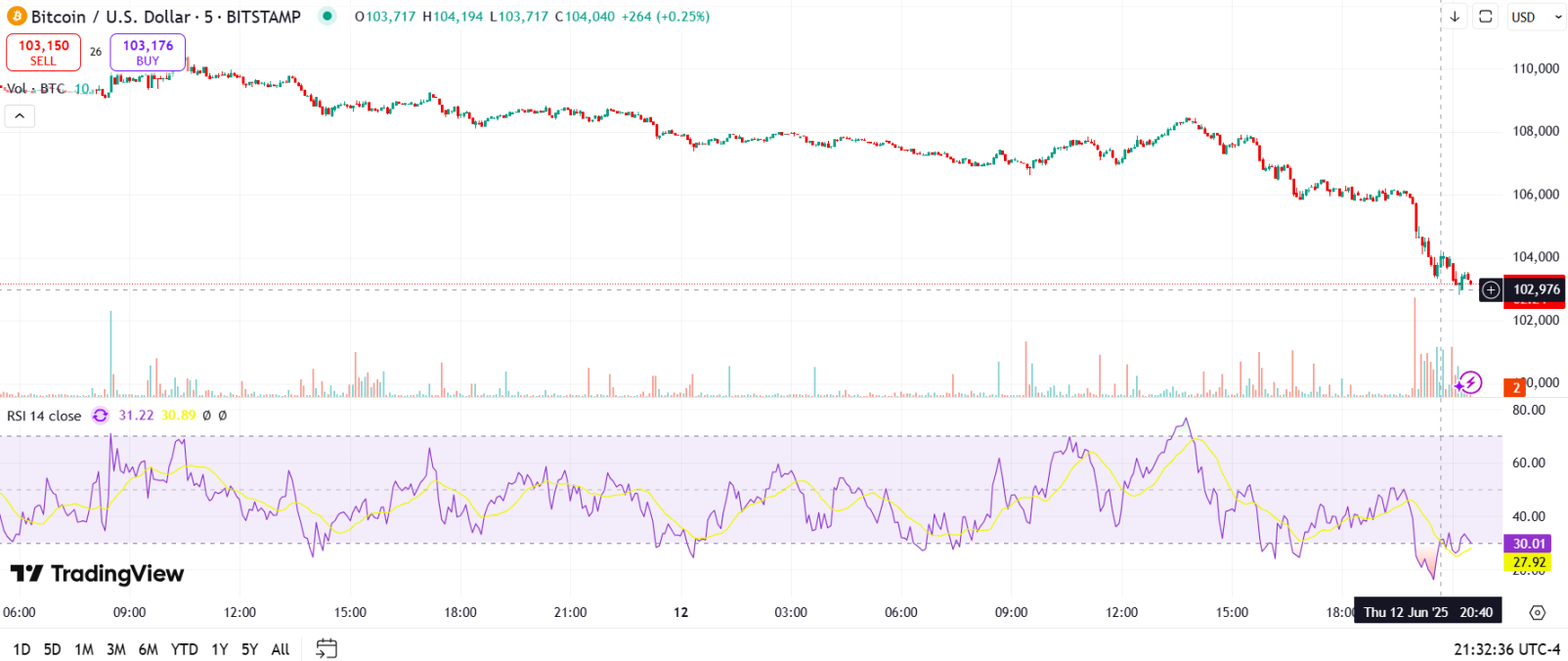
以色列对伊朗军事目标的空袭加剧了中东地区的紧张局势,导致风险资产普遍遭到抛售,比特币价格在周五早间下跌超 5%。根据 TradingView 数据,全球最大加密货币从 24 小时高点 108,500 美元跌至 102,900 美元。

以色列官方证实,空袭目标为德黑兰和大不里士附近的伊朗军事设施,并称此举是对「日益加剧的威胁」所采取的「先发制人」行动。以色列总理本雅明·内塔尼亚胡在周四的新闻发布会上表示,伊朗的核野心是「明显且现实的威胁」,并称先发制人的行动将「持续数天,直至威胁被消除」。

伊朗方面尚未做出正式回应,但其国家媒体报道称,受影响地区发生了爆炸,并导致空中交通中断。此前,以色列国防官员与美国国防部高层举行了会晤。华盛顿方面未对此次空袭发表明确评论,仅表示正在密切关注事态发展。

加密基金经理 Merkle Tree Capital 的首席投资官 Ryan McMillin 在接受 Decrypt 采访时表示:「以色列与伊朗之间紧张局势的最新升级正在冲击风险资产和石油市场,但这种情况我们之前也见过。」他补充道:「2024 年 4 月的类似事件曾引发周末加密市场的抛售,但局势缓和后,市场迅速反弹。这些时刻往往是买入良机。」

Real Vision 首席加密分析师 Jamie Coutts 对此表示认同,并指出,比特币在短期交易者眼中仍是一种风险偏好资产,但机构投资者的长期配置正逐渐主导其走势。他说道:「这解释了为何短期内比特币会跟随风险资产波动,但长期却能跑赢黄金。」
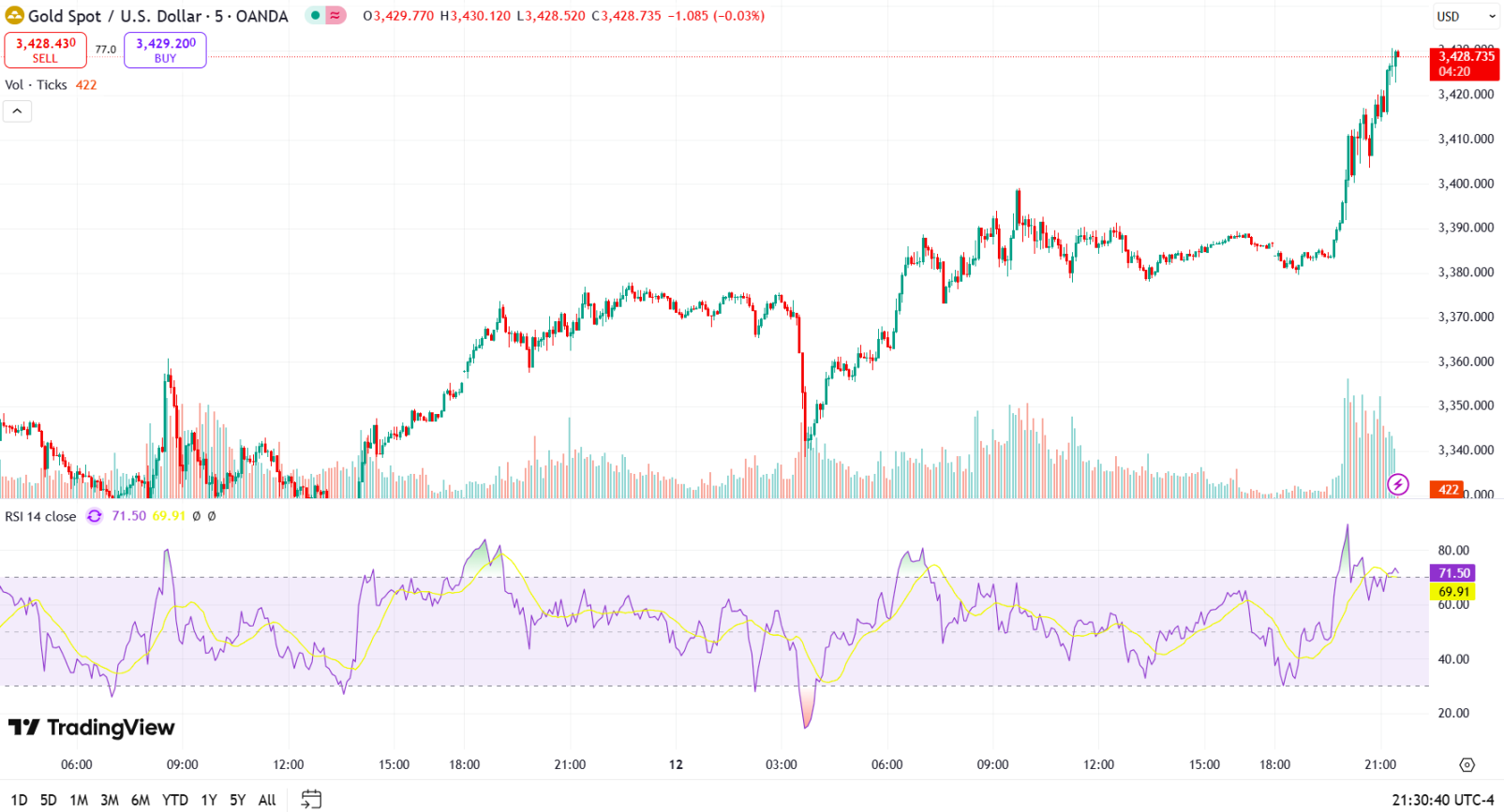
与此同时,现货黄金则因避险而飙升至 3,429 美元,而美国期货价格则因投资者担忧更广泛的地区冲突风险而走低。

Пов'язані матеріали

Why Is No One Buying DeFi Insurance?

"Why DeFi Insurance Remains Unpurchased" explores the paradox of decentralized finance insurance. While DeFi insurance promises automatic, unbiased payouts via smart contracts—eliminating traditional insurers' denial practices—it struggles to attract users. The core issue is economic viability. Premiums are prohibitively high relative to the yields from DeFi protocols. For example, insuring a deposit on Aave or Maple Finance can consume most or even all of the annual yield, leaving returns comparable to or worse than traditional savings. Only the safest protocols, like MakerDAO, offer affordable premiums. Furthermore, the DeFi insurance model is structurally fragile. Unlike traditional insurance where risks are uncorrelated, DeFi risks are highly interconnected (e.g., oracle failures, bridge hacks). A single major exploit can simultaneously threaten multiple protocols, potentially bankrupting the entire insurance pool, which holds only millions against billions in total value locked. The governance model also creates a conflict of interest. In platforms like Nexus Mutual, token holders who vote on claims risk their own capital if payouts are approved, incentivizing denials. Consequently, the market is tiny and shrinking. Nexus Mutual dominates with $81.56 million in assets, but the industry lacks the capacity to cover a catastrophic event like the $292M Kelp DAO hack. Other providers have dwindled or shut down. The article concludes that DeFi insurance faces a "tragedy of the commons": its stability requires widespread adoption, but individual users have no incentive to pay for it, as premiums destroy their yields. Current solutions involve preventative measures like bug bounties and seeking external capital from traditional reinsurance, acknowledging that on-chain capital alone is insufficient to cover on-chain risks.

marsbit5 хв тому

Why Is No One Buying DeFi Insurance?

marsbit5 хв тому

Kraken Sets Its Sights on Aave: Why is CeFi Starting to 'Buy the Dip' in Core DeFi Assets?

Recent market rumors suggest Kraken is planning a strategic investment in Aave, sparking widespread interest. Although Aave's co-founder clarified some inaccurate details in the reports, this event highlights a significant trend: centralized exchanges are accelerating their entry into the core areas of on-chain finance. Kraken's interest in Aave reflects its strategic expansion beyond simple trading into more profitable, higher-barrier financial services like DeFi asset management. Aave, a leading DeFi lending protocol, offers a mature lending model, deep liquidity, and a growing ecosystem, making it a key gateway to future on-chain finance. Despite a major security incident in April that caused significant withdrawals, Aave's core architecture, governance, and market trust remained intact. The protocol's strong fundamentals are underscored by its $134 million in annual revenue, suggesting its valuation may be undervalued. Aave is also designing a new tokenomics model (Aavenomics 3.0) featuring an automated token buyback mechanism to better capture value for token holders, signaling DeFi's evolution towards sustainable value models. Ultimately, this potential move signals accelerated convergence between CeFi and DeFi. Kraken's target is not just an asset but a strategic position in the future of on-chain financial infrastructure, while Aave aims to prove DeFi can evolve into a cash-flow-generating, global financial system.

marsbit1 год тому

Kraken Sets Its Sights on Aave: Why is CeFi Starting to 'Buy the Dip' in Core DeFi Assets?

marsbit1 год тому

Торгівля

Спот
活动图片